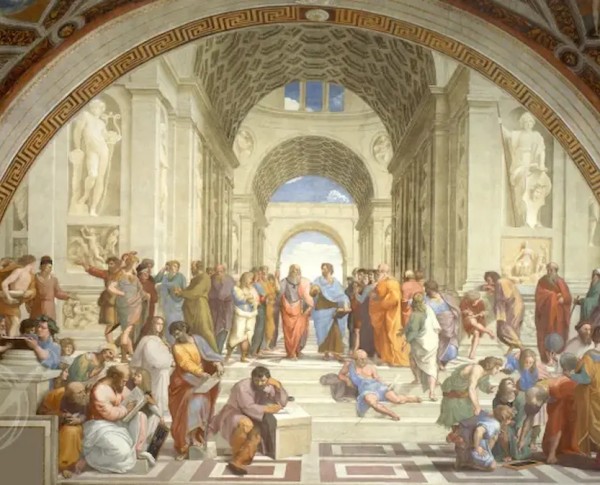
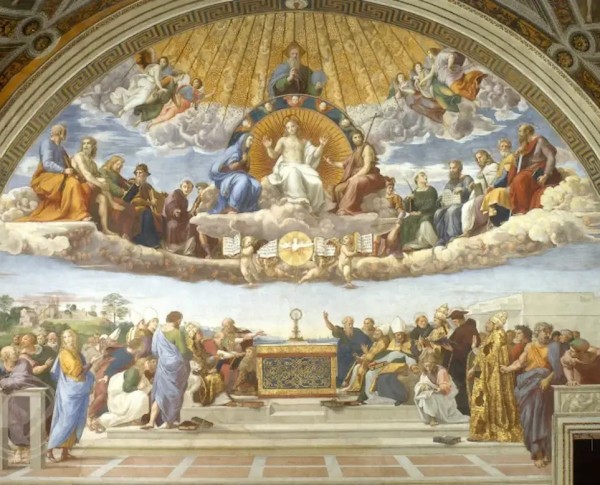
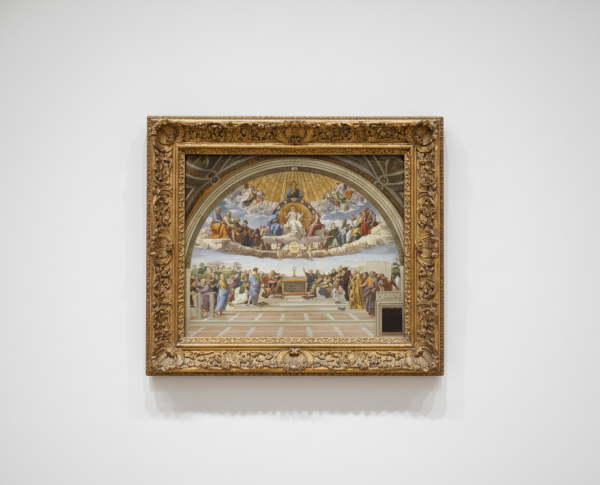
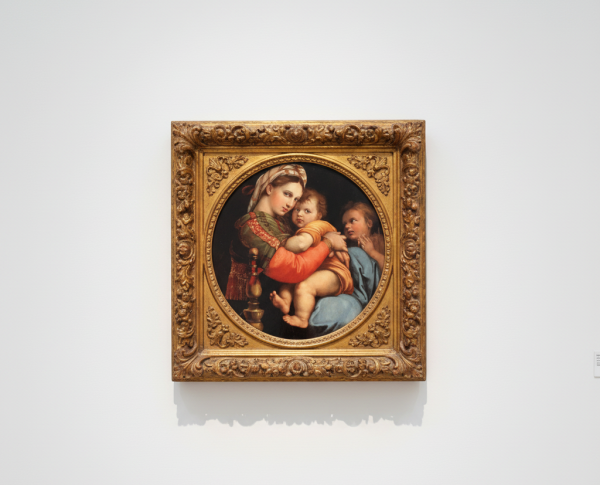
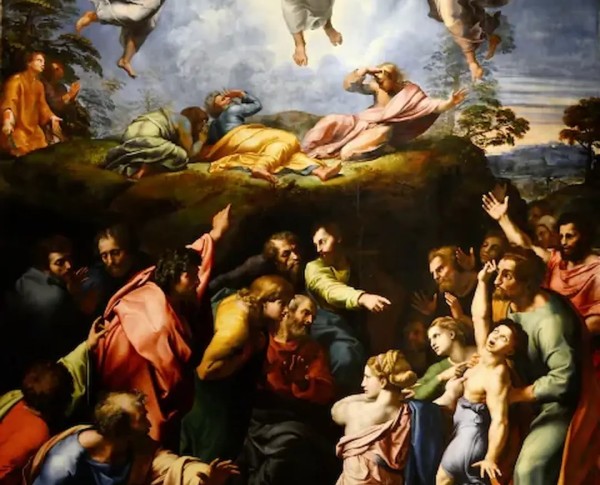
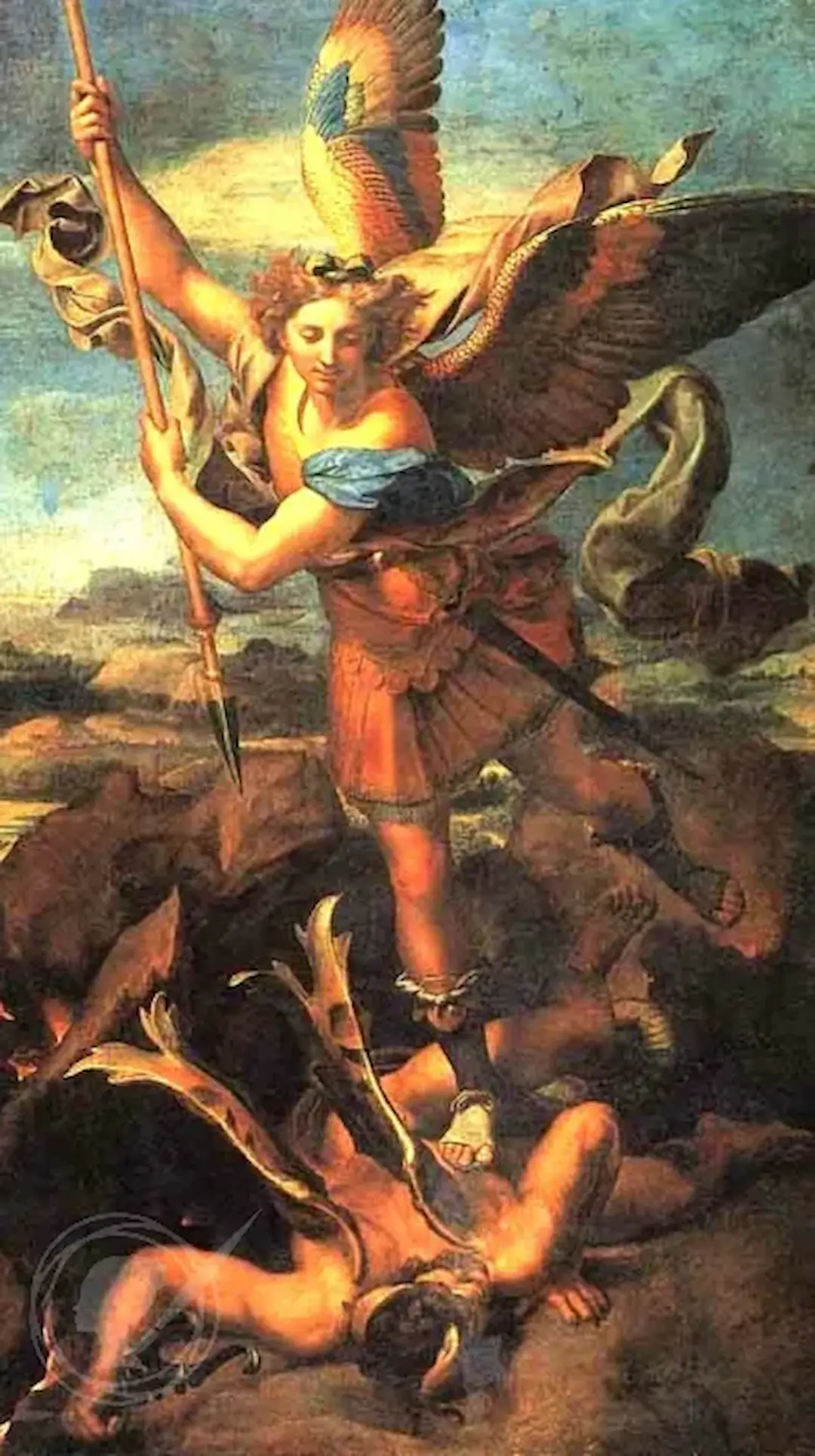
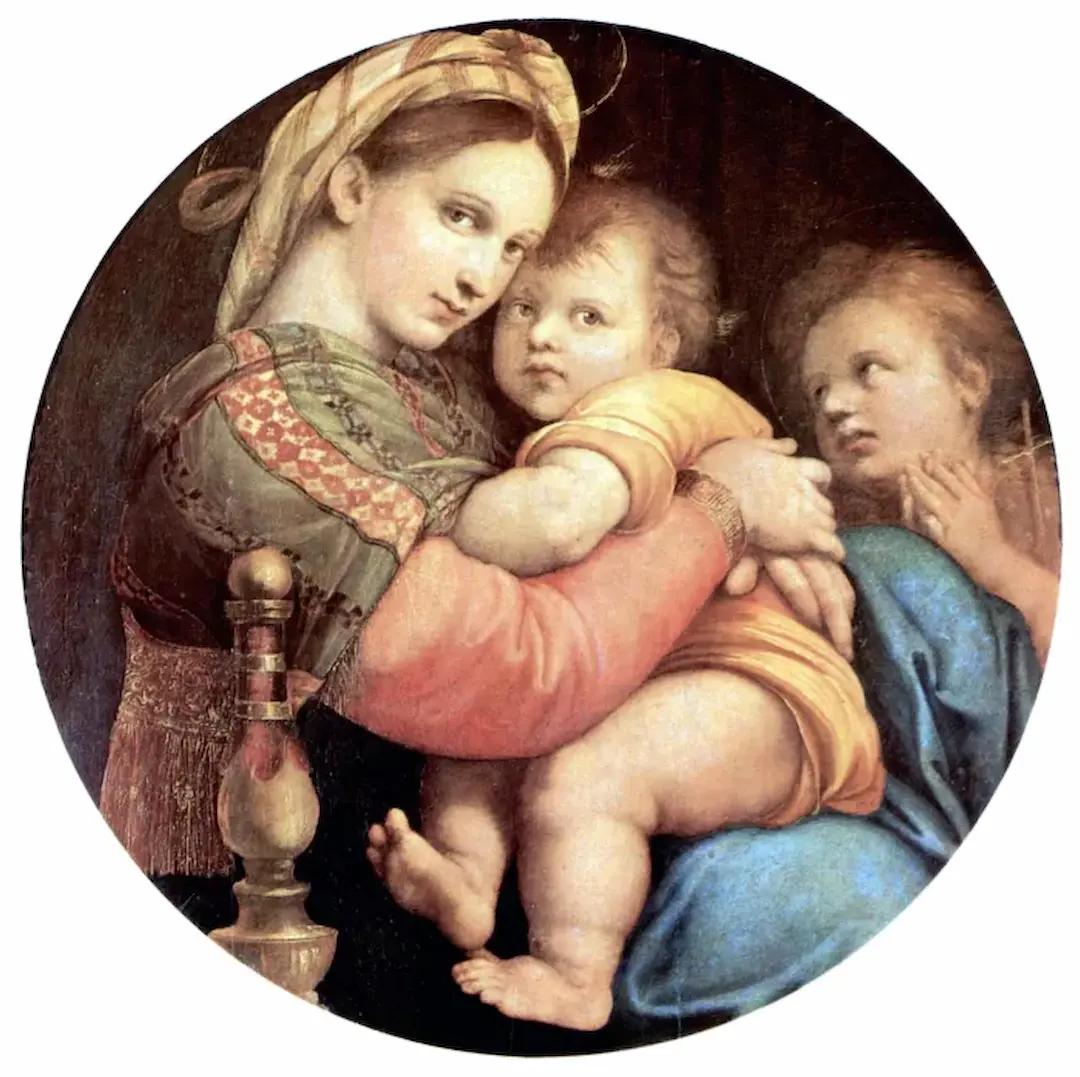
Raffaello Sanzio’s technique in "Saint Michael Trampling the Dragon" reveals his extraordinary skill with oil on canvas. The dynamic composition and vibrant color palette highlight the artist’s High Renaissance sensibility, making this work a true collector’s gem. Art lovers may also appreciate Raphael’s mastery in "Madonna & Child (Madonna del Granduca) 1505" and "The Stanza Della Segnatura Ceiling Justice," both of which exemplify his refined style and innovative approach to painting.
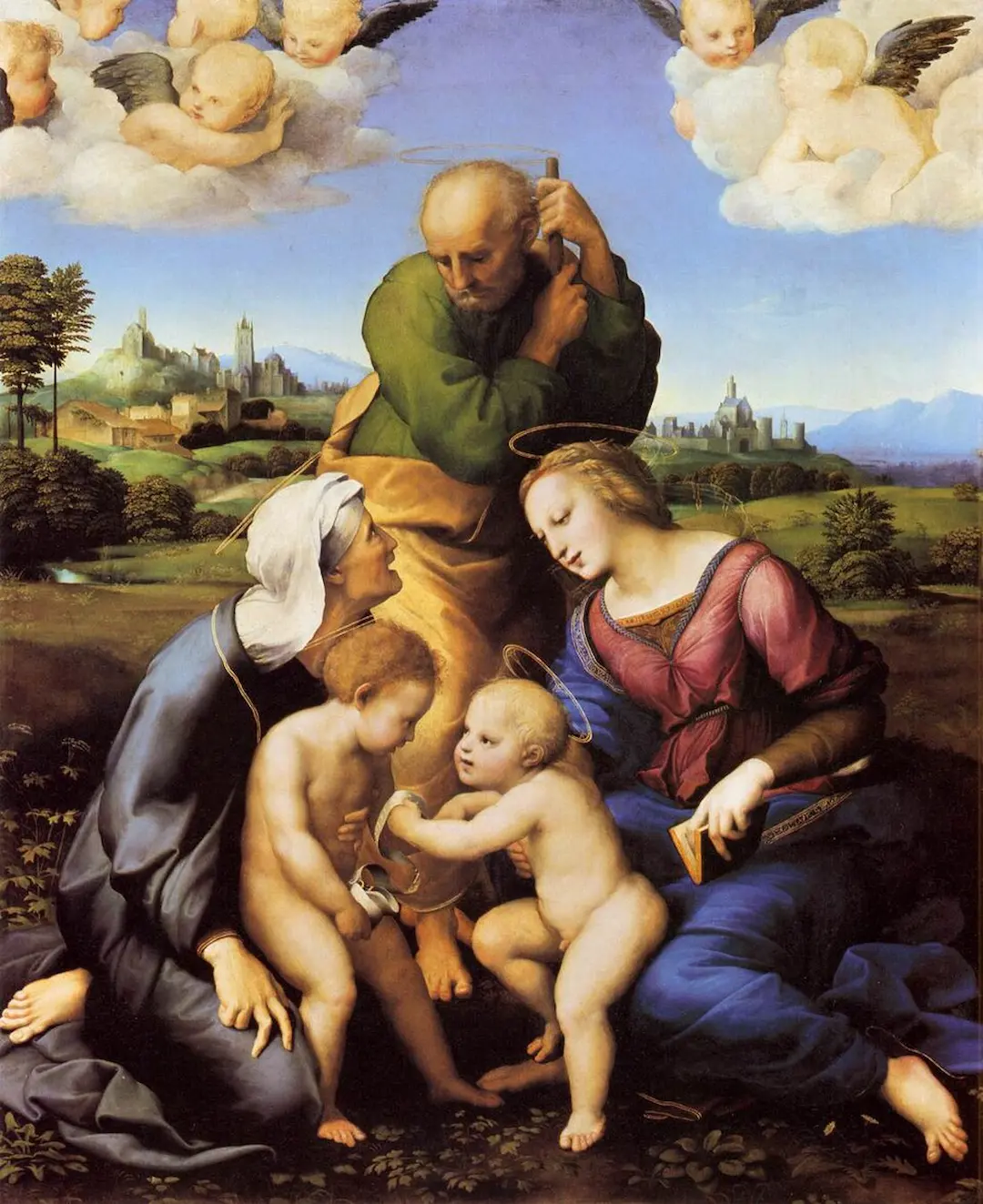
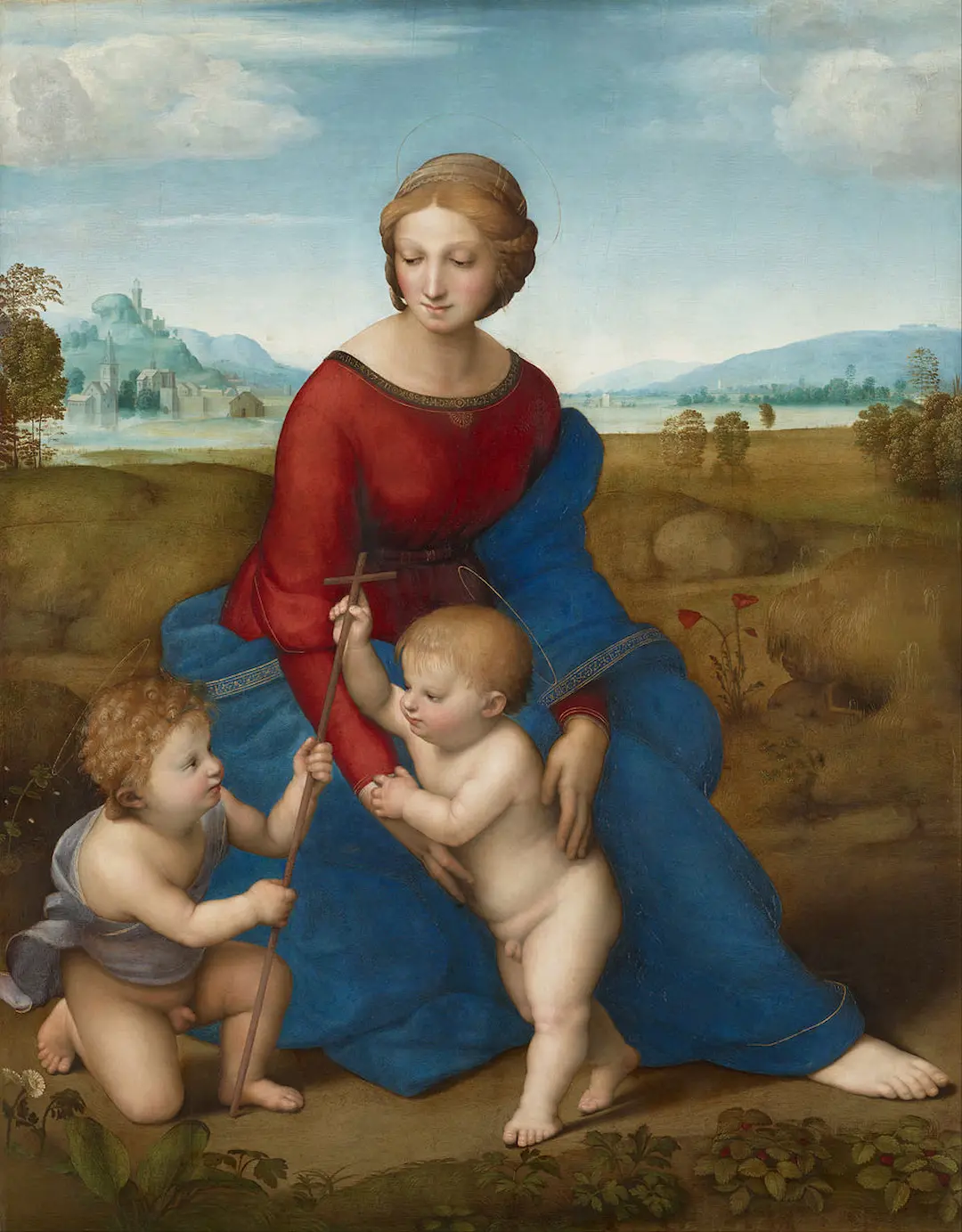
In this fine art painting for sale, Saint Michael’s victory over the dragon is rich with symbolism, exemplifying the eternal struggle between good and evil. Raffaello Sanzio uses dramatic gestures and expressive faces to convey the narrative’s spiritual significance. This thematic depth is echoed in Raphael’s other works, such as "Madonna of Belvedere (or Madonna del Prato)" and "The Holy Family with Saints Elizabeth and John (or The Canigiani Holy Family)," each brimming with hidden meanings and allegories.
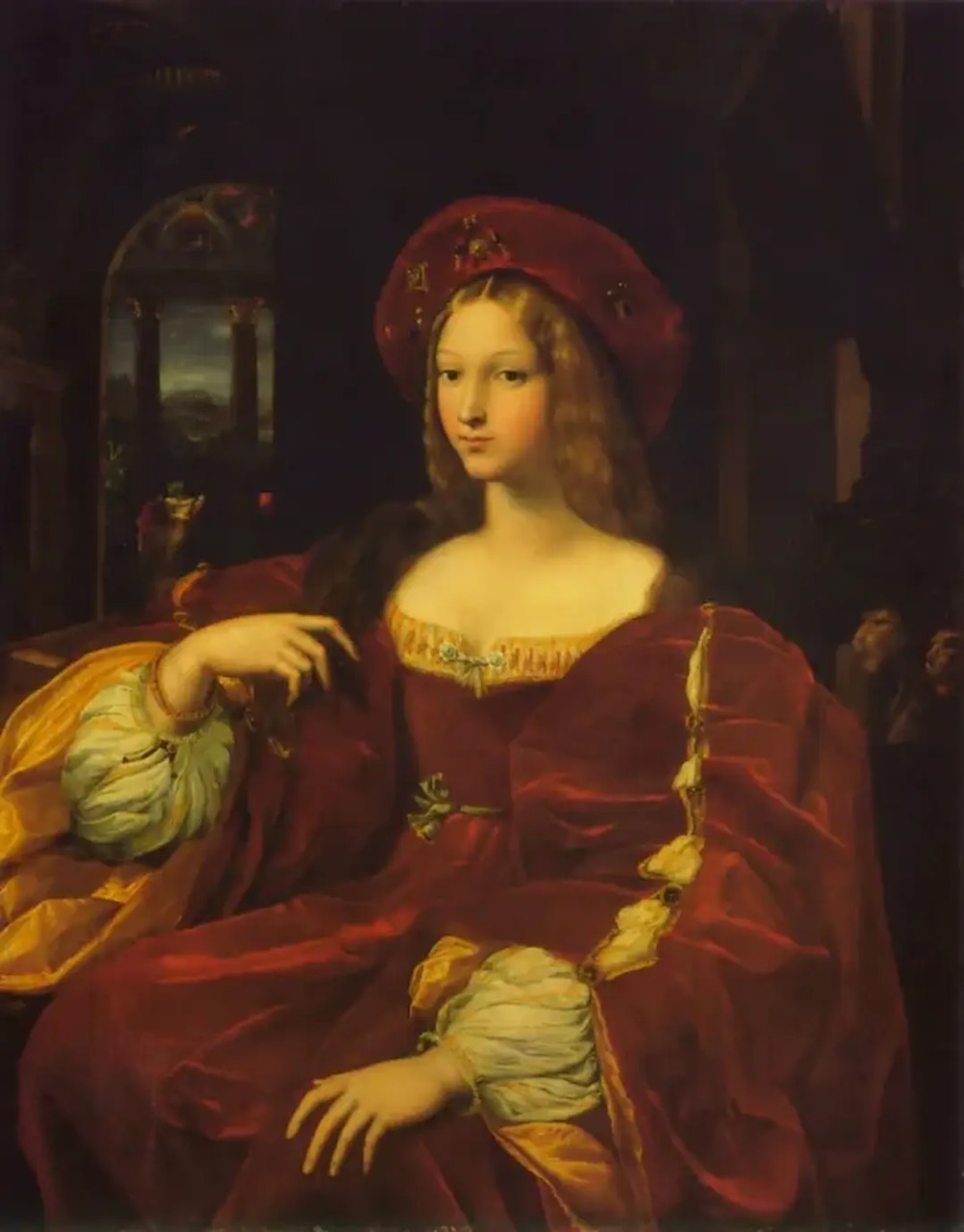
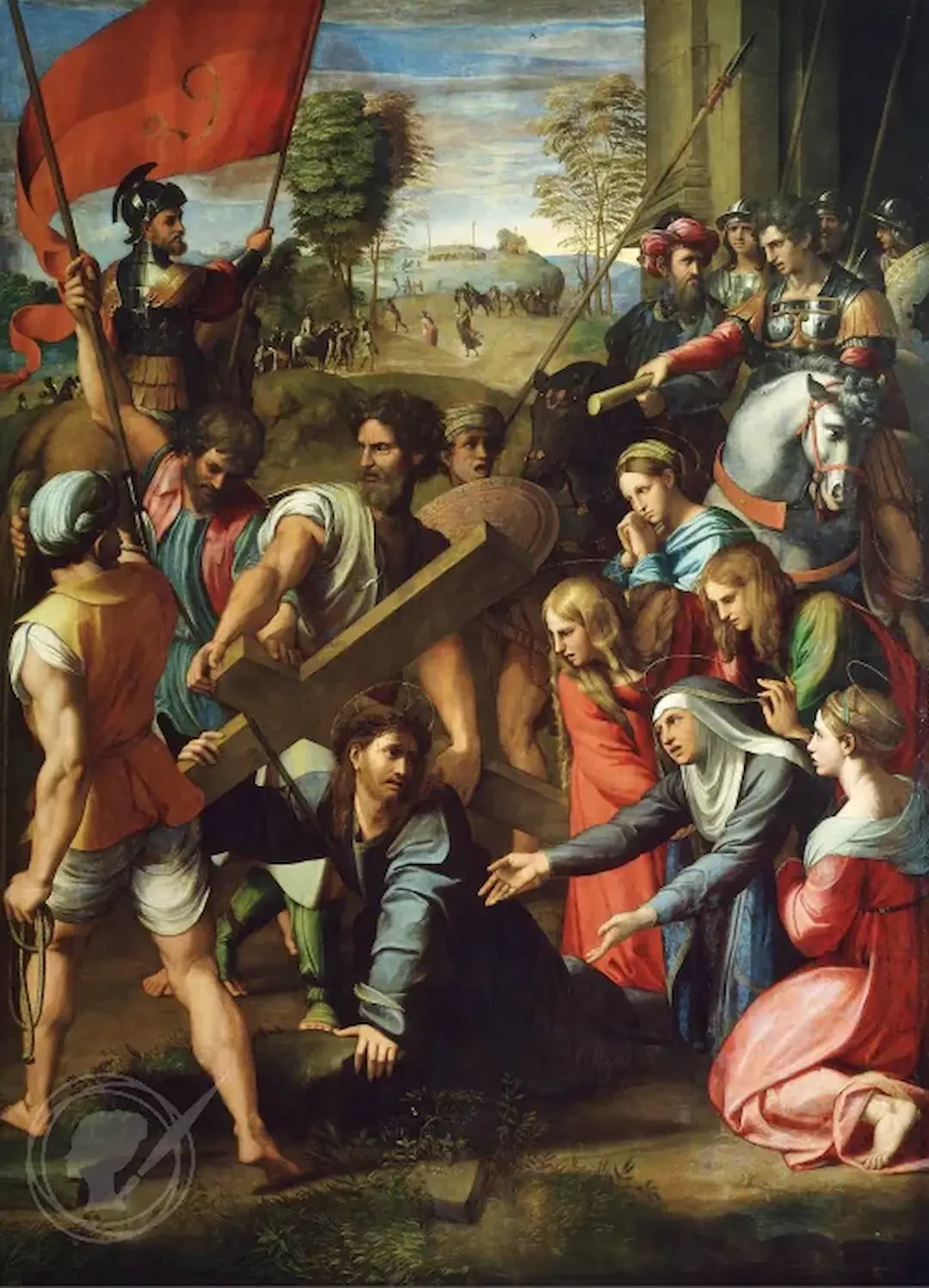
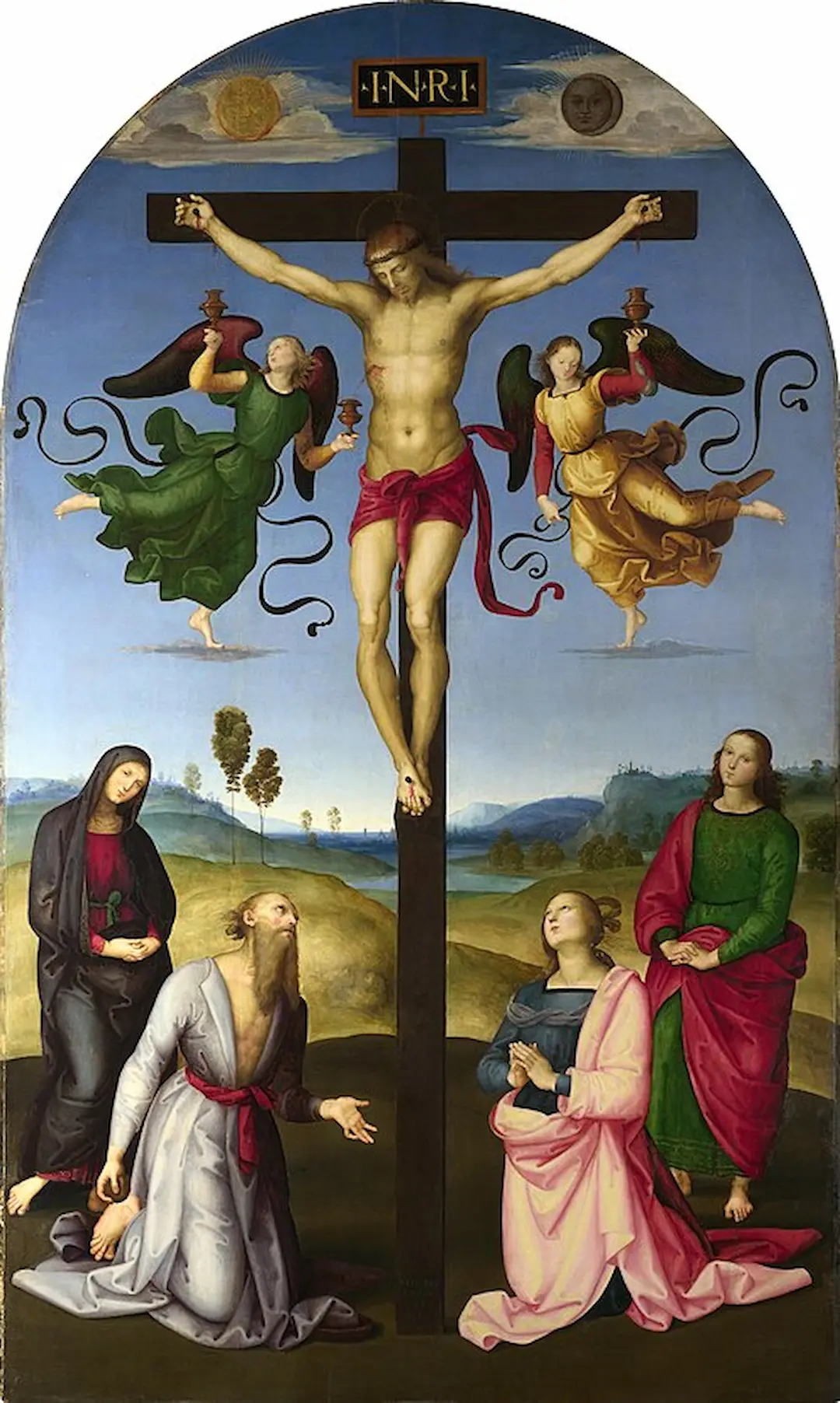
Owning "Saint Michael Trampling the Dragon" in your collection means possessing a hand-painted oil painting that epitomizes the High Renaissance spirit. Raffaello Sanzio’s attention to detail and emotional resonance make this piece highly sought after among collectors of historical art. For enthusiasts seeking to expand their repertoire, related products like "Joanna Of Aragon" and "The Hill of Calvary" further enrich any collection of Renaissance masterpieces.
When Art Meets History
"Saint Michael Trampling the Dragon" by Raffaello Sanzio stands as a testament to the grandeur of the High Renaissance movement. Created during a period of flourishing creativity, this hand-painted oil painting captures the mythic struggle between good and evil in vivid detail. Like other masterpieces of its time, such as "The Last Supper 1498" and "Mona Lisa (La Gioconda) c. 1503-05," Raphael’s work reflects an era where art seamlessly intertwined with historical narratives.
Techniques That Speak
Raffaello Sanzio's "Saint Michael Trampling the Dragon" showcases his mastery over oil on canvas, a medium favored during the High Renaissance. The artist’s delicate brushwork, balanced composition, and dynamic use of color bring the scene to life with extraordinary realism. This technique can also be found in related paintings like "Creation of Adam 1510" and "Female head (The Lady of the Dishevelled Hair)." Each brushstroke in Raphael's painting reveals his dedication to elevating classical ideals through innovative methods.
Emotions on Display
In this fine art painting for sale, Raffaello Sanzio conveys a dramatic interplay of courage and triumph. "Saint Michael Trampling the Dragon" radiates intense emotion as the archangel conquers evil, his resolve mirrored in every detail. Similar emotional depth can be found in works like "Portrait of Cecilia Gallerani (Lady with an Ermine) 1483-90." Raphael’s High Renaissance style ensures each figure and gesture communicates a powerful story that resonates with viewers across centuries.
Coveted by Collectors
As a celebrated example of High Renaissance artistry, "Saint Michael Trampling the Dragon" by Raffaello Sanzio remains highly sought after among collectors. The allure of owning a hand-painted oil painting from this era is undeniable, especially when compared to iconic works like "Mona Lisa" or "The Last Supper." Raphael’s legacy, preserved in this and related masterpieces, continues to inspire admiration and desire in the world of fine art connoisseurs.
Related High Renaissance Hand-Painted Oil Paintings by Other Artists
Other Famous High Renaissance Artists:
Frequently Asked Questions About Saint Michael Trampling the Dragon
What is the historical context of "Saint Michael Trampling the Dragon"?
"Saint Michael Trampling the Dragon" was created during the High Renaissance, a period characterized by a renewed interest in classical antiquity and humanism. Raffaello Sanzio, known as Raphael, painted this work in the early 16th century, reflecting the religious fervor and artistic innovation of the time.
What are the main themes depicted in the painting?
The painting primarily explores the themes of good versus evil, as represented by Saint Michael, the archangel, triumphing over the dragon, a symbol of Satan. This allegorical representation serves to convey the victory of divine grace over sin and chaos.
Who is Saint Michael and what does he symbolize in this artwork?
Saint Michael is one of the archangels in Christian theology, often depicted as a warrior and protector. In this artwork, he symbolizes divine justice and the power of faith, embodying the struggle against evil forces.
What artistic techniques did Raphael employ in this painting?
Raphael utilized chiaroscuro to create depth and volume, enhancing the dramatic effect of the scene. His mastery of composition is evident in the dynamic poses of the figures and the balanced arrangement that draws the viewer's eye toward the central conflict.
How does the painting reflect Renaissance ideals?
The painting reflects Renaissance ideals through its emphasis on human emotion, naturalism, and classical proportions. Raphael's ability to convey movement and expression aligns with the period's focus on the human experience and the beauty of the natural world.
What role does color play in "Saint Michael Trampling the Dragon"?
Color in this painting is used strategically to highlight the contrast between Saint Michael and the dragon. The vibrant blues and whites of Saint Michael's attire symbolize purity and divinity, while the darker tones of the dragon evoke chaos and evil.
What influences can be seen in Raphael's depiction of Saint Michael?
Raphael's depiction of Saint Michael shows influences from earlier artists such as Michelangelo and Leonardo da Vinci, particularly in the muscular forms and dramatic expressions. This blending of styles showcases Raphael's ability to synthesize various artistic elements into a cohesive work.
What is the significance of the dragon in the painting?
The dragon in "Saint Michael Trampling the Dragon" symbolizes evil and temptation, often associated with Satan in Christian iconography. Its defeat by Saint Michael serves as a powerful reminder of the triumph of good over evil in spiritual warfare.
How has "Saint Michael Trampling the Dragon" influenced later art?
This painting has had a lasting impact on subsequent artists and movements, inspiring depictions of archangels and the theme of divine victory. Its dramatic composition and emotive power continue to resonate in the works of later Baroque and Romantic artists.
Where can "Saint Michael Trampling the Dragon" be viewed today?
The painting is housed in the Museo del Prado in Madrid, Spain. It remains a significant example of Raphael's work and continues to attract art enthusiasts and scholars interested in Renaissance art and its enduring legacy.






















_GFM_Painting_(1).webp)


 100% Hand-Painted: Finished in 3-6 Weeks

.png)
















_(1).webp)