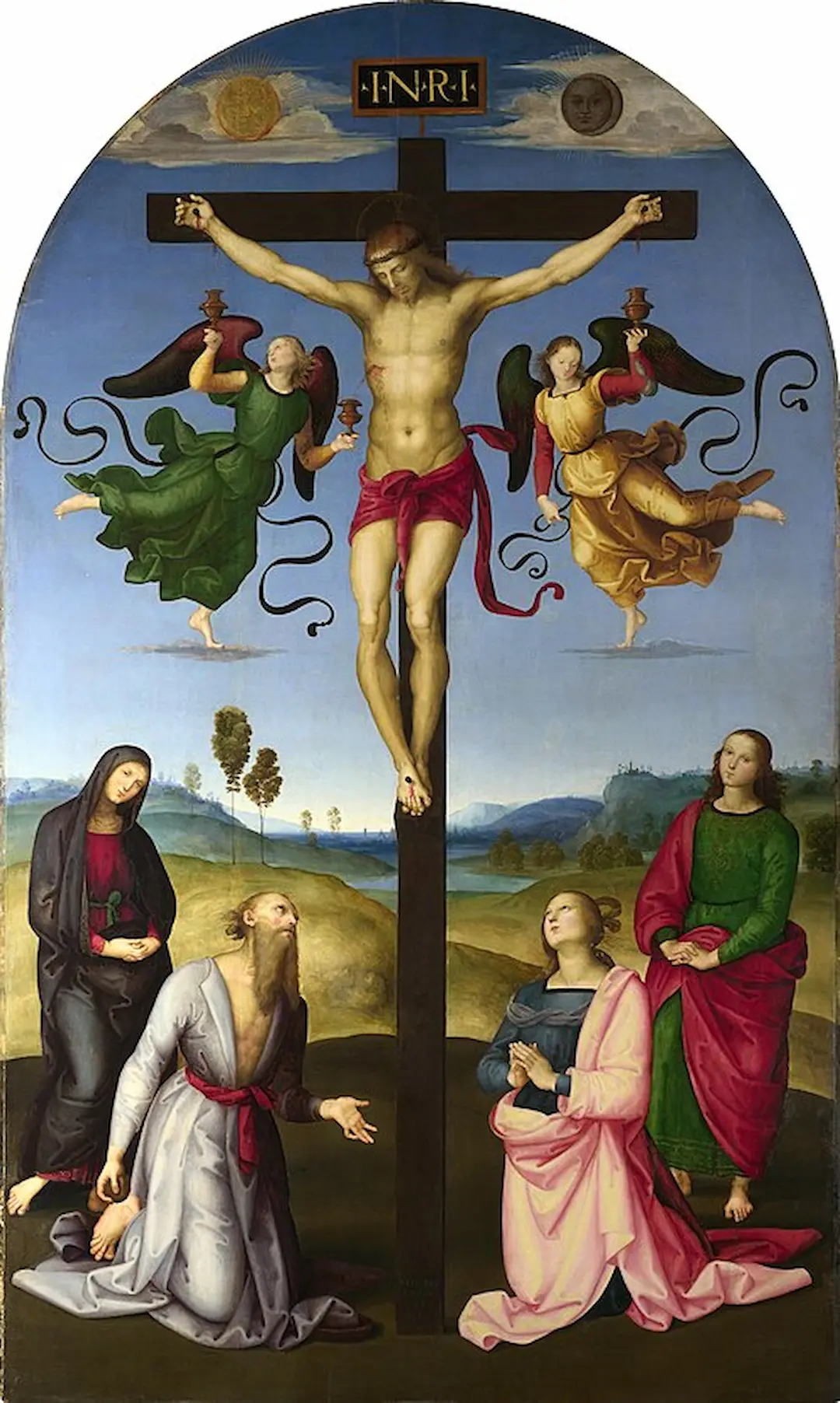
"Christ on the Cross with the Virgin, Saint Jerome, Mary Magdalene, and John the Baptist (Citta di Castello Altarpiece)" is a remarkable hand-painted oil painting by Raffaello Sanzio, a master of the High Renaissance movement. This exquisite artwork stands as a testament to Raphael’s enduring influence on religious art. Collectors and art lovers treasure this piece, as well as related products like "The Sistine Madonna" and "Cherubini," for their historical and spiritual significance.
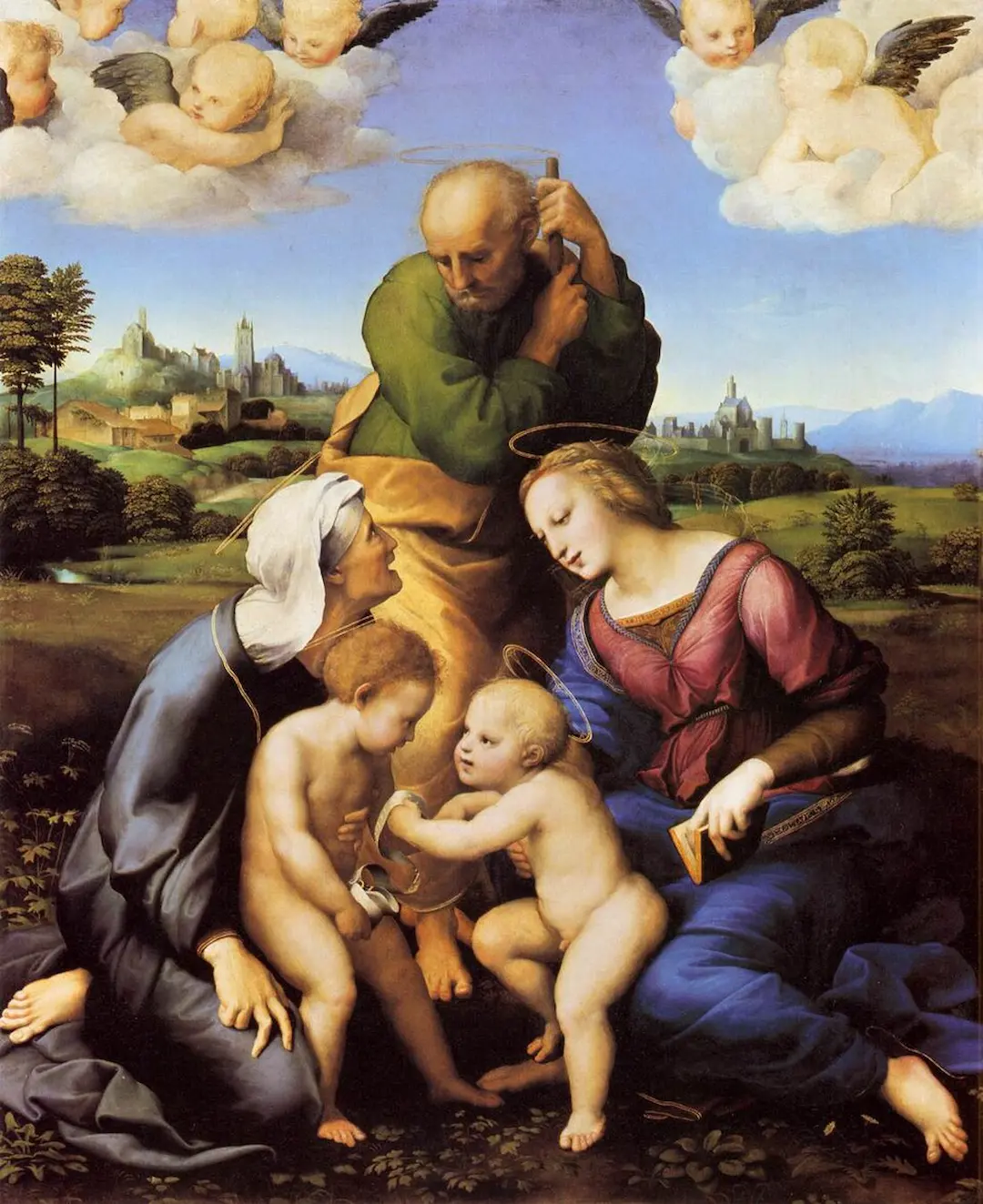
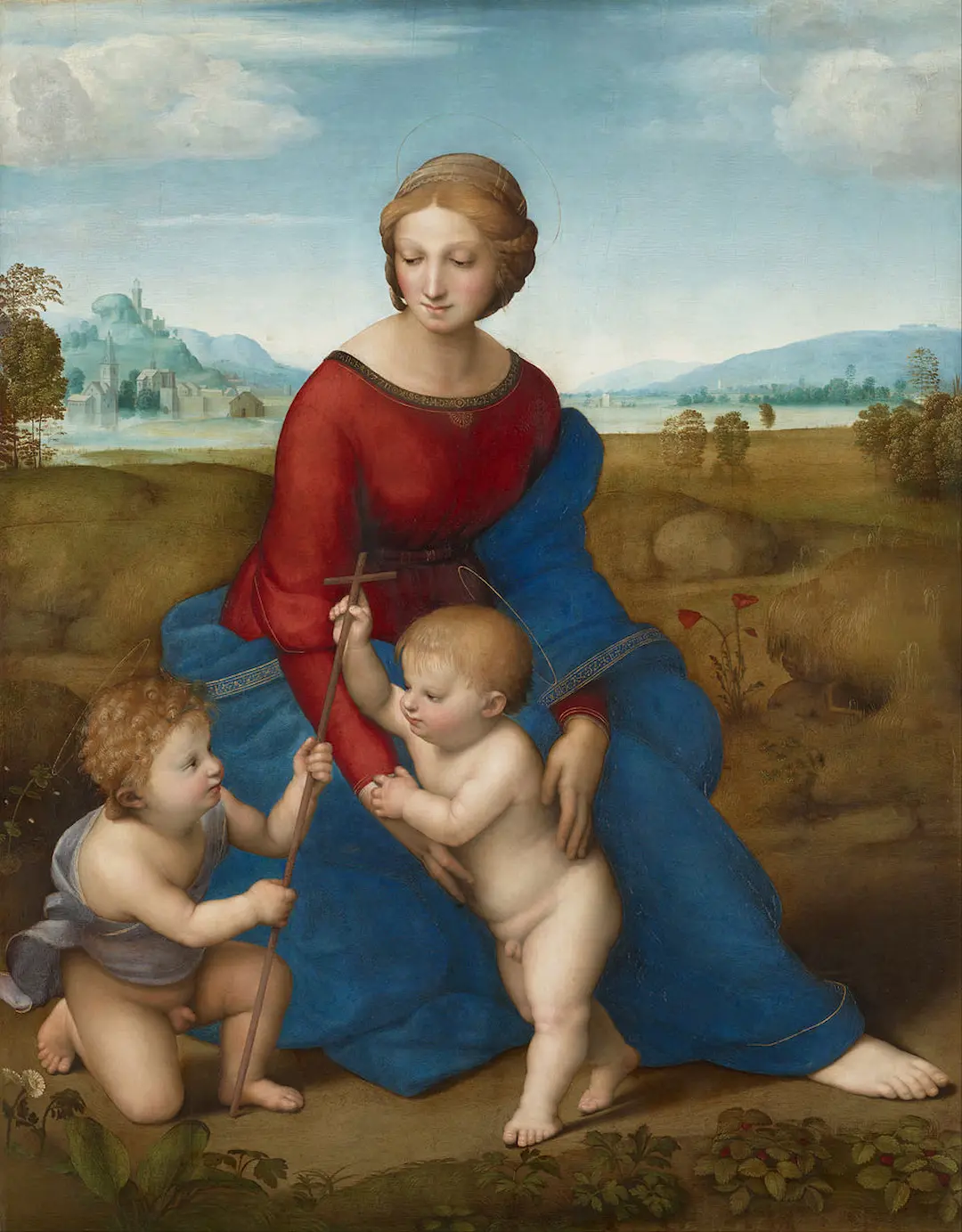
Raffaello Sanzio’s expertise shines through in this oil on canvas masterpiece, where each figure is rendered with delicate realism and emotional depth. The subtle interplay of light and shadow exemplifies the High Renaissance style. Raphael’s other celebrated works, such as "The Holy Family with Saints Elizabeth and John" and "Madonna of Belvedere," offer similar displays of technical brilliance, making them highly sought-after among those searching for a museum-quality oil on canvas.
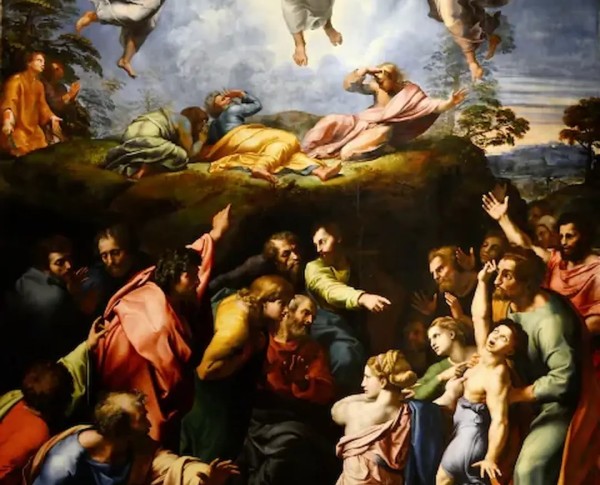
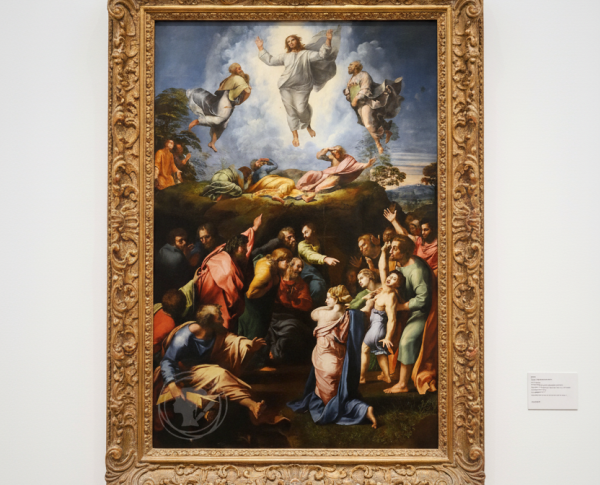
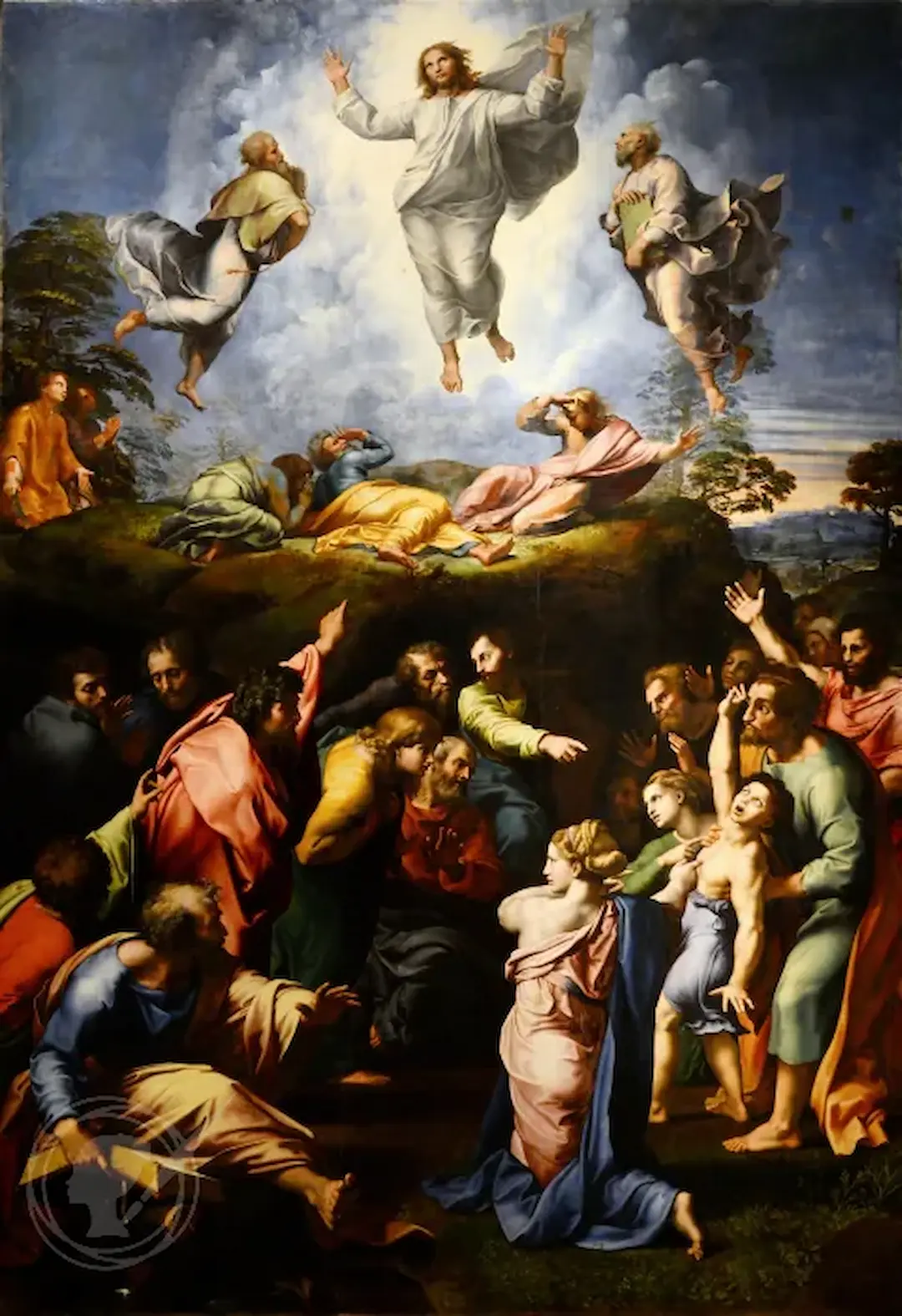
This fine art painting for sale captures an intense spiritual narrative, featuring Christ on the Cross surrounded by the Virgin, Saint Jerome, Mary Magdalene, and John the Baptist. Raphael weaves powerful symbolism into every detail, reflecting themes of sacrifice and redemption. Collectors often pair this painting with related products like "The Transfiguration" and "Madonna & Child (Madonna del Granduca) 1505" to enrich their understanding of Renaissance storytelling through art.
Owning "Christ on the Cross with the Virgin, Saint Jerome, Mary Magdalene, and John the Baptist (Citta di Castello Altarpiece)" by Raffaello Sanzio is a rare opportunity for enthusiasts of the High Renaissance. This hand-painted oil painting is not only a centerpiece for any collection but also harmonizes beautifully with other Raphael masterpieces. For those seeking a fine art painting for sale, this work and its related products represent the pinnacle of Renaissance artistry and investment value.
When Art Meets History
"Christ on the Cross with the Virgin, Saint Jerome, Mary Magdalene, and John the Baptist (Citta di Castello Altarpiece)" by Raffaello Sanzio stands as a testament to the brilliance of the High Renaissance. This hand-painted oil painting not only captures a sacred scene but also embodies the historical context of its era. Like masterpieces such as the Mona Lisa and The Last Supper, Raphael’s work weaves together religious reverence and artistic innovation, making it an enduring highlight of art history.
Techniques That Speak
Raffaello Sanzio’s meticulous approach to oil on canvas is evident in every brushstroke of this altarpiece. Employing the refined techniques characteristic of the High Renaissance, Raphael skillfully blends light and shadow to create depth and realism. His mastery is comparable to that seen in works like La Scapigliata and Creation of Adam. Through these techniques, Raphael ensures his paintings, including this one, remain celebrated examples for collectors seeking museum-quality oil on canvas works.
Emotions on Display
The emotional resonance in "Christ on the Cross with the Virgin, Saint Jerome, Mary Magdalene, and John the Baptist" elevates it among fine art painting for sale. Raphael’s depiction of grief, reverence, and hope is palpable, drawing viewers into the narrative. This painting, like Portrait of Cecilia Gallerani and The Last Supper, demonstrates the artist’s ability to capture human emotion with sensitivity, making it a profound example of High Renaissance artistry and emotional storytelling.
Coveted by Collectors
This hand-painted oil painting by Raffaello Sanzio holds immense value for collectors of High Renaissance art. Its historical significance and masterful execution place it alongside coveted works such as the Mona Lisa and Creation of Adam. Collectors searching for a fine art painting for sale are continually drawn to Raphael’s legacy, as his pieces encapsulate the very essence of Renaissance innovation and remain highly desirable additions to any distinguished art collection.
Related High Renaissance Hand-Painted Oil Paintings by Other Artists
Other Famous High Renaissance Artists:
Frequently Asked Questions About Christ on the Cross with the Virgin, Saint Jerome, Mary Magdalene, and John the Baptist (Citta di Castello Altarpiece)
What is the historical context of the Citta di Castello Altarpiece?
The Citta di Castello Altarpiece was created by Raffaello Sanzio around 1500-1501 during the High Renaissance, a period marked by a renewed interest in classical antiquity and humanism. This artwork reflects the artistic innovations and religious sentiments of the time, particularly in its composition and use of color.
Who are the figures depicted in the painting?
The painting features Christ on the cross, flanked by the Virgin Mary, Saint Jerome, Mary Magdalene, and John the Baptist. Each figure plays a significant role in the Christian narrative, representing themes of sacrifice, redemption, and devotion.
What artistic techniques did Raffaello use in this artwork?
Raffaello employed techniques such as chiaroscuro to create depth and volume, as well as sfumato to achieve soft transitions between colors. The composition is carefully balanced, guiding the viewer's eye through the figures and enhancing the emotional impact of the scene.
What is the significance of the cross in this painting?
The cross symbolizes the crucifixion of Christ, which is central to Christian theology as it represents the sacrifice for humanity's sins. Its placement in the painting serves as a focal point, emphasizing the gravity of the moment and the suffering of Christ.
How does the use of color contribute to the painting's meaning?
Raffaello's use of color is deliberate and symbolic. The somber tones surrounding Christ contrast with the vibrant colors of the figures, highlighting their emotional states and the gravity of the scene. The colors also serve to enhance the spiritual atmosphere of the altarpiece.
What role does the Virgin Mary play in this composition?
The Virgin Mary is depicted in a position of mourning, embodying maternal grief and compassion. Her presence emphasizes the human aspect of Christ's sacrifice, inviting viewers to reflect on the personal loss experienced by those closest to Him.
What is the significance of Saint Jerome in this altarpiece?
Saint Jerome, known for his translation of the Bible into Latin, represents the intellectual and theological foundations of Christianity. His inclusion in the painting underscores the importance of scripture and the spiritual teachings surrounding the crucifixion.
How does Mary Magdalene's portrayal enhance the narrative?
Mary Magdalene is often associated with themes of repentance and redemption. Her presence in the painting signifies the transformative power of Christ's sacrifice, highlighting the message of forgiveness and the importance of faith in overcoming sin.
What is the overall message conveyed by the Citta di Castello Altarpiece?
The overall message of the altarpiece revolves around the themes of sacrifice, redemption, and the profound emotional impact of Christ's crucifixion. It invites viewers to contemplate the spiritual significance of these events and their implications for humanity.
How does this painting compare to other works by Raffaello?
The Citta di Castello Altarpiece showcases Raffaello's mastery of composition and emotional expression, similar to his other works. However, it stands out for its poignant depiction of grief and redemption, reflecting the artist's evolving style and deepening understanding of human emotion.






















_GFM_Painting_(1).webp)

.webp)

 100% Hand-Painted: Finished in 3-6 Weeks
.webp)

.png)
















_(1).webp)