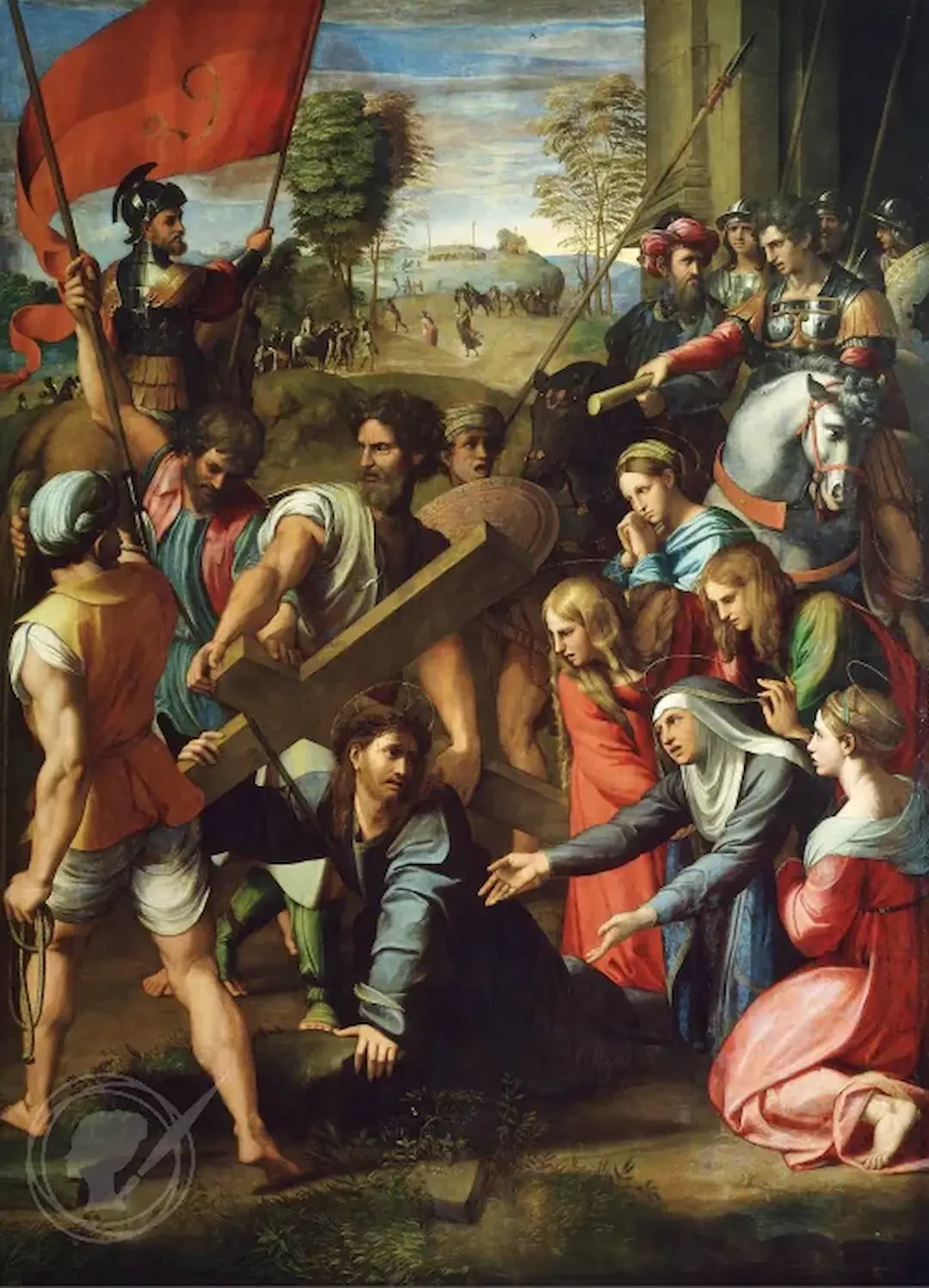
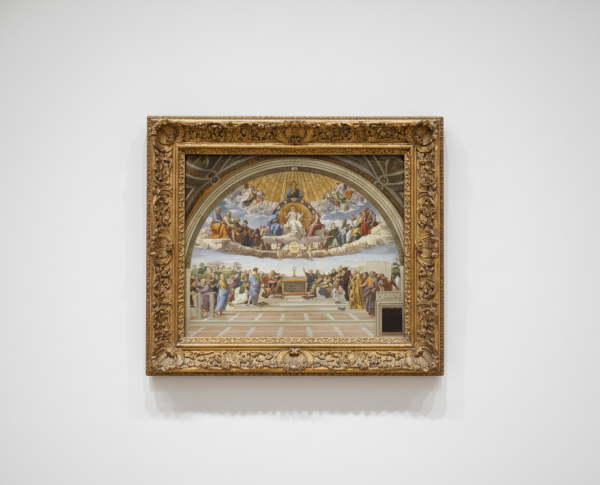
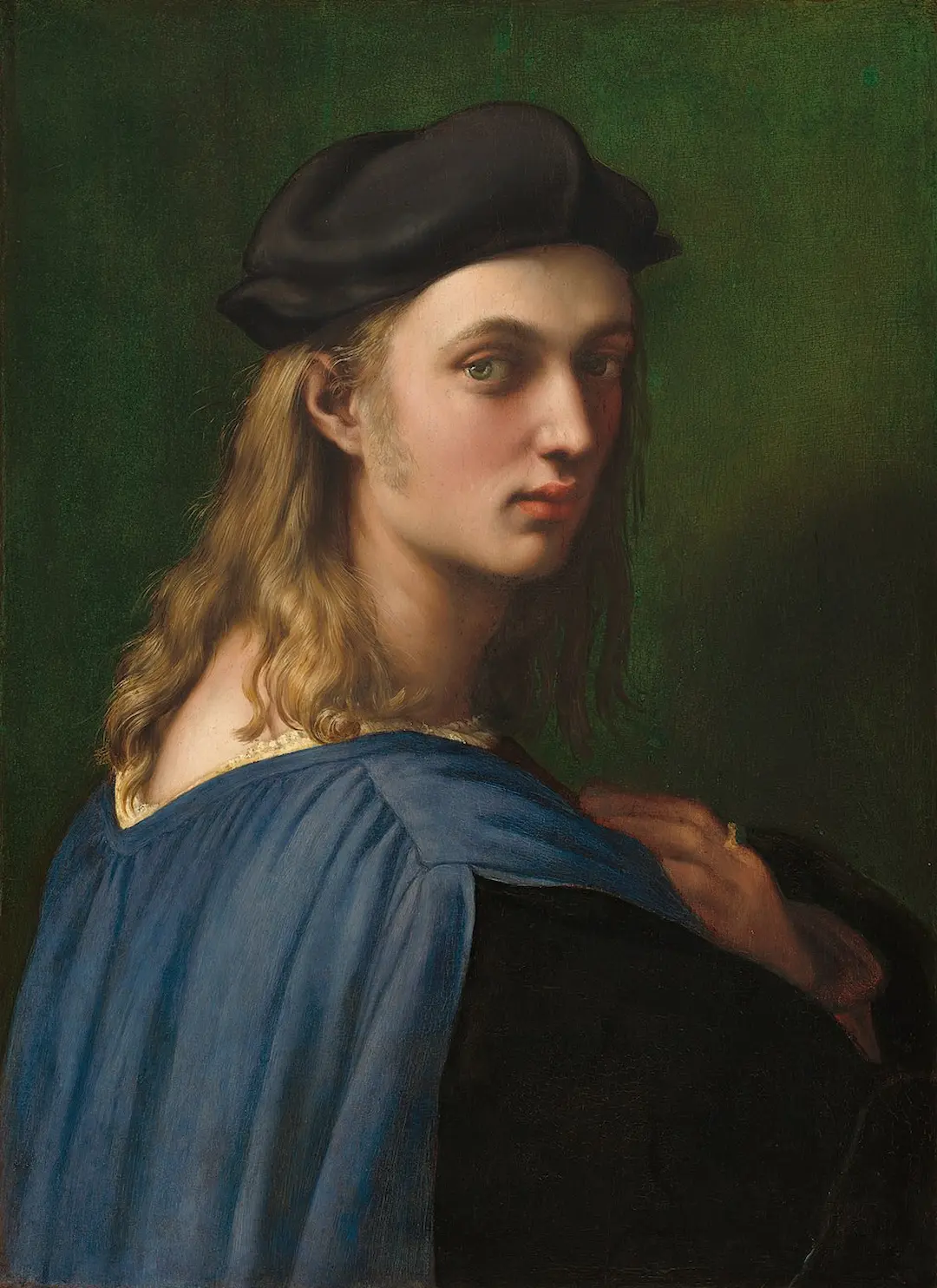
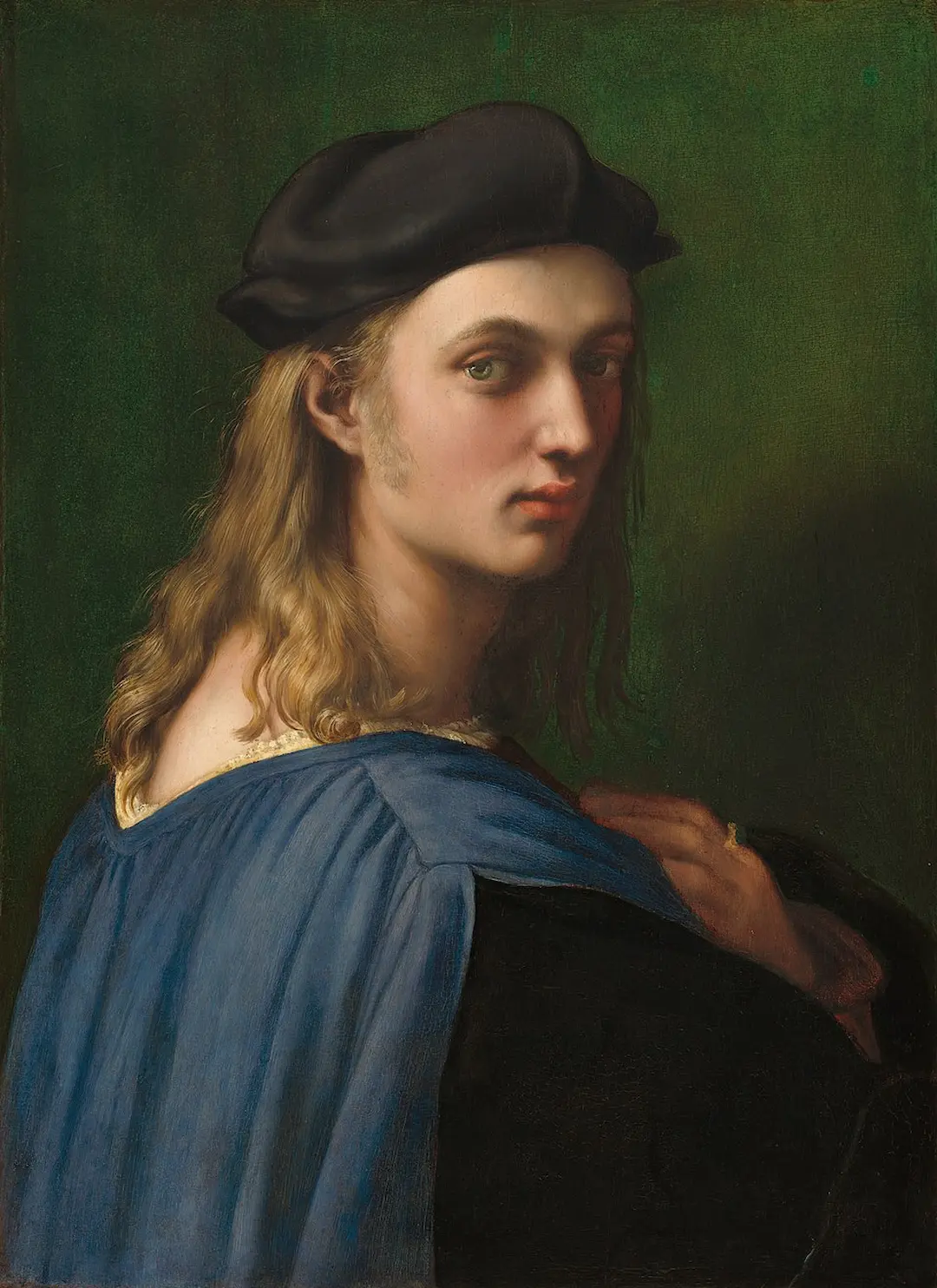
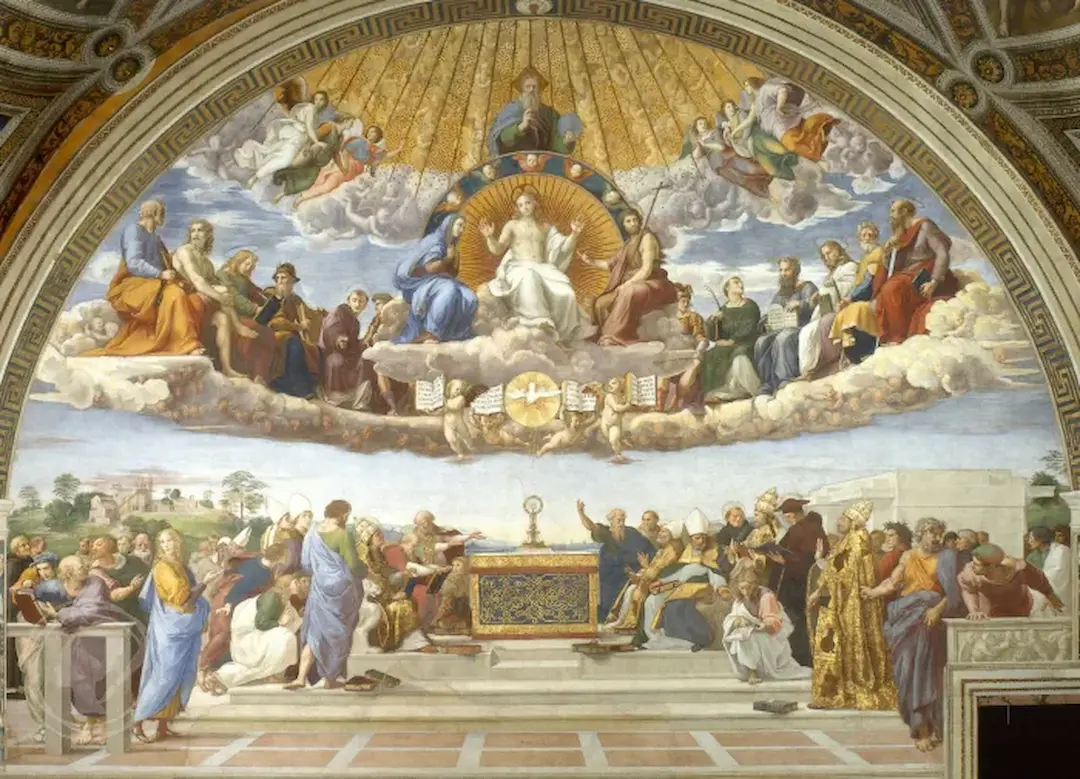
Raffaello Sanzio’s "Portrait Of Bindo Altoviti" exemplifies the technical brilliance found in High Renaissance art. The oil on canvas technique reveals delicate transitions in light and shadow, emphasizing the sitter’s enigmatic expression. Similar to his works "St George and the Dragon" and "Disputation of the Holy Sacrament (La Disputa)," Sanzio’s mastery is evident in every brushstroke. This oil on canvas remains a testament to the artist’s influence and the enduring appeal of Renaissance masterpieces.
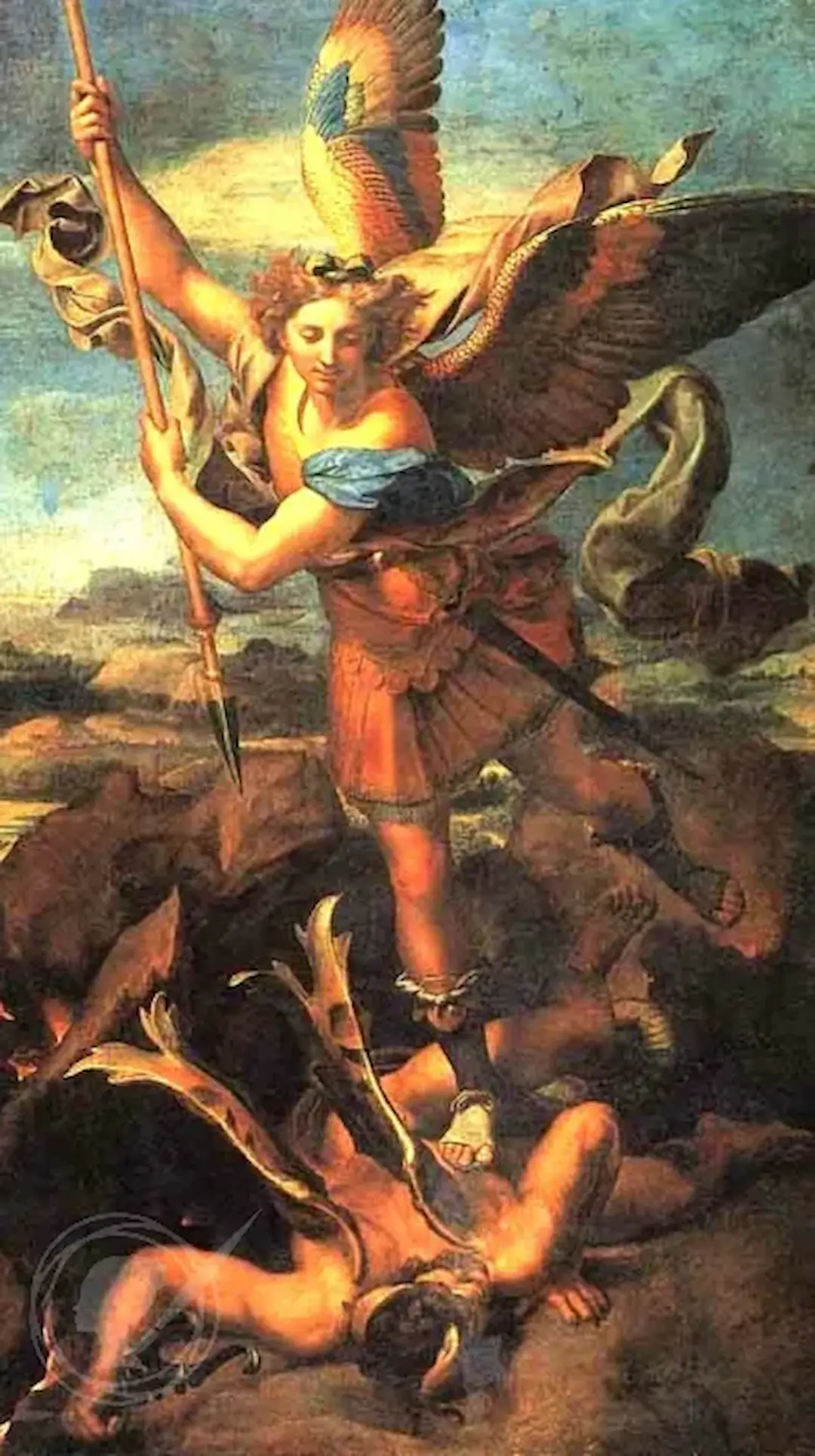
The "Portrait Of Bindo Altoviti" tells a story beyond its surface, capturing the essence of a distinguished patron through subtle symbolism. Raffaello Sanzio’s composition, much like in "Saint Michael Trampling the Dragon," incorporates nuanced details that hint at Bindo’s wealth and intellect. This hand-painted oil painting invites viewers to interpret the subject’s mysterious gaze, offering a window into the cultural and personal narratives that defined the High Renaissance period.
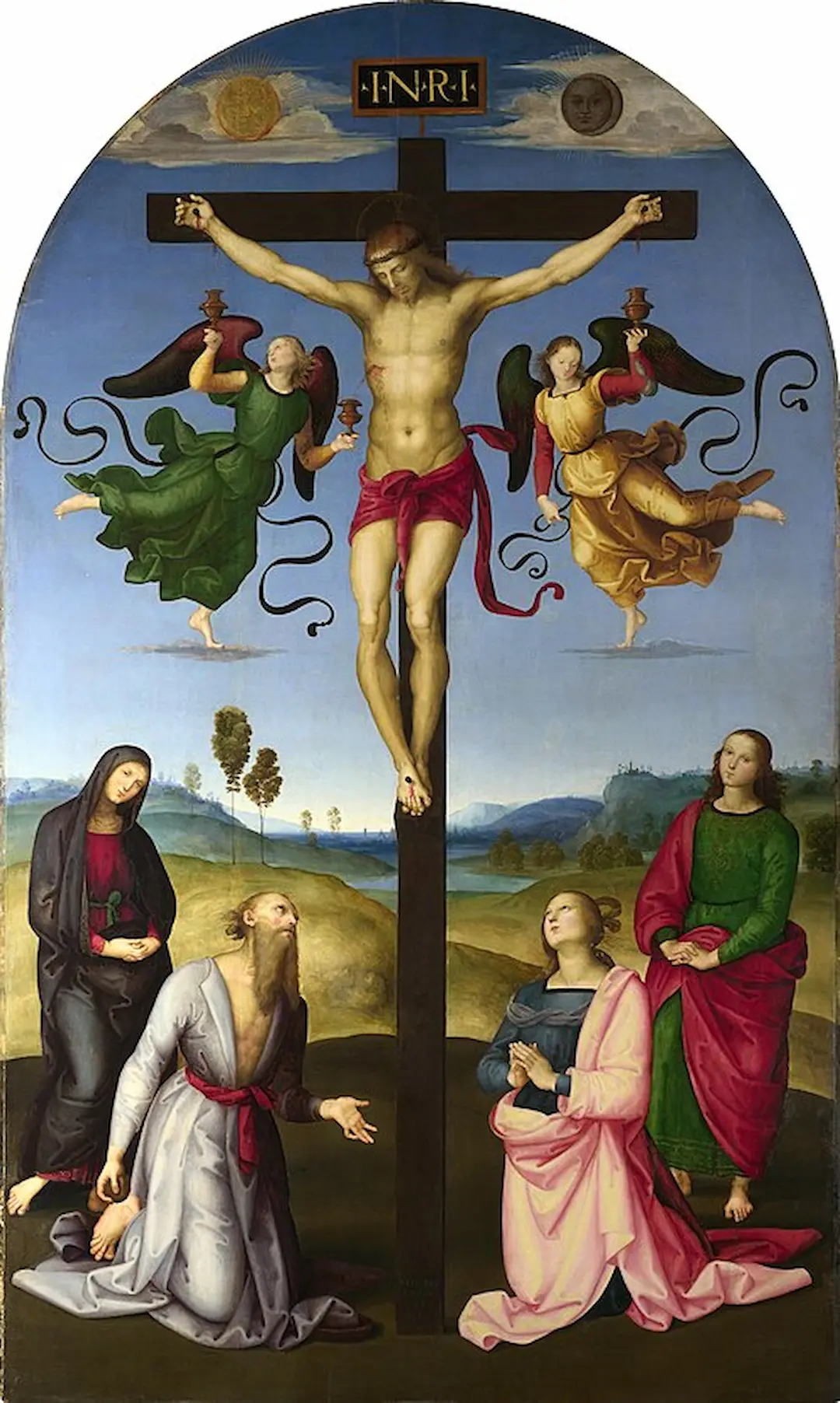
For art enthusiasts, owning "Portrait Of Bindo Altoviti" is akin to possessing a piece of Renaissance history. This fine art painting for sale is highly sought after, much like Sanzio’s "Christ on the Cross with the Virgin, Saint Jerome, Mary Magdalene, and John the Baptist (Citta di Castello Altarpiece)." Collectors value such works for their beauty, provenance, and connection to the High Renaissance, making them exceptional additions to any distinguished art collection.
When Art Meets History
"Portrait Of Bindo Altoviti," a hand-painted oil painting by Raffaello Sanzio, stands as a testament to the High Renaissance movement's grandeur. Created around 1515, this work reflects the sophisticated culture of Renaissance Italy. Raffaello, alongside Leonardo da Vinci and Michelangelo, shaped the era with masterpieces like "Mona Lisa (La Gioconda)" and "Creation of Adam." The painting’s subject, Bindo Altoviti, bridges art and history, immortalized through Raffaello's exceptional talent and vision.
Techniques That Speak
Raffaello Sanzio’s mastery of oil on canvas is evident in the "Portrait Of Bindo Altoviti." The High Renaissance style emerges through delicate brushwork, soft transitions, and luminous skin tones. Similar to works like "Female head (The Lady of the Dishevelled Hair)" and "The Last Supper," Raphael’s attention to detail brings the sitter to life. This oil on canvas technique allows for subtle gradations and depth, revealing the artist’s innovative approach and technical prowess.
Emotions on Display
The "Portrait Of Bindo Altoviti" captures a rare blend of introspection and poise, characteristic of Raffaello Sanzio’s genius. Each glance and gesture in this fine art painting for sale reveals a deeply personal connection between artist and subject. Echoing emotional depth found in "Portrait of Cecilia Gallerani (Lady with an Ermine)," Raphael’s portrayal invites viewers to explore the sitter’s inner world, a hallmark of the High Renaissance movement’s commitment to psychological realism.
Coveted by Collectors
As a prime example of High Renaissance portraiture, "Portrait Of Bindo Altoviti" remains highly sought after by collectors and museums. Raffaello Sanzio’s works, including this masterpiece, are often compared to iconic pieces like "Mona Lisa" and "Creation of Adam." The enduring appeal of this hand-painted oil painting lies in its exquisite execution and historical significance, making it a coveted addition to any collection of Renaissance art or fine art painting for sale.
Related High Renaissance Hand-Painted Oil Paintings by Other Artists
Other Famous High Renaissance Artists:
Frequently Asked Questions About Portrait Of Bindo Altoviti
What is the historical context of "Portrait Of Bindo Altoviti"?
"Portrait Of Bindo Altoviti" was created during the High Renaissance, a period marked by a revival of classical learning and values. It reflects the cultural richness of 16th-century Florence, where Raffaello Sanzio, also known as Raphael, was a prominent figure.
Who was Bindo Altoviti?
Bindo Altoviti was a wealthy banker and a significant patron of the arts in Florence. His status and influence in society made him a notable subject for portraiture during the Renaissance, showcasing the connection between art and commerce.
What artistic techniques did Raphael employ in this portrait?
Raphael utilized oil on wood panel to create "Portrait Of Bindo Altoviti," employing techniques such as chiaroscuro to enhance the three-dimensionality of the figure and sfumato to create soft transitions between colors, contributing to the lifelike quality of the portrait.
What are the key features of Bindo Altoviti's portrayal?
In the portrait, Bindo Altoviti is depicted with a confident expression, dressed in elegant attire that signifies his wealth and status. The careful attention to detail in his clothing and the use of a dark background serve to emphasize his figure and presence.
How does this painting reflect the ideals of the Renaissance?
The painting embodies Renaissance ideals through its focus on humanism, individualism, and naturalism. Raphael's portrayal of Altoviti emphasizes the importance of the individual, showcasing his character and social standing, which were central themes of the era.
What symbolism is present in "Portrait Of Bindo Altoviti"?
The portrait symbolizes the power and influence of the merchant class during the Renaissance. Altoviti's attire and confident demeanor reflect the growing importance of commerce and banking in society, as well as the patronage of the arts.
How does Raphael's style in this portrait compare to his other works?
Raphael's style in "Portrait Of Bindo Altoviti" is characterized by a balance of realism and idealism, similar to his other works. However, this portrait is notable for its psychological depth and the intimate portrayal of the sitter, distinguishing it from his more grandiose compositions.
What influence did "Portrait Of Bindo Altoviti" have on later portraiture?
This portrait set a precedent for future portrait artists by emphasizing the psychological aspects of the subject. It influenced the development of portraiture in the Baroque period and beyond, where artists began to explore deeper emotional connections with their subjects.
What is the significance of the background in the painting?
The dark background in "Portrait Of Bindo Altoviti" serves to isolate the figure, drawing the viewer's attention to Altoviti himself. This technique enhances the sense of intimacy and focus, a hallmark of Raphael's portrait style.
Where can I view "Portrait Of Bindo Altoviti" today?
"Portrait Of Bindo Altoviti" is housed in the National Gallery of Art in Washington, D.C. It remains an essential piece for understanding the artistic and cultural achievements of the Renaissance.






















_GFM_Painting_(1).webp)


 100% Hand-Painted: Finished in 3-6 Weeks

.png)
















_(1).webp)