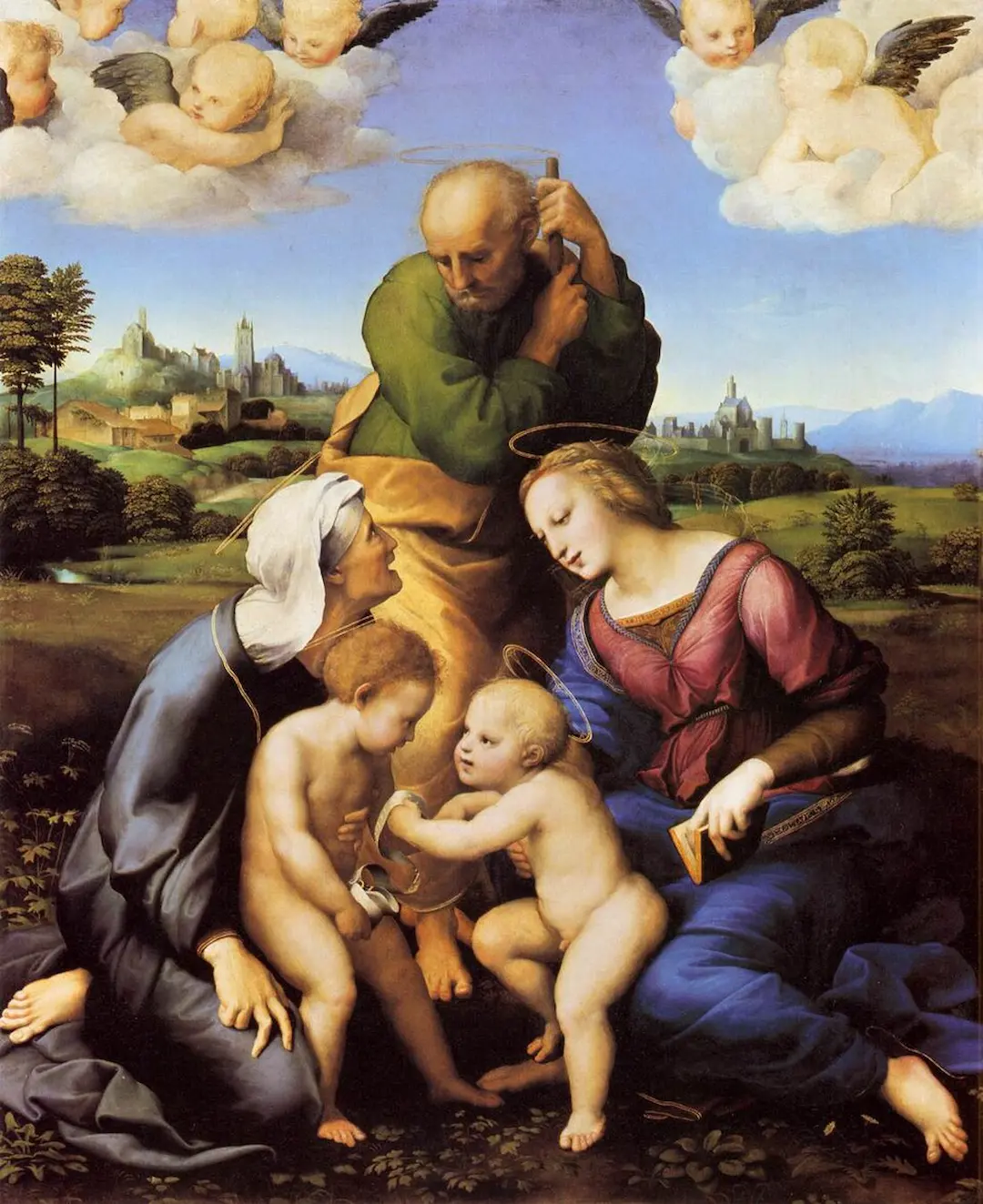
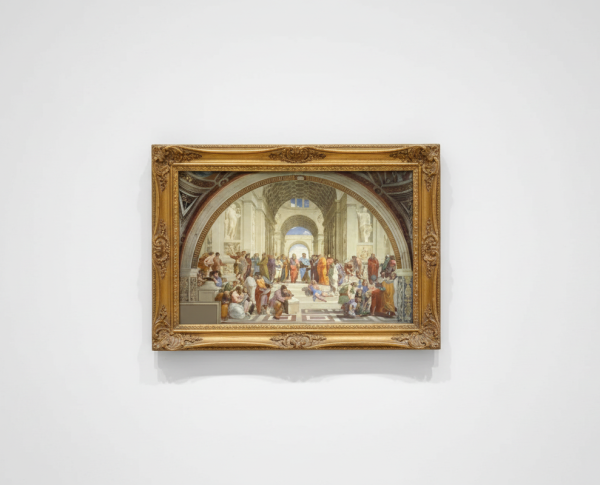
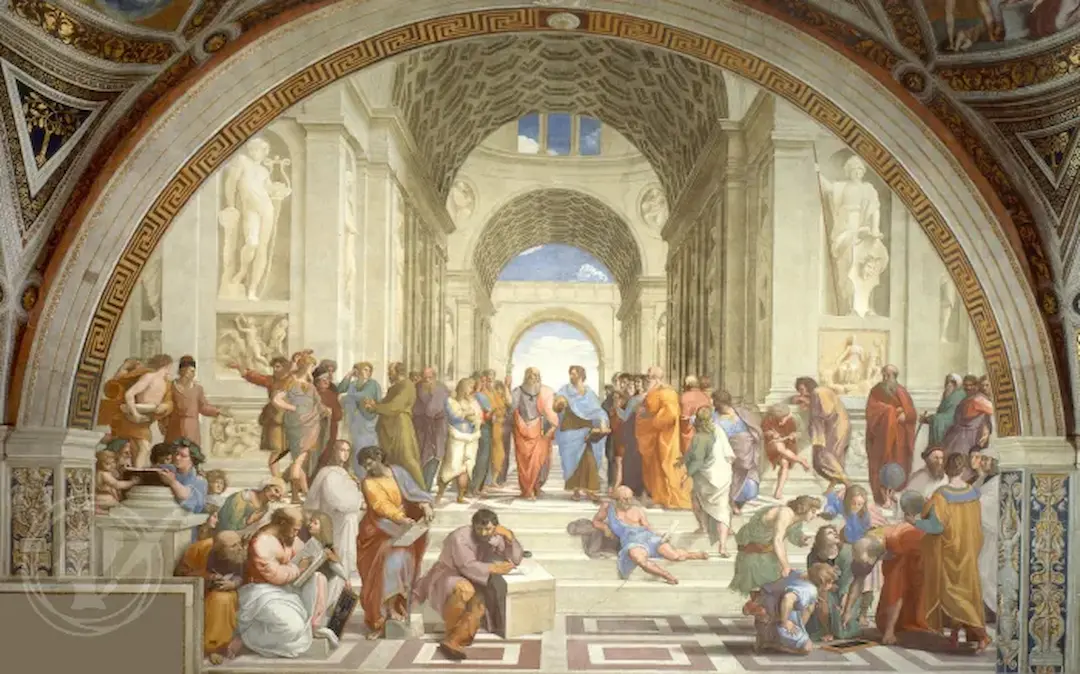
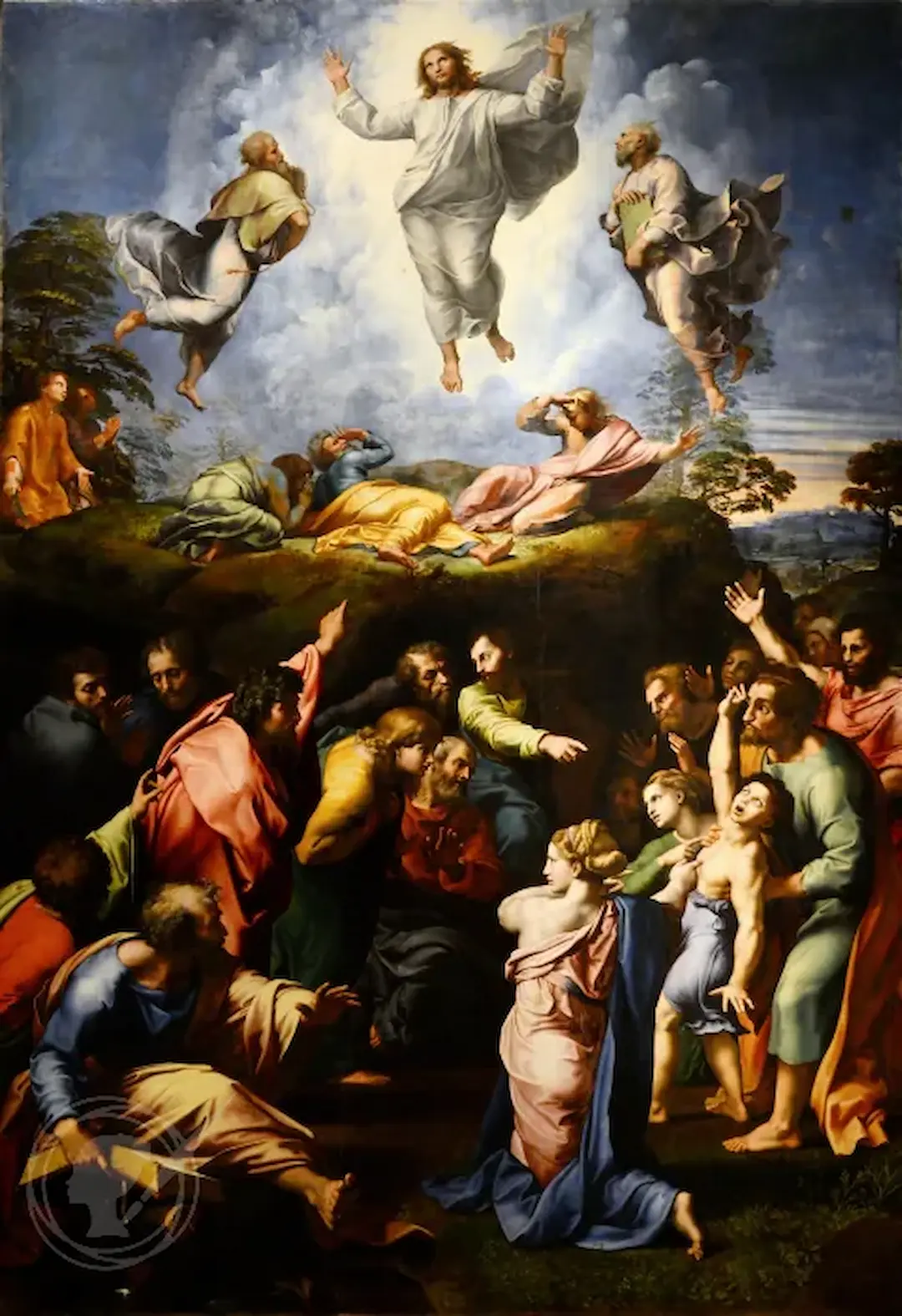
"The Holy Family with Saints Elizabeth and John (or The Canigiani Holy Family)" by Raffaello Sanzio stands as a remarkable testament to the High Renaissance movement. This hand-painted oil painting captures the spiritual depth and human tenderness characteristic of Raphael’s masterpieces. Collectors and enthusiasts appreciate its historical significance and relation to other fine works like "The Transfiguration" and "The School of Athens (from the Stanza della Segnatura)," making it a sought-after addition to any art collection.
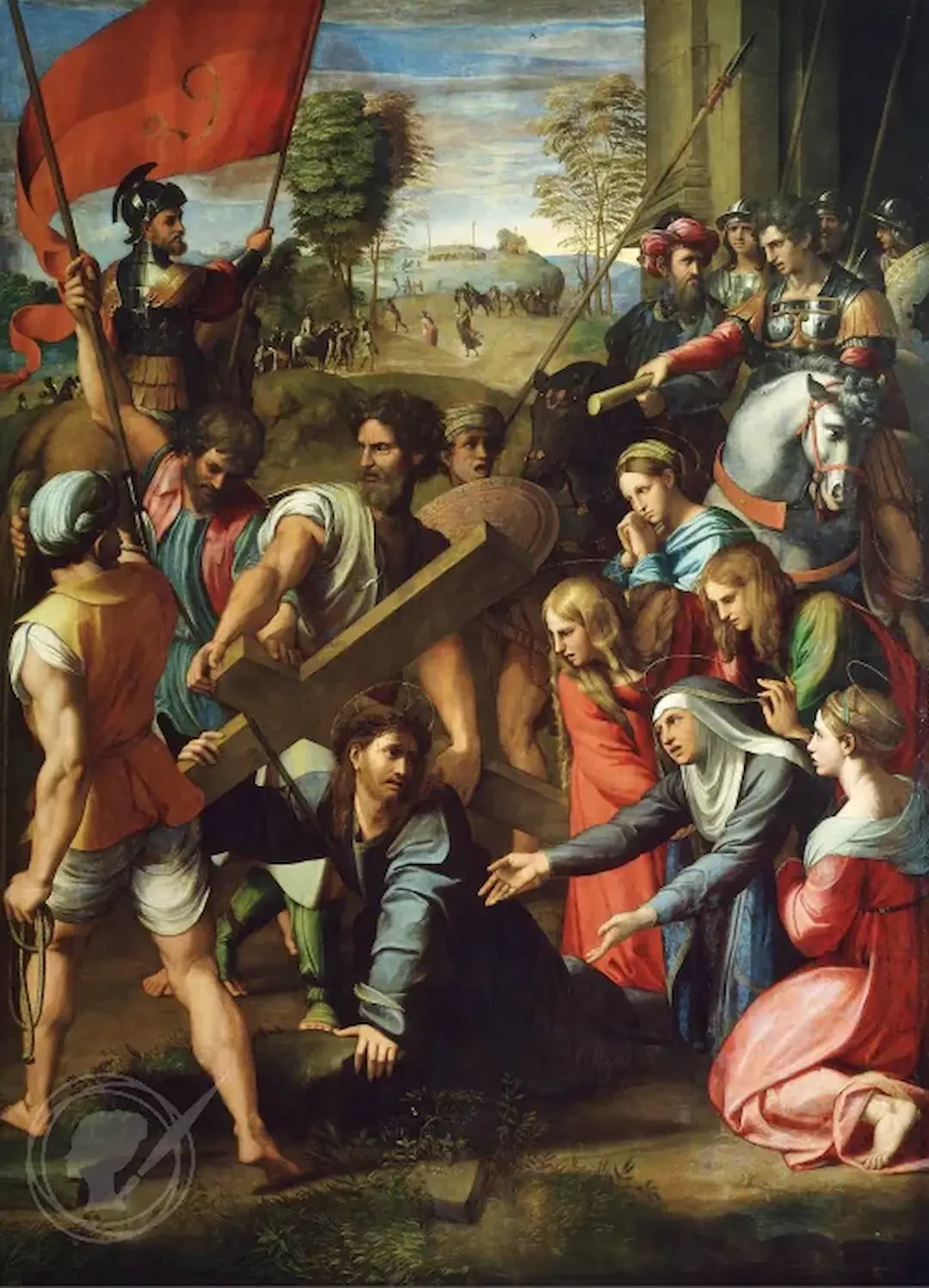
Raffaello Sanzio’s exceptional technique shines through in this oil on canvas, blending vibrant color and harmonious composition. The careful rendering of figures and delicate interplay of light exemplify the artist’s High Renaissance prowess. As with his celebrated works "St George and the Dragon" and "La Donna Velata," Raphael’s skill in this painting elevates it among the finest oil paintings of the era, and it continues to inspire contemporary artists and collectors alike.
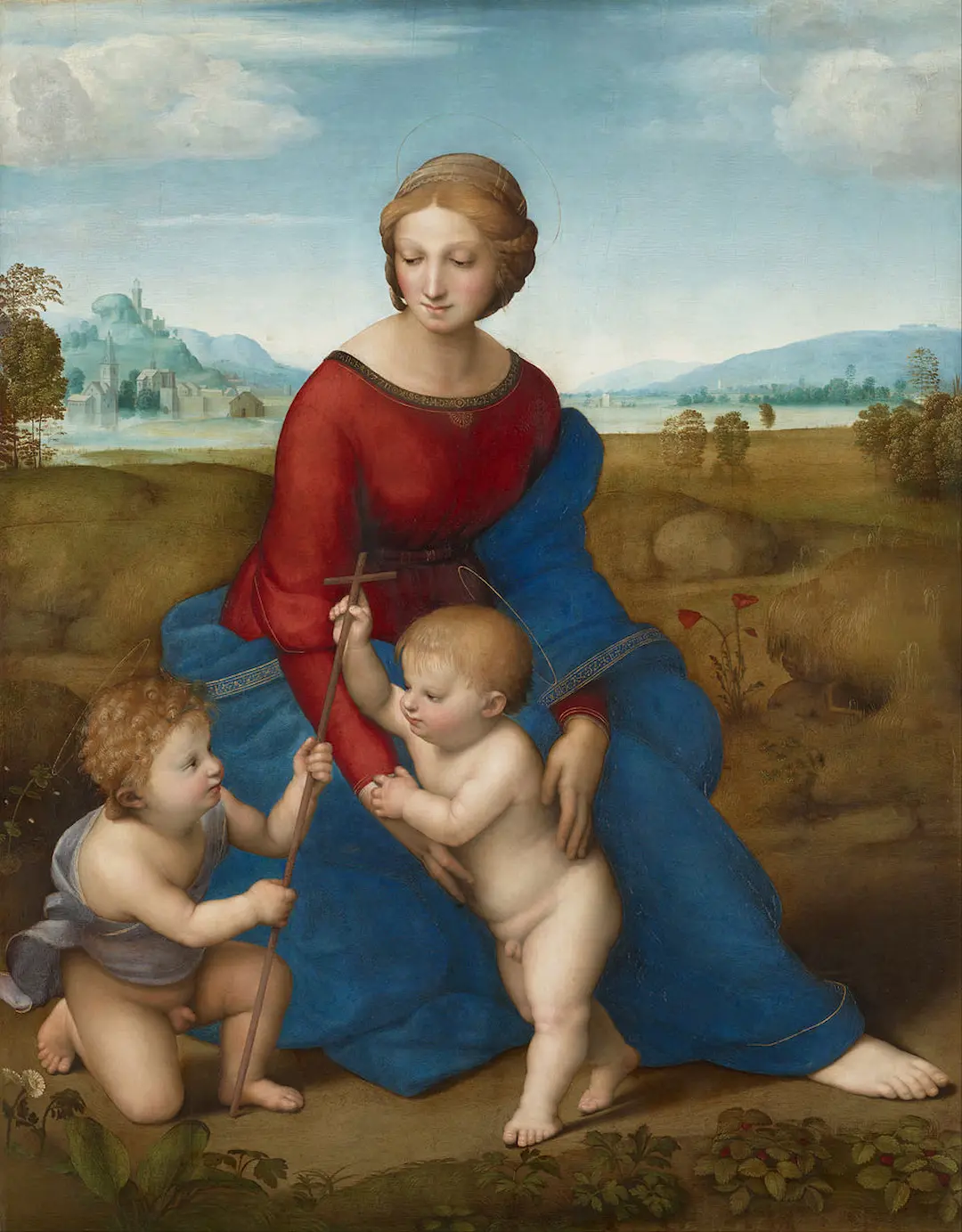
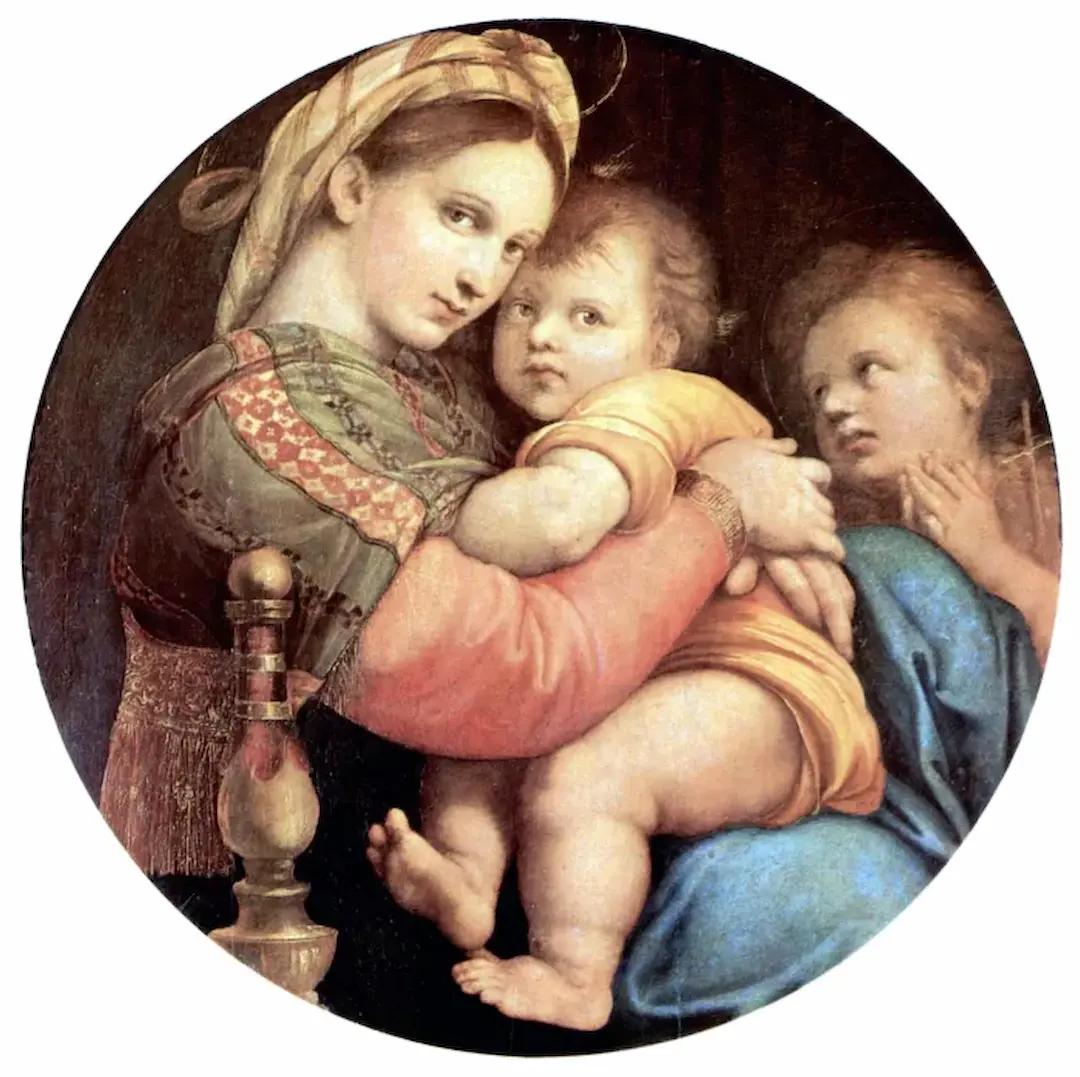
This fine art painting for sale is steeped in symbolism, depicting the Holy Family alongside Saints Elizabeth and John. Raffaello Sanzio weaves a narrative of familial love and divine purpose, a hallmark of the High Renaissance movement. Collectors drawn to religious and historical themes will find its connection to Raphael’s other masterpieces, such as "Madonna & Child (Madonna del Granduca) 1505," particularly compelling for their collections.
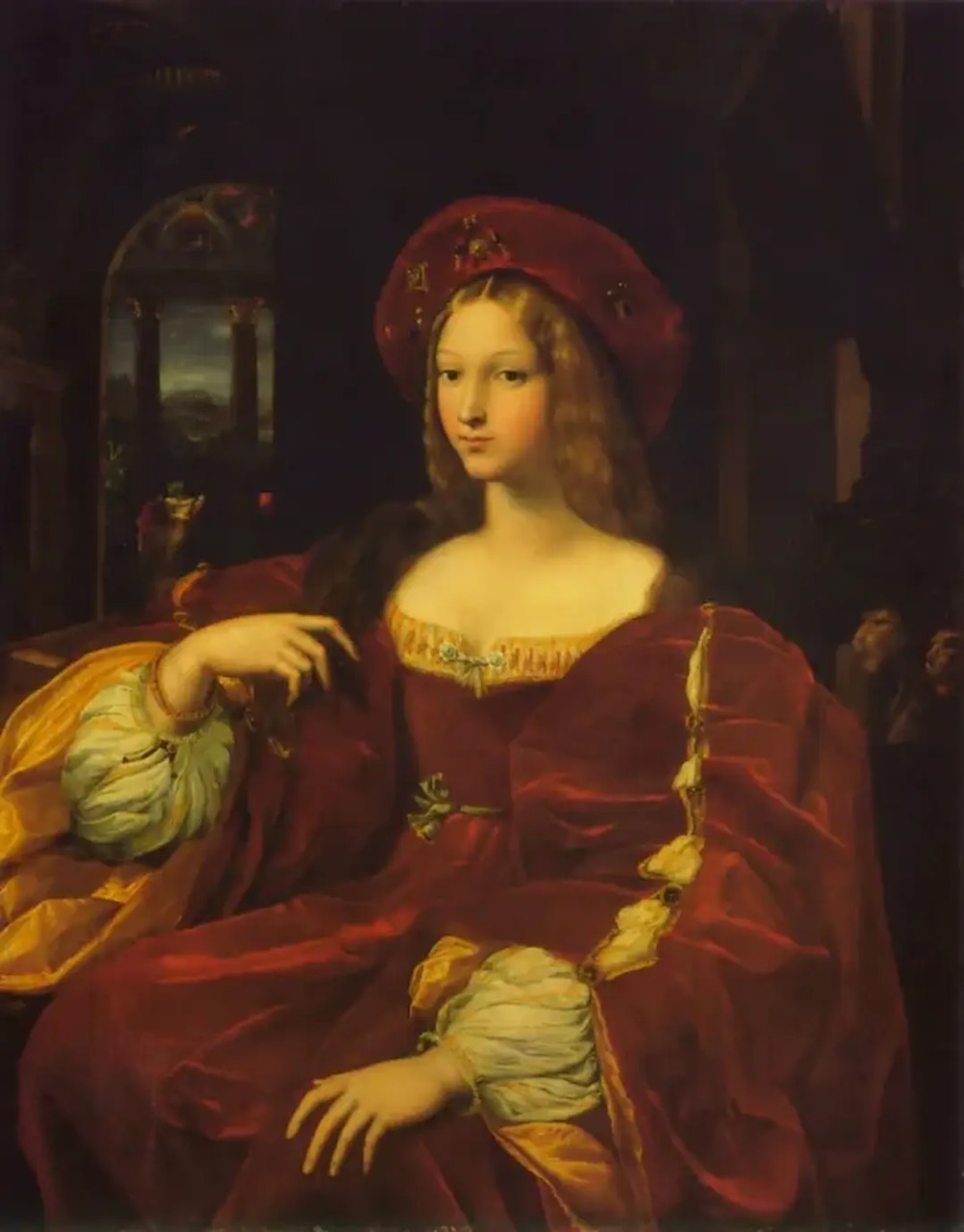
For those seeking a masterpiece, "The Holy Family with Saints Elizabeth and John" represents the pinnacle of a hand-painted oil painting by Raffaello Sanzio. Its value is enhanced by its association with the High Renaissance and Raphael’s other celebrated works, including "Portrait Of Bindo Altoviti." This piece remains a fine art painting for sale that promises to enrich any collection with its timeless elegance and profound artistic legacy.
When Art Meets History
"The Holy Family with Saints Elizabeth and John (or The Canigiani Holy Family)" by Raffaello Sanzio stands as a remarkable example of the High Renaissance era. This hand-painted oil painting reflects the spiritual and artistic fervor of the early 16th century, echoing the grandeur found in masterpieces like "The Last Supper 1498" and "Mona Lisa (La Gioconda) c. 1503-05." Raffaello’s work captures a pivotal moment in art history, blending religious narrative with sophisticated composition.
Techniques That Speak
Raffaello Sanzio's mastery is evident in his use of oil on canvas, a technique that allowed for nuanced color transitions and lifelike textures in "The Canigiani Holy Family." His brushwork and composition mirror the technical prowess seen in related paintings such as "Creation of Adam 1510" and "Portrait of Cecilia Gallerani (Lady with an Ermine) 1483-90," both paragons of the High Renaissance movement. The careful layering and glazing techniques produce depth and harmony unique to Raffaello’s style.
Emotions on Display
Every figure in this fine art painting for sale radiates warmth and intimacy, hallmarks of Raffaello Sanzio’s emotional storytelling. The gentle gaze between Mary and the infant Jesus, the protective embrace of Saint Elizabeth, and the playful innocence of John the Baptist evoke profound familial love. Comparable emotional depth can be found in works like "Female head (The Lady of the Dishevelled Hair) (or La Scapigliata)," highlighting the movement’s focus on human connection.
Coveted by Collectors
As a quintessential oil on canvas from the High Renaissance, "The Canigiani Holy Family" continues to captivate collectors worldwide. Raffaello Sanzio’s artistry ensures that his paintings remain highly sought after, much like the celebrated works of his contemporaries. The enduring appeal of this masterpiece, alongside related paintings, makes it a cornerstone for those seeking a hand-painted oil painting or a fine art painting for sale from this illustrious era.
Related High Renaissance Hand-Painted Oil Paintings by Other Artists
Other Famous High Renaissance Artists:
Frequently Asked Questions About The Holy Family with Saints Elizabeth and John (or The Canigiani Holy Family)
What is the historical context of "The Holy Family with Saints Elizabeth and John"?
This painting was created by Raffaello Sanzio during the High Renaissance, a period marked by a renewed interest in classical antiquity and humanism. It reflects the artistic innovations and religious sentiments of the early 16th century in Italy.
Who are the figures depicted in the painting?
The painting features the Holy Family, consisting of the Virgin Mary, the infant Jesus, and Saint Joseph, accompanied by Saints Elizabeth and John the Baptist. This composition emphasizes the familial and spiritual connections between these significant biblical figures.
What artistic techniques did Raffaello employ in this painting?
Raffaello utilized chiaroscuro to create depth and volume, as well as sfumato to achieve soft transitions between colors. His mastery of composition is evident in the harmonious arrangement of figures and the balanced use of space.
What is the significance of the Holy Family in Christian art?
The Holy Family symbolizes the ideal Christian family, representing love, protection, and faith. This theme resonates deeply within Christian doctrine, making it a popular subject in Renaissance art.
How does the painting reflect Raffaello's style?
Raffaello's style is characterized by clarity, harmony, and grace. In this work, he demonstrates his ability to convey emotion and narrative through the expressions and postures of the figures, showcasing his skill in capturing human experience.
What role do Saints Elizabeth and John play in the composition?
Saints Elizabeth and John the Baptist serve as important figures in the narrative, representing the connection between the Old and New Testaments. Their inclusion emphasizes the theme of divine revelation and the fulfillment of prophecy.
What symbolism can be found in the painting?
The painting is rich in symbolism; for instance, the infant Jesus is often interpreted as the light of the world, while the presence of John the Baptist foreshadows his role in heralding Jesus' ministry. The serene expressions of the figures convey a sense of peace and divine presence.
Where is "The Holy Family with Saints Elizabeth and John" currently located?
The painting is housed in the Uffizi Gallery in Florence, Italy, where it is part of a prestigious collection of Renaissance artworks. Its location allows visitors to appreciate its historical significance in the context of Italian art.
What influence did this painting have on later artists?
The composition and emotional depth of Raffaello's work have influenced countless artists in the Baroque and Neoclassical periods. His approach to depicting sacred themes with humanistic qualities set a standard for future generations of painters.
Can you describe the color palette used in the painting?
Raffaello employed a warm and harmonious color palette, utilizing soft earth tones and gentle pastels. This choice enhances the serene and intimate atmosphere of the scene, inviting viewers into the sacred moment depicted.






















_GFM_Painting_(1).webp)

.webp)

 100% Hand-Painted: Finished in 3-6 Weeks
.webp)

.png)

















_(1).webp)