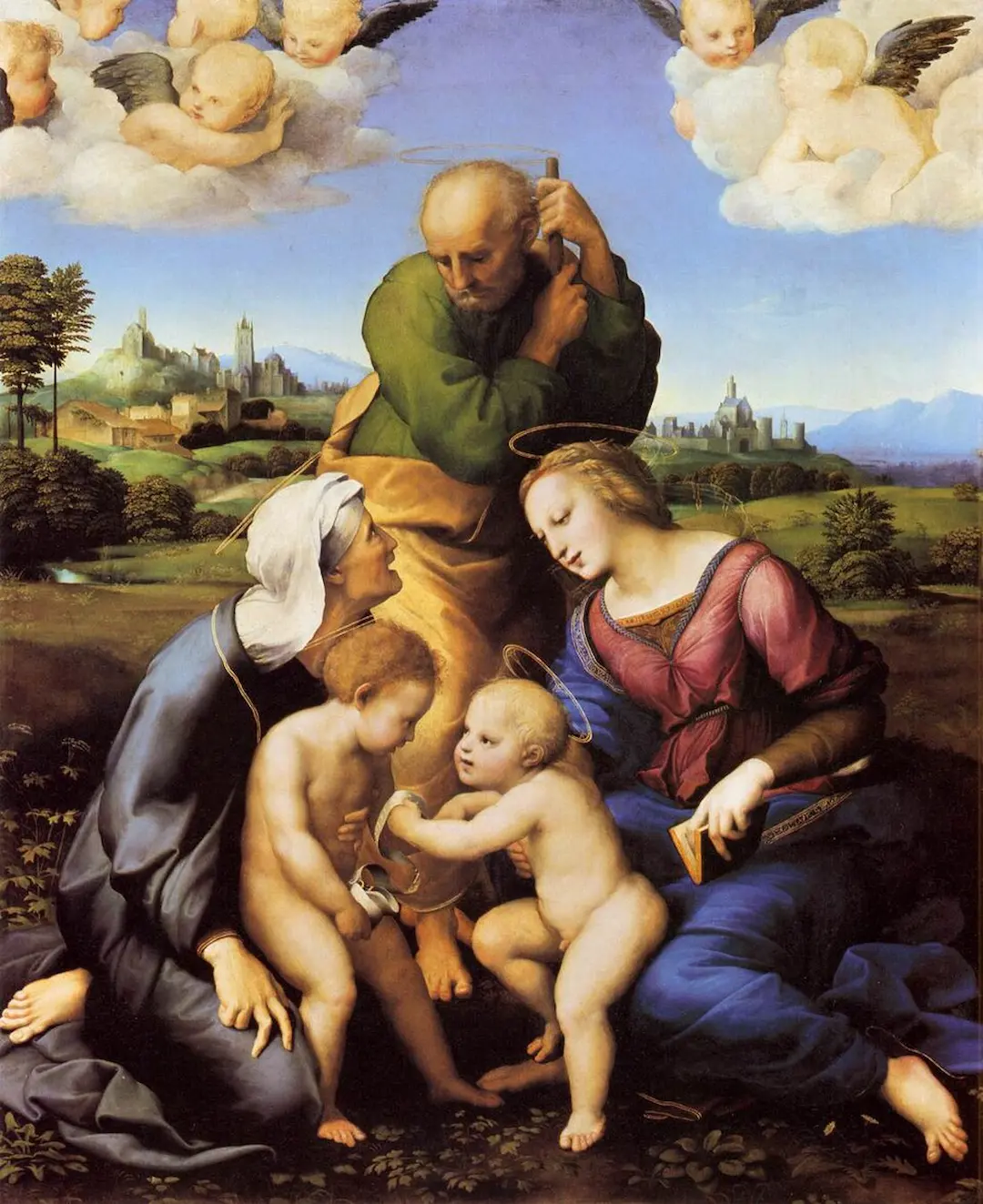
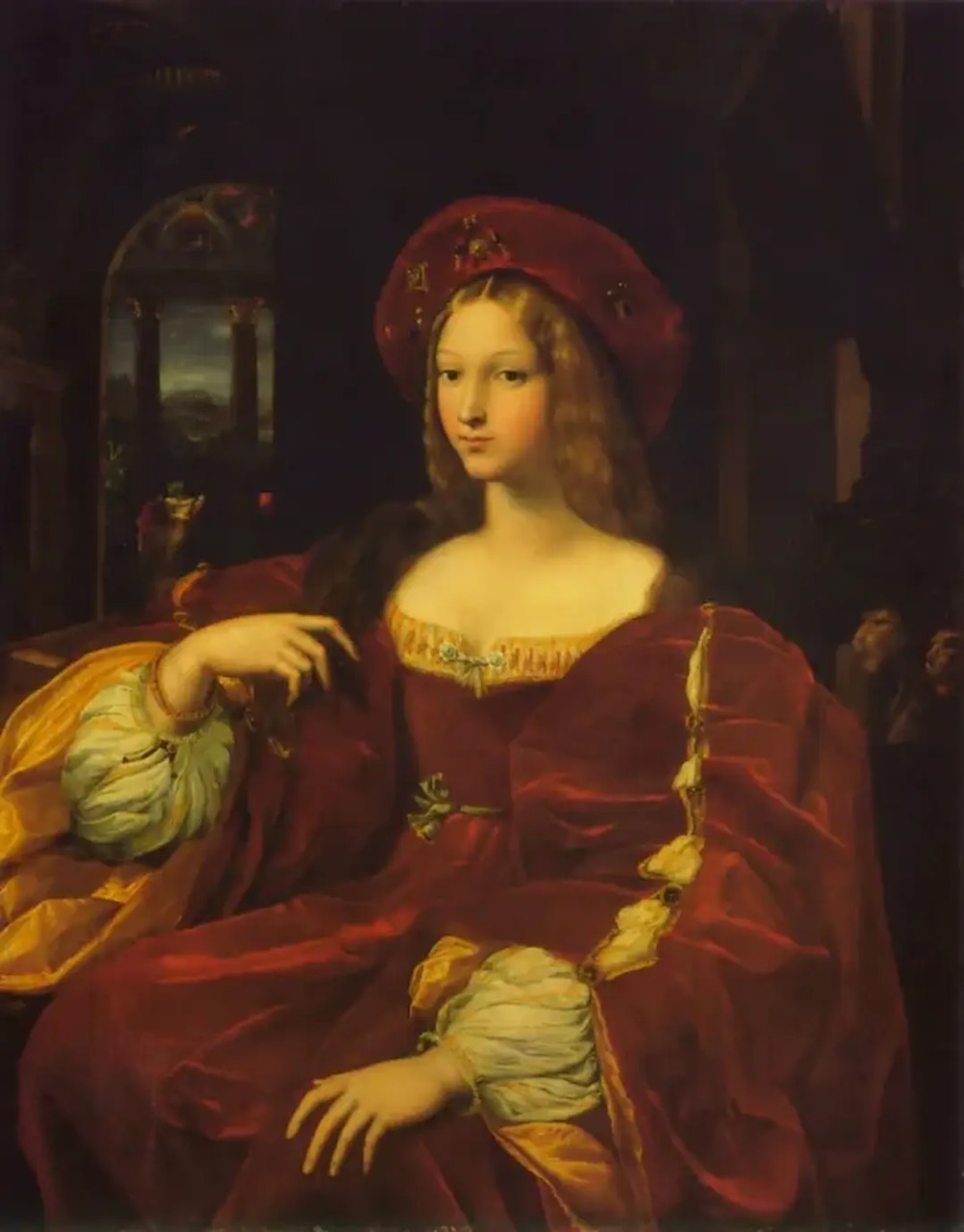
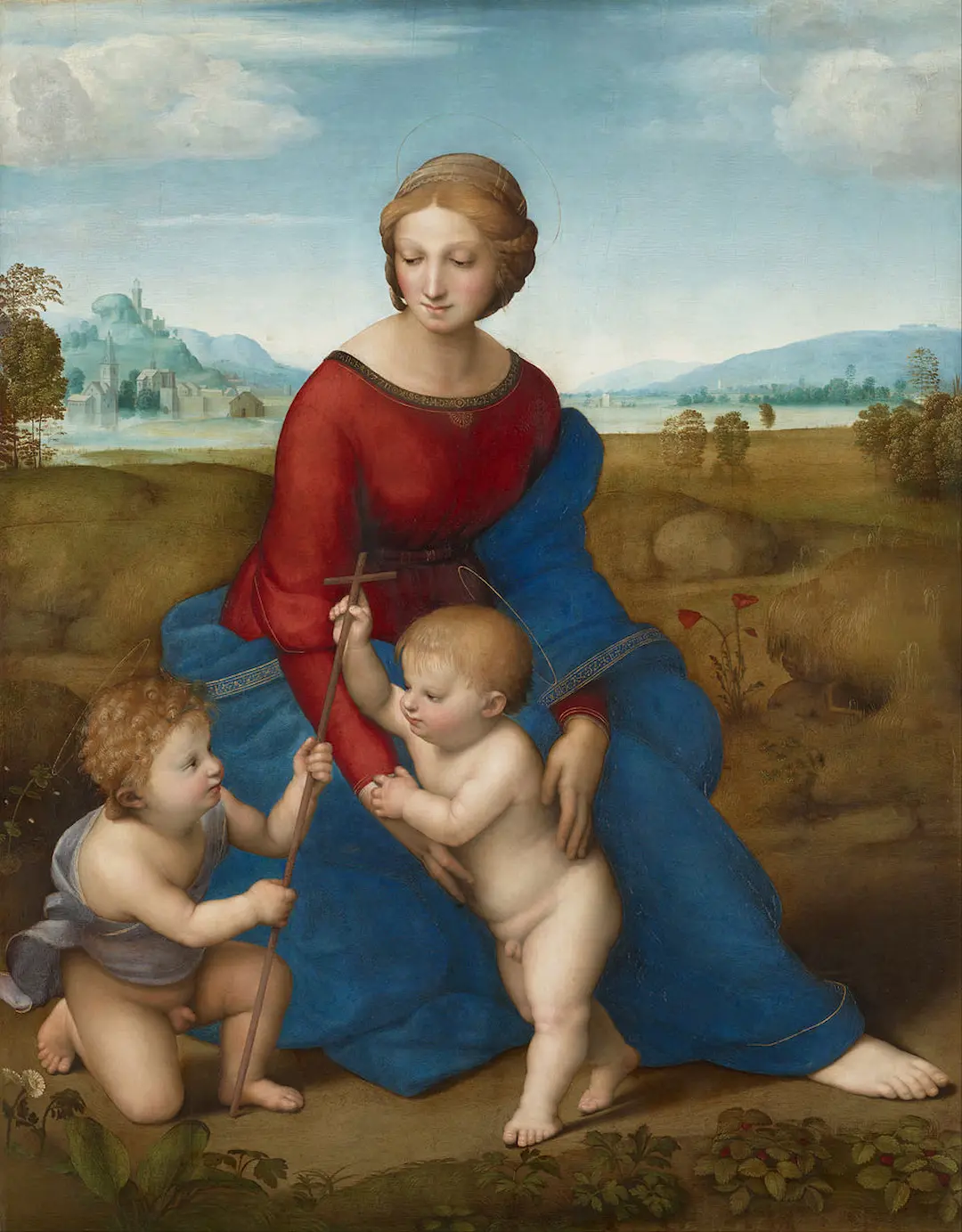
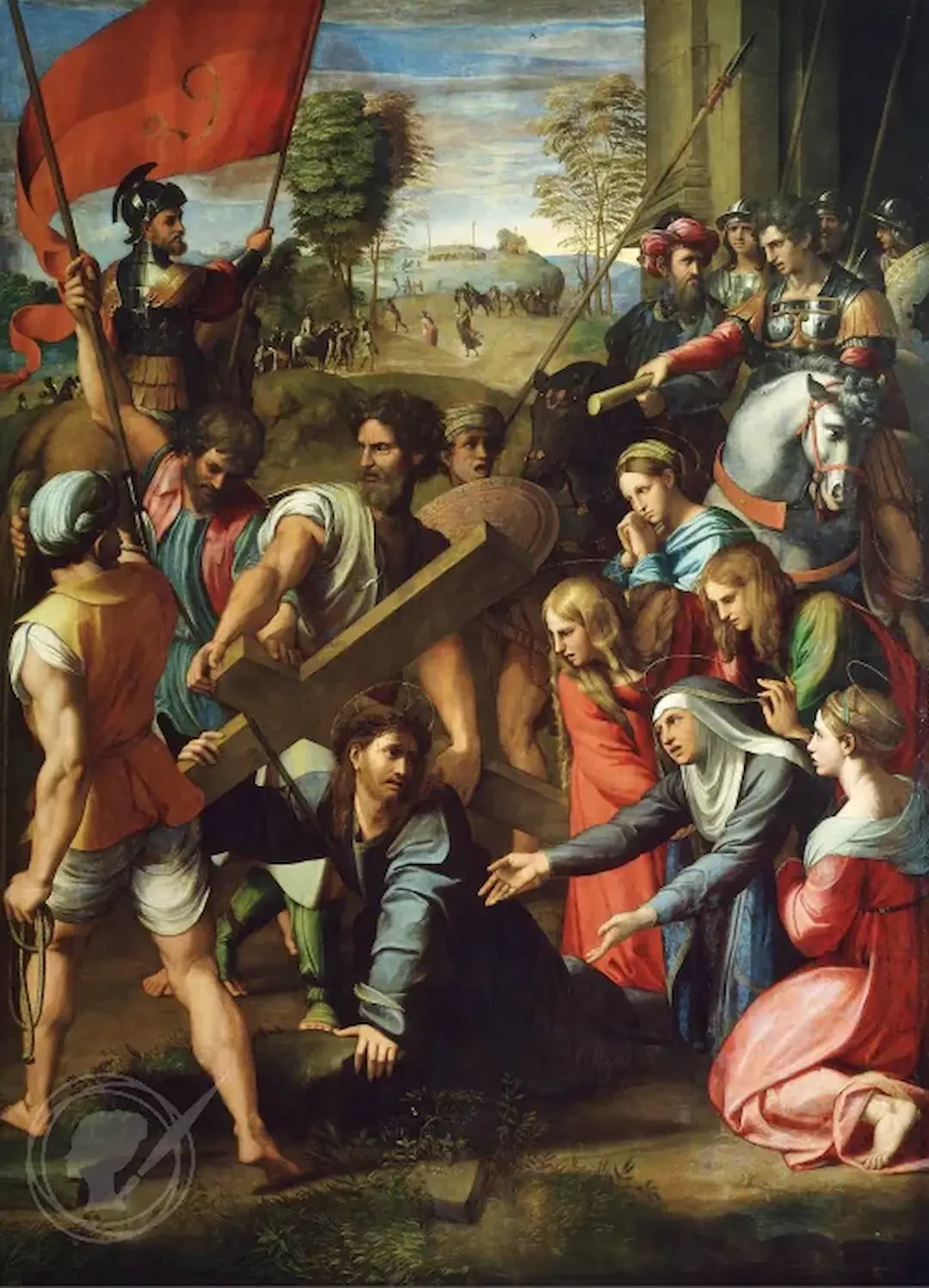
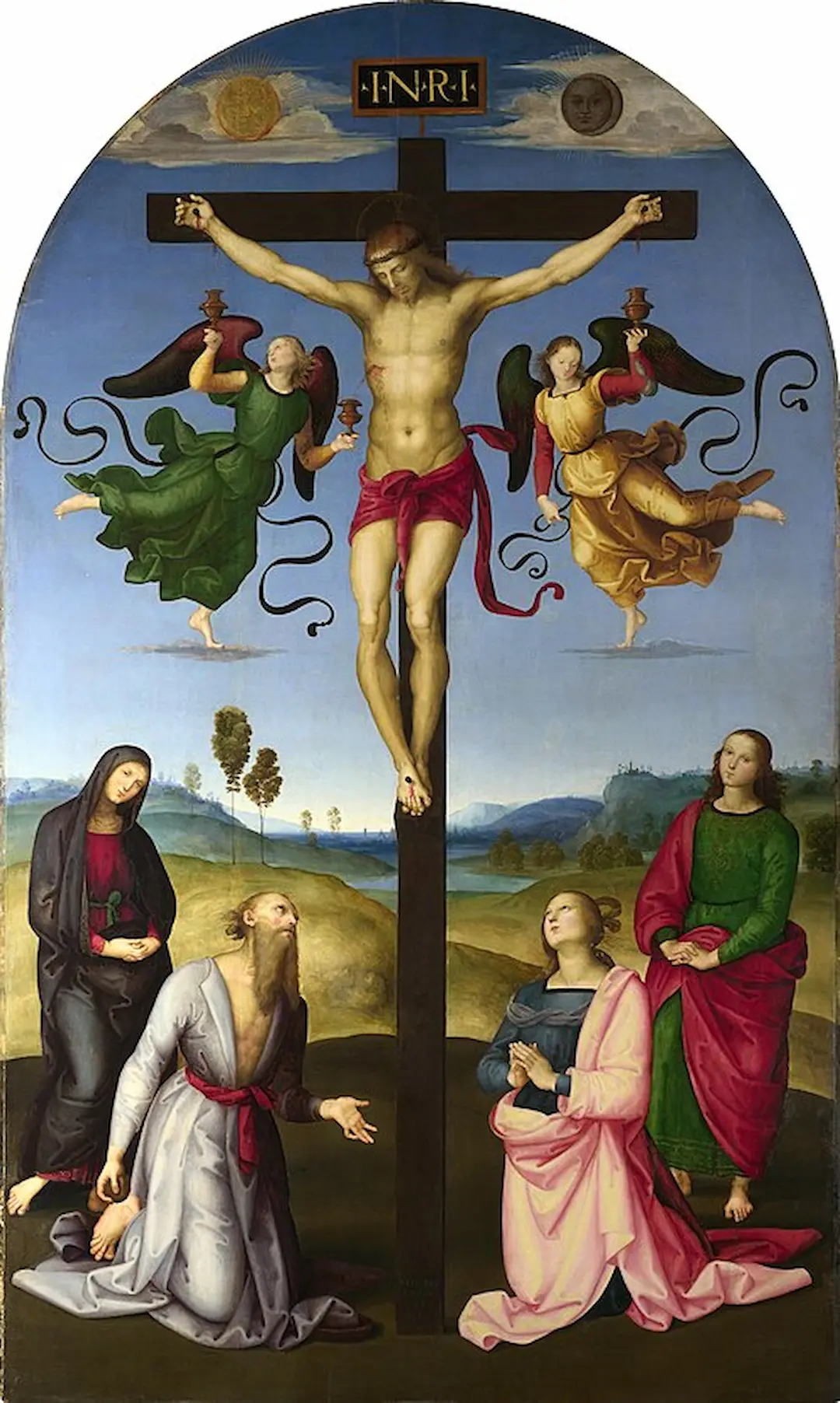
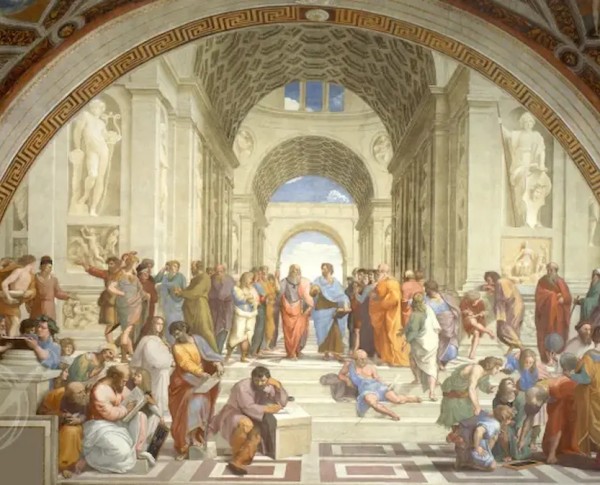
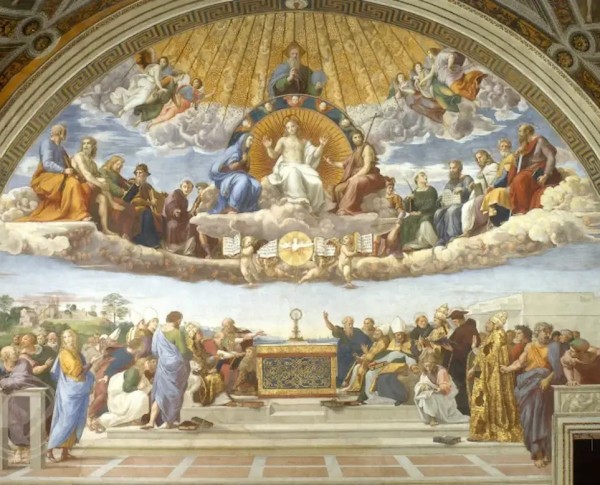
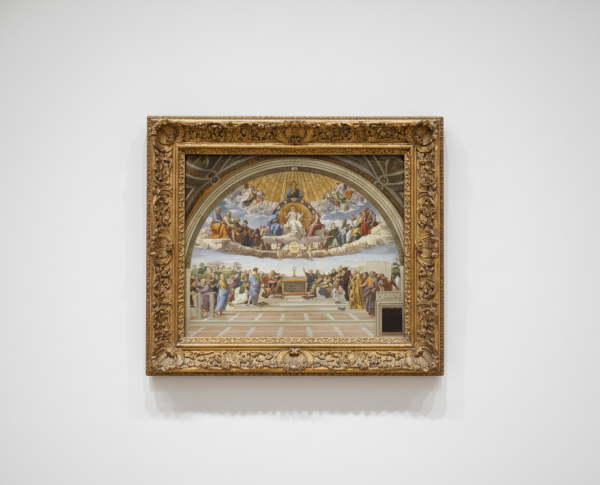
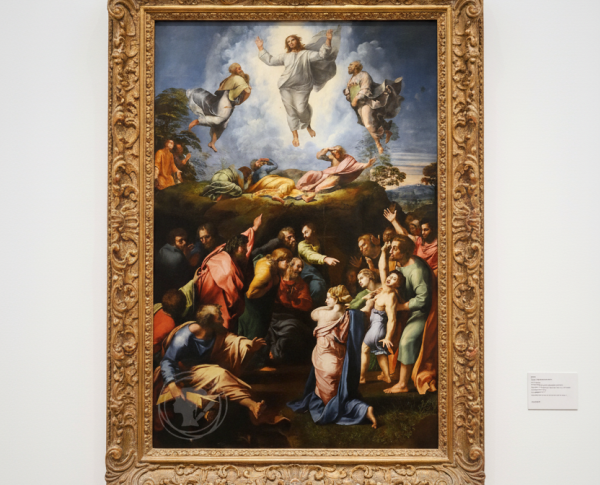
Raffaello Sanzio’s "The Transfiguration" showcases the artist’s unparalleled technique and delicate use of light, color, and composition. Executed in oil on canvas, this High Renaissance gem demonstrates the artist’s ability to convey dramatic narratives and divine presence with remarkable realism. Each brushstroke elevates the visual experience, much like his other works including "The Stanza Della Segnatura Ceiling Justice" and "The Holy Family with Saints Elizabeth and John," both exemplary oil on canvas pieces.
"The Transfiguration" is rich with narrative depth and symbolic meaning, reflecting Raffaello Sanzio’s mastery during the High Renaissance. The painting’s upper and lower scenes contrast divinity and humanity, inviting viewers to contemplate spiritual transformation. Collectors and enthusiasts appreciate how this fine art painting for sale resonates with the symbolism found in Sanzio’s "St George and the Dragon" and "Portrait Of Bindo Altoviti," making each piece a profound visual story.
For art collectors, "The Transfiguration" by Raffaello Sanzio is a prized hand-painted oil painting that embodies the ideals of the High Renaissance movement. Its enduring allure is matched by the desirability of related masterpieces like "The Canigiani Holy Family" and "La Donna Velata." Whether displayed alongside these works or as a standalone statement, "The Transfiguration" remains a timeless fine art painting for sale, coveted by connoisseurs and enthusiasts alike.
When Art Meets History
"The Transfiguration" by Raffaello Sanzio stands as a crowning achievement of the High Renaissance movement. This masterpiece, completed in the early 16th century, encapsulates the era's fascination with harmony and divine beauty. Painted alongside other iconic works like "The Last Supper 1498" and "Mona Lisa (La Gioconda) c. 1503-05," this hand-painted oil painting showcases the historical significance and artistic innovation that defined Renaissance art.
Techniques That Speak
Raffaello Sanzio's mastery is evident in the vibrant colors and intricate details of "The Transfiguration." Using oil on canvas, the artist skillfully blends light, shadow, and perspective to create a dramatic narrative. This technique, also seen in related works such as "Creation of Adam 1510" and "Female head (The Lady of the Dishevelled Hair)," reflects the technical brilliance that made the High Renaissance movement a pivotal era in art history.
Emotions on Display
In "The Transfiguration," Raffaello Sanzio captures a wide spectrum of human emotions, from awe to despair. The composition draws viewers into the spiritual and earthly realms, echoing the emotional depth found in masterpieces like "Portrait of Cecilia Gallerani (Lady with an Ermine) 1483-90." This fine art painting for sale continues to evoke powerful feelings, making it a timeless representation of the psychological complexity celebrated in the High Renaissance.
Coveted by Collectors
As one of Raffaello Sanzio’s most admired creations, "The Transfiguration" remains highly sought after by collectors and art enthusiasts. Its historical importance and exquisite craftsmanship have ensured its place alongside treasures like "Mona Lisa (La Gioconda)" and "The Last Supper 1498." Owning an oil on canvas reproduction of this masterpiece offers a rare opportunity to possess a piece of High Renaissance heritage and artistic excellence.
Related High Renaissance Hand-Painted Oil Paintings by Other Artists
Other Famous High Renaissance Artists:
Frequently Asked Questions About The Transfiguration
What is the historical significance of The Transfiguration?
The Transfiguration, painted by Raffaello Sanzio in 1516-1520, is considered one of the last works of the artist before his death. It reflects the culmination of Renaissance ideals, showcasing the transition from the earthly to the divine, and is often seen as a response to the challenges faced by the Catholic Church during the Reformation.
What are the main themes depicted in The Transfiguration?
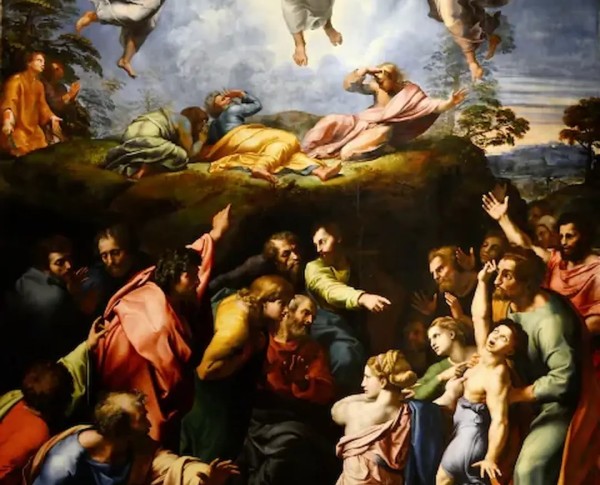
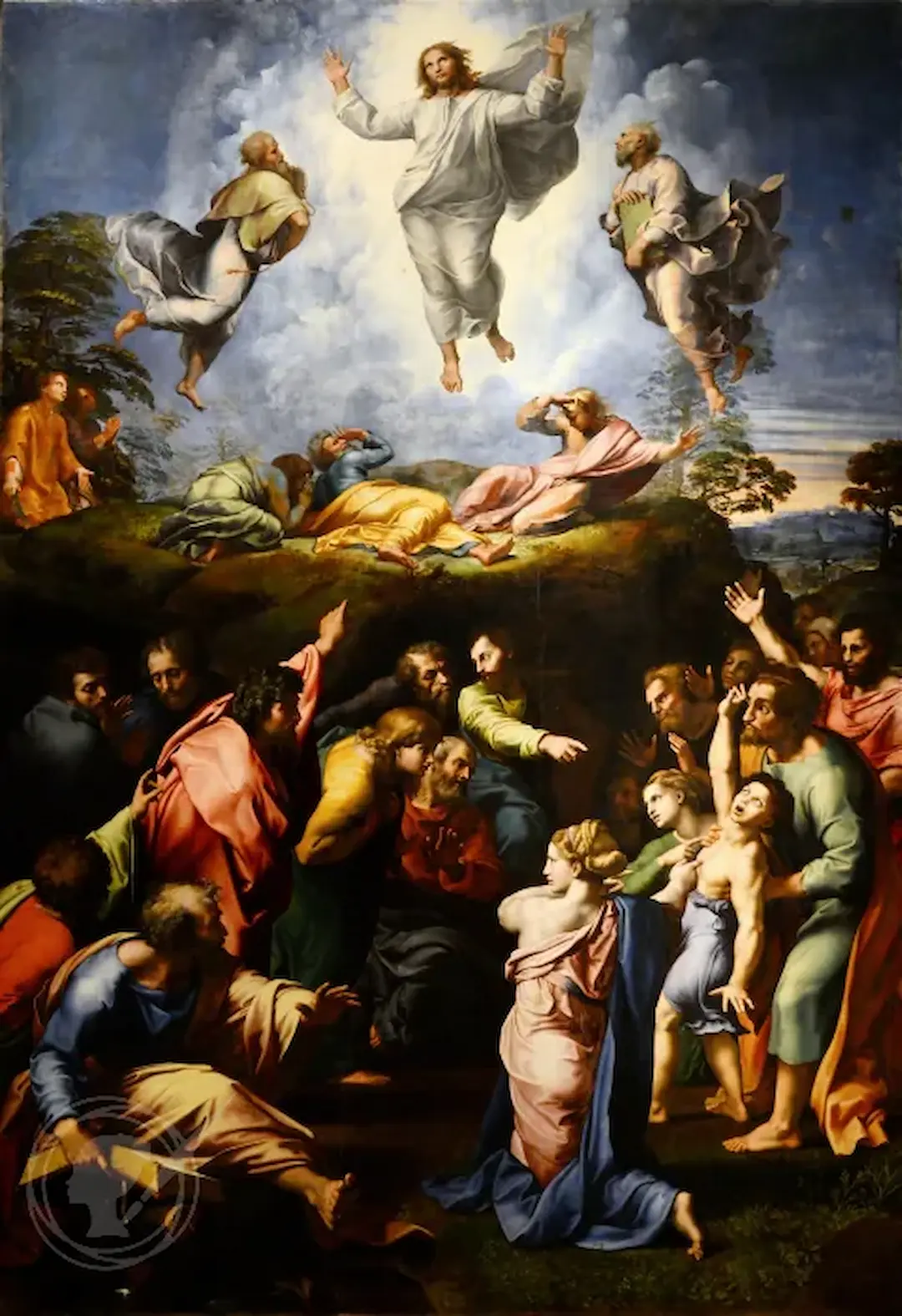
The painting explores themes of divinity, revelation, and the duality of human experience. It contrasts the heavenly vision of Christ with the earthly struggles of the apostles, particularly the scene of the possessed boy below, symbolizing the struggle between good and evil.
How does Raffaello Sanzio use color in The Transfiguration?
Raffaello employs a vibrant color palette to enhance the emotional impact of the scene. The luminous whites and golds of Christ's transfigured form contrast sharply with the darker tones of the apostles and the possessed boy, emphasizing the divine nature of the event.
What artistic techniques are prominent in The Transfiguration?
The Transfiguration showcases Raffaello's mastery of chiaroscuro, creating depth through light and shadow. Additionally, his use of composition, with a triangular arrangement of figures, guides the viewer's eye towards the central figure of Christ, reinforcing the painting's focal point.
What is the symbolism behind the figures in The Transfiguration?
The figures in The Transfiguration symbolize various aspects of faith and humanity. Christ represents divine revelation, while Moses and Elijah signify the Law and the Prophets, respectively. The apostles, particularly Peter, James, and John, embody the struggle of faith amidst doubt and confusion.
Where can The Transfiguration be viewed today?
The Transfiguration is housed in the Vatican Museums, specifically in the Pinacoteca Vaticana. It is one of the highlights of the collection, attracting visitors from around the world who seek to experience Raffaello's genius firsthand.
What influence did The Transfiguration have on later artists?
The Transfiguration had a profound impact on subsequent generations of artists, influencing the Baroque style and beyond. Its dramatic composition and emotional depth can be seen in the works of artists such as Caravaggio and Rubens, who sought to capture similar themes of divine intervention and human struggle.
What role does The Transfiguration play in the context of the Renaissance?
The Transfiguration exemplifies the Renaissance's focus on humanism and the exploration of the divine. It reflects the era's artistic innovations, such as perspective and anatomical accuracy, while also addressing spiritual themes that resonate with the cultural and religious shifts of the time.
How does The Transfiguration reflect Raffaello's artistic evolution?
The Transfiguration marks a significant point in Raffaello's artistic evolution, showcasing his ability to blend classical ideals with emotional depth. It reflects his mature style, characterized by a harmonious balance of figures, intricate details, and a profound understanding of narrative and symbolism.
What are the notable compositional elements in The Transfiguration?
The composition of The Transfiguration is notable for its dynamic arrangement, with a clear division between the heavenly and earthly realms. The upward gaze of the apostles and the downward focus of the possessed boy create a visual tension that highlights the contrast between divine glory and human suffering.






















_GFM_Painting_(1).webp)


 100% Hand-Painted: Finished in 3-6 Weeks

.png)
















_(1).webp)