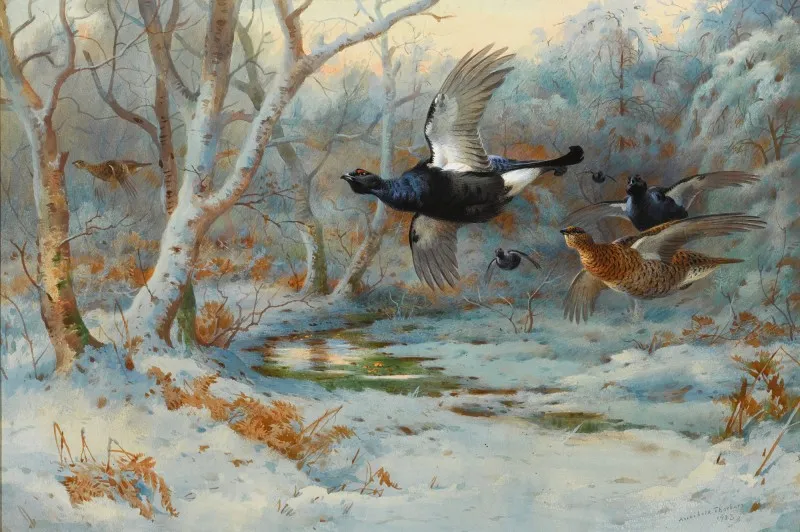
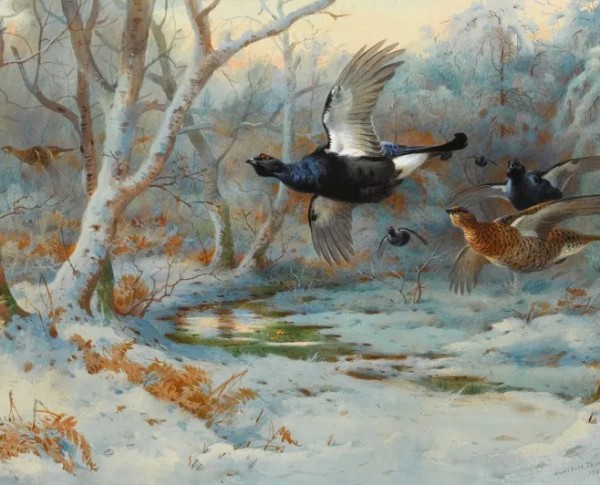
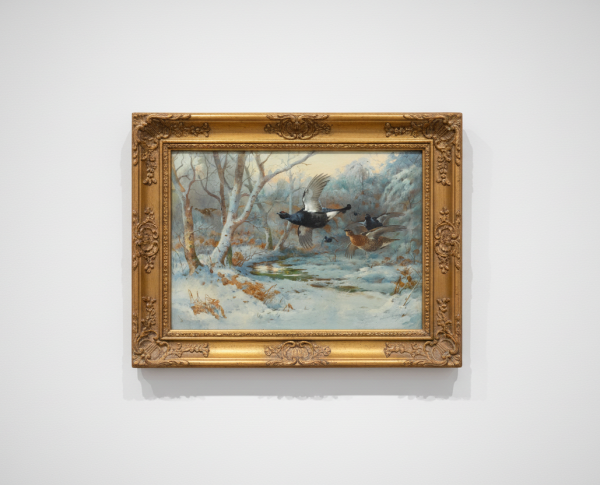
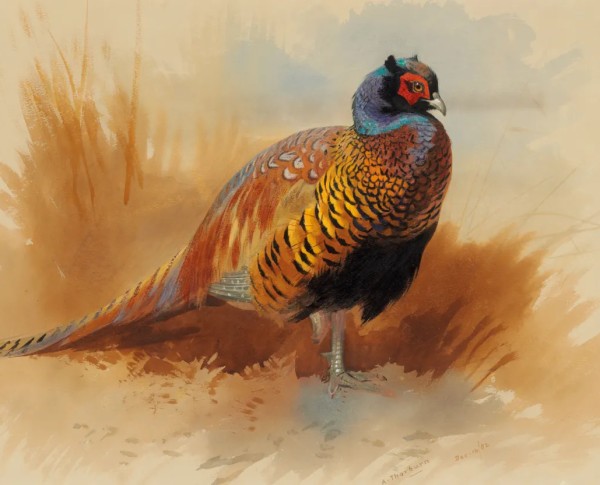
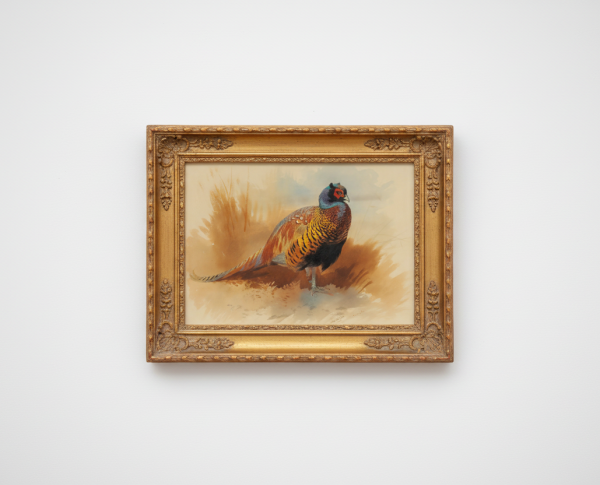
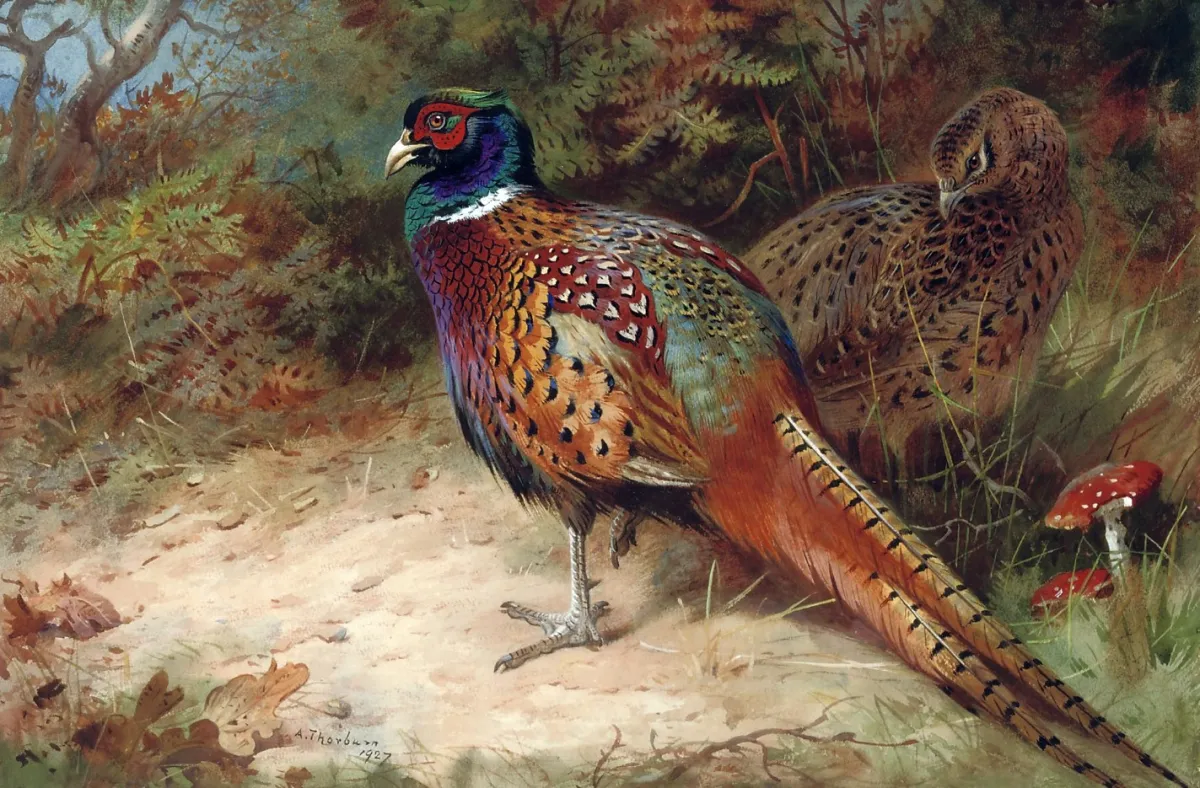
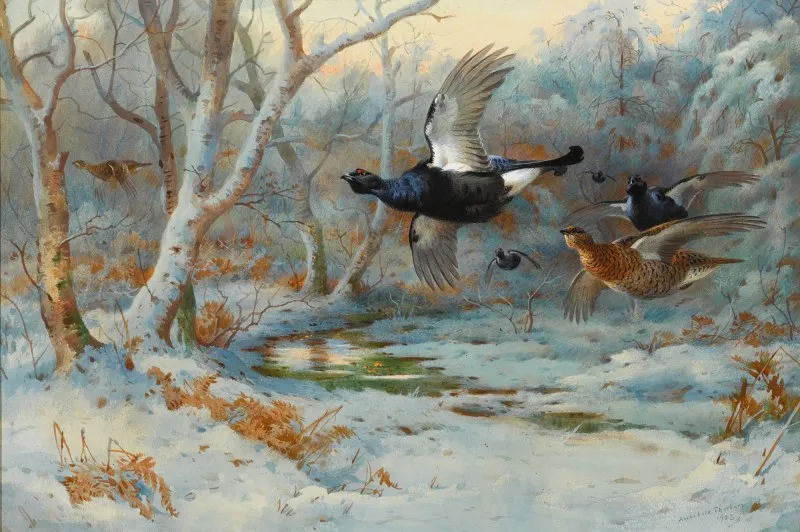
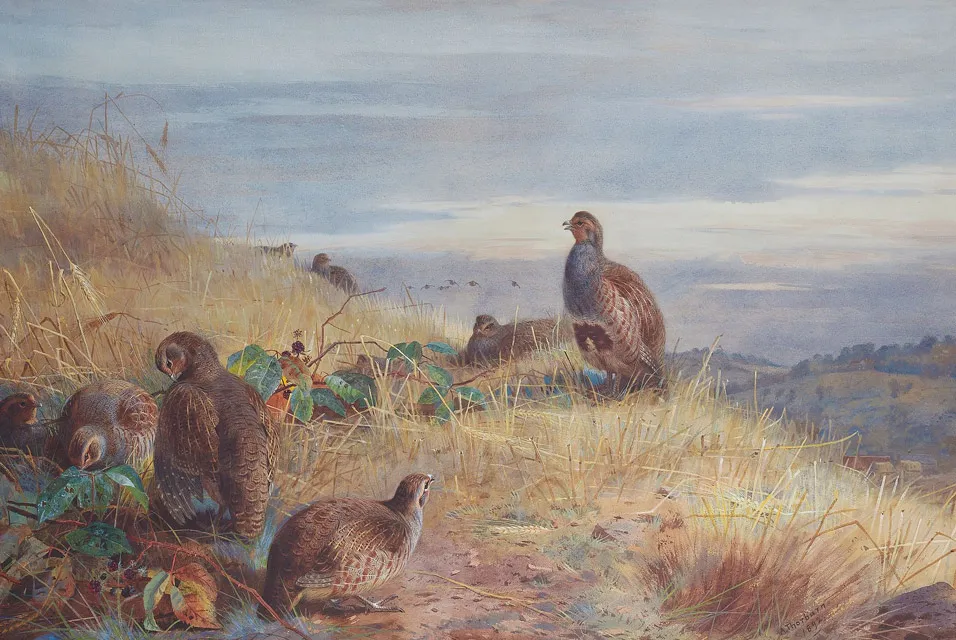
The oil on canvas technique employed by Archibald Thorburn in this masterpiece showcases his technical brilliance and mastery of color and light. Each feather and blade of grass is rendered with meticulous attention, embodying the spirit of the Naturalism movement. For those who appreciate true craftsmanship, "Cock and hen pheasant in the undergrowth" is a prime example, alongside related pieces like "Black Grouse In Flight In A Winter Woodland" and "The Covey at Daybreak."
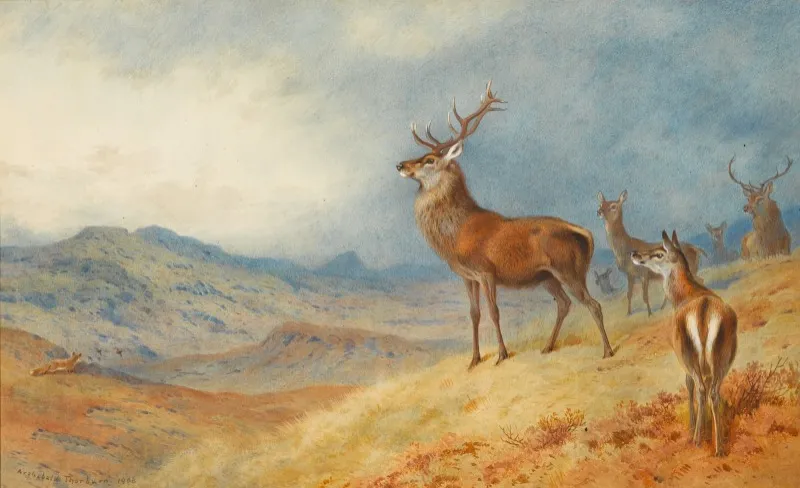
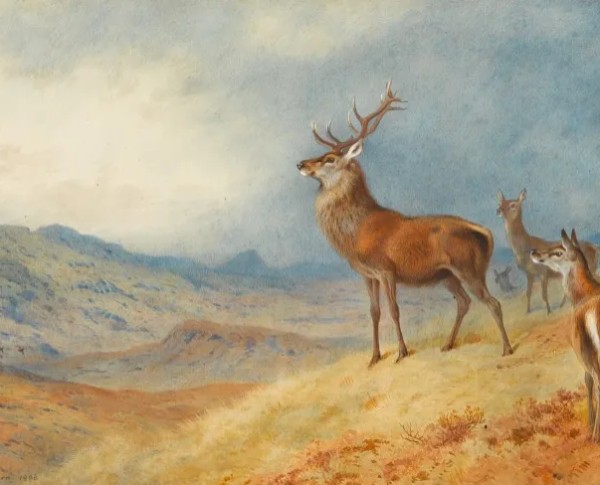
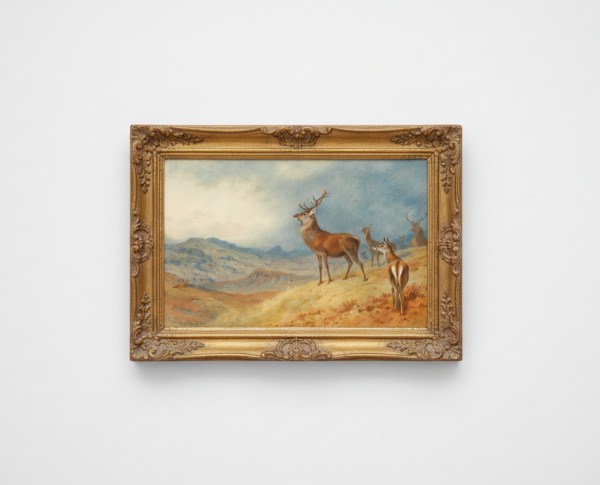
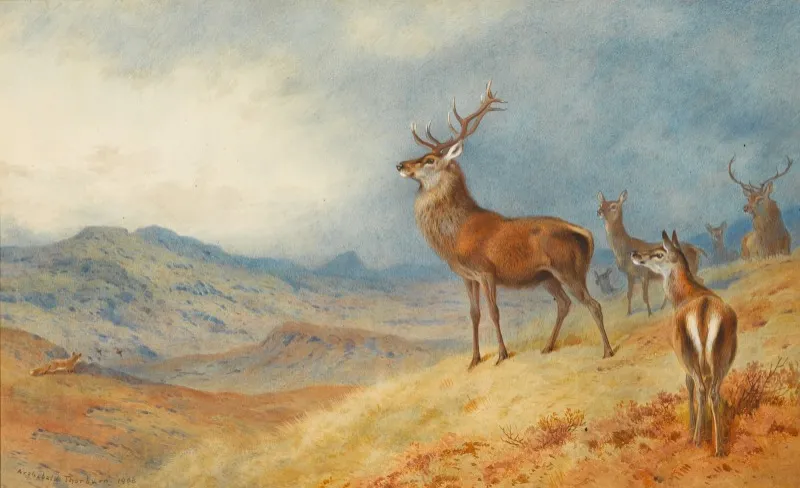
Thorburn’s "Cock and hen pheasant in the undergrowth" tells a story of harmony between wildlife and their environment, a recurring theme in the Naturalism movement. This fine art painting for sale resonates with collectors who value the symbolic presence of pheasants as emblems of nobility and grace. Complementary works like "Red Deer In A Highland Landscape" further enrich collections, offering deeper insight into Thorburn’s narrative artistry.
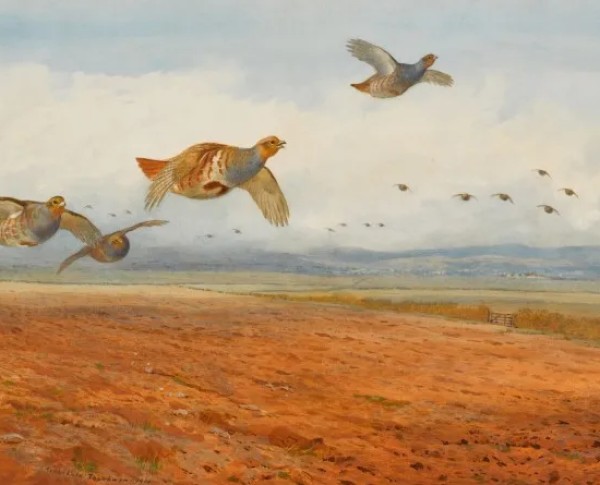
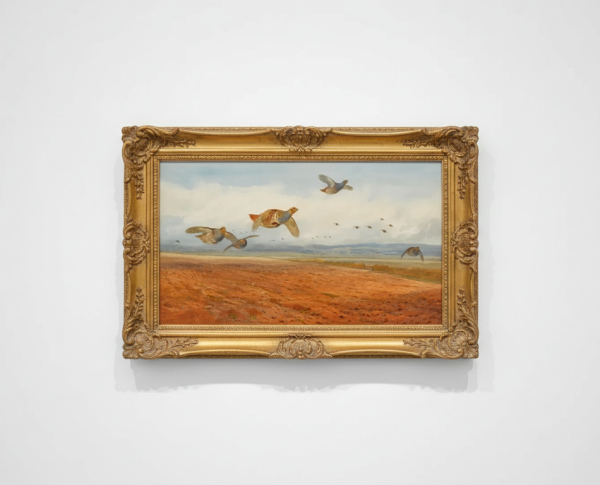
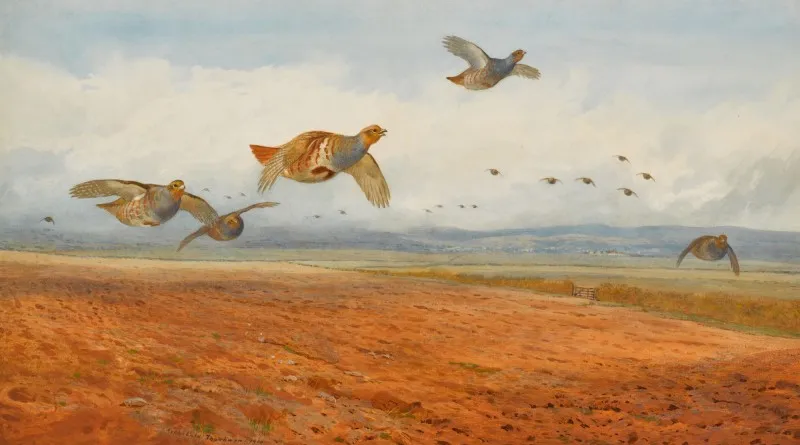
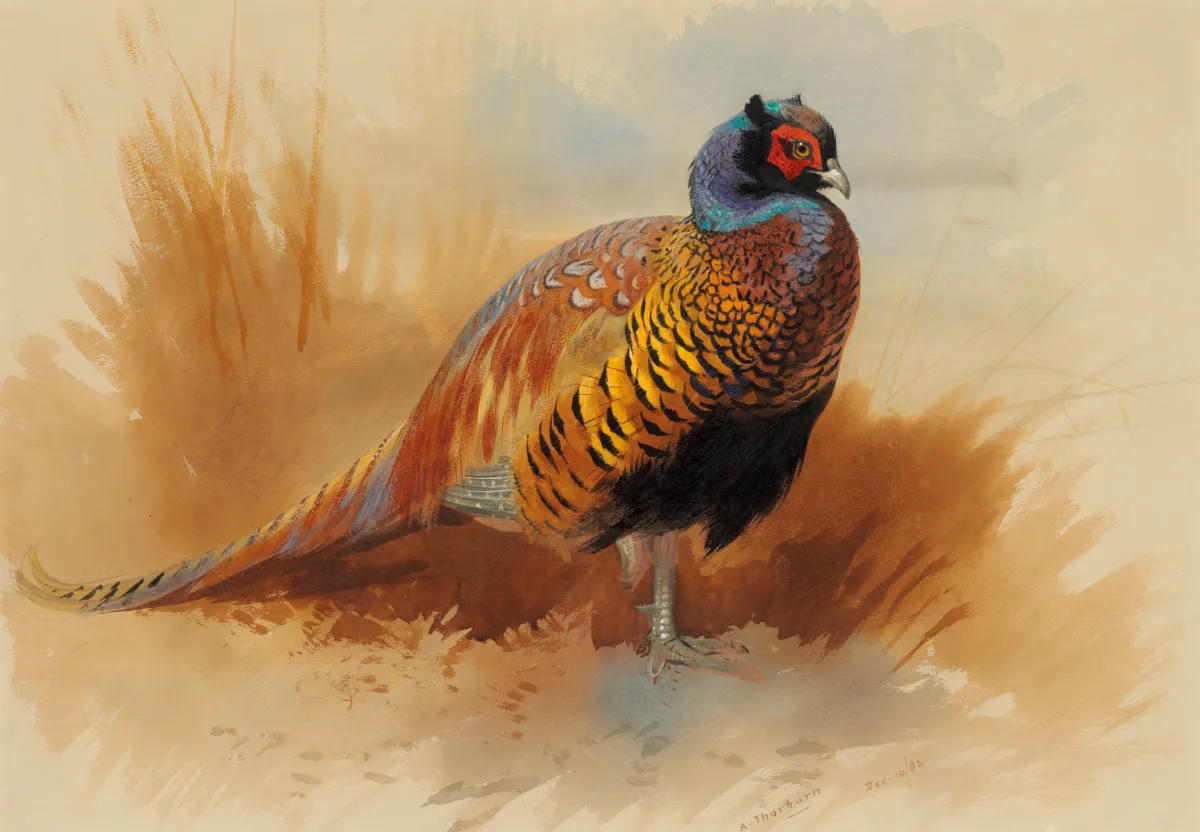
As a sought-after fine art painting for sale, "Cock and hen pheasant in the undergrowth" by Archibald Thorburn remains a prized addition for collectors of Naturalism art. Its exquisite detail and lifelike composition set it apart, making it a centerpiece among similar treasures such as "Study of a cock pheasant" and "A Covey of Grey Partridge in Flight." Thorburn’s legacy ensures lasting value and admiration for generations to come.
When Art Meets History
Archibald Thorburn’s “Cock and hen pheasant in the undergrowth” stands as a testament to the Naturalism movement, capturing the essence of wildlife in its natural habitat. Painted during a period when artists sought to depict nature with precise detail, this hand-painted oil painting reflects Thorburn’s dedication to authenticity. The artwork not only pays homage to the era’s fascination with the natural world but also connects viewers to the storied tradition of wildlife art that defines Naturalism.
Techniques That Speak
Thorburn’s mastery is evident in his use of oil on canvas, a medium that allows for rich color blending and intricate textures. By employing delicate brushwork and layered glazes, he brings the cock and hen pheasant to life amidst dense undergrowth. These techniques, characteristic of Naturalism, highlight his ability to render feathers and foliage with remarkable realism. The painting’s technical excellence makes it a standout among his other works within the genre.
Emotions on Display
In “Cock and hen pheasant in the undergrowth,” viewers are drawn into a serene yet vibrant woodland scene, evoking a sense of tranquility and wonder. Thorburn’s attention to detail and composition invites contemplation of nature’s quiet beauty. As with many fine art painting for sale pieces from the Naturalism movement, the emotional resonance of this work stems from its celebration of wildlife and the peaceful coexistence it portrays between the birds and their environment.
Coveted by Collectors
Collectors and enthusiasts highly prize Thorburn’s wildlife scenes, with “Cock and hen pheasant in the undergrowth” being a sought-after example. The artist’s reputation for lifelike depictions and the enduring appeal of oil on canvas works within the Naturalism movement contribute to the painting’s desirability. This piece, like other hand-painted oil paintings by Thorburn, continues to attract those who appreciate the blend of artistic skill and historical significance.
Frequently Asked Questions About Cock and hen pheasant in the undergrowth
What is the historical context of "Cock and hen pheasant in the undergrowth"?
This painting by Archibald Thorburn was created during the early 20th century, a period marked by a growing appreciation for wildlife art and naturalism in Britain. Thorburn's work reflects the Victorian and Edwardian fascination with the natural world, particularly in the context of hunting and conservation.
What artistic techniques did Archibald Thorburn employ in this painting?
Thorburn utilized a combination of detailed observation and vibrant color palettes to capture the essence of the pheasants and their natural habitat. His technique included meticulous brushwork to depict the textures of feathers and foliage, showcasing his skill in rendering realism.
What is the significance of the pheasants in this artwork?
The pheasants symbolize both the beauty of wildlife and the themes of hunting and sport prevalent in Thorburn's time. They represent the delicate balance between nature and human interaction, highlighting the importance of wildlife in the British countryside.
How does this painting reflect the artistic movement of its time?
"Cock and hen pheasant in the undergrowth" embodies the naturalism movement, which sought to depict subjects as they appear in nature. Thorburn's attention to detail and realistic portrayal of animals aligns with the broader trends of the late 19th and early 20th centuries, where artists aimed to capture the essence of their subjects.
What role did Archibald Thorburn play in wildlife art?
Archibald Thorburn is regarded as one of the foremost wildlife artists of his time. His contributions helped elevate the genre of wildlife art, emphasizing the importance of accurate representation and the beauty of nature, which influenced future generations of artists.
What materials did Thorburn likely use for this painting?
Thorburn primarily worked with oil paints and watercolors. His choice of medium allowed for rich color saturation and fine detail, essential for capturing the intricate patterns of the pheasants and the lushness of their surroundings.
How does the composition of the painting enhance its meaning?
The composition of "Cock and hen pheasant in the undergrowth" is carefully arranged to draw the viewer's eye towards the pheasants while also immersing them in the surrounding environment. This interplay between subject and background emphasizes the pheasants' natural habitat and their role within it.
What influences can be seen in Thorburn's style?
Thorburn's style shows influences from both the Pre-Raphaelite movement and the tradition of British landscape painting. His focus on detail and vibrant color reflects the Pre-Raphaelite commitment to realism and beauty, while his subjects are deeply rooted in the British landscape tradition.
What impact did this painting have on wildlife conservation efforts?
Thorburn's work, including "Cock and hen pheasant in the undergrowth," contributed to the growing awareness of wildlife conservation during the early 20th century. His art highlighted the beauty and fragility of nature, inspiring viewers to appreciate and protect the natural world.
In what ways does this painting serve as a reflection of British culture?
This painting reflects British culture's historical relationship with nature, particularly through hunting and rural life. It captures the idyllic view of the countryside that was cherished during Thorburn's time, serving as a reminder of the cultural significance of wildlife and the outdoors in British identity.






















_GFM_Painting_(1).webp)


 100% Hand-Painted: Finished in 3-6 Weeks

.png)















_(1).webp)