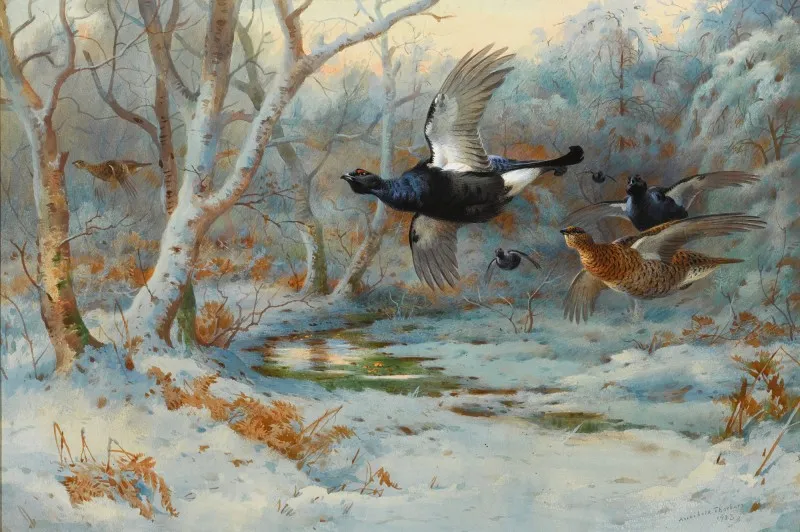
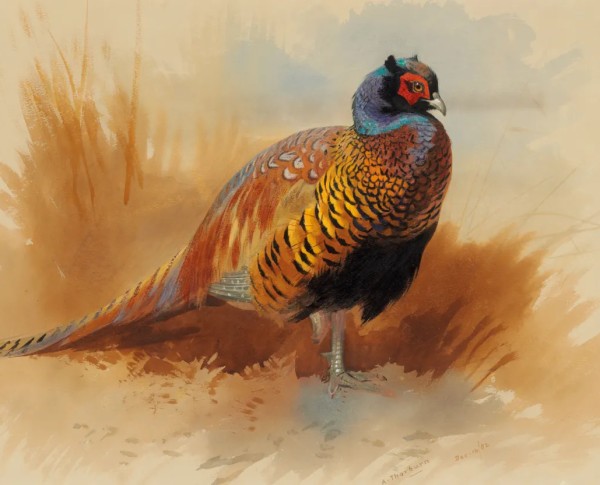
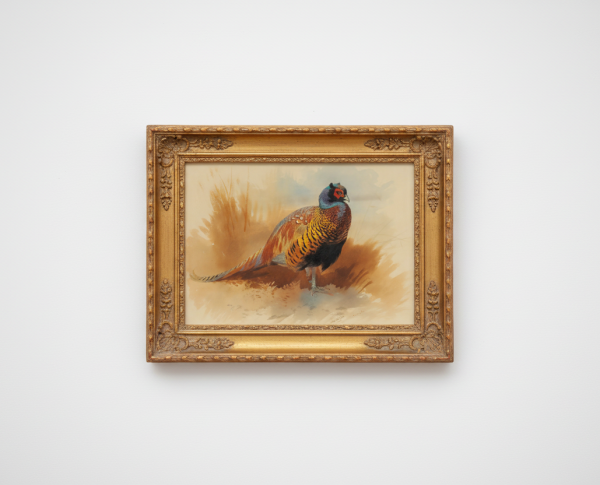
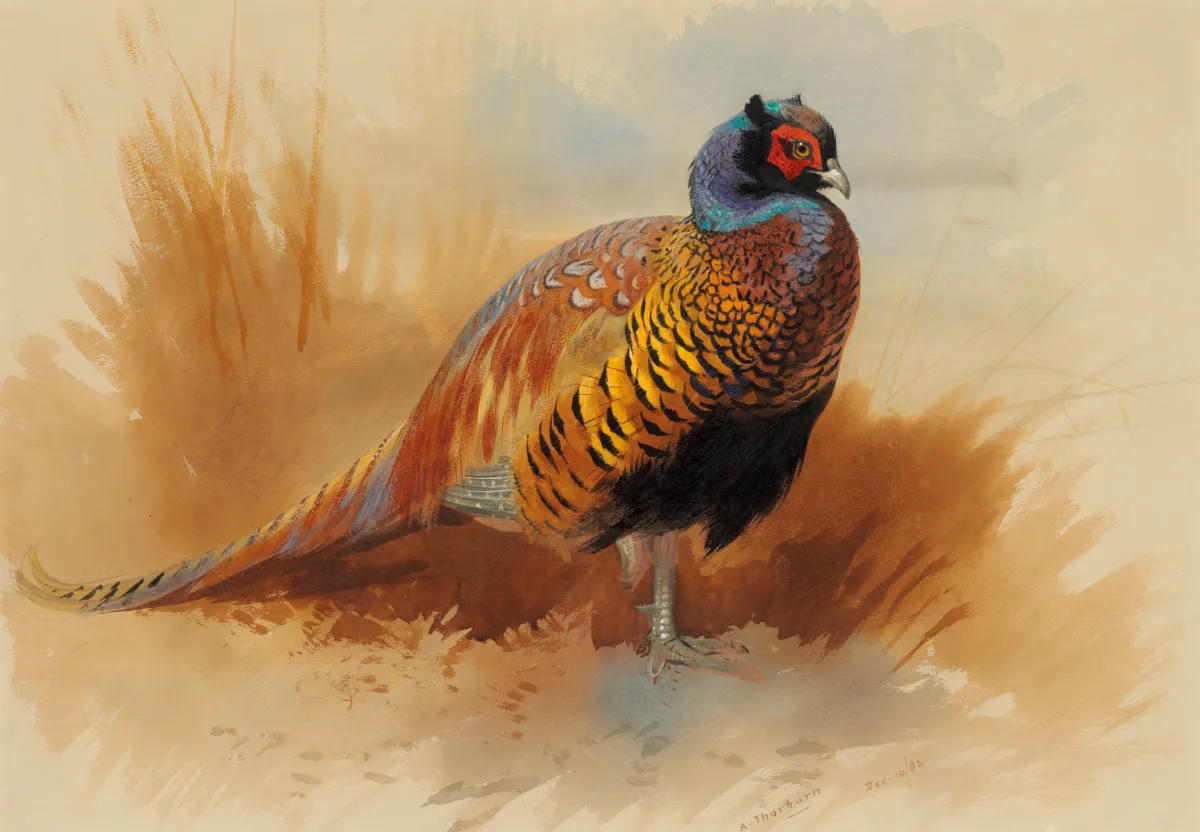
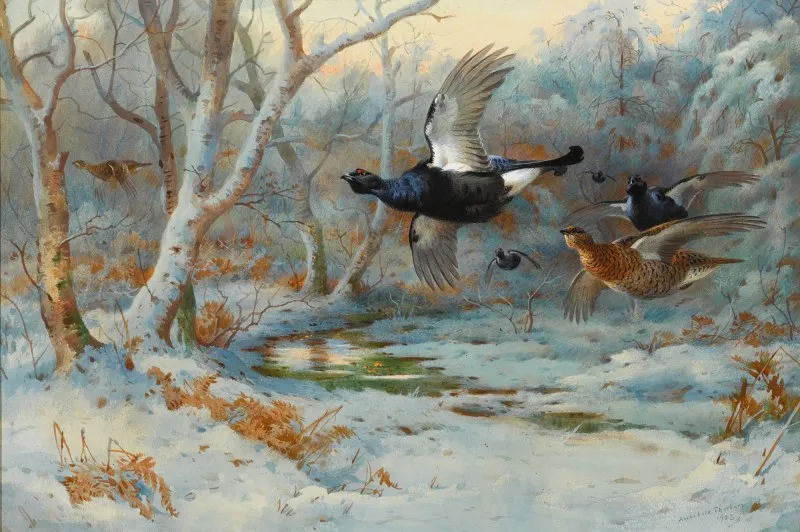
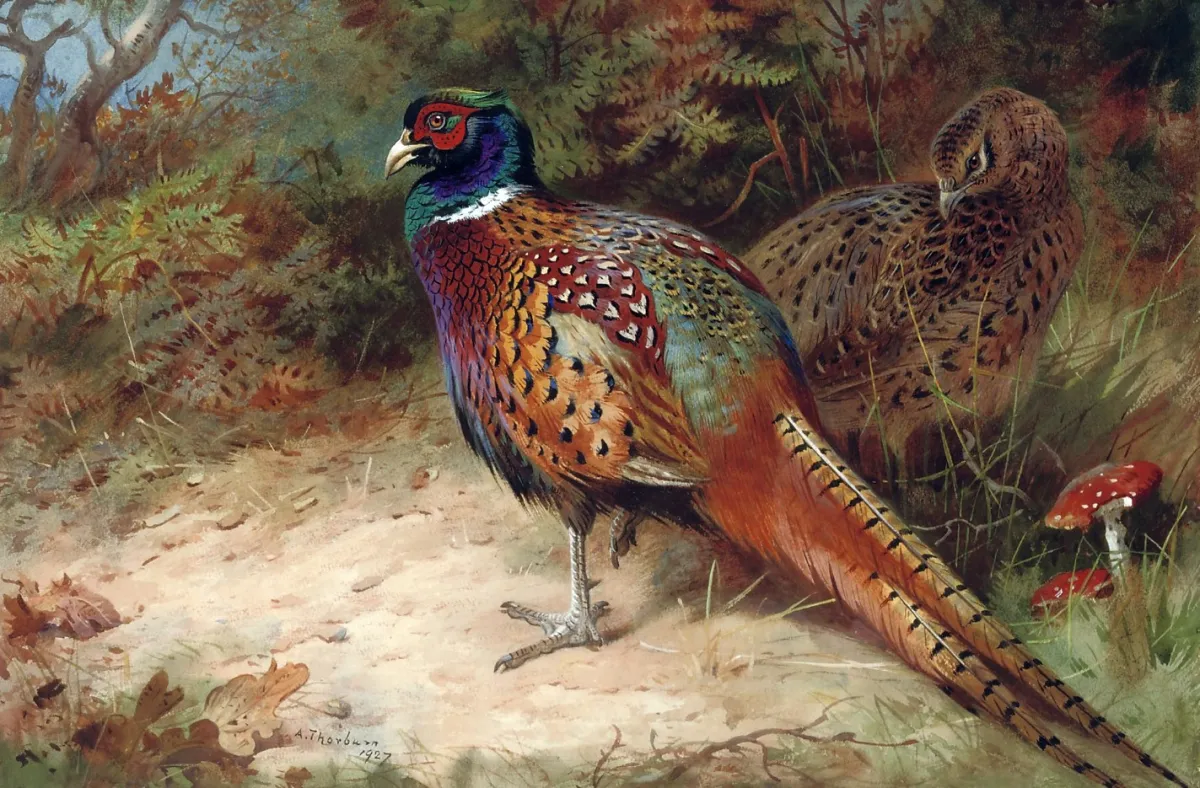
The "Study of a Cock Pheasant" is a testament to Thorburn’s ability to bring wildlife to life using oil on canvas. Every brushstroke reveals his expertise in texture, color, and composition, hallmarks of the Naturalism movement. Thorburn’s attention to detail is reminiscent of his works like "Black Grouse In Flight In A Winter Woodland," making each oil on canvas a true representation of his artistic mastery and the beauty of the natural world.
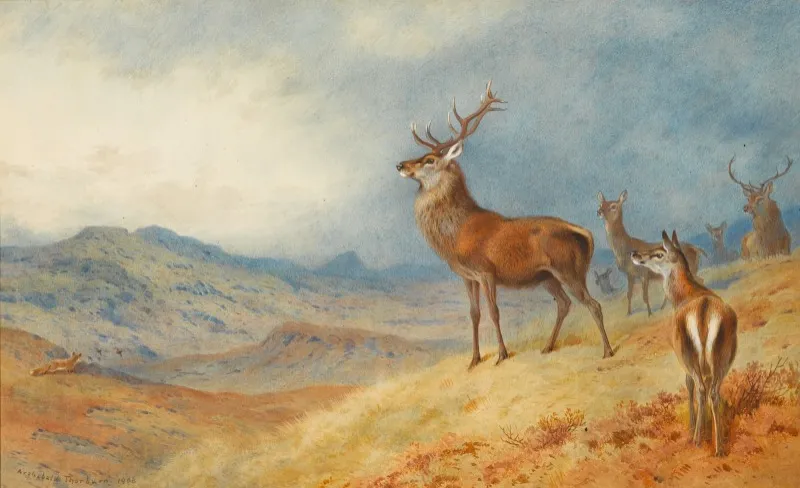
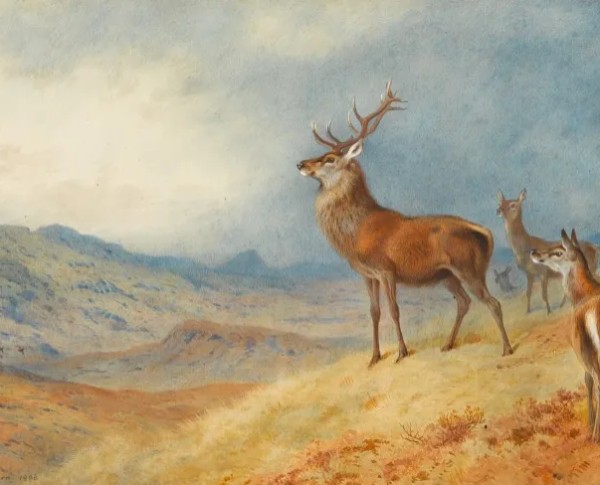
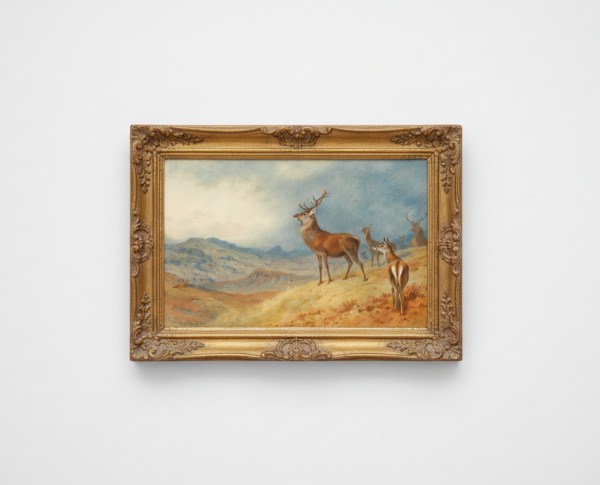
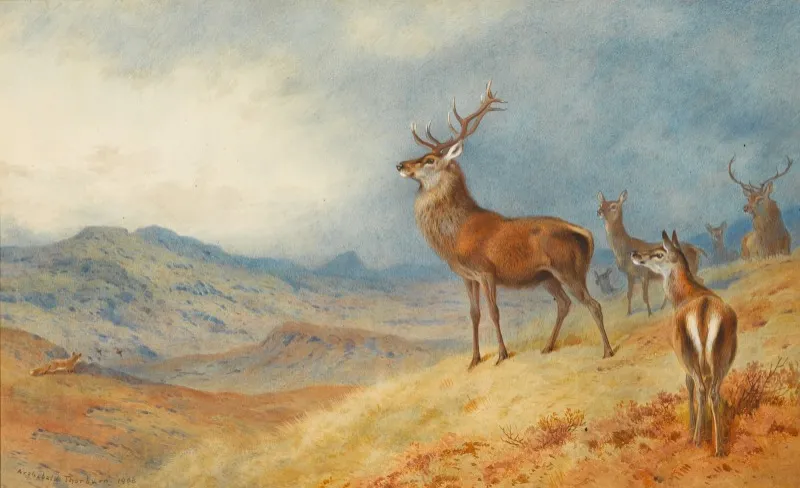
Thorburn’s "Study of a Cock Pheasant" goes beyond mere depiction, weaving subtle stories and symbols of the wild into his art. The painting embodies the spirit of Naturalism, inviting viewers to appreciate the pheasant’s grace and habitat. As with other fine art painting for sale by Thorburn, such as "Red Deer In A Highland Landscape," this piece encourages reflection on the intricate connections between humans and nature through the language of art.
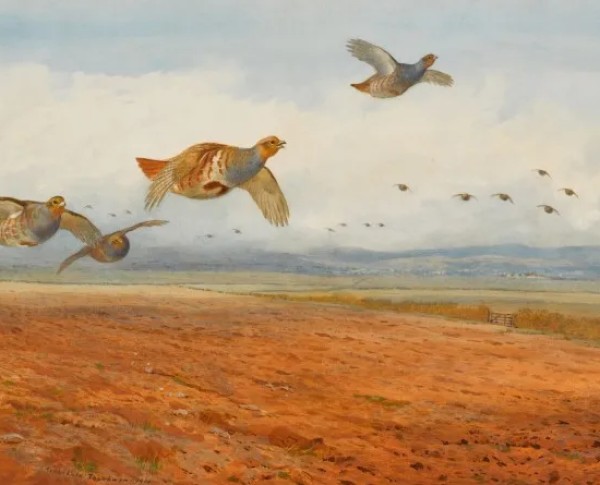
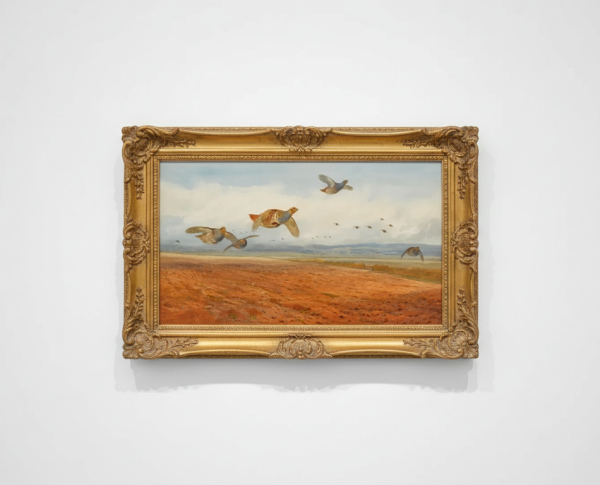
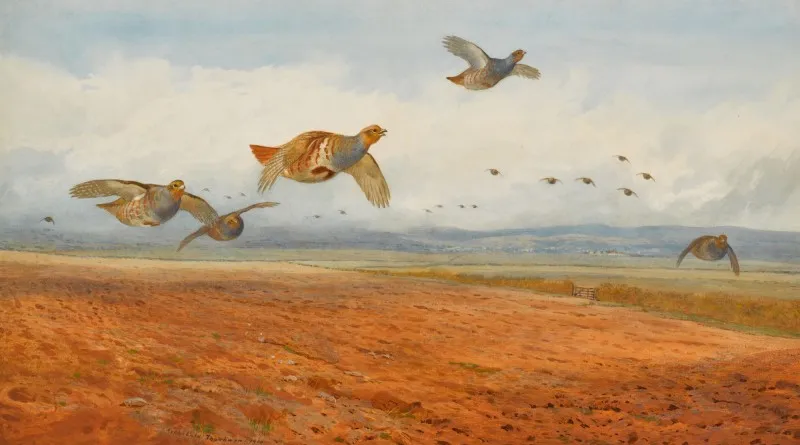
For collectors seeking a fine art painting for sale, "Study of a Cock Pheasant" by Archibald Thorburn is an exceptional choice. Its exquisite detail, historical context, and association with the Naturalism movement make it highly desirable. Pairing it with related works like "A Covey of Grey Partridge in Flight" or "Black Grouse In Flight In A Winter Woodland" would enrich any collection, celebrating Thorburn’s enduring influence in wildlife art.
When Art Meets History
Archibald Thorburn’s “Study of a cock pheasant” is a remarkable example of the Naturalism movement, capturing the essence of wildlife with meticulous detail. Painted during a period when nature was celebrated in art, this hand-painted oil painting reflects the artist’s passion for ornithology and the beauty of the British countryside. Thorburn’s mastery is evident in his ability to combine scientific accuracy with artistic flair, making this work a timeless piece within the tradition of naturalistic wildlife art.
Techniques That Speak
Thorburn’s “Study of a cock pheasant” is rendered in oil on canvas, utilizing delicate brushwork and layered hues to achieve lifelike textures and vibrant colors. His technique highlights the iridescent plumage of the pheasant, set against a soft, atmospheric background. As seen in other works by Thorburn, the careful attention to light and detail creates a sense of realism that draws the viewer into the natural world, hallmarking his contribution to the Naturalism movement.
Emotions on Display
The emotional impact of “Study of a cock pheasant” lies in its serene portrayal of wildlife, inviting viewers to appreciate the quiet dignity of the subject. Archibald Thorburn’s hand-painted oil painting evokes admiration for the pheasant’s elegance and the tranquility of its habitat. Such fine art paintings for sale capture not only the visual beauty but also the inherent grace and spirit of nature, resonating with collectors and art enthusiasts who cherish the Naturalism style.
Coveted by Collectors
“Study of a cock pheasant” remains highly sought after by collectors who value authentic representations of wildlife. As a fine art painting for sale, it exemplifies Thorburn’s dedication to both artistry and accuracy, making it a prized addition to any collection. The work’s connection to the Naturalism movement and its similarity to other notable paintings by Thorburn enhance its desirability, ensuring its status as a cherished masterpiece in the world of wildlife art.
Frequently Asked Questions About Study of a cock pheasant
What is the historical significance of "Study of a cock pheasant"?
"Study of a cock pheasant" by Archibald Thorburn is significant for its detailed representation of wildlife in the early 20th century, reflecting the growing interest in naturalism and the conservation of British fauna during that period.
What artistic techniques did Archibald Thorburn use in this painting?
Thorburn employed meticulous attention to detail and vibrant color palettes, utilizing watercolor techniques to capture the texture of the pheasant's feathers and the subtleties of its natural habitat.
What does the cock pheasant symbolize in this artwork?
The cock pheasant often symbolizes beauty, vitality, and the splendor of nature. In this painting, it represents the rich biodiversity of the British countryside, highlighting the importance of wildlife preservation.
How does "Study of a cock pheasant" reflect the artistic movement of its time?
This painting reflects the naturalism movement of the early 20th century, where artists sought to depict subjects with accuracy and detail, often focusing on wildlife and landscapes as a response to industrialization.
What influences can be seen in Thorburn's style in this painting?
Thorburn's style is influenced by both traditional British wildlife art and the emerging techniques of the Impressionist movement, which can be seen in his use of light and shadow to create depth and realism.
In what ways did Archibald Thorburn contribute to wildlife art?
Thorburn is regarded as one of the foremost wildlife artists of his time, contributing to the genre through his detailed studies, published illustrations, and advocacy for the appreciation of natural history.
What materials were likely used in the creation of this painting?
Thorburn primarily used watercolors on paper for "Study of a cock pheasant," a medium that allowed him to achieve the fine details and vibrant colors characteristic of his work.
What role did nature play in Thorburn's artistic vision?
Nature was central to Thorburn's artistic vision; he sought to portray the beauty and intricacies of wildlife, fostering a deeper appreciation for the natural world among his audience.
How does "Study of a cock pheasant" compare to other works by Thorburn?
Compared to other works by Thorburn, "Study of a cock pheasant" showcases his exceptional skill in rendering avian subjects, emphasizing both anatomical accuracy and the aesthetic qualities of the pheasant.
What impact did "Study of a cock pheasant" have on the perception of wildlife art?
This painting helped elevate the status of wildlife art within the broader art community, demonstrating that such works could be both scientifically accurate and artistically compelling, thereby influencing future generations of wildlife artists.






















_GFM_Painting_(1).webp)


 100% Hand-Painted: Finished in 3-6 Weeks

.png)















_(1).webp)