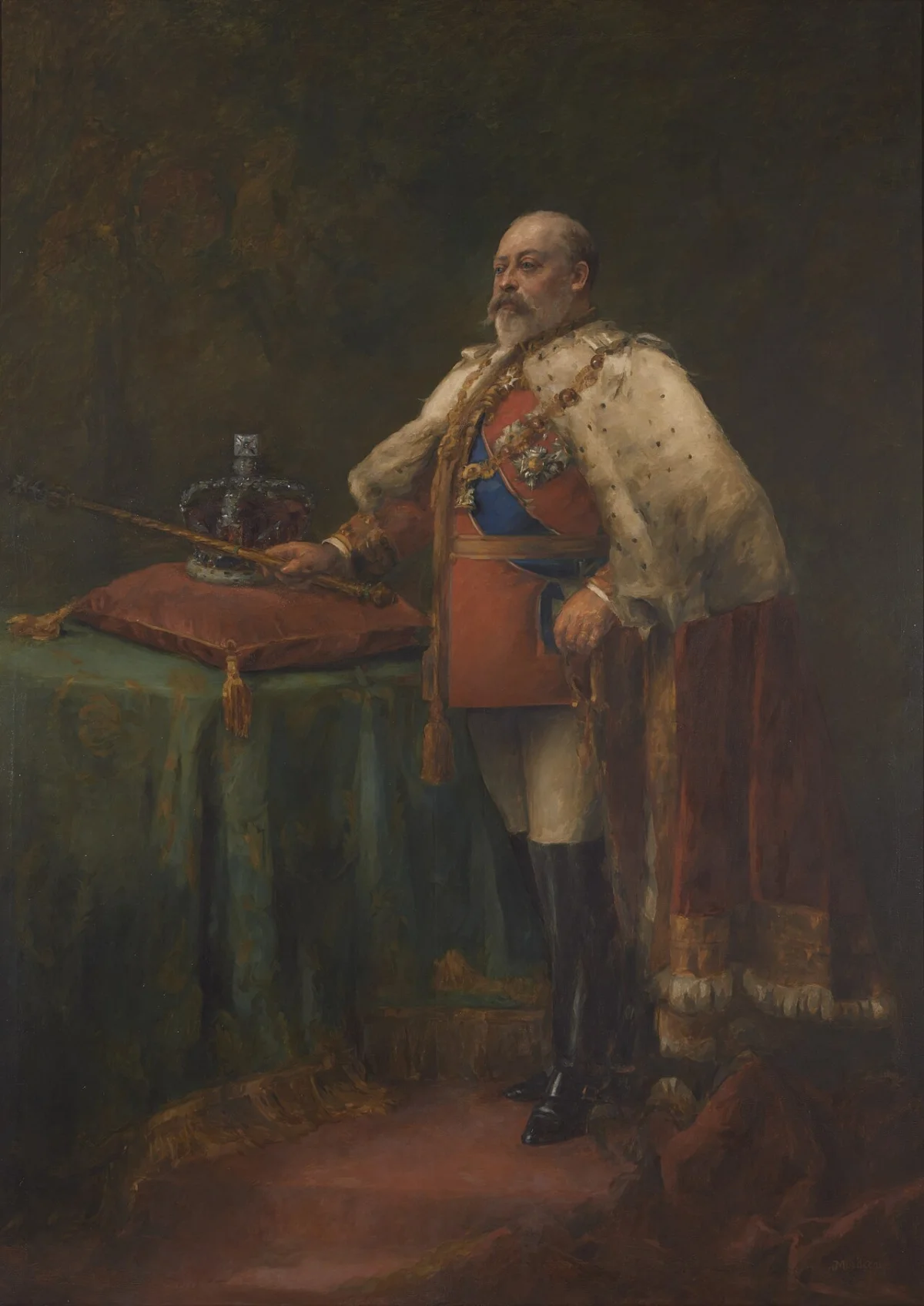
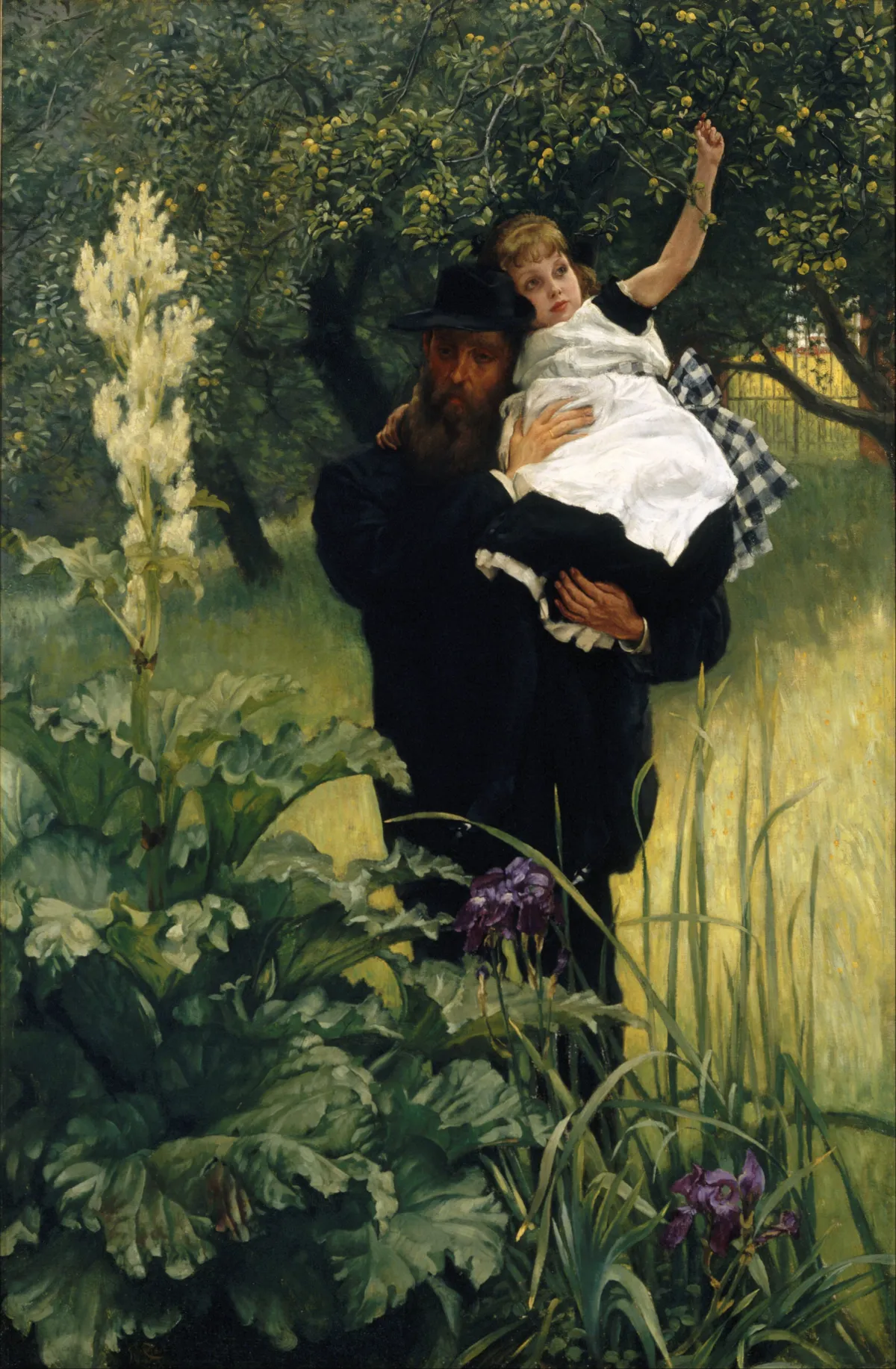
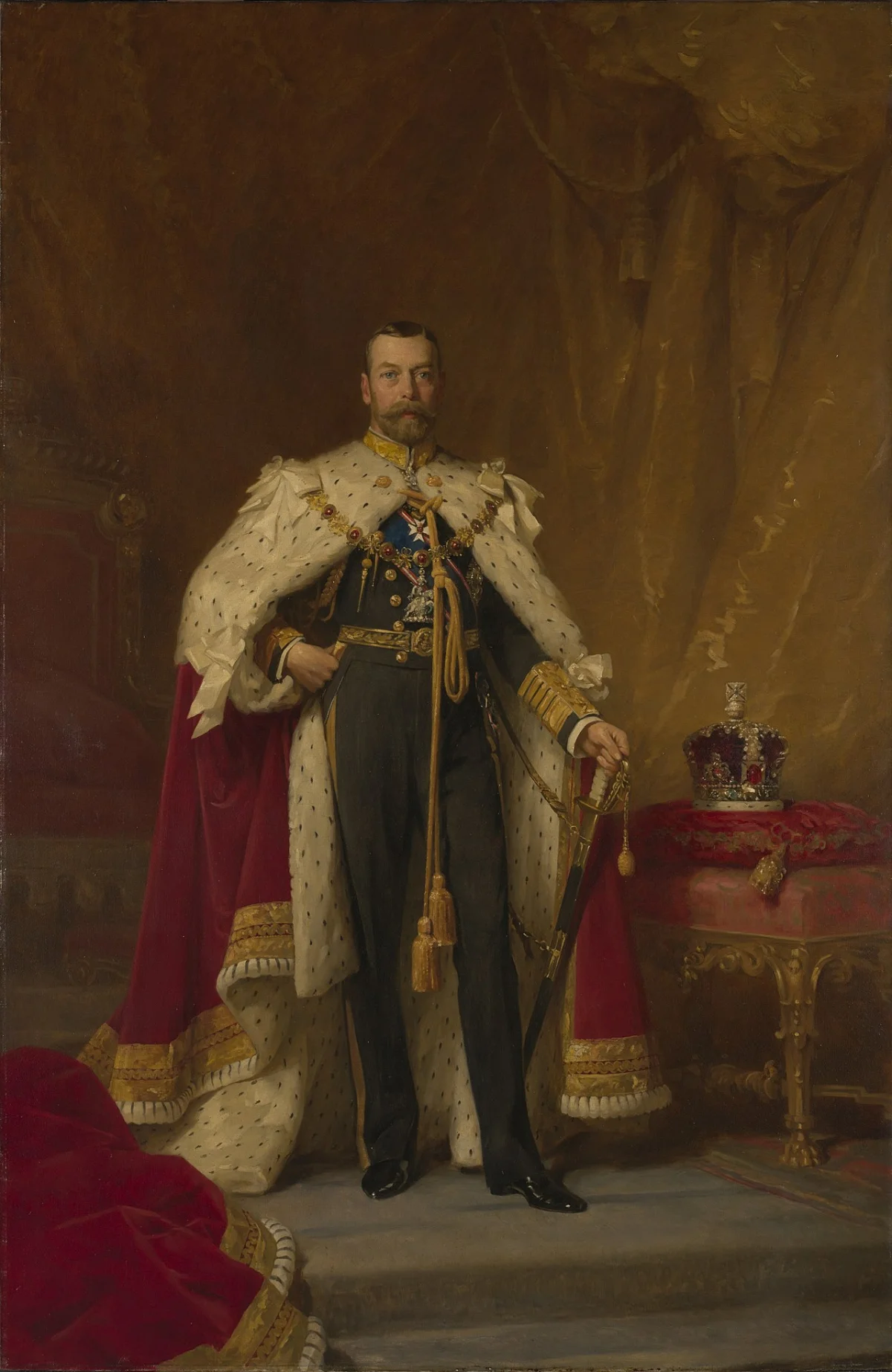
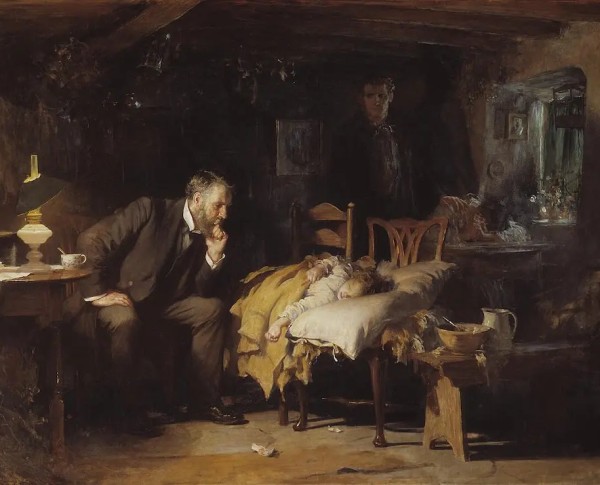
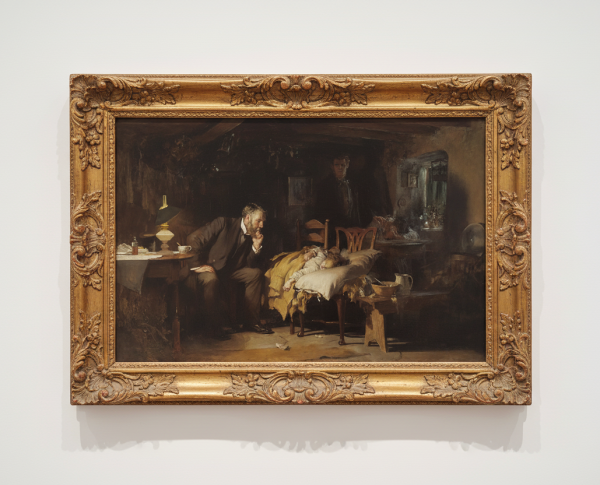
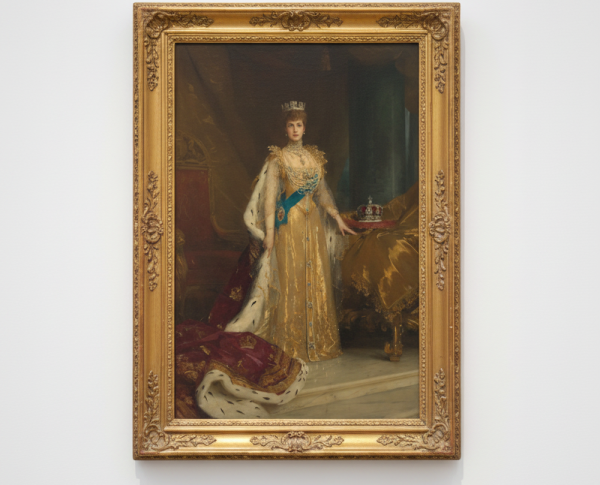
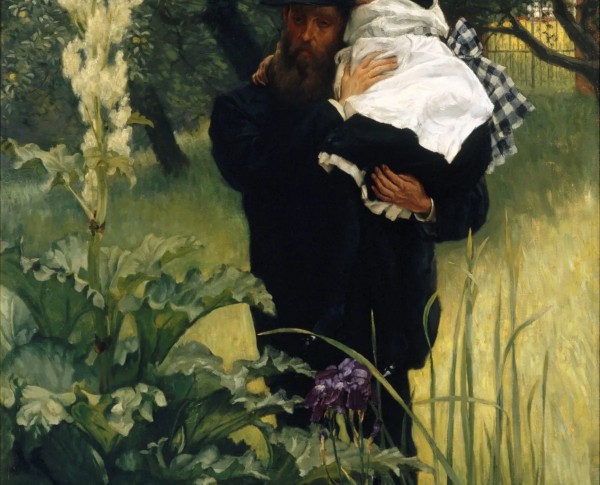
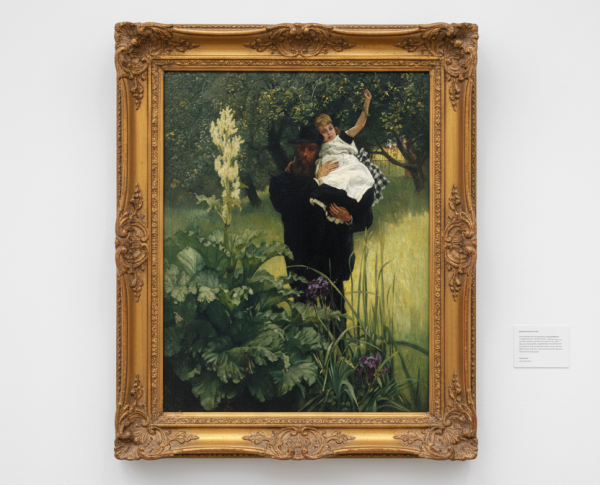
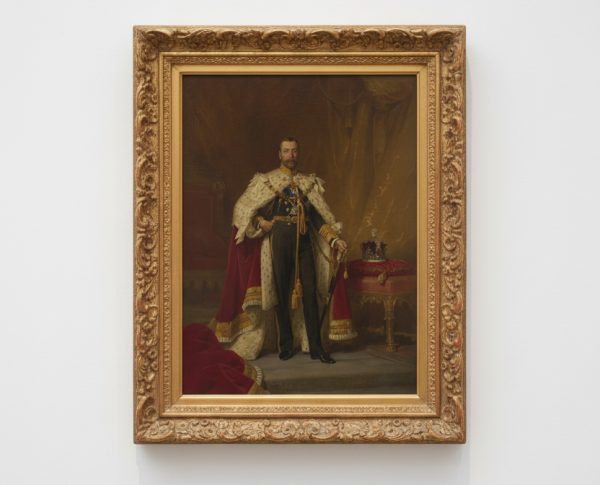
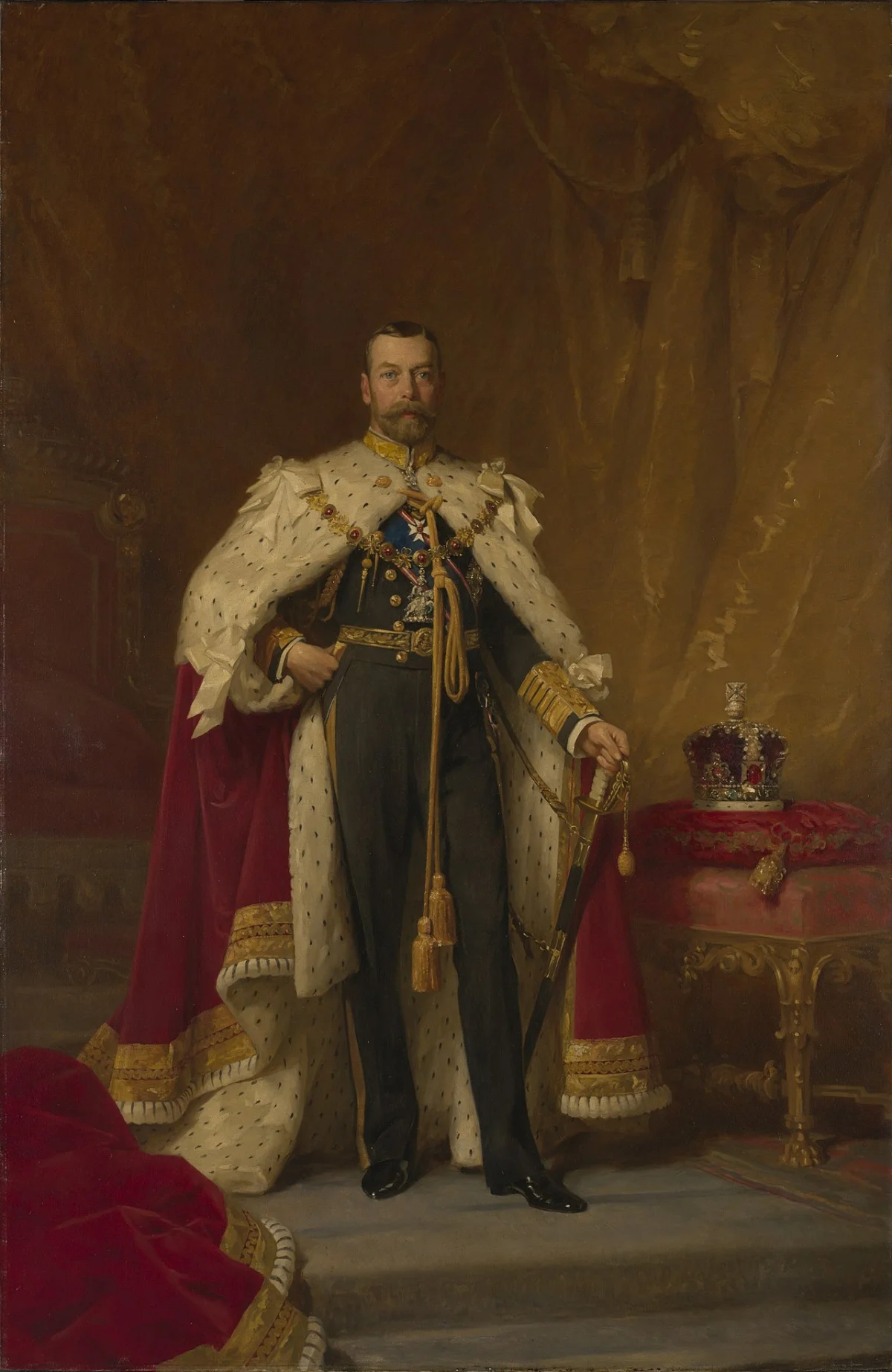
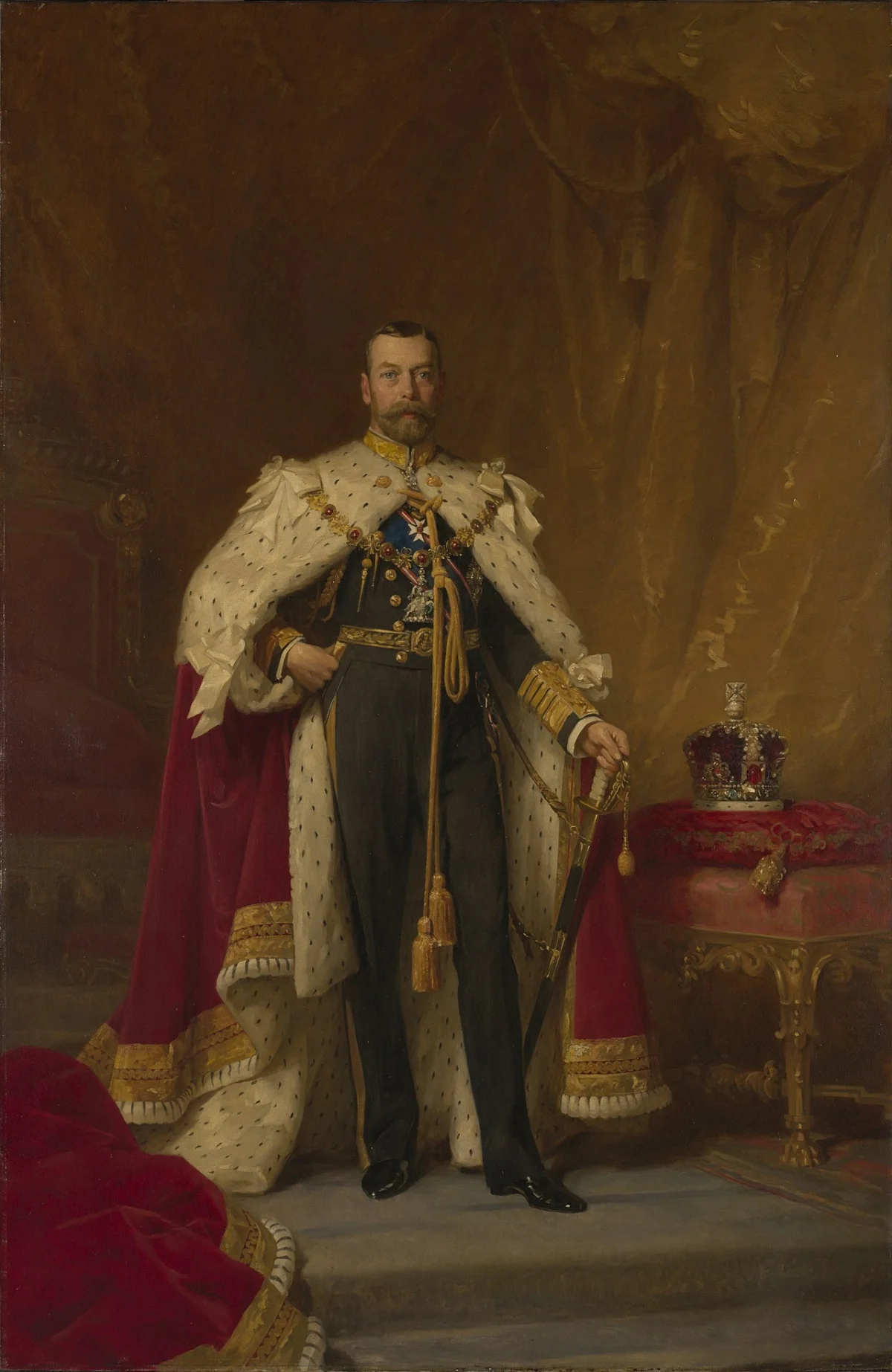
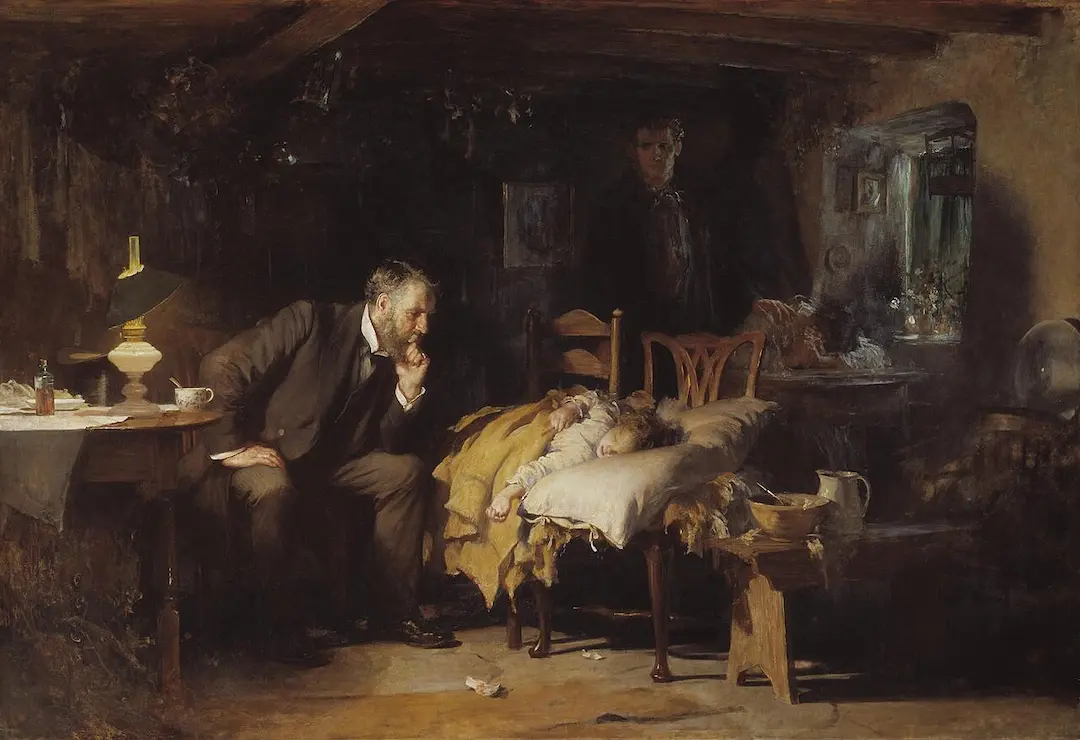
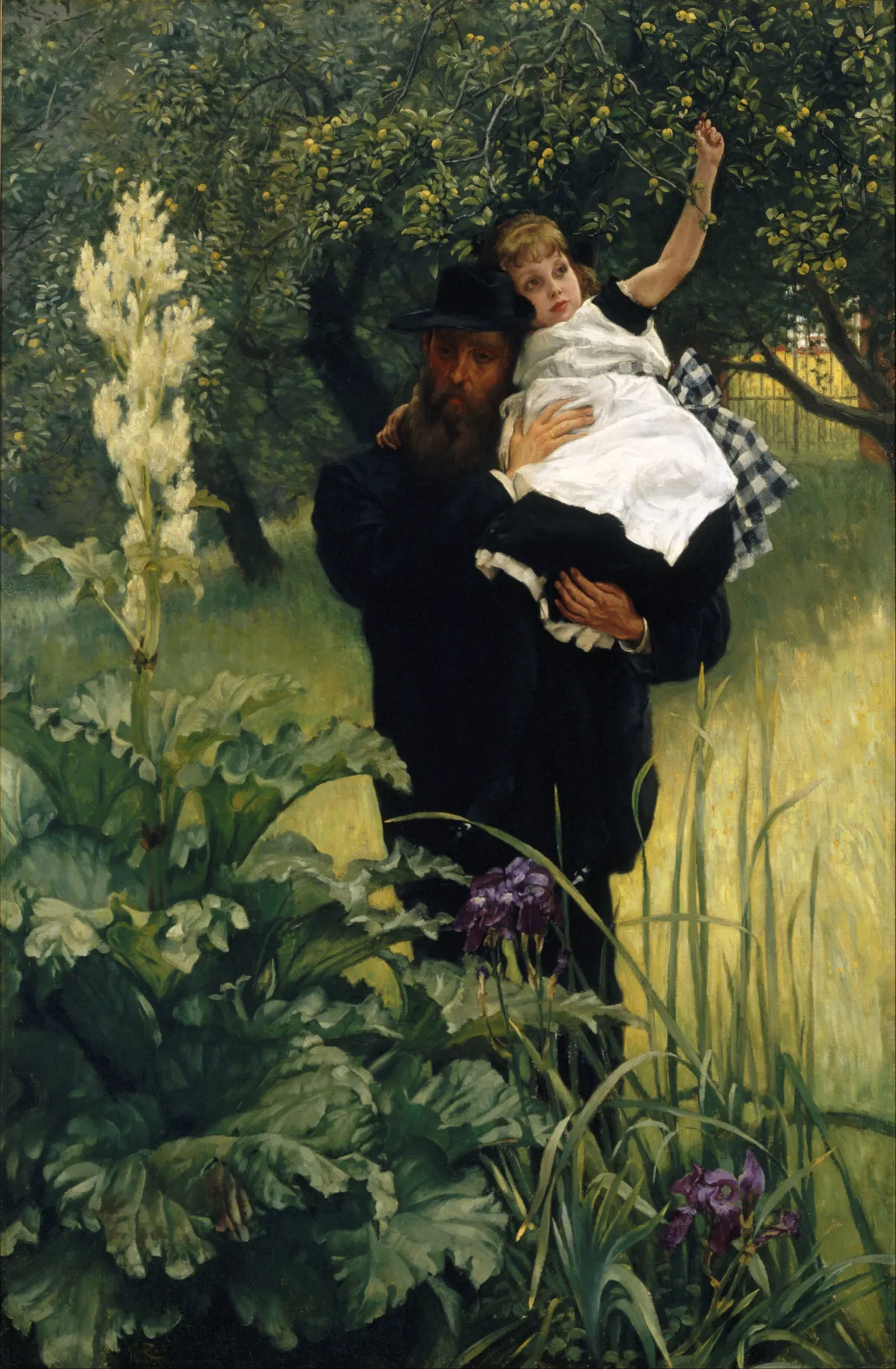
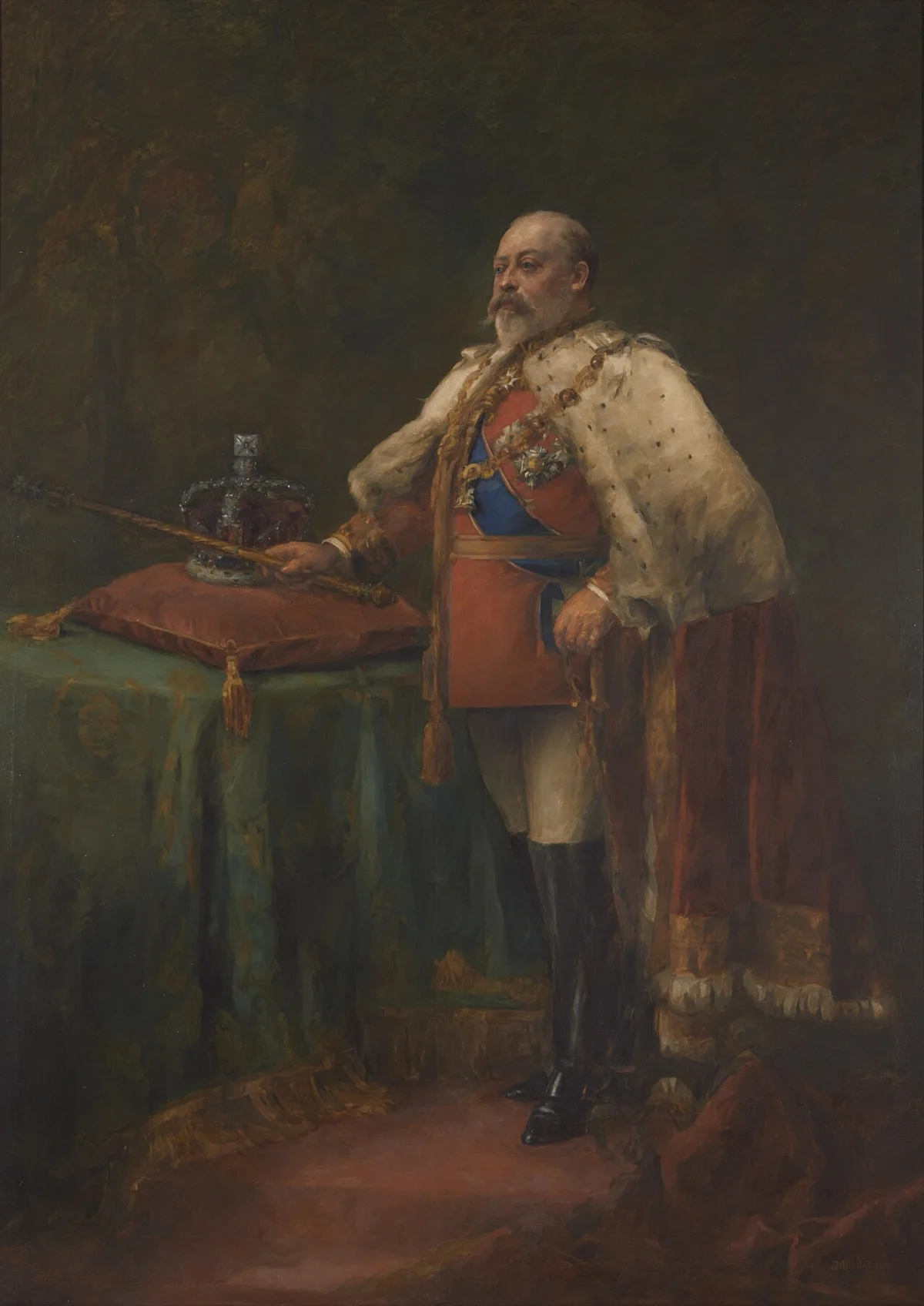
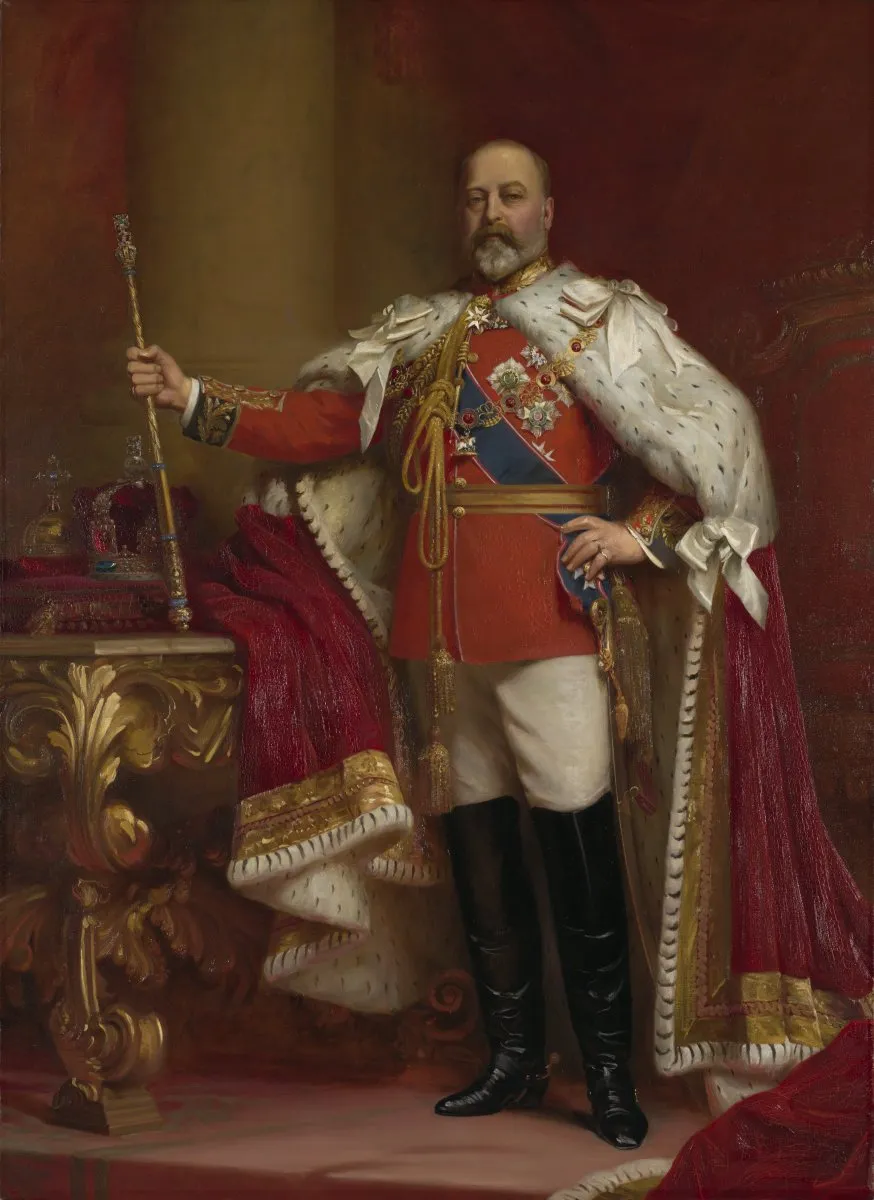
Fildes’ technique in this oil on canvas masterpiece demonstrates his unparalleled skill in rendering lifelike textures and regal poise. The artist's meticulous brushwork and attention to detail are hallmarks of Social Realism, bringing the monarch's personality to life. Collectors and enthusiasts searching for a distinguished oil on canvas will appreciate the craftsmanship in this painting, as seen in Fildes’ other acclaimed works such as "The Doctor" and "The widower."
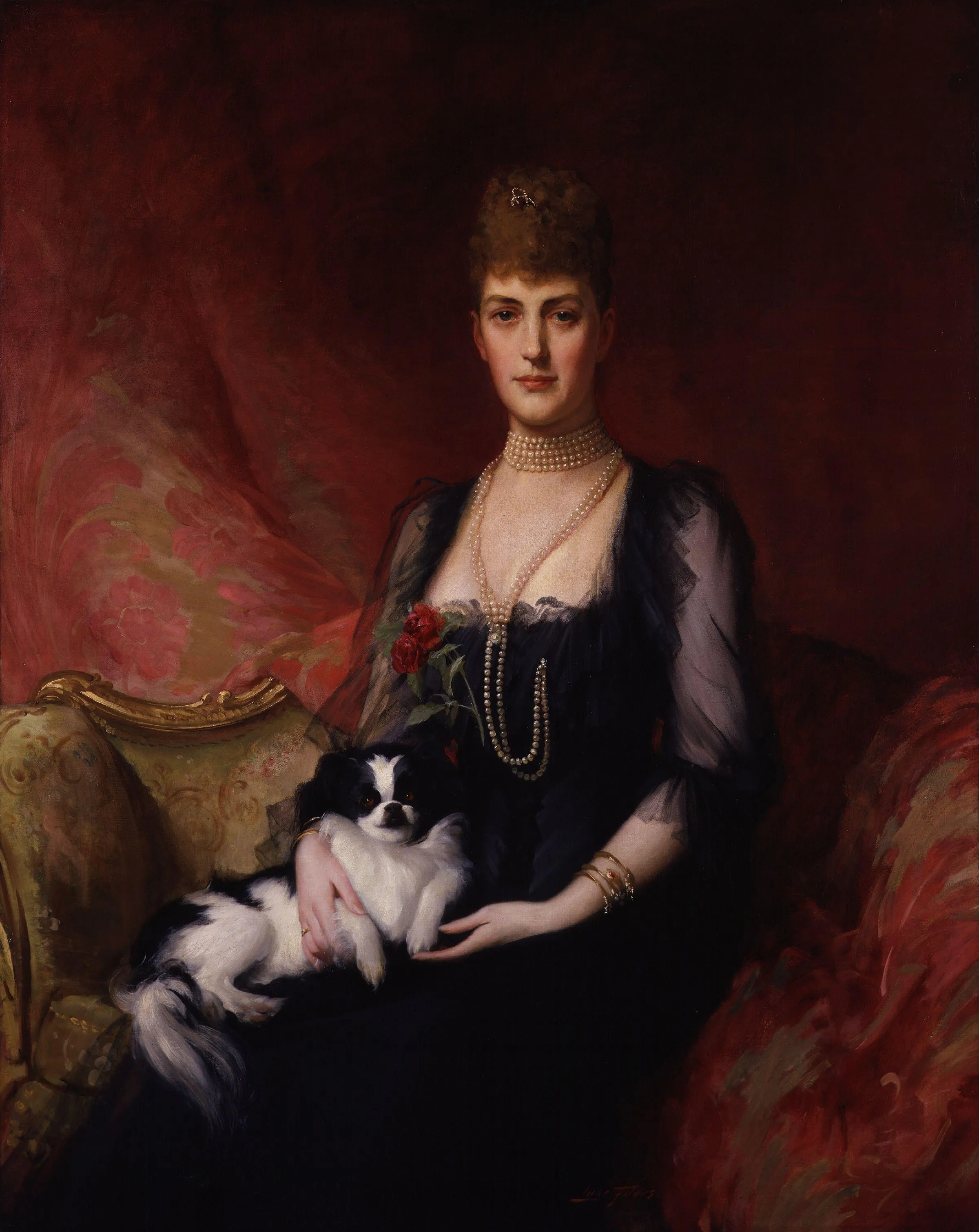
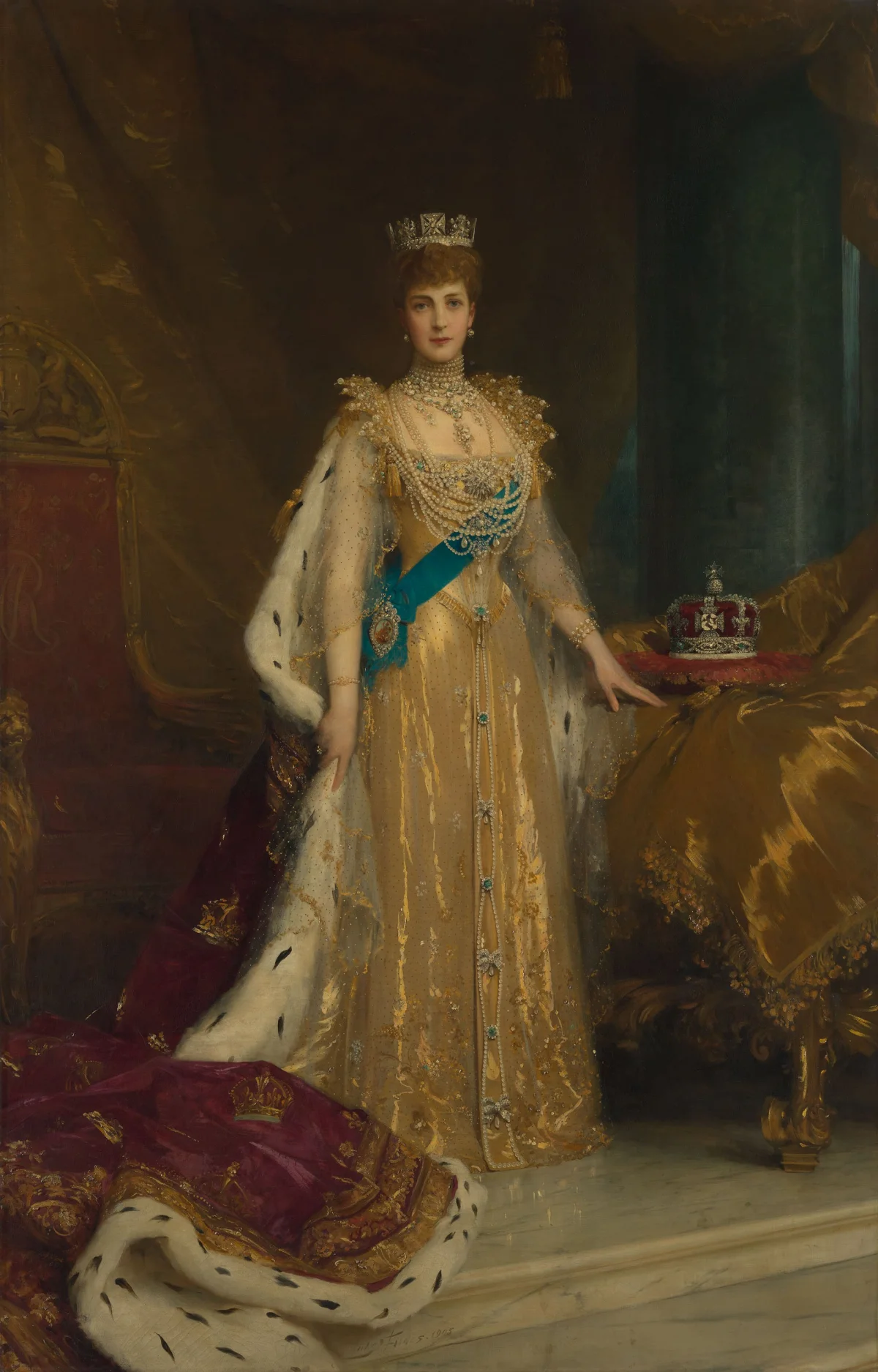
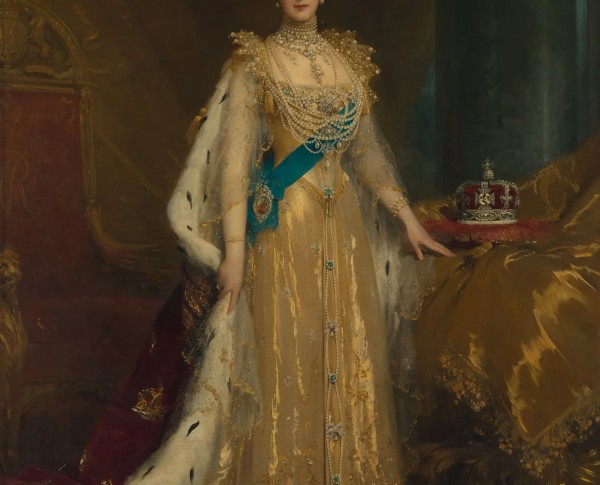
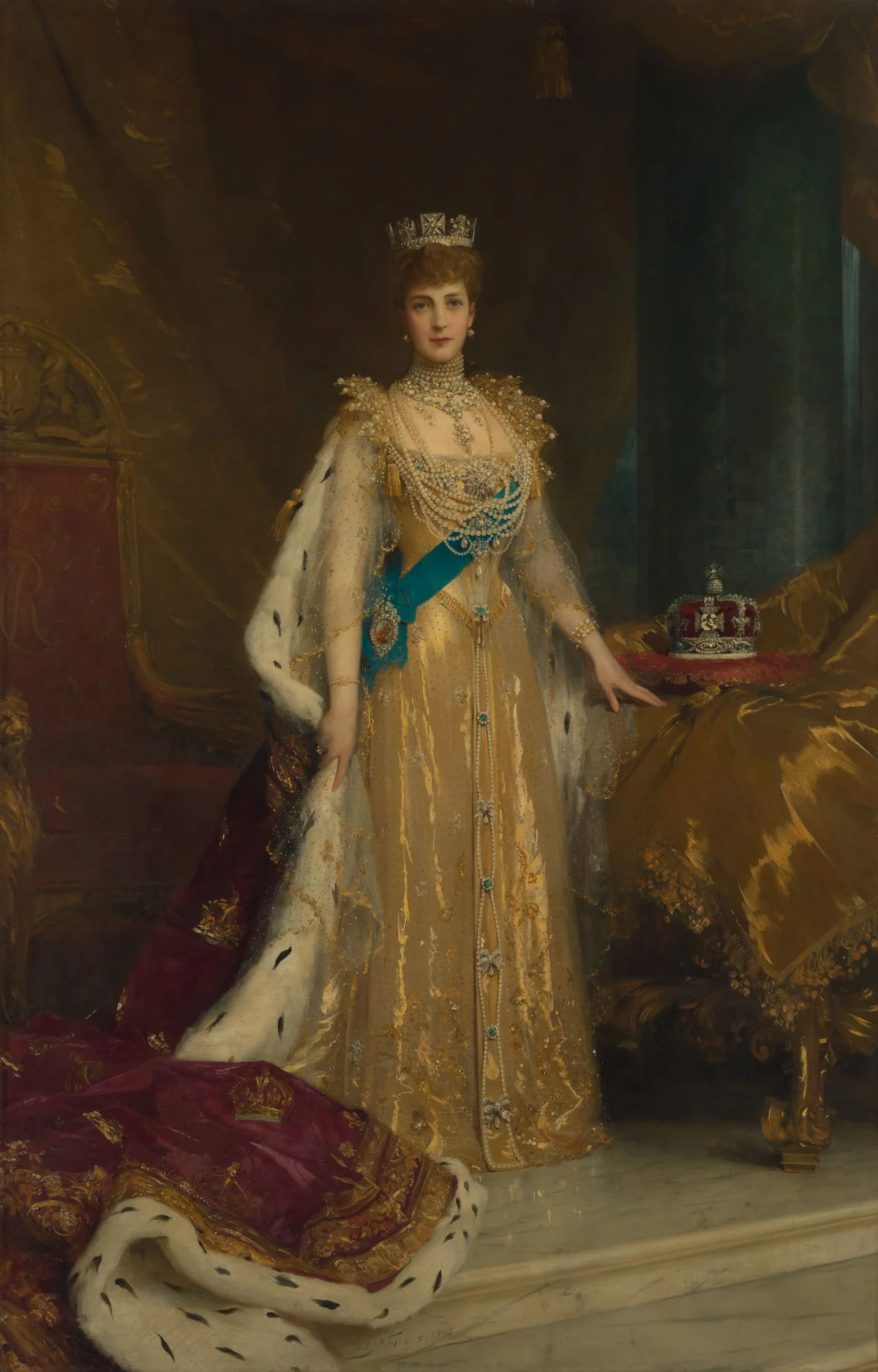
Every element in "King George V (1865-1936)" by Samuel Luke Fildes tells a story, blending historical symbolism with the artist’s keen observation. This hand-painted oil painting conveys the dignity and responsibility carried by the monarch, reflecting the Social Realism movement’s dedication to truth and humanity. Complementing related products like "Queen Alexandra (1844-1925)" and "The Doctor," this artwork invites viewers to explore deeper narratives within the royal portrait.
For art lovers and collectors, acquiring a fine art painting for sale like "King George V (1865-1936)" by Samuel Luke Fildes is an opportunity to own a piece of history. This oil on canvas not only elevates a collection but also connects it to the legacy of Social Realism. Pairing it with related works such as "The widower" and "Queen Alexandra (1844-1925)" creates a distinguished ensemble celebrating Fildes’ artistic mastery.
When Art Meets History
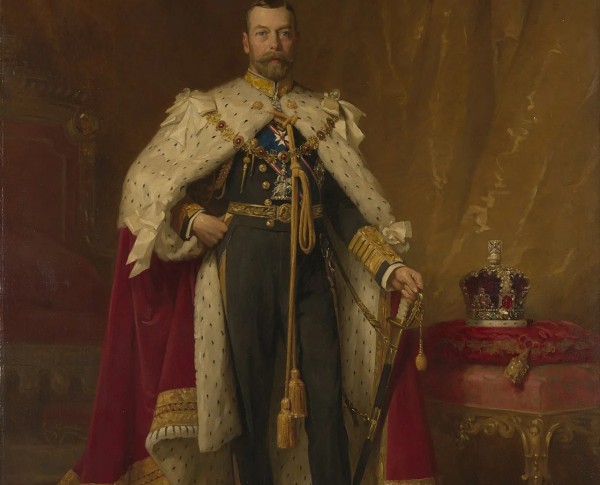
Samuel Luke Fildes captured a defining moment in British history with his hand-painted oil painting, "King George V (1865-1936)." As a prominent figure in the Social Realism movement, Fildes utilized his remarkable talent to immortalize the monarch during a transformative era. The painting stands as a testament to the artist’s ability to blend historical narrative with artistic expression, making it an important piece for those interested in both history and fine art painting for sale.
Techniques That Speak
Fildes’ mastery of oil on canvas is evident in "King George V (1865-1936)." His meticulous brushwork and attention to detail reflect the Social Realism movement’s dedication to authenticity. Through rich textures and subtle gradations of color, the artist conveys both the dignity and humanity of the king. The use of oil on canvas allows for a depth and vibrancy, making this artwork a standout among other hand-painted oil paintings of its time.
Emotions on Display
In "King George V (1865-1936)," Samuel Luke Fildes captures the emotional gravity of leadership amidst challenging times. The painting’s expressive composition and nuanced facial details reveal the king’s resolve and compassion. As a fine art painting for sale, it resonates with viewers by evoking empathy and respect. The emotional intensity aligns with other works in the Social Realism movement, showcasing Fildes' commitment to portraying genuine human experience.
Coveted by Collectors
Collectors highly prize "King George V (1865-1936)" for its historical significance and artistic excellence. Samuel Luke Fildes’ reputation as a leading figure in Social Realism adds to the allure of this hand-painted oil painting. Its authenticity and connection to a pivotal era make it a sought-after fine art painting for sale. The work stands alongside other notable pieces from the movement, offering a unique blend of historical narrative and artistic mastery.
Frequently Asked Questions About King George V (1865-1936)
What is the historical significance of King George V?
King George V was the first British monarch of the House of Windsor, having changed the royal family's name from the House of Saxe-Coburg and Gotha during World War I due to anti-German sentiment. His reign saw significant changes in British society and the monarchy's role.
Who was Samuel Luke Fildes and what is his artistic style?
Samuel Luke Fildes was a prominent British painter known for his realistic and detailed portrayals of human emotion and social issues. He was associated with the Pre-Raphaelite movement and later became a member of the Royal Academy.
What artistic techniques did Fildes employ in this painting?
Fildes utilized a combination of realism and dramatic lighting to enhance the emotional depth of the portrait. His meticulous attention to detail and use of color contribute to the lifelike representation of King George V.
What symbols are present in the painting and what do they represent?
The painting features symbols of monarchy, such as the crown and royal regalia, which signify the authority and responsibilities of the king. The choice of attire and the setting also reflect the dignity and tradition of the British monarchy.
How does this portrait reflect the personality of King George V?
The portrait captures King George V's serious demeanor and sense of duty, reflecting his commitment to the nation during a time of great change. His expression conveys a blend of strength and vulnerability, indicative of his character as a ruler.
What was the public reception of this painting when it was first unveiled?
Upon its unveiling, the portrait was well-received, praised for its lifelike quality and the way it captured the essence of King George V. It was seen as a fitting tribute to a monarch who had navigated the challenges of his time.
In what context was this portrait created?
This portrait was created during a period of significant political and social upheaval in Britain, including the aftermath of World War I. It served to reinforce the monarchy's stability and continuity during uncertain times.
What influence did this painting have on royal portraiture?
The painting set a precedent for future royal portraits, emphasizing realism and emotional depth over idealized representations. It influenced how subsequent artists approached royal subjects, focusing on authenticity and personal connection.
What materials and methods did Fildes use in creating this portrait?
Fildes primarily used oil paints on canvas, a traditional medium that allowed for rich textures and vibrant colors. His layering technique contributed to the depth and realism of the final work.
How does this painting fit into the broader context of British art during the early 20th century?
This painting exemplifies the transition in British art during the early 20th century, where traditional techniques were blended with modern themes. It reflects the societal changes and the evolving role of the monarchy in contemporary culture.






















_GFM_Painting_(1).webp)


 100% Hand-Painted: Finished in 3-6 Weeks

.png)















_(1).webp)