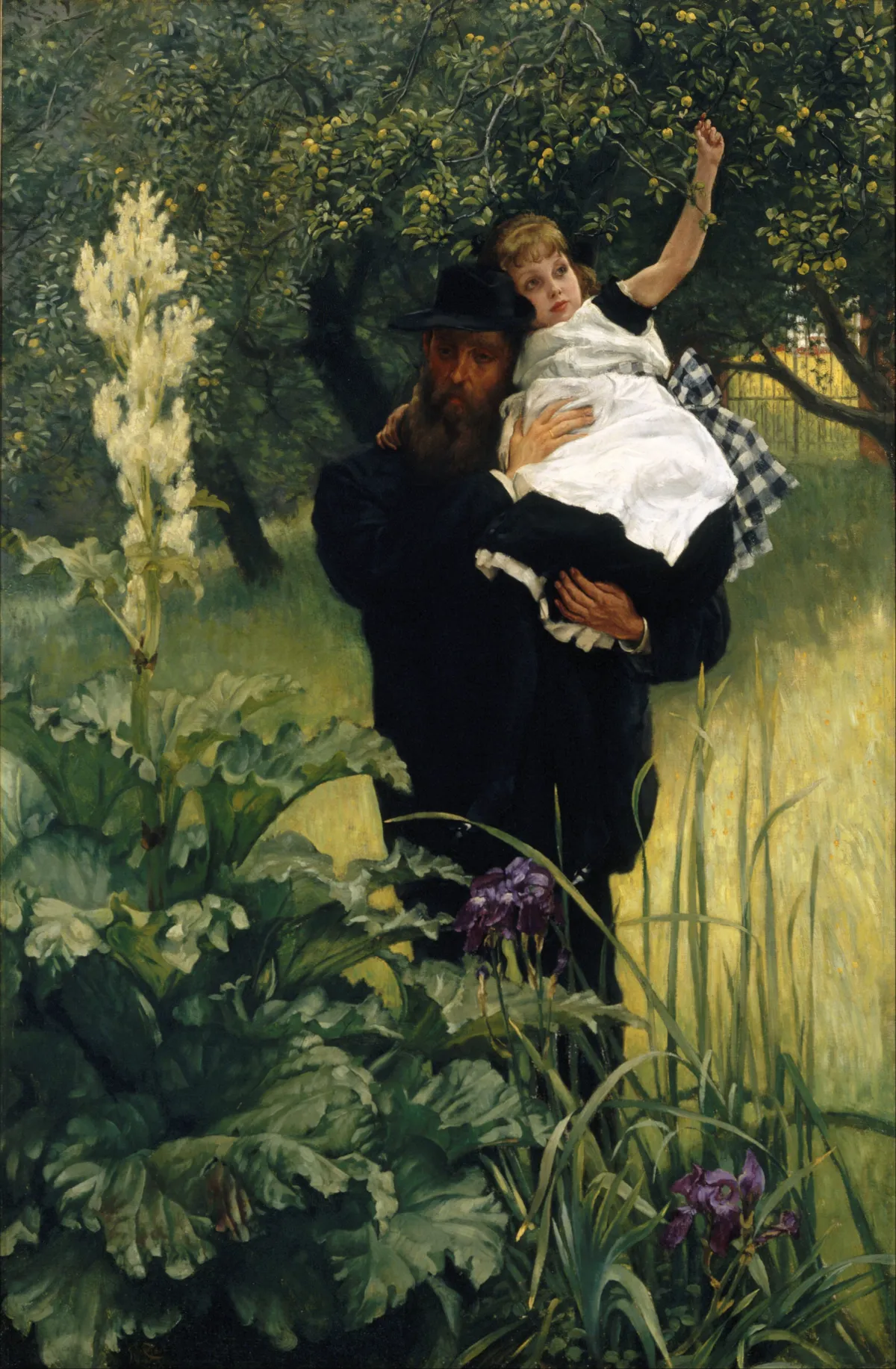
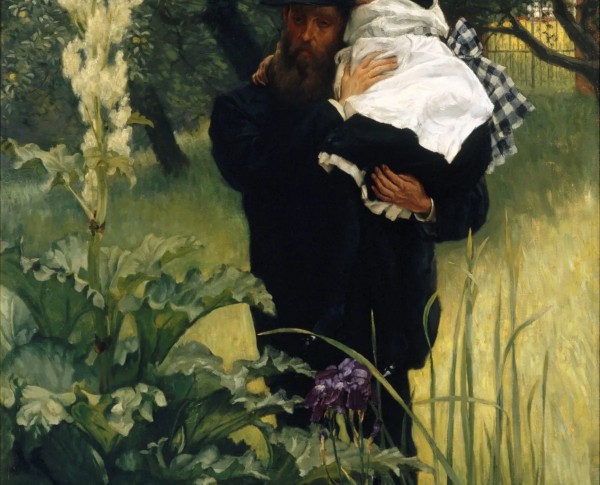
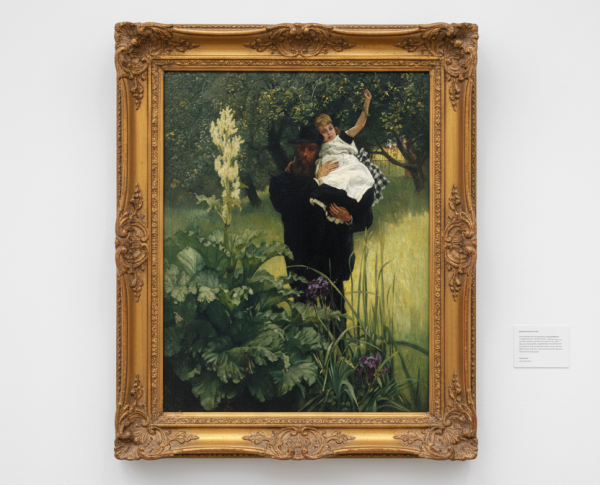
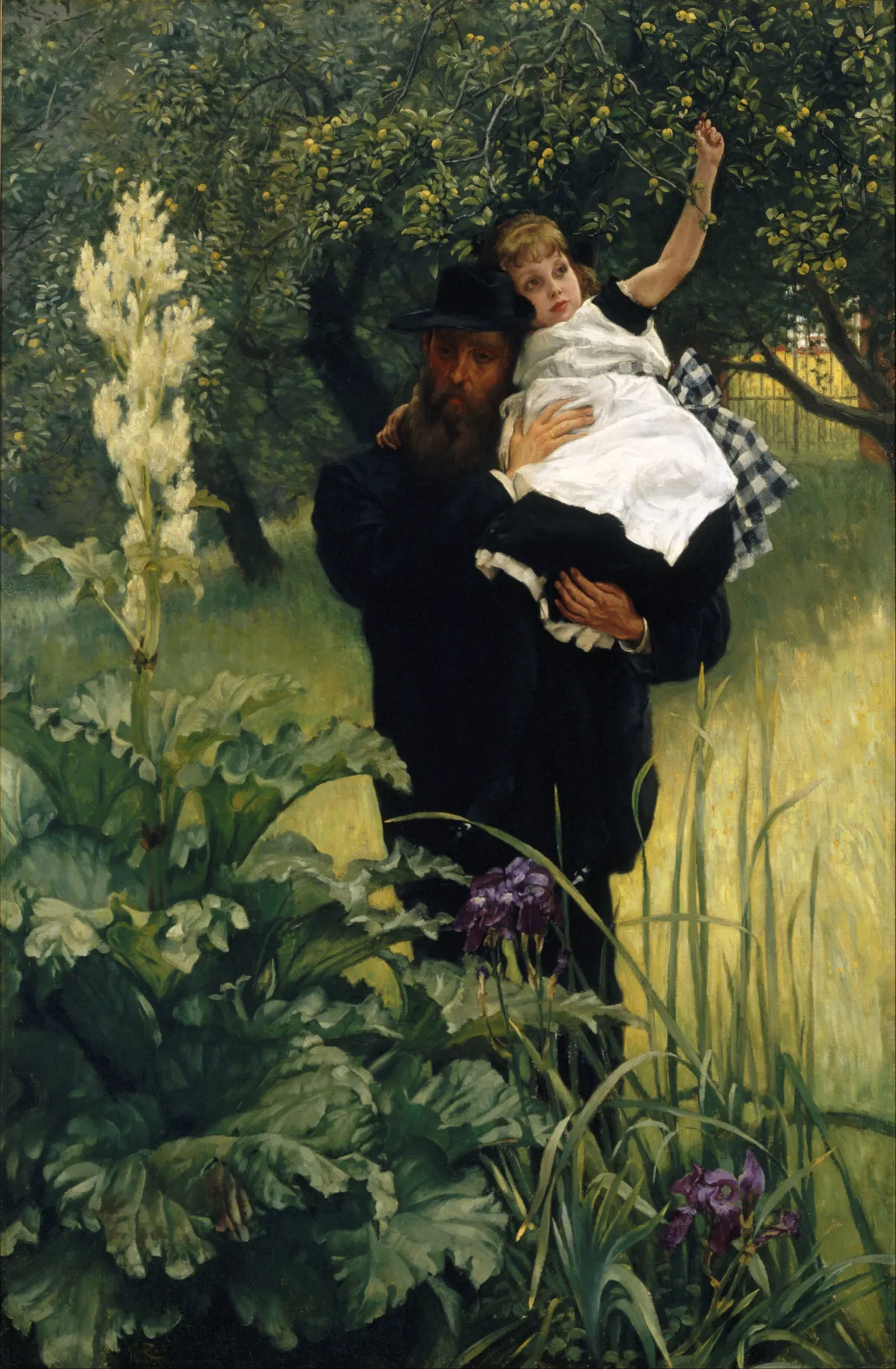
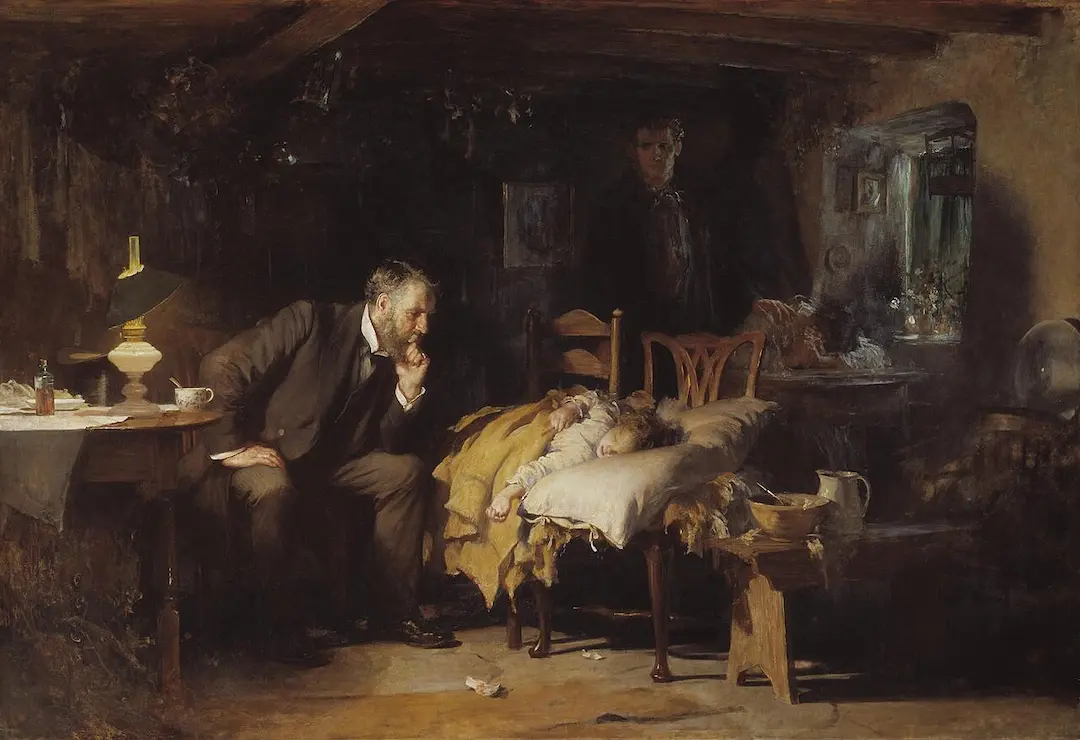
Fildes’ technique in "The Widower" showcases his exceptional skill with oil on canvas. His meticulous brushwork and attention to detail breathe life into the somber scene, capturing the raw emotions of loss and solitude. The painting stands as a testament to the artist’s mastery, paralleling his celebrated works like "The Doctor." Collectors and enthusiasts alike appreciate the craftsmanship evident in every inch of this oil on canvas masterpiece.
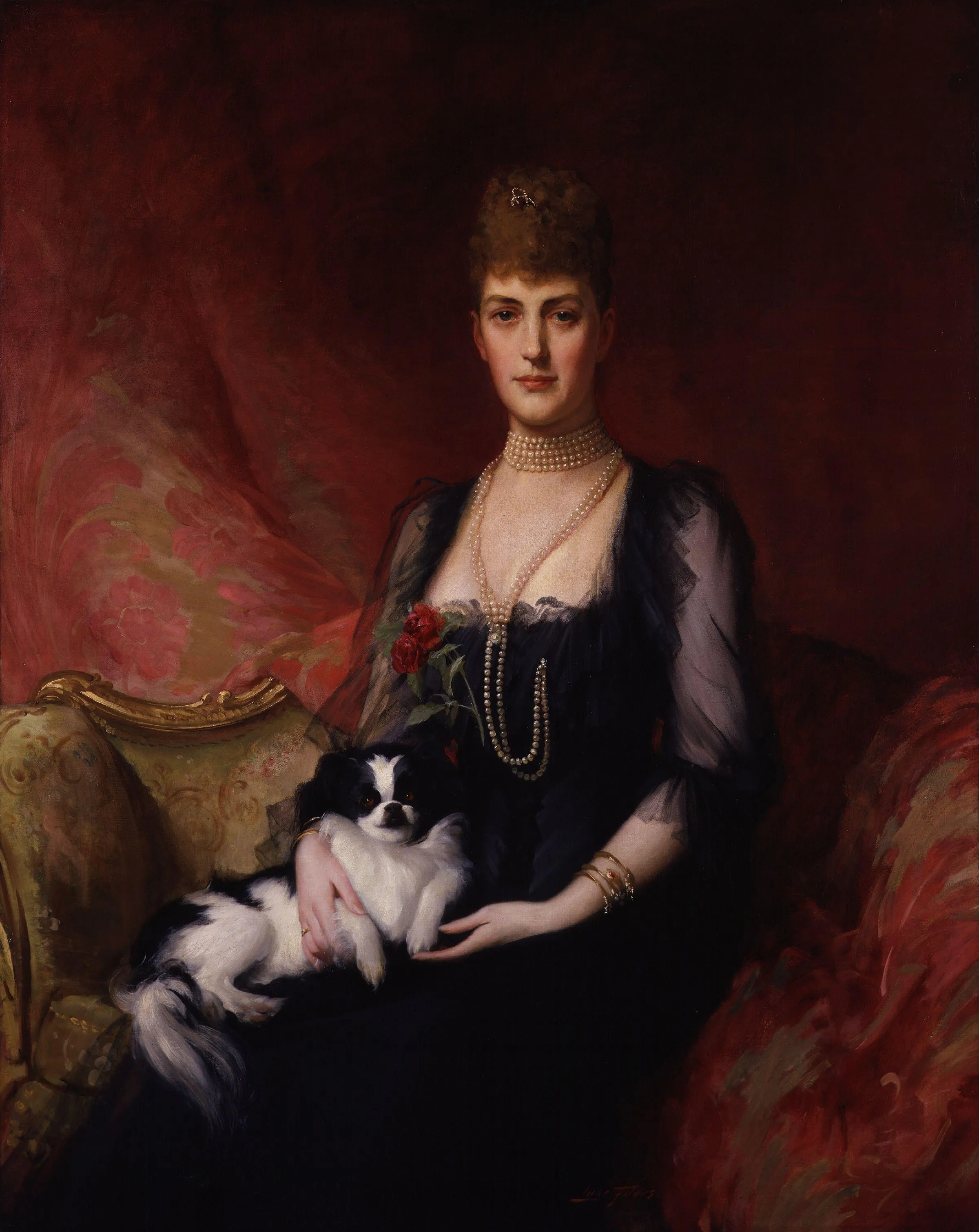
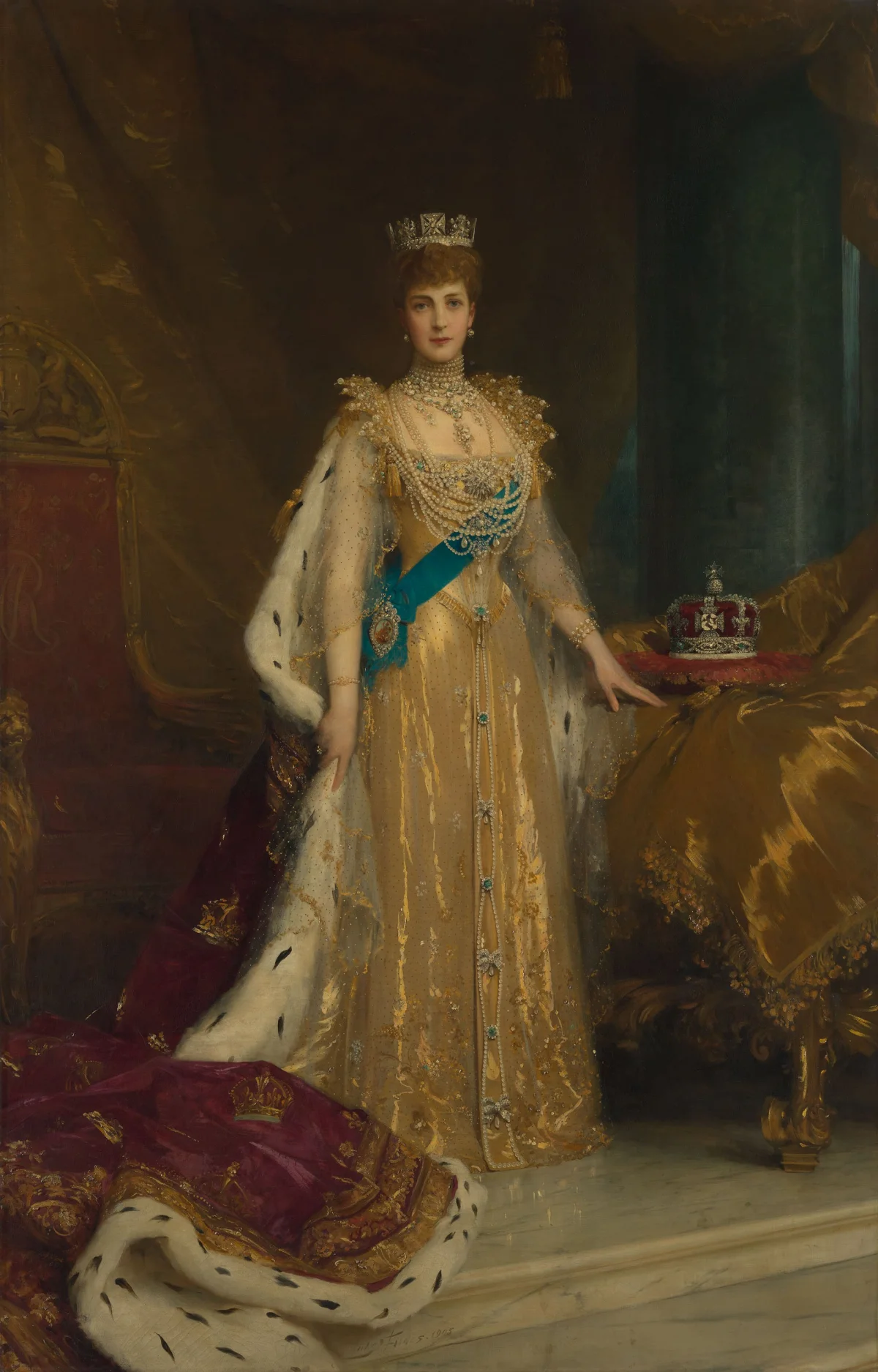
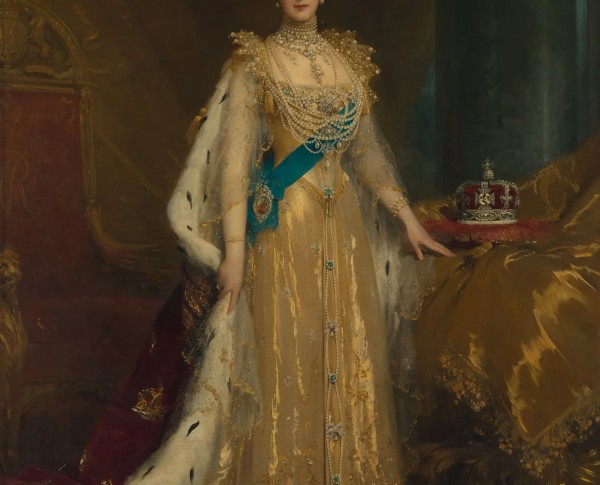
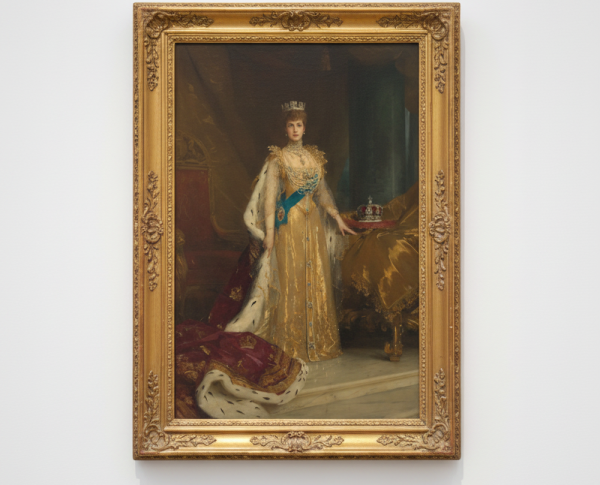
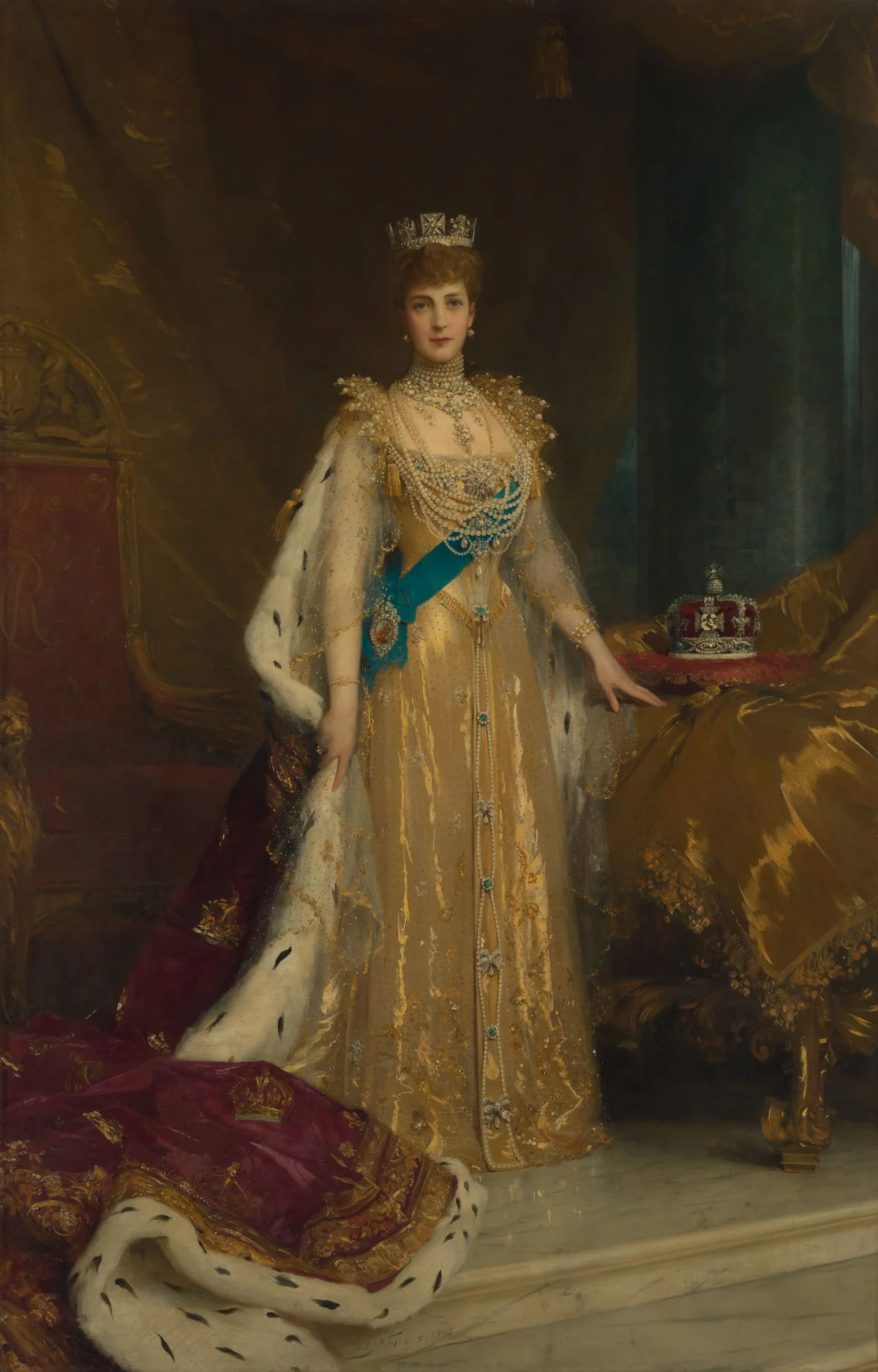
"The Widower" is more than a fine art painting for sale; it tells a compelling story through its imagery. Fildes integrates subtle symbols of grief and resilience, inviting viewers to reflect on the deeper narrative. This Social Realism gem echoes themes found in related products, such as "Queen Alexandra (1844-1925)," demonstrating Fildes’ talent for blending storytelling with visual artistry. Every glance reveals new layers of meaning within this fine art painting for sale.
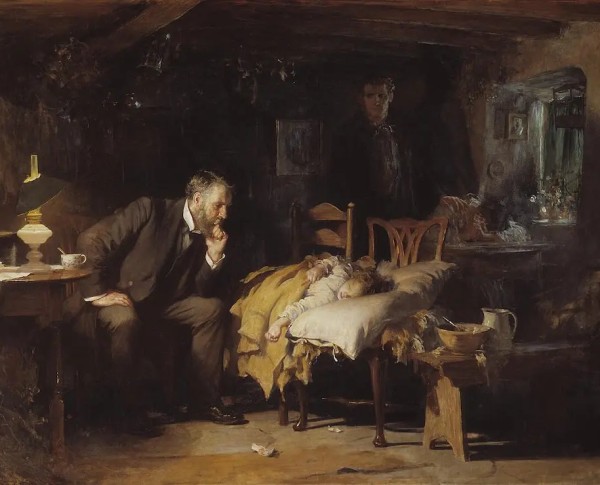
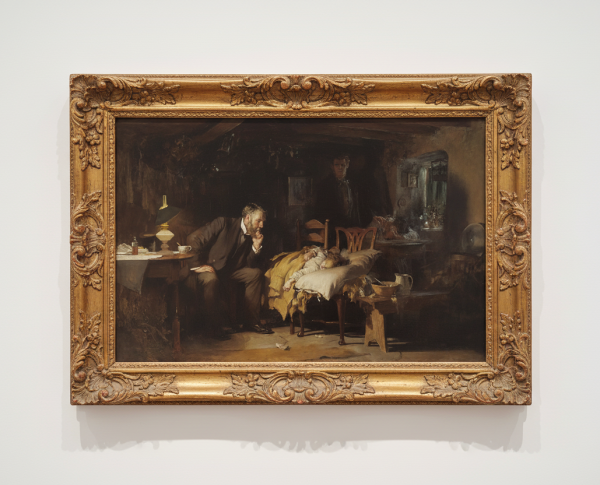
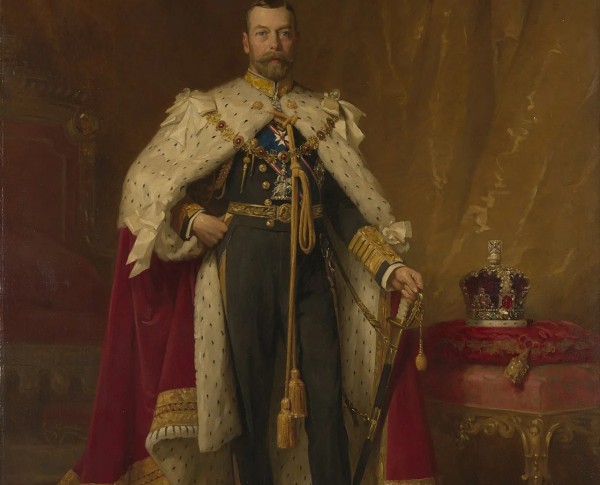
For art collectors, "The Widower" by Samuel Luke Fildes represents a rare opportunity to own a significant piece from the Social Realism movement. This hand-painted oil painting holds immense historical and artistic value, making it a prized addition to any collection. Pairing it with related works like "The Doctor" or "Queen Alexandra (1844-1925)" enhances its appeal, solidifying its status as a collector’s treasure and a highlight of nineteenth-century fine art.
When Art Meets History
Samuel Luke Fildes, a prominent figure in the Social Realism movement, created "The Widower" during a time of significant social change. This hand-painted oil painting captures the struggles of working-class families in Victorian England. Fildes' work, alongside other Social Realist masterpieces, aimed to bring attention to the everyday hardships faced by the less fortunate. "The Widower" stands as a testament to art’s power to reflect society and invoke empathy, making it a compelling historical narrative.
Techniques That Speak
Fildes employed masterful oil on canvas techniques in "The Widower," using soft brushstrokes and a muted palette to evoke a somber mood. His attention to detail and realistic portrayal of textures bring the scene to life, immersing viewers in the emotional depth of his subject. The artist’s skill in rendering light and shadow enhances the painting’s dramatic effect, showcasing the technical brilliance that defines Social Realism and distinguishes this fine art painting for sale.
Emotions on Display
"The Widower" by Samuel Luke Fildes is a poignant depiction of grief and resilience. This hand-painted oil painting captures the raw sorrow of a father left to care for his children, a common theme in Social Realism. Fildes conveys the widower's anguish through expressive facial features and body language, inviting viewers to connect on a deeply emotional level. The painting’s realism and sensitivity make it a standout work within the artist’s oeuvre.
Coveted by Collectors
As an exemplary oil on canvas creation by Samuel Luke Fildes, "The Widower" is highly sought after among collectors of Social Realism art. Its historical significance and emotional impact contribute to its desirability as a fine art painting for sale. Collectors appreciate Fildes’ ability to combine storytelling with technical excellence, making this piece a valuable addition to any art collection focused on 19th-century British painting and social commentary.
Frequently Asked Questions About The Widower
What is the historical context of "The Widower"?
"The Widower," painted by Samuel Luke Fildes in 1884, reflects the Victorian era's social issues, particularly the struggles of the working class and the emotional toll of loss and grief in a rapidly changing society.
What artistic techniques did Samuel Luke Fildes use in "The Widower"?
Fildes employed realistic techniques, including meticulous attention to detail and naturalistic lighting, to convey the emotional depth of the subject. His use of color and composition enhances the somber mood of the painting.
What is the significance of the subject matter in "The Widower"?
The painting captures the profound sorrow of a man mourning his deceased wife, symbolizing the universal experience of loss and the impact of death on family life, particularly during the Victorian period when such themes resonated deeply with society.
How does "The Widower" reflect the artistic movements of its time?
"The Widower" is a prime example of Victorian realism, which sought to depict everyday life and emotional truths. Fildes' focus on human experience aligns with the broader artistic movement that emphasized authenticity and social commentary.
What emotions does "The Widower" evoke in viewers?
The painting elicits feelings of empathy and sorrow, inviting viewers to reflect on their own experiences with grief and loss. Fildes' portrayal of the widower's despair serves to connect the audience with the emotional weight of the narrative.
What role does light play in "The Widower"?
Light in "The Widower" is used strategically to highlight the subject's face and the surrounding environment, creating a stark contrast that emphasizes the isolation and emotional turmoil of the widower, enhancing the overall impact of the scene.
How does Fildes' background influence "The Widower"?
Samuel Luke Fildes was deeply influenced by his own experiences with loss and the struggles of the working class. His background as a social realist informs the poignant narrative of "The Widower," making it a personal and societal reflection.
What symbols are present in "The Widower"?
Key symbols in the painting include the empty chair, which represents absence and loss, and the widow's attire, which signifies mourning. Together, these elements underscore the themes of grief and the enduring impact of death on personal lives.
How has "The Widower" been received by critics and audiences over time?
Since its unveiling, "The Widower" has been praised for its emotional depth and technical skill. Critics have lauded Fildes for his ability to capture the human condition, and the painting continues to resonate with audiences for its poignant portrayal of sorrow.
What is the legacy of "The Widower" in the context of Fildes' career?
"The Widower" is considered one of Fildes' masterpieces and solidified his reputation as a leading figure in Victorian art. Its lasting impact on the genre of realism and its exploration of human emotion continues to influence contemporary artists.






















_GFM_Painting_(1).webp)


 100% Hand-Painted: Finished in 3-6 Weeks

.png)















_(1).webp)