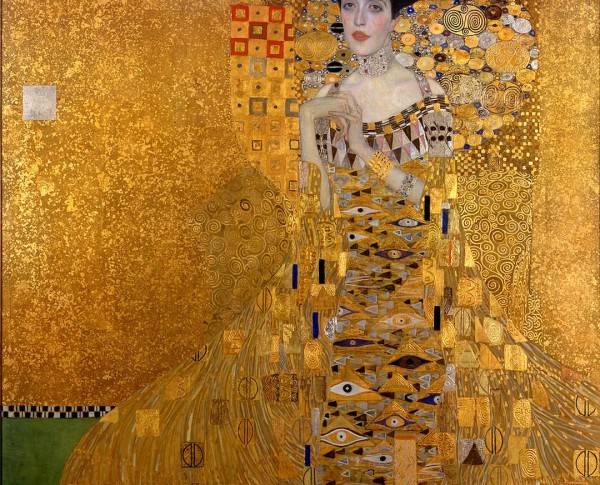
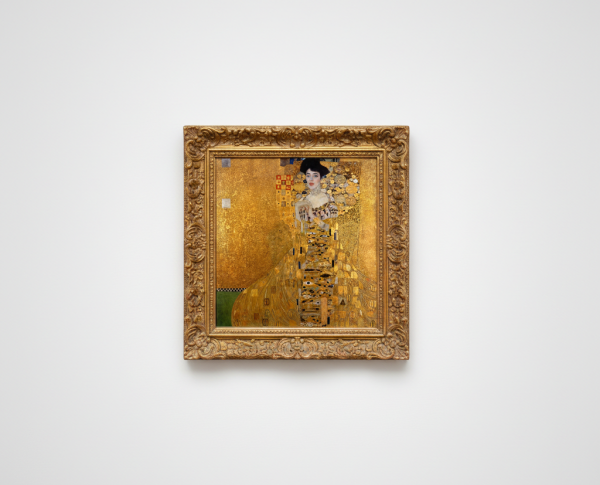
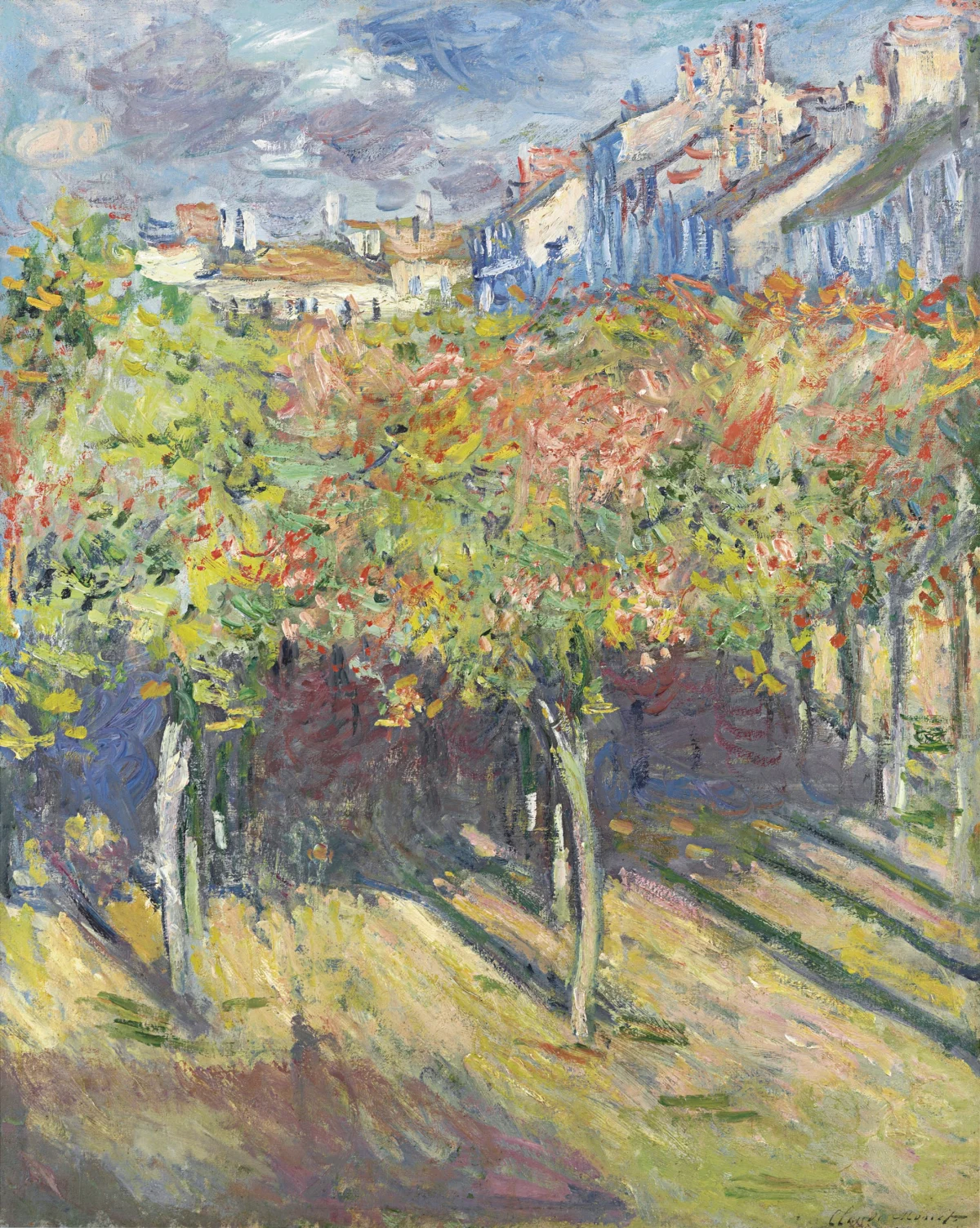
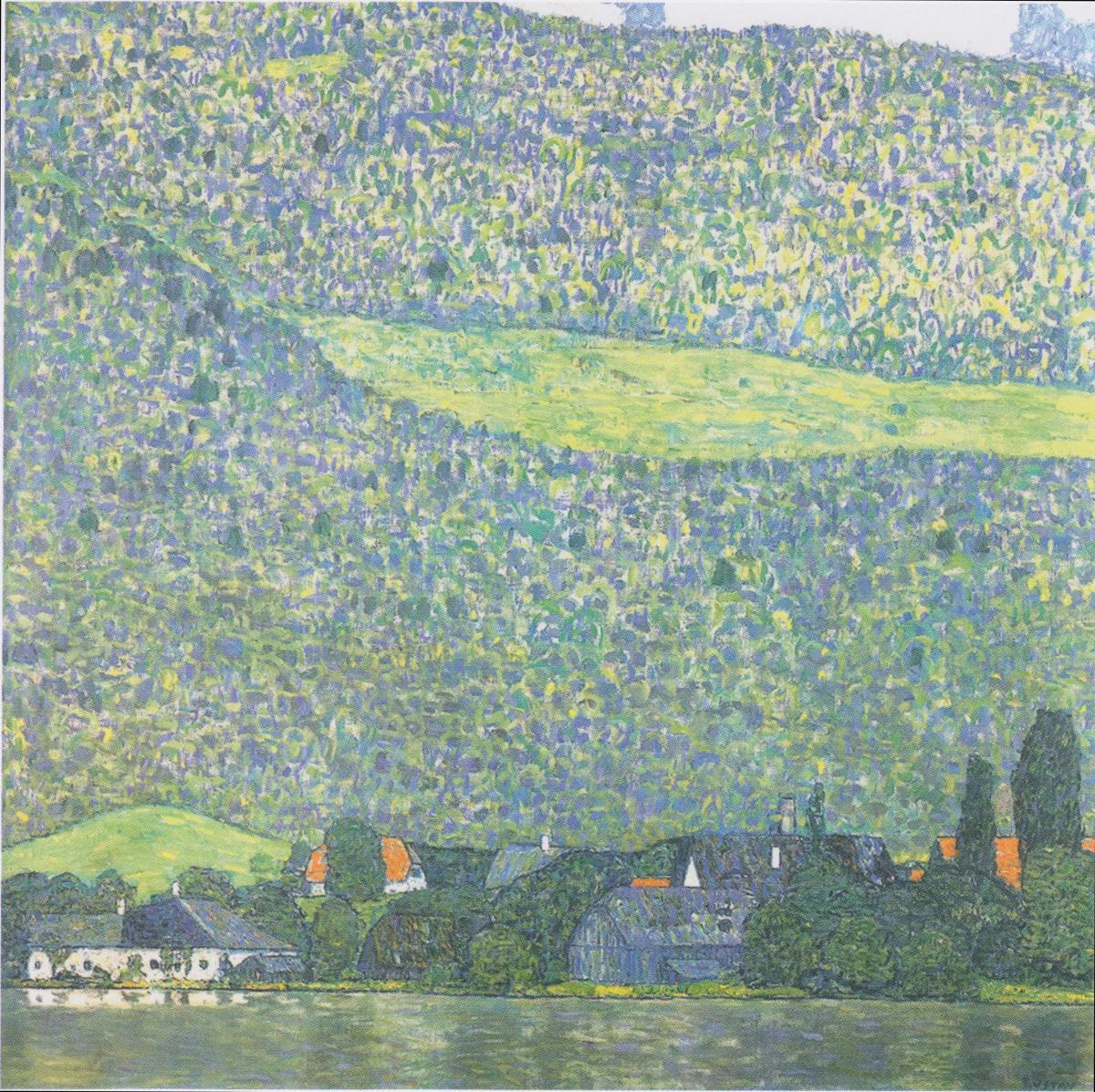
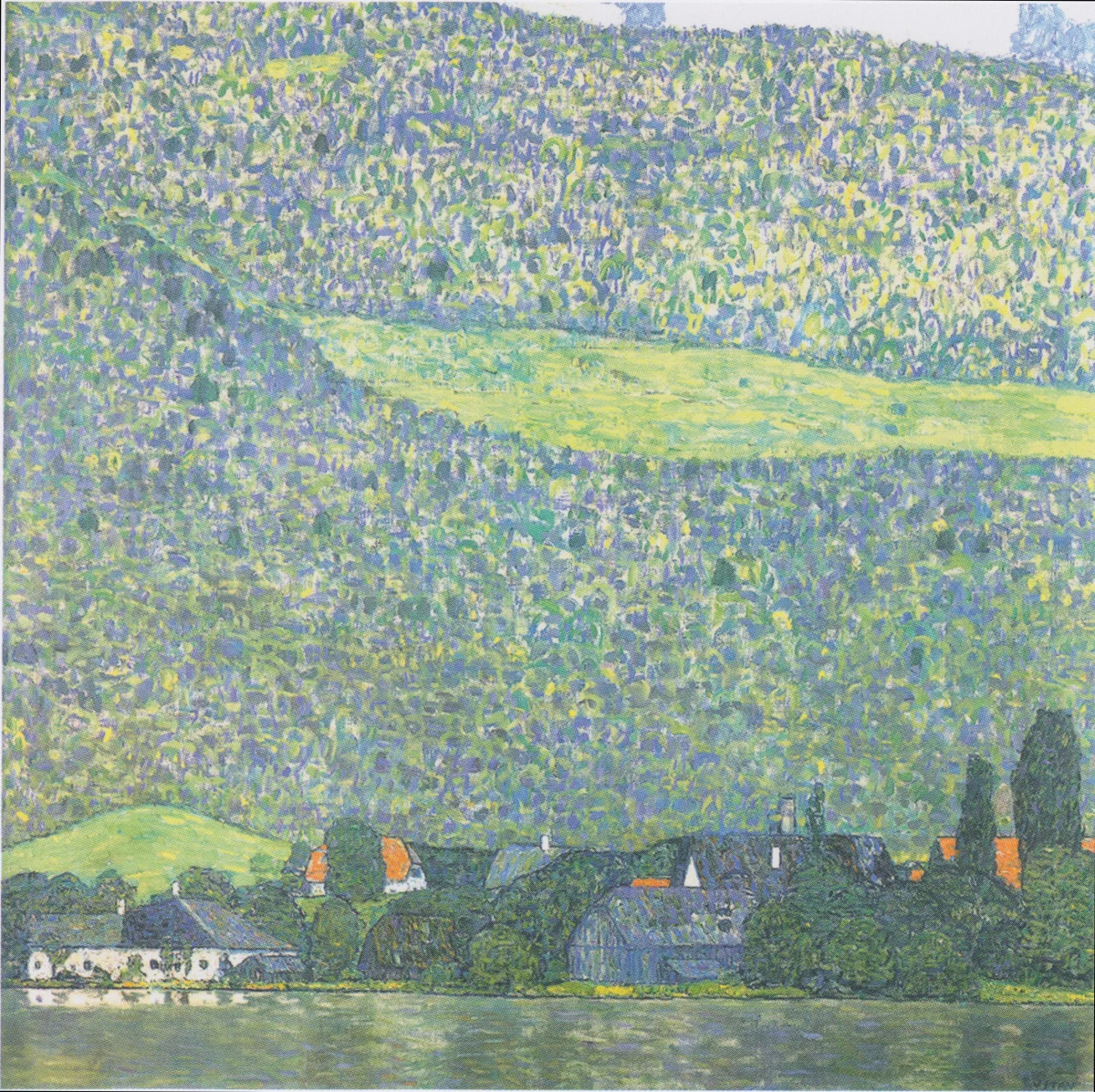
Rendered in oil on canvas, "Litzlberg on the Attersee" showcases Gustav Klimt’s meticulous technique and vibrant palette. The delicate interplay of color and light exemplifies the Vienna Secession’s break from tradition. Like "Portrait of Adele Bloch-Bauer I" and "Lady With Fan," this artwork reflects Klimt’s unparalleled skill with oil on canvas. For enthusiasts of fine art, this painting and related products are enduring examples of early 20th-century innovation.
Within "Litzlberg on the Attersee," Gustav Klimt weaves subtle symbols and narratives, a hallmark of the Vienna Secession movement. This fine art painting for sale invites viewers to explore layers of meaning embedded in the serene landscape. Echoes of Klimt’s storytelling can also be found in "Water Serpents I" and "Portrait Of Adele Bloch Bauer I." Owning such a fine art painting for sale allows collectors to experience the artist’s world firsthand.
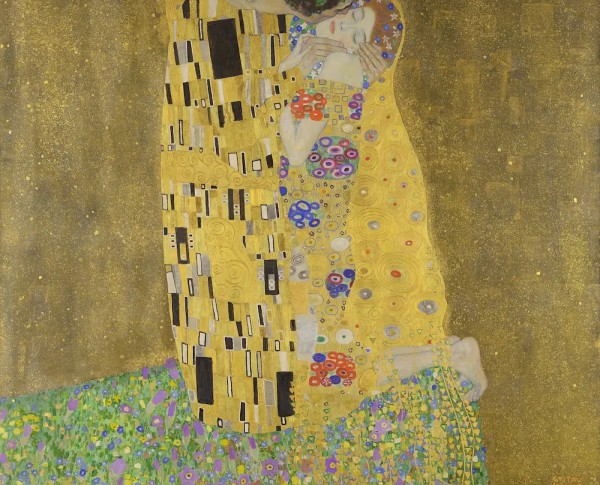
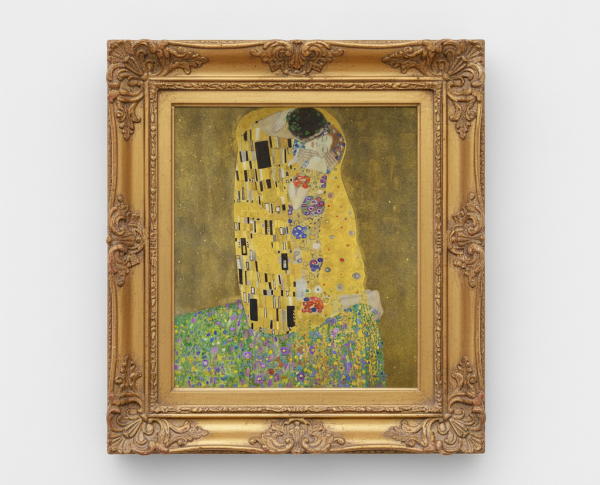
Gustav Klimt’s "Litzlberg on the Attersee" remains a coveted masterpiece for collectors of Vienna Secession art. Owning this hand-painted oil painting or related products like "The Kiss" and "Portrait of Adele Bloch-Bauer I" is a testament to refined taste and appreciation for art history. Each piece offers a glimpse into Klimt’s creative genius, making them a prized acquisition for anyone seeking to enrich their collection with authentic, hand-painted oil paintings.
When Art Meets History
Gustav Klimt’s "Litzlberg on the Attersee" stands as a testament to the Vienna Secession movement, capturing a unique moment in early 20th-century art. This hand-painted oil painting reflects Klimt’s fascination with nature and his innovative approach to landscape. Alongside other works from this period, "Litzlberg on the Attersee" bridges the gap between traditional artistry and modern expression, forever securing its place in art history for those who appreciate the transformative power of fine art.
Techniques That Speak
The exquisite detail in "Litzlberg on the Attersee" showcases Gustav Klimt’s mastery of oil on canvas, a hallmark of the Vienna Secession movement. Through intricate brushwork and a vibrant palette, Klimt brings the tranquil Austrian lakeside to life. The painting’s rich textures and layered colors create an immersive viewing experience, distinguishing this artwork among his landscape series. Each stroke demonstrates Klimt’s commitment to pushing the boundaries of oil on canvas techniques in fine art.
Emotions on Display
"Litzlberg on the Attersee" by Gustav Klimt evokes a sense of serenity and introspection, inviting viewers to lose themselves in the peaceful landscape. The painting’s harmonious composition and luminous colors, signature traits of the Vienna Secession, convey deep emotional resonance. This fine art painting for sale is not merely a visual delight; it also captures the quiet moods and contemplative spirit that Klimt infused into many of his celebrated works from this creative period.
Coveted by Collectors
As one of Gustav Klimt’s most renowned landscapes, "Litzlberg on the Attersee" is highly sought after by collectors and enthusiasts of the Vienna Secession movement. Its status as a hand-painted oil painting adds to its allure, making it a prized possession in both public and private collections. The painting’s provenance and connection to Klimt’s artistic legacy ensure its continued value, standing alongside his other masterpieces as a pinnacle of early modern European art.
Frequently Asked Questions About Litzlberg on the Attersee
What is the historical significance of "Litzlberg on the Attersee"?
"Litzlberg on the Attersee" is significant as it reflects Gustav Klimt's transition from the Symbolist movement to a more personal and intimate representation of nature, showcasing his deep connection to the Austrian landscape.
In what year was "Litzlberg on the Attersee" painted?
The painting was completed in 1915, during a period when Klimt was increasingly focused on landscapes and the natural beauty of his surroundings.
What artistic techniques did Klimt employ in this painting?
Klimt utilized a combination of oil paints and a unique layering technique to create depth and texture, emphasizing the shimmering quality of water and light in the landscape.
What themes are explored in "Litzlberg on the Attersee"?
The painting explores themes of tranquility, nature, and the relationship between humanity and the environment, reflecting Klimt's appreciation for the serene beauty of the Austrian countryside.
How does "Litzlberg on the Attersee" compare to Klimt's other works?
Unlike his more famous figurative works, "Litzlberg on the Attersee" focuses solely on landscape, showcasing Klimt's versatility as an artist and his ability to capture the essence of nature.
What symbolism can be found in the painting?
The serene waters of the Attersee symbolize peace and reflection, while the surrounding landscape represents the harmony between man and nature, a recurring theme in Klimt's oeuvre.
Where is Litzlberg located, and why was it significant to Klimt?
Litzlberg is a small village on the shores of Lake Attersee in Austria, which was significant to Klimt as it served as a retreat where he found inspiration and solace during his creative process.
What influences can be seen in Klimt's landscape style in this painting?
Klimt's landscape style in "Litzlberg on the Attersee" shows influences from Impressionism, particularly in his use of light and color to evoke emotion and atmosphere, while still retaining his unique decorative approach.
How did the socio-political context of the time influence Klimt's work?
The socio-political context of early 20th-century Austria, marked by tensions and changes, influenced Klimt's desire to escape into the natural world, leading to a focus on landscapes that convey serenity amidst chaos.
What is the current status of "Litzlberg on the Attersee" in the art world?
"Litzlberg on the Attersee" is considered an important work within Klimt's body of work and is held in high regard by collectors and art historians, reflecting the enduring legacy of his artistic contributions.



















_GFM_Painting_(1).webp)


 100% Hand-Painted: Finished in 3-6 Weeks

.png)















_(1).webp)