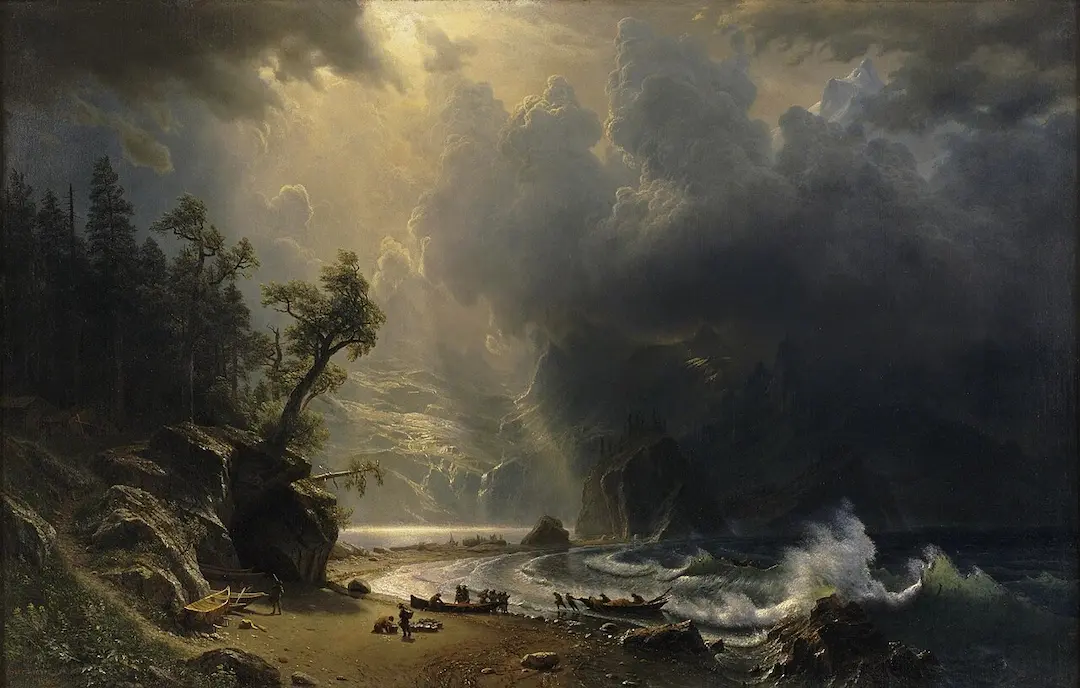
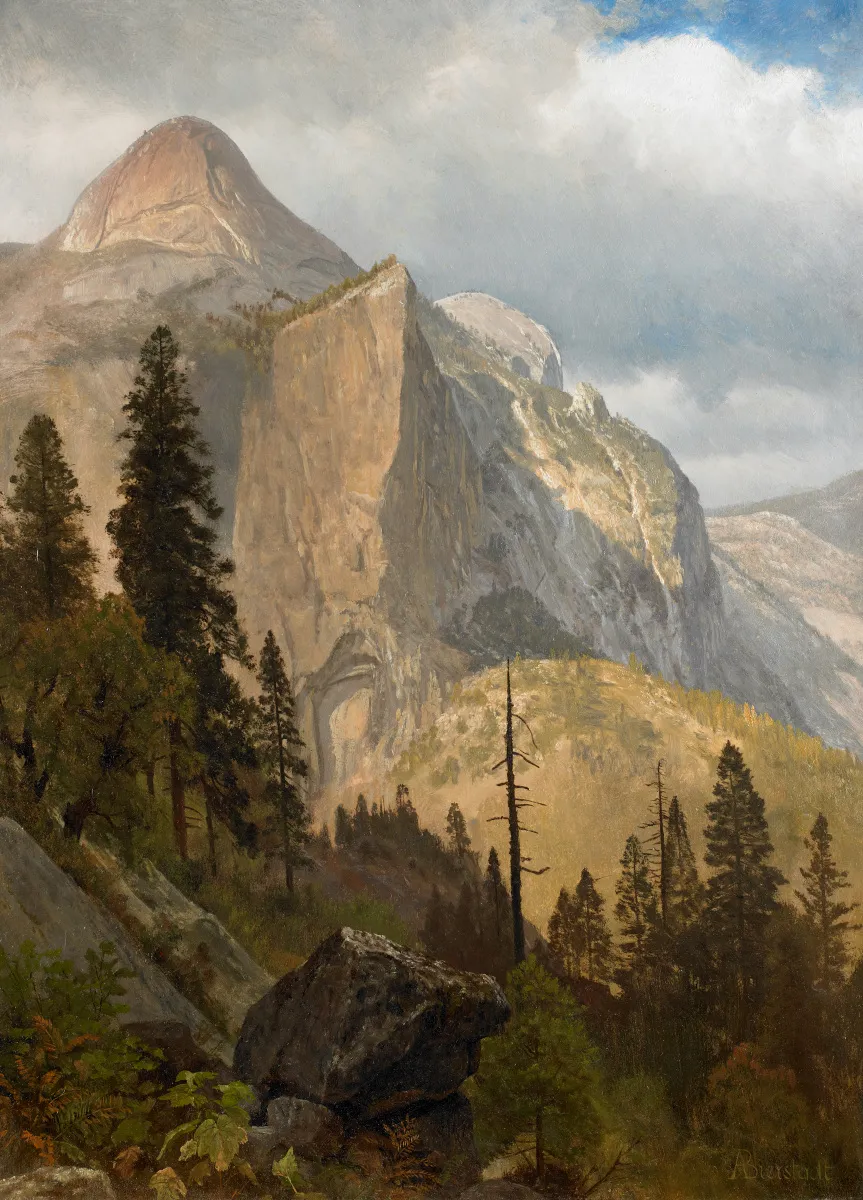
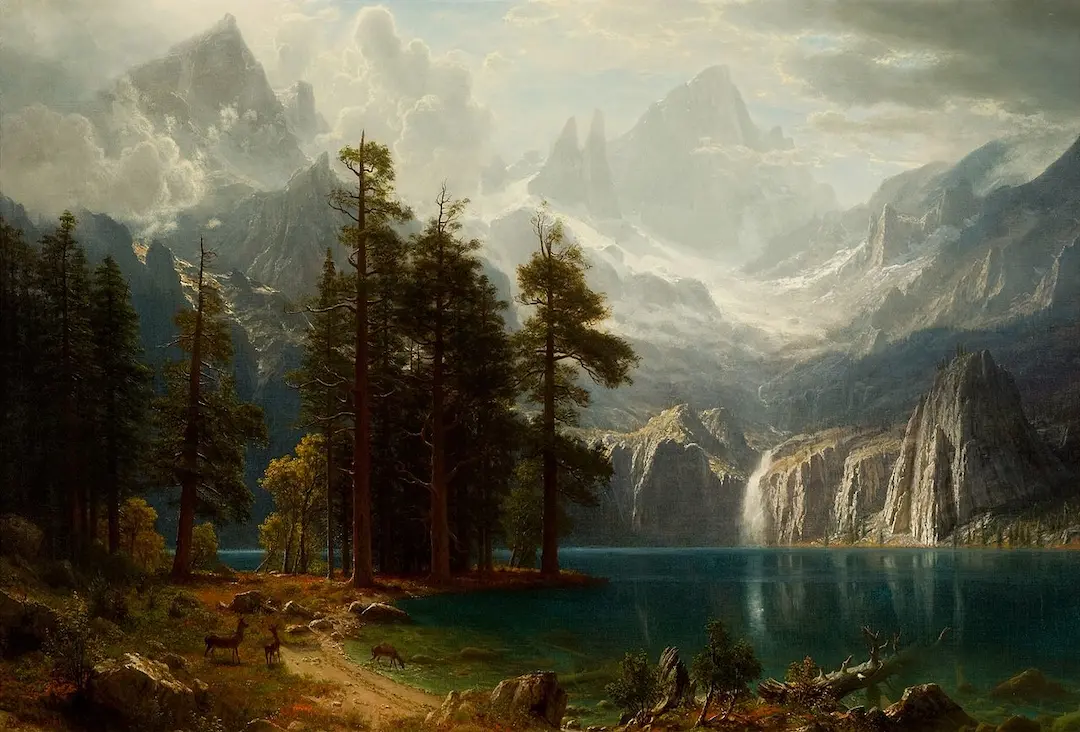
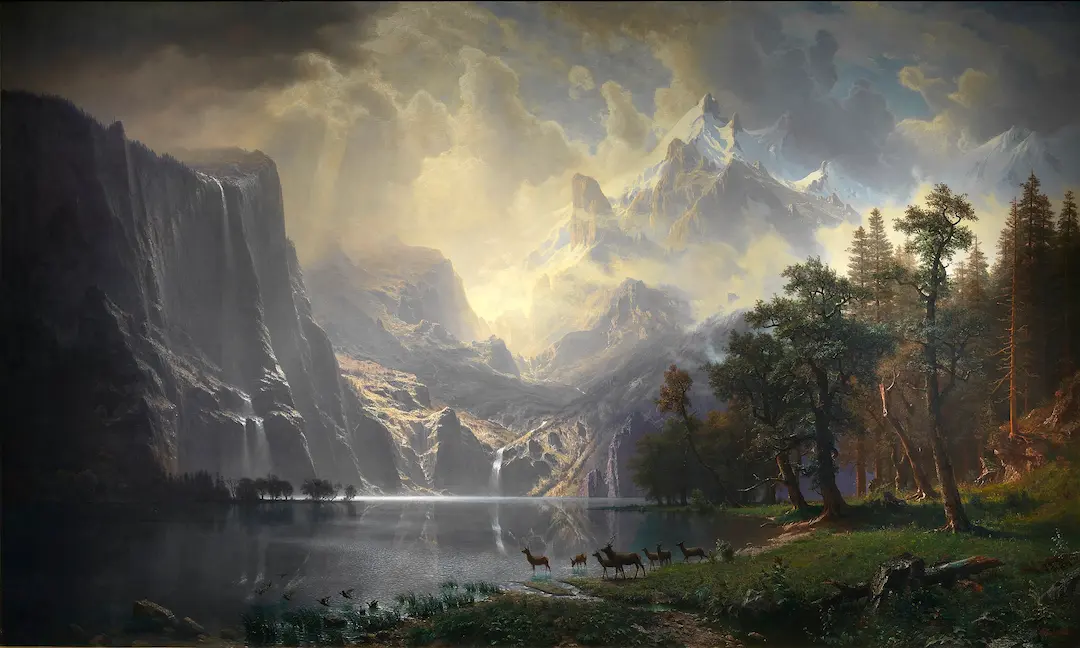
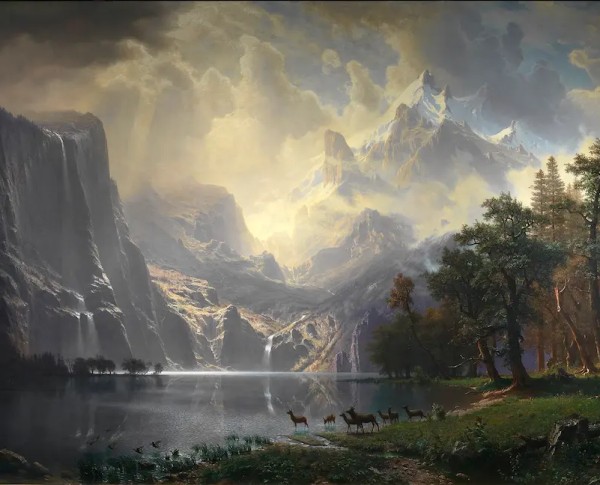
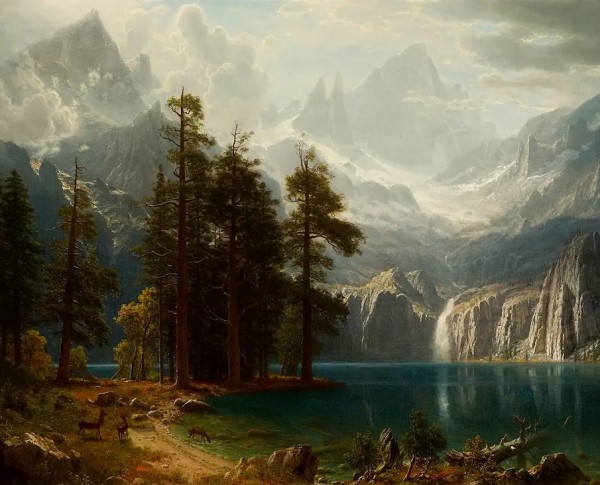
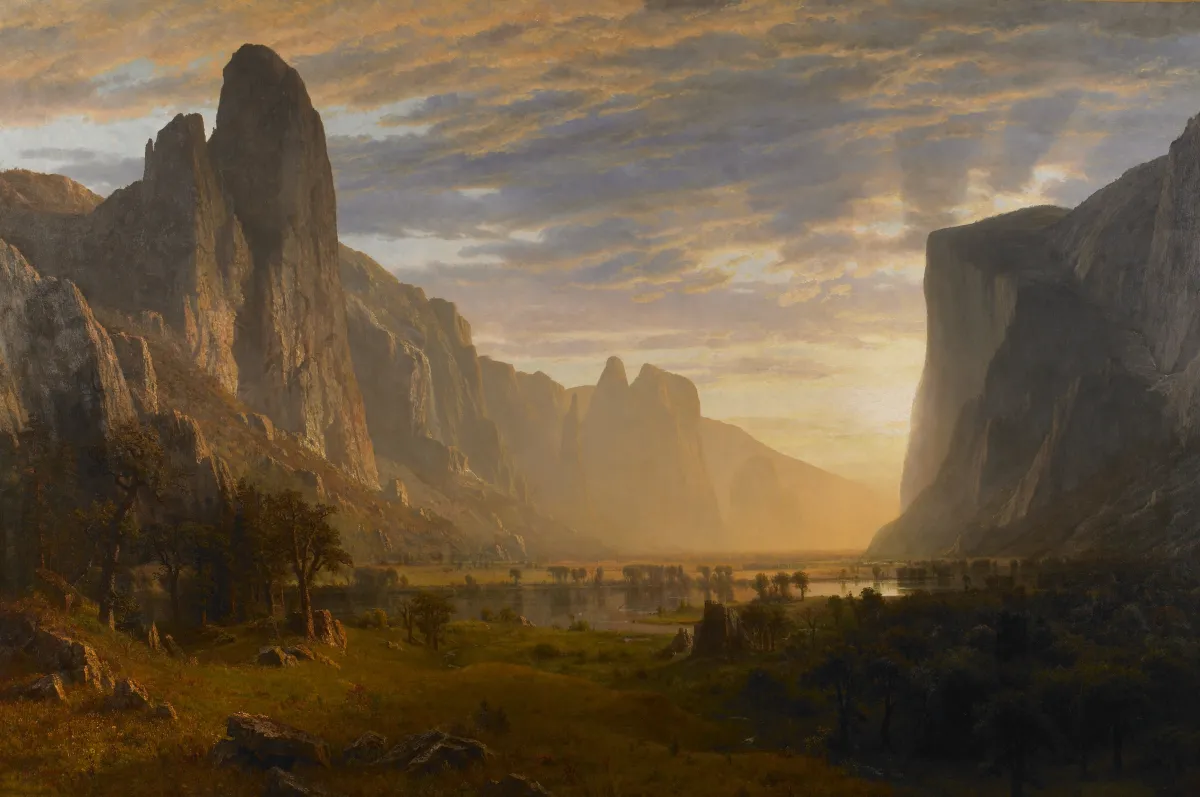
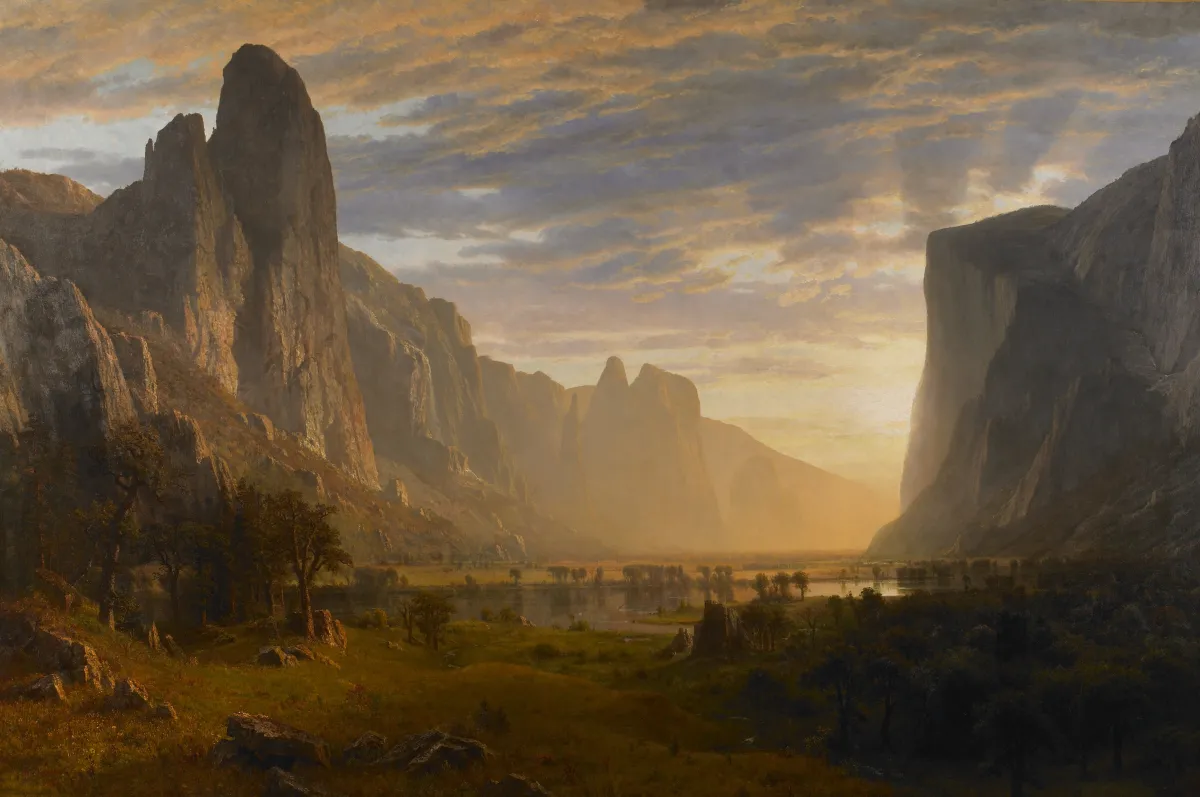
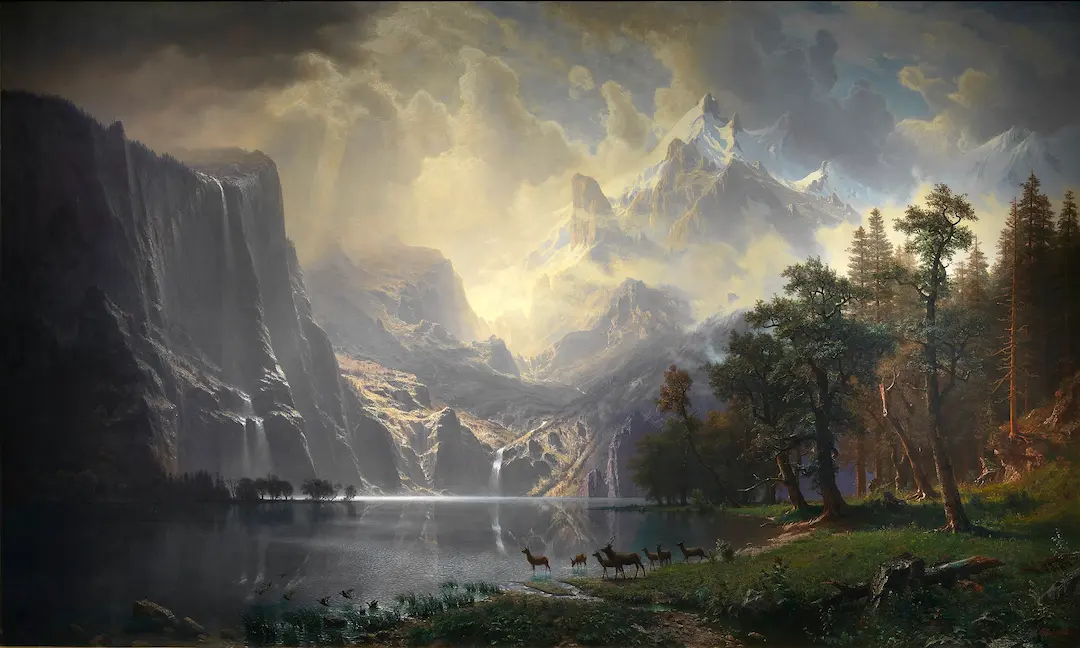
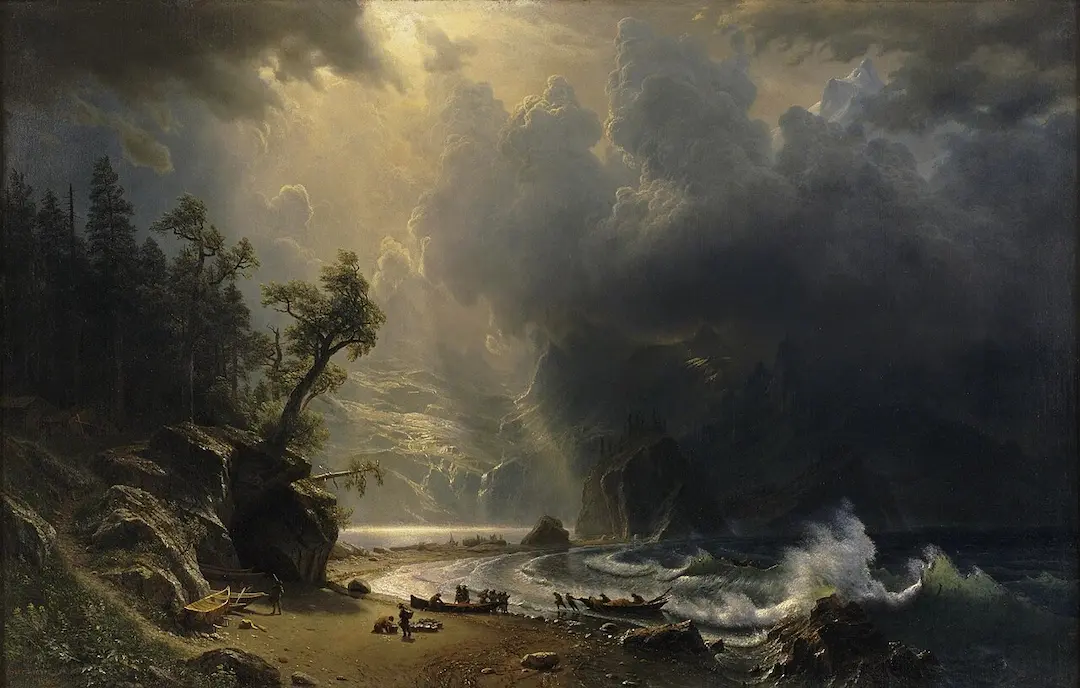
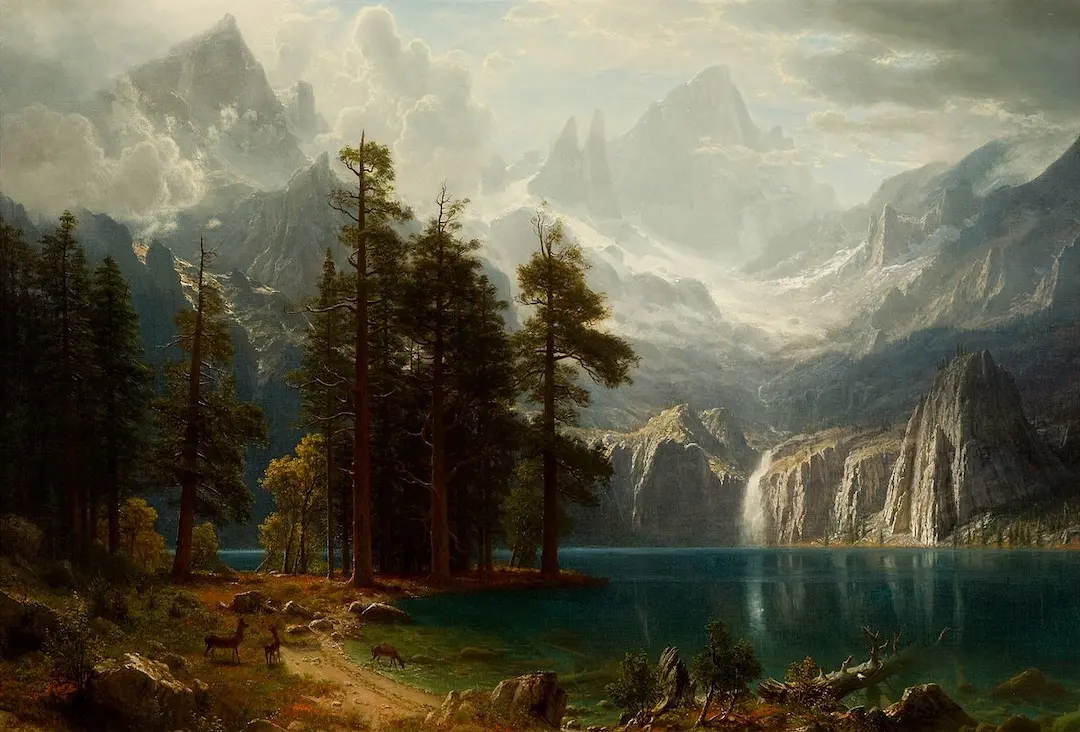
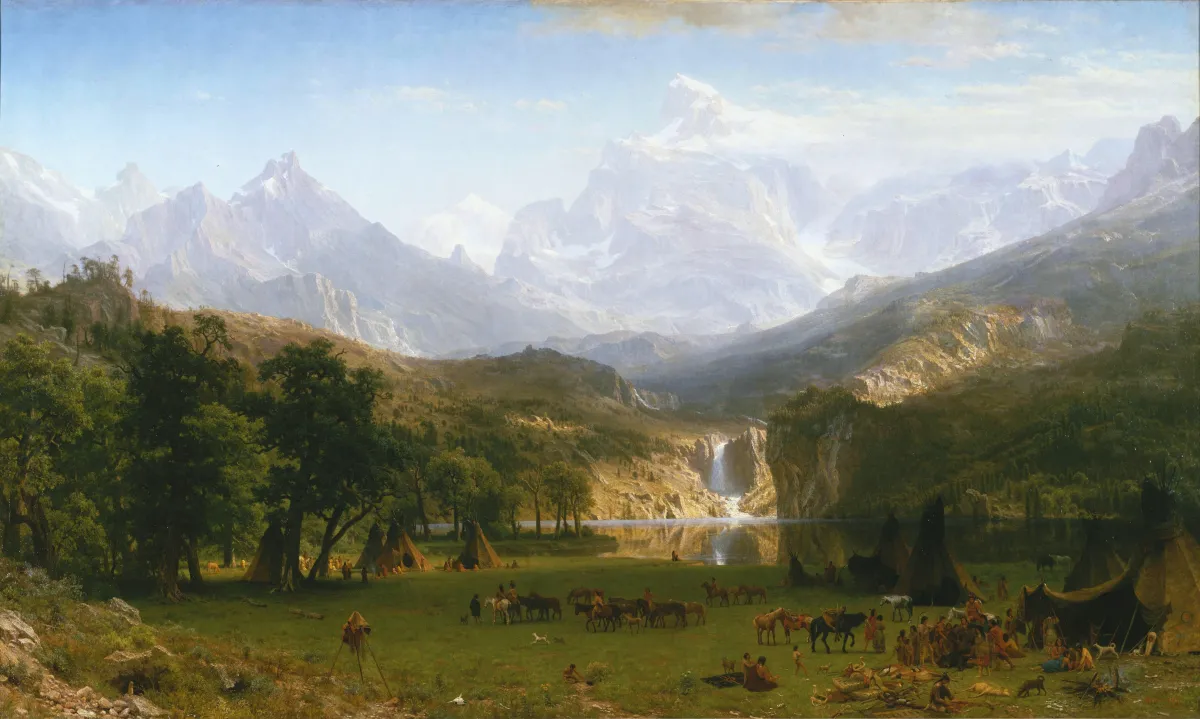
The breathtaking detail and luminous quality of "Looking Down Yosemite Valley, California" showcase Bierstadt’s exceptional skill with oil on canvas. Through masterful brushwork and a keen eye for light, he brings the majestic scenery to life, embodying the spirit of the Hudson River School. Collectors seeking similar works often gravitate toward related paintings such as "Puget Sound On The Pacific Coast" and "Sierra Nevada I," each a testament to Bierstadt’s enduring artistry.
Every element in Bierstadt’s "Looking Down Yosemite Valley, California" conveys a deeper narrative, symbolizing the untamed beauty and promise of the American landscape. As a fine art painting for sale, it resonates with collectors who appreciate the stories woven into each brushstroke. This piece, along with others like "Among The Sierra Nevada Mountains California" and "The Rocky Mountains," invites viewers to reflect on the cultural and historical significance of the era.
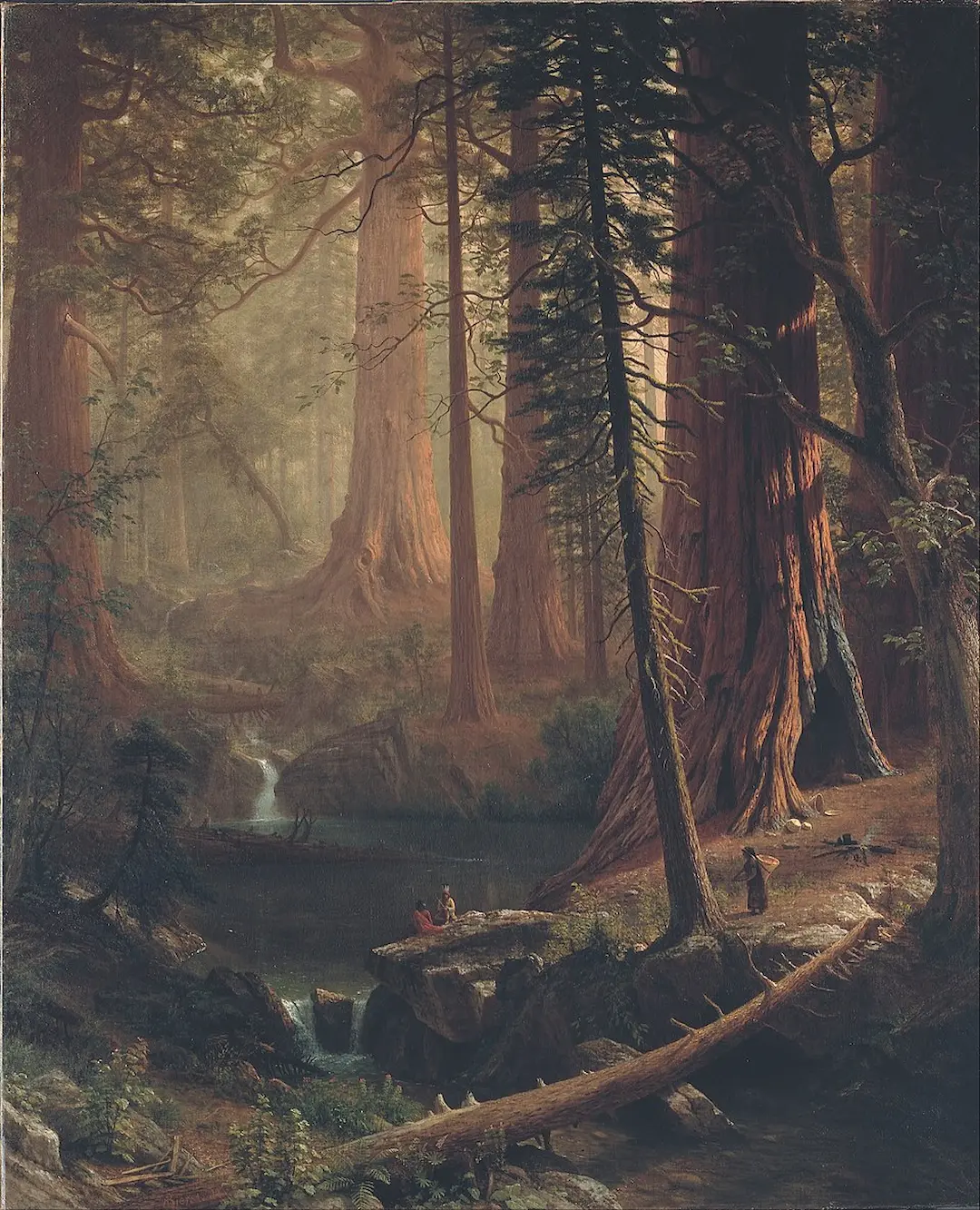
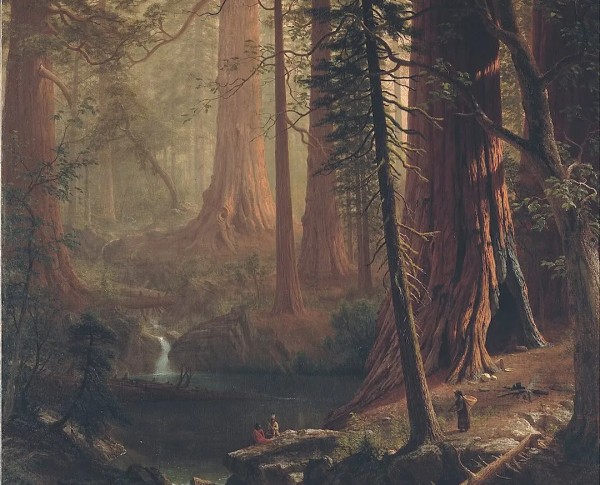
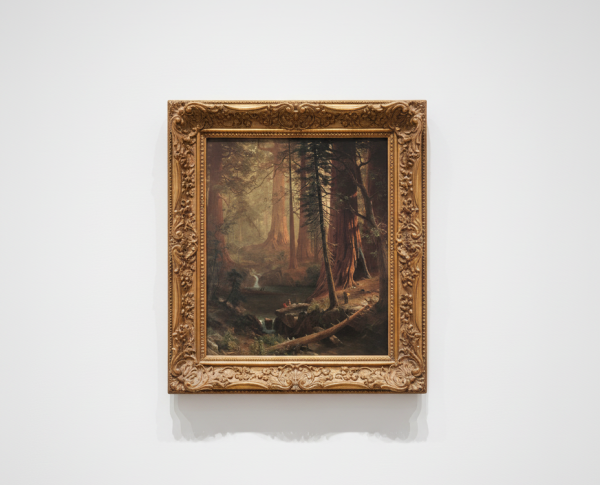
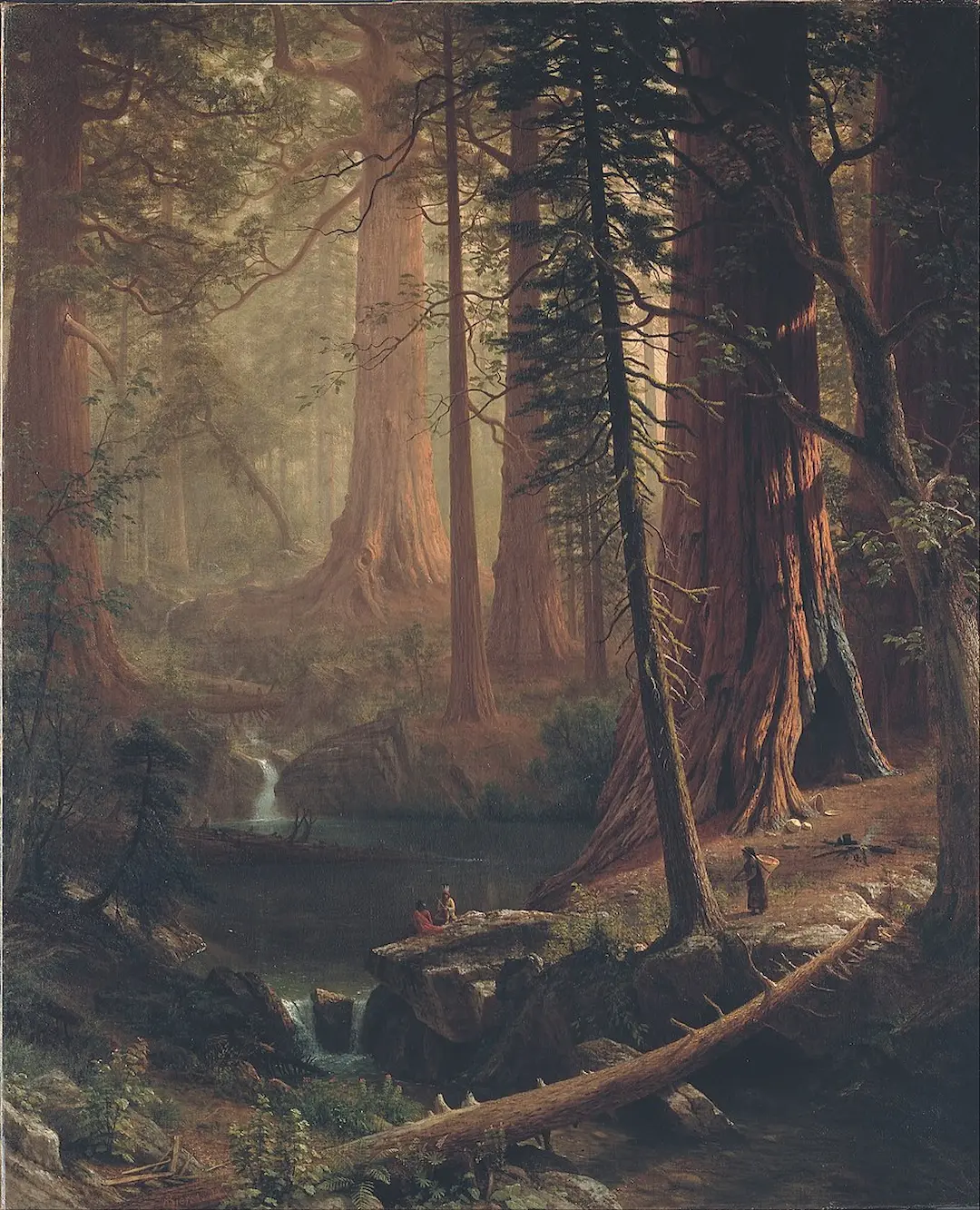
Owning "Looking Down Yosemite Valley, California" by Albert Bierstadt is more than acquiring a hand-painted oil painting—it’s securing a piece of art history. As a prominent figure in the Hudson River School movement, Bierstadt’s works, including "Giant Redwood Trees of California" and "The Rocky Mountains," remain highly sought after by collectors. Each painting is a fine art painting for sale that enhances any collection with its timeless beauty and historical value.
When Art Meets History
"Looking Down Yosemite Valley, California" by Albert Bierstadt stands as a testament to the grandeur of the American landscape, capturing a pivotal moment in art history. Created during the height of the Hudson River School movement, this hand-painted oil painting immortalizes Yosemite’s breathtaking vistas. Bierstadt’s work, alongside other masterpieces of the era, played a crucial role in shaping public appreciation for America’s natural wonders and remains a cornerstone for collectors of historical art.
Techniques That Speak
Albert Bierstadt’s mastery shines in this oil on canvas, where meticulous brushwork and dramatic lighting evoke the sublime beauty of Yosemite Valley. Employing techniques emblematic of the Hudson River School, Bierstadt layers glazes and uses fine detail to render the landscape with vivid realism. Each stroke in "Looking Down Yosemite Valley, California" reflects his commitment to capturing nature’s majesty, making this oil on canvas a standout among 19th-century landscape paintings.
Emotions on Display
The sweeping panorama and luminous atmosphere of this fine art painting for sale invite viewers to experience awe and reverence for nature. Bierstadt’s interpretation of Yosemite Valley stirs emotions through its tranquil light, expansive skies, and serene water reflections. Like many works from the Hudson River School, "Looking Down Yosemite Valley, California" connects deeply with viewers, offering a sense of peace and wonder that resonates across generations of art lovers.
Coveted by Collectors
Collectors and museums alike prize Albert Bierstadt’s "Looking Down Yosemite Valley, California" for its historical significance and technical brilliance. As a premier example of the Hudson River School movement, this hand-painted oil painting continues to attract admiration and high value at auctions. Bierstadt’s unique vision and skill ensure that his landscapes, especially this iconic scene, remain highly sought after by those seeking to own a piece of American art history.
Frequently Asked Questions About Looking Down Yosemite Valley, California
What historical period does "Looking Down Yosemite Valley, California" belong to?
This painting was created in 1865, during the mid-19th century, a time characterized by the American Romanticism movement, which emphasized nature and the sublime.
Who was Albert Bierstadt and what is his significance in art history?
Albert Bierstadt was a German-American painter known for his large landscapes of the American West. He played a crucial role in the Hudson River School and is recognized for his ability to convey the grandeur of nature.
What inspired Bierstadt to paint Yosemite Valley?
Bierstadt was inspired by the natural beauty and dramatic landscapes of the American West, particularly after his visit to Yosemite in 1863, which he found to be a breathtaking representation of nature's power.
What artistic techniques did Bierstadt employ in this painting?
Bierstadt utilized a technique known as chiaroscuro, which contrasts light and shadow, to create depth and drama. His meticulous attention to detail and vibrant color palette also enhance the painting's realism.
What is the significance of the composition in "Looking Down Yosemite Valley, California"?
The composition draws the viewer's eye into the vastness of the valley, emphasizing the scale of nature. The placement of the mountains and trees creates a sense of depth and invites contemplation of the sublime beauty of the landscape.
How does this painting reflect the themes of American Romanticism?
The painting embodies American Romanticism by celebrating the beauty and majesty of nature, evoking feelings of awe and reverence. It reflects the movement's focus on individual experience and the emotional response to the natural world.
What role did this painting play in the promotion of the American West?
This painting, along with others by Bierstadt, helped to promote the American West as a place of beauty and opportunity, influencing public perception and encouraging westward expansion during the 19th century.
What symbolism can be found in "Looking Down Yosemite Valley, California"?
The painting symbolizes the idea of the American wilderness as a source of inspiration and spiritual renewal. The grandeur of the landscape represents the untamed spirit of the nation and the promise of exploration and adventure.
How did "Looking Down Yosemite Valley, California" influence future landscape artists?
Bierstadt's work set a standard for landscape painting, inspiring future artists to explore the themes of nature and the sublime. His dramatic style and focus on the American landscape influenced the development of the genre in the late 19th and early 20th centuries.
Where can I view "Looking Down Yosemite Valley, California" today?
This iconic painting is part of the collection at the Metropolitan Museum of Art in New York City, where it continues to be appreciated for its artistic and historical significance.























_GFM_Painting_(1).webp)


 100% Hand-Painted: Finished in 3-6 Weeks

.png)















_(1).webp)