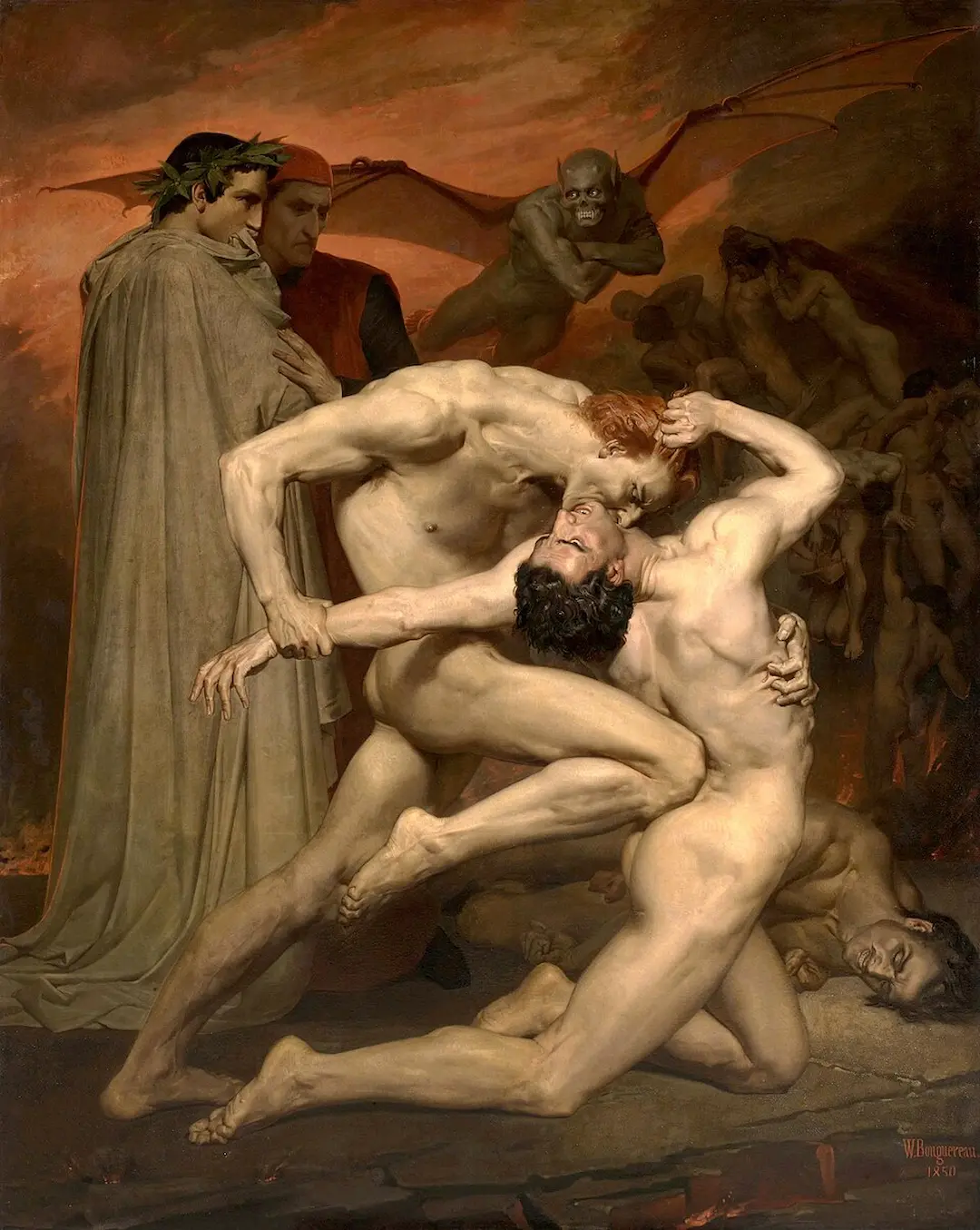
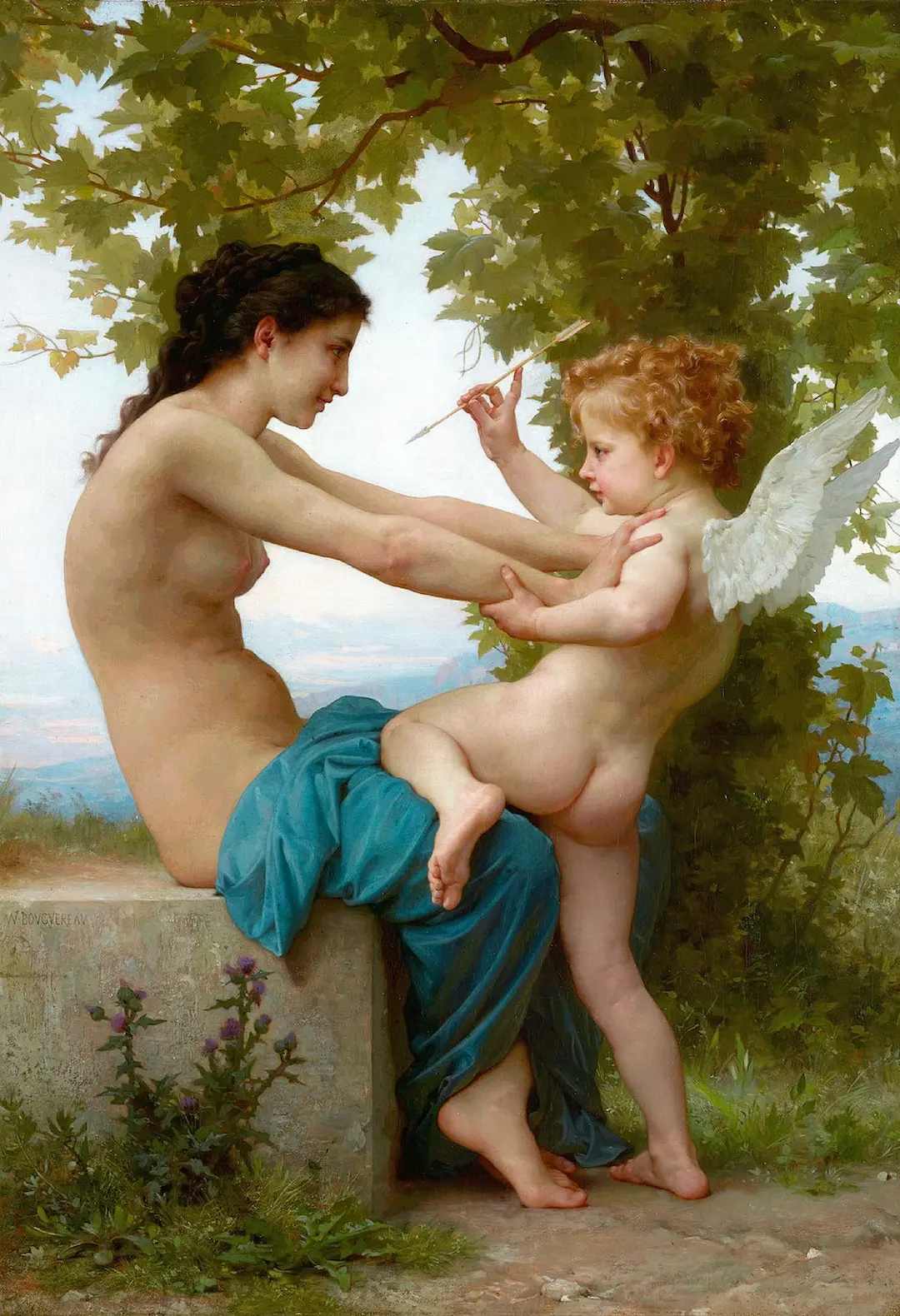
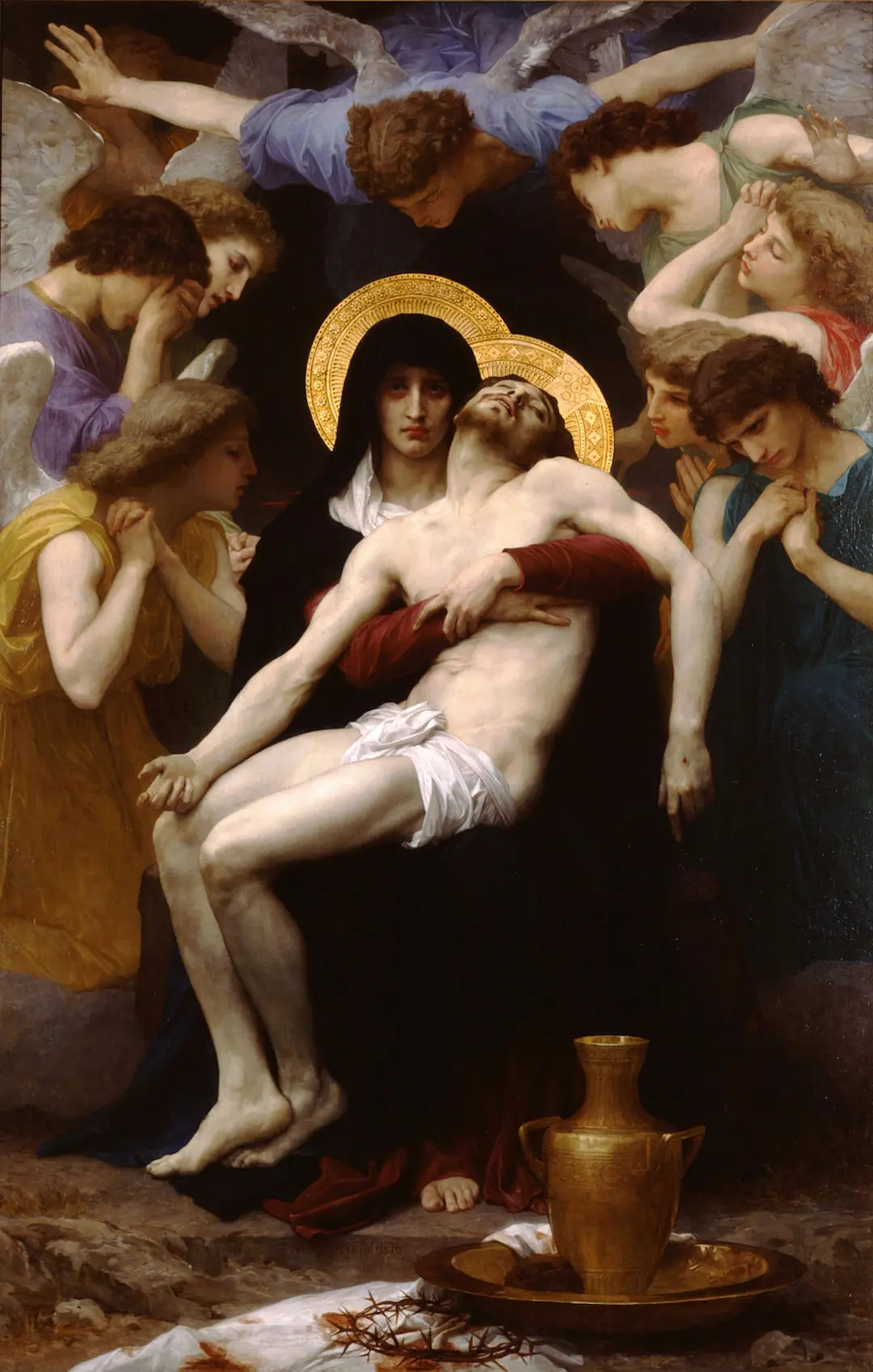
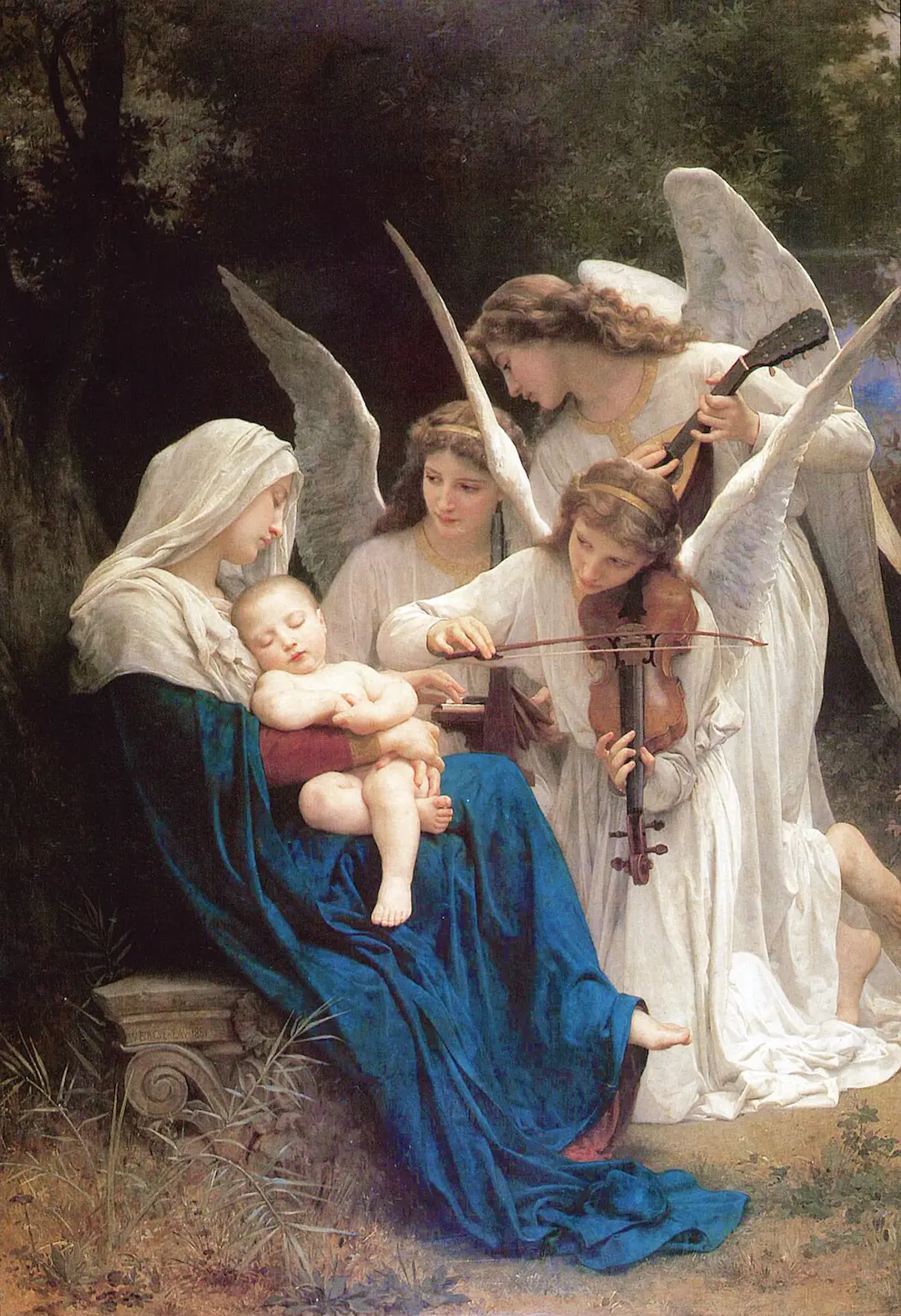
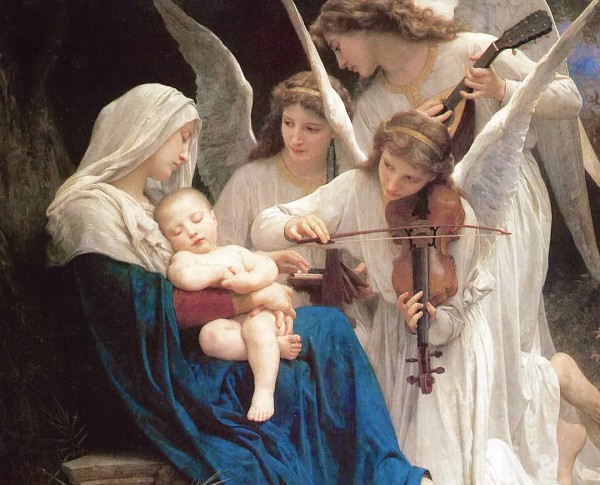
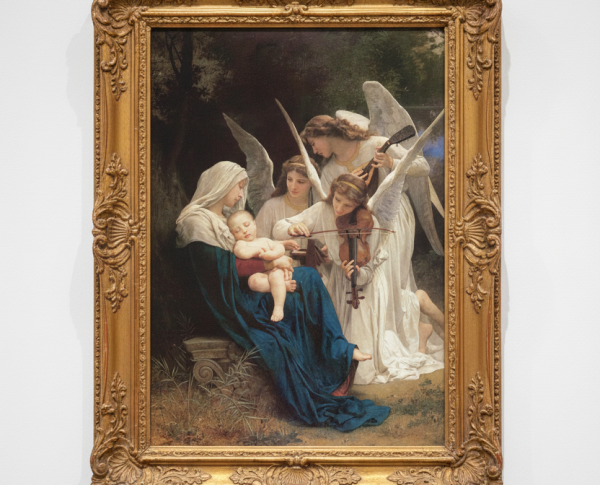
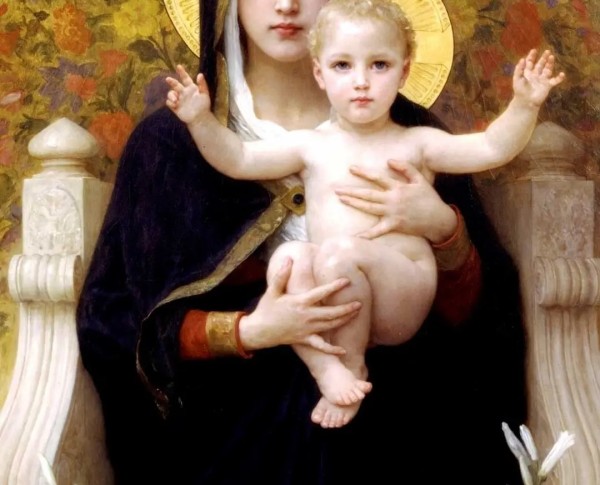
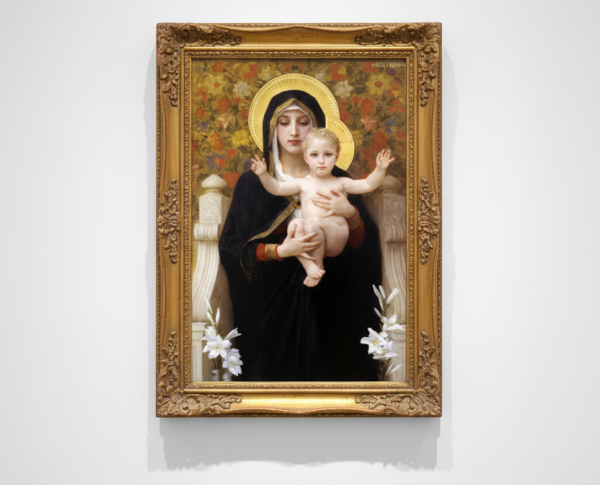
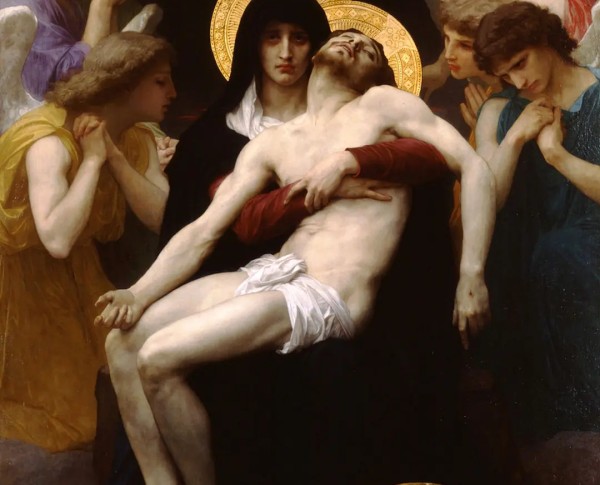
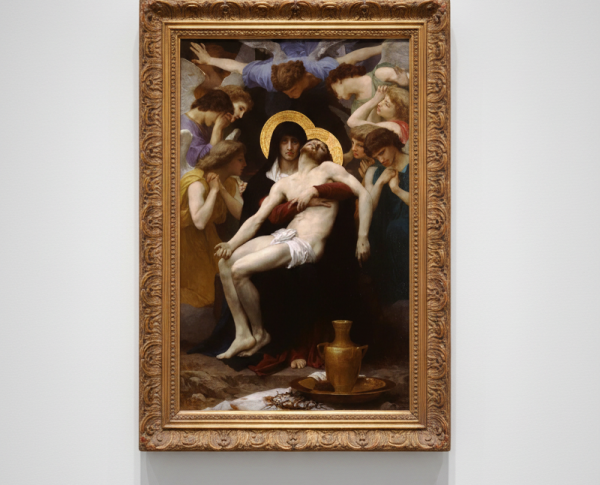
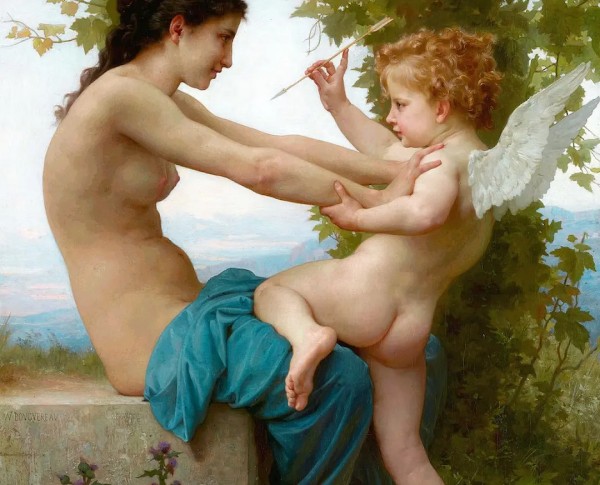
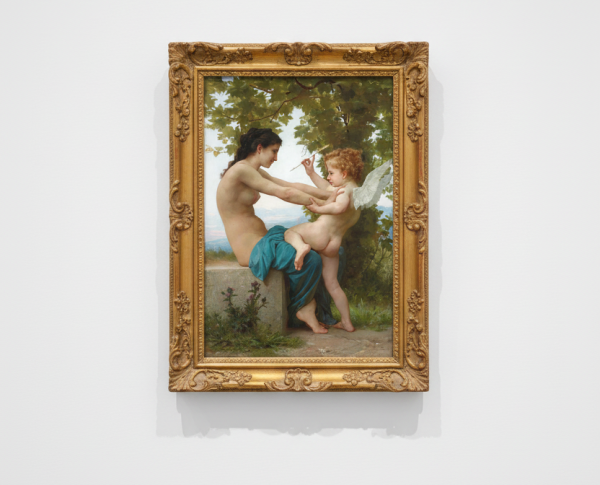
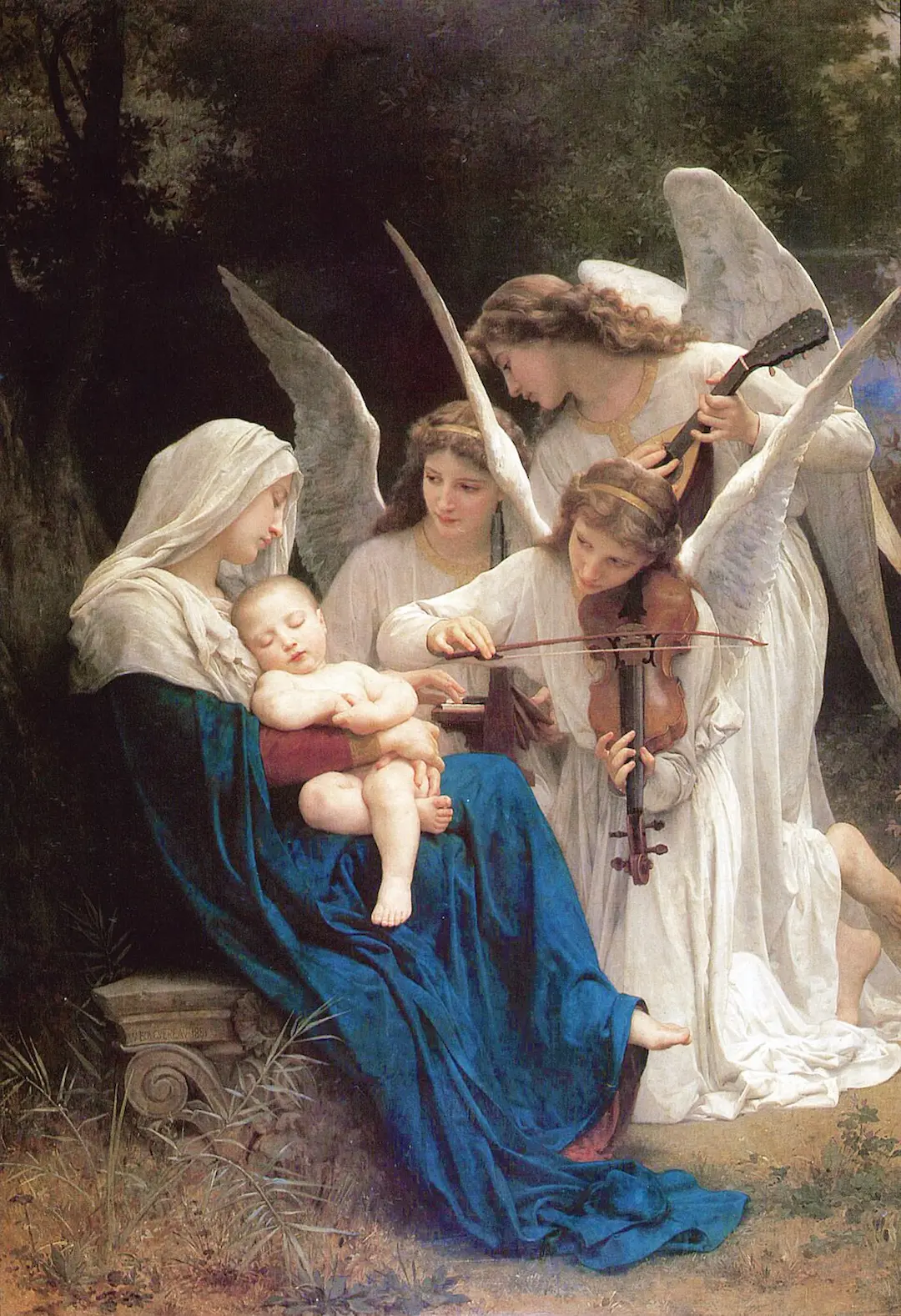
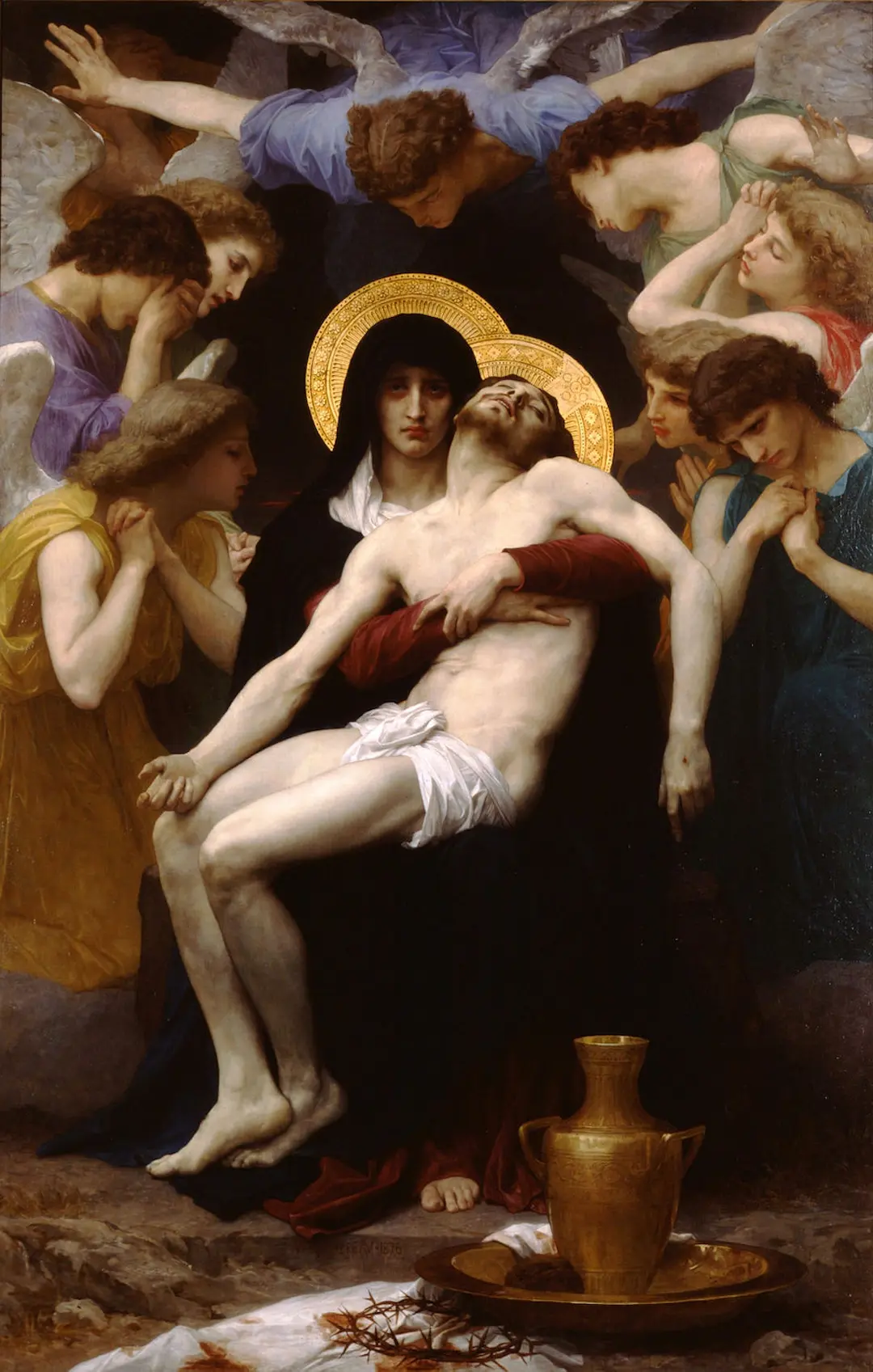
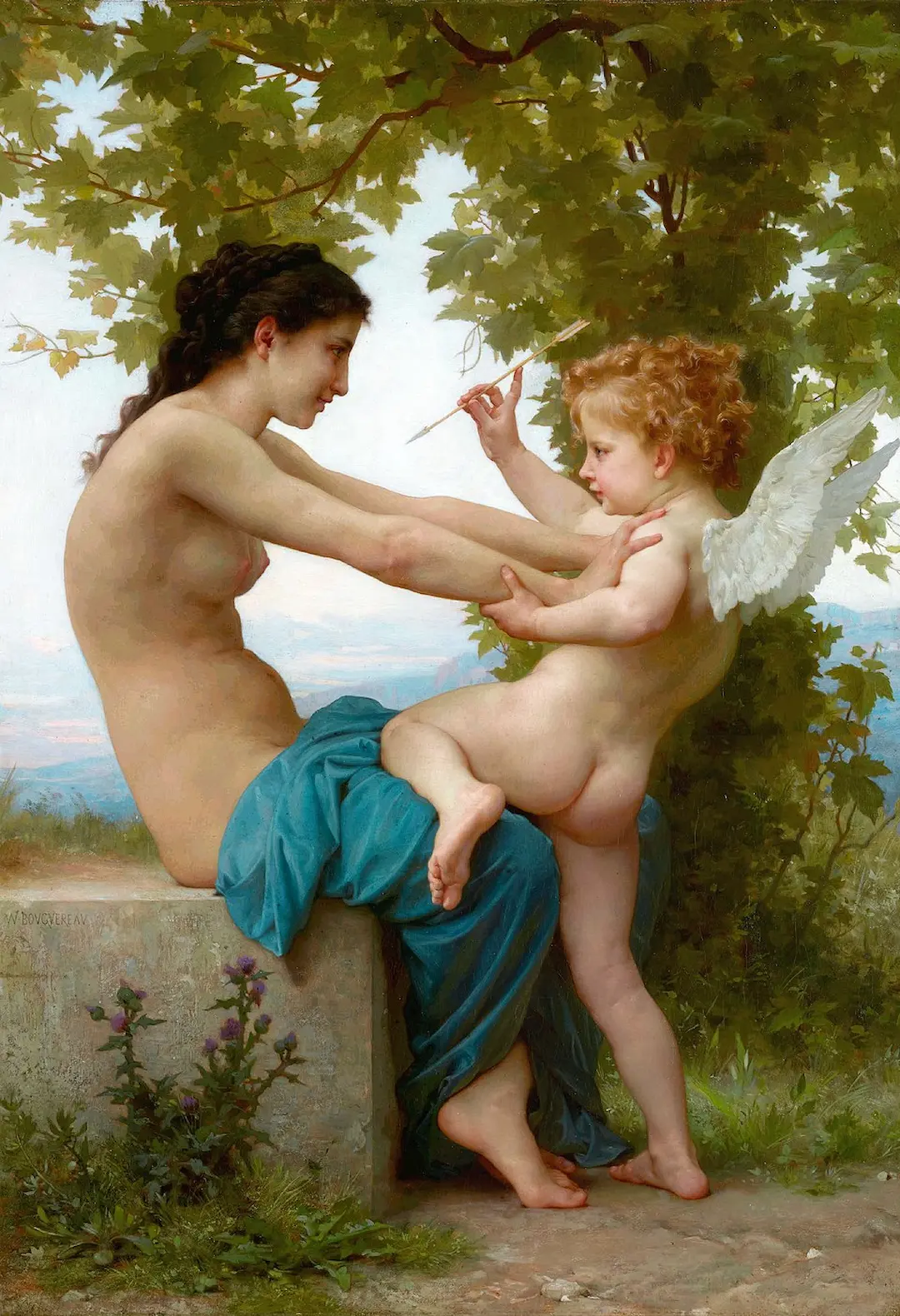
William-Adolphe Bouguereau’s L'innocence (Innocence) showcases extraordinary skill through its delicate composition and lifelike figures, hallmarks of oil on canvas technique. As a leading figure in Academic Classicism, Bouguereau infused each brushstroke with precision and grace. The level of detail seen here is also present in works like La Vierge au Lys and Pieta, making these paintings coveted by connoisseurs. Collectors seeking authentic oil on canvas artistry often look to Bouguereau’s oeuvre.
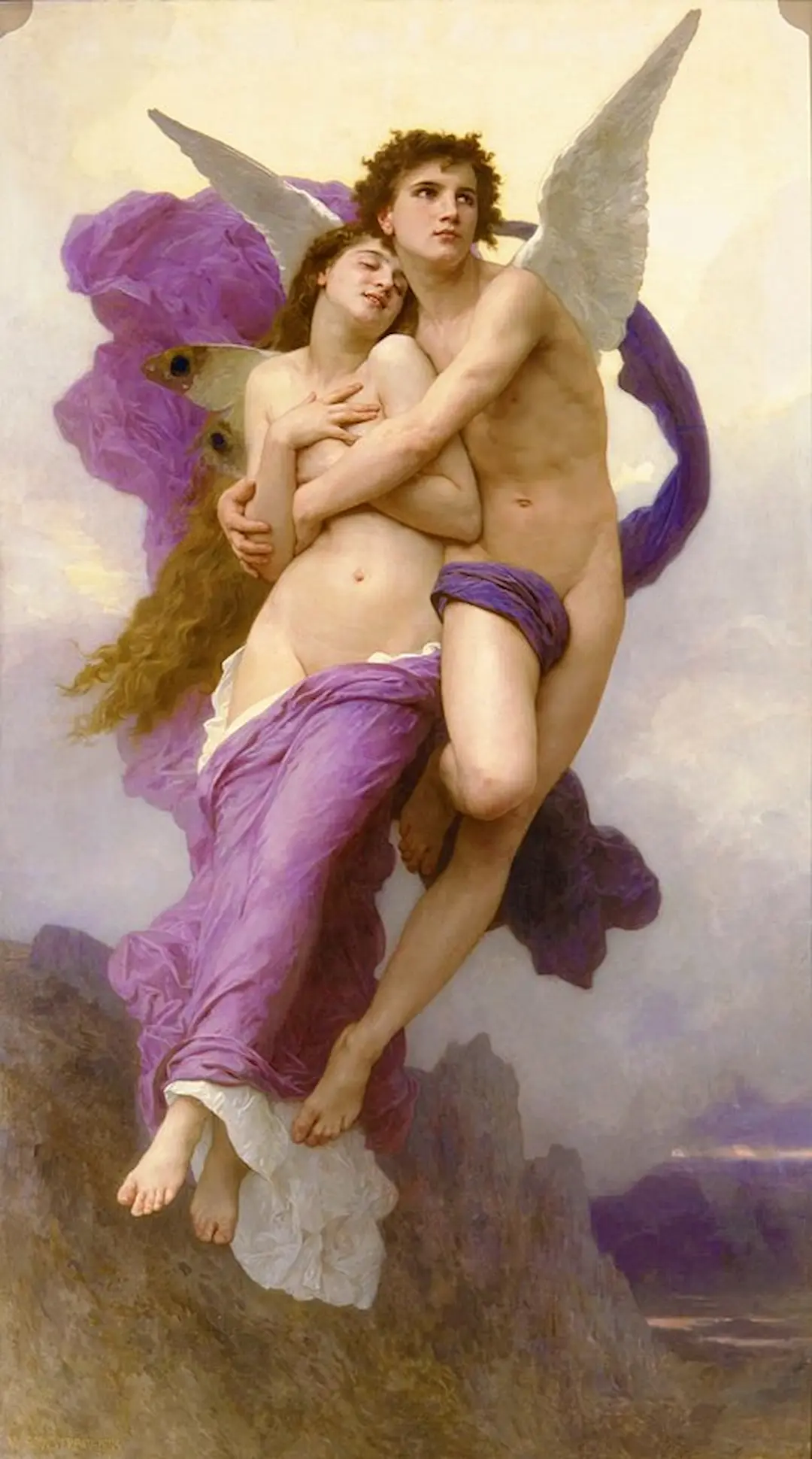
In L'innocence (Innocence), Bouguereau weaves a narrative of purity and gentle affection, characteristic of Academic Classicism’s symbolic storytelling. This fine art painting for sale invites viewers to interpret the serene expressions and soft light as metaphors for virtue and hope. Similar themes resonate in The Abduction of Psyche 1895 and Le Ravissement de Psyche, allowing admirers to explore the artist’s recurring motifs. Each artwork’s symbolism enriches its emotional and cultural significance.
Owning a hand-painted oil painting like L'innocence (Innocence) by William-Adolphe Bouguereau is a mark of distinction for any art collector. This masterpiece, crafted within the Academic Classicism movement, is often displayed alongside related works such as Nymphes et Satyre and La Vierge au Lys. As a fine art painting for sale, it offers both aesthetic pleasure and investment value, ensuring Bouguereau’s legacy endures in private and public collections worldwide.
When Art Meets History
William-Adolphe Bouguereau’s "L’innocence (Innocence)" stands as a masterful example of the Academic Classicism movement. This renowned hand-painted oil painting captures the essence of 19th-century artistry, echoing the timeless beauty found in related works such as "Springtime" and "The Storm." Bouguereau’s dedication to classical ideals and his precise technique reflect the broader art world’s reverence for tradition during his era, making this piece a significant milestone in art history.
Techniques That Speak
Bouguereau’s "L’innocence (Innocence)" demonstrates his exceptional skill in oil on canvas, a medium favored by Academic Classicists. The artist’s meticulous brushwork and delicate layering create lifelike textures and luminous skin tones, reminiscent of masterpieces like "Flaming June" and "Venus Rising." His ability to render soft fabrics and gentle expressions elevates the painting, showcasing the technical prowess required to produce such breathtaking works within the Academic Classicism movement.
Emotions on Display
"L’innocence (Innocence)" by William-Adolphe Bouguereau radiates tenderness and purity, inviting viewers to connect with the subject’s serene expression. As with his other fine art painting for sale, Bouguereau captures the subtle interplay of vulnerability and grace. The emotional depth found in this piece, as well as in related paintings like "Springtime" and "The Storm," exemplifies how Academic Classicism can evoke powerful feelings through carefully crafted imagery and composition.
Coveted by Collectors
Collectors and art enthusiasts worldwide highly prize "L’innocence (Innocence)" as a remarkable hand-painted oil painting. Its connection to the Academic Classicism movement and Bouguereau’s illustrious legacy make it a sought-after treasure, often displayed alongside works like "Venus Rising" and "Flaming June." This masterpiece’s enduring appeal lies in its exquisite craftsmanship and emotional resonance, securing its place among the most desirable fine art painting for sale in today’s market.
Related Academic Classicism Hand-Painted Oil Paintings by Other Artists
Other Famous Academic Classicism Artists:
Frequently Asked Questions About L'innocence (Innocence)
What is the historical context of L'innocence?
L'innocence was painted in 1893, during a period marked by the rise of realism and impressionism in art. Bouguereau, however, remained committed to the academic tradition, emphasizing idealized beauty and technical skill.
What artistic techniques did Bouguereau employ in L'innocence?
Bouguereau utilized classical techniques such as chiaroscuro to create depth, and his mastery of color and texture is evident in the delicate rendering of the figures and the naturalistic portrayal of skin tones.
What are the main themes represented in L'innocence?
The primary themes of L'innocence include purity, childhood, and the idealization of innocence. The painting captures the essence of youthful innocence and the beauty of untainted nature.
Who are the figures depicted in L'innocence?
The painting features a young girl, symbolizing innocence, accompanied by a cherubic child. These figures embody the ideals of purity and the unblemished nature of youth.
What symbolism is present in L'innocence?
The use of light and soft colors symbolizes purity and innocence. The flowers in the girl's hair further enhance the theme of natural beauty and the fleeting nature of childhood.
How does L'innocence reflect Bouguereau's artistic philosophy?
Bouguereau believed in the power of beauty and the importance of portraying idealized forms. L'innocence exemplifies his philosophy by showcasing the beauty of youth and the emotional resonance of innocence.
What impact did L'innocence have on contemporary art?
While Bouguereau's work was celebrated in his time, L'innocence and similar pieces faced criticism in the modern era as art movements shifted towards abstraction. Nonetheless, his focus on technical skill and beauty continues to influence artists today.
In what ways does L'innocence exemplify the academic art style?
The painting adheres to the principles of academic art, characterized by meticulous detail, idealized forms, and a narrative quality that conveys moral or emotional themes, all hallmarks of Bouguereau's work.
Where can L'innocence be viewed today?
L'innocence is part of various private collections and may be exhibited in art galleries that focus on 19th-century academic art. Check local listings for current exhibitions featuring Bouguereau's work.
What is the significance of the title L'innocence?
The title, which translates to "Innocence," underscores the central theme of the painting, emphasizing the beauty and purity of childhood, and inviting viewers to reflect on the transient nature of innocence in life.






















_GFM_Painting_(1).webp)

.webp)

 100% Hand-Painted: Finished in 3-6 Weeks
.webp)

.png)












.webp)
.webp)



_(1).webp)