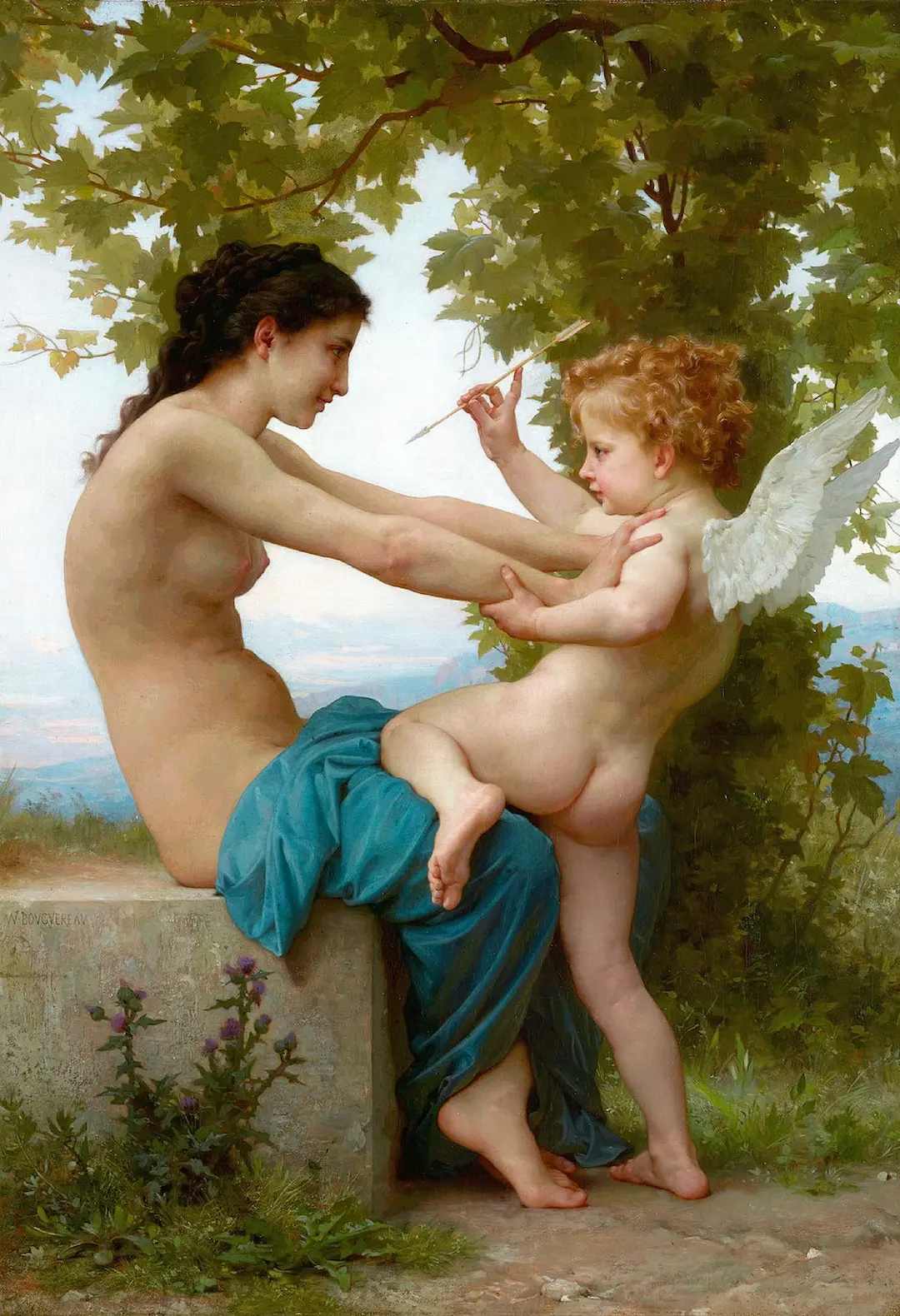
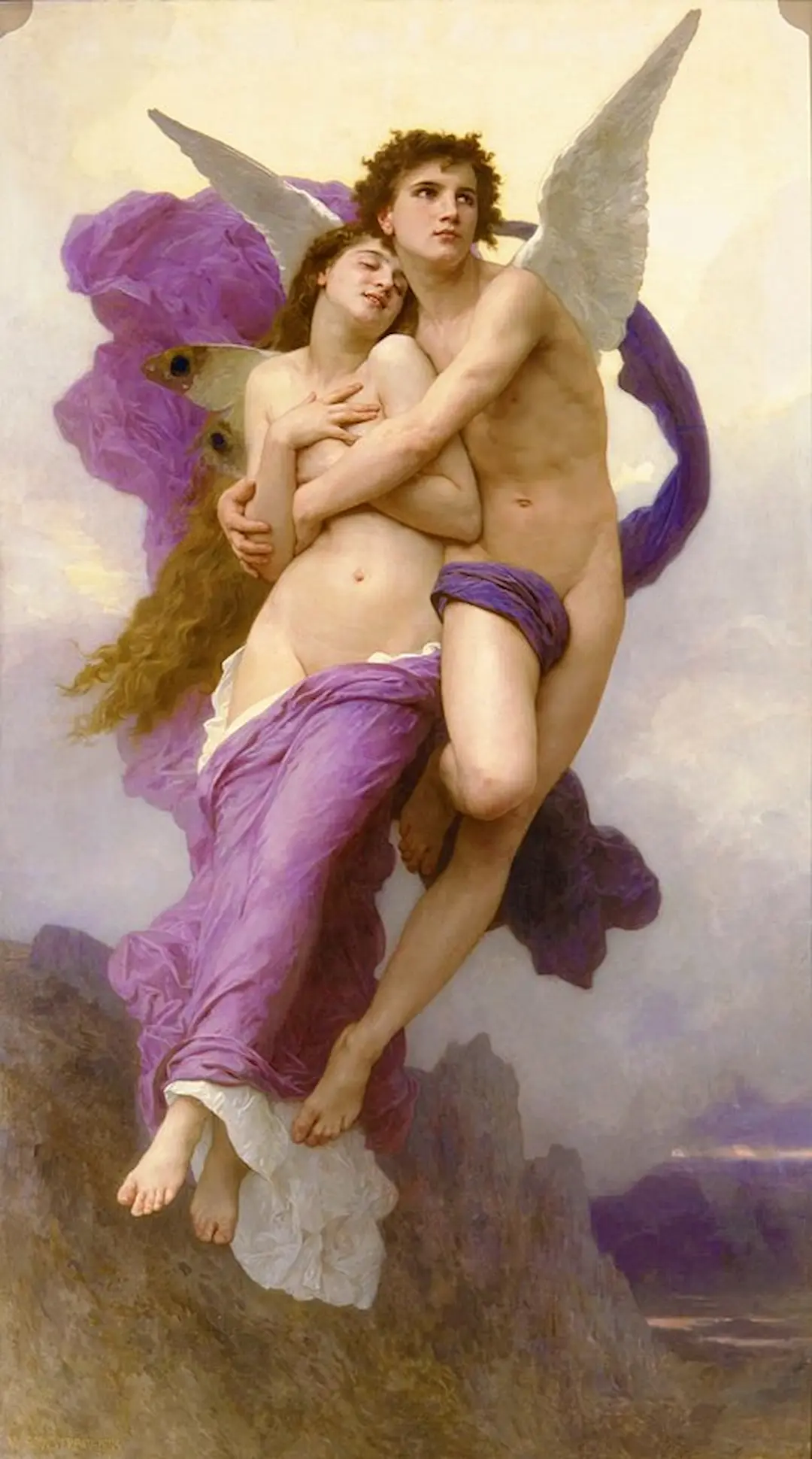
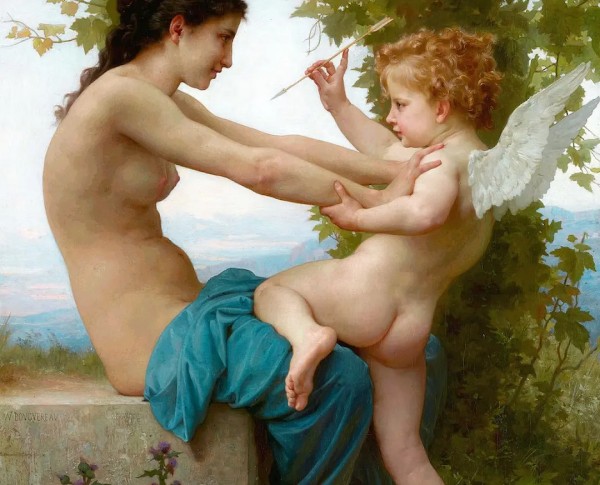
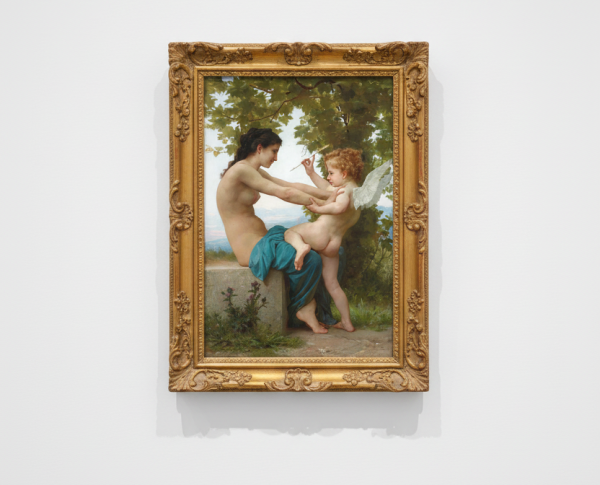
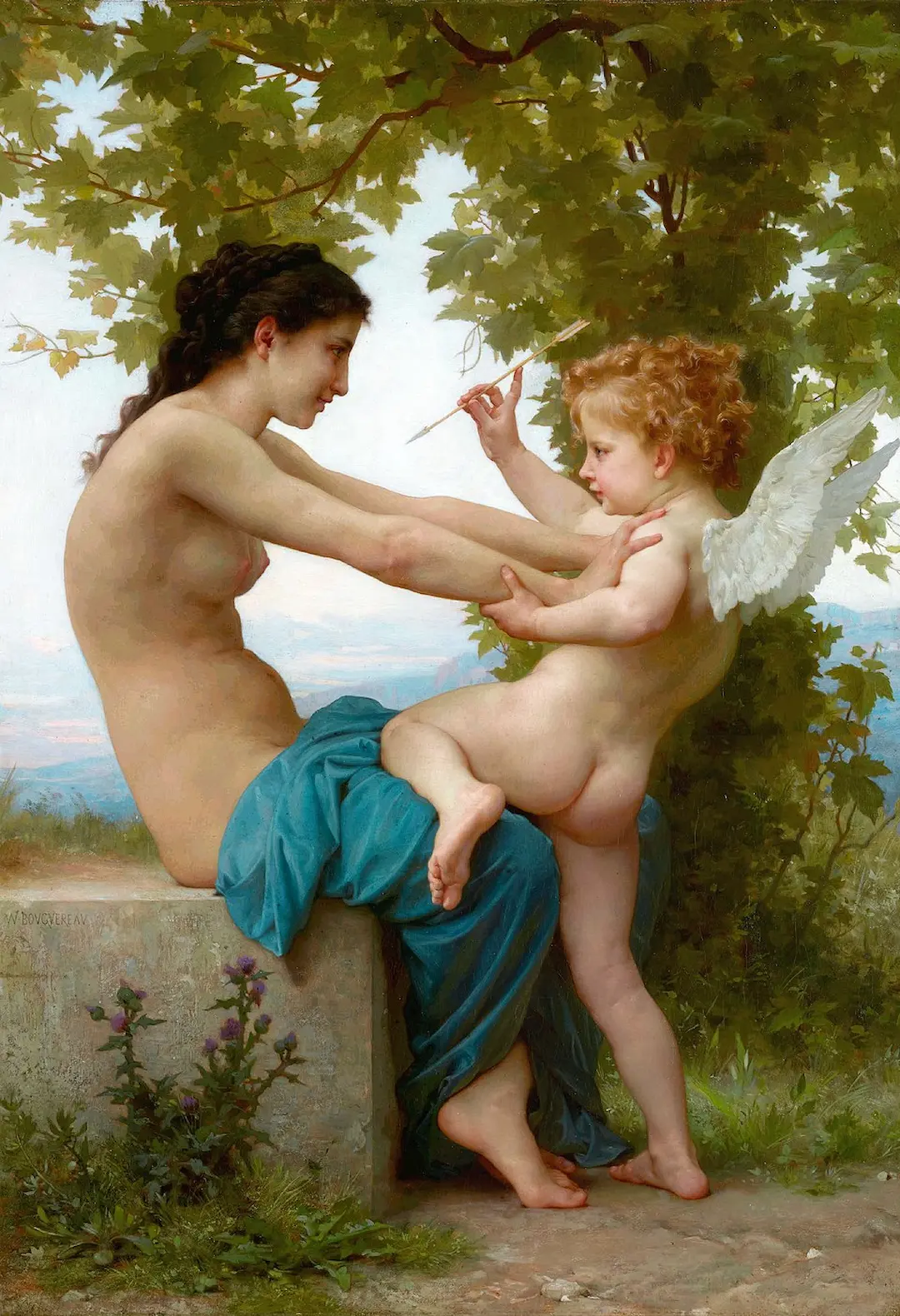
Bouguereau’s "Nymphes et Satyre" is a stunning example of oil on canvas technique, showcasing his meticulous attention to detail and mastery of light and form. The Academic Classicism movement prized such precision, and Bouguereau’s brushwork elegantly captures the softness of skin and the fluidity of motion. This painting shares a technical kinship with related works like "Young Girl Defending Herself against Eros 1880" and "Le Ravissement de Psyche (The Rapture of Psyche)," both admired for their realistic beauty.
"Nymphes et Satyre" brings to life a mythological tale, where graceful nymphs playfully resist the advances of a satyr, a common theme in Academic Classicism. The symbolic interplay between innocence and desire is rendered with exquisite sensitivity. Art enthusiasts seeking a fine art painting for sale with rich narrative depth will find this piece compelling, much like Bouguereau’s "Calinerie (A Little Coaxing)" and "The Abduction of Psyche 1895," both celebrated for their storytelling power.
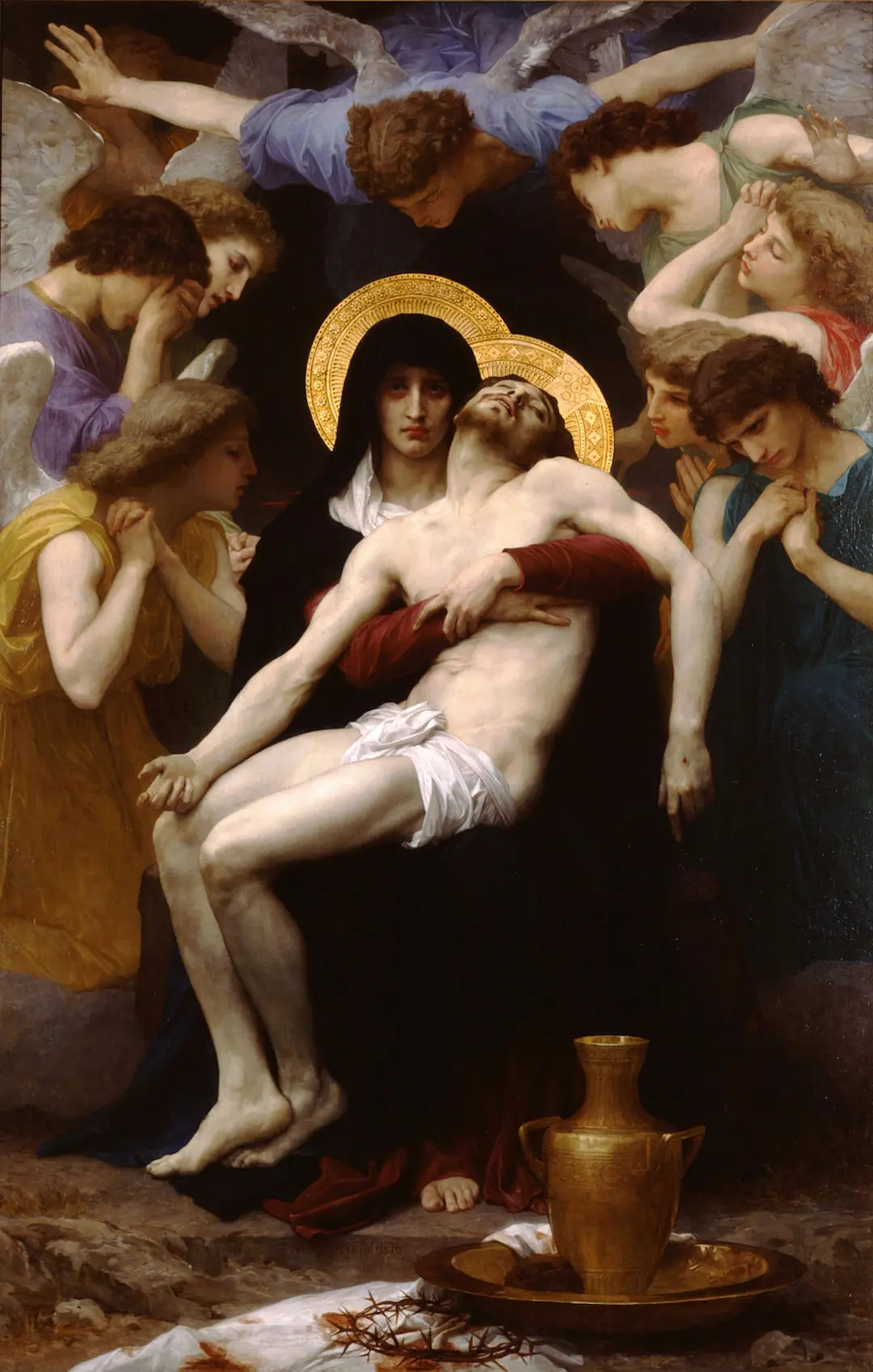
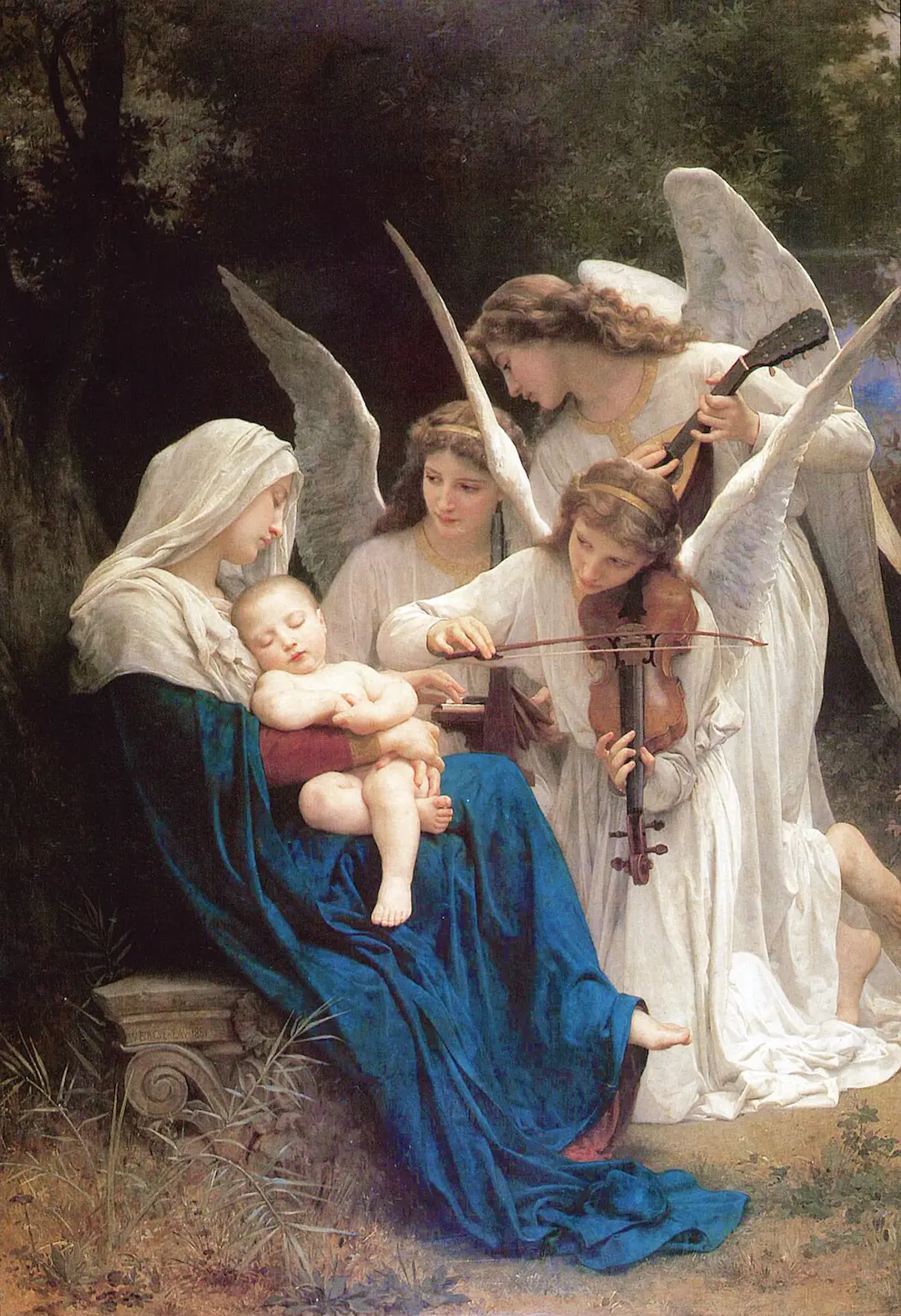
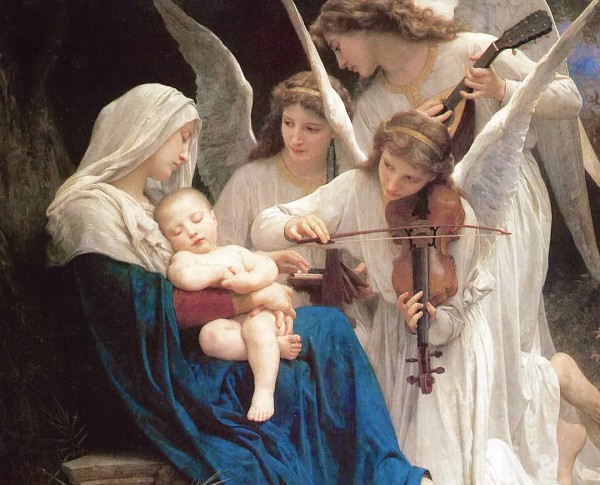
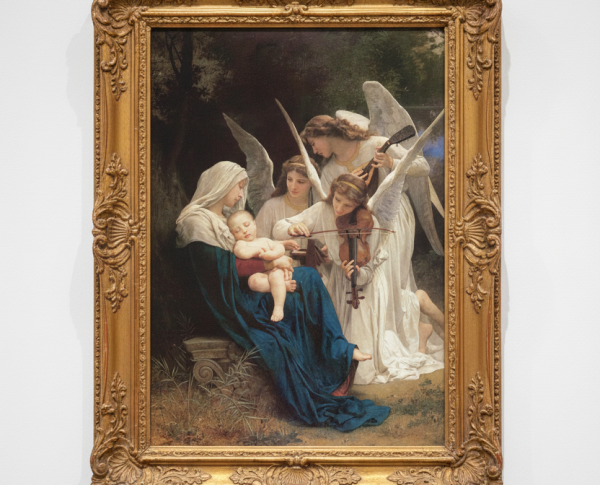
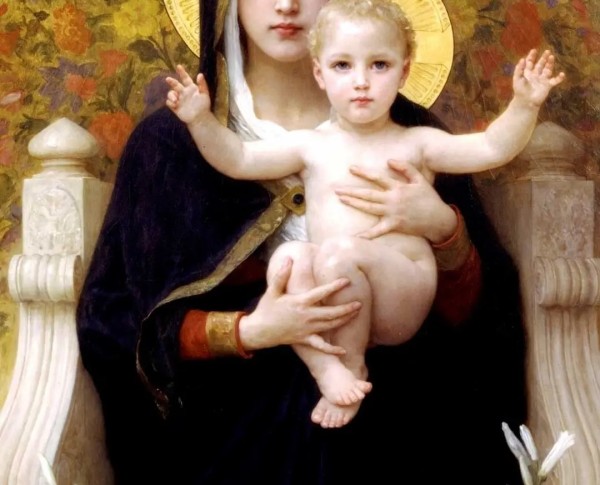
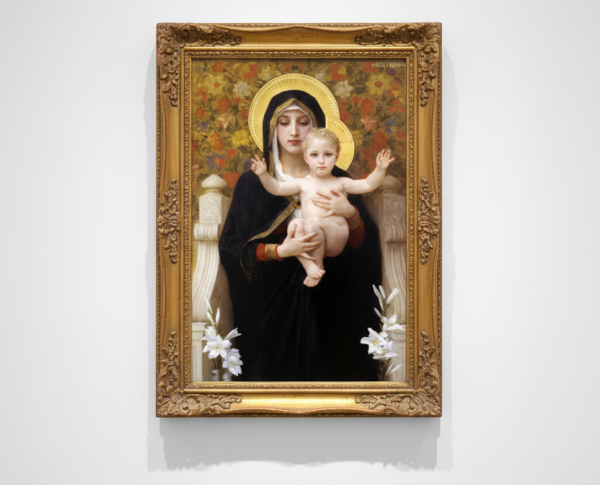
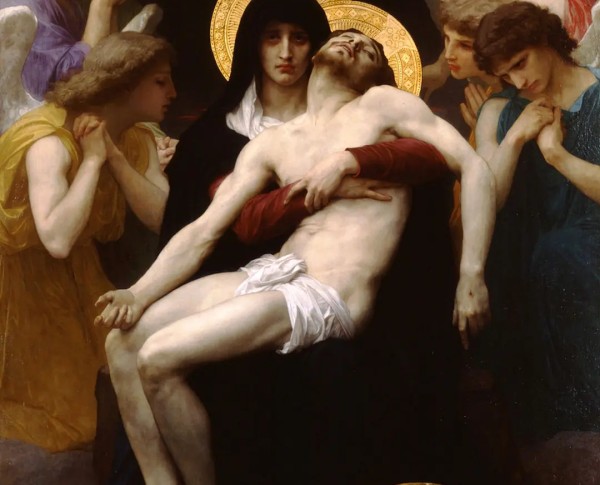
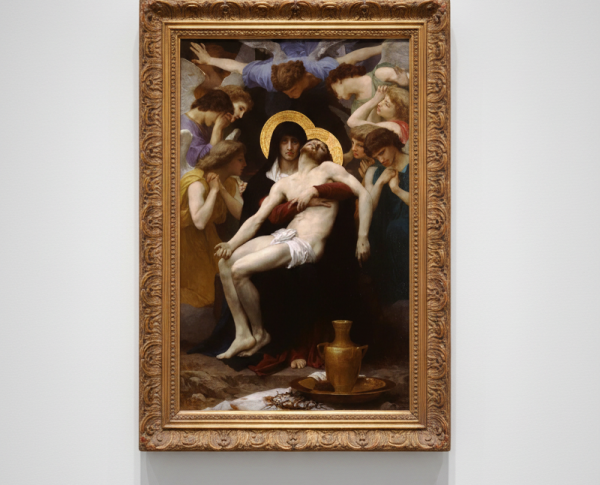
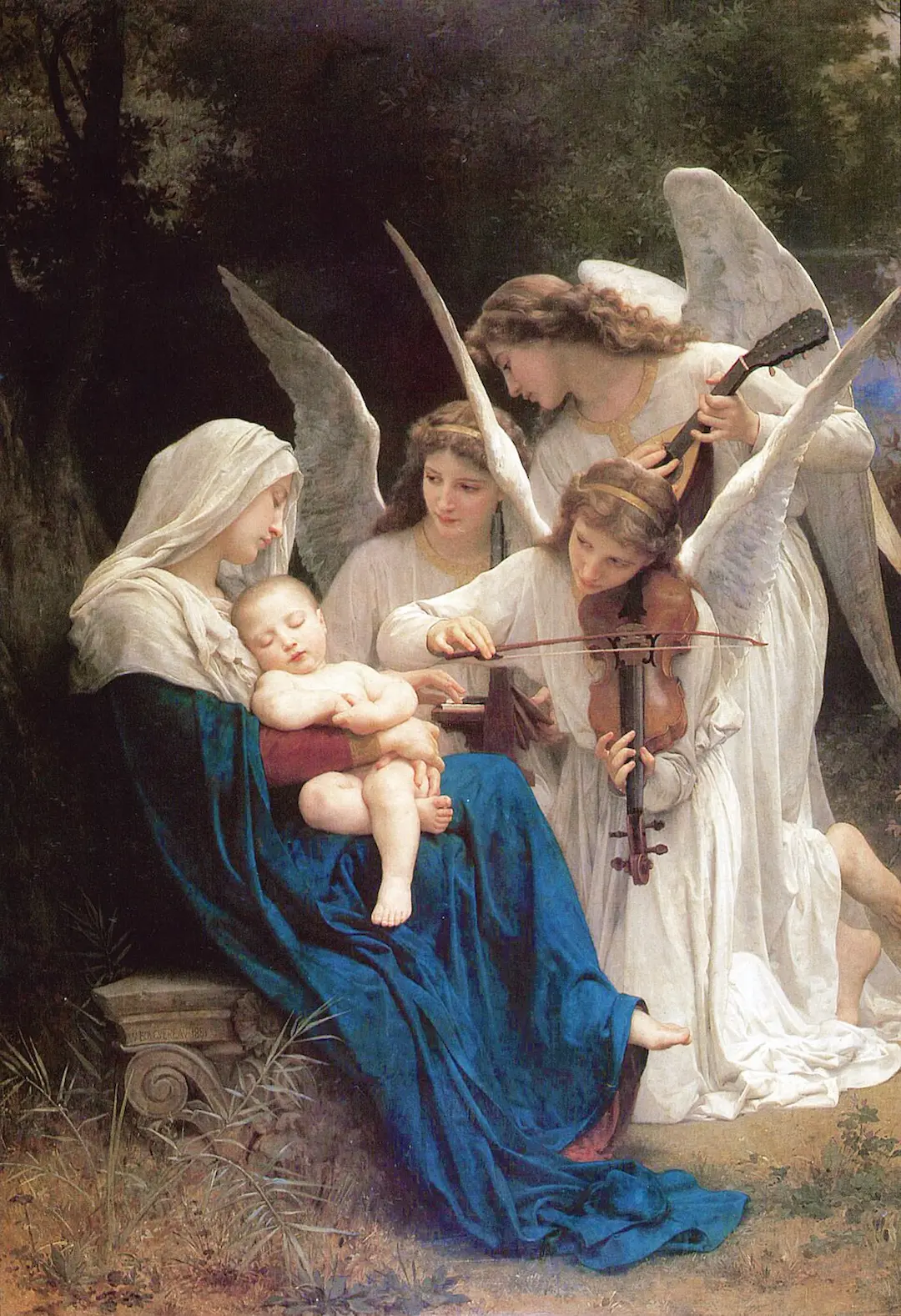
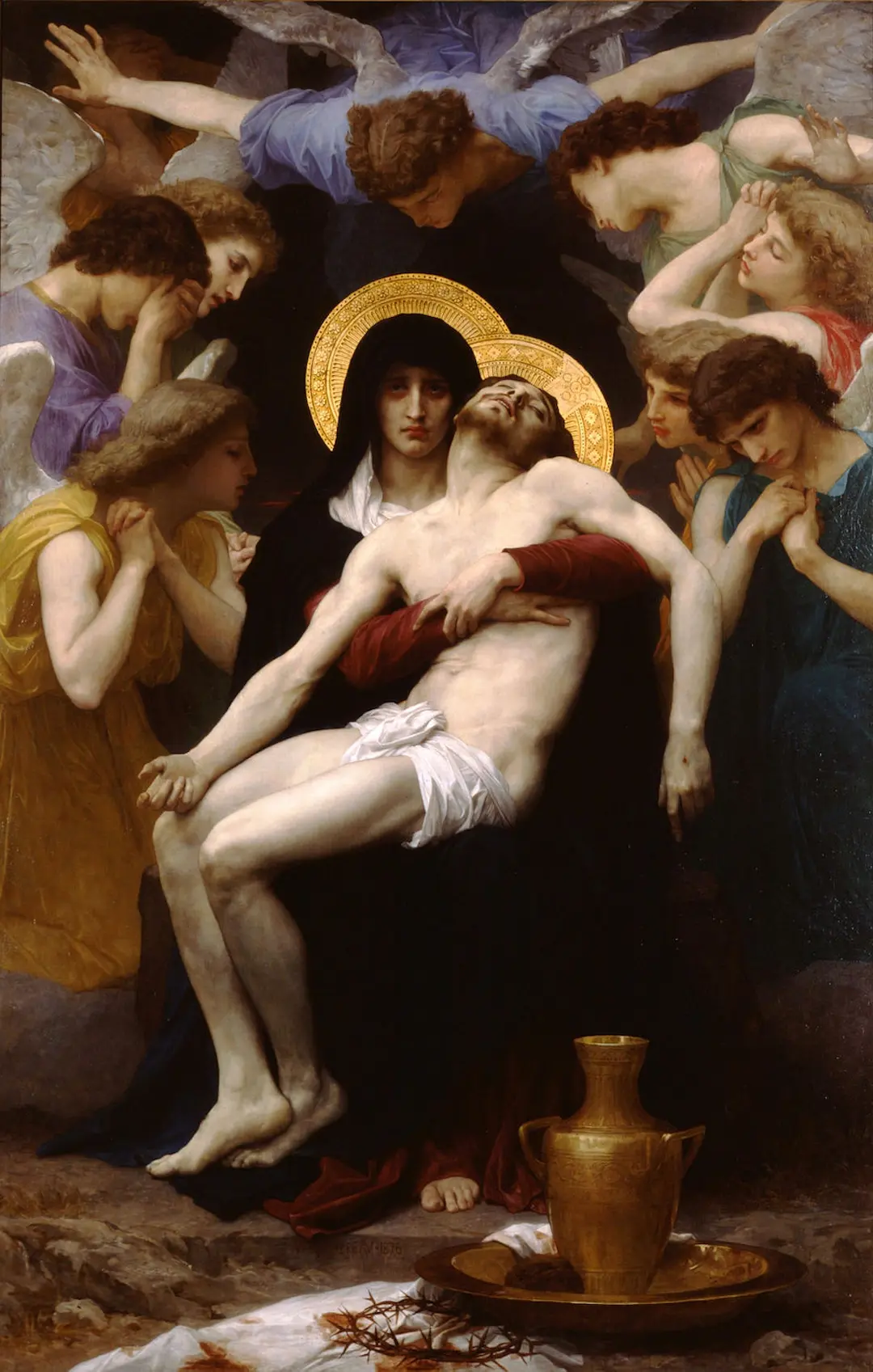
For art collectors, "Nymphes et Satyre" by William-Adolphe Bouguereau remains a highly sought-after oil on canvas, representing the pinnacle of the Academic Classicism movement. Its value is enhanced by Bouguereau’s enduring legacy and the painting’s impeccable technique. Collectors often pair this masterpiece with related products such as "Pieta" and "Song of the Angels," appreciating the cohesive beauty and historical significance these works bring to any distinguished art collection.
When Art Meets History
"Nymphes et Satyre" by William-Adolphe Bouguereau stands as a prime example of the Academic Classicism movement, blending mythological storytelling with masterful technique. Painted in 1873, this hand-painted oil painting captures a timeless scene inspired by ancient legends. Bouguereau’s work, alongside related masterpieces like "Springtime" and "The Storm," reflects the era’s fascination with classical themes, making "Nymphs and Satyr" a pivotal piece in the history of nineteenth-century European art.
Techniques That Speak
Bouguereau’s "Nymphes et Satyre" showcases his remarkable skill with oil on canvas, a hallmark of Academic Classicism. His meticulous attention to anatomical accuracy and soft, luminous brushwork brings each figure to life, echoing the finesse found in works such as "Flaming June" and "Venus Rising." The interplay of light and shadow, coupled with the delicate rendering of flesh tones, demonstrates why this oil on canvas remains a benchmark for aspiring artists and admirers alike.
Emotions on Display
In "Nymphes et Satyre," William-Adolphe Bouguereau masterfully conveys a dynamic interplay of innocence and mischief, a signature of fine art painting for sale from the Academic Classicism movement. The startled nymphs and playful satyr evoke both tension and humor, engaging viewers on an emotional level. Similar emotional depth can be found in Bouguereau’s "Springtime" and Leighton's "Flaming June," allowing audiences to connect with timeless human experiences through art.
Coveted by Collectors
As a fine art painting for sale, "Nymphes et Satyre" remains highly sought after by collectors and museums worldwide. William-Adolphe Bouguereau’s attention to detail and adherence to Academic Classicism have secured this piece’s status alongside related paintings like "The Storm" and "Venus Rising." Its provenance and enduring popularity highlight the ongoing appreciation for nineteenth-century masterpieces, making it a coveted addition to any serious art collection or gallery exhibition.
Related Academic Classicism Hand-Painted Oil Paintings by Other Artists
Other Famous Academic Classicism Artists:
Frequently Asked Questions About Nymphes et Satyre (Nymphs and Satyr)
What is the historical context of "Nymphes et Satyre"?
"Nymphes et Satyre" was completed in 1873 during the height of the academic art movement in France, a period characterized by a focus on realism and classical themes. Bouguereau was a prominent figure in this movement, known for his technical skill and ability to convey emotion through his subjects.
What artistic techniques did Bouguereau employ in this painting?
Bouguereau utilized traditional oil painting techniques, emphasizing smooth brushwork and a meticulous attention to detail. His use of light and shadow creates a sense of depth and realism, while his color palette enhances the ethereal quality of the nymphs and satyr.
What themes are explored in "Nymphes et Satyre"?
The painting explores themes of nature, sensuality, and the interplay between the human and the divine. The nymphs represent purity and beauty, while the satyr embodies the wild and untamed aspects of nature, highlighting the duality of existence.
Who are the figures depicted in the painting?
The painting features two nymphs and a satyr from Greek mythology. Nymphs are often associated with natural elements and are depicted as beautiful, youthful women, while satyrs are half-man, half-goat creatures representing lust and revelry.
What symbolism is present in "Nymphes et Satyre"?
The nymphs symbolize innocence and the beauty of nature, while the satyr represents temptation and the primal instincts of humanity. Together, they embody the tension between civilized behavior and natural desires.
How does Bouguereau's style reflect the values of his time?
Bouguereau's style reflects the values of the academic art movement, which emphasized technical skill, idealized beauty, and classical themes. His work often sought to elevate the subject matter, aligning with the 19th-century belief in the moral and educational power of art.
What was the public reception of "Nymphes et Satyre" upon its completion?
Upon its completion, "Nymphes et Satyre" received acclaim for its technical prowess and emotional depth. Bouguereau was celebrated as a master of his craft, and the painting contributed to his reputation as one of the leading artists of his time.
How does "Nymphes et Satyre" compare to Bouguereau's other works?
"Nymphes et Satyre" is representative of Bouguereau's focus on mythological themes and his ability to depict the human form with exquisite detail. It shares similarities with other works by the artist, such as "The Birth of Venus," which also explores themes of beauty and mythology.
What influence did "Nymphes et Satyre" have on later artists?
The painting influenced later artists by demonstrating the potential of academic techniques to convey complex emotional narratives. Bouguereau's emphasis on realism and beauty inspired subsequent generations of artists, particularly those interested in figurative painting.
Where can "Nymphes et Satyre" be viewed today?
"Nymphes et Satyre" is part of the collection at the Musée d'Orsay in Paris, France. The museum is known for its extensive collection of Impressionist and Post-Impressionist masterpieces, alongside works from the academic tradition, including Bouguereau's.






















_GFM_Painting_(1).webp)

.webp)

 100% Hand-Painted: Finished in 3-6 Weeks
.webp)

.png)












.webp)
.webp)



_(1).webp)