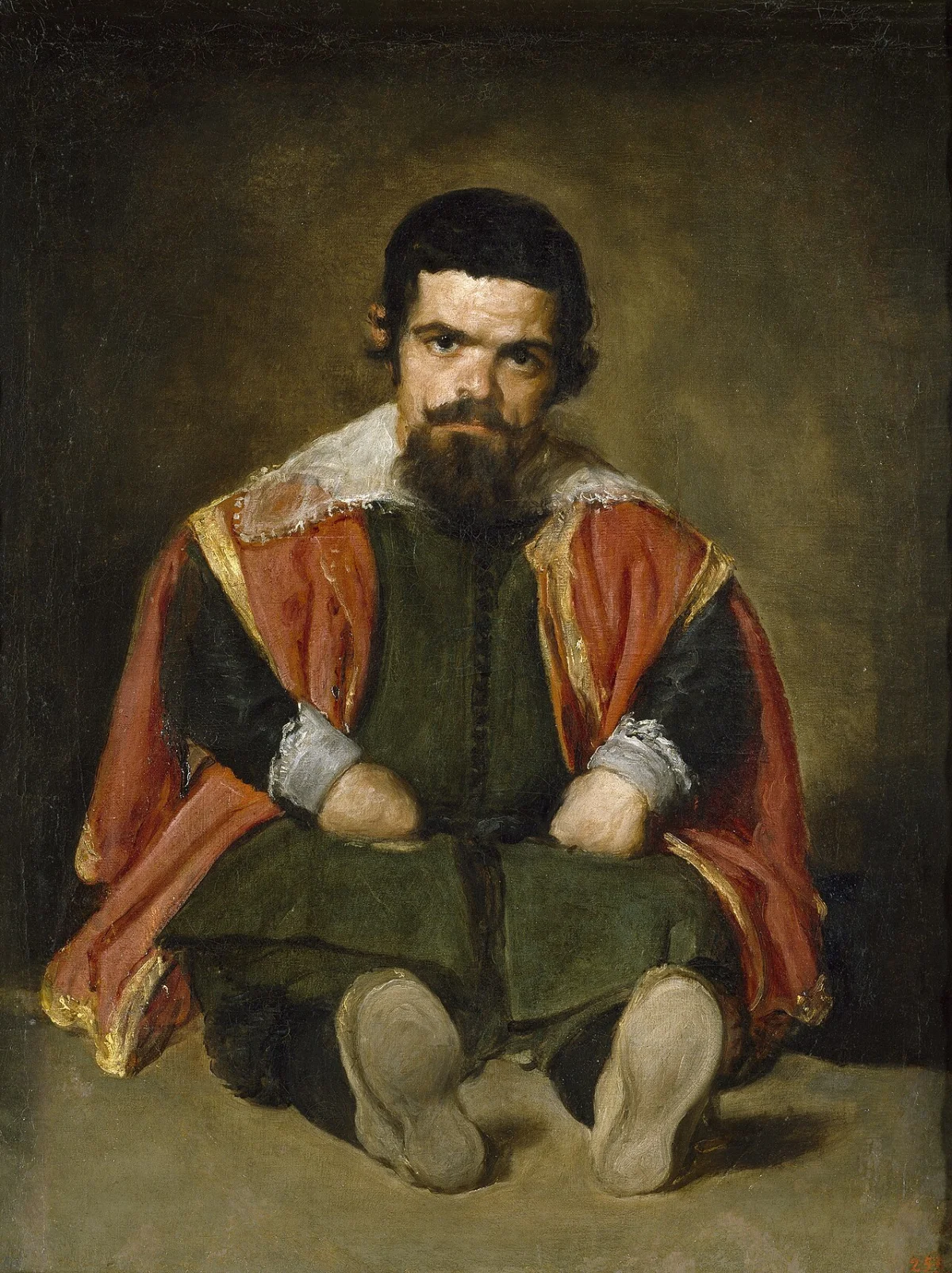
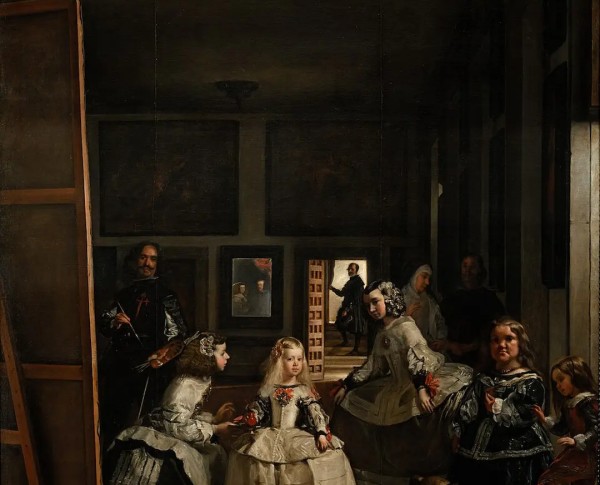
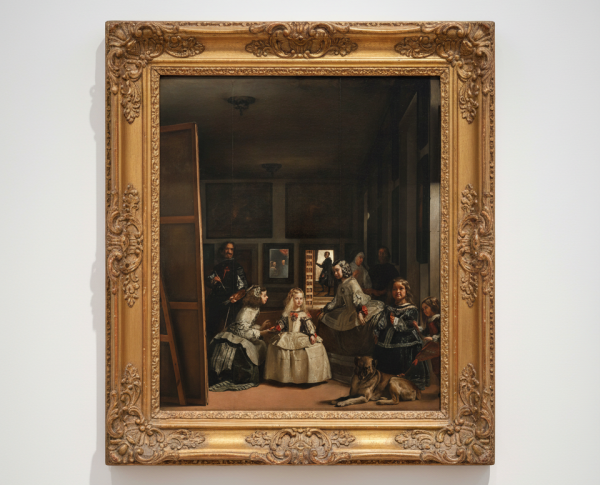
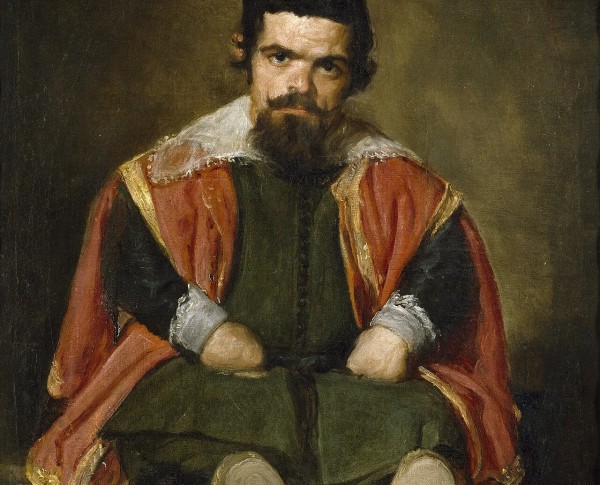
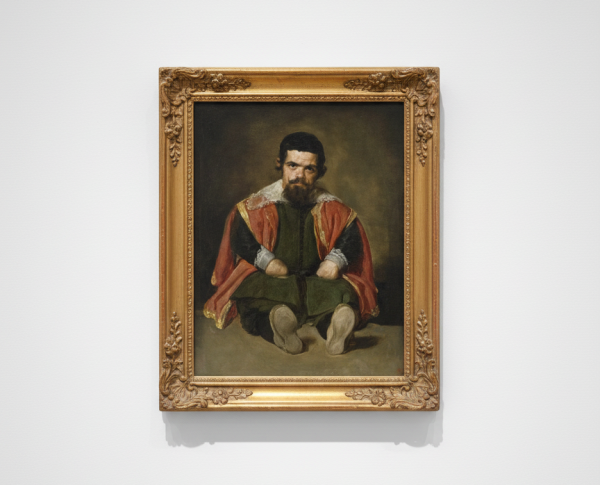
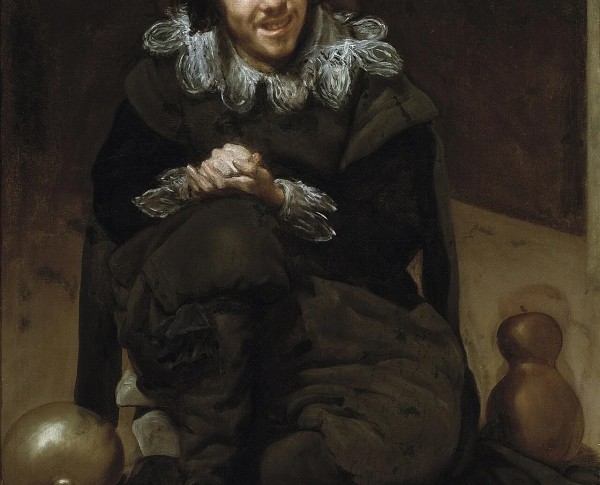
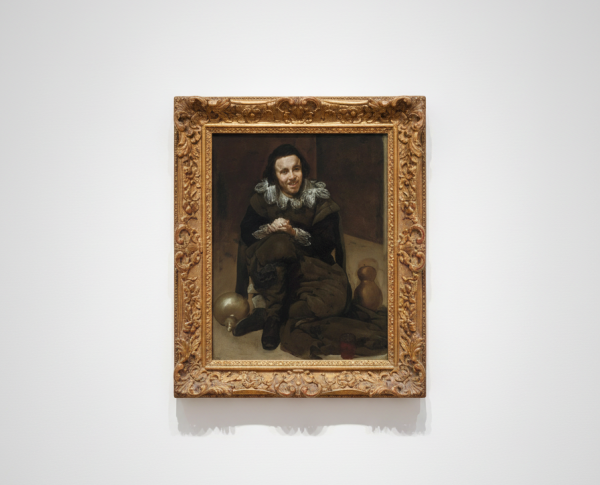
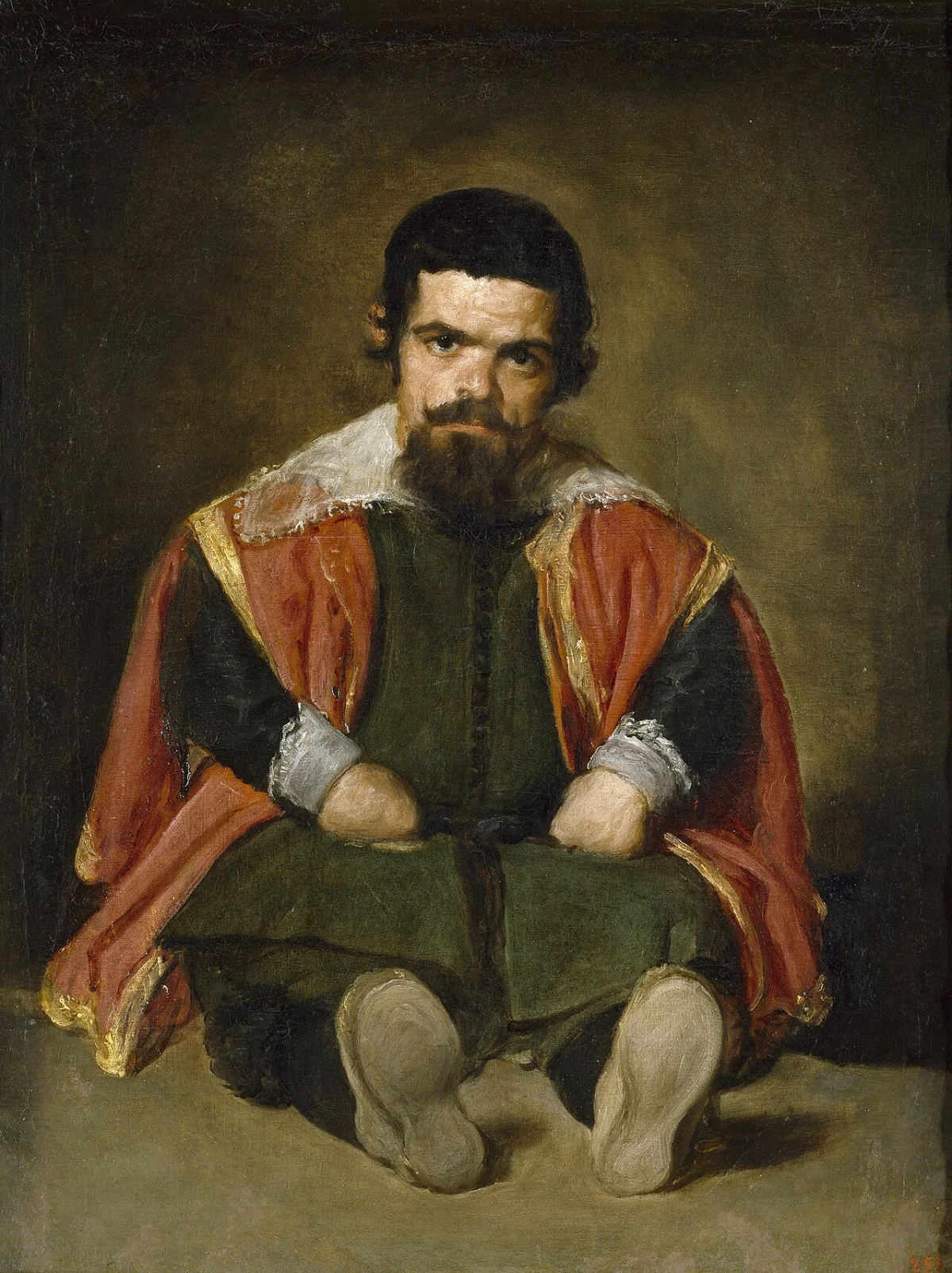
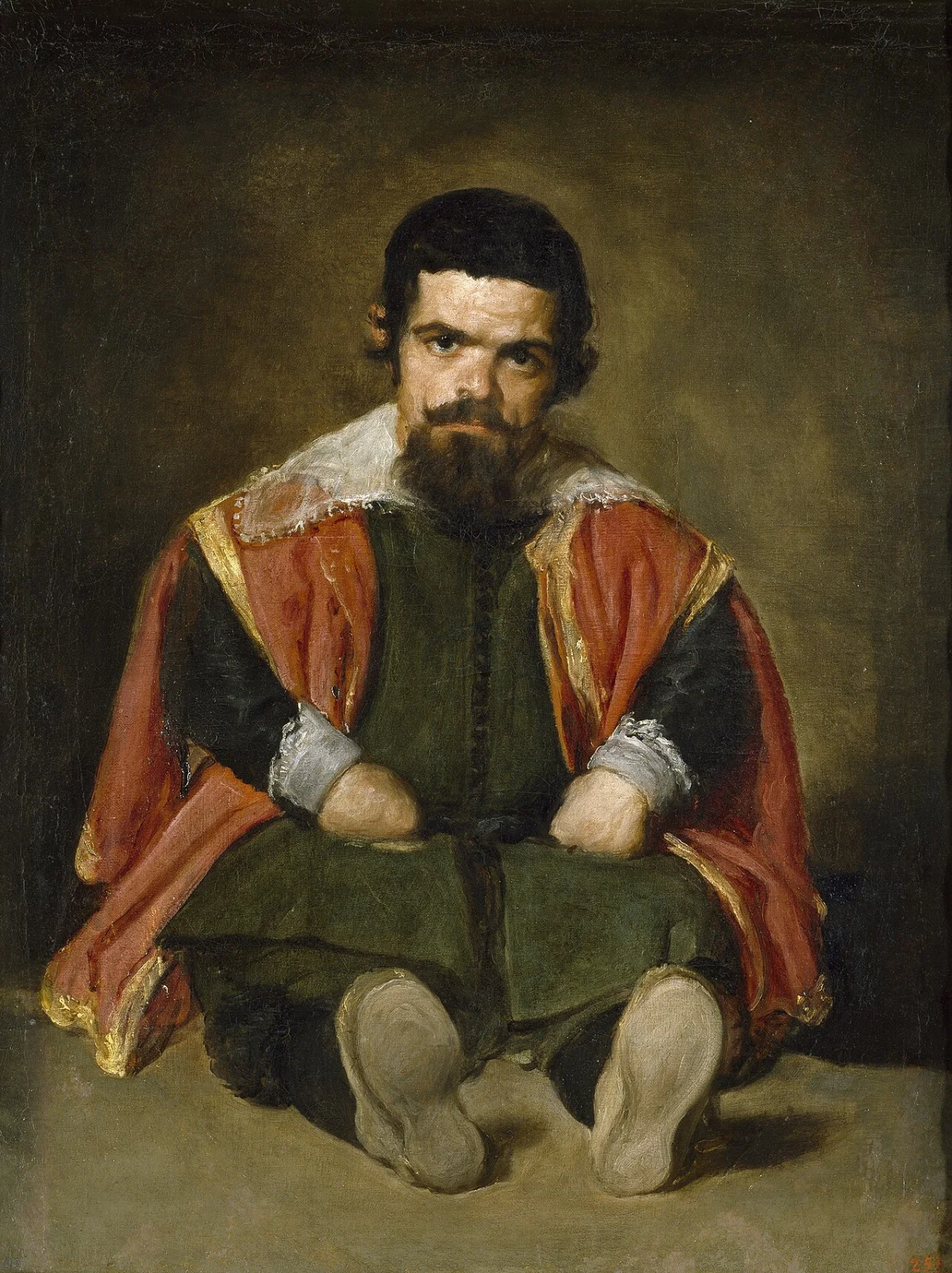
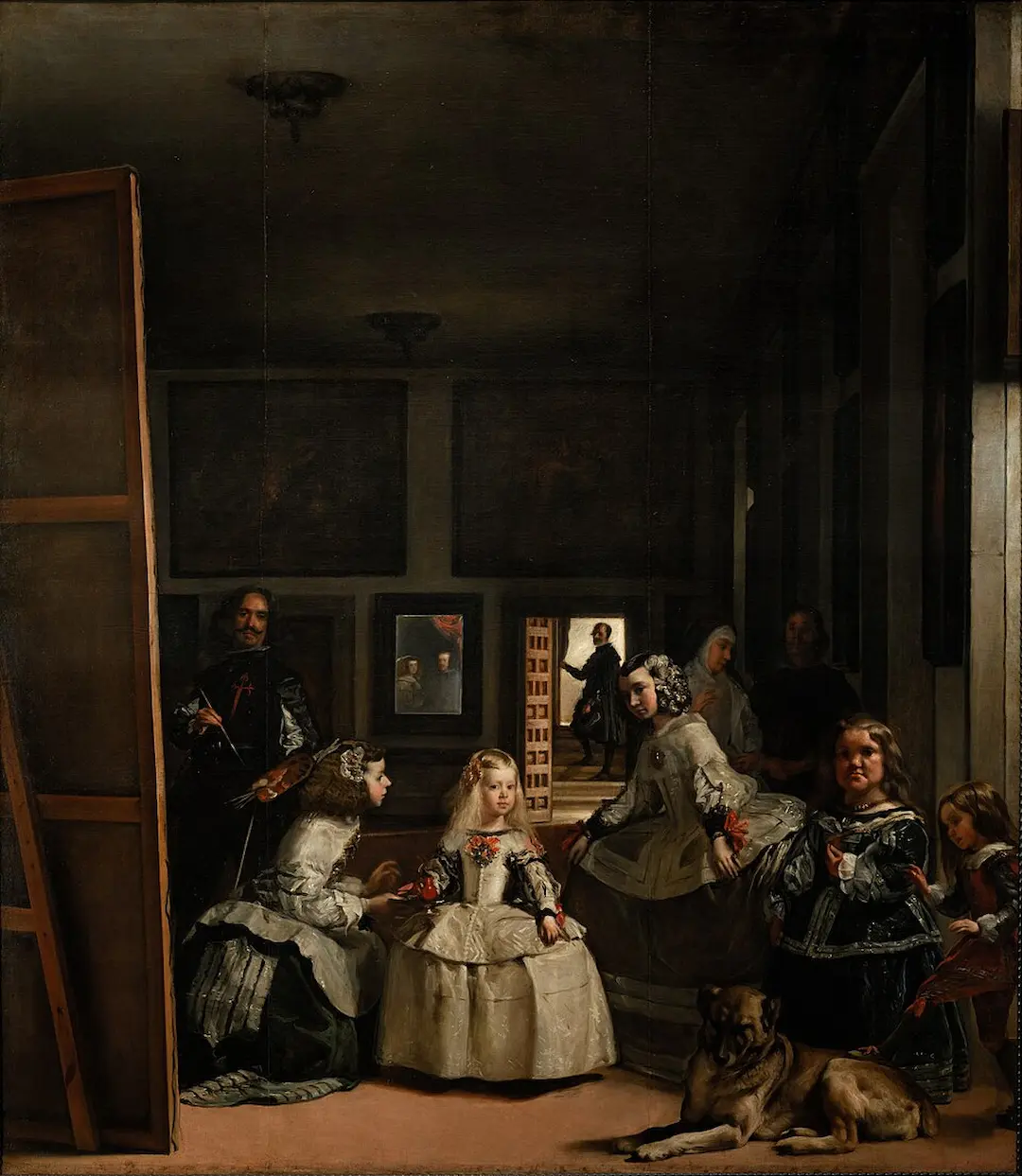
Velazquez’s "Portrait of Sebastián de Morra" exemplifies the artist’s unparalleled skill with oil on canvas. The subtle gradations of light and shadow, combined with meticulous attention to facial expression, showcase the technical prowess that defines the Realism movement. Each brushstroke breathes life into the sitter, demonstrating why Velazquez remains a revered figure. Art enthusiasts often compare the technique in this painting to that seen in his famous work, "Las Meninas."
This fine art painting for sale invites viewers to ponder the deeper narratives behind Sebastián de Morra’s gaze and posture. Diego Rodriguez de Silva y Velazquez imbues the oil on canvas with layers of meaning, reflecting both the challenges and strengths of his subject. As with "Las Meninas," symbolism and storytelling are central, making the painting a profound study of humanity within the Realism movement. Collectors value these hidden stories in Velazquez’s celebrated works.
For those seeking a hand-painted oil painting that exemplifies the best of the Realism movement, "Portrait of Sebastián de Morra" by Velazquez is a prized acquisition. Its historical significance and artistic mastery make it a coveted piece among connoisseurs. Related products like "Las Meninas" further highlight Velazquez’s genius. Owning this masterpiece means holding a tangible piece of art history, cherished by collectors of fine art painting for sale worldwide.
When Art Meets History
"Portrait of Sebastián de Morra" by Diego Rodriguez de Silva y Velazquez stands as a remarkable example of the Realism movement. Painted in the 17th century, this hand-painted oil painting captures the unique character and dignity of its subject, a court dwarf in the service of Philip IV of Spain. Alongside other masterpieces like "Marble Falls" and "Surrender At Santa Anna," Velazquez’s work reflects a pivotal era where art and history became inseparable.
Techniques That Speak
Velazquez’s mastery is evident in the "Portrait of Sebastián de Morra," where his use of oil on canvas creates a lifelike texture and depth. The artist’s brushwork, subtle lighting, and attention to detail are comparable to his techniques in "Morning in a Pine Forest" and "Death and the Woodcutter." As a leading figure in Realism, Velazquez’s innovative approach influenced generations, making this oil on canvas painting a testament to technical brilliance.
Emotions on Display
In "Portrait of Sebastián de Morra," Velazquez conveys profound emotion through the sitter’s direct gaze and poised presence. The painting’s realism invites viewers to empathize with Sebastián, much like the emotional storytelling found in "A Dash for the Timber." This fine art painting for sale evokes a sense of dignity and introspection, hallmarks of the Realism movement, and demonstrates Velazquez’s unparalleled ability to capture the human spirit.
Coveted by Collectors
Collectors worldwide seek masterpieces like "Portrait of Sebastián de Morra" for their historical significance and artistic merit. This hand-painted oil painting, representative of Velazquez’s Realism period, holds immense value alongside related works such as "Marble Falls" and "Morning in a Pine Forest." With its exceptional technique and emotional depth, this fine art painting for sale remains a prized possession for those passionate about collecting the finest examples of classical oil painting.
Related Realism Hand-Painted Oil Paintings by Other Artists
Other Famous Realism Artists:
Frequently Asked Questions About Portrait of Sebastián de Morra
What is the historical context of "Portrait of Sebastián de Morra"?
"Portrait of Sebastián de Morra" was painted by Diego Rodriguez de Silva y Velazquez in the 1650s, during the Spanish Golden Age. This period was marked by significant cultural and artistic achievements in Spain, and Velazquez was a leading figure in the Baroque art movement.
Who was Sebastián de Morra?
Sebastián de Morra was a court jester and dwarf in the service of King Philip IV of Spain. His position at court allowed him to be a subject of Velazquez's work, highlighting the artist's interest in portraying individuals from all walks of life.
What artistic techniques did Velazquez use in this painting?
Velazquez employed a realistic style characterized by a masterful use of light and shadow, known as chiaroscuro. He also utilized loose brushwork and a muted color palette to create depth and texture, enhancing the lifelike quality of the portrait.
What symbolism can be found in the painting?
The painting symbolizes the dignity of individuals regardless of their social status. By portraying Sebastián de Morra with such respect and attention to detail, Velazquez elevates the jester's status, challenging contemporary perceptions of nobility and worth.
How does this painting reflect Velazquez's artistic philosophy?
Velazquez believed in the importance of capturing the essence of his subjects. "Portrait of Sebastián de Morra" exemplifies this philosophy, as he presents the jester not merely as a figure of entertainment but as a complex individual deserving of recognition and respect.
What is the significance of the jester's attire in the painting?
Sebastián de Morra's attire is simple yet elegant, reflecting both his role as a jester and his position at court. The contrasting colors and textures in his clothing serve to highlight his physical features and expression, drawing the viewer's attention to his humanity.
In what way does this painting differ from other portraits of the time?
This portrait differs from other contemporary works by focusing on a marginalized figure rather than a noble or royal subject. Velazquez's choice to depict a jester challenges traditional portraiture and emphasizes the artist's innovative approach to representation.
What influence did "Portrait of Sebastián de Morra" have on later artists?
The painting has influenced numerous artists by demonstrating the power of portraying marginalized individuals with dignity. Its impact can be seen in the works of later artists who sought to explore themes of identity and social status through their subjects.
Where is "Portrait of Sebastián de Morra" currently housed?
The painting is part of the collection at the Museo del Prado in Madrid, Spain, where it remains a significant work within Velazquez's oeuvre and the broader context of Spanish art history.
What are the key themes explored in "Portrait of Sebastián de Morra"?
Key themes in the painting include identity, social status, and the human condition. Velazquez invites viewers to reflect on the complexities of individual identity and the societal roles that define us, regardless of our position in life.






















_GFM_Painting_(1).webp)


 100% Hand-Painted: Finished in 3-6 Weeks

.png)















_(1).webp)