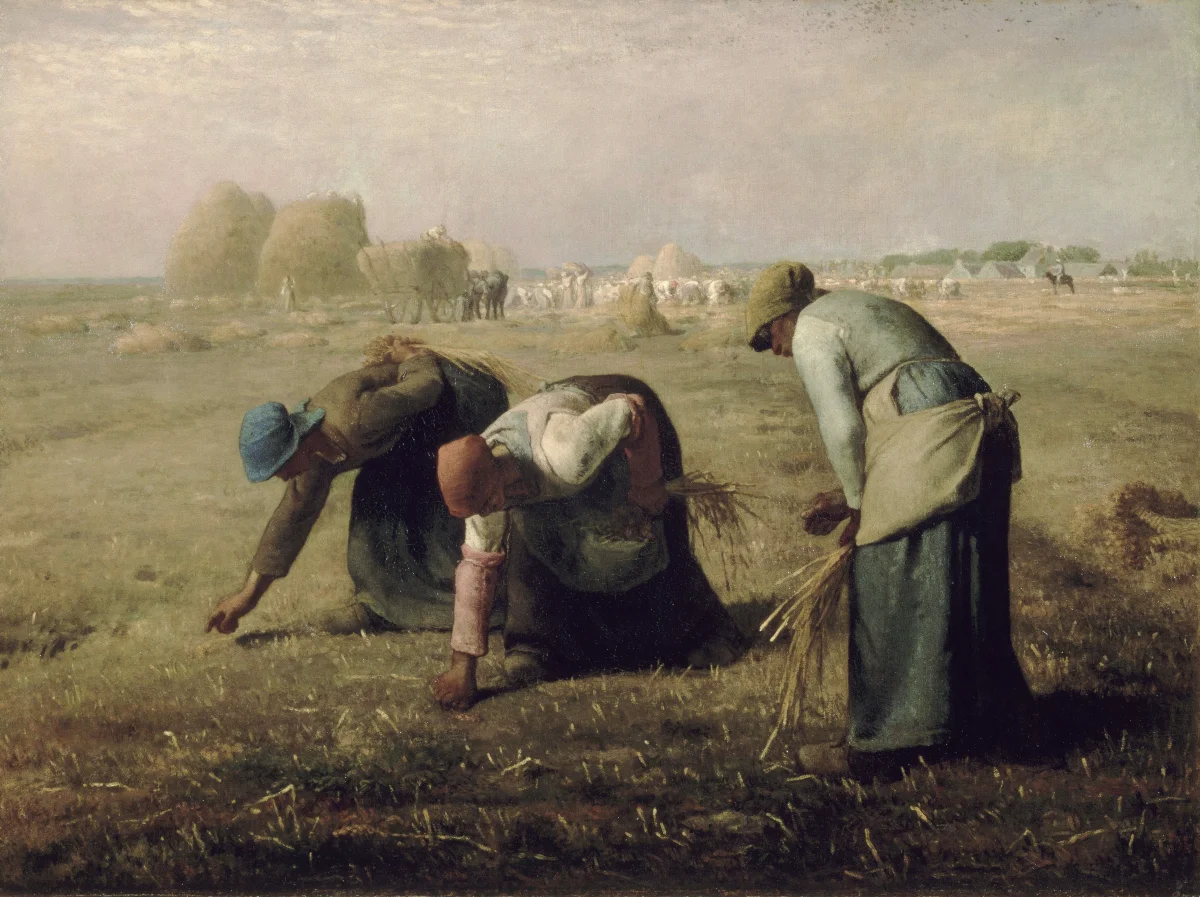
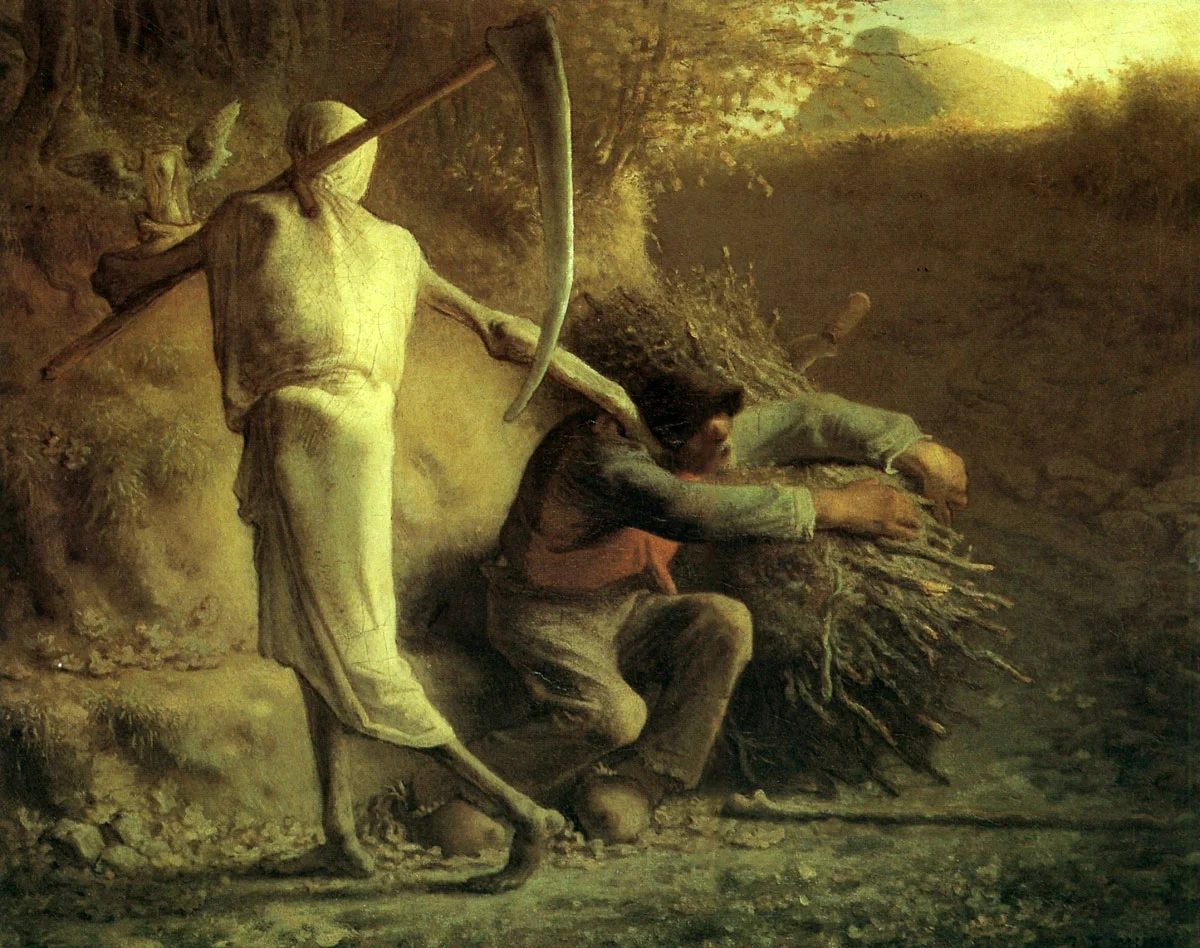
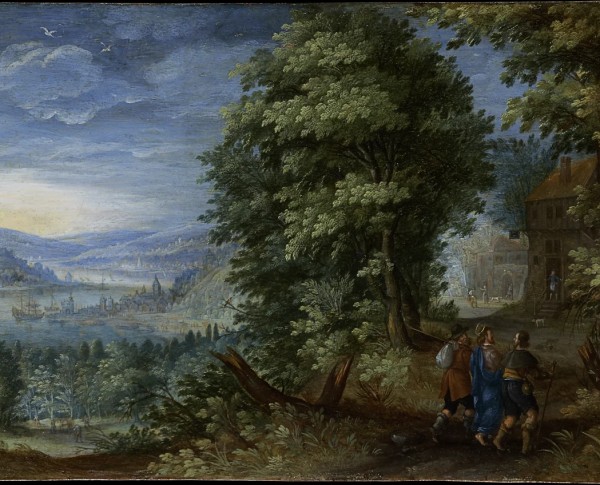
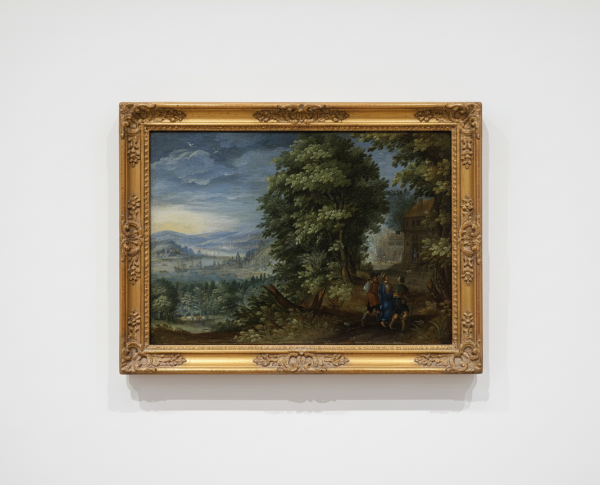
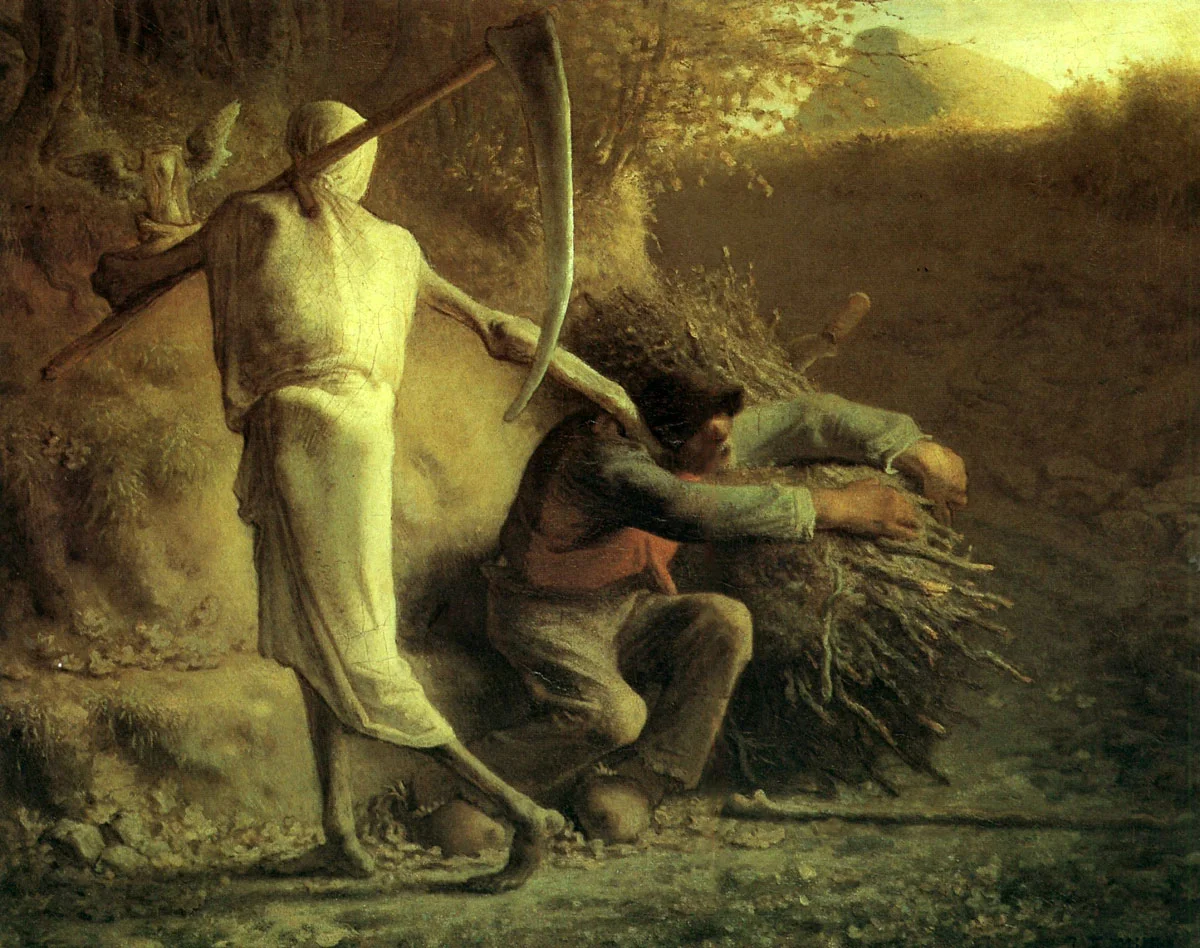
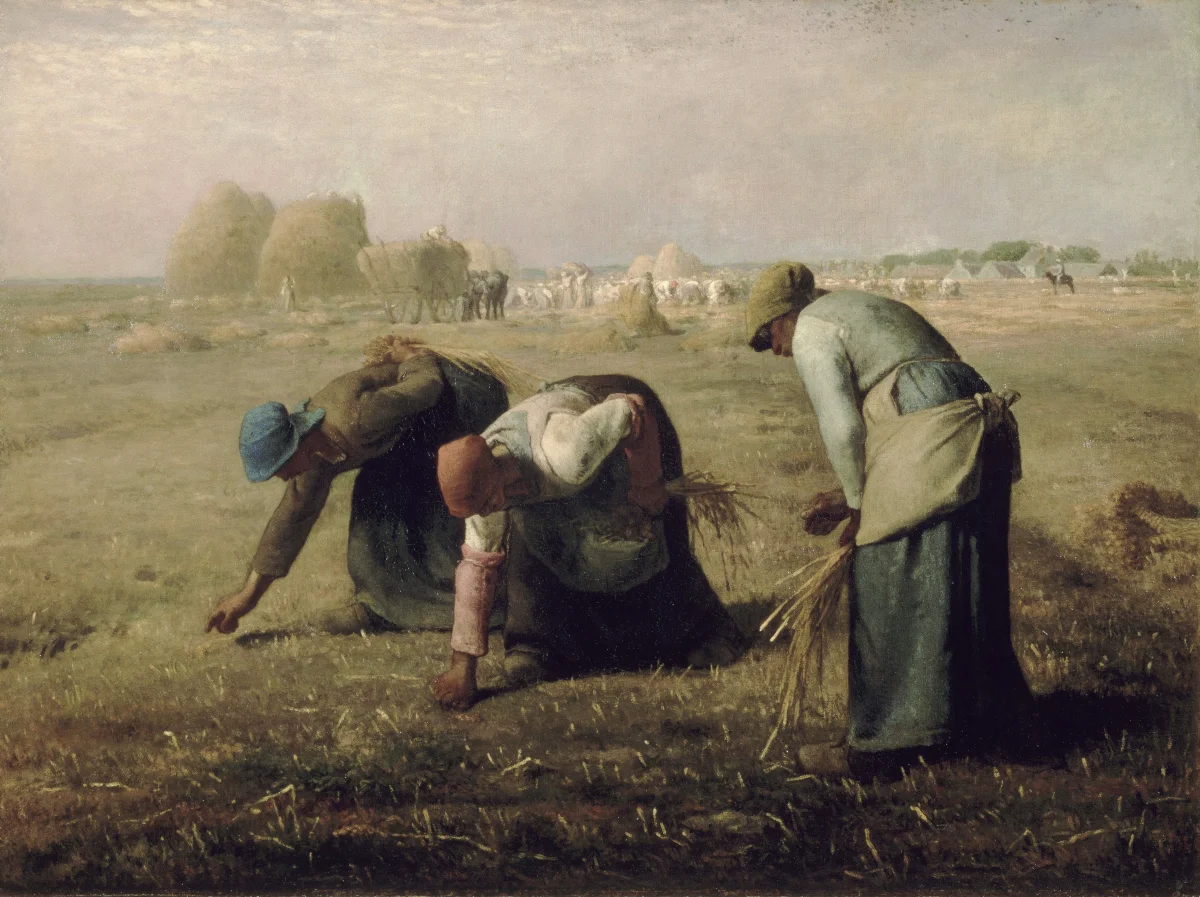
Millet’s exceptional technique is clear in the detailed brushwork and earthy tones of this oil on canvas. Every stroke in "Death and the Woodcutter" demonstrates his commitment to lifelike representation, a hallmark of the Realism movement. The interplay of light and shadow brings depth to the narrative, inviting viewers to explore the emotional landscape. Art enthusiasts seeking similar masterpieces might also enjoy "The Gleaners" or "The Walk to Work" for their masterful execution and poignant storytelling.
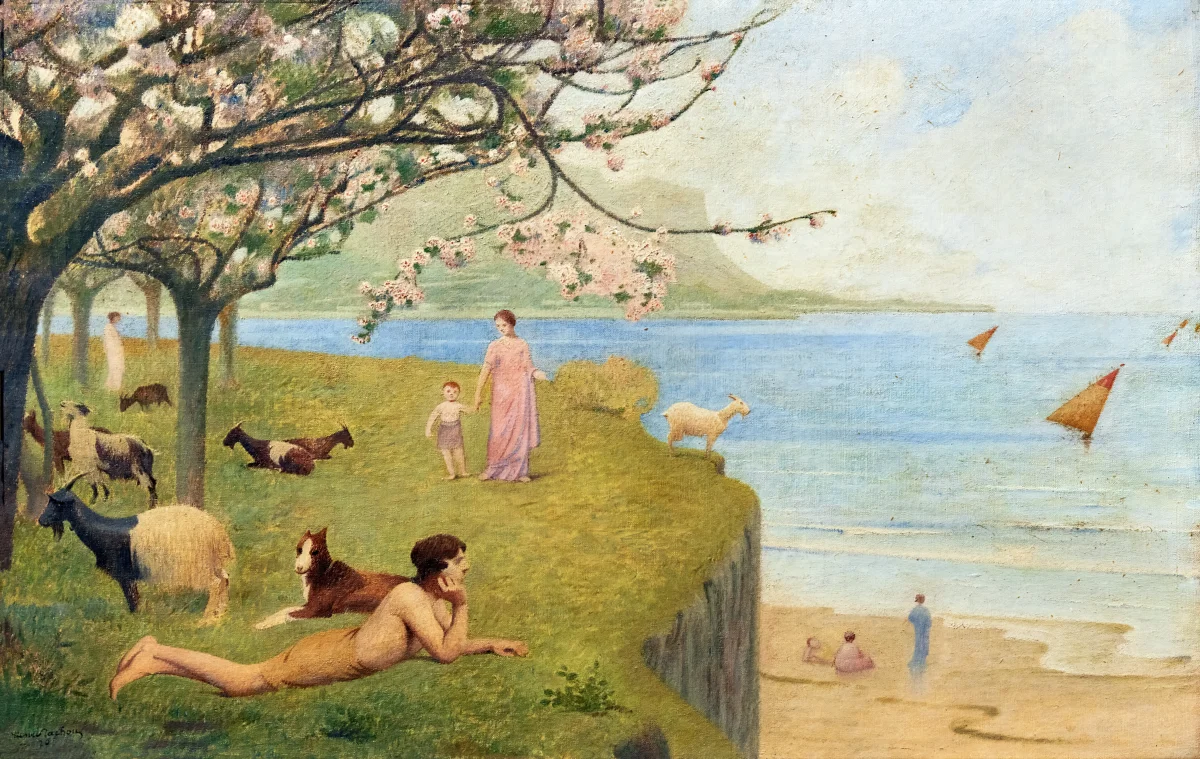
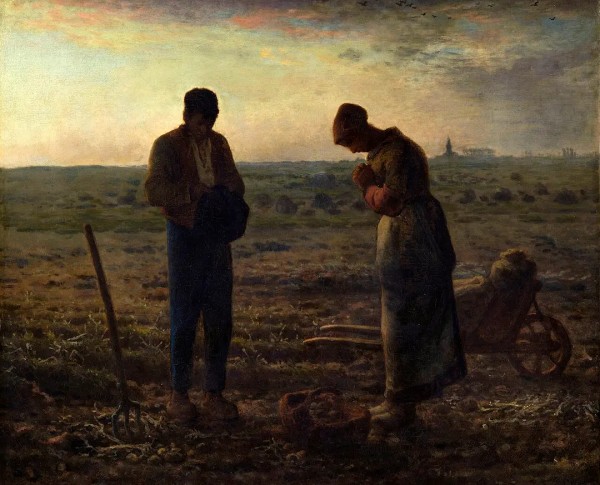
The narrative power of "Death and the Woodcutter" lies in its evocative symbolism and storytelling. Millet uses the confrontation between the weary woodcutter and the personification of death to highlight themes of mortality and perseverance. This fine art painting for sale resonates with those who appreciate allegorical depth in Realism. For those drawn to symbolic art, related works like "Le Printemps" and "The Angelus, 1857-59" further showcase Millet’s ability to weave compelling stories into his paintings.
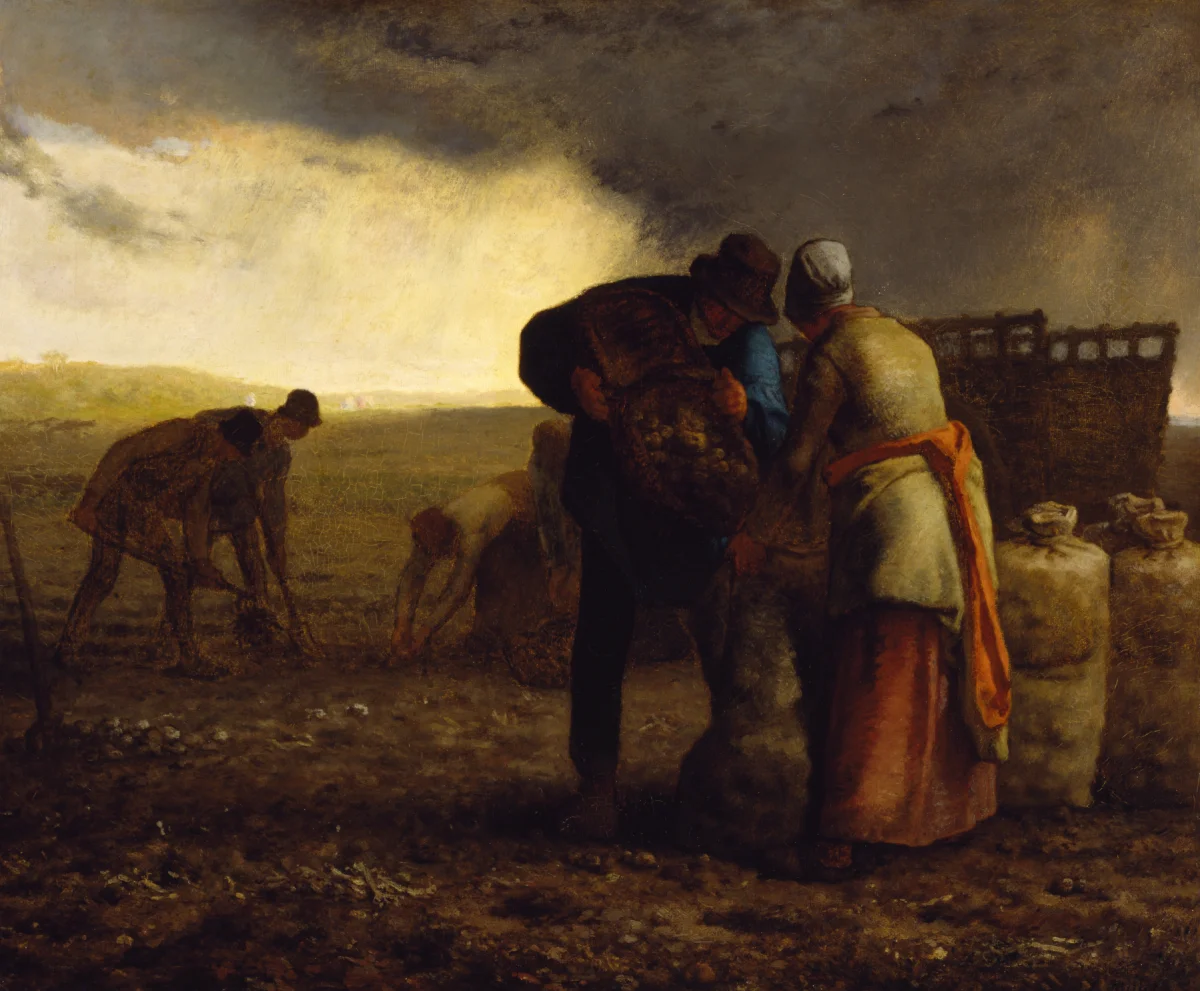
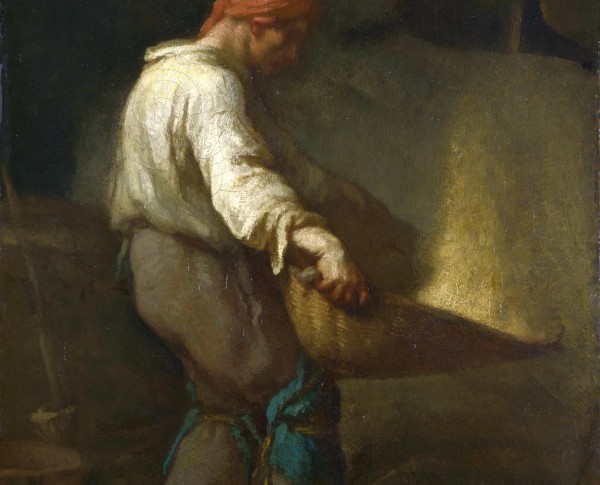
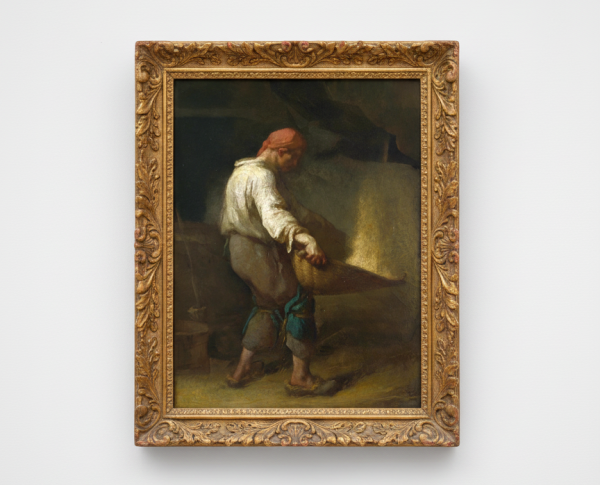
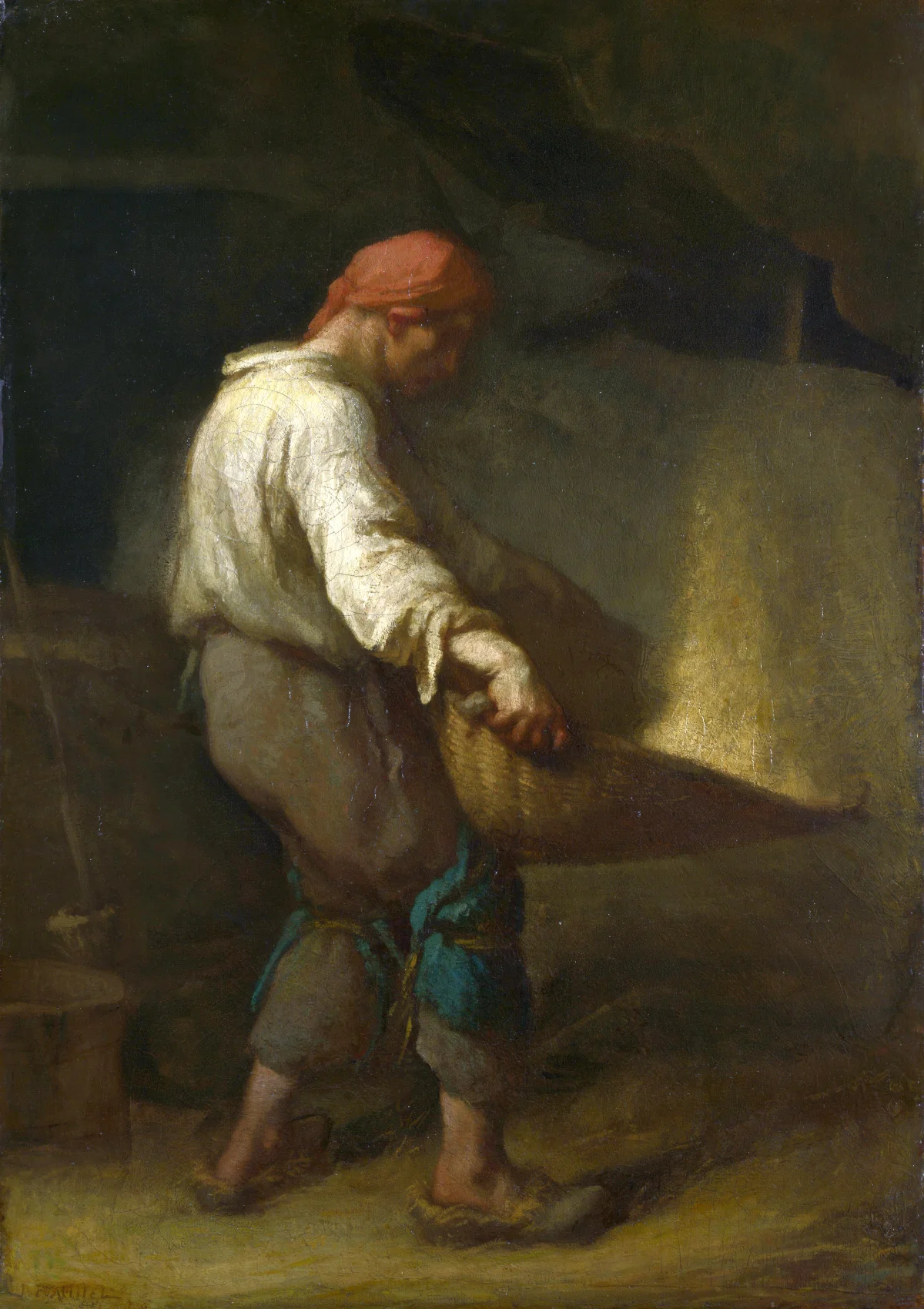
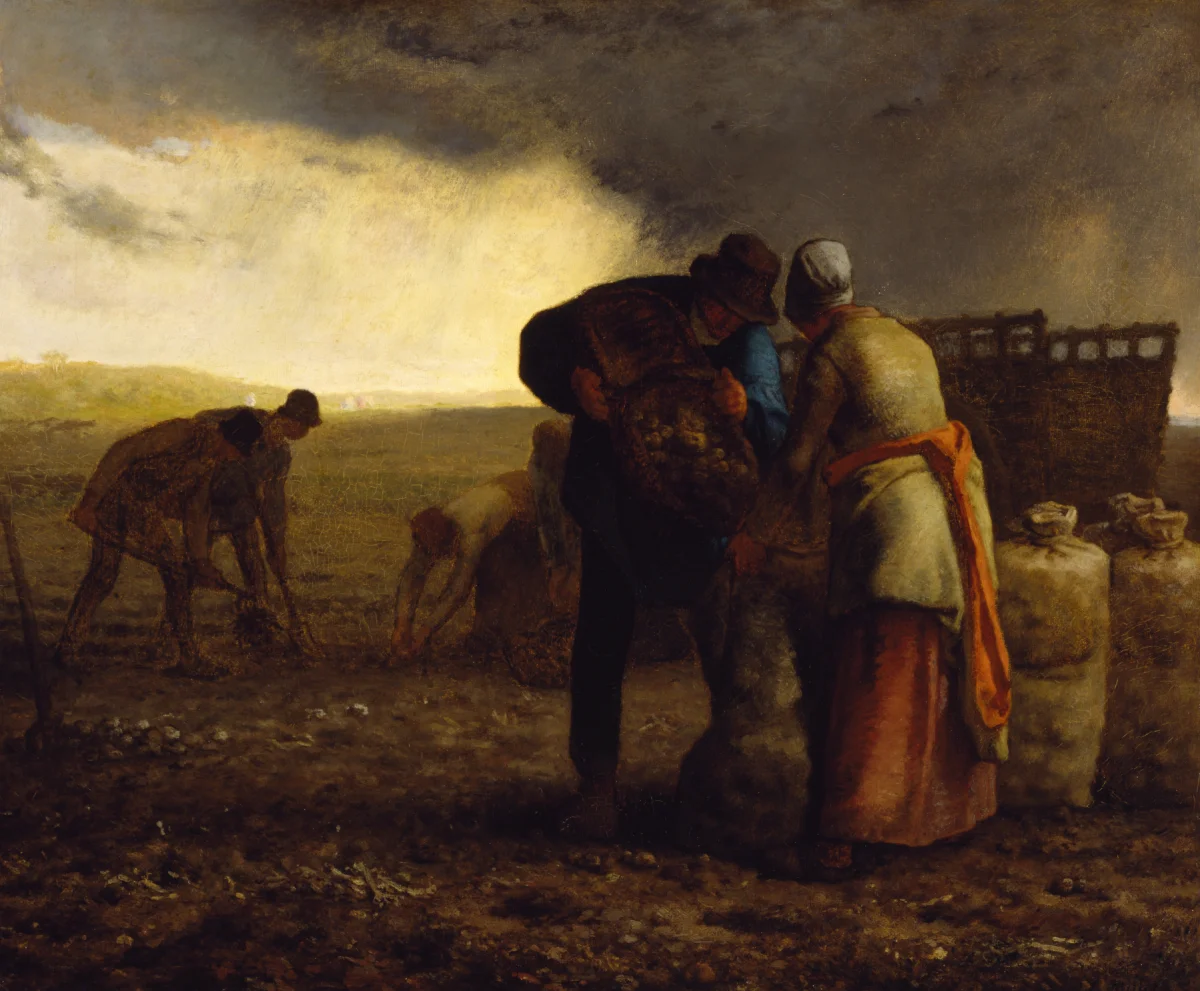
Owning "Death and the Woodcutter" by Jean-Francois Millet is an opportunity to possess a piece of Realist history. This hand-painted oil painting not only enriches any collection but also connects collectors to the timeless beauty and social commentary of the 19th century. Those interested in expanding their collection can consider other works by Millet, such as "The Winnower" and "The Potato Harvest," as well as "The Angelus, 1857-59," all celebrated staples of fine art painting for sale.
When Art Meets History
"Death and the Woodcutter" by Jean-Francois Millet stands as a testament to the Realism movement, capturing the hardships and truths of rural life in the 19th century. This hand-painted oil painting draws inspiration from classic fables and the everyday struggles of common people. Millet, also known for works like "Rye Fields" and "The Sun Lit Pines," uses the story to reflect the era's social concerns, making it a significant piece for those interested in art history.
Techniques That Speak
Jean-Francois Millet’s mastery is evident in his use of oil on canvas, a medium that allows for rich color and depth. In "Death and the Woodcutter," his brushwork and attention to natural lighting bring the somber scene to life, echoing techniques seen in related paintings such as "Rain in an Oak Forest." Through careful layering and texture, Millet immerses viewers in the emotional and physical landscape of the Realism movement.
Emotions on Display
The emotional impact of "Death and the Woodcutter" is profound, as Millet’s realistic portrayal of the woodcutter’s plight evokes empathy and reflection. The fine art painting for sale resonates with viewers, much like "Lady Godiva" and "Davy Crockett," by confronting themes of mortality, labor, and the human condition. Millet’s ability to express such deep emotion through his art solidifies his reputation within the Realism movement.
Coveted by Collectors
As a prime example of 19th-century Realism, "Death and the Woodcutter" is highly sought-after by art enthusiasts and collectors worldwide. The allure of owning an original hand-painted oil painting by Jean-Francois Millet, whose works include "Rye Fields" and "The Sun Lit Pines," adds immense value to any collection. This piece’s historical significance and technical brilliance make it a coveted treasure in the world of fine art.
Related Realism Hand-Painted Oil Paintings by Other Artists
Other Famous Realism Artists:
Frequently Asked Questions About Death and the Woodcutter
What is the historical context of "Death and the Woodcutter"?
"Death and the Woodcutter" was painted by Jean-Francois Millet in the 19th century, a period marked by the rise of realism in art. Millet's work often reflected the struggles of rural life and the relationship between humanity and nature.
What artistic techniques did Millet use in this painting?
Millet employed a naturalistic style characterized by earthy tones and textured brushwork. The composition emphasizes the contrast between the woodcutter's toil and the looming presence of death, creating a poignant narrative.
What are the main themes represented in "Death and the Woodcutter"?
The painting explores themes of mortality, the inevitability of death, and the dignity of labor. It reflects the transient nature of life and the universal experience of death, particularly in the context of the working class.
How does Millet symbolize death in this artwork?
In "Death and the Woodcutter," death is personified as a skeletal figure, representing the inescapable fate that awaits all. This figure serves as a reminder of mortality, contrasting the vitality of the woodcutter's labor.
What role does the woodcutter play in the painting's narrative?
The woodcutter symbolizes the everyday man, engaged in the struggle for survival. His labor represents the human condition, facing the harsh realities of life while being ultimately subject to the inevitability of death.
How does the composition of the painting enhance its meaning?
The composition is balanced yet dynamic, with the woodcutter positioned prominently in the foreground, drawing the viewer's eye. The looming figure of death in the background creates a tension that underscores the painting's themes of life and mortality.
What influence did "Death and the Woodcutter" have on later artists?
This painting influenced later artists by highlighting the importance of social realism and the depiction of the working class. It inspired movements that sought to portray the struggles and dignity of everyday life in art.
What is the significance of the setting in the painting?
The rural setting reflects Millet's commitment to portraying the lives of peasants and laborers. It serves as a backdrop that emphasizes the connection between nature, labor, and the cycle of life and death.
How does "Death and the Woodcutter" reflect Millet's broader artistic philosophy?
Millet's philosophy centered on the dignity of labor and the struggles of the rural poor. This painting encapsulates his belief in the importance of depicting the human experience authentically, particularly in relation to nature and mortality.
What reactions did "Death and the Woodcutter" receive upon its exhibition?
The painting elicited mixed reactions, with some viewers appreciating its profound commentary on life and death, while others found its somber themes challenging. Over time, it has come to be regarded as a significant work in the canon of realist art.






















_GFM_Painting_(1).webp)


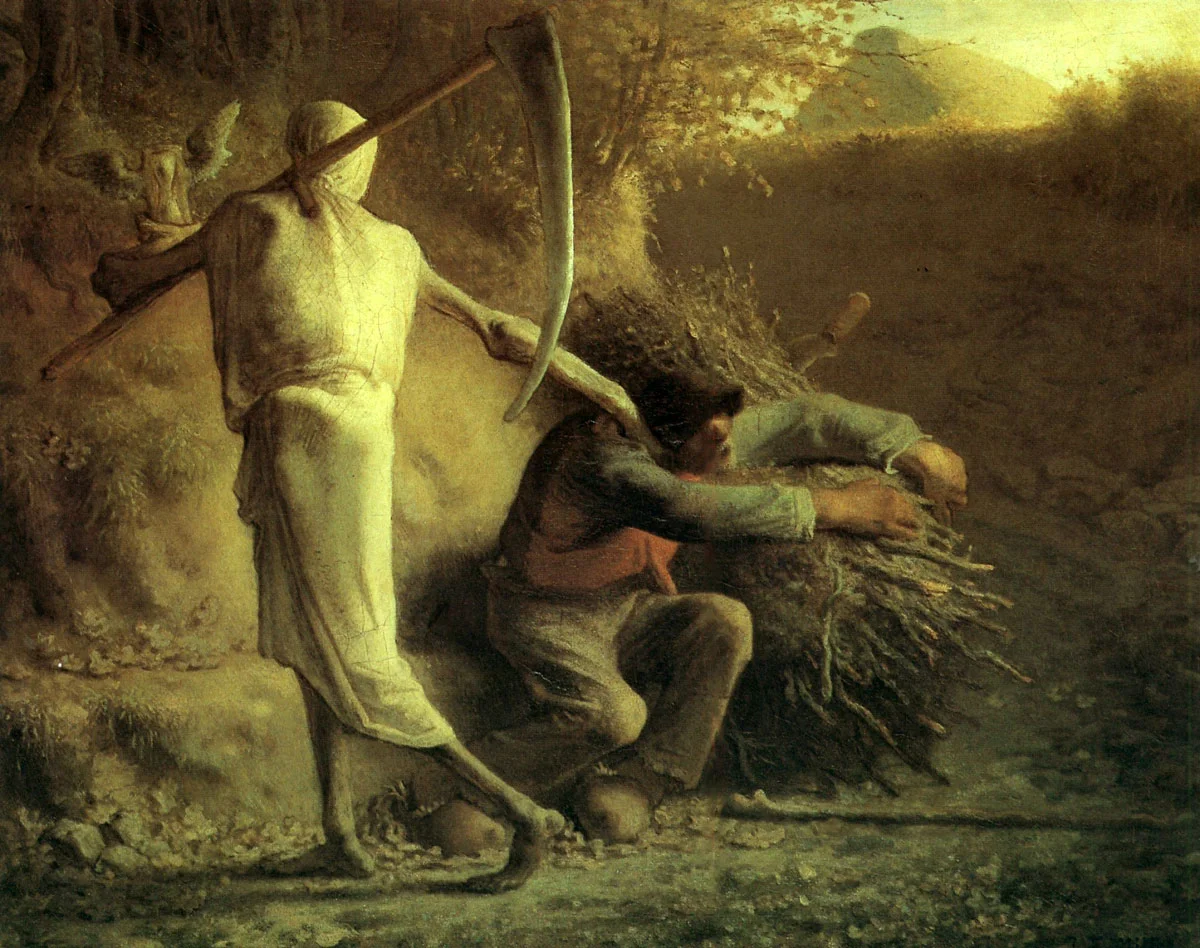
 100% Hand-Painted: Finished in 3-6 Weeks

.png)
















_(1).webp)