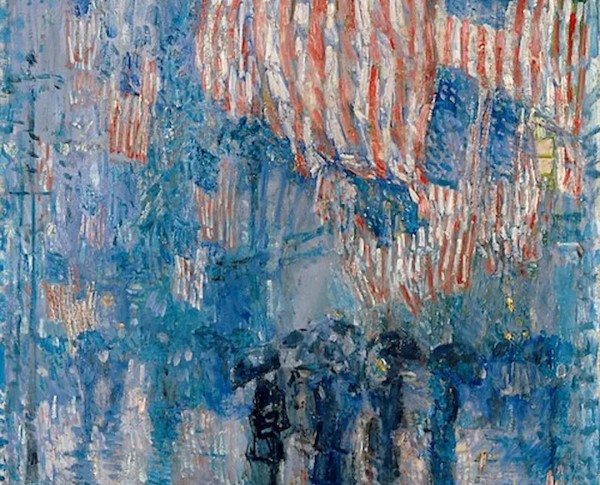
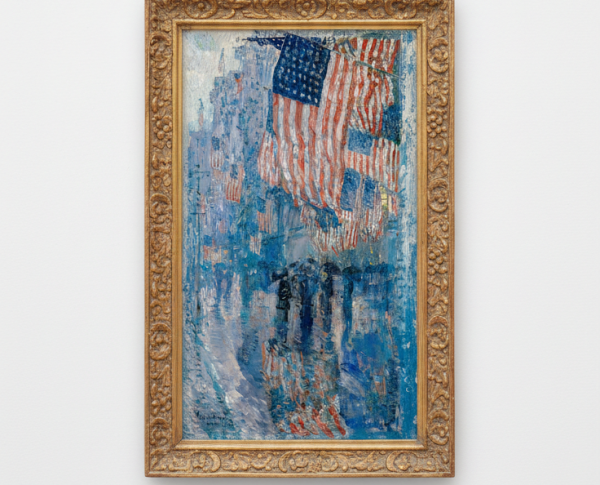
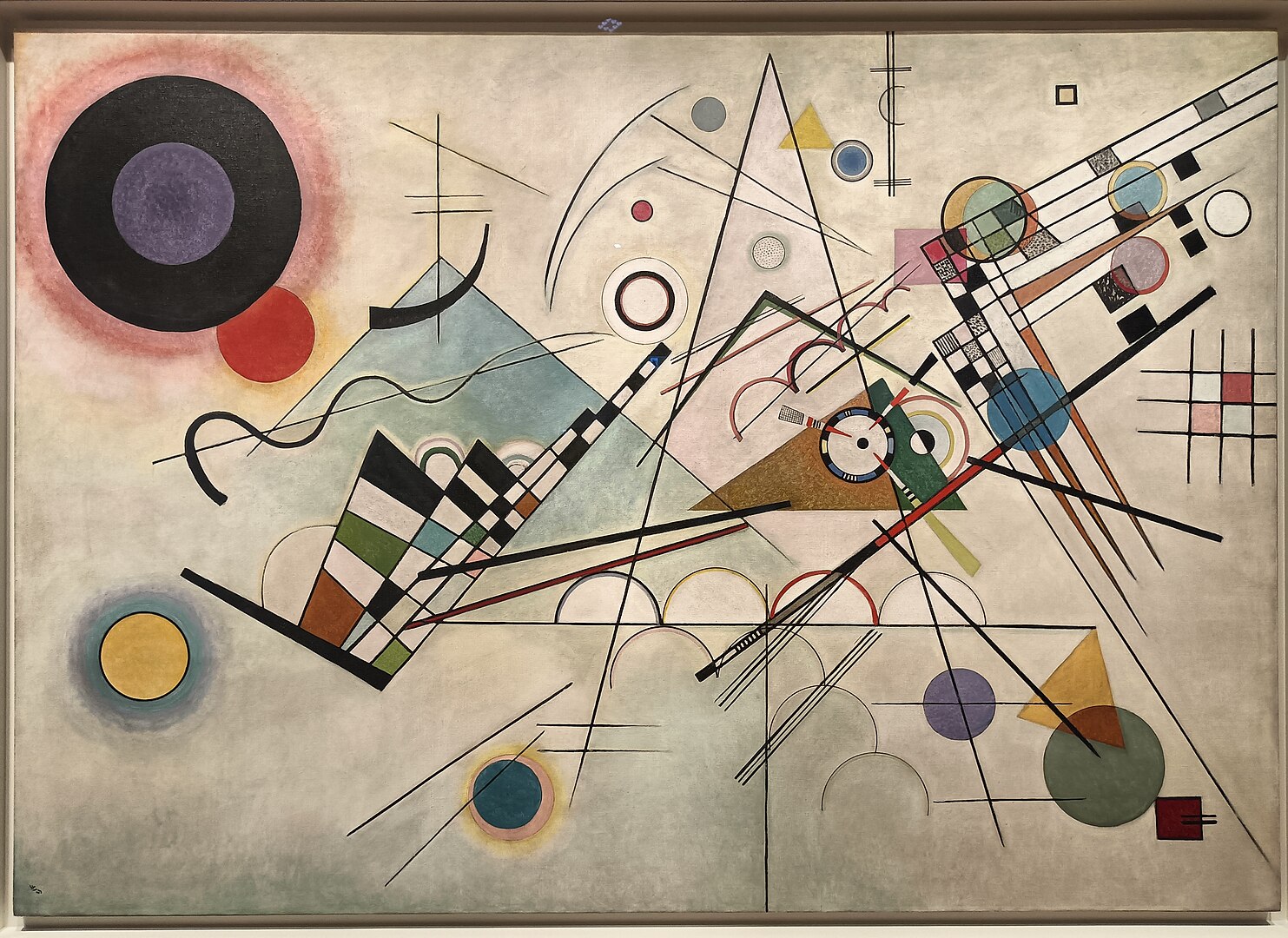
The exceptional technique employed by Frederick Childe Hassam in "Q17492683" showcases his mastery with oil on canvas. Each brushstroke offers a glimpse into the artist’s dedication to detail and movement, hallmarks of American Impressionism. The luminous palette and dynamic composition evoke a sense of immediacy and emotion, making this work a must-see for enthusiasts. Collectors may also appreciate the artistry found in related works such as "Cliff Rock--Appledore" and "The Avenue in the Rain."
"Q17492683" is more than just a fine art painting for sale; it is a narrative woven through color and form. Frederick Childe Hassam imbued this American Impressionist masterpiece with subtle symbolism and personal stories, inviting viewers to explore its deeper meanings. Art lovers often find parallels in the artist’s other works, including "Cliff Rock--Appledore" and "The Avenue in the Rain," which similarly blend storytelling with visual beauty, making each piece a conversation starter.
For collectors and enthusiasts, acquiring a hand-painted oil painting by Frederick Childe Hassam such as "Q17492683" is a true privilege. This American Impressionism gem not only enhances any collection but also connects the owner to a pivotal era in art history. Those captivated by Hassam’s style may also consider related products like "Cliff Rock--Appledore" and "The Avenue in the Rain," each offering their own unique glimpse into the world of fine American Impressionist art.
When Art Meets History
Frederick Childe Hassam, a celebrated figure in the American Impressionism movement, created the remarkable hand-painted oil painting known as "Q17492683." This masterpiece captures a unique moment in history, blending light and color in a way that only Hassam could achieve. Like his contemporaries who crafted works such as "The Death Song of Lone Wolf" and "Voyageurs," Hassam's art offers a glimpse into the evolving American spirit of the era.
Techniques That Speak
Employing his signature style, Hassam used oil on canvas to bring "Q17492683" to life, utilizing short, vibrant brushstrokes to capture fleeting moments and natural light. The techniques seen here are hallmarks of American Impressionism, reminiscent of those found in related paintings like "Whose Meat?" and "Spearing a Buffalo." Through this method, Hassam not only showcased his technical prowess but also contributed to the movement’s lasting influence in fine art.
Emotions on Display
"Q17492683" radiates the emotional depth characteristic of a fine art painting for sale by Frederick Childe Hassam. The interplay of color and light evokes a sense of nostalgia and tranquility, drawing viewers into the scene. This emotional resonance aligns with other American Impressionism masterpieces, including "Buffalo Hunt," where artists sought to capture not just the visual world but also the feelings and moods of their subjects.
Coveted by Collectors
Frederick Childe Hassam’s "Q17492683" remains a highly sought-after hand-painted oil painting among collectors of American Impressionism. Like related works such as "Voyageurs" and "The Death Song of Lone Wolf," this painting's historical significance and exquisite technique make it a prized piece. Collectors value the uniqueness and artistry of Hassam's creations, ensuring their place in prestigious galleries and private collections around the world.
Related American Impressionism Hand-Painted Oil Paintings by Other Artists
Other Famous American Impressionism Artists:
Frequently Asked Questions About Q17492683
What is the historical context of "Q17492683"?
"Q17492683" was created during the late 19th to early 20th century, a period marked by significant changes in American society, including industrialization and urbanization. This era influenced many artists, including Frederick Childe Hassam, who sought to capture the evolving American landscape.
What artistic movement is "Q17492683" associated with?
The painting is associated with Impressionism, a movement characterized by loose brushwork, vibrant colors, and an emphasis on light and atmosphere. Hassam was a key figure in bringing Impressionism to America, adapting its principles to reflect the American experience.
What techniques did Hassam use in "Q17492683"?
Hassam employed techniques such as broken brushstrokes and a vibrant palette to convey the effects of light and movement. His use of color and texture creates a sense of immediacy and captures the fleeting moments of everyday life.
What themes are explored in "Q17492683"?
The painting explores themes of modernity and the American identity. It reflects the artist's fascination with urban life and the changing landscapes of America, often portraying scenes that evoke a sense of nostalgia and connection to nature.
How does "Q17492683" reflect Hassam's style?
The painting exemplifies Hassam's signature style, characterized by bright colors, dynamic compositions, and a focus on light. His ability to capture the essence of a moment is evident in the lively brushwork and the emotional resonance of the scene.
What symbolism can be found in "Q17492683"?
Symbolically, "Q17492683" may represent the intersection of nature and urban life, highlighting the coexistence of these two realms. The elements depicted in the painting often serve as metaphors for broader themes of progress and change in American society.
How does "Q17492683" compare to other works by Hassam?
What impact did "Q17492683" have on American art?
The painting contributed to the broader acceptance of Impressionism in America, influencing subsequent generations of artists. It helped to establish a distinctly American voice within the Impressionist movement, paving the way for future explorations of modern themes in art.
What is the significance of the color palette used in "Q17492683"?
The color palette in "Q17492683" is significant as it reflects the vibrancy of the American landscape. Hassam’s choice of colors enhances the emotional impact of the painting, evoking a sense of vitality and connection to the environment.
How has "Q17492683" been received by critics and art historians?
"Q17492683" has been well-received by critics and art historians, who recognize it as a pivotal work that encapsulates Hassam's artistic vision. Its historical and cultural significance continues to be a subject of study and admiration within the art community.
















_GFM_Painting_(1).webp)



 100% Hand-Painted: Finished in 3-6 Weeks

.png)















_(1).webp)