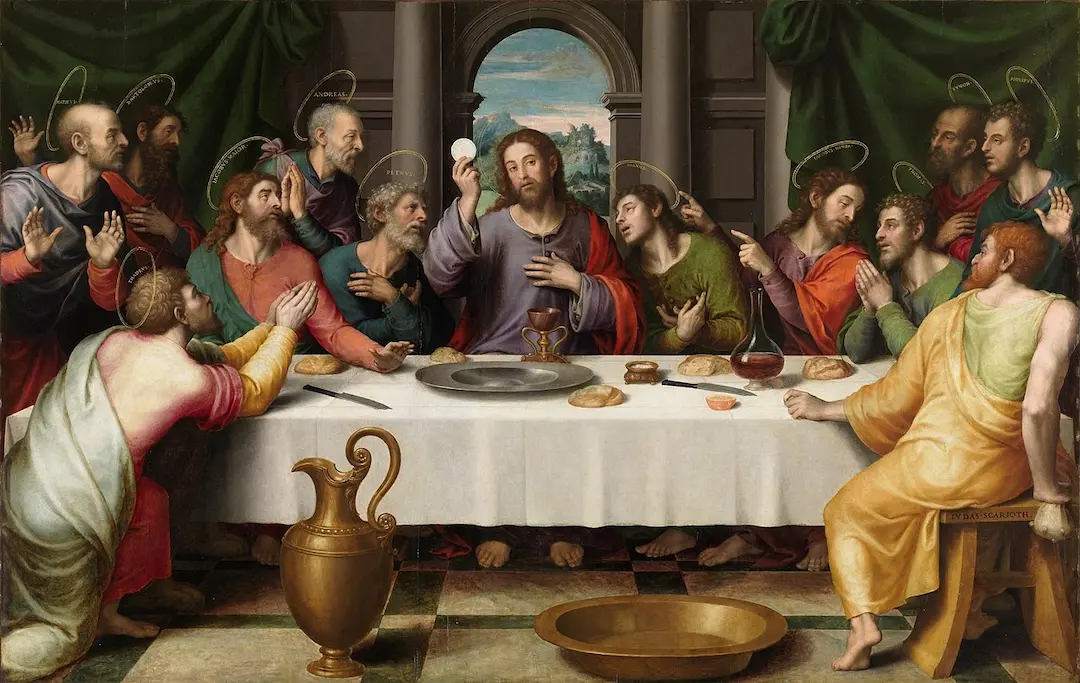
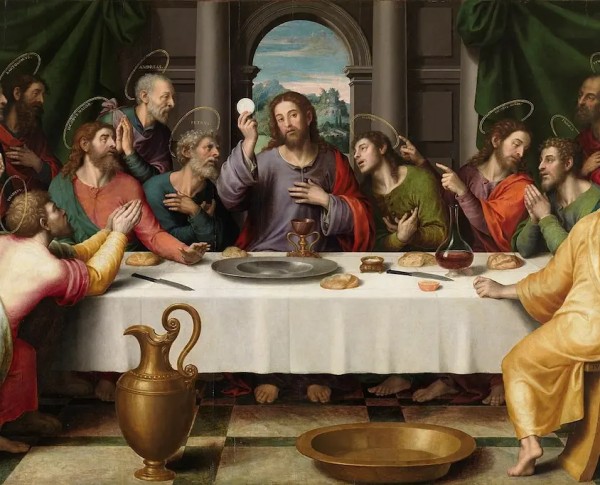
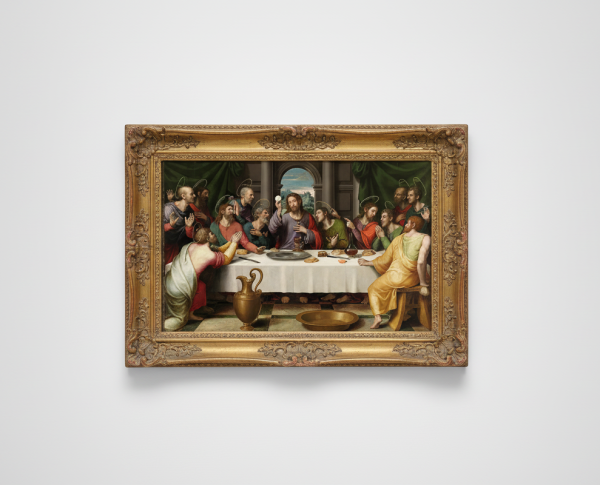
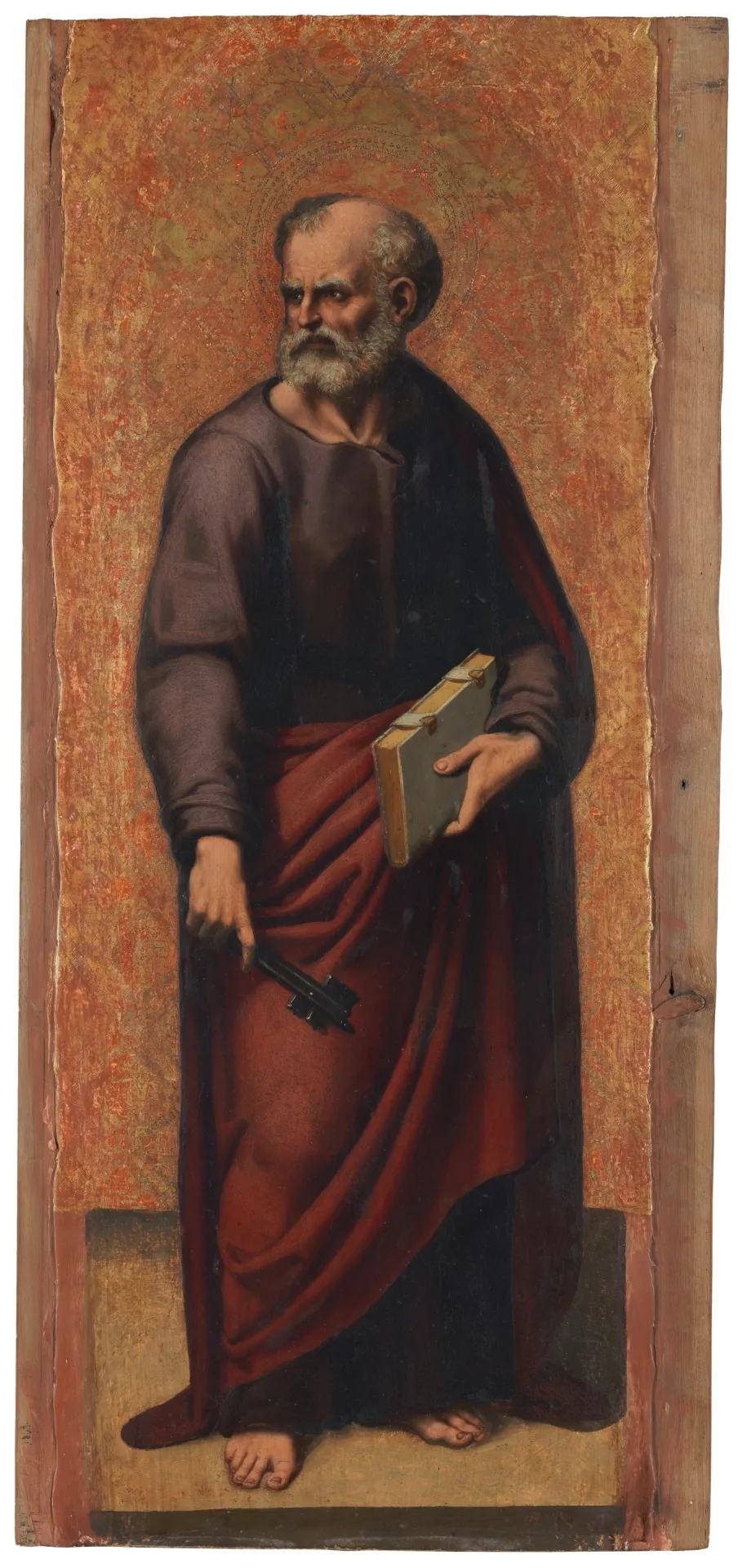
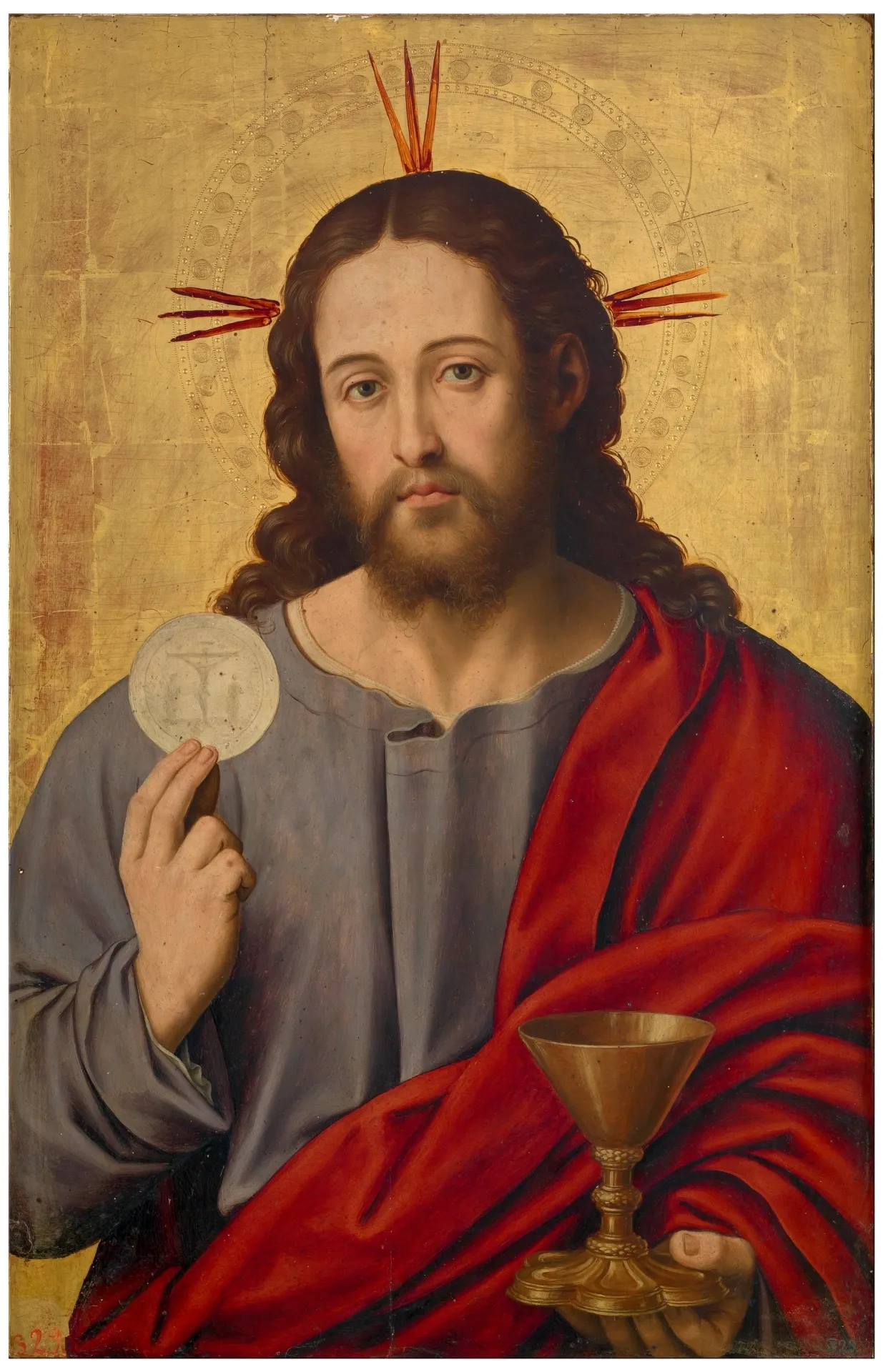
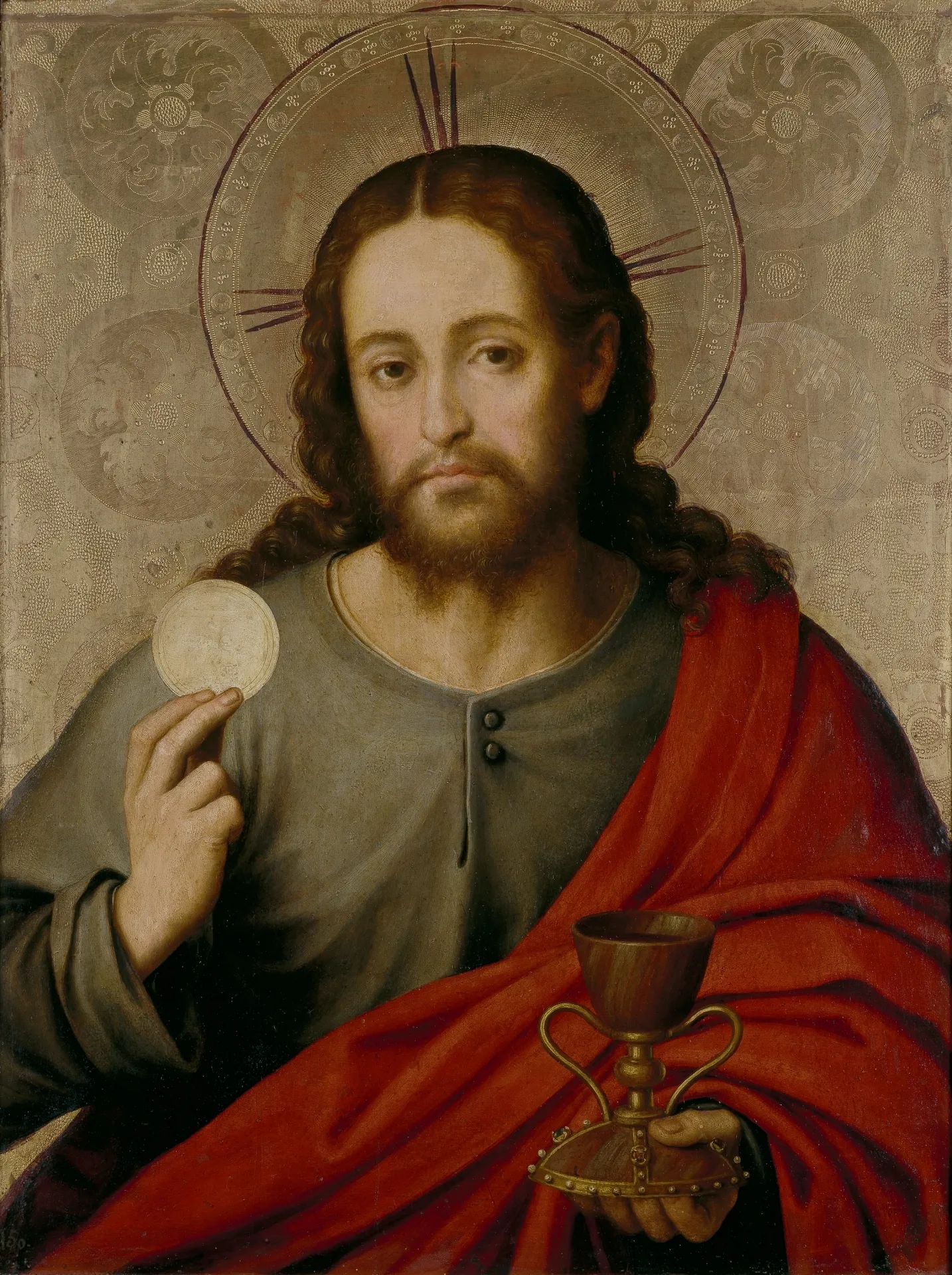
"San Pedro" is a remarkable hand-painted oil painting created by Vicente Juan Juan de Juanes, also known as Masip (Macip), a prominent figure of the Spanish Renaissance movement. This exquisite work reflects the spiritual fervor and artistic innovation of its time. As with other masterpieces by this artist, including "The Last Supper (2) 1560s," "San Pedro" continues to inspire collectors and art enthusiasts seeking authentic hand-painted oil paintings from the Spanish Renaissance era.
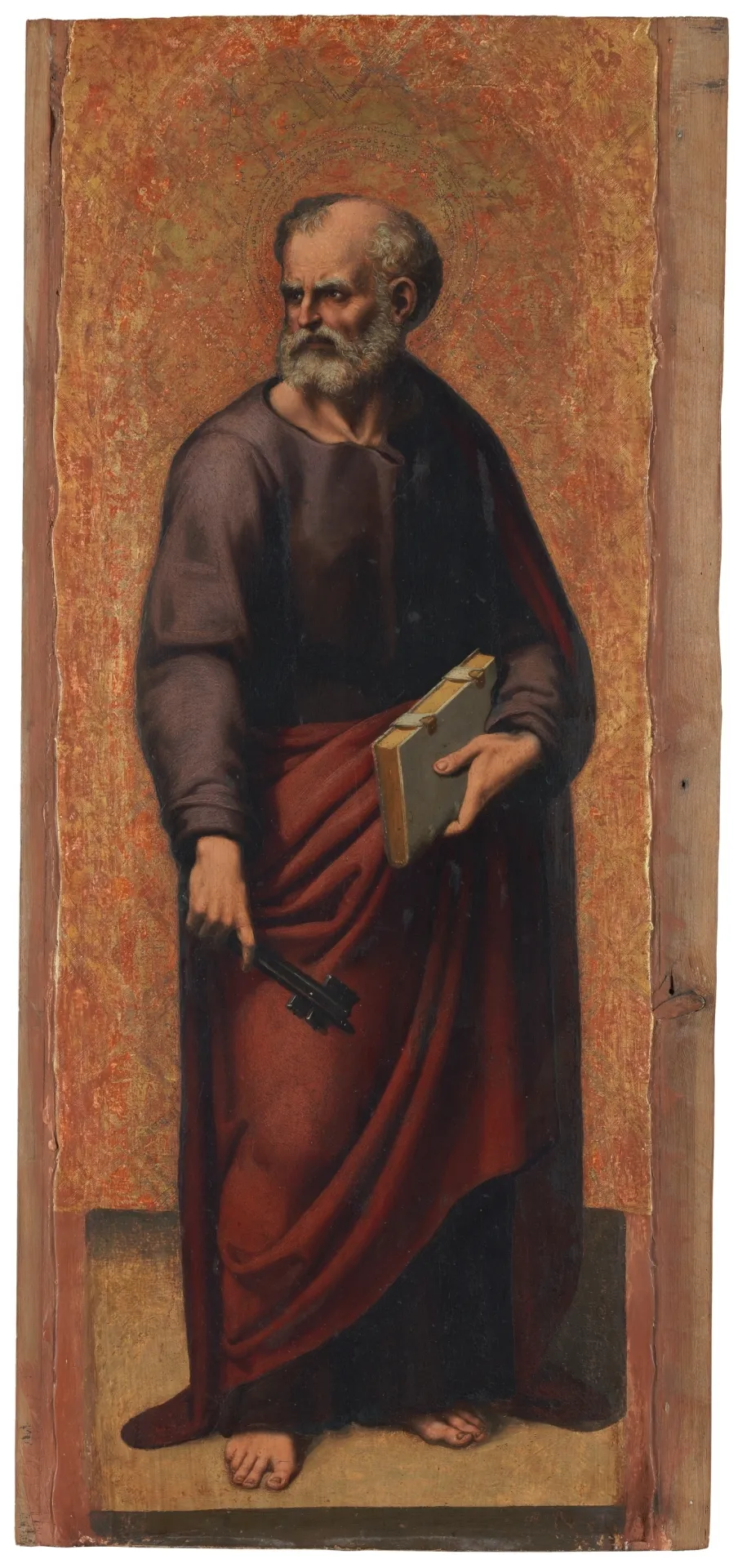
"San Pedro" by Vicente Juan Juan de Juanes / Masip (Macip) is more than just a fine art painting for sale; it is a narrative woven with religious symbolism and rich Spanish Renaissance iconography. The depiction of Saint Peter, with his iconic keys and solemn expression, invites viewers to reflect on faith and redemption. Collectors often pair this work with related products like "The Last Supper (2) 1560s" to enhance their appreciation of Renaissance storytelling.
For those seeking a fine art painting for sale that embodies the spirit of the Spanish Renaissance, "San Pedro" by Vicente Juan Juan de Juanes / Masip (Macip) is an unparalleled choice. Its historical significance and artistic mastery make it a coveted addition to any collection. Enthusiasts often pursue related works, such as "The Last Supper (2) 1560s," to complement their selection of timeless masterpieces from this celebrated artistic movement.
When Art Meets History
San Pedro by Vicente Juan Juan de Juanes, also known as Vicente Macip, stands as a masterful example of the Spanish Renaissance. This hand-painted oil painting captures the religious fervor and artistic innovation of 16th-century Spain. Juanes, inspired by Italian masters, contributed significantly to religious iconography. San Pedro, alongside other sacred works, reflects the era's devotion and the artist's pivotal role in shaping Spanish fine art. This painting remains a testament to art meeting history in a transformative period.
Techniques That Speak
The artist skillfully employed oil on canvas to create San Pedro, showcasing his renowned technique of luminous color and delicate brushwork. Vicente Juan Juan de Juanes layered translucent glazes, achieving depth and realism that define the Spanish Renaissance. His precise rendering of textures and subtle play of light evoke a spiritual atmosphere. Oil on canvas enabled Juanes to blend colors seamlessly, a hallmark of his related paintings, further elevating the expressive power of his art.
Emotions on Display
San Pedro radiates profound emotion, a signature of Vicente Juan Juan de Juanes’ style within the Spanish Renaissance. The saint’s gentle gaze and expressive hands evoke reverence and introspection. This fine art painting for sale captures the spiritual longing and human vulnerability so cherished in Renaissance religious works. Through San Pedro and his related paintings, Juanes invites viewers to connect deeply with the emotional core of his subjects, making his art timelessly moving.
Coveted by Collectors
San Pedro is highly sought after by collectors who value Spanish Renaissance masterpieces. Vicente Juan Juan de Juanes’ unique approach and mastery of hand-painted oil painting techniques make his works, including this one, exceptional additions to any collection. The demand for fine art painting for sale from this period continues to grow, with San Pedro standing out for its historical significance, technical brilliance, and emotional depth, paralleling the allure of Juanes’ related paintings.
Frequently Asked Questions About San Pedro
What is the historical significance of "San Pedro"?
"San Pedro," painted by Vicente Juan Juan de Juanes, is significant as it reflects the religious fervor of the Spanish Renaissance and the Counter-Reformation period, emphasizing the importance of saints in Catholic devotion.
What artistic techniques did Vicente Juan Juan de Juanes employ in "San Pedro"?
The artist utilized oil on canvas to create a rich texture and depth, employing chiaroscuro to enhance the three-dimensionality of the figure and to convey a sense of divine illumination.
What symbols are present in "San Pedro" and what do they represent?
The keys held by Saint Peter symbolize his role as the gatekeeper of Heaven, representing authority and the power to bind and loose, which is central to his apostolic mission.
How does "San Pedro" reflect the characteristics of the Spanish Renaissance?
The painting exemplifies the Spanish Renaissance through its emphasis on religious themes, realistic human figures, and the integration of emotional expression, showcasing the era's artistic priorities.
What influences can be seen in the style of "San Pedro"?
Juanes' style is influenced by the Venetian school, particularly in the use of color and light, as well as by the works of earlier Spanish masters, which can be seen in the meticulous attention to detail and composition.
What is the significance of the figure of Saint Peter in Christian theology?
Saint Peter is regarded as the first Pope and a foundational figure in Christianity, symbolizing faith, leadership, and the establishment of the Church, which is central to the painting's message.
In what context was "San Pedro" created?
The painting was created during a time of intense religious reform and artistic patronage in Spain, reflecting the Catholic Church's efforts to inspire devotion through art amidst the Protestant Reformation.
How does the composition of "San Pedro" contribute to its overall impact?
The composition is carefully balanced, with Saint Peter centrally positioned, drawing the viewer's eye to his expression and gestures, which enhances the emotional and spiritual resonance of the piece.
What role did Vicente Juan Juan de Juanes play in the art community of his time?
Juanes was a prominent figure in the Spanish Renaissance, known for his religious paintings, and he played a crucial role in shaping the visual language of Catholic art during a period of significant cultural transformation.
How has "San Pedro" influenced later artists and artworks?
The painting has served as an inspiration for subsequent generations of artists, who have drawn on its themes of faith and representation of saints, influencing both religious art and broader artistic movements in Spain and beyond.























_GFM_Painting_(1).webp)


 100% Hand-Painted: Finished in 3-6 Weeks

.png)












_1560s.webp)



_(1).webp)