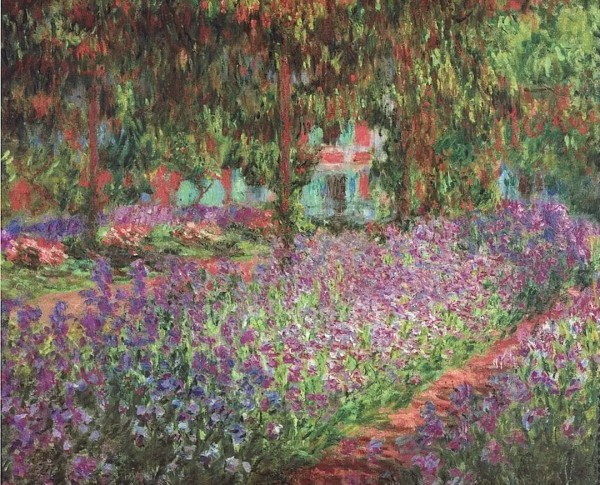
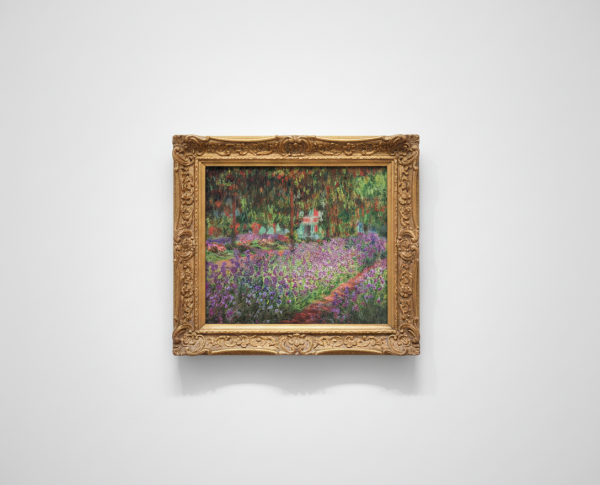
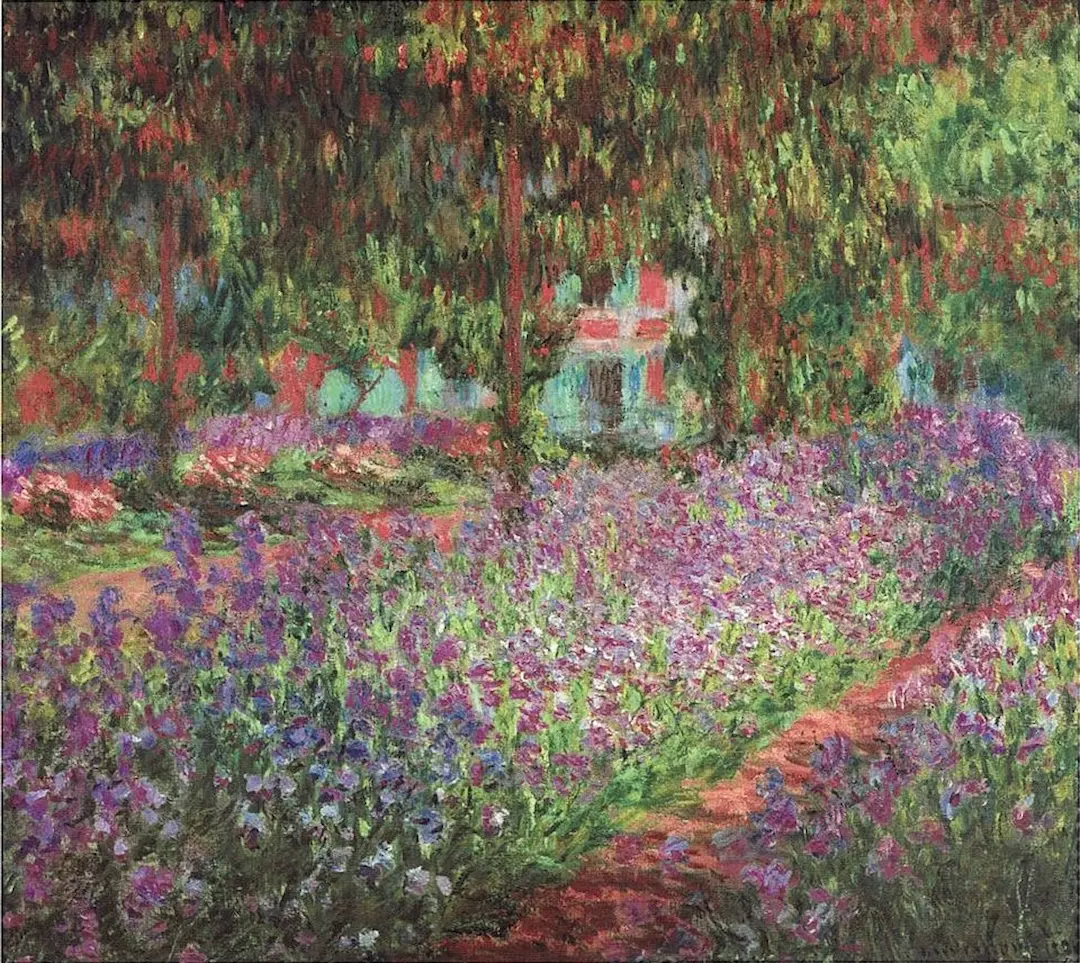
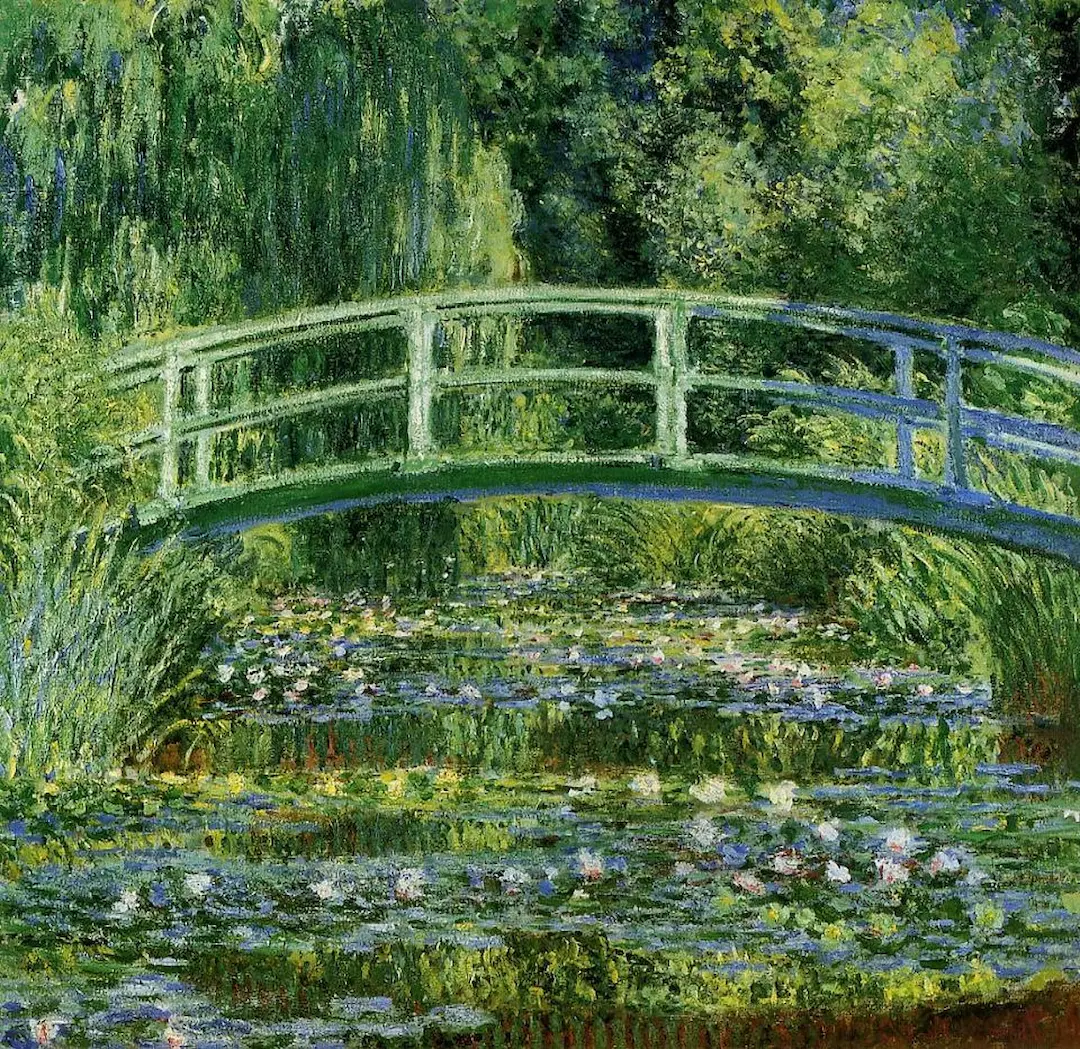
Claude Monet’s "Irises In Monets Garden" showcases his signature technique of oil on canvas, blending quick, expressive brushstrokes with a luminous palette. The Impressionism movement thrives in each detail, echoing the artist’s other masterpieces such as "Women in the Garden" and "The Poppy Field near Argenteuil." This hand-painted oil painting exemplifies Monet’s genius, offering viewers a chance to experience the fleeting beauty of nature through his innovative approach.
In "Irises In Monets Garden," Monet weaves a tapestry of color and emotion, inviting viewers to interpret the subtle stories hidden among the blooms. This fine art painting for sale resonates with themes of renewal and tranquility, much like his renowned "Woman in the Garden" and "Hôtel des Roches Noires." Through the Impressionism movement, Monet transformed simple garden scenes into powerful symbols of hope and the ever-changing seasons of life.
Owning "Irises In Monets Garden" is akin to possessing a piece of art history. This oil on canvas by Claude Monet is highly sought after among collectors, standing alongside other gems from the Impressionism movement such as "Impression, Sunrise" and "Garden at Sainte-Adresse." For those searching for a fine art painting for sale, this piece offers not only aesthetic pleasure but also a lasting investment in cultural heritage.
When Art Meets History
"Irises In Monets Garden" by Claude Monet is a celebrated example of the Impressionism movement, capturing a fleeting moment in the artist’s lush Giverny garden. Painted during the late 19th century, this hand-painted oil painting reflects a pivotal era when artists sought to break away from tradition. Monet’s work, alongside related paintings like "Umbrellas" and "Girls At The Piano2," exemplifies the transformation of fine art into a vibrant, living history on canvas.
Techniques That Speak
Monet’s mastery with oil on canvas is evident in "Irises In Monets Garden," where short, expressive brushstrokes and a vivid palette create a shimmering effect. This technique, central to Impressionism, allows light and color to dance across the scene, immersing viewers in Monet’s perspective. The painting’s approach can be compared to other works such as "Blue Dancers, c.1899" and "A Woman Seated beside a Vase of Flowers," which also showcase innovative Impressionist methods.
Emotions on Display
With "Irises In Monets Garden," Claude Monet evokes feelings of tranquility and wonder, inviting viewers to step into his beloved garden. The interplay of purples and greens stirs a sense of peace, typical of the Impressionist movement. This fine art painting for sale stands alongside masterpieces like "Le champ de courses. Jockeys amateurs près d'une voiture," capturing the emotional depth and fleeting beauty that define Monet’s oeuvre and continue to move art lovers worldwide.
Coveted by Collectors
As a celebrated Impressionist piece, "Irises In Monets Garden" is highly sought after by collectors and museums. The painting’s provenance and artistic significance make it a prized addition to any collection, especially for those passionate about hand-painted oil paintings. Its connection to Monet’s other works, such as "Umbrellas" and "A Woman Seated beside a Vase of Flowers," further enhances its desirability, solidifying its status as an iconic fine art painting for sale in the global art market.
Related Impressionism Hand-Painted Oil Paintings by Other Artists
Other Famous Impressionism Artists:
Frequently Asked Questions About Irises In Monets Garden
What is the historical significance of "Irises In Monets Garden"?
"Irises In Monets Garden" was painted in 1917, during a period when Monet was deeply engaged in exploring the beauty of his garden at Giverny. This work reflects the artist's dedication to capturing the ephemeral qualities of nature and highlights the significance of personal landscapes in his oeuvre.
How does "Irises In Monets Garden" exemplify Impressionist techniques?
The painting showcases Impressionist techniques through its loose brushwork, vibrant colors, and emphasis on light. Monet's approach to capturing the fleeting effects of sunlight on the irises demonstrates his mastery of the style, allowing viewers to experience the scene as if they were present in the garden.
What symbolism is present in "Irises In Monets Garden"?
The irises in the painting symbolize purity and hope, reflecting Monet's emotional state during a challenging time in his life. The garden itself serves as a sanctuary, representing a retreat from the turmoil of the outside world and an expression of the artist's inner peace.
In what ways does this painting reflect Monet's personal life?
"Irises In Monets Garden" is deeply personal, as it was created in Monet's own garden, which he cultivated with great care. The work reflects his connection to nature and his desire to find solace in his surroundings, particularly as he faced the loss of loved ones during World War I.
What influences can be seen in Monet's use of color in this painting?
Monet's use of color in "Irises In Monets Garden" is influenced by the color theory of the time, particularly the complementary color scheme. The vibrant purples of the irises contrast beautifully with the greens of the foliage, creating a dynamic and harmonious composition that captures the viewer's attention.
How does "Irises In Monets Garden" fit into Monet's broader body of work?
This painting is part of Monet's later works, where he increasingly focused on the themes of nature and the changing effects of light. It fits into his broader oeuvre as a continuation of his exploration of gardens and water lilies, emphasizing his lifelong fascination with the beauty of his surroundings.
What techniques did Monet use to create depth in "Irises In Monets Garden"?
Monet employed techniques such as layering and varying brushstrokes to create depth in the painting. The foreground irises are rendered with more detail, while the background is depicted with softer, more abstract forms, drawing the viewer's eye into the composition.
What role does light play in "Irises In Monets Garden"?
Light plays a crucial role in "Irises In Monets Garden," as Monet sought to capture its changing qualities throughout the day. The interplay of light and shadow enhances the three-dimensionality of the flowers and foliage, creating a sense of movement and life within the scene.
How did "Irises In Monets Garden" influence later artists?
The painting has influenced countless artists by exemplifying the principles of Impressionism and the importance of personal expression in art. Its focus on color, light, and the beauty of everyday subjects has inspired subsequent generations to explore similar themes in their work.
What is the current location of "Irises In Monets Garden"?
"Irises In Monets Garden" is part of the collection at the Musée d'Orsay in Paris, France. This museum is renowned for its extensive collection of Impressionist and Post-Impressionist masterpieces, making it a fitting home for Monet's work.






















_GFM_Painting_(1).webp)


 100% Hand-Painted: Finished in 3-6 Weeks

.png)















_(1).webp)