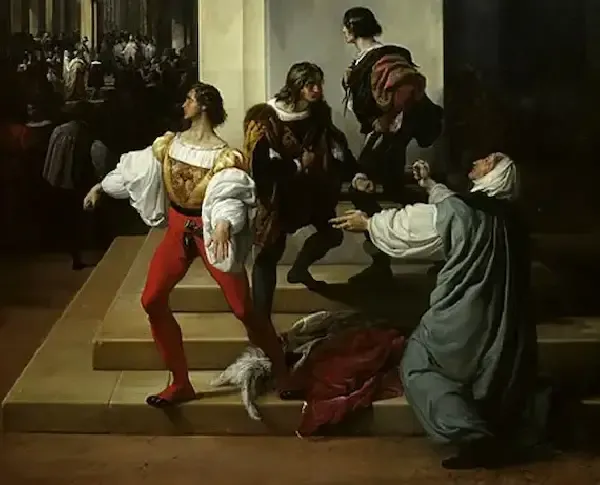
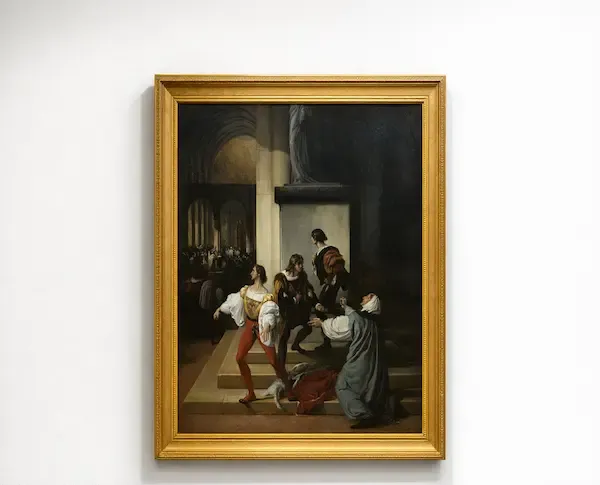
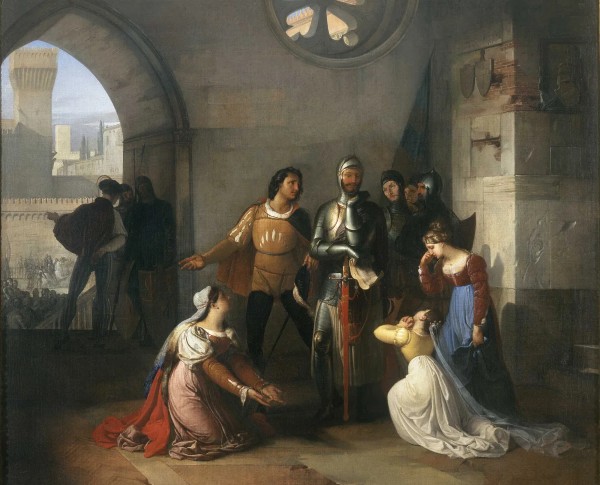
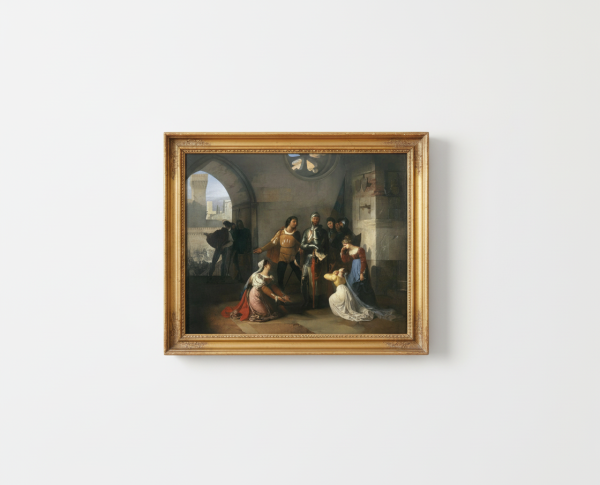
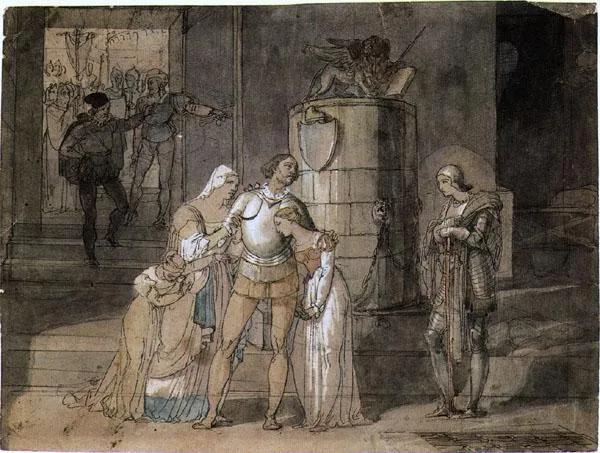
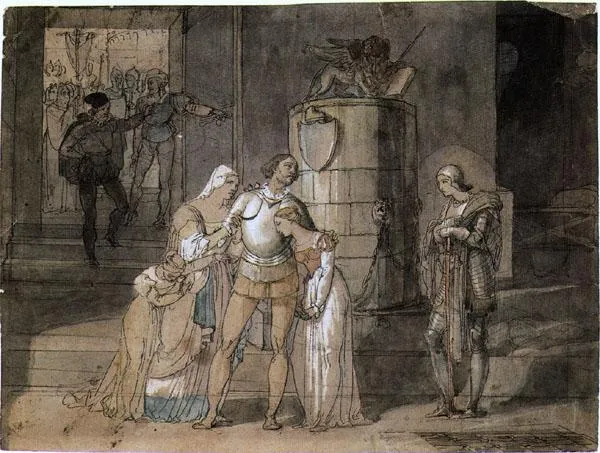
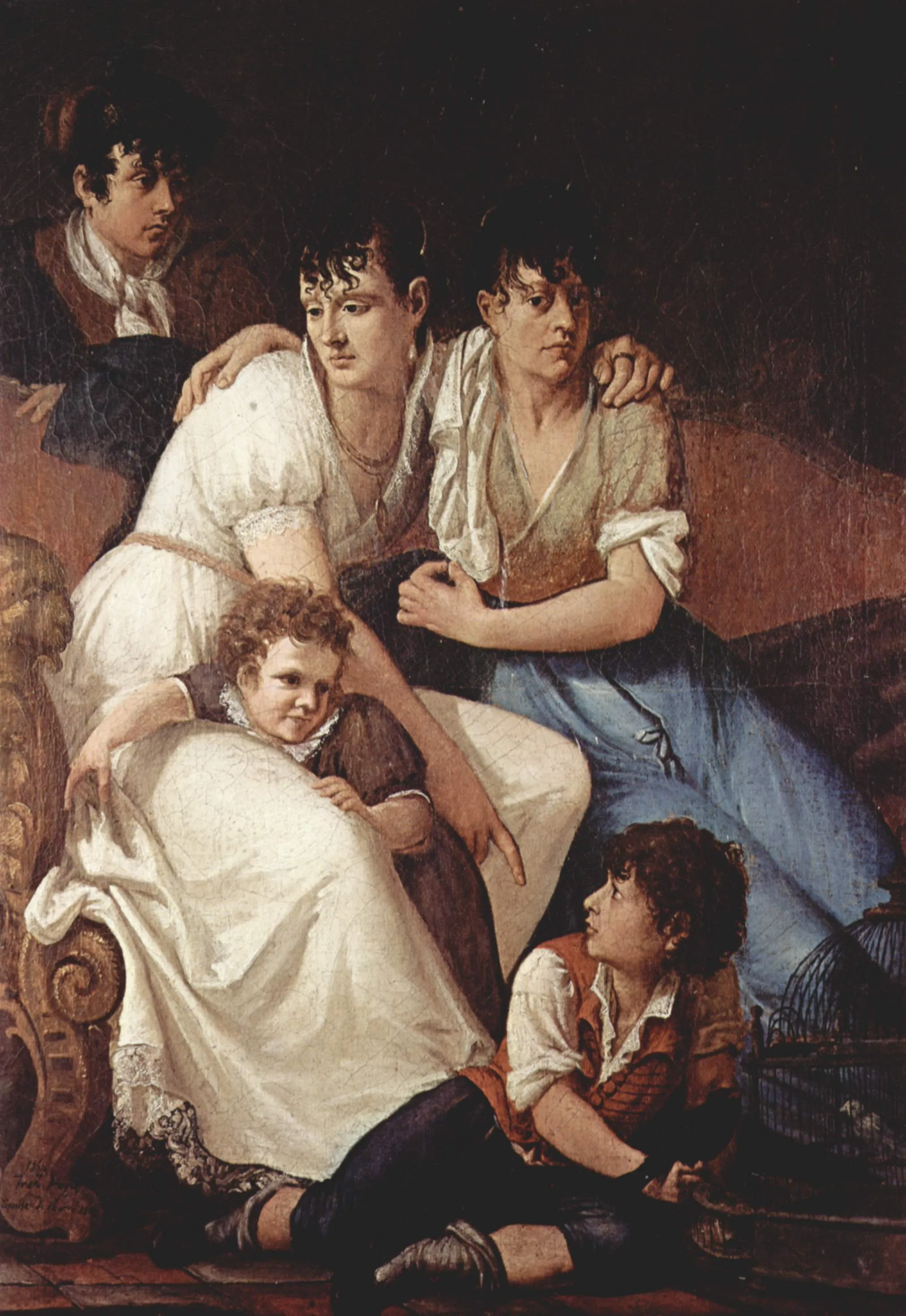
Francesco Paolo Hayez’s "The Count of Carmagnola" showcases his exceptional skill in oil on canvas, with each brushstroke bringing the subject’s character to life. The meticulous attention to detail and dynamic composition are hallmarks of the Romanticism movement. Similar to his works "Portrait of Giuseppe Roberti" and "Family portrait," this painting demonstrates Hayez’s ability to blend realism with emotion, making it a standout choice for those appreciating the mastery behind every oil on canvas creation.
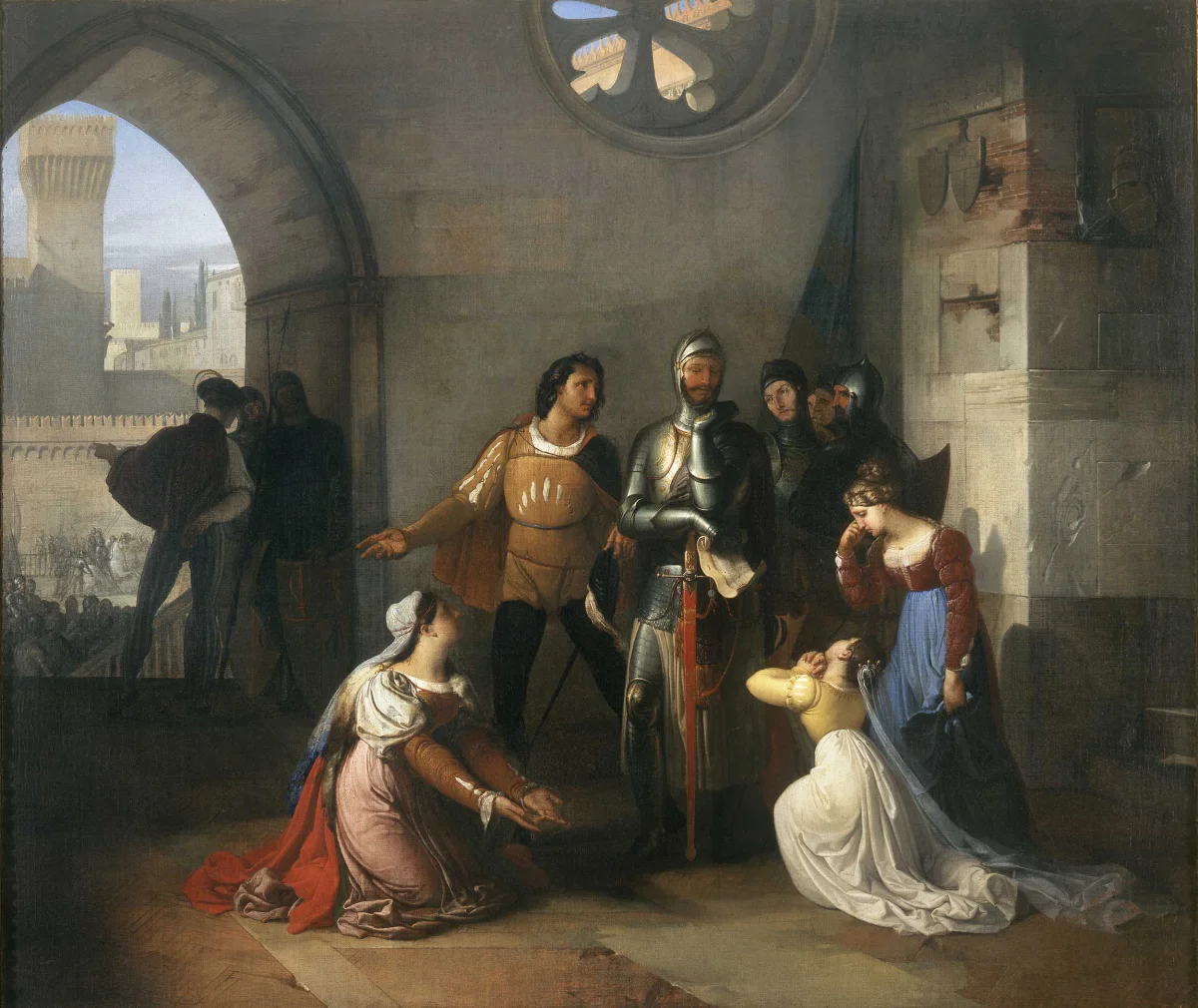
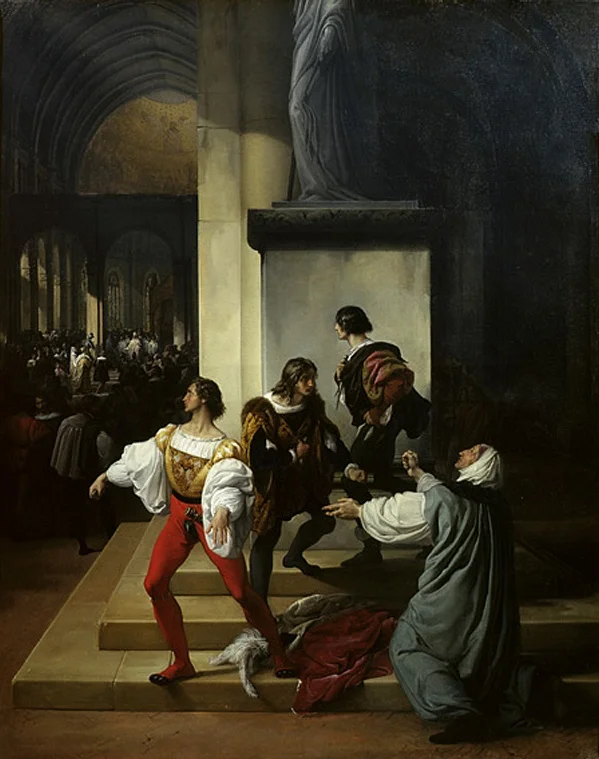
In "The Count of Carmagnola," Hayez weaves intricate stories and symbols that invite viewers to delve deeper into the narrative. The painting not only captures the essence of its historical subject but also reflects the ideals of the Romanticism movement. Echoing themes found in "The Lampugnani Conspiracy" and "Pietro Rossi prisonner of the Scaligeri," this fine art painting for sale is a captivating piece that offers both visual beauty and a rich tapestry of meaning for collectors and enthusiasts.
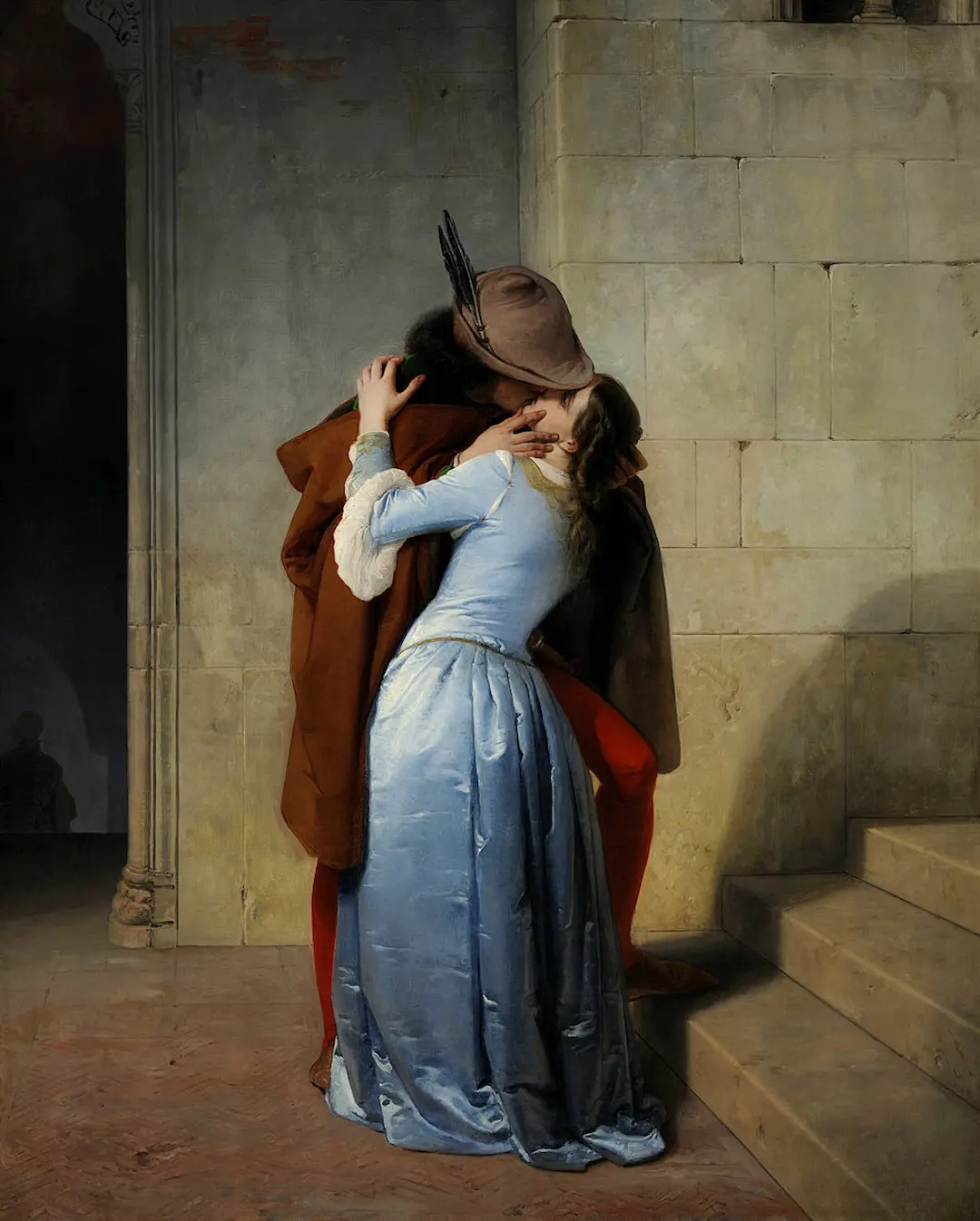
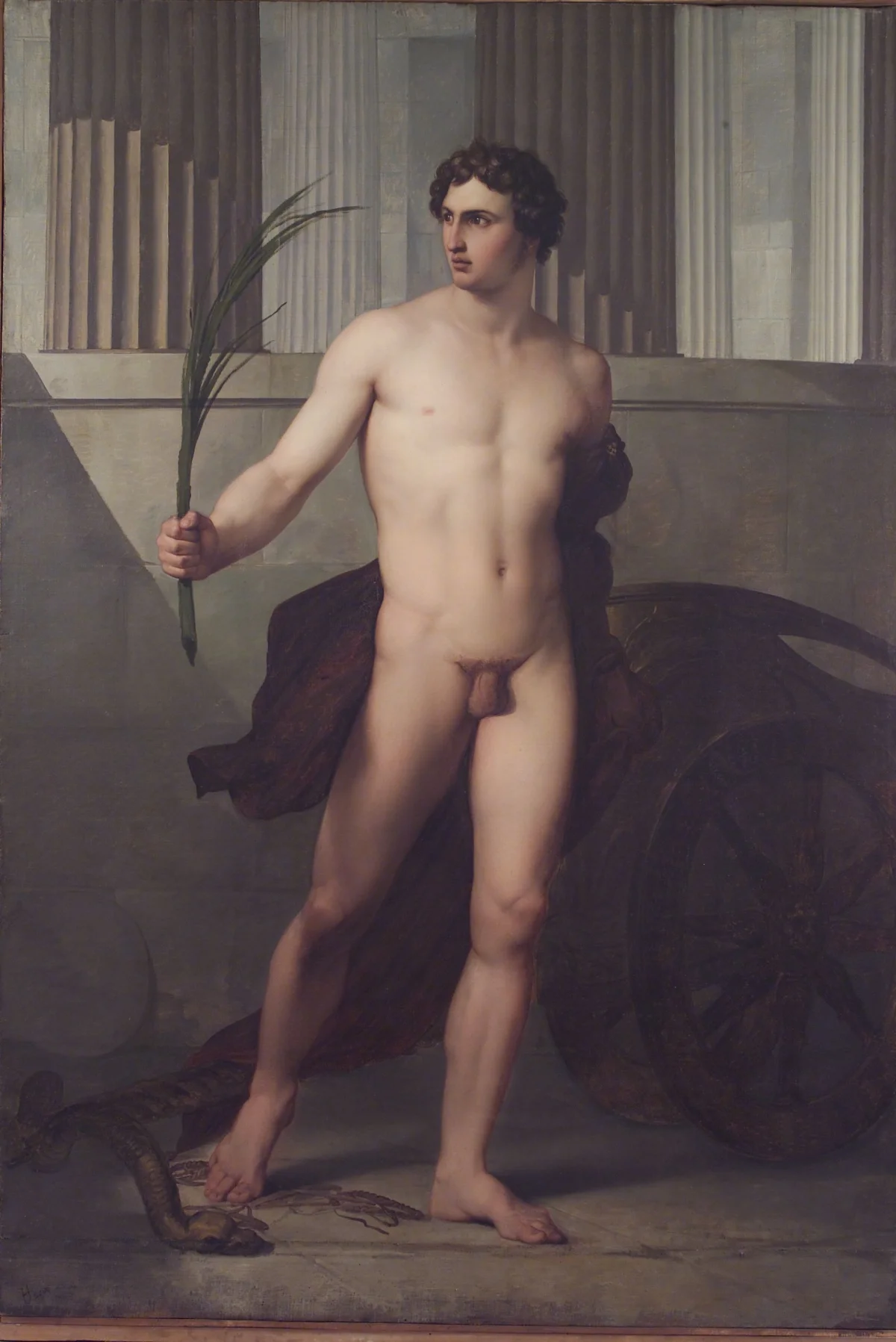
Owning "The Count of Carmagnola" by Francesco Paolo Hayez means possessing a significant piece of the Romanticism movement’s legacy. This hand-painted oil painting appeals to discerning collectors who value artistry and historical resonance. As with related works like "The Kiss 1859" and "Aristides," this masterpiece is more than just decor—it is a conversation starter and a lasting investment for anyone looking for a distinguished fine art painting for sale to enrich their collection.
When Art Meets History
"The Count of Carmagnola" by Francesco Paolo Hayez stands as a remarkable hand-painted oil painting from the Romanticism movement. Hayez, a master of dramatic narrative, captures the historical figure with profound depth. Similar to his contemporaries’ works like "Ancient Rome; Agrippina Landing with the Ashes of Germanicus" and "Snow Storm: Hannibal and his Army Crossing the Alps," Hayez weaves history and emotion, ensuring this piece remains a lasting testament to the era’s fascination with the past.
Techniques That Speak
Francesco Paolo Hayez employs masterful oil on canvas techniques in "The Count of Carmagnola," allowing for rich textures and intricate details that define Romanticism. The brushwork brings life to the count’s garments and expressions, echoing the painterly styles seen in "Crossing the Brook" and "Salisbury Cathedral from the Meadows." Hayez’s approach to light and shadow enhances the narrative, showcasing his technical prowess and making this work a standout example of 19th-century artistic innovation.
Emotions on Display
In "The Count of Carmagnola," Hayez explores deep emotional undertones, typical of Romanticism, conveying the psychological depth of his subject. The fine art painting for sale invites viewers into the count’s world, much like the evocative moods found in "Brig off Sandy Hook." Hayez’s nuanced portrayal of anxiety and nobility resonates powerfully, immersing the audience in a narrative that transcends time and solidifies the painting’s place among emotionally charged masterpieces of the era.
Coveted by Collectors
Collectors seeking a significant hand-painted oil painting often look to works like "The Count of Carmagnola" by Francesco Paolo Hayez. As a key piece from the Romanticism movement, it shares prestige with related paintings such as "Ancient Rome; Agrippina Landing with the Ashes of Germanicus." This painting’s historical relevance and exquisite technique drive its desirability, making it a centerpiece for those who appreciate museum-quality art and the timeless allure of oil on canvas.
Related Romanticism Hand-Painted Oil Paintings by Other Artists
Other Famous Romanticism Artists:
Frequently Asked Questions About The Count of Carmagnola
What historical event does "The Count of Carmagnola" depict?
The painting illustrates a significant moment in the life of Francesco Bussone, known as the Count of Carmagnola, who was a prominent military leader in the 15th century. His execution in 1432 reflects the political intrigue and tumultuous nature of Italian city-states during the Renaissance.
Who was Francesco Paolo Hayez and what is his significance in art history?
Francesco Paolo Hayez was an influential Italian painter of the 19th century, known for his romantic style and historical subjects. He played a crucial role in the development of Italian Romanticism and is celebrated for his ability to convey deep emotional narratives through his works.
What artistic techniques did Hayez employ in this painting?
Hayez utilized a combination of chiaroscuro and vibrant color palettes to create depth and drama in "The Count of Carmagnola." His mastery of light and shadow enhances the emotional intensity of the scene, drawing the viewer's eye to the central figures.
What symbolism is present in "The Count of Carmagnola"?
The painting is rich in symbolism, particularly in the portrayal of the Count's expression and posture, which convey a sense of betrayal and despair. The use of dark colors surrounding him symbolizes the impending doom and the treachery he faces.
How does "The Count of Carmagnola" reflect the themes of Romanticism?
This artwork embodies Romantic themes such as individualism, emotion, and the exploration of historical narratives. Hayez captures the inner turmoil of the Count, emphasizing human emotion over rationality, which is a hallmark of Romantic art.
What is the significance of the setting in the painting?
The setting, with its dark and somber tones, serves to heighten the drama of the narrative. It reflects the chaotic political landscape of 15th-century Italy, where loyalty and betrayal were common, thus adding to the painting's historical context.
In what ways does this painting connect to Italian nationalism?
"The Count of Carmagnola" resonates with themes of Italian nationalism, particularly during the 19th century when Hayez painted it. The depiction of a historical figure facing injustice reflects the struggles for unity and identity in Italy's fragmented states.
What influences can be seen in Hayez's style in this work?
Hayez's style in "The Count of Carmagnola" shows influences from both the Baroque and Neoclassical periods. His dramatic compositions and emotional expressions draw from Baroque art, while the clarity and idealization of forms reflect Neoclassical principles.
How has "The Count of Carmagnola" been received by art critics and historians?
The painting has been widely acclaimed for its emotional depth and historical significance. Critics have praised Hayez's ability to convey complex narratives and the painting is often studied for its artistic and cultural implications within the context of Italian history.
Where can "The Count of Carmagnola" be viewed today?
"The Count of Carmagnola" is housed in the Pinacoteca di Brera in Milan, Italy. It remains a key piece in the museum's collection, attracting visitors interested in both Hayez's work and the rich history of the Italian Renaissance.























_GFM_Painting_(1).webp)


 100% Hand-Painted: Finished in 3-6 Weeks

.png)















_(1).webp)