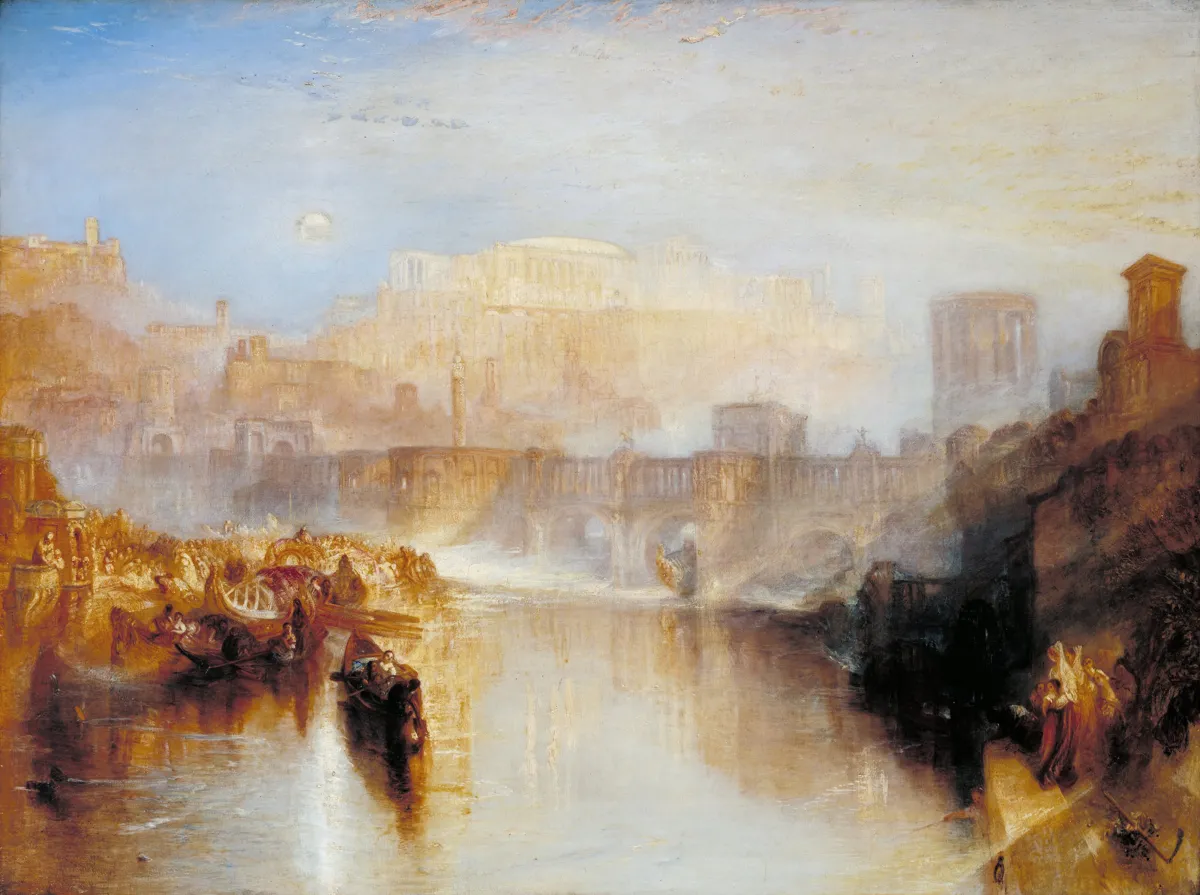
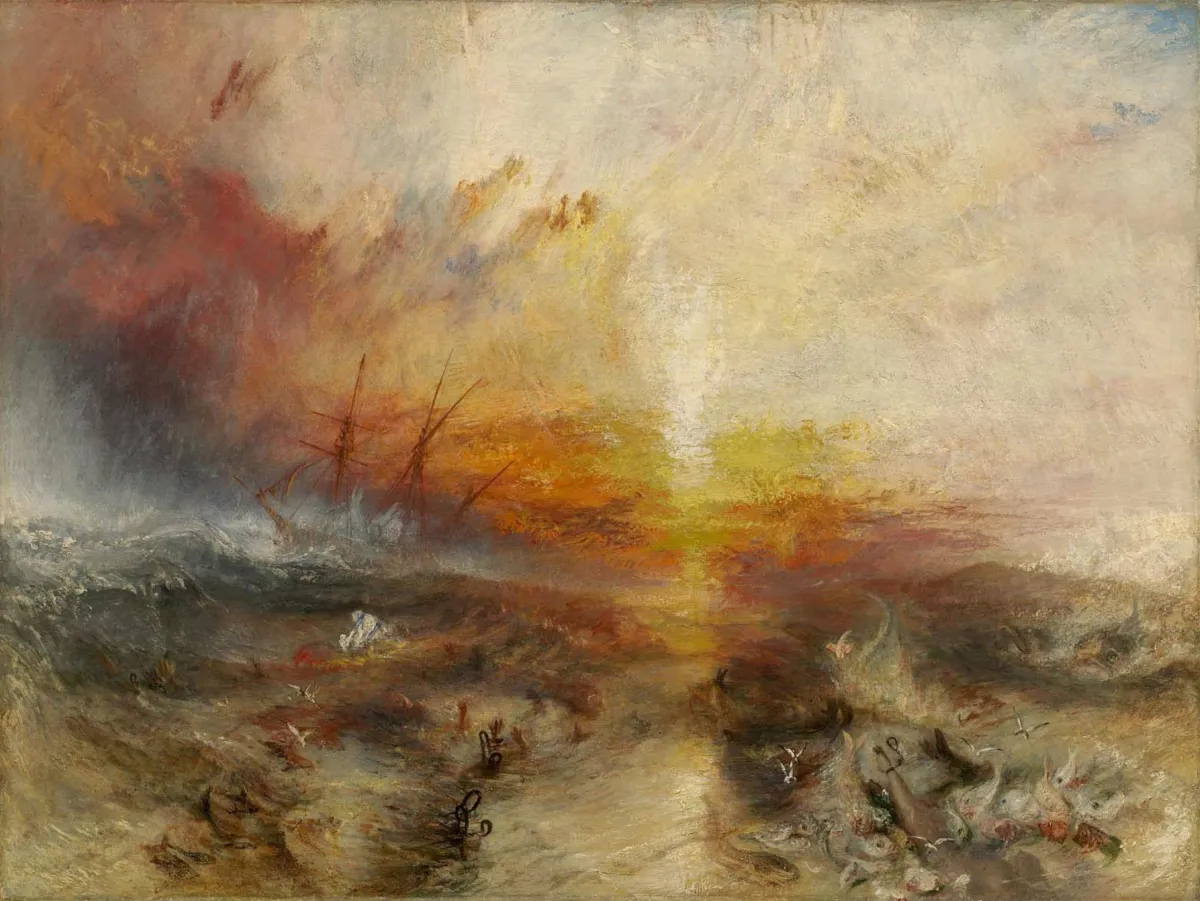
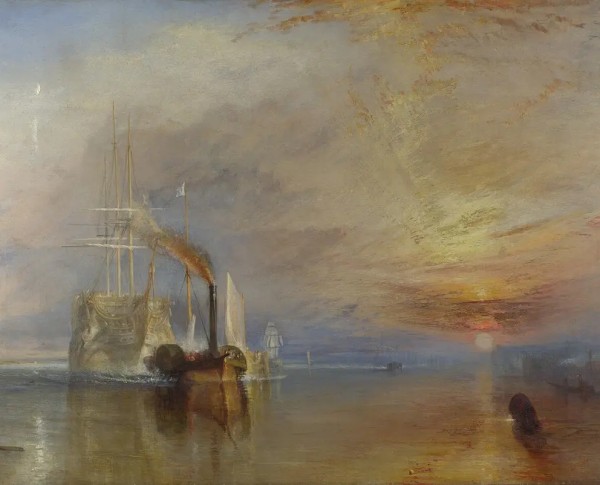
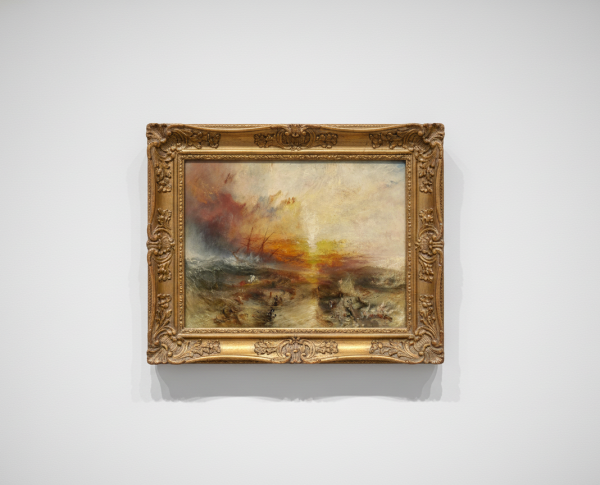
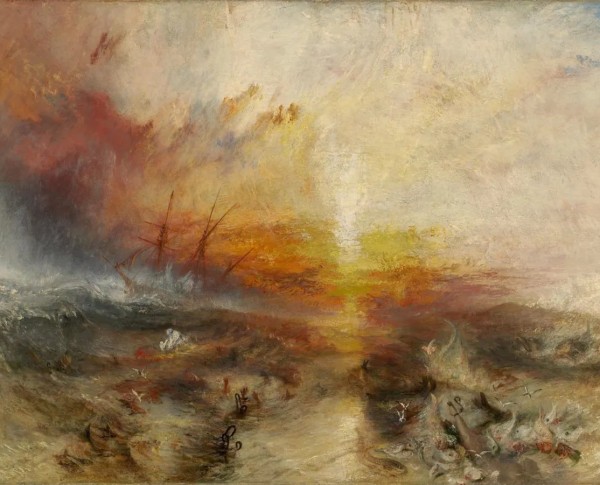
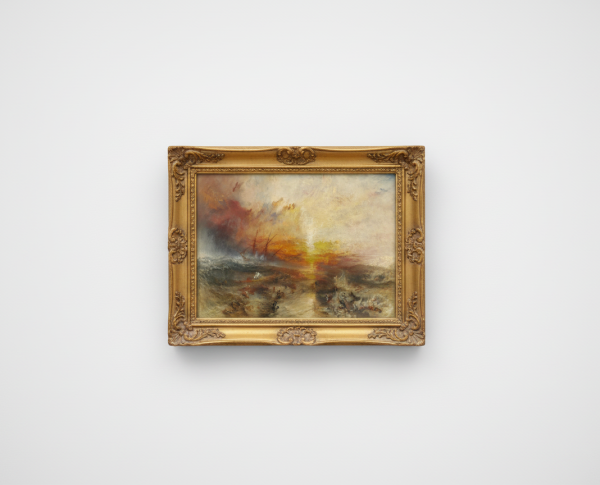
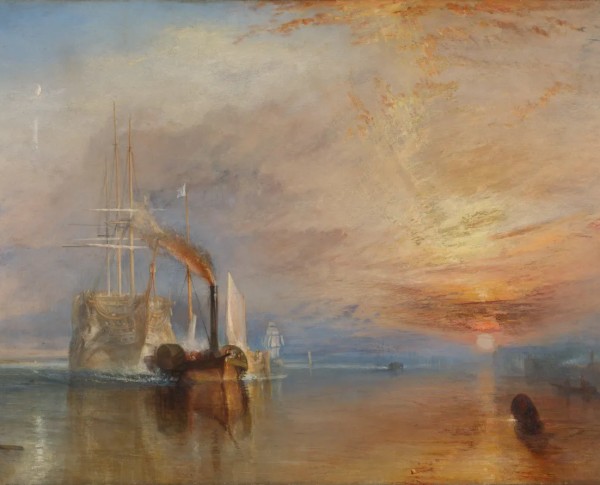
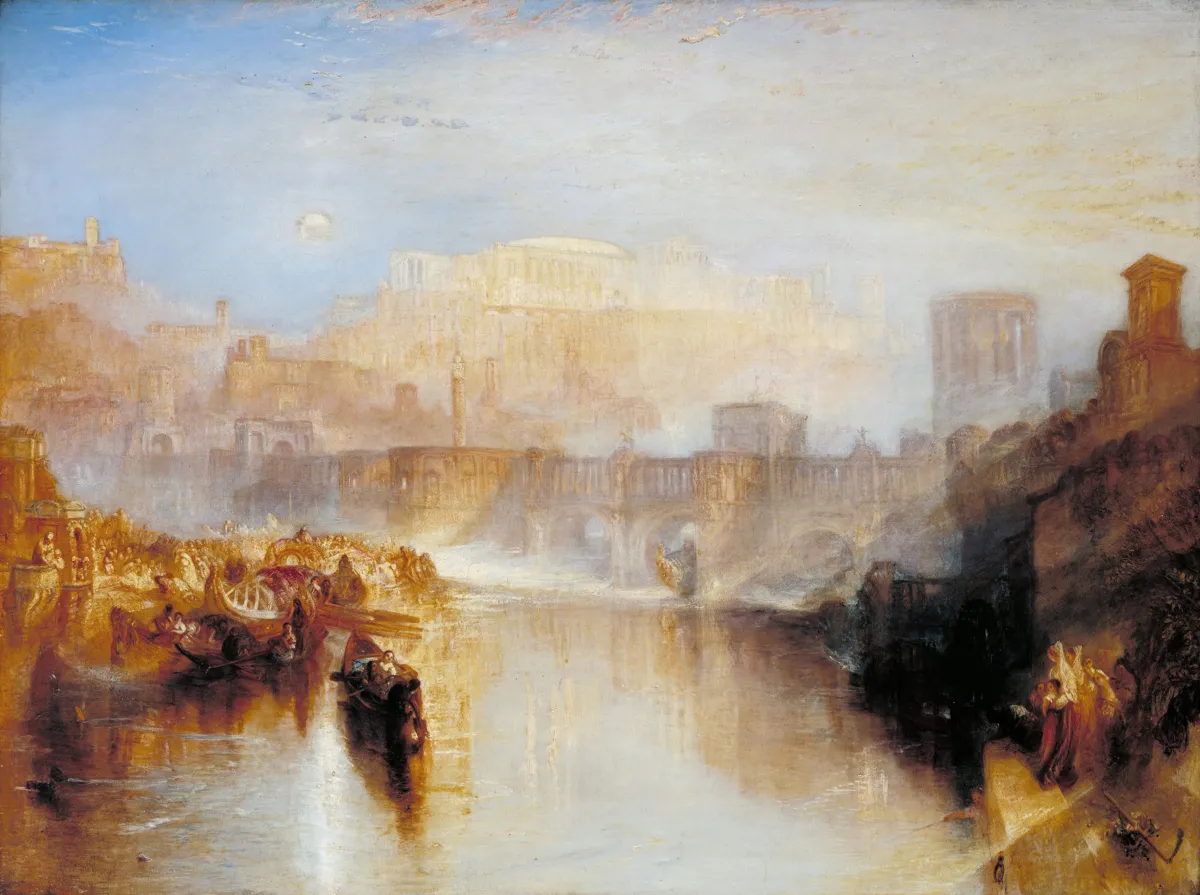
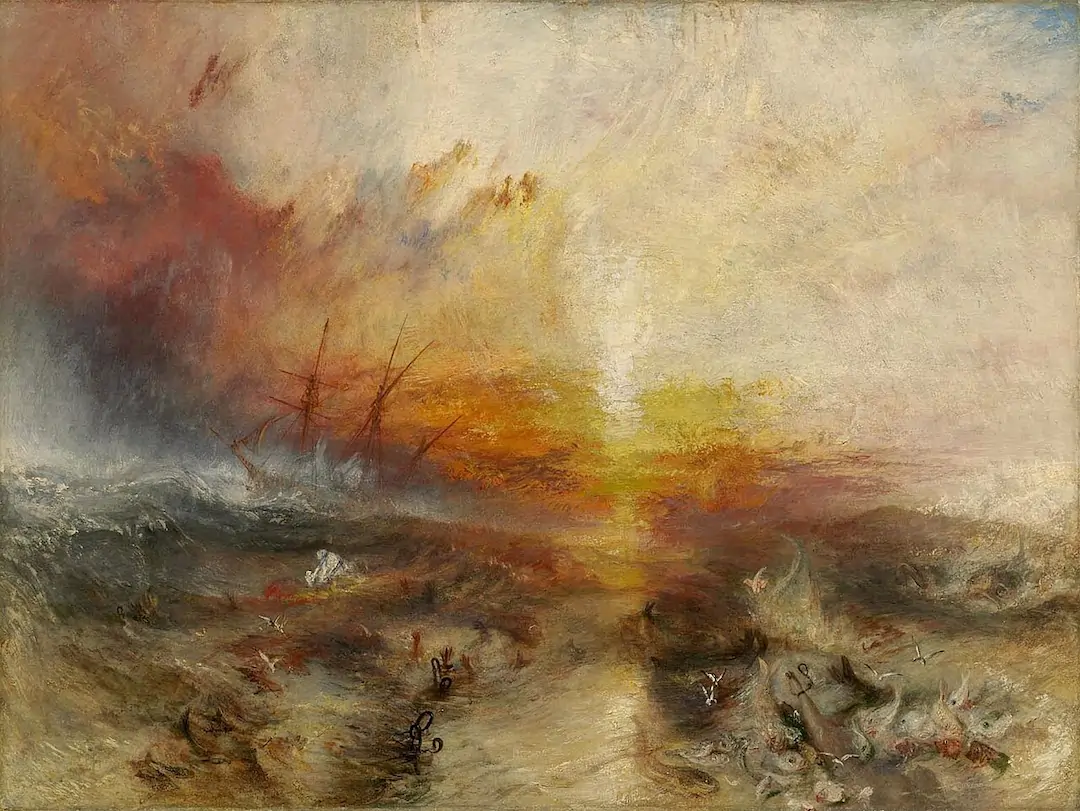
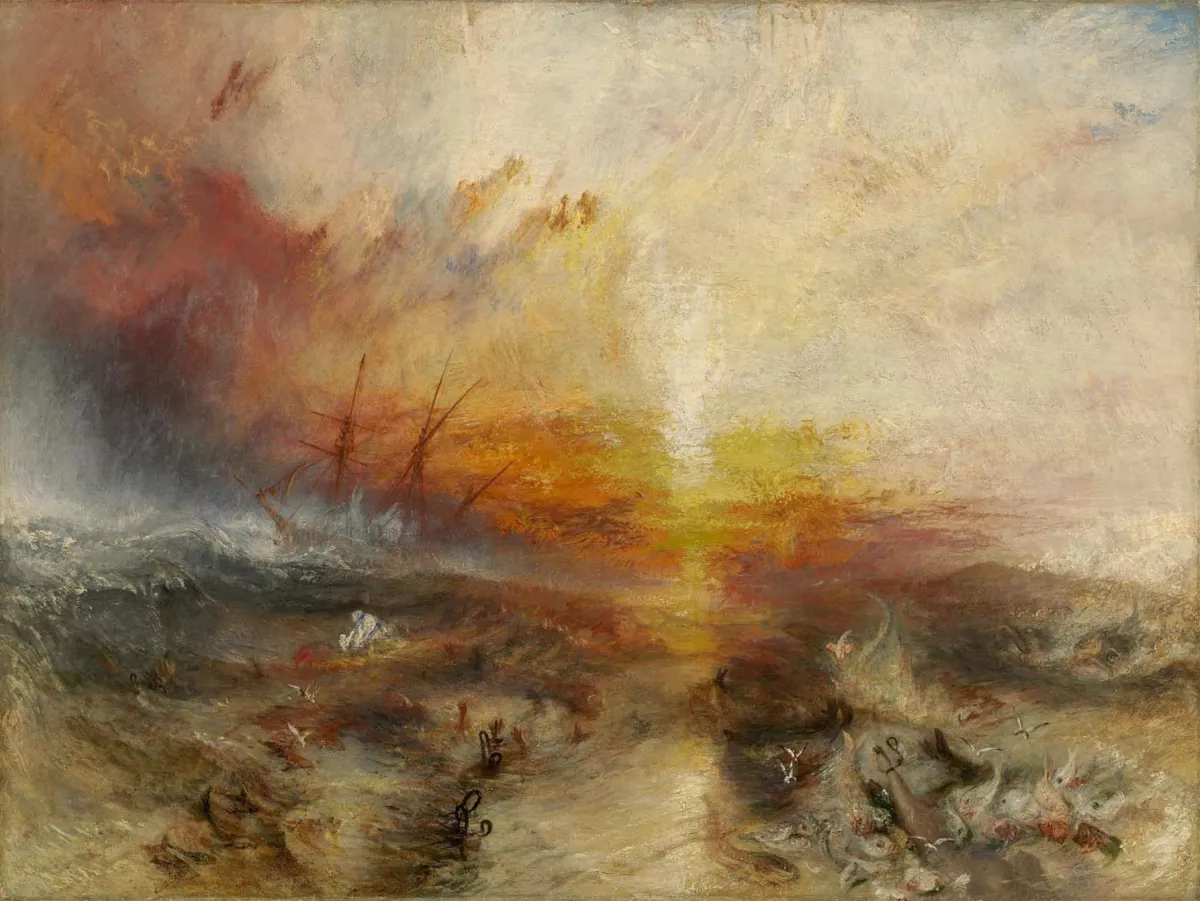
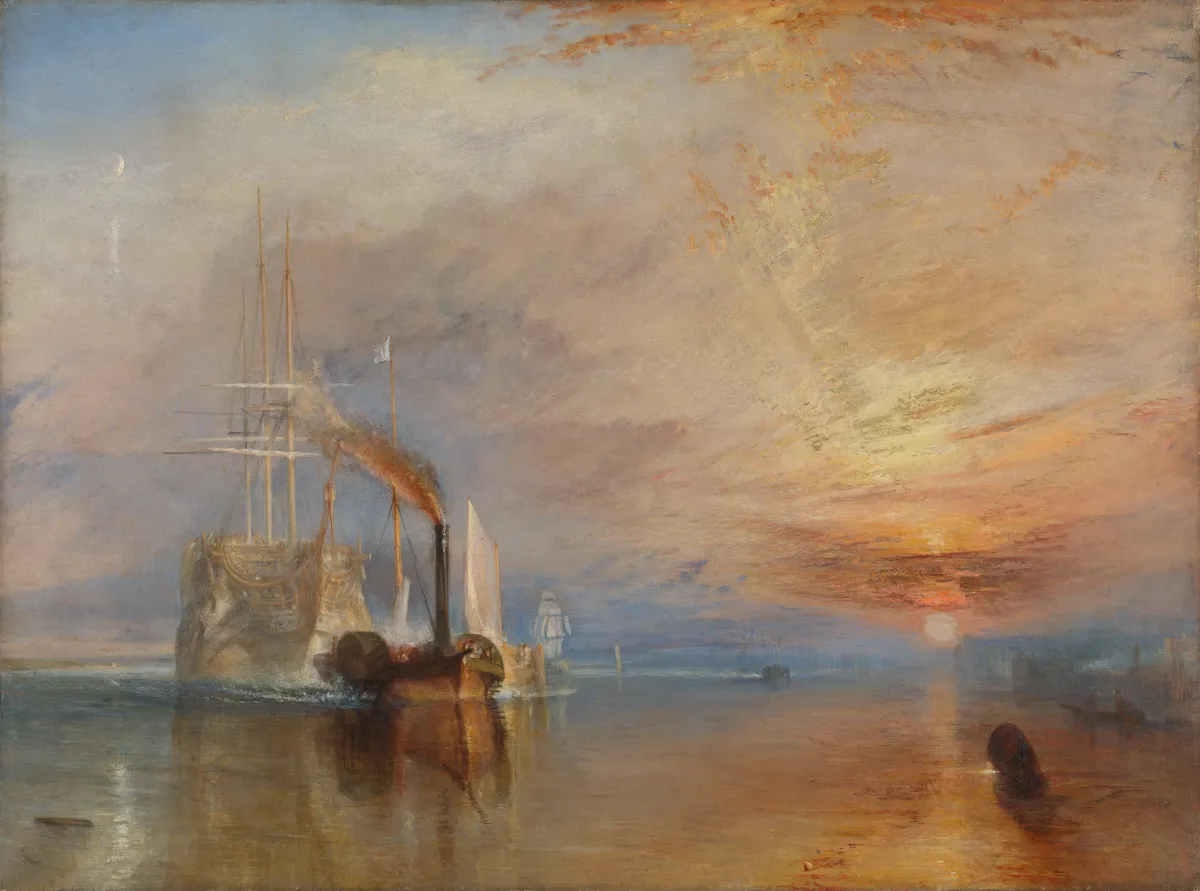
"Ancient Rome; Agrippina Landing with the Ashes of Germanicus" is a remarkable hand-painted oil painting by Joseph Mallord William Turner, a leading figure in the Romanticism movement. This masterpiece captures a moment of historical poignancy and emotional depth, reflecting Turner's fascination with classical themes. As with many of his works, this painting showcases the artist's innovative approach to light and atmosphere. Collectors often seek related products like "The Fighting Temeraire" and "The Slave Ship 1840" for their extraordinary artistry.
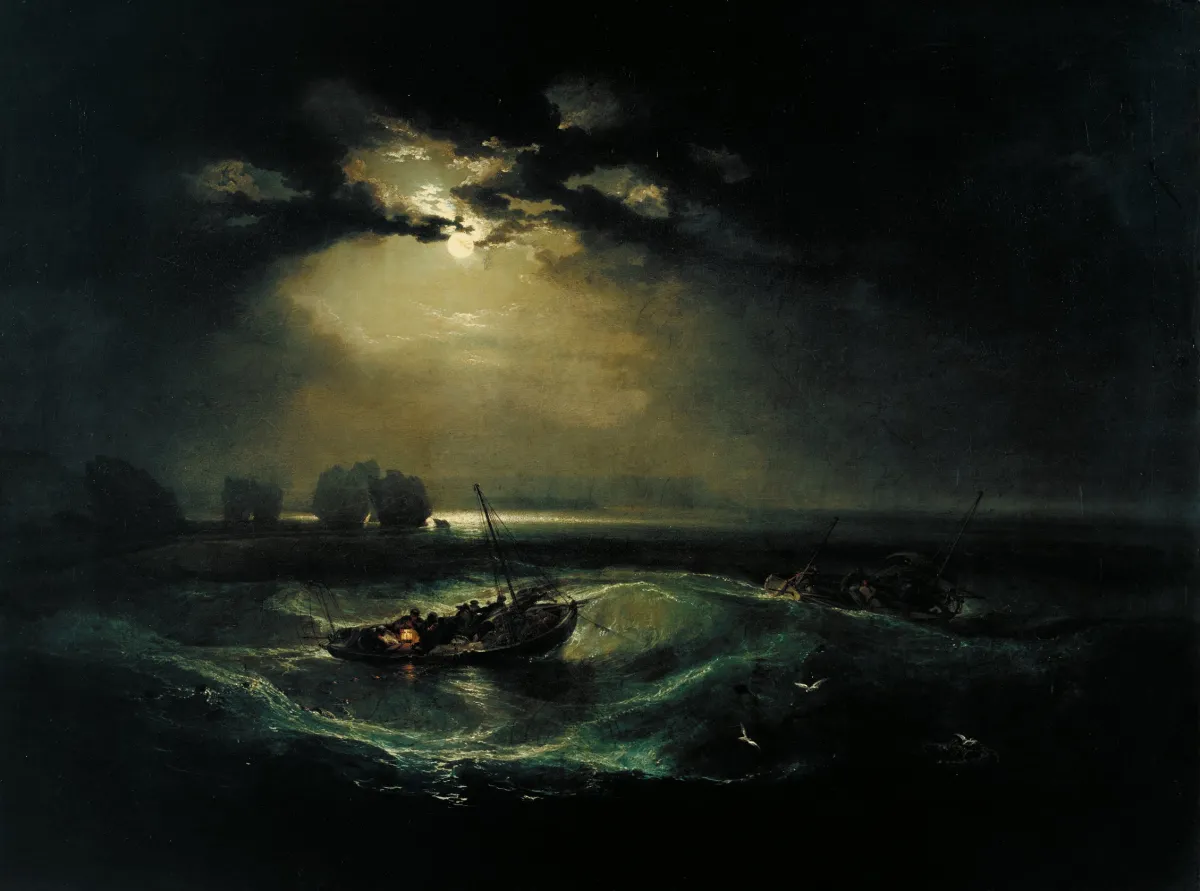
Turner’s "Ancient Rome; Agrippina Landing with the Ashes of Germanicus" exemplifies his technical brilliance in oil on canvas. The dynamic brushwork and atmospheric effects create a sense of drama and movement, hallmarks of the Romanticism movement. The artist’s use of color and light draws viewers into the narrative, making each viewing a unique experience. For those interested in collecting, fine art painting for sale options include Turner's "Fishermen at Sea" and "The Fighting 'Téméraire' tugged to her last Berth to be broken up."
This hand-painted oil painting tells the poignant story of Agrippina’s return to Rome with her husband Germanicus’s ashes, a moment steeped in sorrow and grandeur. Turner’s composition is rich in symbolism, with the sweeping architecture and somber figures reflecting themes of loss and memory. As part of the Romanticism movement, the painting invites viewers to explore complex emotions. Collectors also admire related works like "The Slave Ship" and "The Fighting Temeraire" for their narrative power.
"Ancient Rome; Agrippina Landing with the Ashes of Germanicus" remains a sought-after fine art painting for sale, prized by collectors who appreciate Joseph Mallord William Turner’s legacy within Romanticism. Its evocative imagery and historical significance make it a centerpiece in any collection. Those interested in expanding their portfolio may also consider masterpieces such as "The Slave Ship 1840" and "Fishermen at Sea," both celebrated for their emotional depth and technical mastery in oil on canvas.
When Art Meets History
"Ancient Rome; Agrippina Landing with the Ashes of Germanicus" is a hand-painted oil painting by Joseph Mallord William Turner, a master of the Romanticism movement. This evocative work draws inspiration from Roman history, capturing the poignant moment when Agrippina returns with her husband's ashes. Turner's historical focus is also evident in related paintings such as "The Battle of San Jacinto" and "Hutten's Grave," all demonstrating his fascination with epic narratives in fine art.
Techniques That Speak
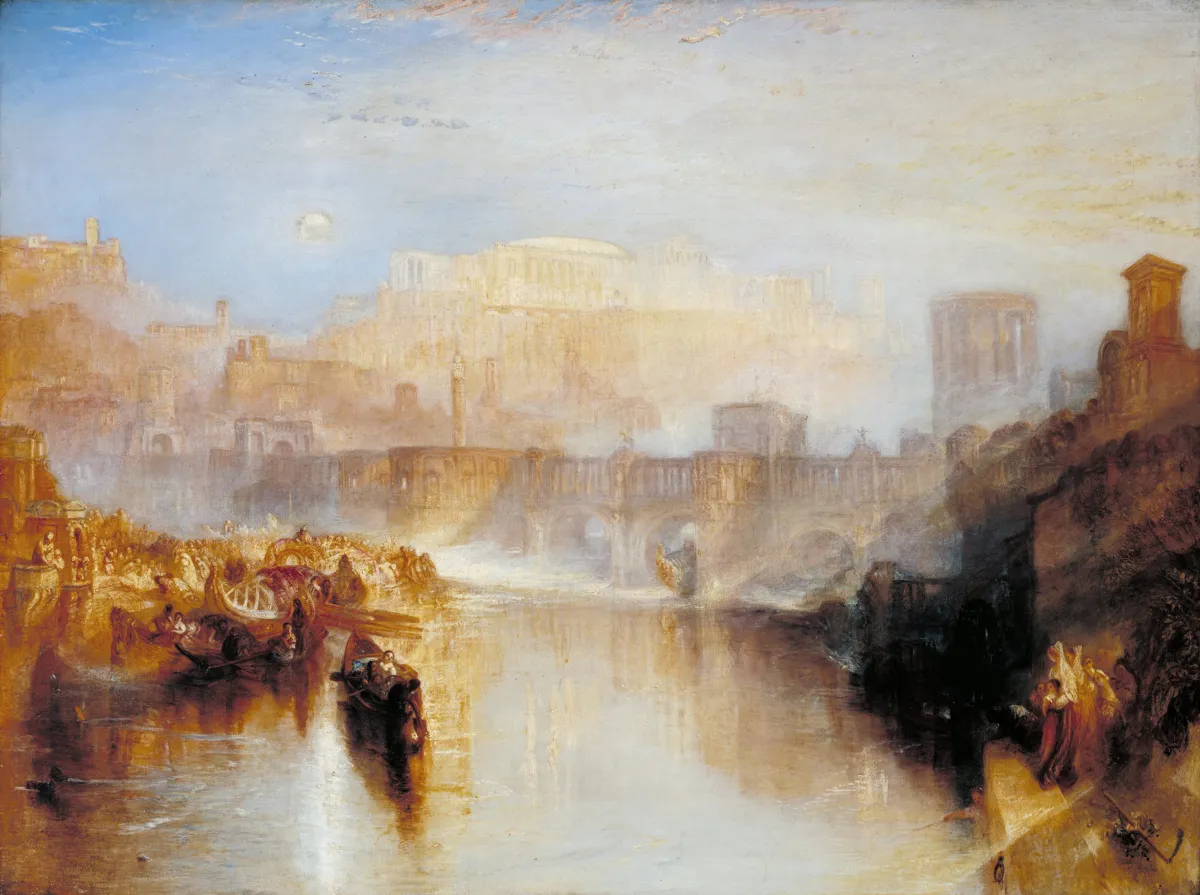
Turner's use of oil on canvas in "Ancient Rome; Agrippina Landing with the Ashes of Germanicus" showcases his mastery of light and atmosphere. The painting’s luminous color palette and fluid brushwork are hallmarks of Romanticism, inviting viewers into an immersive experience. Techniques seen here can be compared to those in "Odaliske" and "Two men contemplating the Moon," highlighting Turner's ability to create mood and depth in every fine art painting for sale.
Emotions on Display
In this oil on canvas masterpiece, Joseph Mallord William Turner conveys intense emotion through the figures and setting. The sorrow and solemnity of Agrippina are palpable, reflecting the Romantic era’s focus on human feeling. The emotional resonance in this work echoes that of "Huttens Grave" and "Two men contemplating the Moon," making each hand-painted oil painting a testament to the power of art to move the viewer.
Coveted by Collectors
"Ancient Rome; Agrippina Landing with the Ashes of Germanicus" remains a sought-after fine art painting for sale among collectors and museums. Turner's iconic style, prominent within the Romanticism movement, ensures enduring interest in his works. Paintings like "Odaliske" and "The Battle of San Jacinto" are similarly prized, with their historical and emotional depth making them standout examples of hand-painted oil painting artistry.
Related Romanticism Hand-Painted Oil Paintings by Other Artists
Other Famous Romanticism Artists:
Frequently Asked Questions About Ancient Rome; Agrippina Landing with the Ashes of Germanicus
What historical event does the painting depict?
The painting illustrates the moment Agrippina the Younger arrives in Rome with the ashes of her husband, Germanicus, a significant figure in Roman history, highlighting themes of loyalty and mourning.
Who was Germanicus and why is he important?
Germanicus was a prominent Roman general and a member of the Julio-Claudian dynasty, known for his military successes and his tragic death, which sparked political intrigue and public mourning in Rome.
What artistic techniques did Turner use in this painting?
Turner employed a dramatic use of light and color, utilizing atmospheric effects to convey emotion and the grandeur of the historical moment, characteristic of his Romantic style.
How does the composition of the painting contribute to its narrative?
The composition centers Agrippina, emphasizing her emotional state, while the surrounding figures and landscape enhance the sense of drama and historical significance, guiding the viewer’s eye through the scene.
What symbols are present in the painting?
Key symbols include the ashes of Germanicus, representing loss and remembrance, and the presence of the Roman architecture, symbolizing the weight of history and the power of the empire.
What does Agrippina's expression convey in the painting?
Agrippina's expression reflects deep sorrow and determination, embodying the personal and political struggles faced by women in ancient Rome, thus adding a layer of emotional depth to the historical narrative.
How does this painting fit into Turner's overall body of work?
This painting exemplifies Turner's interest in historical subjects and his ability to blend realism with romanticism, showcasing his innovative approach to light and color in depicting emotional and dramatic scenes.
What role does the setting play in the painting?
The setting, with its dramatic skies and classical architecture, serves to elevate the emotional weight of the scene, situating Agrippina's personal tragedy within the grandeur of Roman history.
In what ways does this painting reflect the Romantic movement?
The painting reflects the Romantic movement through its emphasis on emotion, individual experience, and the sublime nature of historical events, contrasting with the rationalism of the preceding Neoclassical style.
What impact did this painting have on the perception of historical subjects in art?
This painting helped to shift the perception of historical subjects in art, highlighting the emotional and personal aspects of history, and influencing future artists to explore similar themes in their works.






















_GFM_Painting_(1).webp)


 100% Hand-Painted: Finished in 3-6 Weeks

.png)















_(1).webp)