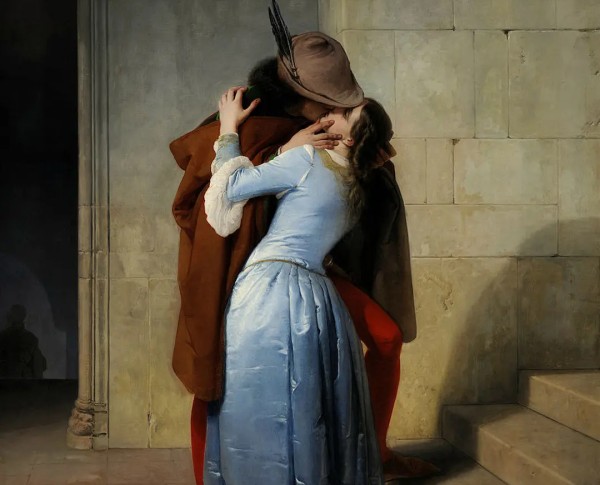
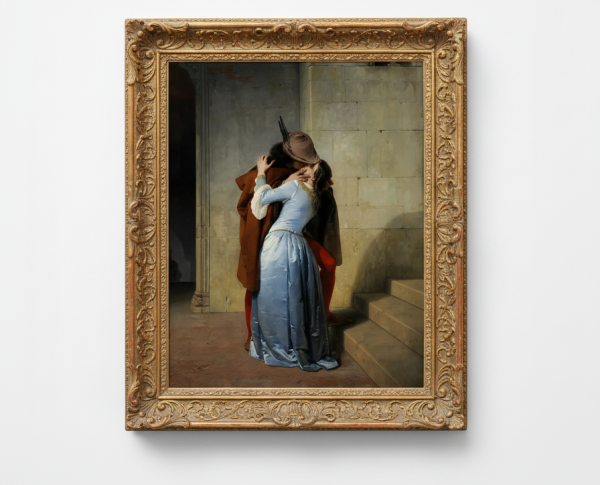
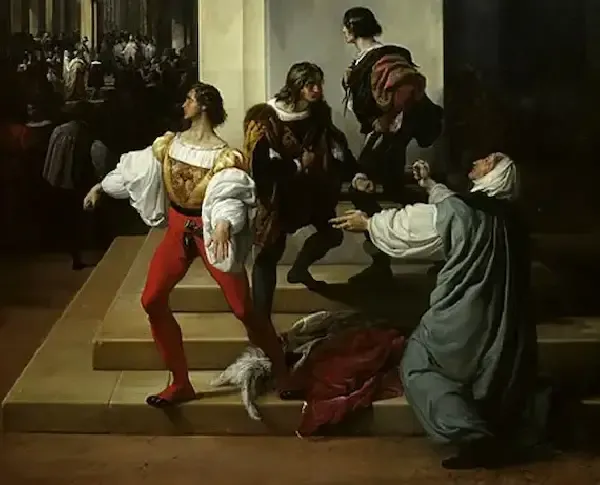
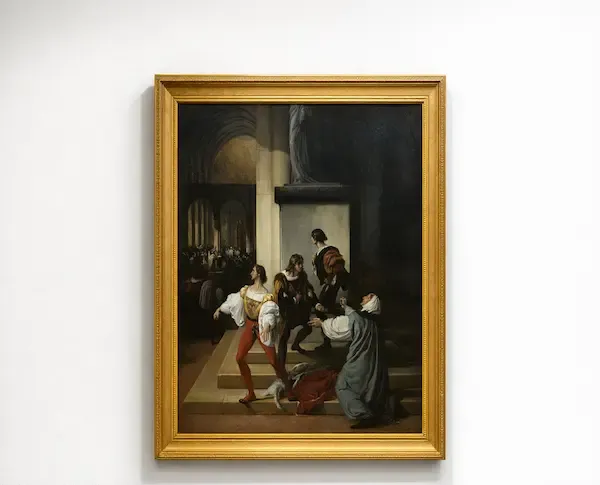
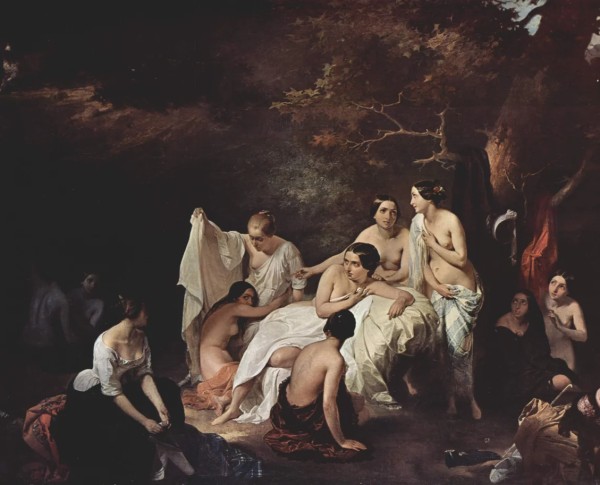
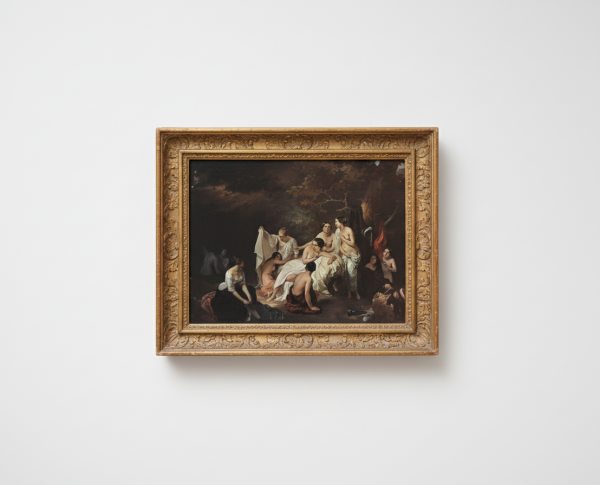
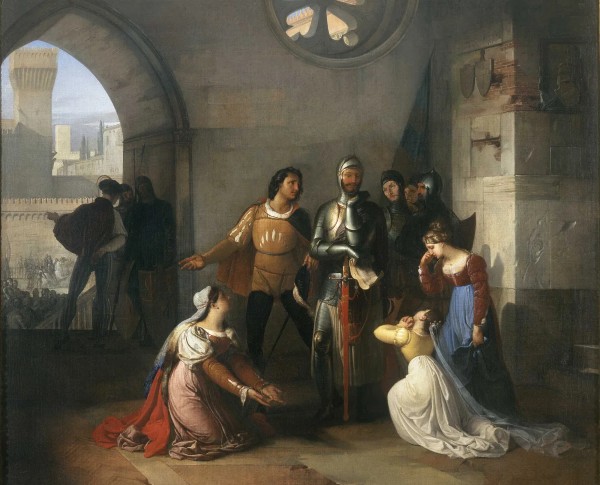
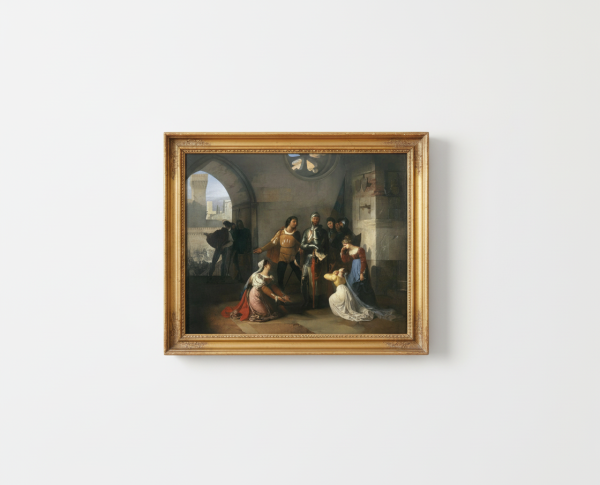
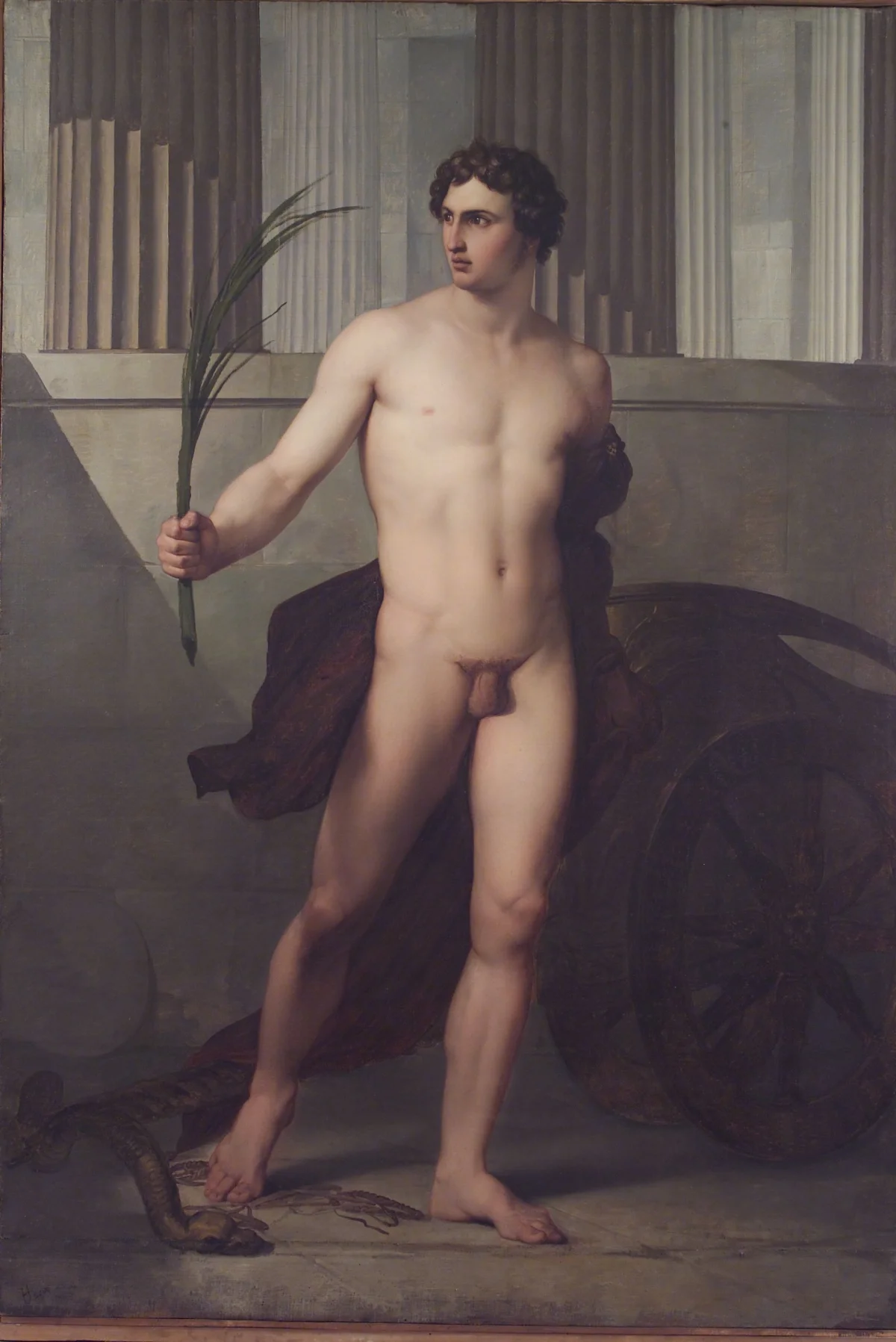
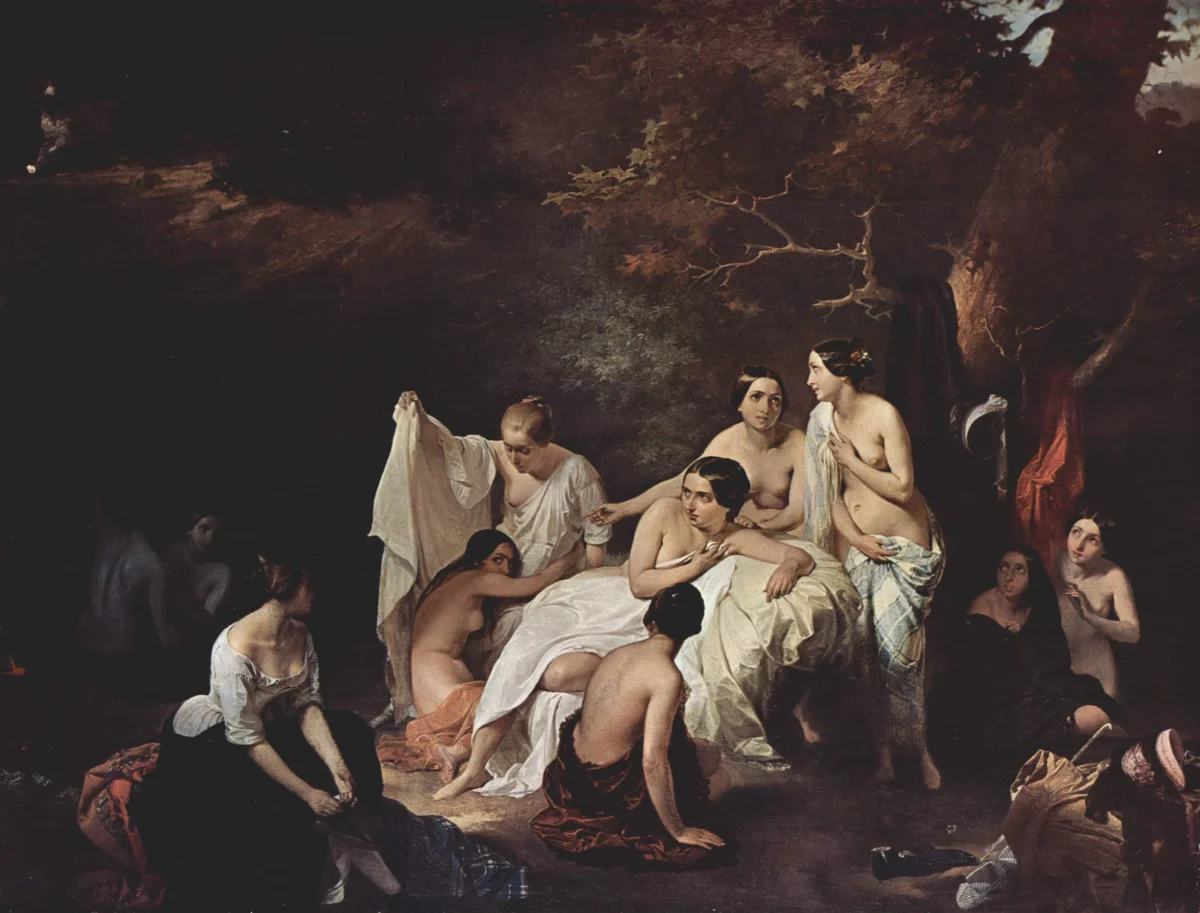
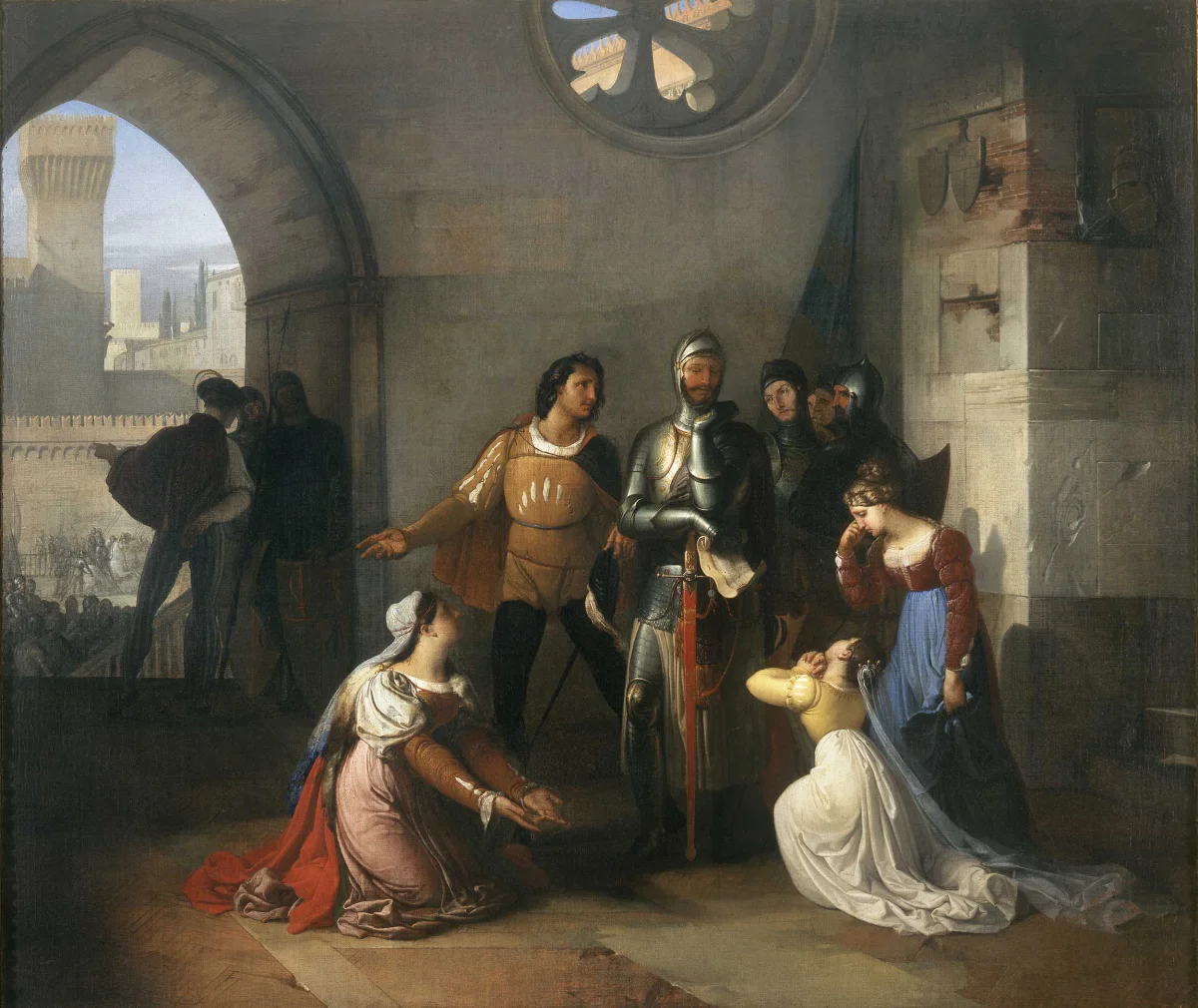
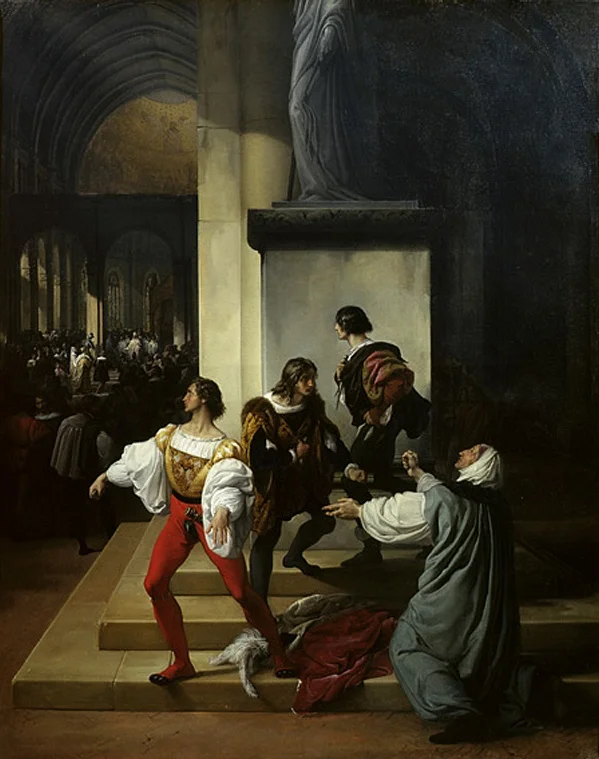
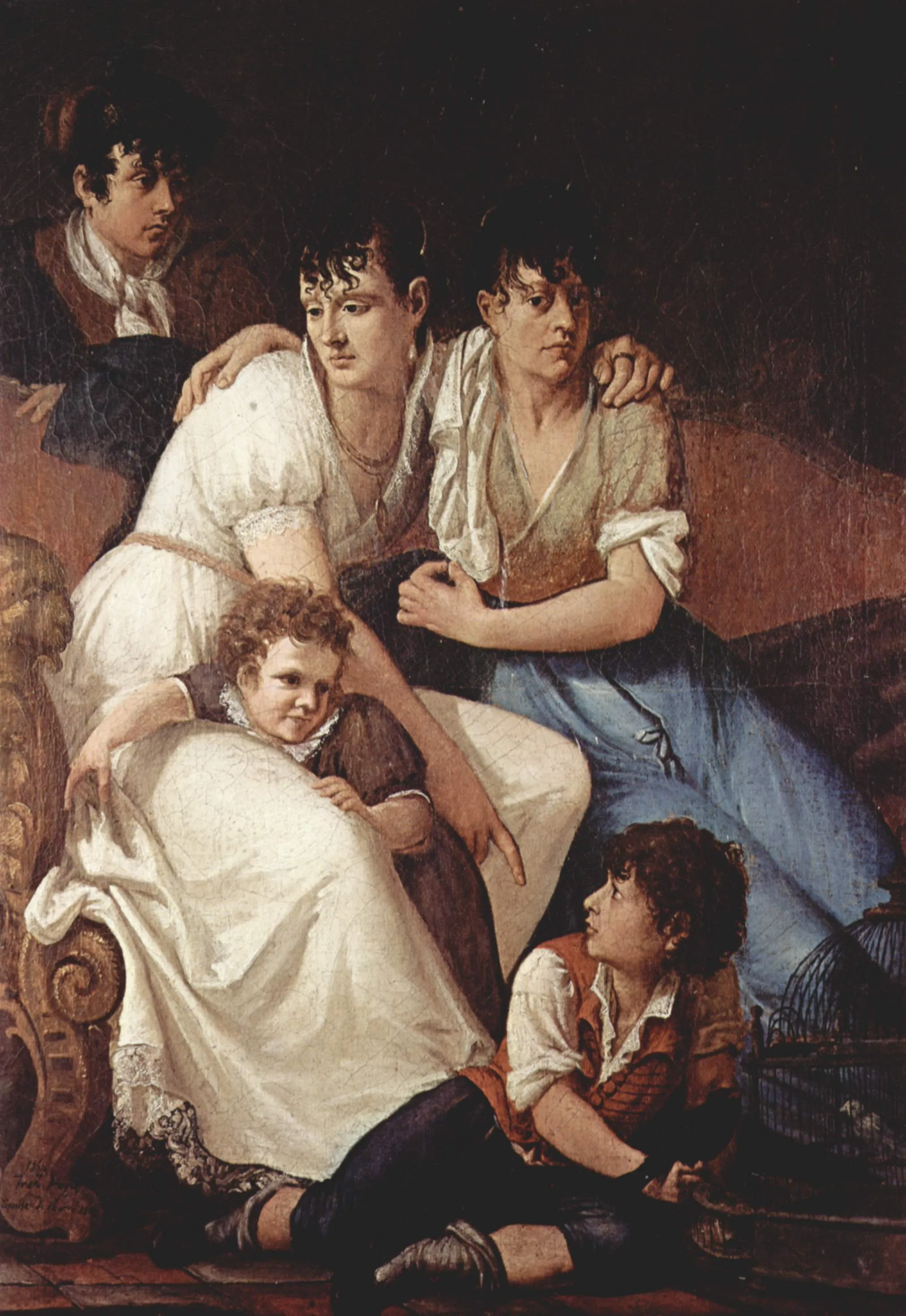
Francesco Paolo Hayez’s "The Victorious Athlete" is rendered with exquisite detail using oil on canvas, a medium that enhances the depth and vibrancy characteristic of Romanticism. Each brushstroke demonstrates Hayez’s technical prowess and ability to convey emotion, drawing viewers into a world of triumph and beauty. Other masterpieces like "Meditation on the History of Italy" and "Bathsheba Bathing" showcase similar skill, making them sought-after pieces for discerning collectors.
This fine art painting for sale weaves a narrative of victory, resilience, and human spirit, hallmarks of the Romanticism movement. Hayez’s "The Victorious Athlete" is rich with symbolism, embodying both personal and collective triumph. Art enthusiasts will appreciate the thematic connections to his other works, such as "Flowers at the Window of the Harem" and "Portrait of Giovanni David as Alessandro in Pacini's Gli arabi nelle Gallie," which explore similar motifs of strength and emotion.
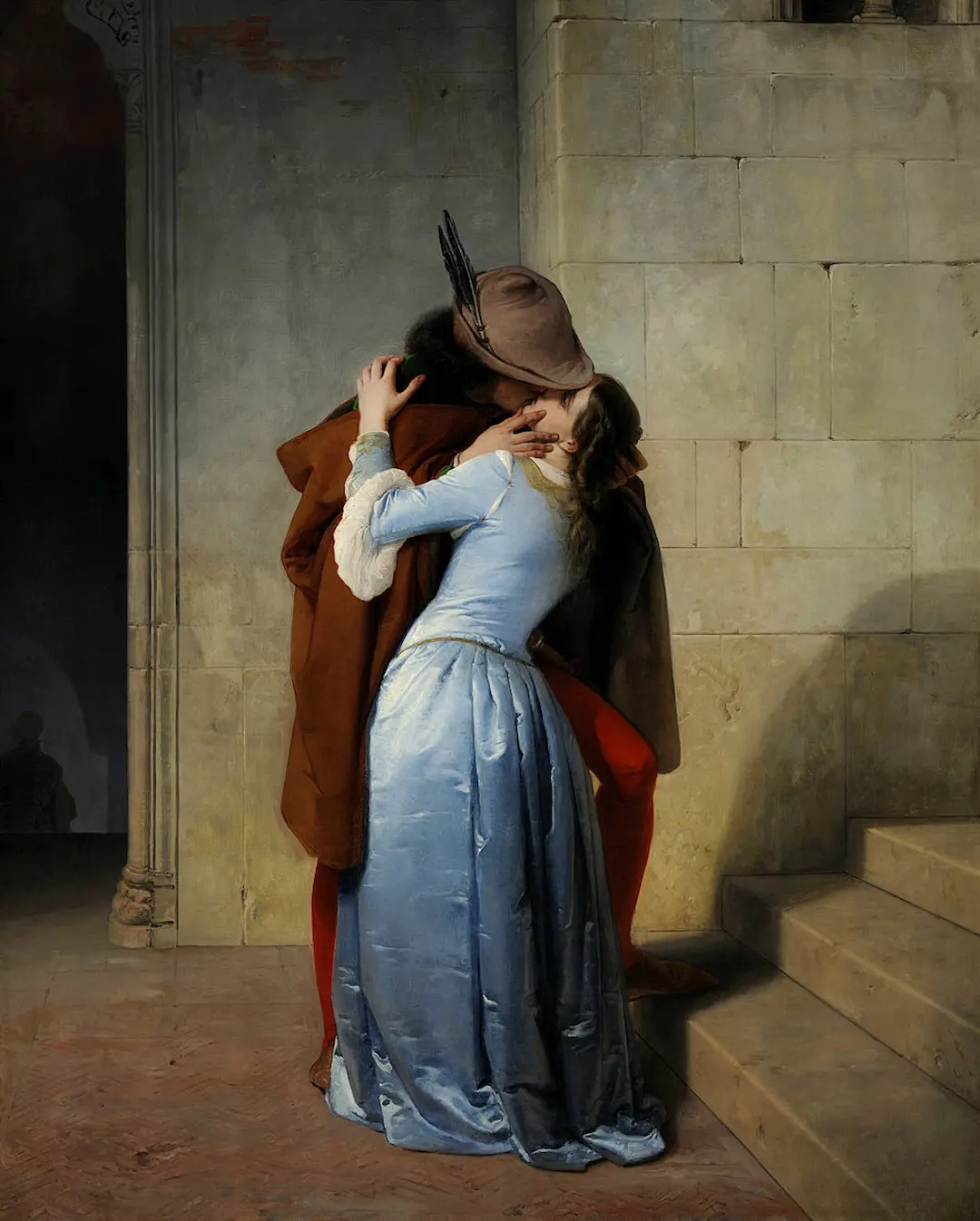
Owning "The Victorious Athlete" by Francesco Paolo Hayez is an opportunity to possess a hand-painted oil painting that exemplifies the Romanticism movement. This artwork, along with related pieces like "Odaliske" and "The Kiss 1859," represents a valuable addition to any fine art collection. Collectors seeking timeless beauty and historical significance will find these paintings to be treasures that elevate and enrich their curated selections.
When Art Meets History
"The Victorious Athlete" by Francesco Paolo Hayez stands as a remarkable example of the Romanticism movement. This hand-painted oil painting not only captures the physical prowess of its subject but also reflects the historical fascination with heroism and individual achievement. Hayez, renowned for his evocative works, brings a narrative depth similar to masterpieces like "Washington Crossing the Delaware 1851" and "Dawn at the Alamo," blending history and emotion on a grand scale.
Techniques That Speak
Francesco Paolo Hayez’s mastery of oil on canvas is evident in "The Victorious Athlete." His brushwork and use of light highlight the athlete’s musculature and determination, hallmarks of Romanticism’s focus on expressive detail. This approach resonates with techniques found in related works such as "The Fighting Temeraire" and "Fishermen at Sea," where artists use oil on canvas to evoke mood and drama, making each scene come alive with vivid realism and emotional intensity.
Emotions on Display
In "The Victorious Athlete," Hayez channels the Romanticism movement’s emphasis on raw emotion and personal triumph. The painting’s composition and color palette evoke a sense of victory and resilience, drawing viewers into the athlete’s journey. Much like "Ancient Rome; Agrippina Landing with the Ashes of Germanicus," this fine art painting for sale captivates collectors and art lovers alike, offering a powerful glimpse into the emotional landscapes of historical figures.
Coveted by Collectors
Collectors seek "The Victorious Athlete" for its historical significance and artistic brilliance. Francesco Paolo Hayez’s work is highly prized, much like other celebrated paintings from the Romanticism era. Whether displayed alongside "Dawn at the Alamo" or "The Fighting Temeraire," this hand-painted oil painting stands out as a testament to the enduring allure of fine art painting for sale, making it a coveted centerpiece in any distinguished collection.
Related Romanticism Hand-Painted Oil Paintings by Other Artists
Other Famous Romanticism Artists:
Frequently Asked Questions About The Victorious Athlete
What is the historical context of "The Victorious Athlete"?
"The Victorious Athlete" was created during the Romantic period, a time characterized by a focus on emotion, individualism, and the glorification of the human form. Painted by Francesco Paolo Hayez in the mid-19th century, it reflects the cultural and artistic movements of Italy during the Risorgimento, a period of unification and national identity.
What artistic techniques did Hayez employ in this painting?
Hayez utilized a combination of realism and idealism in "The Victorious Athlete." His masterful use of chiaroscuro enhances the three-dimensionality of the figure, while the vibrant color palette and dynamic composition draw the viewer's eye to the central figure, emphasizing the athlete's physical prowess.
What does the figure in "The Victorious Athlete" symbolize?
The figure in "The Victorious Athlete" symbolizes strength, triumph, and the celebration of the human body. This representation aligns with the ideals of physical beauty and athleticism prevalent in classical antiquity, reflecting Hayez's admiration for the ancient Greek and Roman cultures.
How does "The Victorious Athlete" connect to classical themes?
The painting draws heavily from classical themes, particularly the celebration of athleticism and the human form. The pose of the athlete echoes the classical sculptures of ancient Greece, emphasizing the harmony and proportion that were central to classical art.
What role does the background play in the composition?
The background of "The Victorious Athlete" is intentionally subdued, allowing the viewer's focus to remain on the figure. This choice enhances the sense of isolation and individual achievement, reinforcing the theme of personal victory and the glory of the athlete.
In what ways does Hayez's work reflect the Romantic movement?
Hayez's work exemplifies the Romantic movement through its emotional intensity and emphasis on the individual. "The Victorious Athlete" captures not only the physicality of the subject but also evokes a sense of pride and passion, which are hallmarks of Romantic art.
What influences can be seen in Hayez's portrayal of the athlete?
Hayez's portrayal of the athlete shows influences from both classical antiquity and contemporary Romantic ideals. The emphasis on the idealized male form reflects the admiration for Greek sculptures, while the emotional expression aligns with the Romantic fascination with individual experience and heroism.
How does "The Victorious Athlete" reflect Italian national identity?
The painting can be interpreted as a reflection of Italian national identity during the Risorgimento. The celebration of the athlete as a symbol of strength and victory resonates with the aspirations of a unified Italy, embodying the spirit of resilience and pride in Italian heritage.
What is the significance of the athlete's pose in the painting?
The athlete's pose is significant as it conveys both triumph and dynamism. The confident stance, with the head held high and muscles taut, embodies the ideals of victory and physical excellence, inviting viewers to admire not only the form but also the spirit of achievement.
How has "The Victorious Athlete" influenced modern perceptions of athleticism in art?
"The Victorious Athlete" has influenced modern perceptions of athleticism in art by establishing a standard for the representation of the human body in motion. Its celebration of physical beauty and strength continues to resonate in contemporary art, inspiring artists to explore themes of athleticism and human achievement.






















_GFM_Painting_(1).webp)


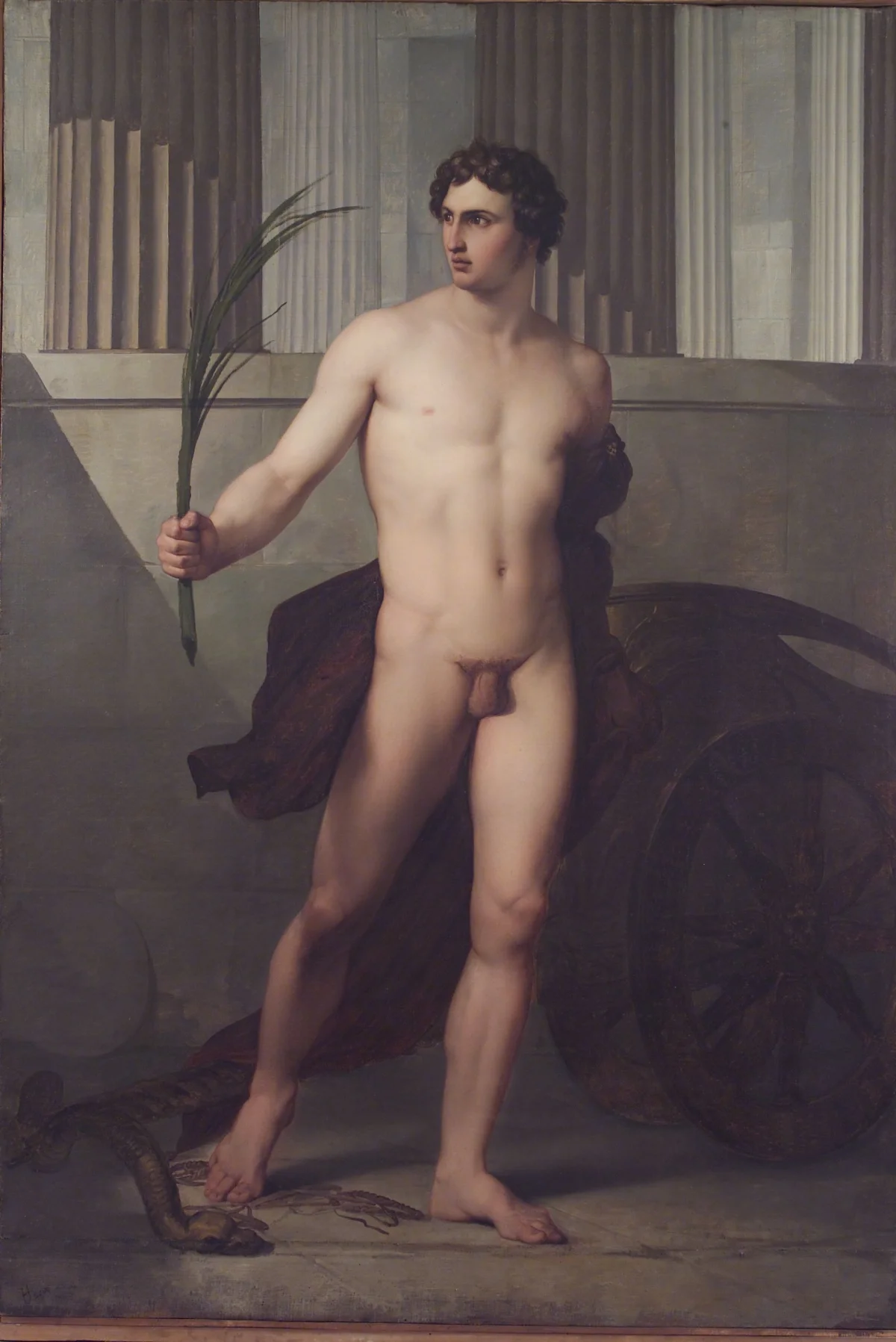
 100% Hand-Painted: Finished in 3-6 Weeks

.png)















_(1).webp)