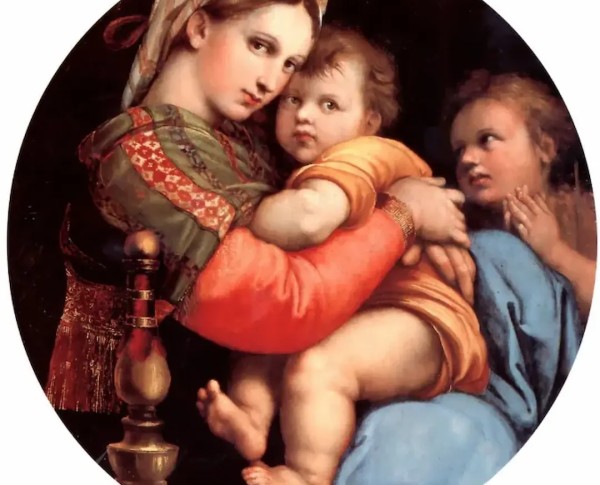
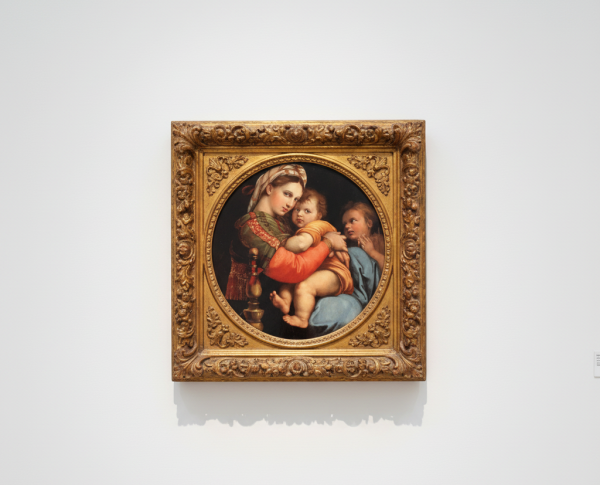
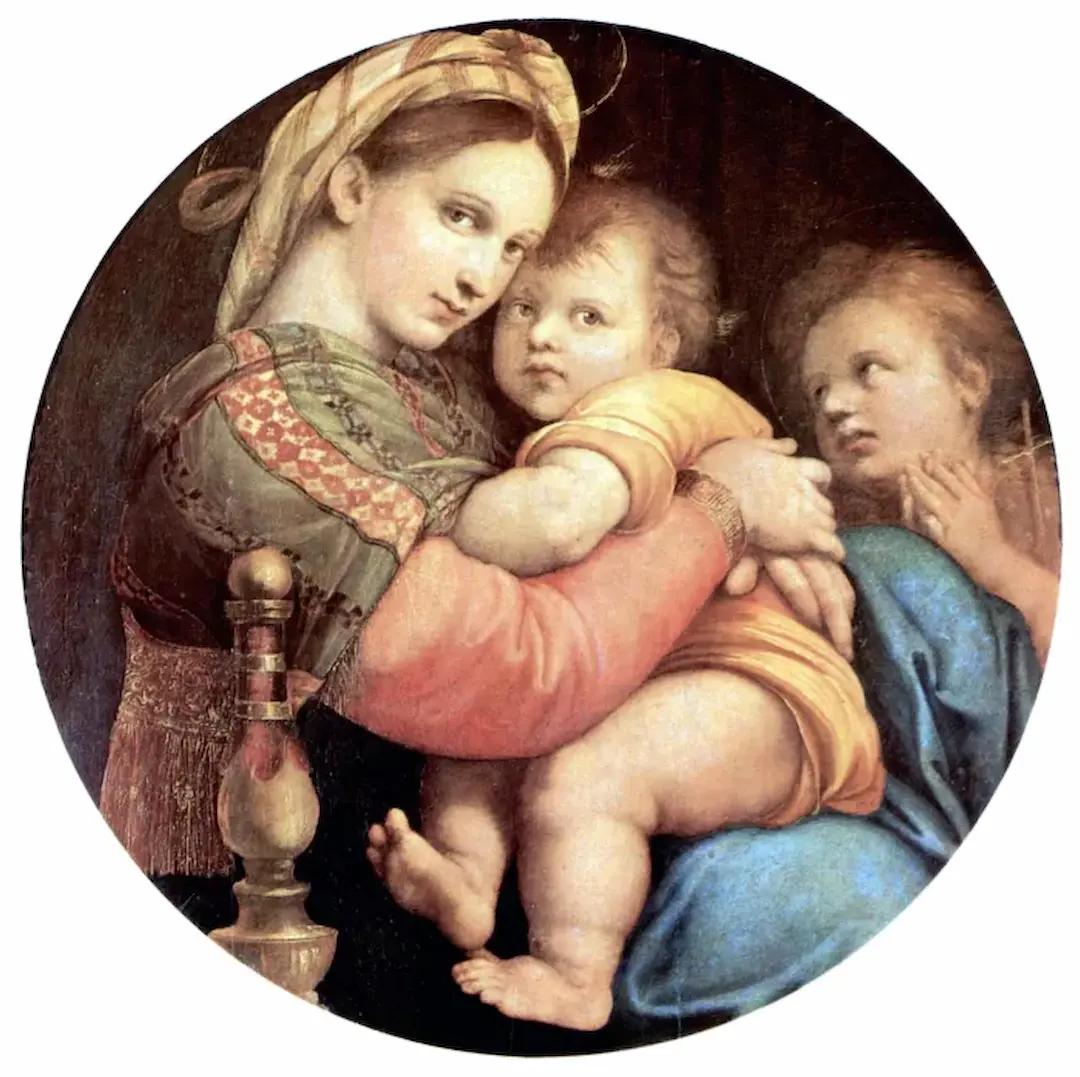
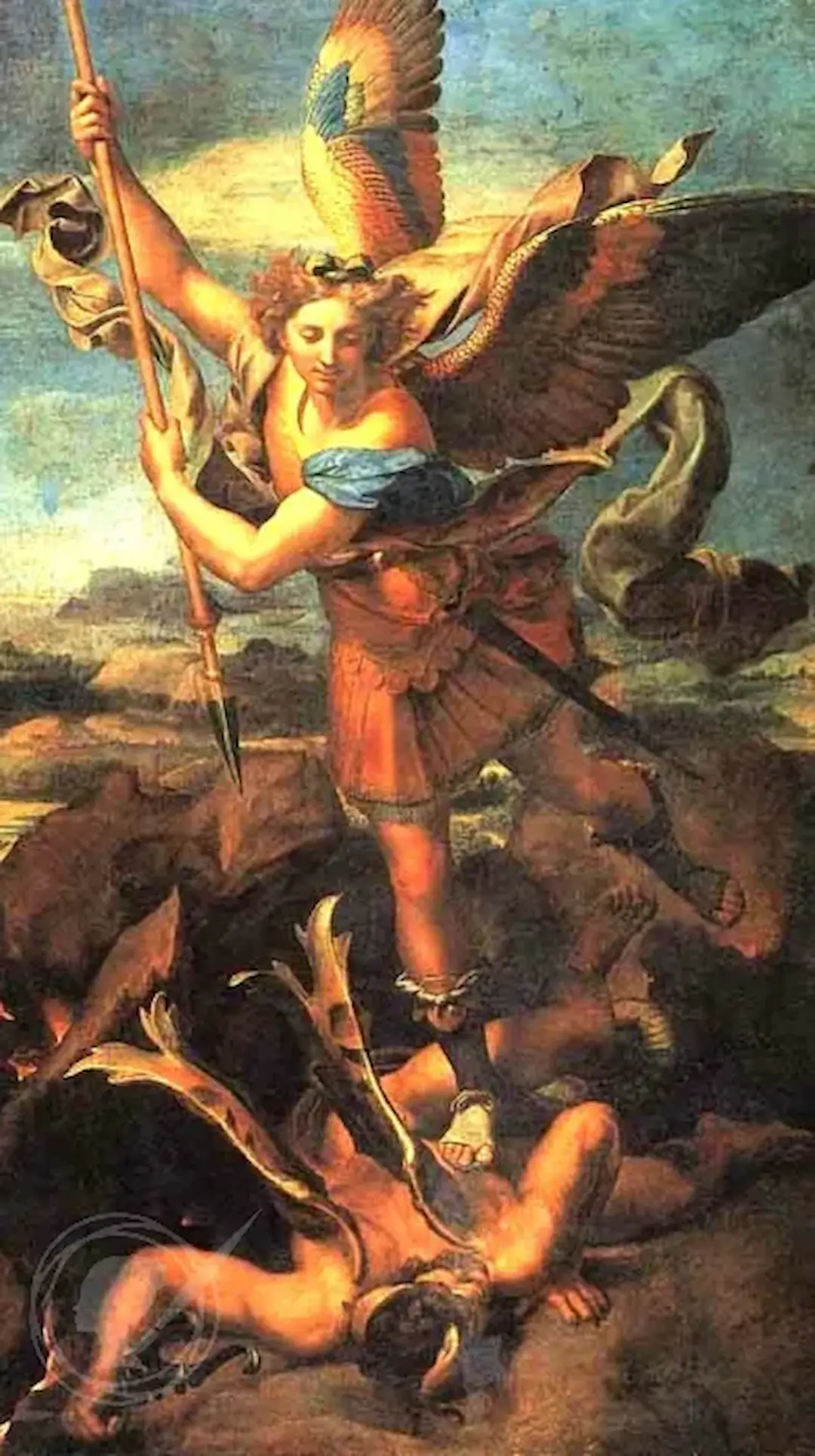
Raffaello Sanzio’s "Madonna della Sedia" showcases impeccable technique, with each brushstroke reflecting the artist’s mastery of oil on canvas. The High Renaissance movement is renowned for its lifelike depictions and harmonious compositions, both of which are evident in this artwork. If you appreciate the craftsmanship seen here, you may also enjoy related works such as "St George and the Dragon" and "Saint Michael Trampling the Dragon" by the same artist.
Within "Madonna della Sedia," Raffaello Sanzio weaves subtle symbolism into the High Renaissance narrative, inviting viewers to reflect on themes of motherhood and divinity. The circular composition and gentle embrace in this fine art painting for sale evoke a sense of unity and love. Art lovers might also find symbolic richness in related paintings like "Saint Michael And The Dragon" and "The Madonna Of The Chair," both available for discerning collectors.
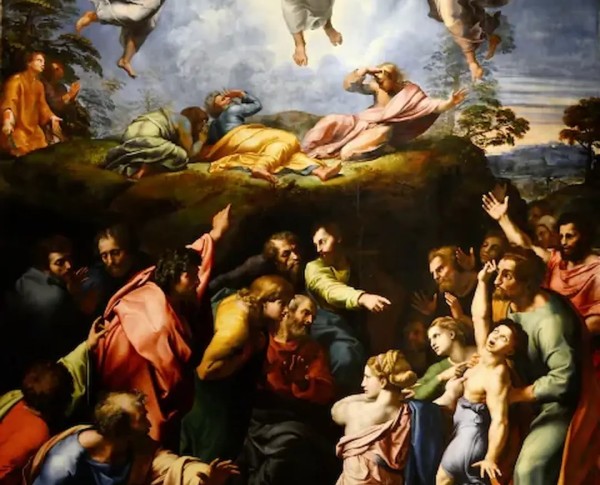
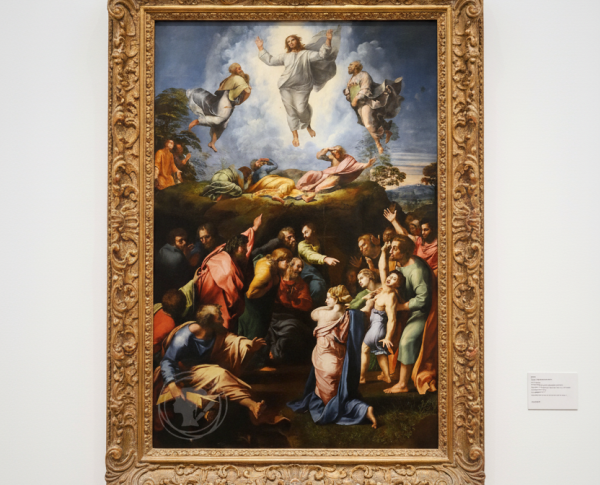
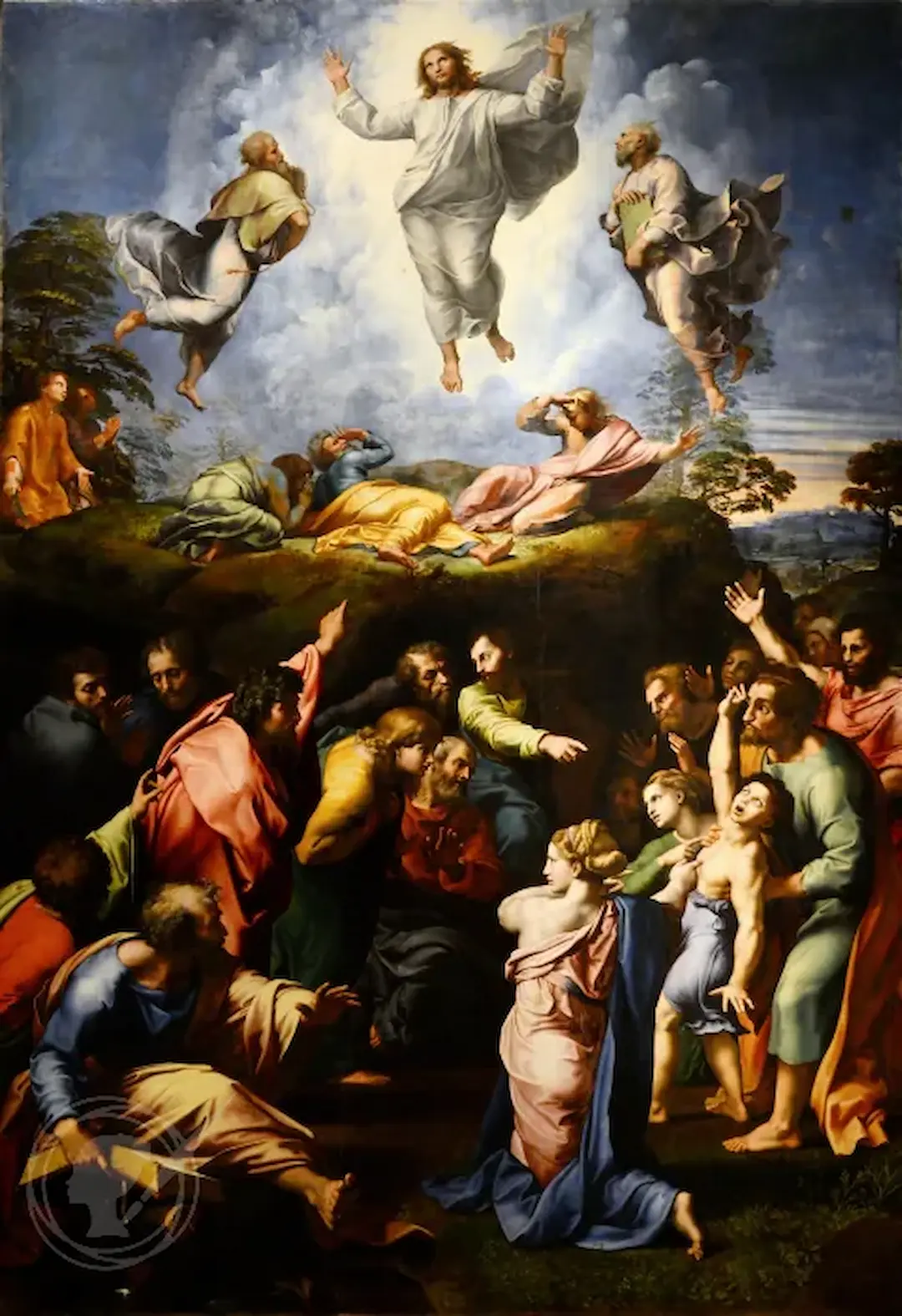
As a masterpiece of the High Renaissance, "Madonna della Sedia" by Raffaello Sanzio remains a sought-after oil on canvas for collectors worldwide. Its enduring appeal lies in its emotional depth and artistic brilliance. Those who appreciate this work often explore related products such as "Portrait Of Bindo Altoviti," "The Transfiguration," and "Saint Michael Trampling the Dragon" to enhance their fine art collections with similar treasures.
When Art Meets History
"Madonna della Sedia" by Raffaello Sanzio stands as a testament to the brilliance of the High Renaissance movement. Painted in the early 16th century, this hand-painted oil painting captures the spiritual and cultural essence of its time. Like Leonardo’s "Mona Lisa (La Gioconda)" or "The Last Supper," Raphael’s work reflects the period’s fascination with human emotion and divine beauty, making it a crucial link in the chain of Renaissance masterpieces.
Techniques That Speak
Raffaello Sanzio’s "Madonna della Sedia" showcases his mastery of oil on canvas, evident in the delicate rendering of textures and colors. The circular composition, a hallmark of Raphael’s style, adds intimacy and harmony to the scene. Similar to the techniques seen in "Creation of Adam 1510" and "La Scapigliata," Raphael’s brushwork brings life to the figures, making this painting a prime example of technical brilliance from the High Renaissance era.
Emotions on Display
In "Madonna della Sedia," Raphael conveys profound maternal affection and warmth through expressive faces and tender gestures. The emotional depth rivals that found in other High Renaissance works, such as "Portrait of Cecilia Gallerani (Lady with an Ermine) 1483-90." This fine art painting for sale is celebrated for its ability to evoke empathy and admiration, drawing viewers into the intimate bond between Madonna and Child, a recurring theme in Renaissance masterpieces.
Coveted by Collectors
"Madonna della Sedia" remains highly sought after by collectors and art enthusiasts, much like Leonardo’s and Michelangelo’s celebrated works. Its historical significance and exceptional artistry make it a prized possession for museums and private collections. As with "The Last Supper 1498," the allure of owning such a renowned oil on canvas masterpiece persists, ensuring that Raphael’s legacy endures among lovers of fine art painting for sale worldwide.
Related High Renaissance Hand-Painted Oil Paintings by Other Artists
Other Famous High Renaissance Artists:
Frequently Asked Questions About Madonna della Sedia
What is the historical context of Madonna della Sedia?
Madonna della Sedia was painted by Raffaello Sanzio around 1514-1515 during the High Renaissance, a period characterized by a revival of classical learning and values. This era saw the emergence of some of the most renowned artists in history, with Raphael being a key figure in the development of Renaissance art.
What are the main artistic techniques used in Madonna della Sedia?
Raphael employed a variety of artistic techniques in Madonna della Sedia, including chiaroscuro to create depth and volume, and sfumato to achieve soft transitions between colors. The composition is circular, which is a hallmark of Raphael's style, allowing for a harmonious arrangement of figures.
What is the significance of the circular composition in the painting?
The circular composition of Madonna della Sedia symbolizes unity and eternity, reflecting the divine nature of the subjects. This format also draws the viewer's eye inward, creating an intimate connection with the figures of Mary and the Child Jesus.
How does Raphael depict the Virgin Mary in this artwork?
In Madonna della Sedia, Raphael portrays the Virgin Mary with a serene expression, embodying maternal grace and compassion. Her gentle gaze and protective posture towards the Child Jesus emphasize her role as the nurturing mother, a common theme in Renaissance religious art.
What symbolism is present in Madonna della Sedia?
The painting is rich in symbolism, with the Virgin Mary representing purity and motherhood, while the Child Jesus symbolizes divine love and salvation. The presence of the chair (sedia) itself can be interpreted as a throne, signifying Mary's elevated status in Christian theology.
What influence did Madonna della Sedia have on later artists?
Madonna della Sedia has had a profound influence on subsequent generations of artists, inspiring them to adopt similar compositions and themes of maternal affection. Its impact can be seen in the works of Baroque and Neoclassical artists who sought to emulate Raphael's idealized forms and emotional depth.
Where is Madonna della Sedia currently located?
Madonna della Sedia is housed in the Palazzo Pitti in Florence, Italy. This prestigious location allows the painting to be appreciated within the context of the Renaissance art movement that flourished in the region.
What materials were used in the creation of Madonna della Sedia?
Raphael created Madonna della Sedia using oil on wood, a common medium during the Renaissance that allowed for rich color and detailed textures. The use of oil paint enabled him to achieve the luminous quality and subtle gradations of light that characterize the work.
How does Madonna della Sedia compare to other works by Raphael?
Madonna della Sedia is often compared to other Madonna paintings by Raphael, such as the Madonna del Granduca and the Sistine Madonna. While each work shares similar themes of motherhood and divinity, Madonna della Sedia is noted for its intimate composition and emotional resonance, setting it apart as one of Raphael's most beloved pieces.
What was Raphael's artistic philosophy as reflected in Madonna della Sedia?
Raphael's artistic philosophy emphasized harmony, balance, and the idealization of beauty. In Madonna della Sedia, these principles are evident in the serene expressions of the figures, the balanced composition, and the use of color to evoke a sense of tranquility, reflecting his belief in the power of art to convey divine truths.






















_GFM_Painting_(1).webp)


 100% Hand-Painted: Finished in 3-6 Weeks

.png)
















_(1).webp)