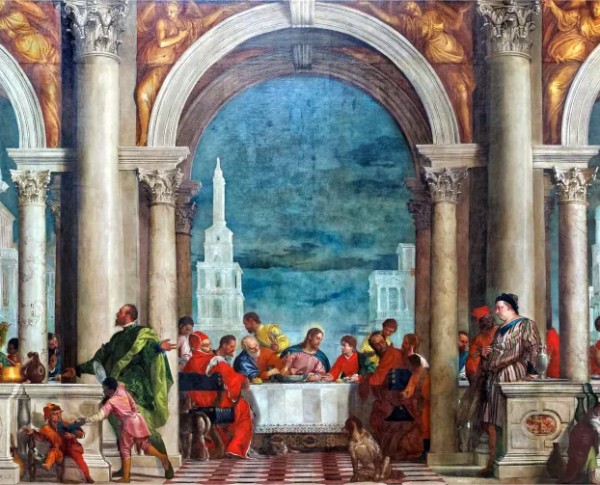
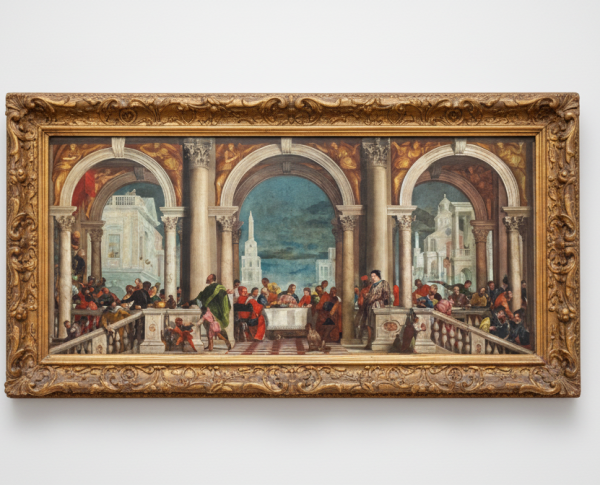
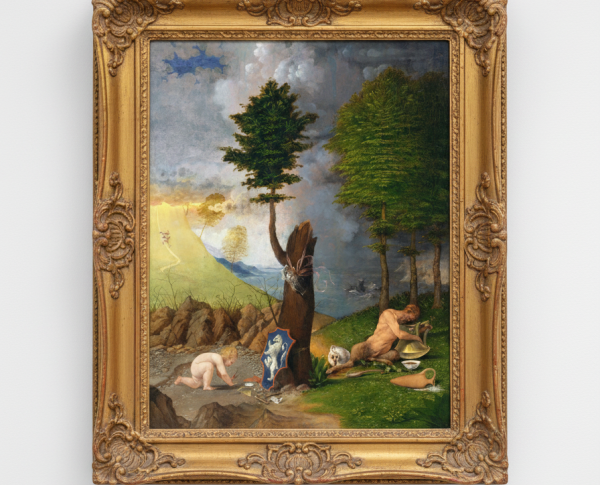
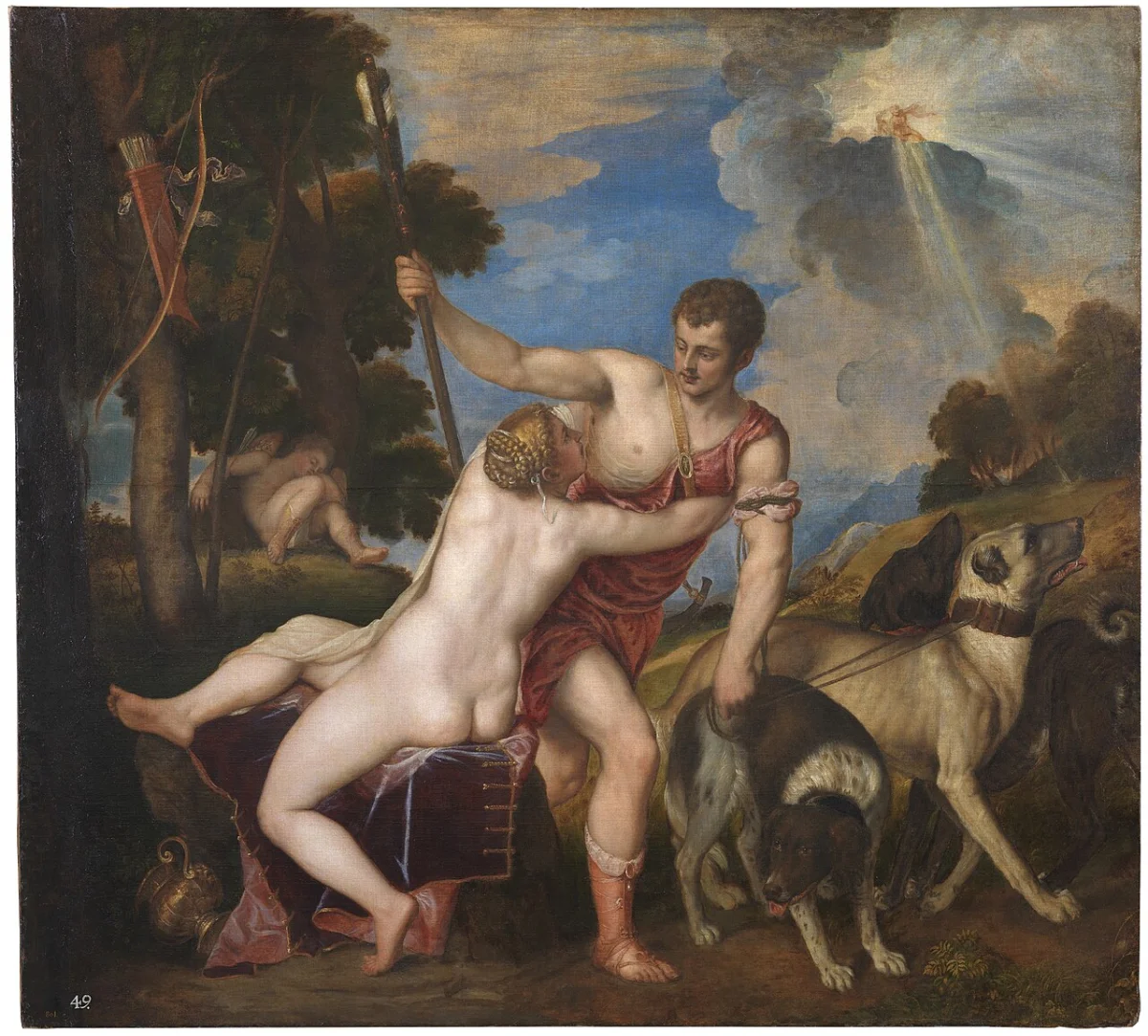
Paolo Veronese’s “Venus and Adonis” showcases his exceptional technique in oil on canvas, a hallmark of Renaissance artistry. Each brushstroke reveals meticulous attention to detail, bringing mythological figures to life with vibrant color and dramatic composition. Collectors and enthusiasts of fine art painting for sale often seek out Veronese’s works, including “Deposition of Christ” and “Portrait of a Young Man Wearing Lynx Fur,” to elevate their collections with true masterpieces.
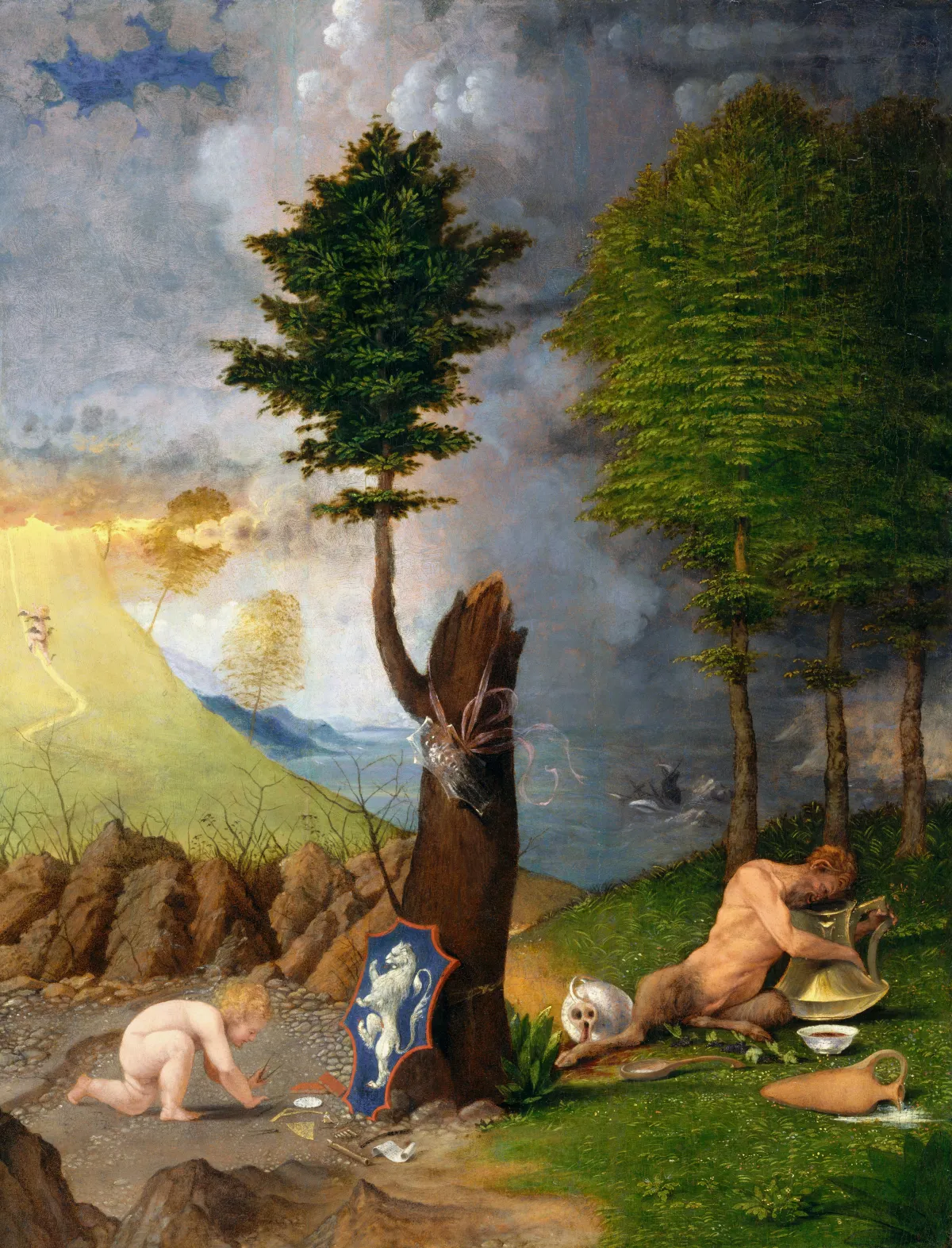
In “Venus and Adonis,” Veronese weaves a rich tapestry of allegory and symbolism, characteristic of the Renaissance. The painting’s narrative is enhanced through the use of oil on canvas, highlighting the emotional tension between the figures. This hand-painted oil painting invites viewers to explore deeper meanings, much like his other works, such as “St Matthew” and “Allegory of Virtue and Vice,” which are also celebrated for their storytelling through art.
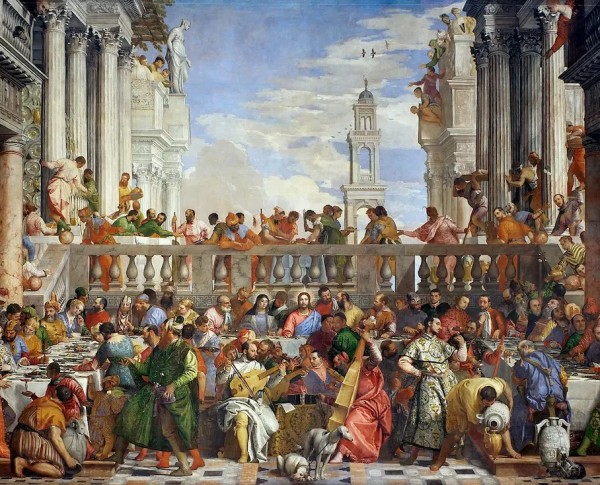
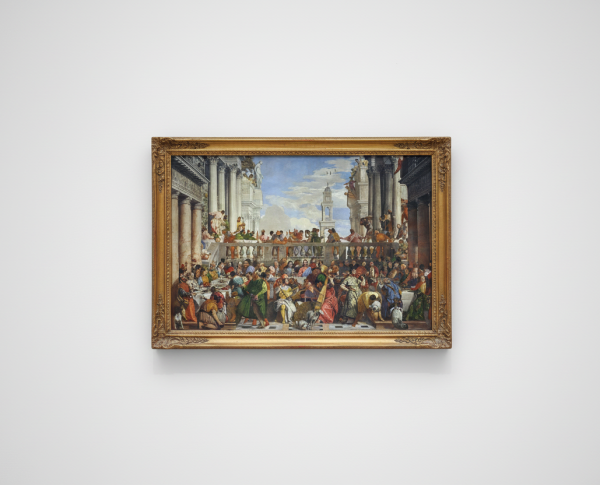
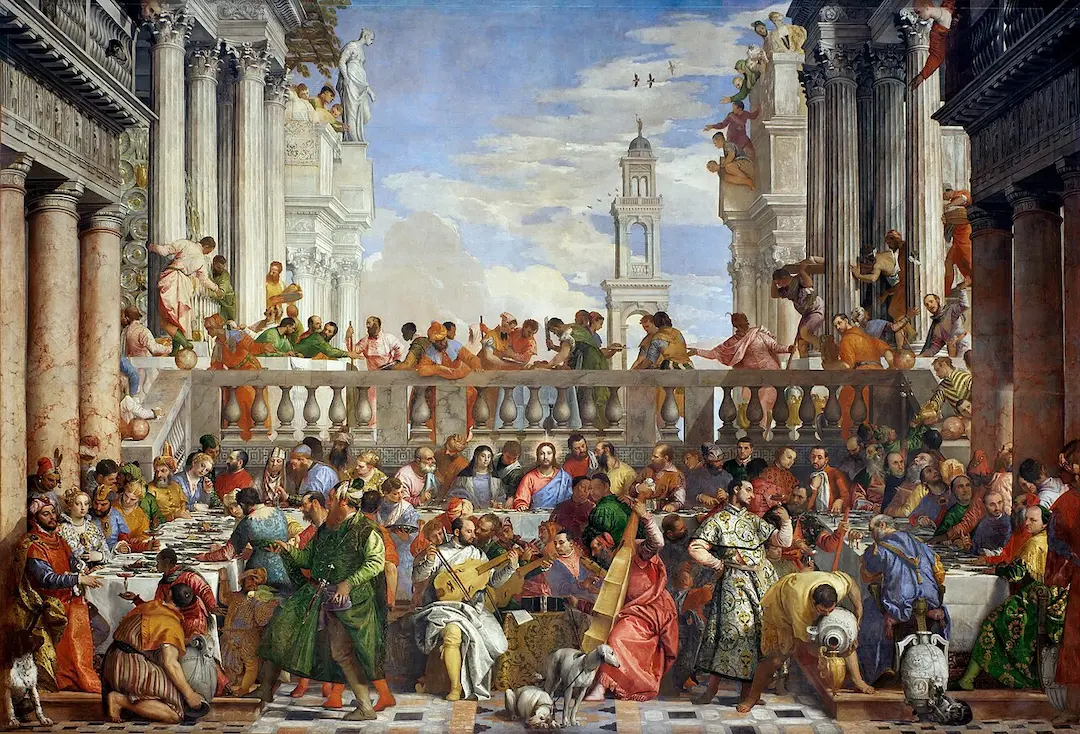
Owning a hand-painted oil painting like “Venus and Adonis” by Paolo Veronese is a dream for collectors of Renaissance art. The painting’s historical significance and exquisite execution make it a prized possession, just like related pieces “Temptation of St Anthony” and “The Wedding at Cana.” As a fine art painting for sale, it offers an opportunity to own a piece of Veronese’s enduring legacy and enrich any collection with timeless beauty.
When Art Meets History
"Venus and Adonis" by Paolo Veronese stands as a testament to the grandeur of the Renaissance movement, a period where mythology and artistry merged seamlessly. This hand-painted oil painting captures a pivotal mythological moment, reflecting the era's fascination with classical tales. Alongside masterpieces like "Orpheus and Eurydice" and "Concert Champetre," Veronese's work embodies the historical richness that defines Renaissance fine art, making each canvas a window into the past's cultural and artistic legacy.
Techniques That Speak
Paolo Veronese’s "Venus and Adonis" showcases the exquisite oil on canvas technique that defined much of Renaissance painting. His delicate brushwork, vibrant color palette, and skillful use of light and shadow breathe life into the mythic figures. Similar to his "Portrait of Ariosto" and "Portrait of a Man," Veronese’s mastery over texture and composition elevates the narrative, making each detail in this oil on canvas a testament to his technical prowess and artistic innovation.
Emotions on Display
The emotional depth in "Venus and Adonis" by Paolo Veronese is palpable, with every gesture and expression rendered through nuanced brushwork. The longing and tension between the figures evoke universal feelings of love and loss, a hallmark of Renaissance storytelling. Like his "Pope Alexander IV Presenting Jacopo Pesaro to St Peter," this fine art painting for sale captures complex human emotions, drawing viewers into a timeless narrative that continues to resonate across generations.
Coveted by Collectors
As a celebrated Renaissance masterpiece, "Venus and Adonis" by Paolo Veronese remains highly sought after by art enthusiasts and collectors worldwide. The allure of owning a hand-painted oil painting from such a renowned artist, whose portfolio includes "Orpheus and Eurydice" and "Concert Champetre," is undeniable. For those seeking a fine art painting for sale that embodies historical significance and artistic brilliance, Veronese’s works are perennial favorites in prestigious collections.
Related Renaissance Hand-Painted Oil Paintings by Other Artists
Other Famous Renaissance Artists:
Frequently Asked Questions About Venus and Adonis
What is the historical context of "Venus and Adonis" by Paolo Veronese?
"Venus and Adonis" was created during the late Renaissance period, a time characterized by a renewed interest in classical mythology and humanism. Veronese, active in Venice, was influenced by the vibrant artistic environment of the time, which emphasized color, light, and dramatic compositions.
What artistic techniques did Veronese employ in this painting?
Veronese is known for his masterful use of color and light. In "Venus and Adonis," he employs a rich palette and dynamic compositions to create a sense of movement and emotion. The use of chiaroscuro enhances the three-dimensionality of the figures, while the intricate details in the drapery showcase his skill in rendering textures.
What is the significance of the figures of Venus and Adonis in the painting?
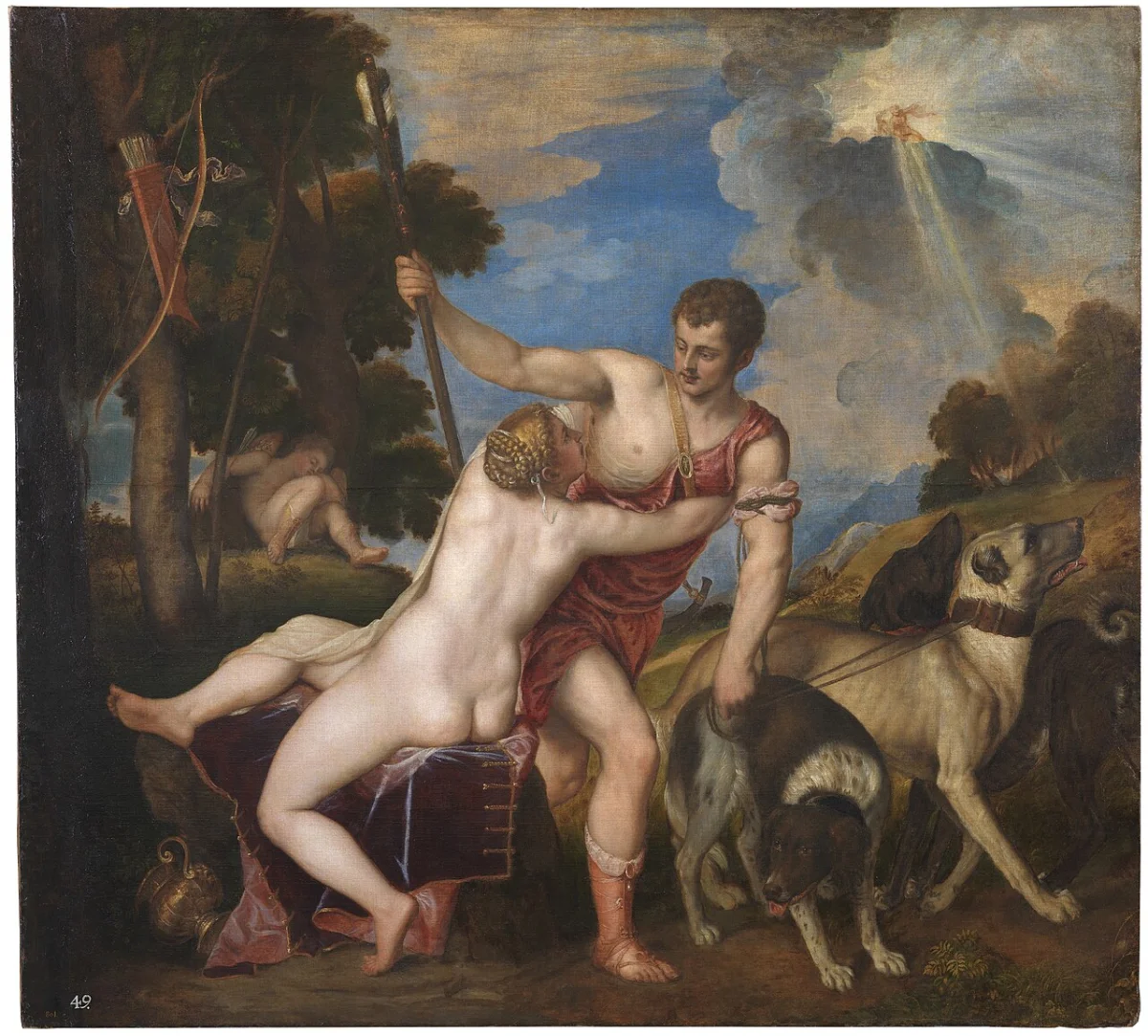
Venus, the goddess of love, and Adonis, a mortal beloved by her, symbolize the themes of love and beauty intertwined with the inevitability of loss. Their relationship reflects the transient nature of life and love, a common motif in Renaissance art that resonates with the audience's emotions.
How does Veronese's portrayal of Venus differ from other artists of his time?
Veronese's Venus is depicted with a sense of both sensuality and strength, contrasting with the more passive representations by other artists. His Venus exudes confidence and allure, embodying the ideal of feminine beauty while also showcasing her emotional depth in the context of her relationship with Adonis.
What symbolic elements are present in "Venus and Adonis"?
The painting contains various symbolic elements, such as the presence of flowers, which often represent love and beauty, and the hunting dogs that signify Adonis's passion for hunting. These elements contribute to the narrative of love intertwined with the themes of mortality and fate.
What role does color play in "Venus and Adonis"?
Color plays a pivotal role in conveying emotion and setting the mood in "Venus and Adonis." Veronese's vibrant hues create a sense of warmth and intimacy, while the contrasting tones highlight the tension between the lovers, enhancing the painting's dramatic impact.
How does the composition of the painting affect its interpretation?
The composition of "Venus and Adonis" is dynamic, with the figures arranged in a triangular formation that draws the viewer's eye across the canvas. This arrangement not only emphasizes the connection between the characters but also creates a sense of movement, reflecting the urgency of their emotions.
What influence did "Venus and Adonis" have on later artists?
The painting had a significant impact on subsequent artists, inspiring them to explore themes of love and mythology with similar emotional depth. Veronese's approach to color and composition influenced the Baroque movement, encouraging artists to experiment with dramatic narratives and rich visual storytelling.
Where can "Venus and Adonis" be viewed today?
"Venus and Adonis" is housed in a prominent art collection, where it continues to be appreciated for its artistic merit and historical significance. Visitors can experience the painting firsthand, gaining insight into Veronese's mastery and the cultural context of the Renaissance.
What are the main themes explored in "Venus and Adonis"?
The primary themes of "Venus and Adonis" include love, beauty, and the transient nature of life. The painting encapsulates the bittersweet nature of love, illustrating the tension between desire and the inevitability of loss, a reflection of human experiences that resonates through time.






















_GFM_Painting_(1).webp)


 100% Hand-Painted: Finished in 3-6 Weeks

.png)















_(1).webp)