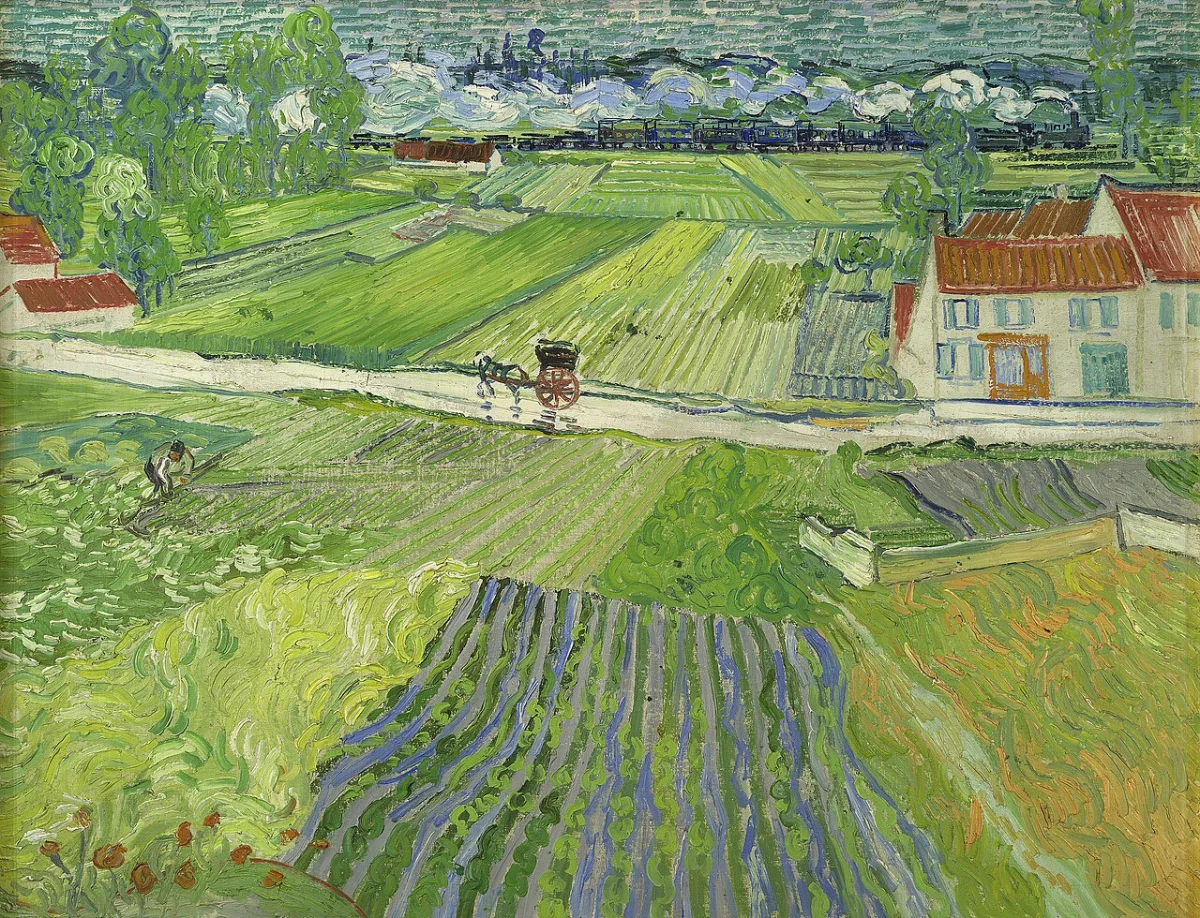
Vincent Van Gogh’s expert use of oil on canvas in "Landscape with a Carriage and a Train" highlights his innovative techniques within the Post-Impressionism movement. The dynamic brushwork and vibrant palette exemplify his unique ability to convey motion and atmosphere. This masterpiece, alongside other celebrated works like "Wheat Field with a Lark" and "Wheatfield with Cypress I," showcases Van Gogh’s mastery and continues to inspire artists and collectors around the world.
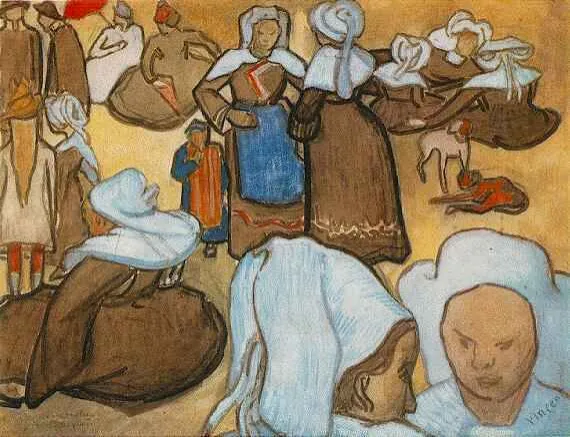
"Landscape with a Carriage and a Train" weaves together symbols of progress and tradition, reflecting the changing world of Van Gogh’s era. This fine art painting for sale invites viewers to interpret the juxtaposition of the carriage and train as a narrative of transition. Fans of Van Gogh’s storytelling may also enjoy related pieces such as "Peasant Woman Against a Background of Wheat," which similarly explore themes of rural life and modernity.
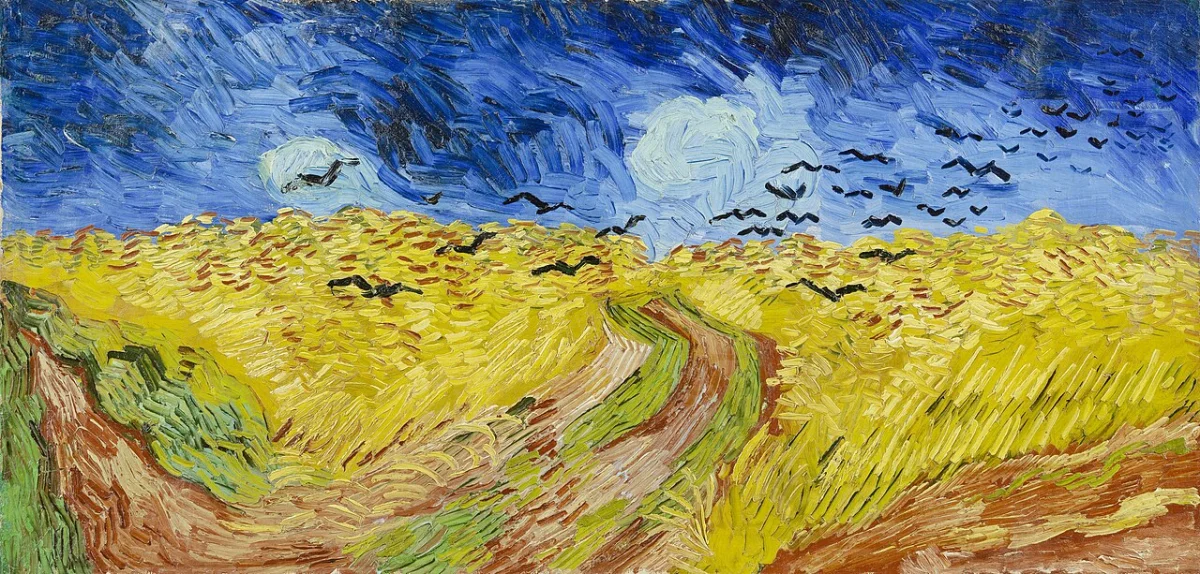
For art collectors, owning "Landscape with a Carriage and a Train" by Vincent Van Gogh means possessing a significant piece of Post-Impressionism history. This hand-painted oil painting is highly sought after, much like Van Gogh’s other masterpieces including "Wheatfield with Crows" and "Wheatfield with Cypress I." Its enduring appeal and historical importance make it a prized addition to any fine art collection, symbolizing both artistic innovation and timeless beauty.
When Art Meets History
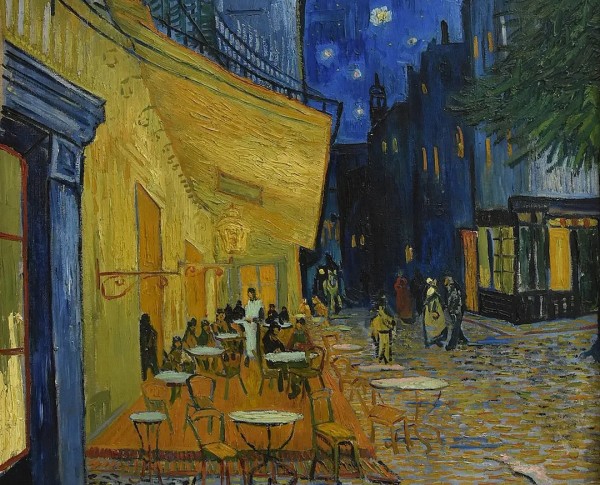
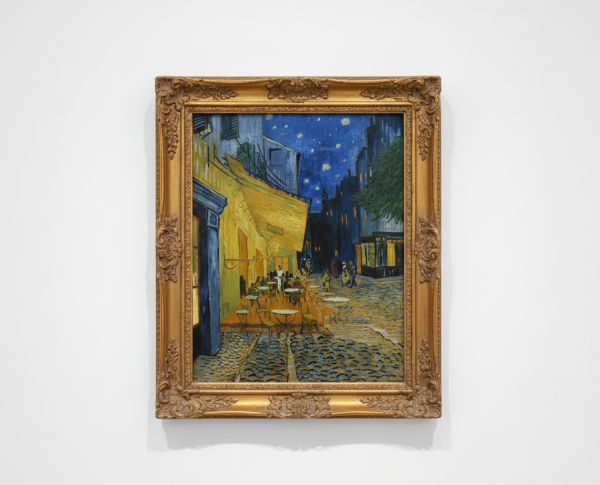
Vincent Van Gogh’s "Landscape with a Carriage and a Train" stands as a testament to the transformative power of the Post-Impressionism movement. Created during a period of rapid industrial change, this hand-painted oil painting captures the intersection of rural life and modern progress. Van Gogh’s work, alongside related paintings like "The Night Café in Arles" and "Martinique Landscape," reflects the artist’s fascination with the evolving world, making it a significant piece for art historians and collectors alike.
Techniques That Speak
In "Landscape with a Carriage and a Train," Van Gogh employs his signature brushwork and vibrant color palette, demonstrating masterful use of oil on canvas. The swirling skies and textured fields evoke movement and energy, hallmarks of Post-Impressionism. Like his works "Self-portrait with hat" and "Two Tahitian Women," this painting reveals Van Gogh’s innovative approach to composition, blending realism with emotional expression, making it an enduring example of his technical brilliance.
Emotions on Display
The emotional depth of "Landscape with a Carriage and a Train" is palpable, as Van Gogh translates the tension between tradition and progress into vivid imagery. This fine art painting for sale invites viewers to experience the artist’s inner world, similar to the emotive qualities found in "One Of The Family." Through bold colors and dynamic forms, Van Gogh communicates a sense of nostalgia and wonder, hallmarks of Post-Impressionism’s ability to convey feeling through art.
Coveted by Collectors
As a sought-after piece within Van Gogh’s oeuvre, "Landscape with a Carriage and a Train" holds immense value for collectors of Post-Impressionism. Its connection to related masterpieces such as "The Night Café in Arles" and "Martinique Landscape" increases its desirability. Collectors are drawn to the hand-painted oil painting for its unique blend of historical context and artistic innovation, ensuring its place among the most prized fine art painting for sale.
Related Post-Impressionism Hand-Painted Oil Paintings by Other Artists
Other Famous Post-Impressionism Artists:
Frequently Asked Questions About Landscape with a Carriage and a Train
What is the historical context of "Landscape with a Carriage and a Train"?
This painting was created during the late 19th century, a time of significant change in Europe due to industrialization. Van Gogh captured the juxtaposition of nature and emerging technology, reflecting societal shifts of his time.
What artistic techniques did Van Gogh employ in this painting?
Van Gogh utilized his signature impasto technique, applying thick layers of paint to create texture and movement. The swirling brushstrokes convey emotion and dynamism, characteristic of his post-impressionist style.
What symbolism can be found in "Landscape with a Carriage and a Train"?
The carriage represents traditional modes of transport, while the train symbolizes progress and modernity. This contrast may suggest a tension between nature and industrial advancement, a recurring theme in Van Gogh's work.
How does this painting reflect Van Gogh's emotional state?
Van Gogh's use of vibrant colors and expressive brushwork often reflects his emotional turmoil. In this piece, the lively landscape may signify a yearning for connection with nature amidst the chaos of modern life.
What influences can be seen in Van Gogh's landscape compositions?
Van Gogh was influenced by the Impressionist movement, particularly in his use of light and color. Additionally, Japanese woodblock prints inspired his compositional choices and bold color contrasts.
What role does color play in "Landscape with a Carriage and a Train"?
The vibrant palette, featuring rich greens and yellows, evokes a sense of vitality and warmth. The contrasting colors enhance the emotional impact and draw the viewer's eye throughout the composition.
How does this painting compare to other works by Van Gogh?
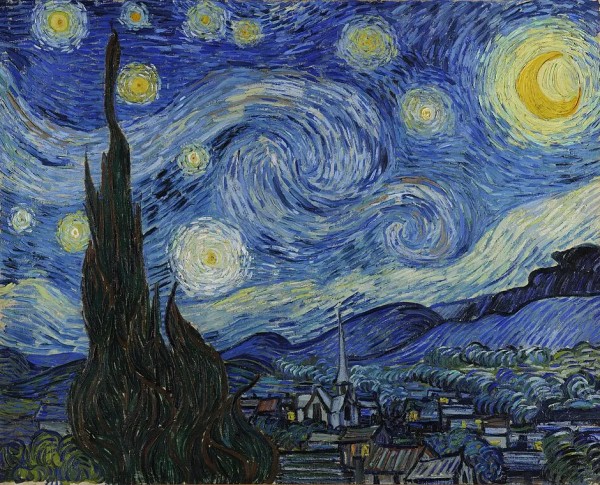
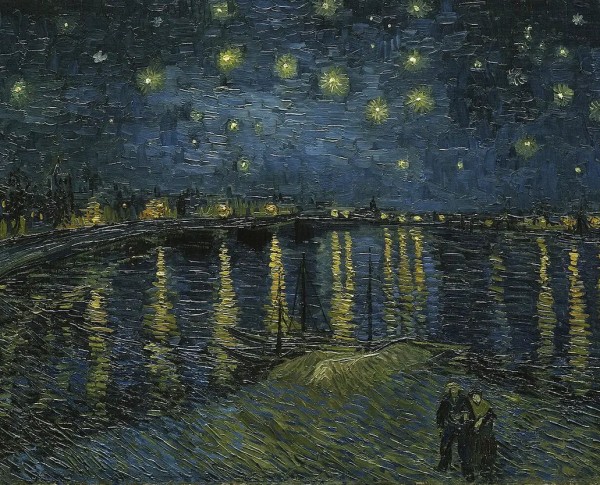
Similar to other works such as "The Starry Night," this painting reflects Van Gogh's fascination with the interplay between nature and human innovation. However, it is unique in its direct representation of transportation and industrialization.
What is the significance of the train in this artwork?
The train serves as a symbol of the rapid changes occurring in society during Van Gogh's lifetime. It represents the shift towards modernity and the impact of technology on the natural landscape.
What can we learn about Van Gogh's view of nature from this painting?
Van Gogh's portrayal of nature in this piece suggests a deep appreciation for its beauty and complexity. His work often reflects a desire to capture the essence of the natural world, even as it faces the encroachment of industrialization.
Where can I view "Landscape with a Carriage and a Train"?
This painting is part of a private collection and may not be on public display. Please check with the gallery for any upcoming exhibitions featuring Van Gogh's works.






















_GFM_Painting_(1).webp)


 100% Hand-Painted: Finished in 3-6 Weeks

.png)
















_(1).webp)