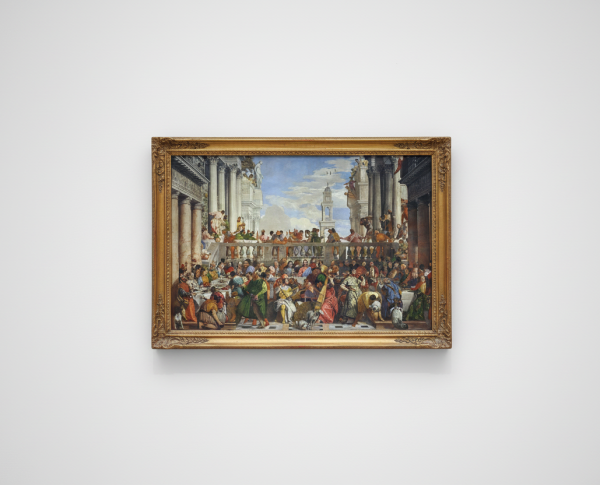
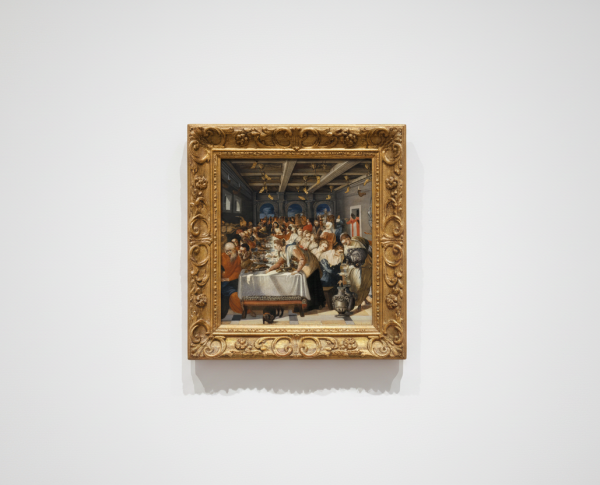
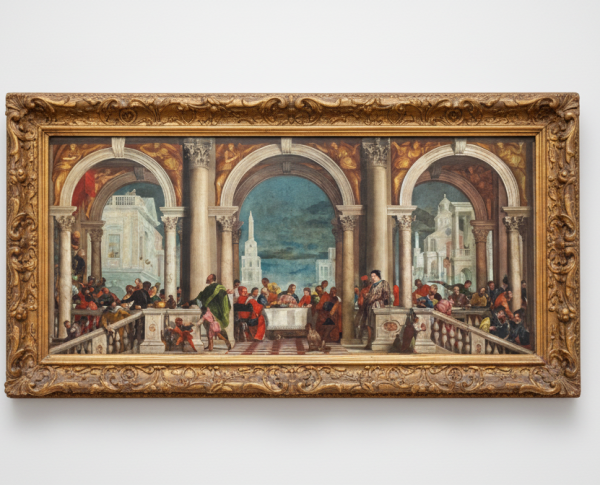
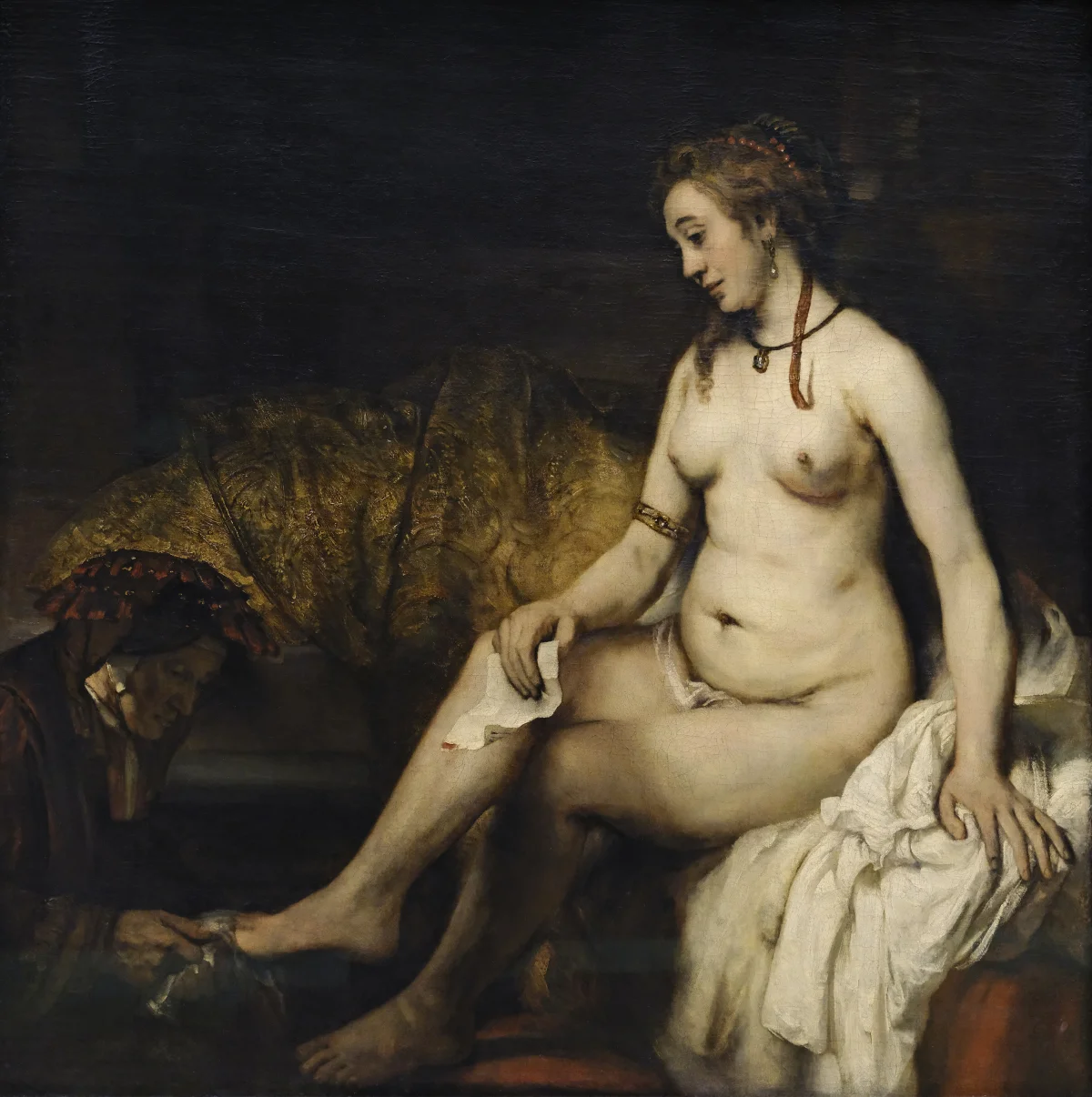
The brilliance of "Bathsheba at Her Bath" lies in its intricate details and the artist’s expert technique. Veronese’s use of oil on canvas allowed for a vibrant palette and subtle gradations of light, bringing the scene to life. His skill is equally evident in related masterpieces such as "Mars and Venus with Cupid and a Dog" and "Minerva between Geometry and Arithmetics," each showcasing the Renaissance commitment to realism and elegance in every brushstroke.
In "Bathsheba at Her Bath," Veronese weaves Biblical narrative with rich symbolism, capturing a moment of contemplation and vulnerability. This hand-painted oil painting invites viewers to explore layers of meaning, much like his celebrated works "The Vision of St. Helena" and "The Madonna of the Cuccina Family." The Renaissance movement thrived on such storytelling, using art as a vessel for moral and spiritual reflection, making each piece a profound visual journey for the observer.
Owning a masterpiece like "Bathsheba at Her Bath" by Paolo Veronese is the pinnacle for art collectors, especially those seeking fine art painting for sale from the Renaissance era. The allure of Veronese’s oil on canvas creations, alongside related works such as "Venus and Adonis," lies in their enduring value and unmatched artistry. Each painting not only enriches a collection but also preserves a piece of history, making it a true collector’s treasure.
When Art Meets History
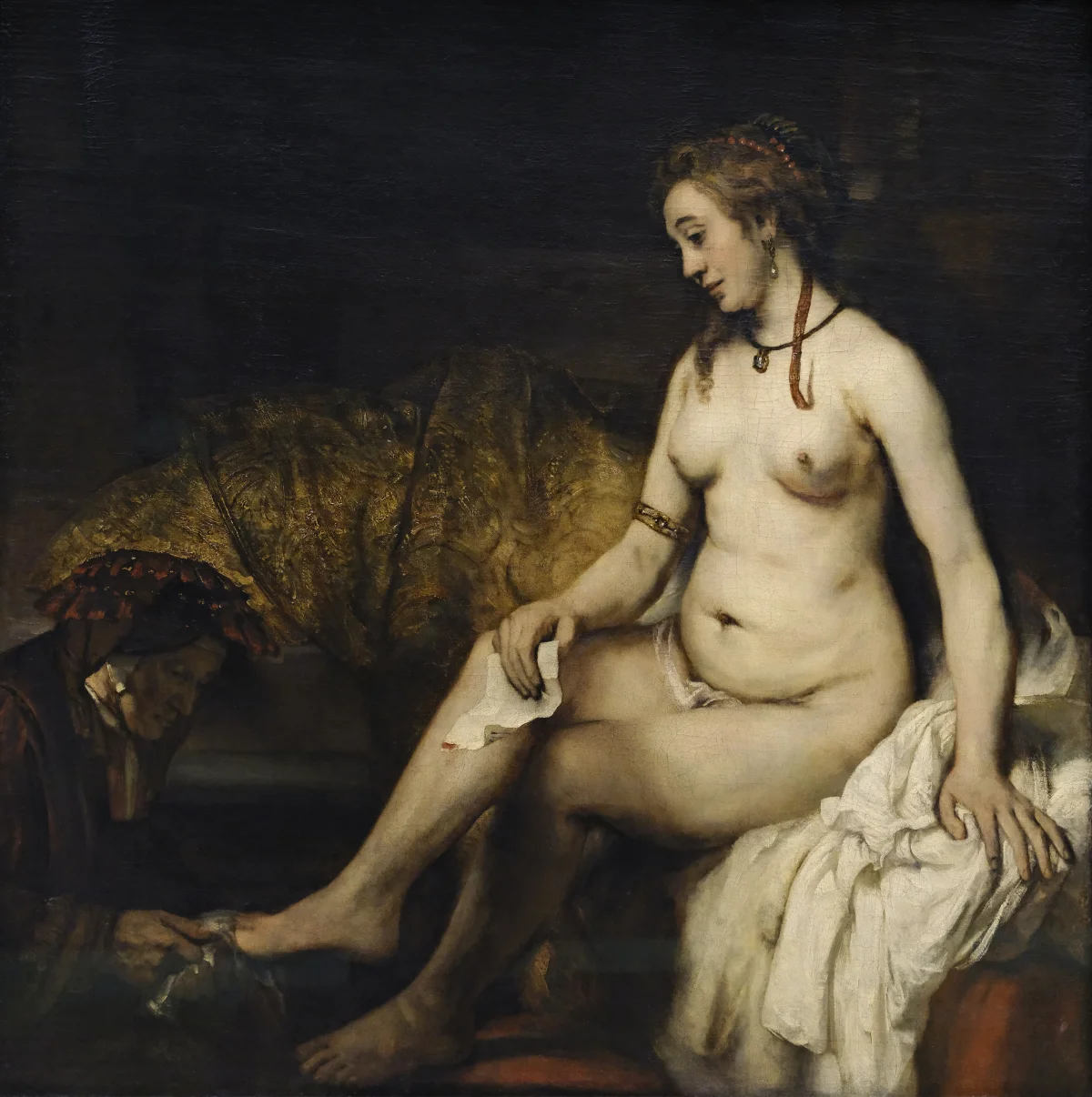
Paolo Veronese’s masterpiece, "Bathsheba at Her Bath," stands as a testament to the grandeur of the Renaissance movement. This hand-painted oil painting brings to life the biblical story of Bathsheba, capturing both the opulence and complexity of the era. Veronese, known for his vibrant compositions, masterfully weaves historical context into every brushstroke, making this work a prime example of Renaissance storytelling through art.
Techniques That Speak
Employing the oil on canvas medium, Paolo Veronese showcases his exceptional skill in "Bathsheba at Her Bath." The painting exhibits the artist’s signature use of luminous colors, intricate details, and dramatic lighting, hallmarks of Renaissance technique. Veronese’s careful layering and blending of oils create depth and realism, allowing viewers to appreciate the technical prowess that makes this artwork a true marvel of oil on canvas craftsmanship.
Emotions on Display
In "Bathsheba at Her Bath," Paolo Veronese conveys a range of emotions—from Bathsheba’s vulnerability to the subtle intrigue of the onlookers. The artist’s ability to infuse each figure with distinct feeling elevates this fine art painting for sale into a profound exploration of human nature. The Renaissance movement’s emphasis on emotional depth is vividly present, inviting viewers to connect with the story on a personal level.
Coveted by Collectors
As a celebrated example of Renaissance artistry, "Bathsheba at Her Bath" by Paolo Veronese remains highly sought after among art enthusiasts. The hand-painted oil painting’s historical significance and technical mastery make it a prized possession in any collection. Collectors value such masterpieces for their enduring beauty and the glimpse they offer into the world of Renaissance fine art, where Veronese’s legacy continues to inspire.
Frequently Asked Questions About Bathsheba at Her Bath
What is the historical context of "Bathsheba at Her Bath"?
"Bathsheba at Her Bath" was painted by Paolo Veronese during the late Renaissance period, a time characterized by a renewed interest in classical themes and humanism. The painting reflects the era's fascination with biblical narratives and the exploration of human emotion and beauty.
Who is the central figure in the painting, and what does she represent?
The central figure is Bathsheba, a biblical character known for her beauty and tragic story. In the context of the painting, she represents themes of desire, temptation, and the consequences of moral choices, particularly in relation to King David.
What artistic techniques did Veronese use in this painting?
Veronese employed a vibrant color palette, dramatic lighting, and meticulous attention to detail. His use of chiaroscuro enhances the three-dimensionality of the figures, while the composition draws the viewer's eye toward Bathsheba, emphasizing her prominence in the scene.
How does the composition of the painting contribute to its meaning?
The composition is carefully arranged, with Bathsheba positioned centrally and surrounded by attendants. This arrangement not only highlights her importance but also creates a sense of intimacy and vulnerability, inviting the viewer to contemplate her situation and the moral implications of her story.
What symbolism is present in "Bathsheba at Her Bath"?
The painting is rich in symbolism, with elements such as the water representing purity and temptation. The presence of the letter Bathsheba holds, which is often interpreted as a message from King David, symbolizes the impending moral conflict and the consequences of desire.
In what ways does Veronese's style reflect the characteristics of the Venetian school of painting?
Veronese's style exemplifies the Venetian school through its emphasis on color, light, and texture. His ability to create lush, vibrant scenes filled with rich fabrics and intricate details is a hallmark of Venetian painting, showcasing both technical skill and a deep appreciation for beauty.
What role does the background play in the painting?
The background of "Bathsheba at Her Bath" features architectural elements and lush landscapes that enhance the narrative context. It serves to situate Bathsheba within a luxurious environment, reinforcing her status and the themes of opulence and desire that permeate the work.
How has "Bathsheba at Her Bath" influenced later artists?
This painting has had a significant impact on subsequent artists, inspiring interpretations of the Bathsheba story across various mediums. Its exploration of beauty and moral complexity has resonated with artists seeking to convey similar themes in their own works.
What is the significance of the color palette used in the painting?
The color palette of "Bathsheba at Her Bath" is characterized by rich, warm tones that evoke a sense of sensuality and intimacy. The use of golds and deep reds not only highlights the opulence of the scene but also serves to draw attention to Bathsheba as the focal point of desire.
How does this painting reflect Veronese's views on femininity?
In "Bathsheba at Her Bath," Veronese presents femininity as both alluring and complex. Bathsheba's portrayal balances beauty with vulnerability, suggesting a nuanced understanding of women's roles in society and the moral dilemmas they face, particularly in relation to power and desire.






















_GFM_Painting_(1).webp)


 100% Hand-Painted: Finished in 3-6 Weeks

.png)


















_(1).webp)