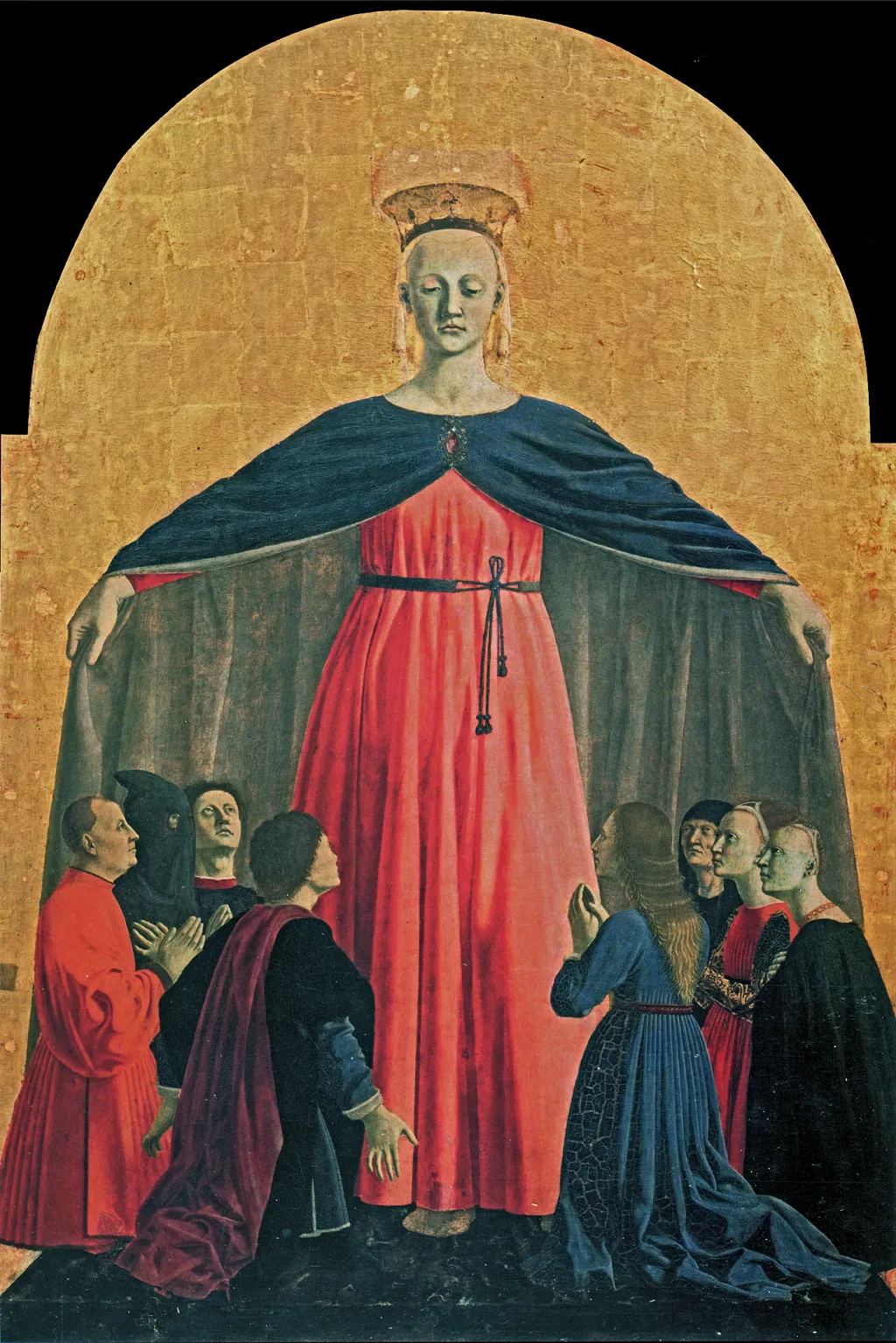
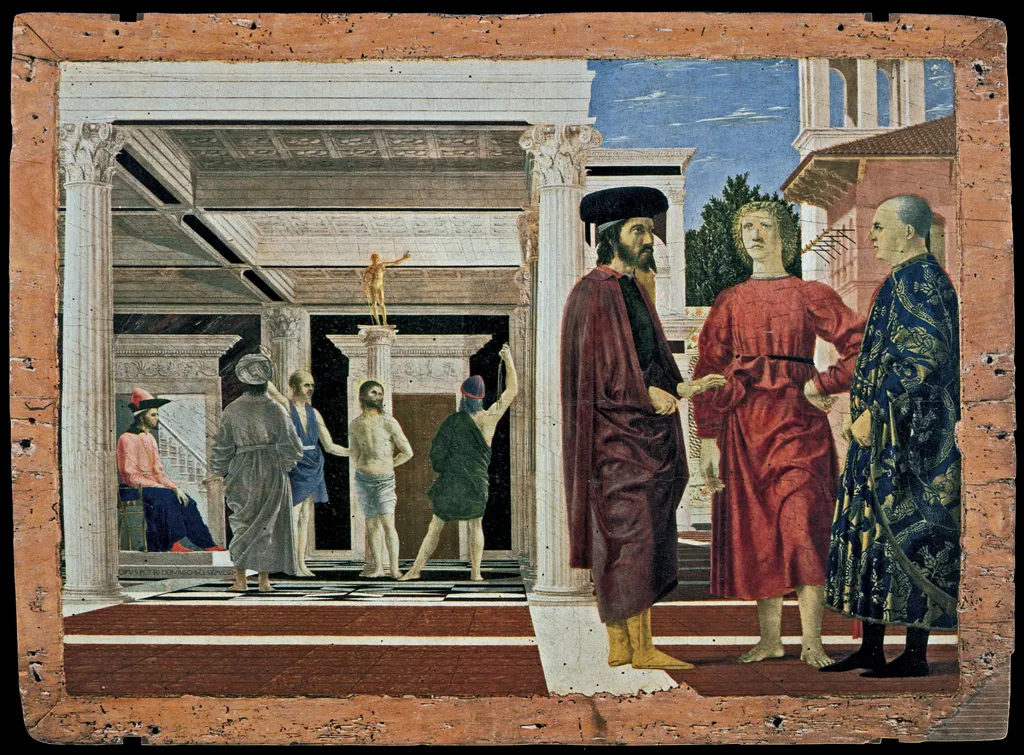
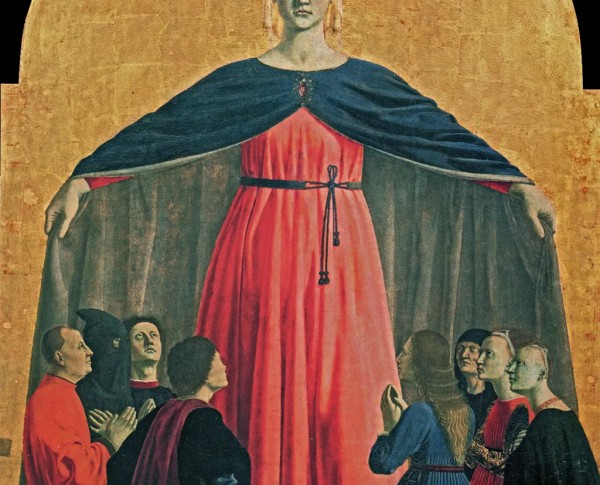
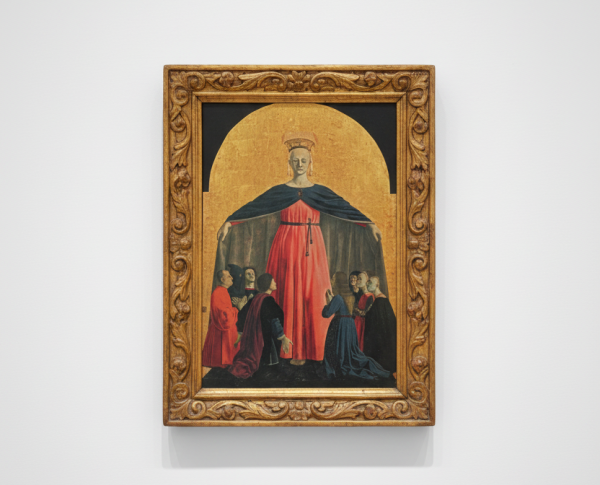
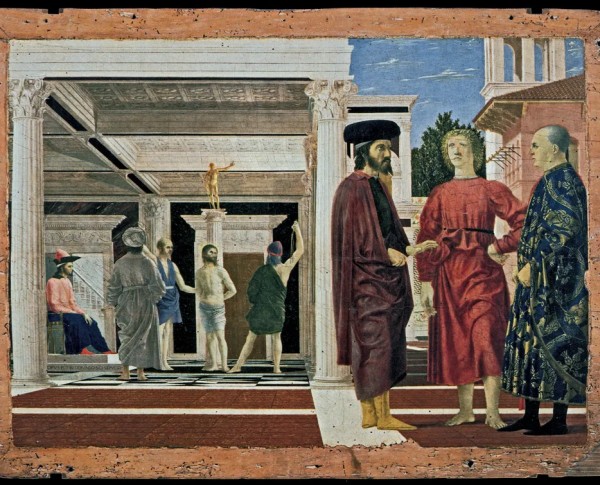
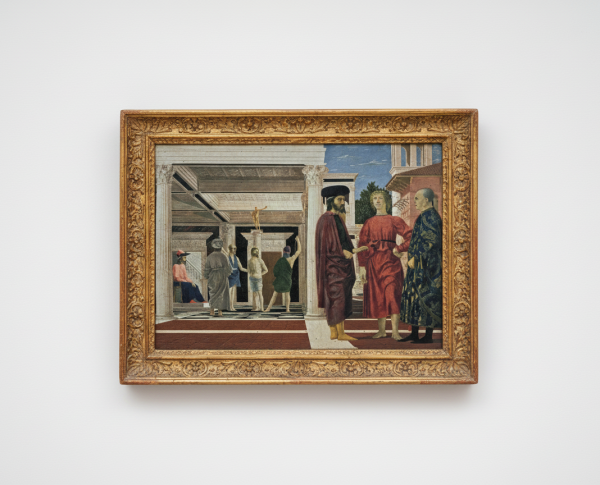
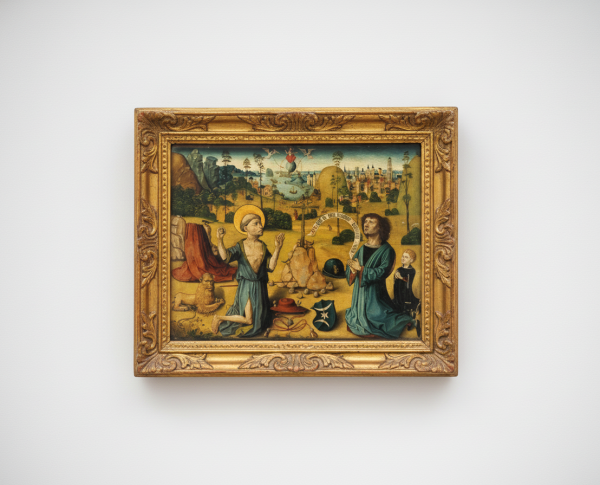
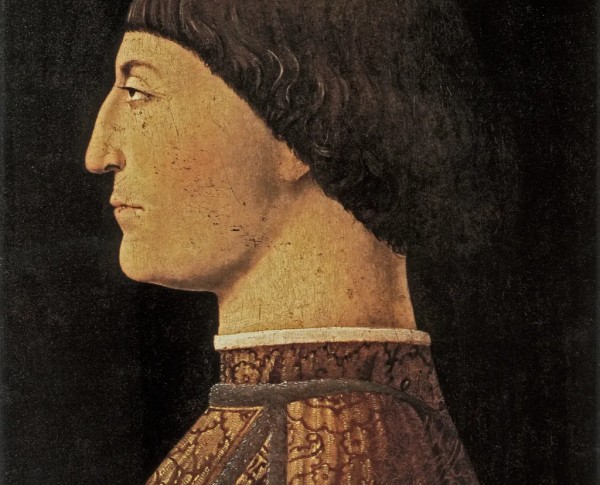
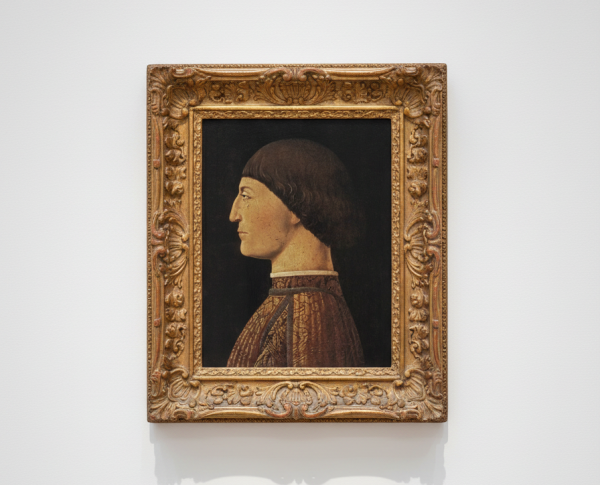
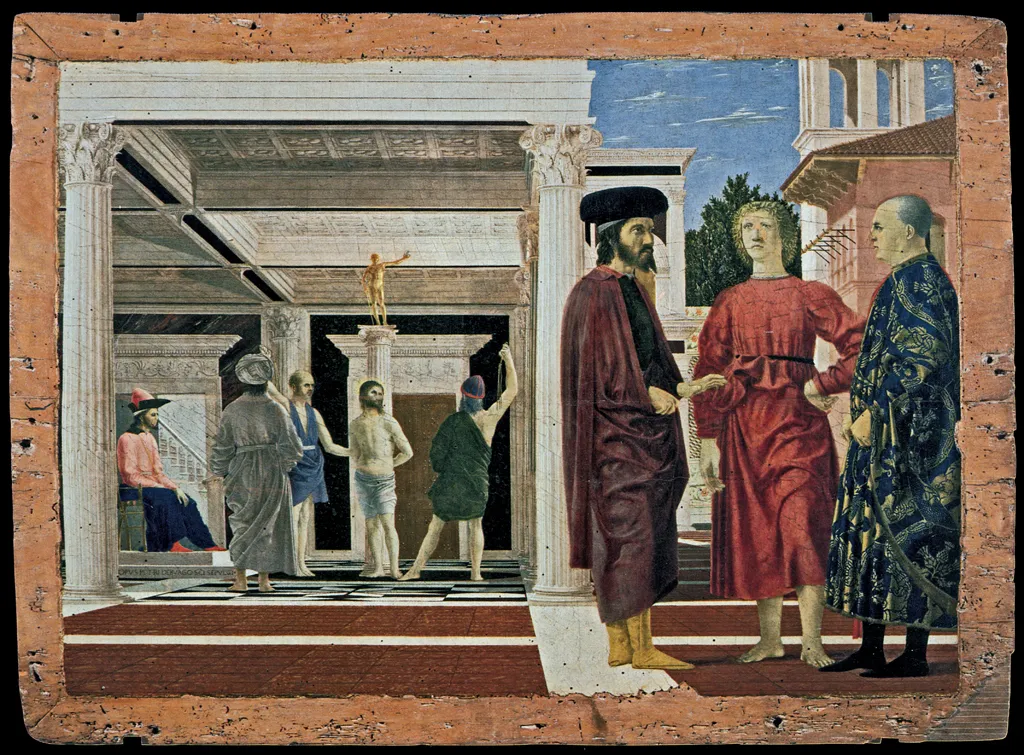
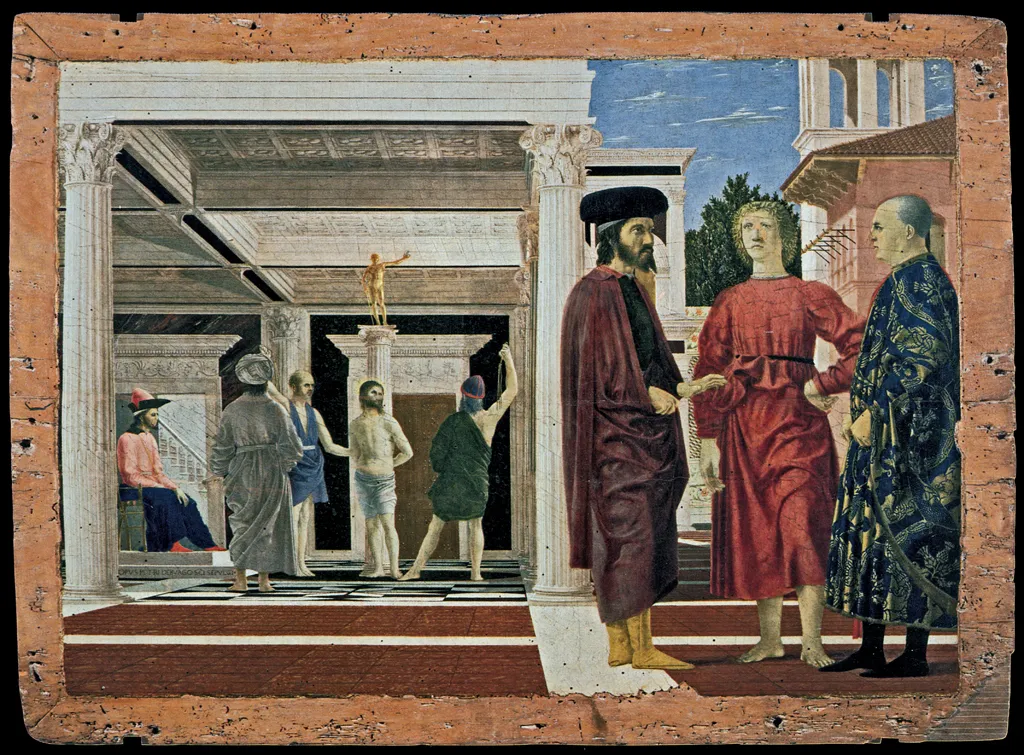
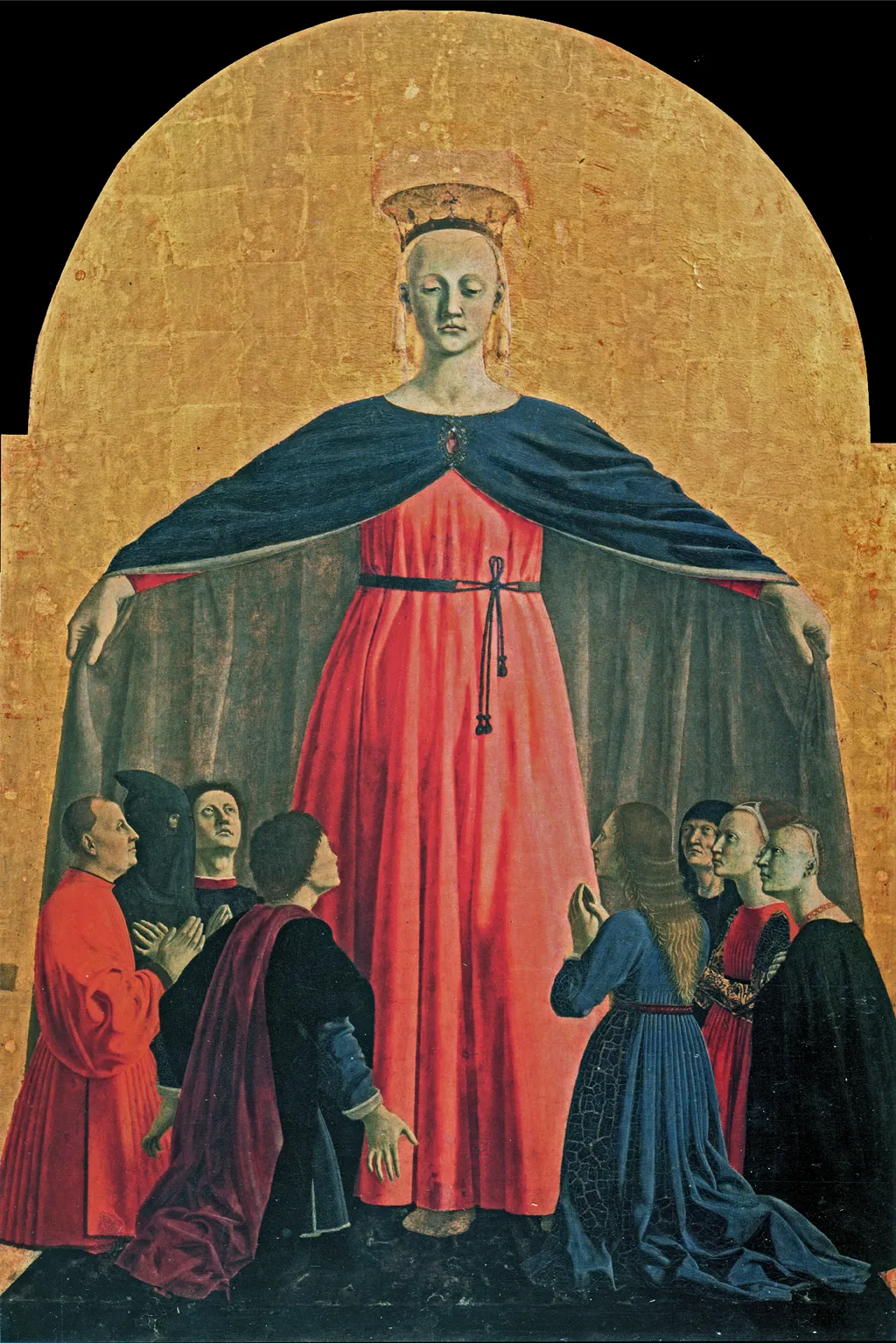
Piero della Francesca's "The Flagellation of Christ" showcases his mastery with oil on canvas, setting a new standard for realism and depth during the Early Renaissance. The meticulous technique and subtle interplay of light and shadow demonstrate the artist’s dedication to perfection. Collectors appreciate the careful attention to architectural detail, which is also evident in related works such as "The Madonna of Mercy," another celebrated example of his influential style.
This fine art painting for sale is rich with symbolism and narrative complexity. "The Flagellation of Christ" by Piero della Francesca invites viewers to interpret its enigmatic figures and architectural setting, hallmarks of the Early Renaissance movement. The painting’s mysterious background and thoughtful composition inspire ongoing discussion among art historians. Complementary pieces like "The Madonna of Mercy" further illustrate della Francesca’s storytelling prowess and symbolic depth.
For collectors, owning "The Flagellation of Christ" by Piero della Francesca means possessing a hand-painted oil painting that embodies the Early Renaissance spirit. Its historical significance and artistic brilliance make it highly sought after, especially when paired with related products such as "The Madonna of Mercy." Such works not only enhance private collections but also serve as enduring testaments to the artist’s legacy and the timeless appeal of Renaissance art.
When Art Meets History
Piero della Francesca’s masterpiece, "The Flagellation of Christ," stands as a shining example of the Early Renaissance movement. This hand-painted oil painting captures a pivotal biblical moment while reflecting the intellectual climate of 15th-century Italy. The artist’s innovative approach influenced related paintings like "Adoration of the Magi" and "Virgin and Child with Two Angels." Today, "The Flagellation of Christ" is celebrated for its fusion of historical narrative and artistic innovation, making it a significant work in art history.
Techniques That Speak
In "The Flagellation of Christ," Piero della Francesca employs the oil on canvas technique with masterful precision, characteristic of the Early Renaissance. His use of perspective and light sets a standard for later works such as "Madonna and Child with Six Saints" and "Primavera." The painting’s geometric layout and delicate color palette showcase the artist’s technical prowess, inviting viewers to appreciate the skill and innovation that define this period’s finest examples of oil on canvas artistry.
Emotions on Display
Piero della Francesca’s "The Flagellation of Christ" is more than a fine art painting for sale; it is an emotional journey rendered in the Early Renaissance style. The restrained expressions and subtle gestures evoke a quiet intensity, drawing parallels to works like "Madonna and Child" and "Primavera." Through nuanced composition, the artist communicates suffering, reflection, and hope, making this masterpiece a profound exploration of human emotion and spiritual experience within the context of Renaissance art.
Coveted by Collectors
"The Flagellation of Christ" remains a hand-painted oil painting highly coveted by collectors and art enthusiasts worldwide. Its association with Piero della Francesca and the Early Renaissance movement enhances its desirability, alongside related paintings such as "Adoration of the Magi" and "Virgin and Child with Two Angels." Owning or viewing this masterpiece is considered a privilege, as it represents a pivotal moment in art history and exemplifies the enduring appeal of Renaissance fine art.
Related Early Renaissance Hand-Painted Oil Paintings by Other Artists
Other Famous Early Renaissance Artists:
Frequently Asked Questions About The Flagellation of Christ
What is the historical context of "The Flagellation of Christ"?
"The Flagellation of Christ" was created by Piero della Francesca during the early Renaissance, around the 1450s. This period was marked by a revival of classical learning and a focus on humanism, which influenced the themes and techniques used in the painting.
What artistic techniques did Piero della Francesca employ in this painting?
Piero della Francesca is known for his use of linear perspective, which creates a sense of depth and realism. In "The Flagellation of Christ," he skillfully employs chiaroscuro to enhance the three-dimensionality of the figures and the architectural elements.
What is the significance of the flagellation scene in Christian art?
The flagellation of Christ represents the suffering and humiliation endured by Jesus before his crucifixion. It serves as a powerful reminder of sacrifice and redemption, themes central to Christian theology.
Who are the figures depicted in the painting?
The painting features Christ at the center, bound and being whipped, surrounded by various figures including Roman soldiers and onlookers. The identities of these figures may represent different aspects of humanity and the response to Christ's suffering.
What role does perspective play in "The Flagellation of Christ"?
Piero's use of perspective not only directs the viewer's gaze towards Christ but also creates a spatial relationship among the figures. This technique enhances the dramatic tension of the scene and emphasizes the gravity of the moment.
How does color contribute to the overall impact of the painting?
The color palette in "The Flagellation of Christ" is characterized by muted tones and subtle contrasts, which evoke a somber mood. The use of light and shadow further accentuates the emotional weight of the scene.
What symbolic elements can be found in the painting?
Symbolism in the painting includes the use of light to signify divine presence and the architectural elements that suggest a connection between the earthly and the heavenly. The figures' expressions and postures also convey a range of human emotions in response to Christ's suffering.
How does "The Flagellation of Christ" reflect the ideals of the Renaissance?
The painting embodies Renaissance ideals through its emphasis on human emotion, realistic portrayal of the human form, and the integration of classical elements. Piero's focus on perspective and proportion reflects the period's exploration of science and art.
What influence did "The Flagellation of Christ" have on later artists?
Piero della Francesca's innovative techniques and compositional style influenced many later artists, particularly those in the High Renaissance. His work inspired a deeper exploration of perspective, anatomy, and emotional expression in subsequent art movements.
Where can "The Flagellation of Christ" be viewed today?
"The Flagellation of Christ" is housed in the Galleria Nazionale delle Marche in Urbino, Italy. It remains a significant work for both its artistic merit and its historical importance within the context of Renaissance art.























_GFM_Painting_(1).webp)


 100% Hand-Painted: Finished in 3-6 Weeks

.png)
















_(1).webp)