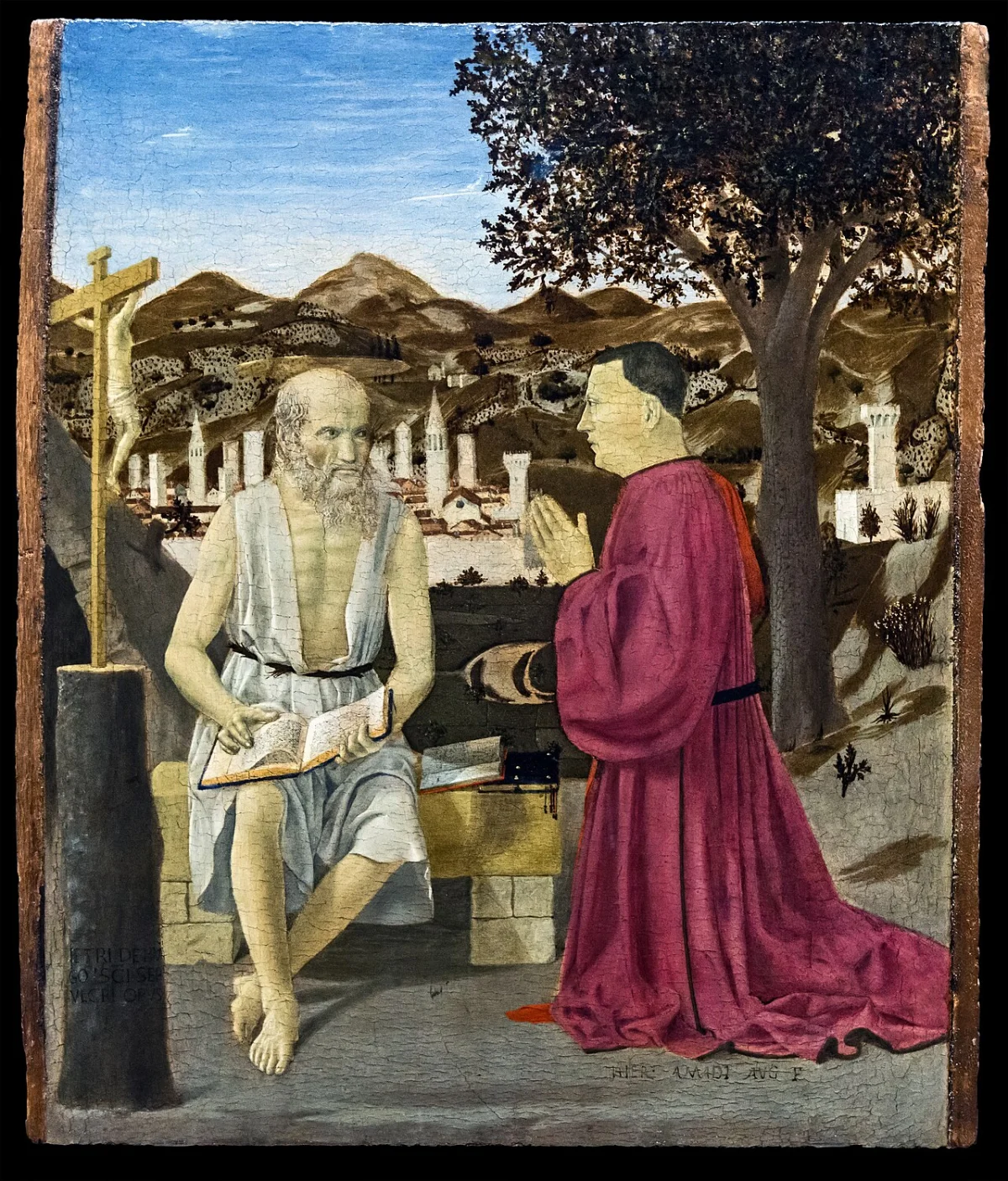
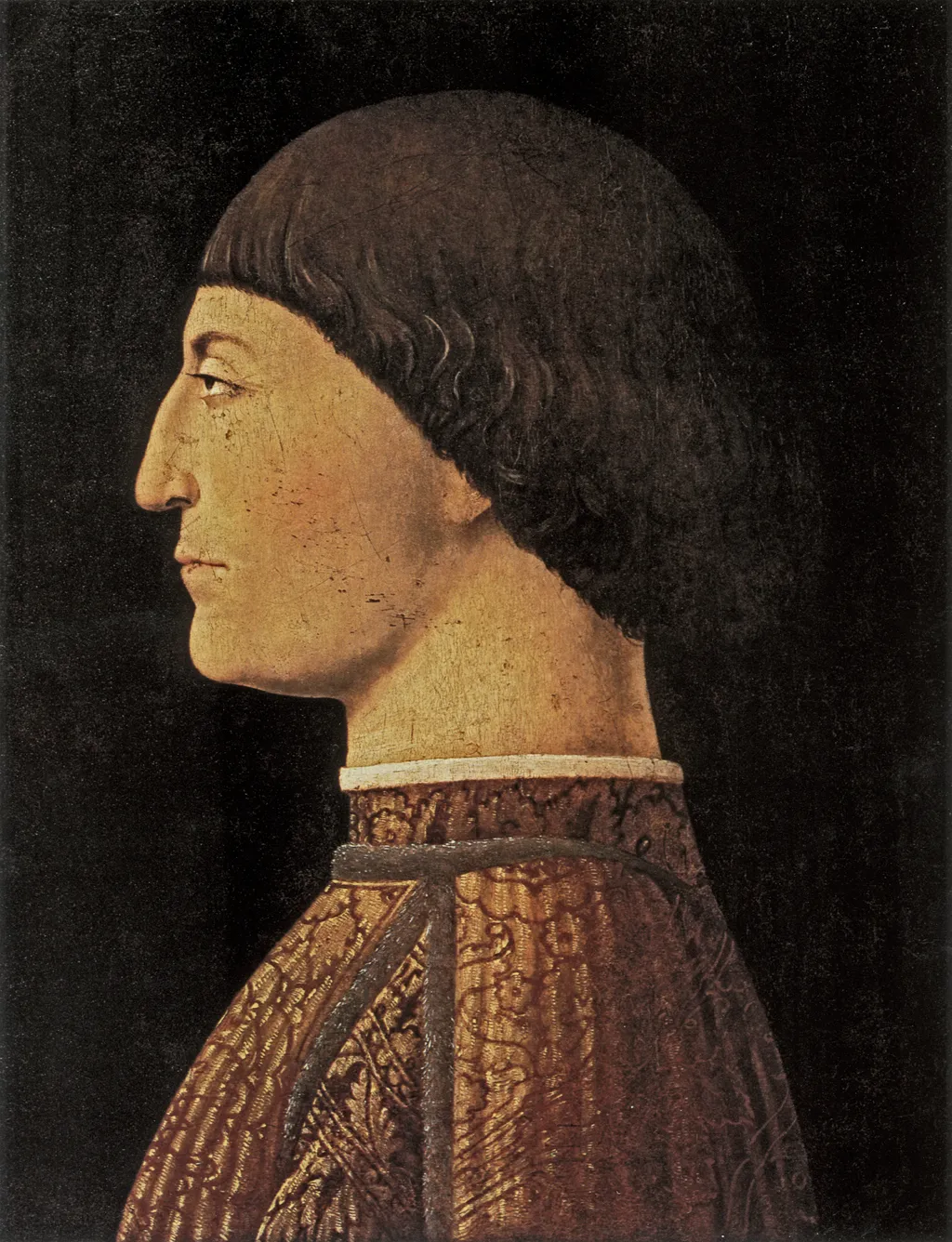
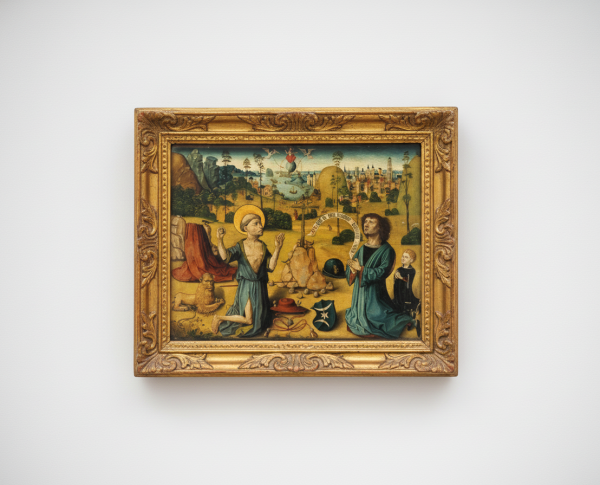
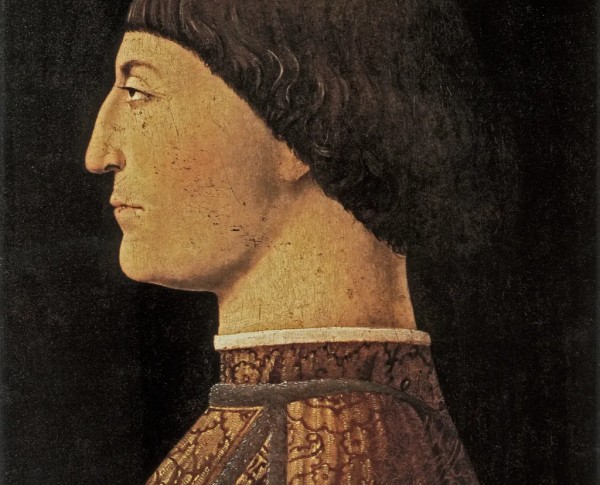
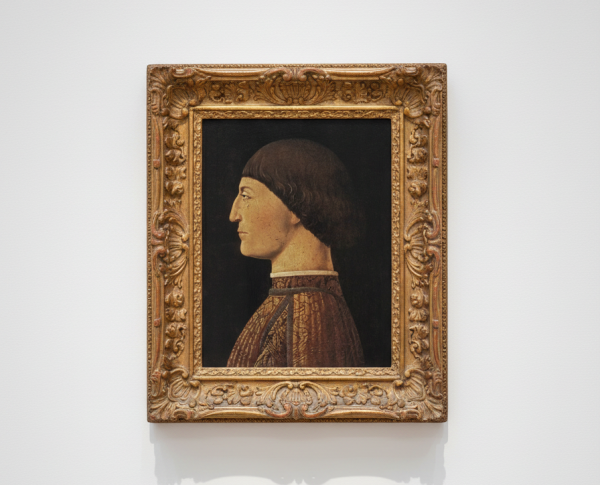
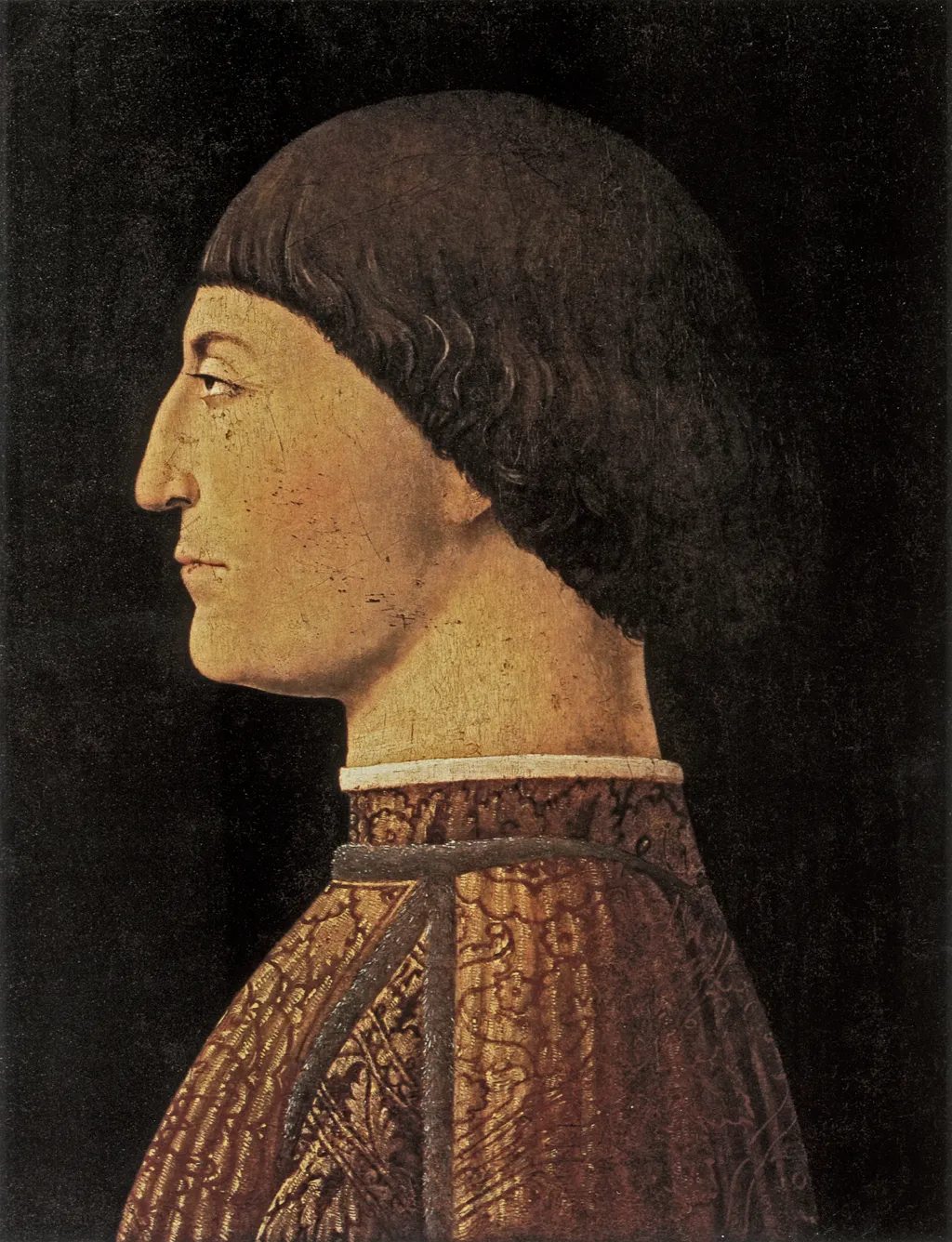
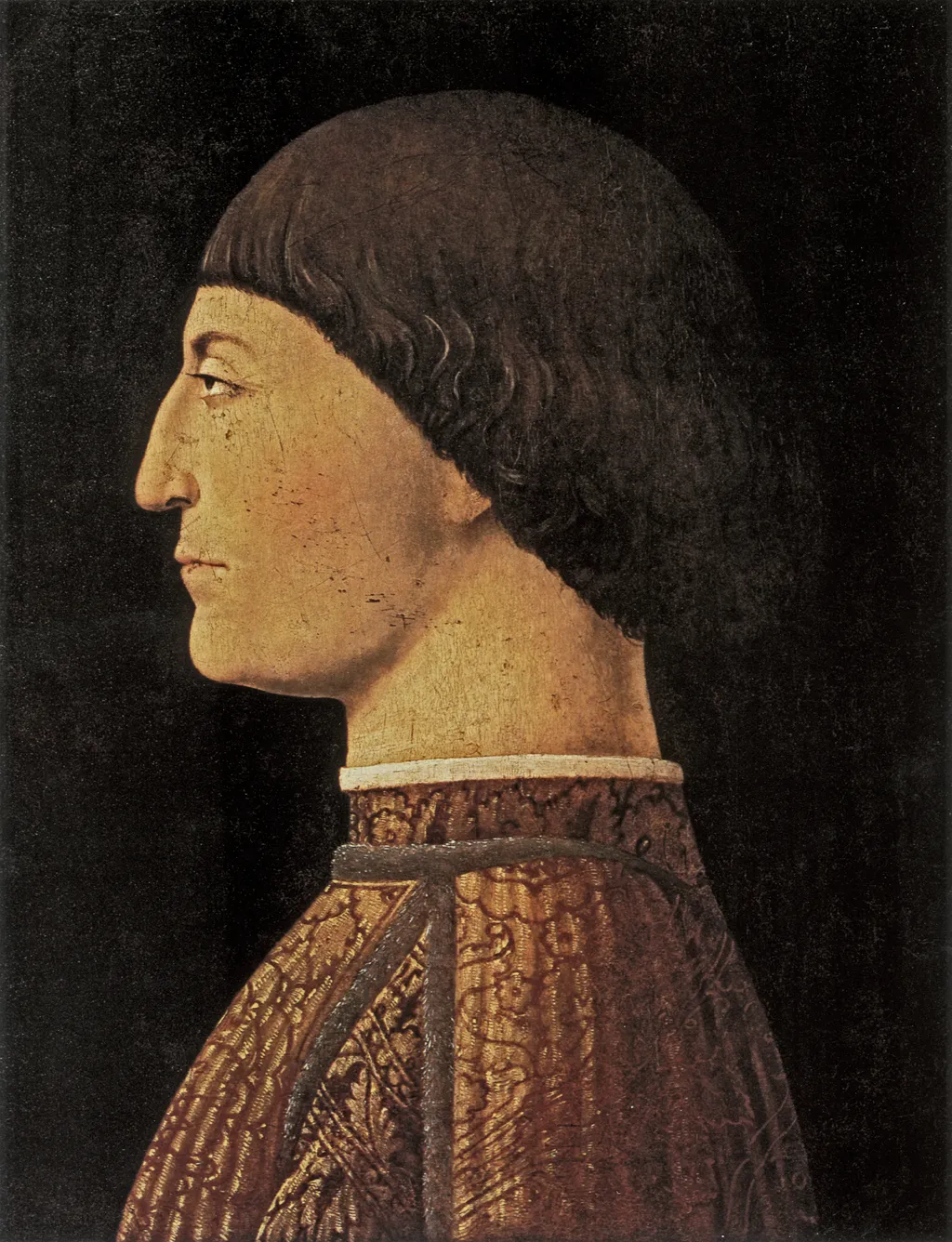
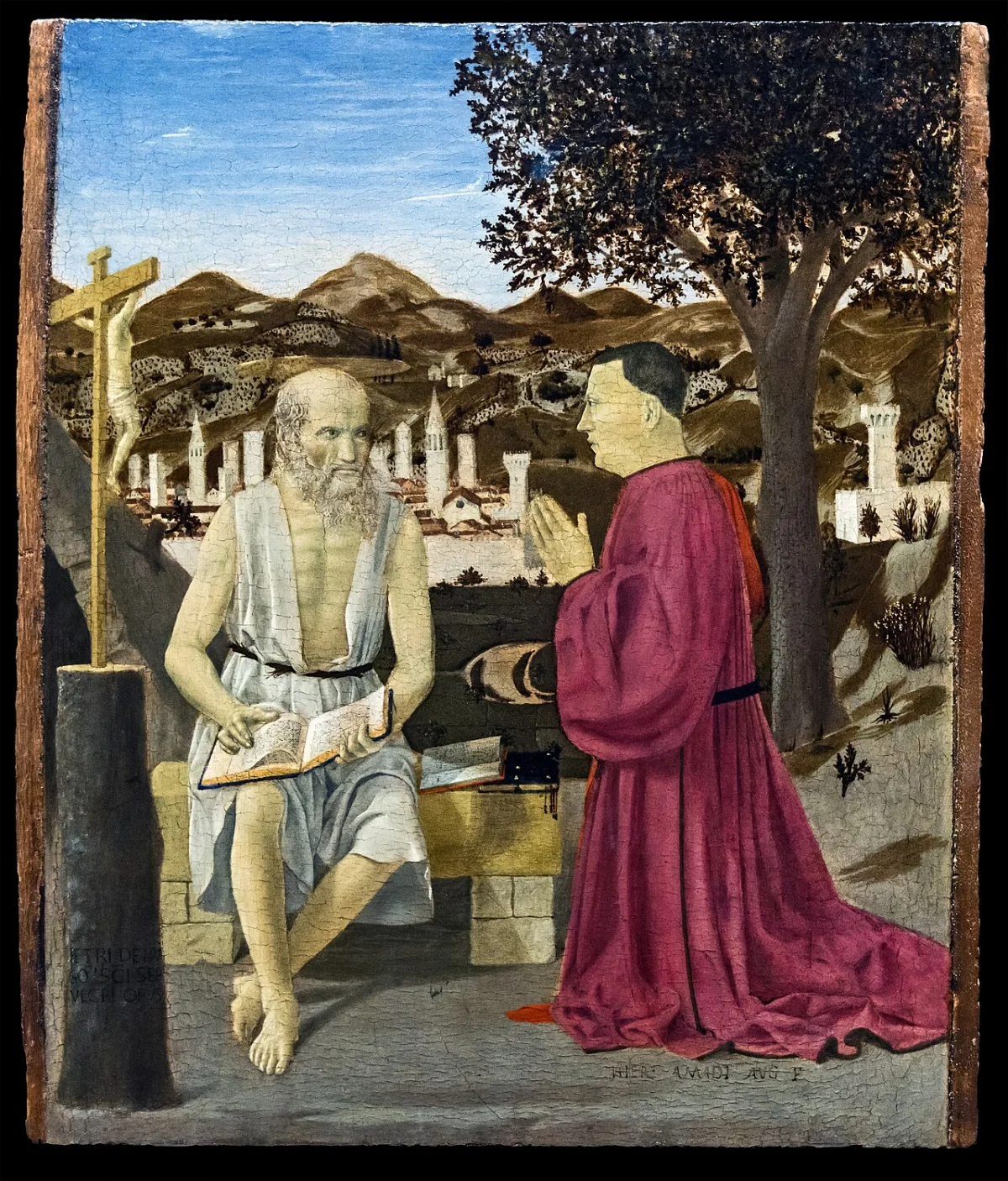
The meticulous technique evident in this oil on canvas painting reflects Piero della Francesca’s signature style. Every brushstroke in "Sigismondo Malatesta" demonstrates the artist’s dedication to realism and proportion, hallmarks of the Early Renaissance movement. The subtle interplay of light and shadow brings the subject to life, drawing viewers into the sitter’s world. For those captivated by Renaissance portraiture, related masterpieces such as "The Penance of St Jerome" are also highly sought after.
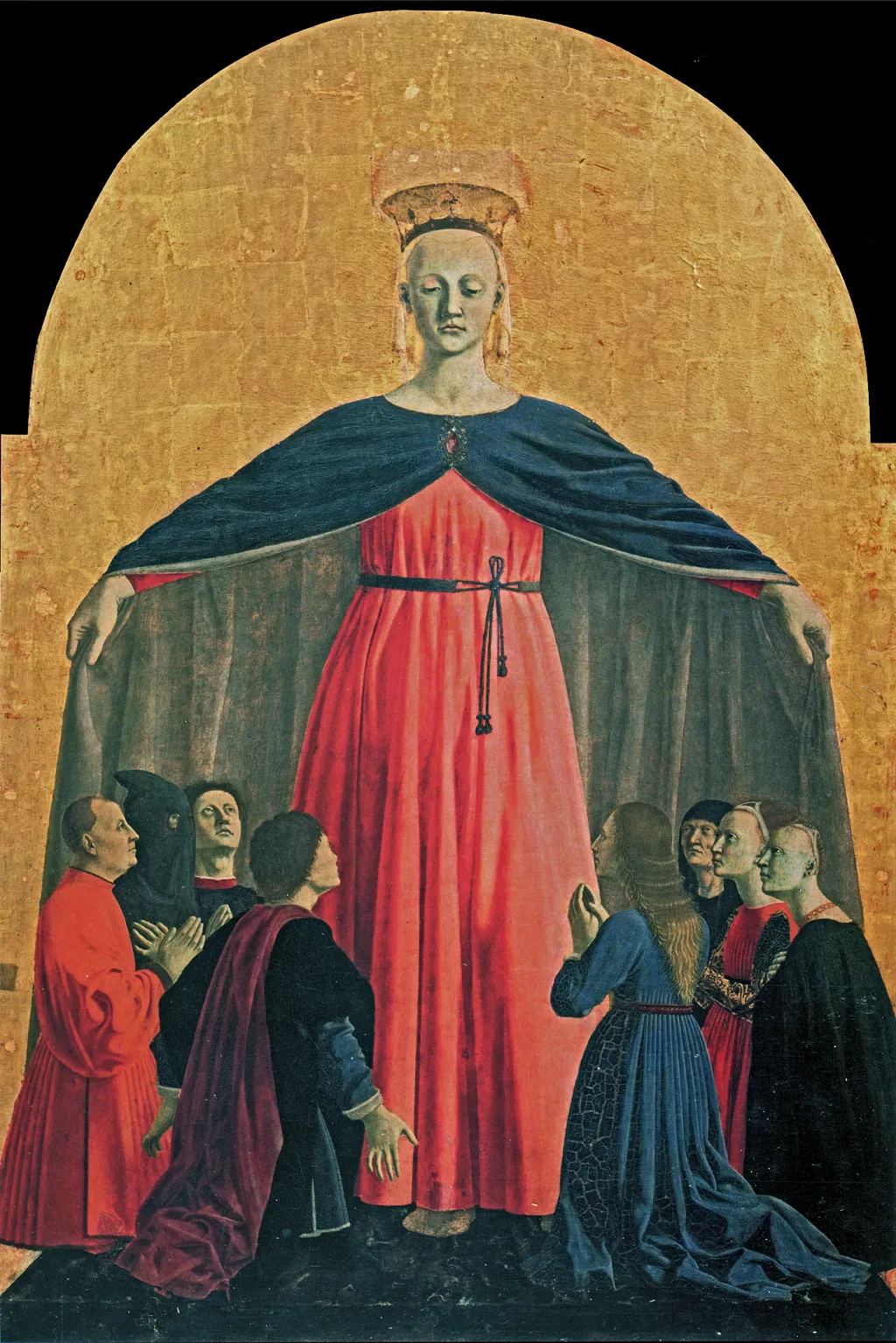
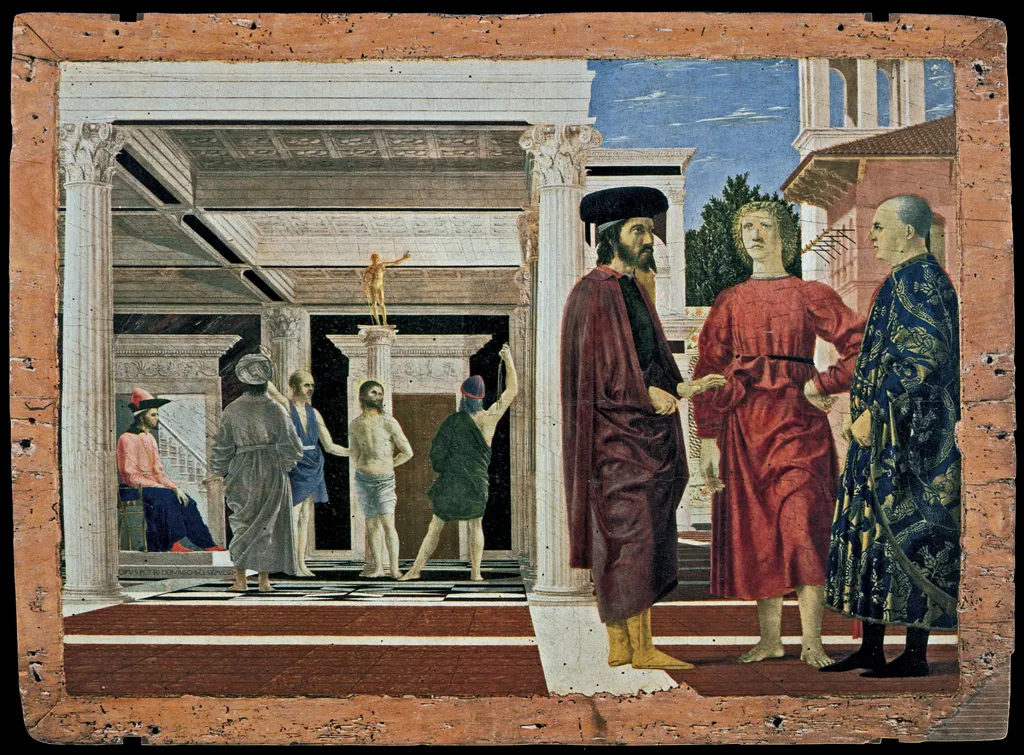
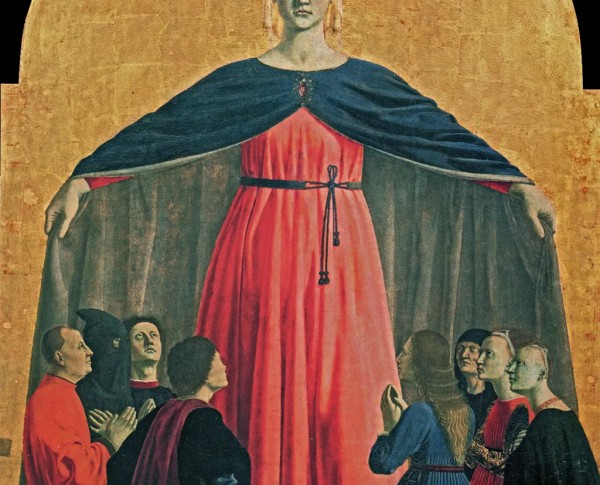
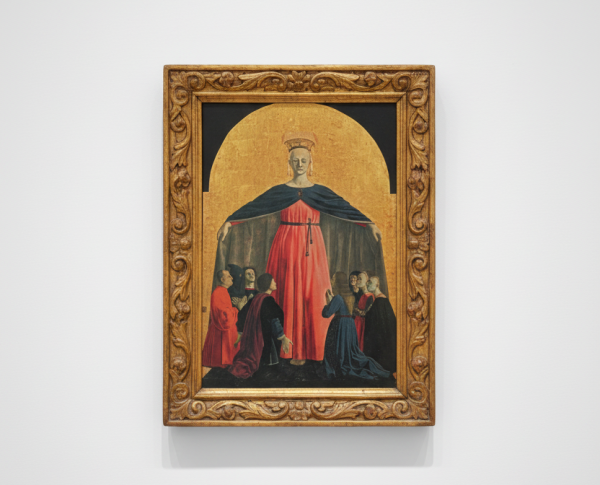
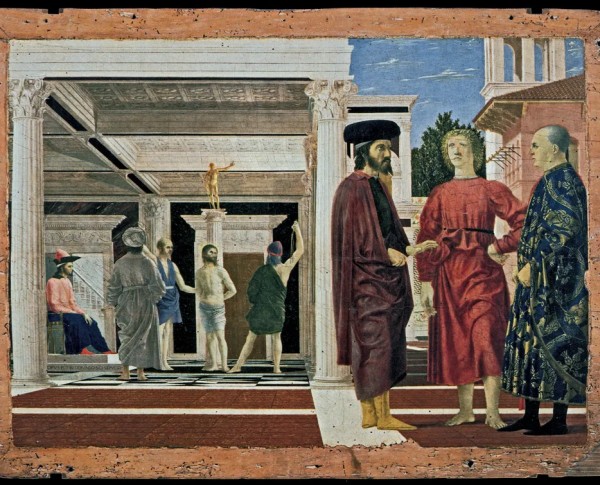
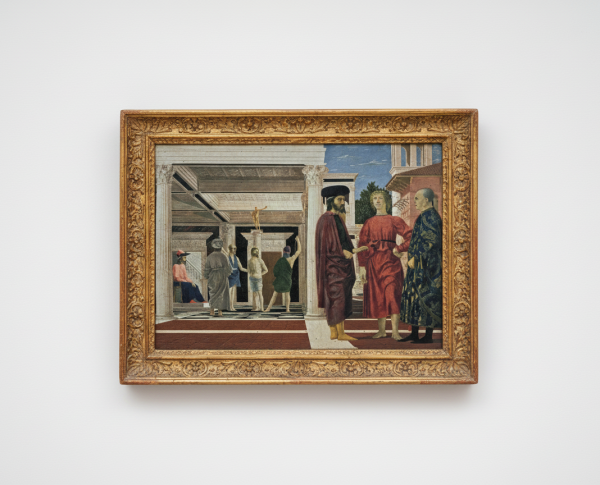
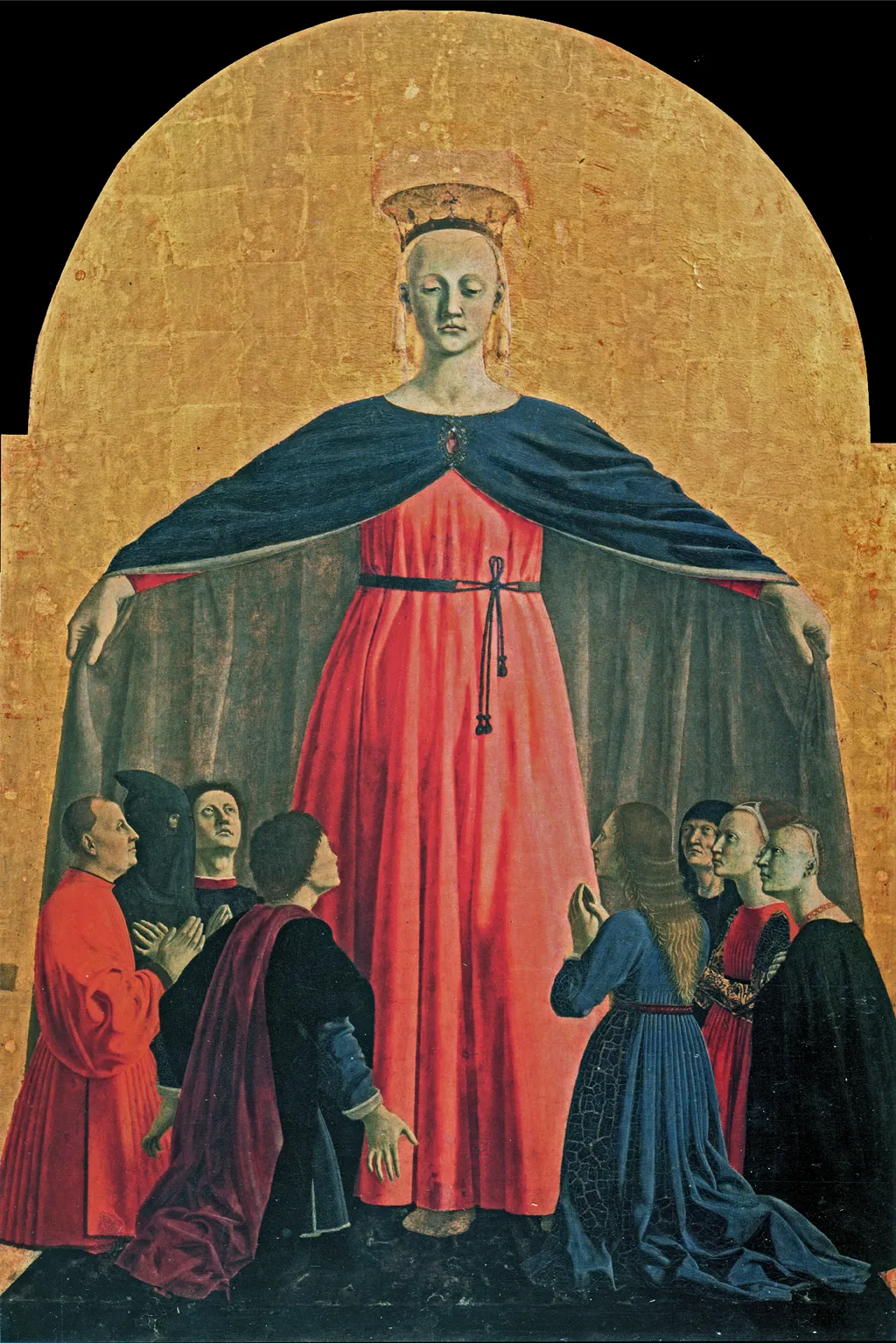
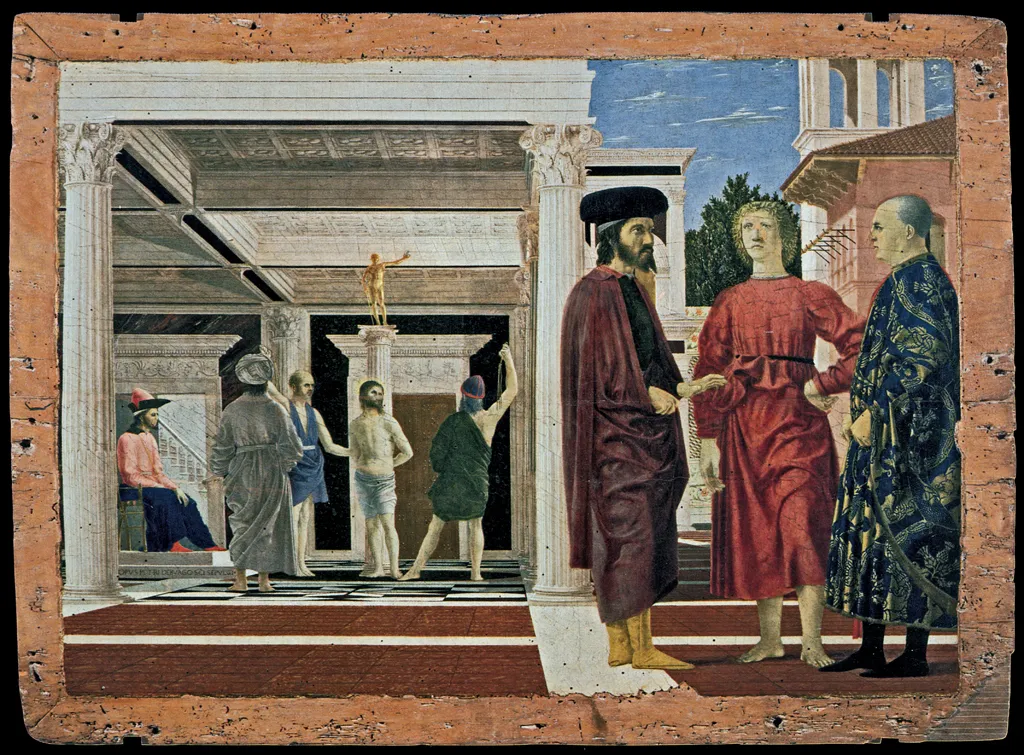
Within "Sigismondo Malatesta," Piero della Francesca weaves symbols of power and intellect, typical of Early Renaissance portraiture. This fine art painting for sale is more than a likeness; it tells the story of a complex historical figure. The artist’s use of iconography and compositional balance invites viewers to explore deeper meanings. Collectors often pair this work with related paintings like "The Flagellation of Christ" or "The Madonna of Mercy" to enrich their collections.
Owning "Sigismondo Malatesta" by Piero della Francesca is a privilege for any art connoisseur, especially those passionate about Early Renaissance masterpieces. This hand-painted oil painting is a centerpiece that elevates any collection, embodying both historical significance and artistic innovation. Collectors seeking to expand their holdings should consider related treasures such as "The Penance of St Jerome" or "The Madonna of Mercy," both celebrated works from the same influential artist and movement.
When Art Meets History
"Sigismondo Malatesta" by Piero della Francesca stands as a remarkable example of Early Renaissance mastery, capturing a pivotal figure in Italian history. This hand-painted oil painting not only immortalizes the lord of Rimini but also reflects the era’s fascination with humanism and individualism. Piero della Francesca’s work is often discussed alongside related paintings such as "Fortitude" and "Madonna in Glory with Seraphim", offering a glimpse into the intellectual and cultural shifts of the Early Renaissance movement.
Techniques That Speak
Piero della Francesca’s "Sigismondo Malatesta" showcases his extraordinary skill with oil on canvas, utilizing subtle gradations of light and shadow to create lifelike depth. The artist’s meticulous attention to perspective and proportion exemplifies hallmarks of Early Renaissance technique. Collectors and art enthusiasts admire similar technical prowess in his "Madonna and Child with Six Saints" and "Lamentation over the Dead Christ", both celebrated as masterpieces of oil on canvas from the same period.
Emotions on Display
In "Sigismondo Malatesta", Piero della Francesca delivers an intimate psychological portrayal that reveals both strength and vulnerability. The subject’s dignified expression and composed posture evoke a sense of authority and introspection, typical of Early Renaissance portraiture. This fine art painting for sale resonates emotionally much like Botticelli's "Primavera", inviting viewers to explore the inner worlds of historical figures through the nuanced brushwork and realistic depiction that define Piero’s style.
Coveted by Collectors
As an iconic hand-painted oil painting from the Early Renaissance, "Sigismondo Malatesta" remains highly sought after by collectors and museums worldwide. The enduring appeal of Piero della Francesca’s work is bolstered by its rarity and historical significance. Along with related paintings like "Lamentation over the Dead Christ" and "Fortitude", this portrait exemplifies the value of Early Renaissance masterpieces, making it a prized acquisition for anyone seeking a fine art painting for sale.
Related Early Renaissance Hand-Painted Oil Paintings by Other Artists
Other Famous Early Renaissance Artists:
Frequently Asked Questions About Sigismondo Malatesta
Who is depicted in the painting "Sigismondo Malatesta"?
The painting features Sigismondo Malatesta, a prominent Italian condottiero and the lord of Rimini during the 15th century, known for his patronage of the arts and architecture.
What is the historical context of the painting?
"Sigismondo Malatesta" was created during the early Renaissance, a period marked by a resurgence of interest in classical antiquity and humanism, reflecting the cultural and political dynamics of 15th-century Italy.
What artistic techniques did Piero della Francesca use in this painting?
Piero della Francesca employed linear perspective and chiaroscuro to create depth and volume, enhancing the three-dimensionality of the figure and the surrounding space.
What symbolism is present in "Sigismondo Malatesta"?
The painting symbolizes power and authority, with Sigismondo depicted in a commanding pose, adorned in armor, which emphasizes his role as a military leader and protector of his city.
How does this painting reflect the ideals of the Renaissance?
This work exemplifies Renaissance ideals through its focus on individualism, the human form, and the integration of classical elements, showcasing the blending of art and human experience.
What is the significance of the background in the painting?
The background features architectural elements that reference classical antiquity, reinforcing the connection between Sigismondo and the grandeur of ancient Rome, symbolizing his aspirations and achievements.
What role did Sigismondo Malatesta play in the patronage of the arts?
As a patron, Sigismondo supported various artists and architects, including Piero della Francesca, contributing to the flourishing of art and culture in Rimini during the Renaissance.
How does Piero della Francesca's style influence the portrayal of Sigismondo?
Piero's distinctive style, characterized by clarity, geometric composition, and serene expression, enhances the dignified representation of Sigismondo, elevating him to an almost heroic status.
What materials were used in the creation of "Sigismondo Malatesta"?
The painting was executed in oil on wood, a common medium during the Renaissance that allowed for rich color and detailed textures, contributing to the overall impact of the work.
Where can "Sigismondo Malatesta" be viewed today?
The painting is housed in the Museo di San Francesco in Arezzo, Italy, where it continues to be a significant example of Piero della Francesca's mastery and Renaissance art.























_GFM_Painting_(1).webp)


 100% Hand-Painted: Finished in 3-6 Weeks

.png)
















_(1).webp)