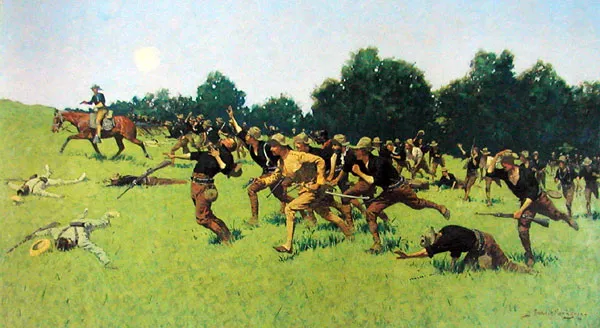
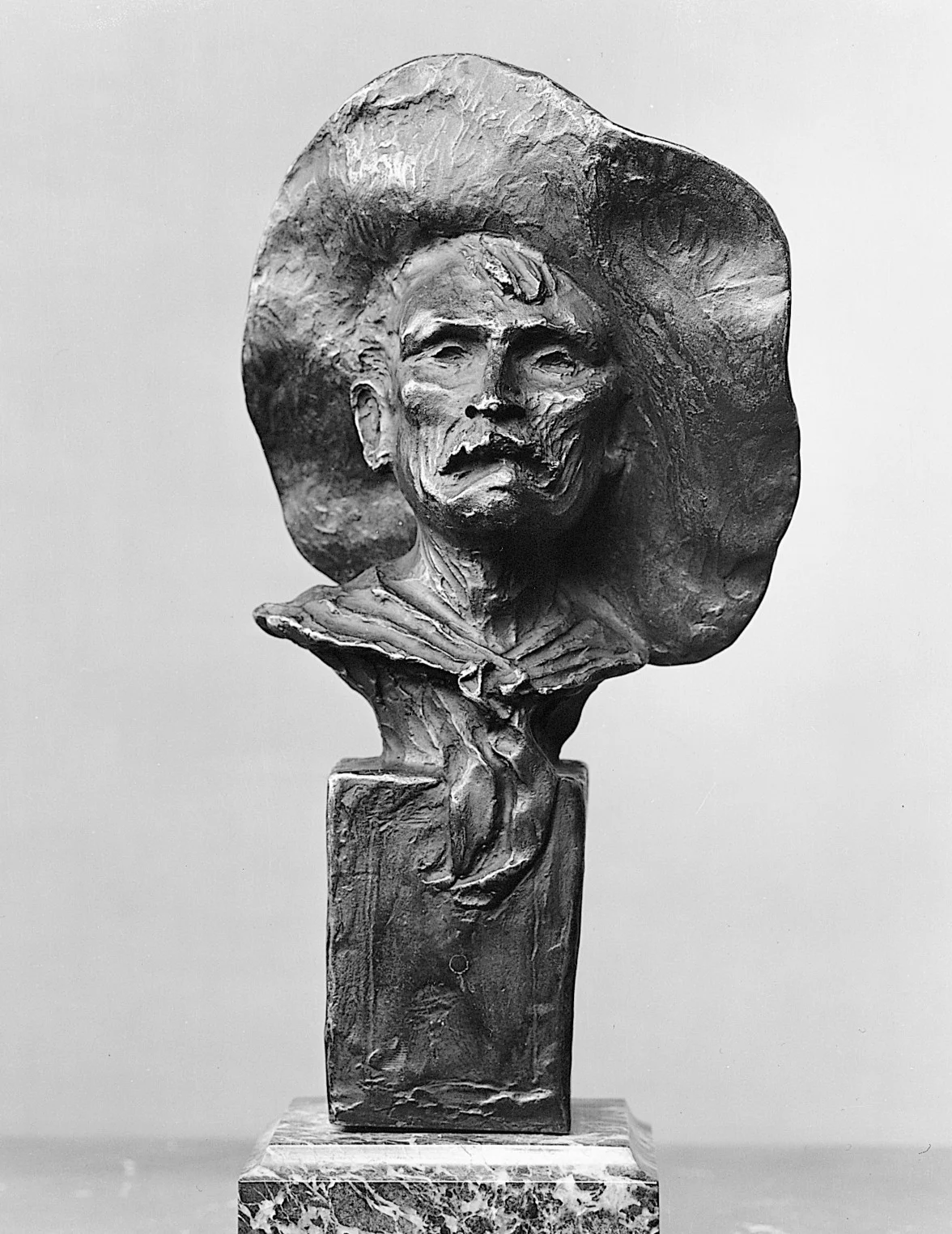
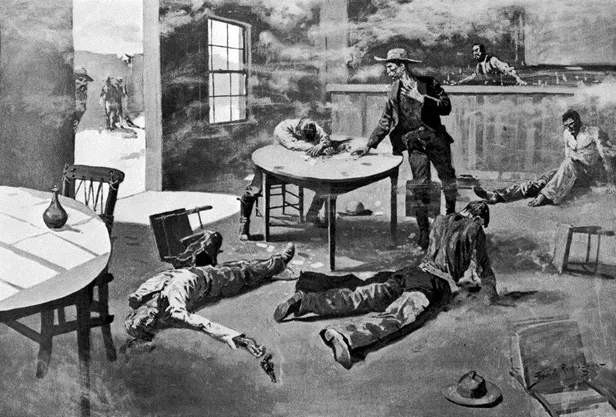
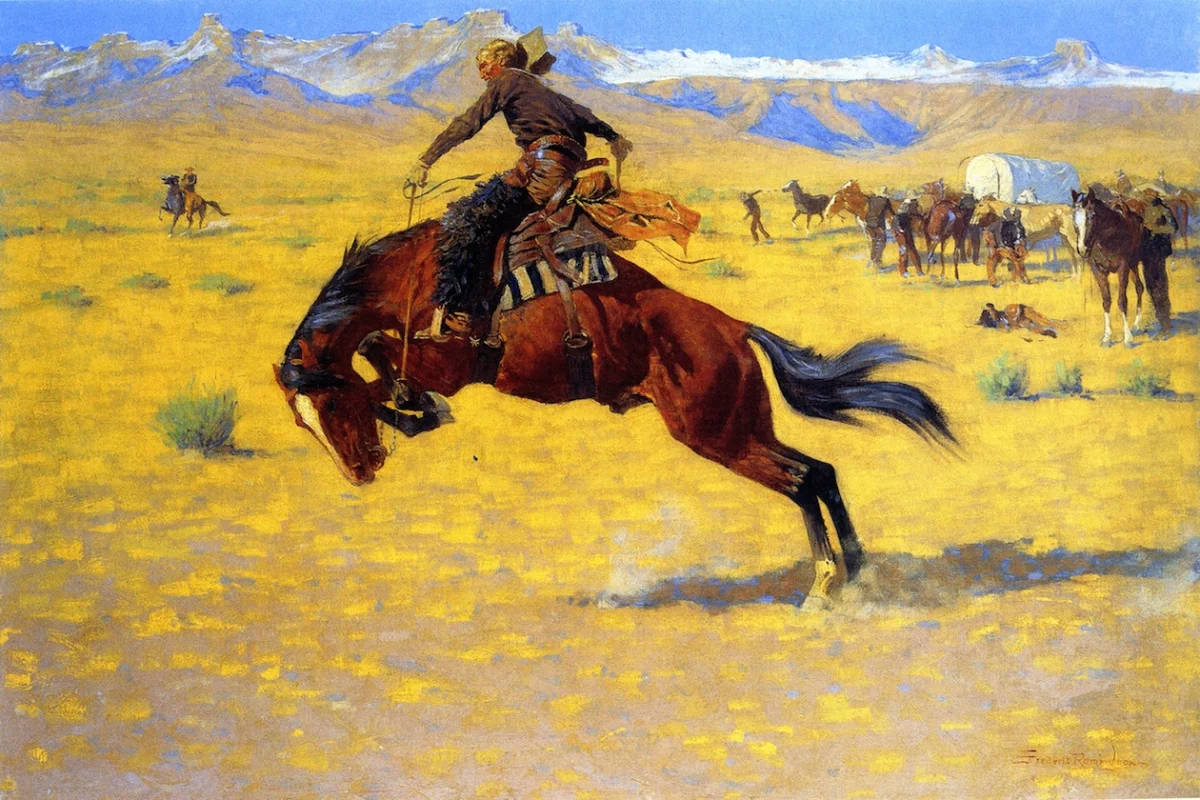
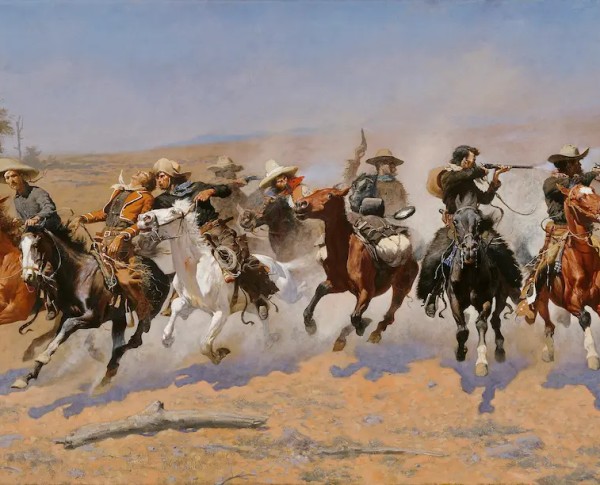
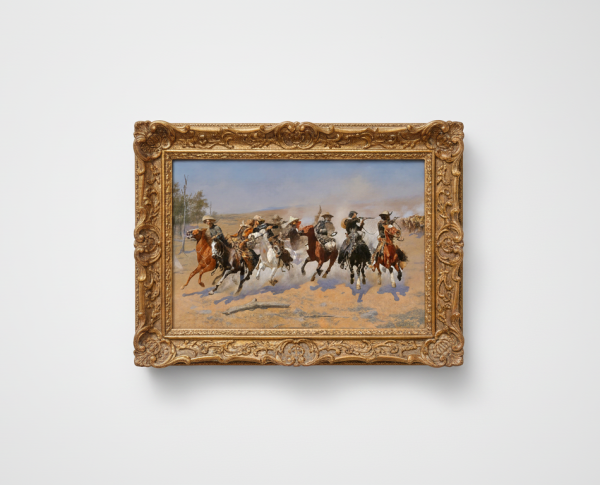
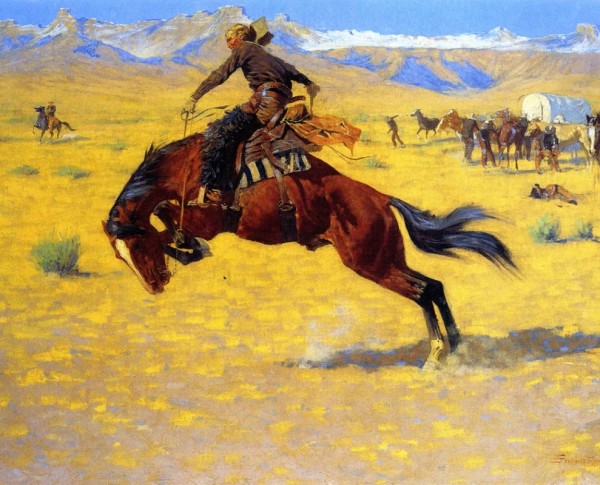
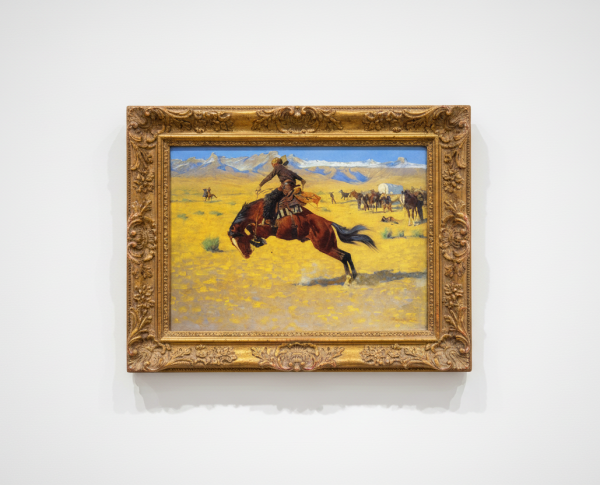
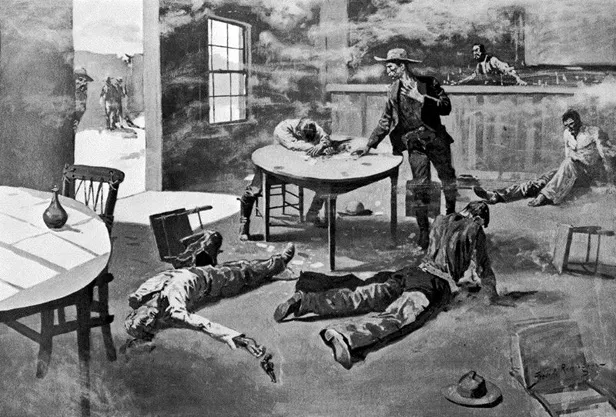
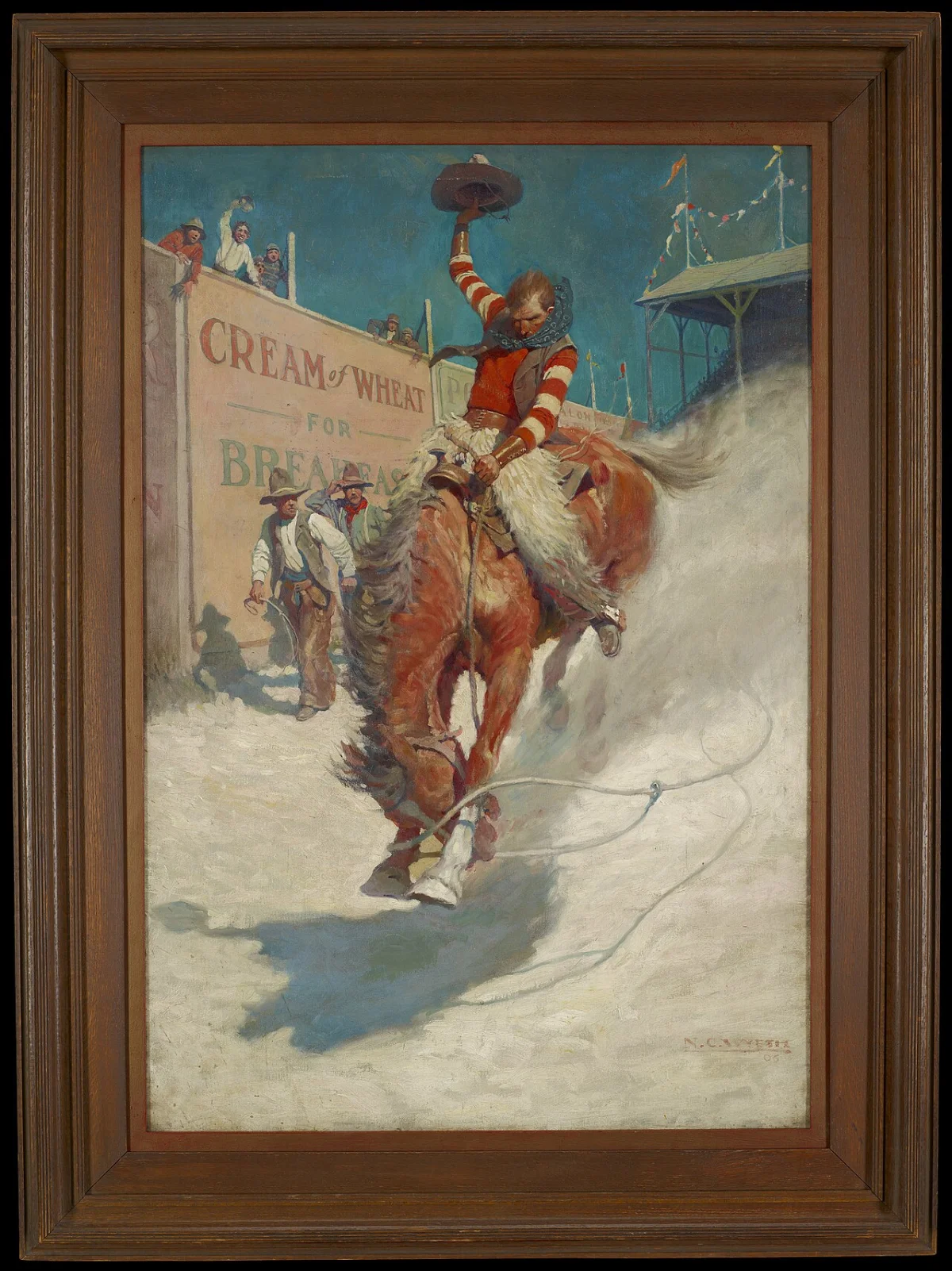
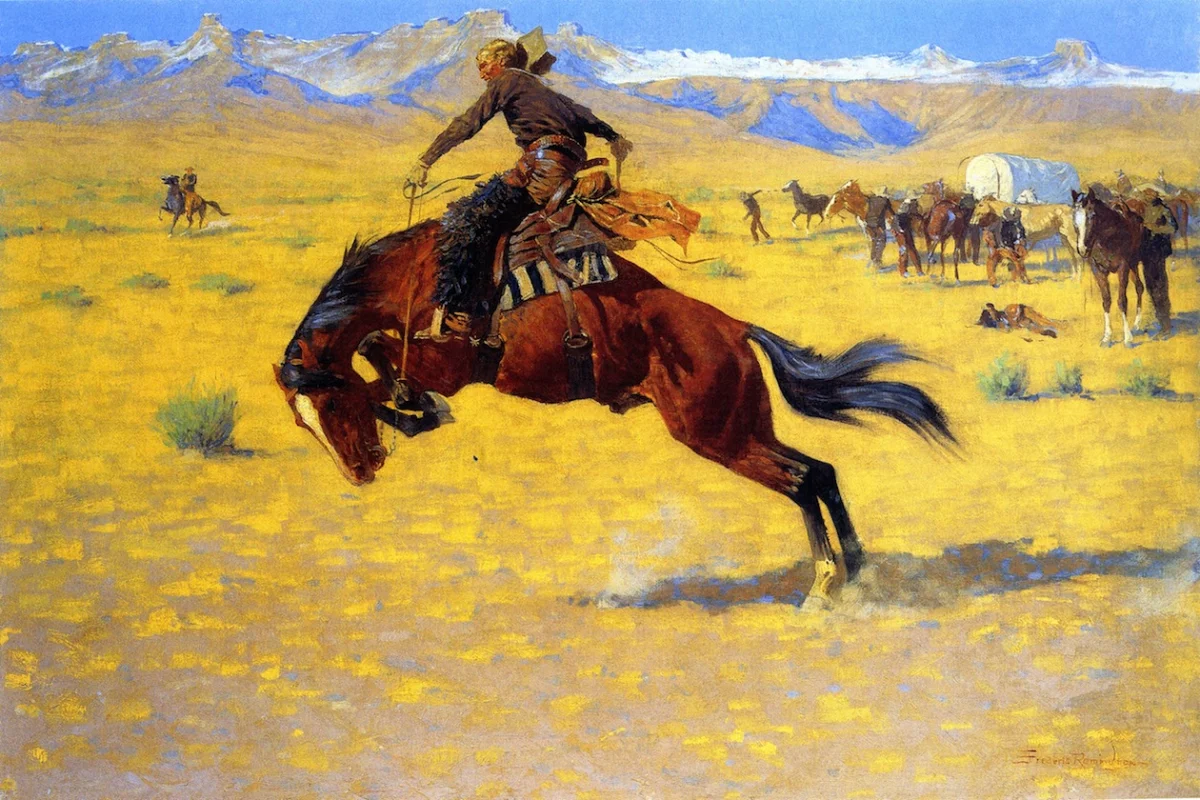
With "A Misdeal," Remington demonstrates his exceptional skill with oil on canvas, showcasing intricate details and realistic textures that define the Realism era. Each brushstroke reveals his deep understanding of light, form, and movement, making the painting a visual narrative. The artist’s technique in this masterpiece is comparable to his other celebrated works, such as "Pitched It Sheer into the River . . . Where It Still Is Seen in the Summer" and "The Bronco Buster," which also exemplify his mastery.
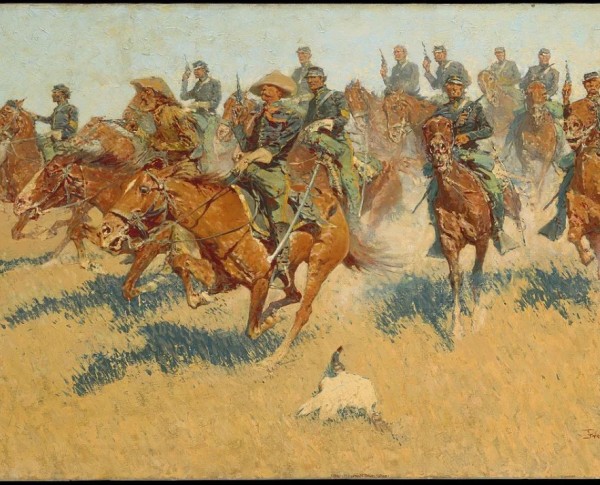
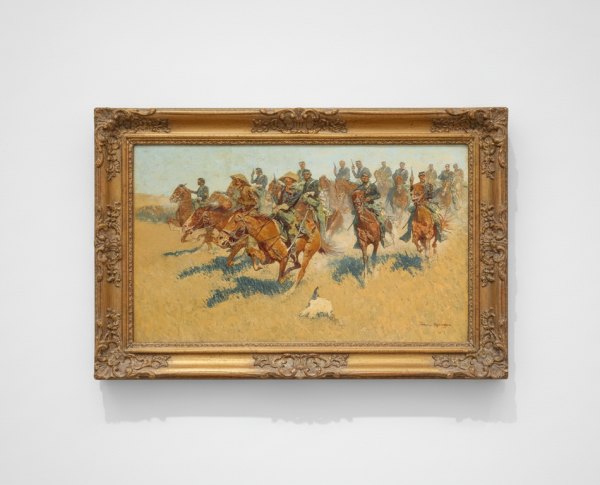
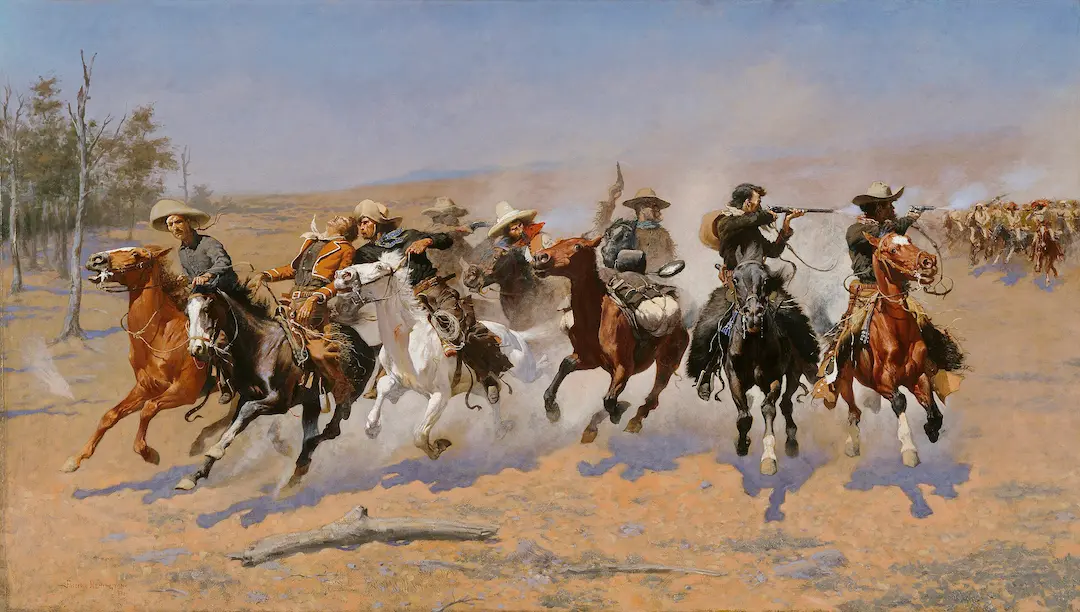
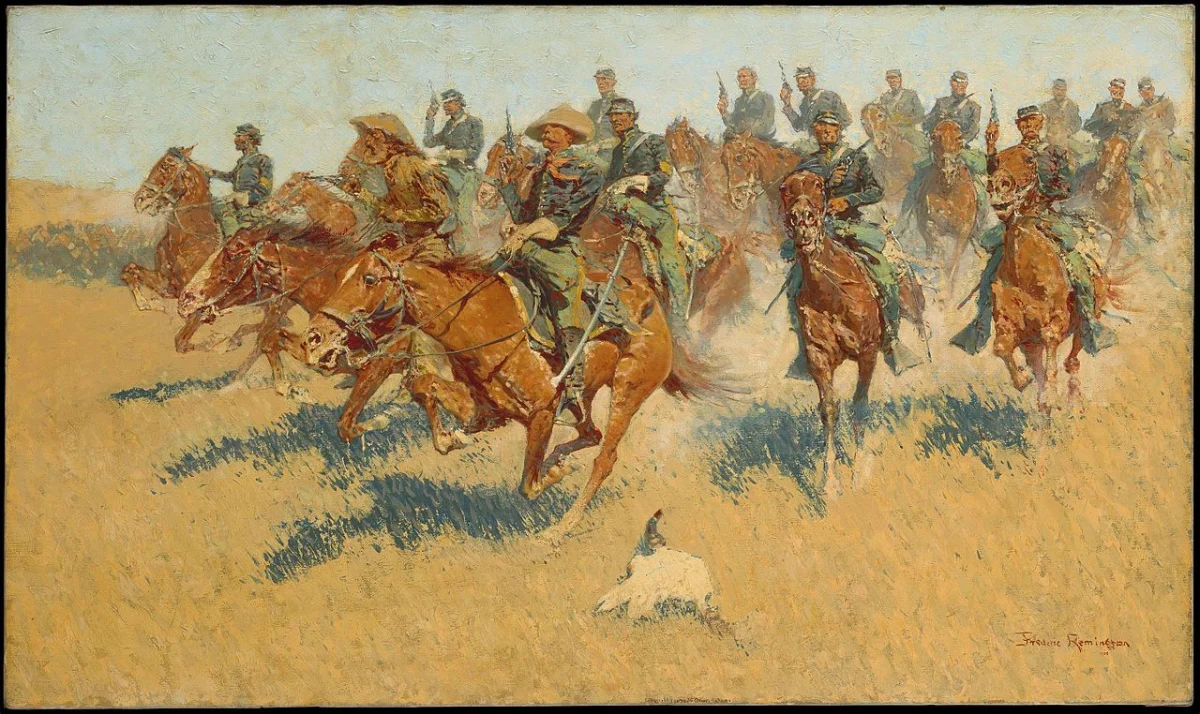
"A Misdeal" by Frederic Remington is more than just a fine art painting for sale; it is a window into the daily lives of Western pioneers. The scene, rendered in the Realism style, is rich with symbolism and storytelling—a hallmark of Remington’s portfolio. The painting’s themes resonate with those in "A Dash for the Timber" and "On the Southern Plains," making it a meaningful addition for anyone passionate about American history and the Wild West.
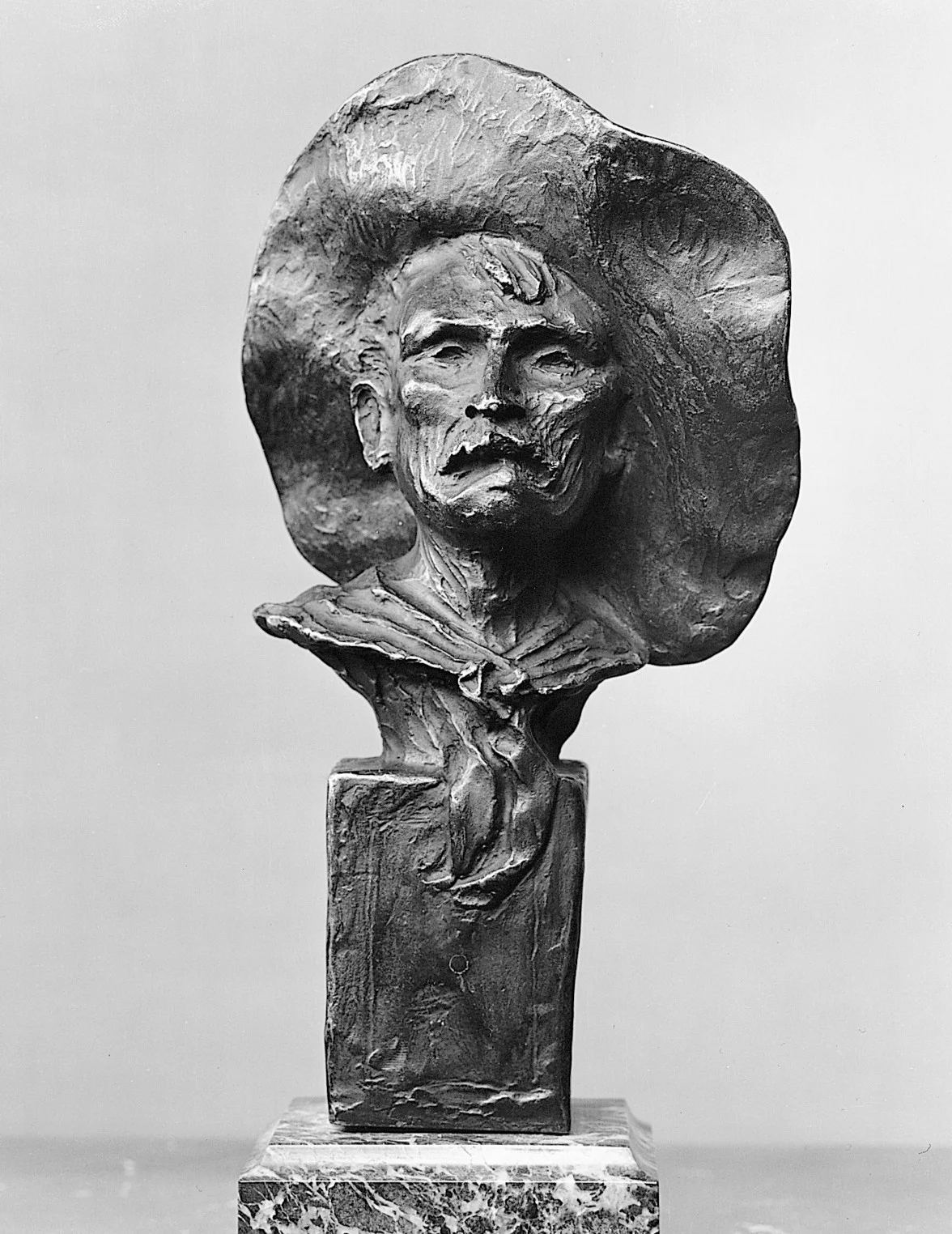
For collectors, "A Misdeal" represents the pinnacle of hand-painted oil painting in the Realism movement. Frederic Remington’s attention to detail and narrative depth make this work highly sought-after, especially when paired with related products like "The Sergeant" and "Cold Morning on the Range." Owning such a piece not only enriches a collection but also connects the collector to the rich artistic heritage of Remington and the captivating stories of the American frontier.
When Art Meets History
"A Misdeal" by Frederic Remington is a striking example of the Realism movement, capturing a pivotal moment in American history. This hand-painted oil painting not only showcases Remington’s mastery but also reflects the era’s social dynamics and cultural shifts. Like related works such as "The Angelus, 1857-59" and "The Walk to Work," Remington’s piece provides viewers with a visual narrative rooted in authenticity and historical detail, making it a timeless addition to art collections.
Techniques That Speak
Frederic Remington’s "A Misdeal" employs meticulous oil on canvas techniques, emphasizing lifelike details and dynamic compositions. His brushwork brings out the rugged textures and subtle lighting, hallmarks of the Realism movement. This approach is shared by related paintings like "Study of trees" and "Rocks on the island of Valaam. Kukko," where artists focus on the interplay between subject and environment. The result is a vivid representation that immerses viewers in the scene’s authenticity.
Emotions on Display
In "A Misdeal," Remington captures raw emotion and tension among his subjects, a hallmark of fine art painting for sale in the Realism tradition. The expressive faces and body language draw viewers into the narrative, echoing the emotional depth found in works such as "Anonymous Burials." Through careful composition and nuanced gestures, Remington invites the audience to experience the suspense and drama of the moment, making the painting resonate deeply with art lovers and collectors alike.
Coveted by Collectors
As a prominent example of the Realism movement, "A Misdeal" by Frederic Remington remains highly sought after in the art market. The demand for this hand-painted oil painting reflects its enduring appeal and historical significance. Collectors appreciate its connection to related masterpieces like "The Walk to Work" and "The Angelus, 1857-59." Owning a Remington piece signifies a deep appreciation for fine art and the legacy of American Realism, making it a prized acquisition.
Related Realism Hand-Painted Oil Paintings by Other Artists
Other Famous Realism Artists:
Frequently Asked Questions About "A Misdeal"
What is the historical context of "A Misdeal"?
"A Misdeal," painted by Frederic Remington in the late 19th century, reflects the American West during a time of significant change, capturing the tensions and dynamics of frontier life as settlers, Native Americans, and cowboys interacted.
What artistic techniques did Frederic Remington use in "A Misdeal"?
Remington employed a combination of realism and impressionism in "A Misdeal," utilizing dynamic brushwork and a rich color palette to convey movement and emotion, effectively bringing the scene to life.
What themes are explored in "A Misdeal"?
The painting explores themes of chance, conflict, and the unpredictability of life in the West, symbolizing the precarious nature of human relationships and the outcomes of chance encounters.
How does "A Misdeal" reflect Frederic Remington's artistic style?
Remington's style is characterized by his focus on the American West, with an emphasis on action and narrative. "A Misdeal" encapsulates his ability to portray the ruggedness of frontier life and the emotional depth of his subjects.
What is the significance of the title "A Misdeal"?
The title suggests themes of fate and chance, indicating that the characters in the painting are at the mercy of circumstances beyond their control, which is a recurring motif in Remington's work.
What role do the figures in "A Misdeal" play in conveying its message?
The figures in the painting represent various archetypes of the American West, including the cowboy and the gambler, illustrating the diverse experiences and challenges faced by individuals during this era.
How does "A Misdeal" compare to other works by Frederic Remington?
Compared to other works by Remington, "A Misdeal" showcases a more intimate moment of human interaction, contrasting with his often grand depictions of battle and adventure, highlighting his versatility as an artist.
What symbolism can be found in "A Misdeal"?
The painting is rich in symbolism, with elements such as the cards representing chance and fate, while the setting reflects the unpredictability of life on the frontier, emphasizing the complexities of human relationships.
In what ways did "A Misdeal" influence perceptions of the American West?
"A Misdeal" contributed to the romanticized view of the American West, shaping public perceptions by highlighting the drama and excitement of frontier life, while also revealing its inherent dangers and uncertainties.
What materials and methods did Remington use to create "A Misdeal"?
Frederic Remington typically used oil on canvas for his paintings, employing layered techniques to achieve depth and texture, which are evident in the detailed rendering of figures and the atmospheric quality of the scene in "A Misdeal."























_GFM_Painting_(1).webp)


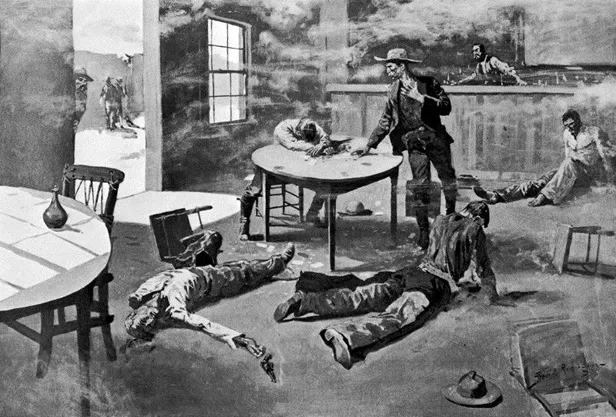
 100% Hand-Painted: Finished in 3-6 Weeks

.png)
















_(1).webp)