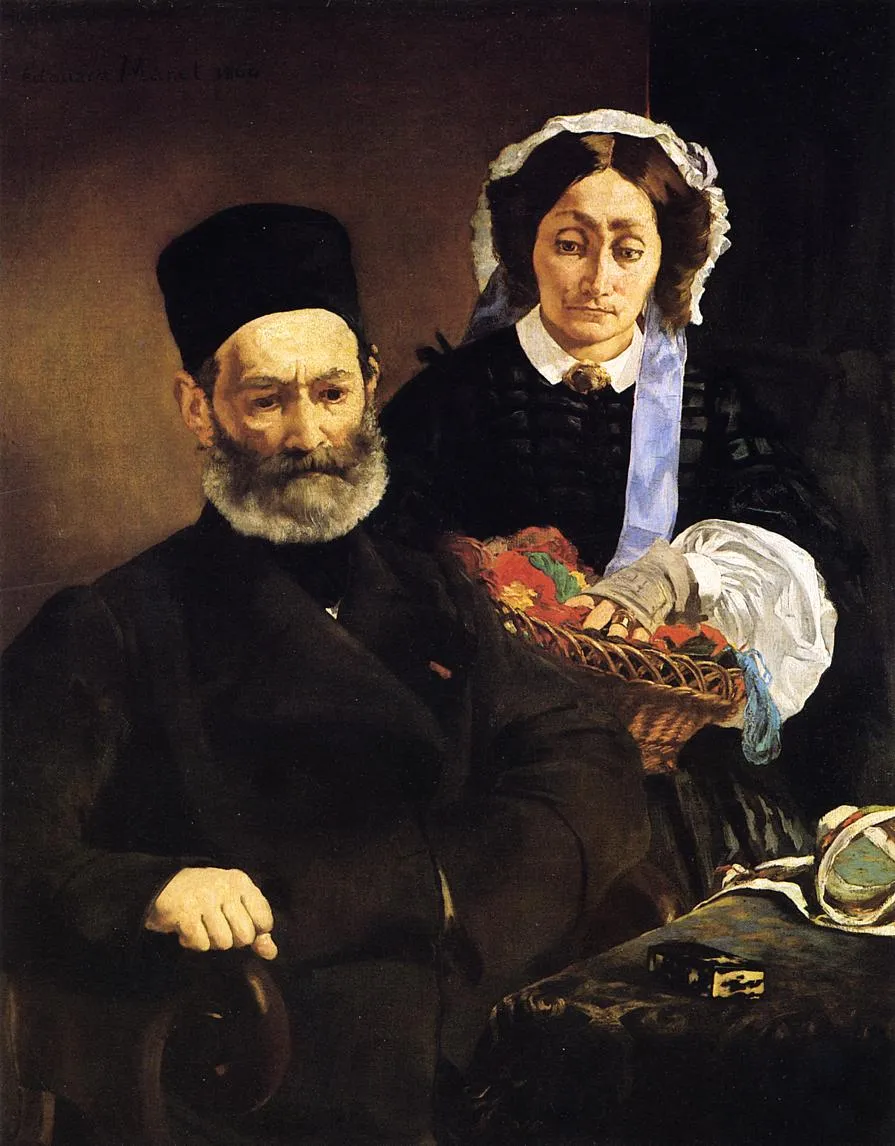
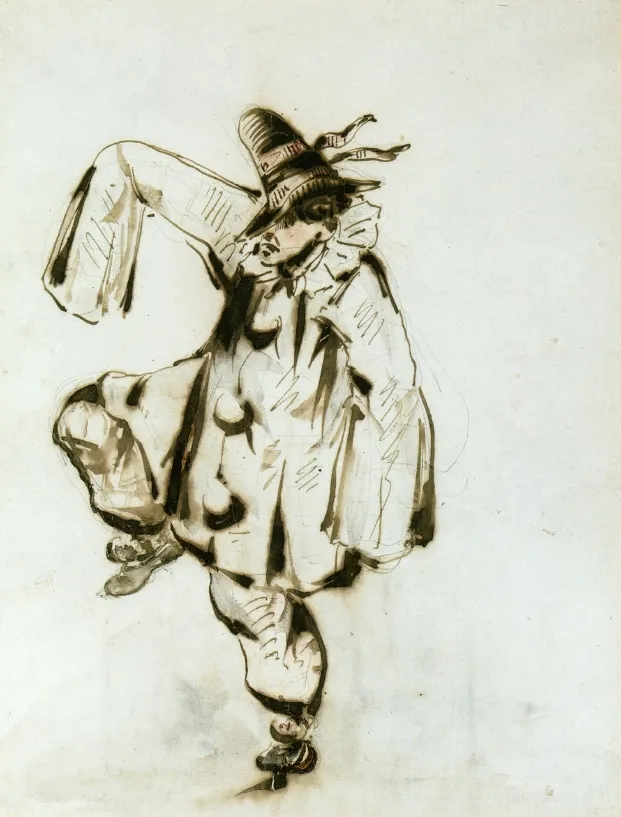
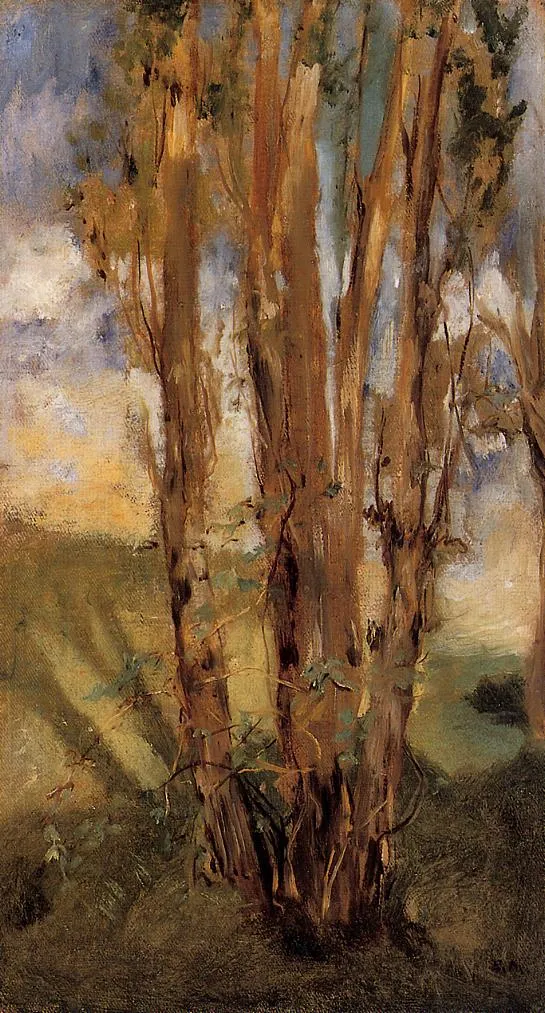
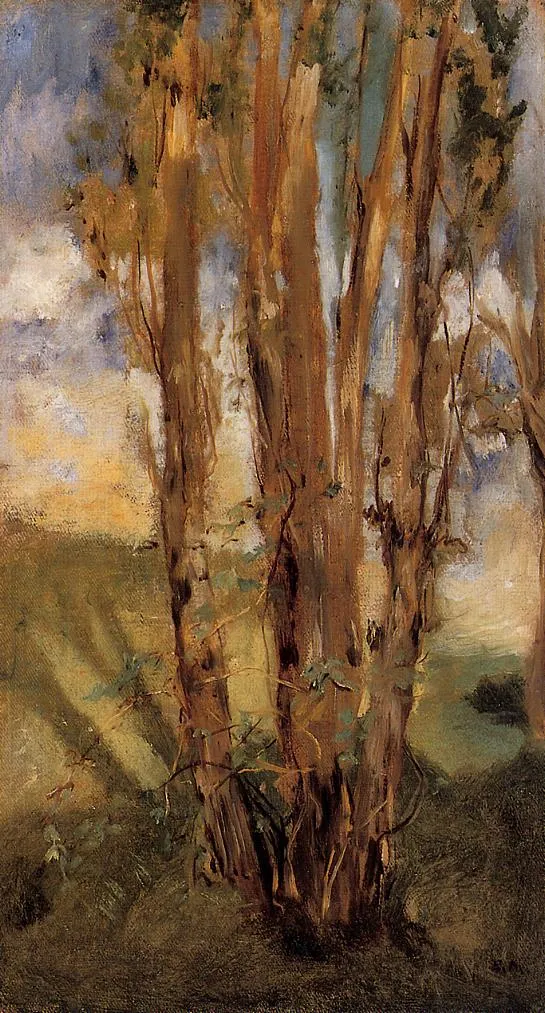
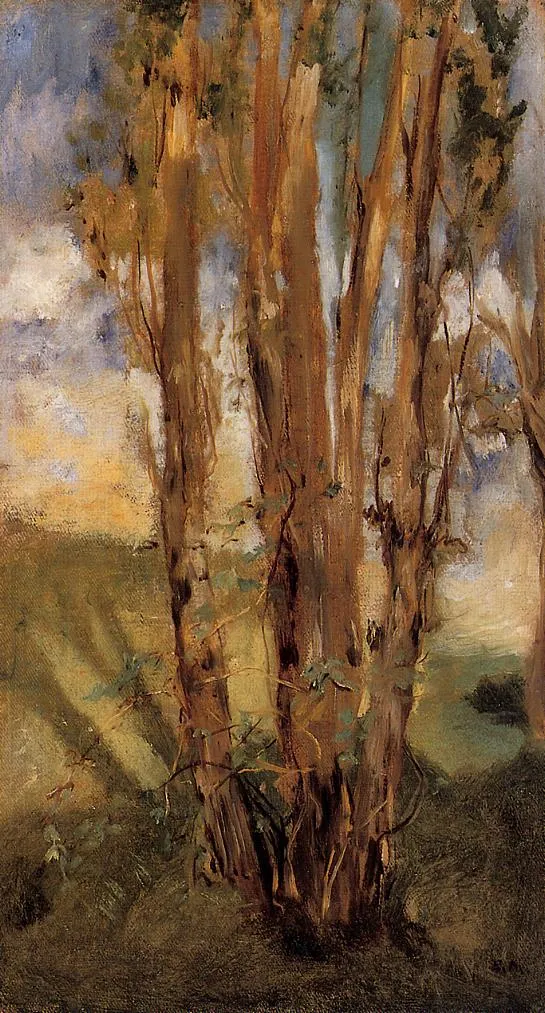
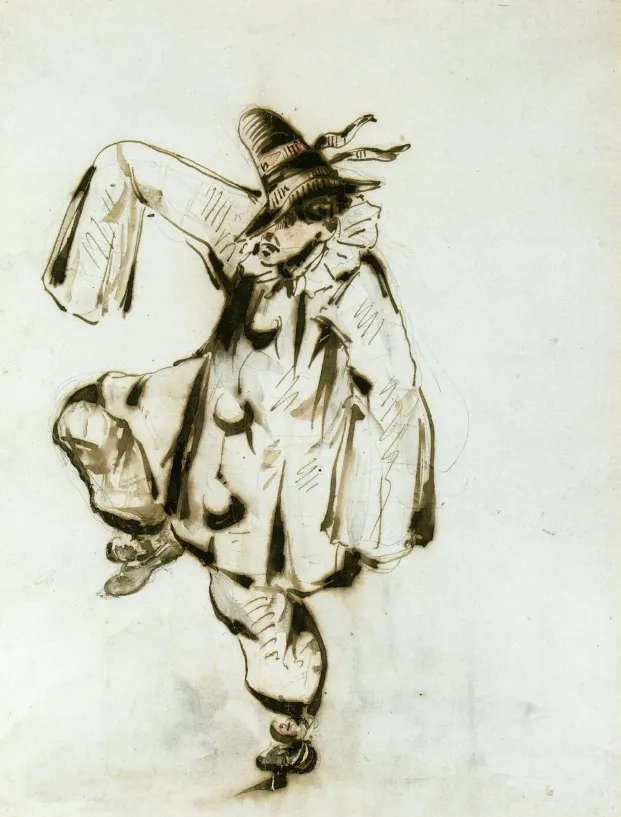
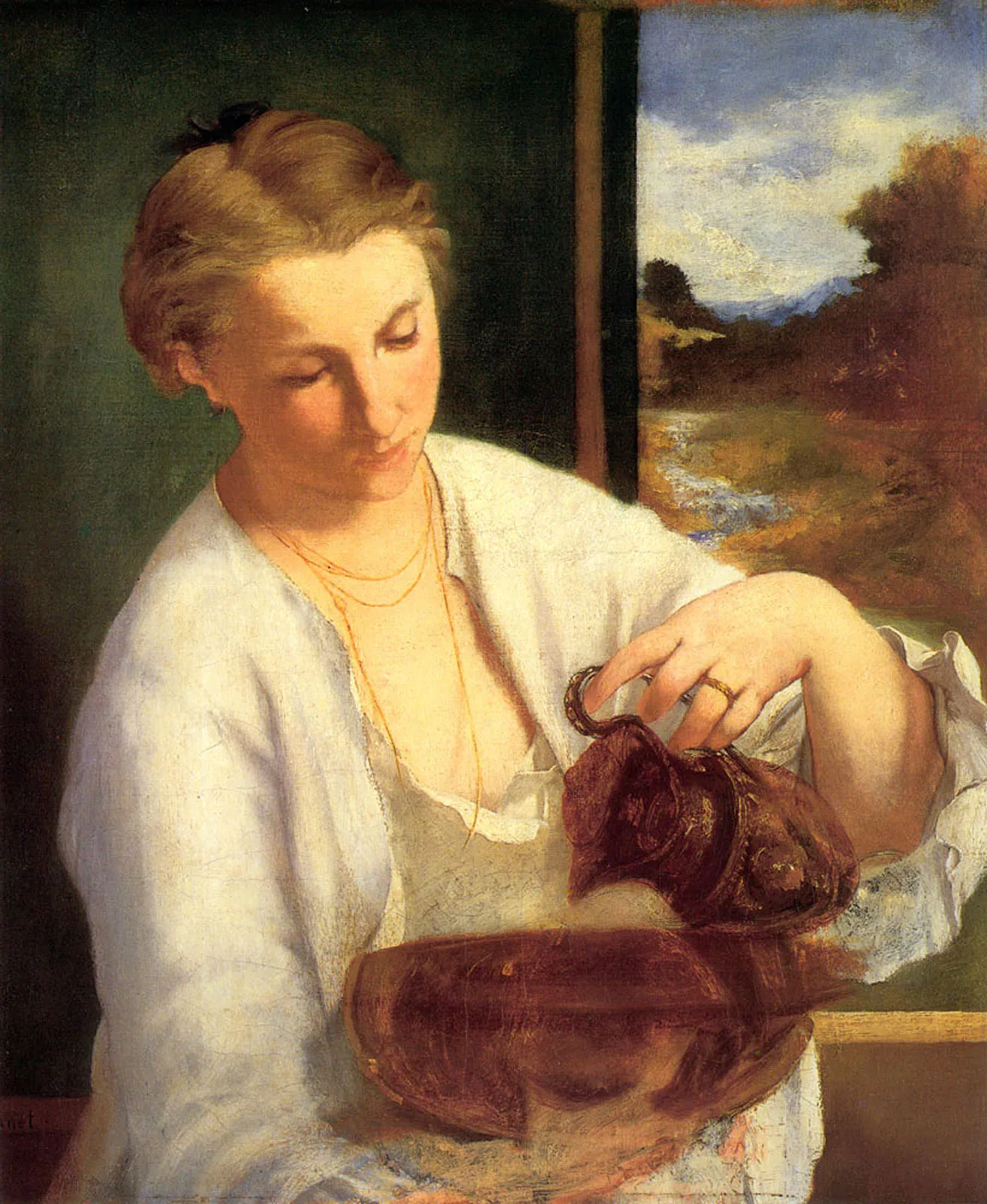
Edouard Manet’s "Study of trees" exemplifies his command over oil on canvas, where each brushstroke brings the tranquil woodland scene to life. His technique, rooted in the Realism movement, emphasizes the play of light and shadow, creating a vivid, immersive experience. This painting, much like "A woman pouring water" and "Pierrot dancing," reflects Manet’s ability to capture fleeting moments, making his oil on canvas works highly sought after by collectors and art lovers alike.
Within "Study of trees," Edouard Manet weaves subtle stories through the careful depiction of nature’s elements. The Realism movement encouraged artists to paint life as it truly appeared, and Manet’s hand-painted oil painting does just that, inviting viewers to interpret the silent narrative of the forest. Similar to his other works, such as "Pierrot dancing," this painting resonates with those who appreciate the quiet symbolism found in everyday scenes, making it a compelling addition to any collection.
For discerning collectors, "Study of trees" by Edouard Manet is more than just a fine art painting for sale; it is a piece of art history from the Realism movement. Its presence enhances any space, reflecting sophistication and an appreciation for masterful technique. Alongside related products like "A Young Lady in 1866" and "The barque of Dante," this oil on canvas masterpiece remains a coveted treasure for those who value authenticity and the enduring legacy of Edouard Manet’s artistry.
When Art Meets History
Edouard Manet’s "Study of trees" stands as a pivotal work in the Realism movement, capturing the essence of nature through his masterful brushwork. Created in an era when artists sought truth and authenticity, this hand-painted oil painting resonates with the same historical gravitas seen in related works like "The Prayer at Valley Forge" and "The Angelus, 1857-59." Manet’s attention to detail and historical context makes this piece a significant chapter in art history.
Techniques That Speak
In "Study of trees," Manet demonstrates his expertise with oil on canvas, using layered textures and nuanced tones to evoke the tactile presence of bark and foliage. His techniques align closely with those found in "Morning in the Pine-tree Forest" and "Oaks," where the interplay of light and shadow brings the landscape to life. By employing such skillful methods, Manet’s work becomes a timeless showcase of Realism’s dedication to representing the world as it truly appears.
Emotions on Display
"Study of trees" by Edouard Manet captures the serene beauty and quiet strength of trees, evoking a sense of calm and introspection. The fine art painting for sale invites viewers to reflect on nature’s enduring presence, similar to the contemplative mood found in "The Angelus, 1857-59." Through subtle shifts in color and composition, Manet’s painting communicates the emotional depth that defines the Realism movement and resonates with those who appreciate nature’s quiet power.
Coveted by Collectors
Collectors recognize Edouard Manet’s "Study of trees" as a valuable addition to any fine art collection, especially for those interested in the Realism movement. Like "The Bronco Buster" and "Oaks," this hand-painted oil painting appeals to connoisseurs seeking authenticity and historical relevance. Its enduring popularity is a testament to Manet’s influence and the timeless appeal of oil on canvas works that capture both the beauty and truth of the natural world.
Related Realism Hand-Painted Oil Paintings by Other Artists
Other Famous Realism Artists:
Frequently Asked Questions About Study of trees
What is the historical context of Edouard Manet's "Study of trees"?
"Study of trees" was created during the late 19th century, a period marked by the transition from traditional to modern art. Manet, a pivotal figure in the Impressionist movement, sought to break away from the conventions of academic painting, and this work reflects his innovative approach to nature and light.
What artistic techniques did Manet employ in "Study of trees"?
Manet utilized loose brushwork and a limited color palette to capture the essence of the trees rather than their detailed forms. This technique emphasizes the play of light and shadow, showcasing his mastery of capturing atmospheric effects.
What themes are explored in "Study of trees"?
The painting explores themes of nature, transience, and the relationship between humanity and the natural world. Manet's depiction of trees serves as a reminder of nature's beauty and its impermanence.
How does "Study of trees" reflect Manet's artistic philosophy?
Manet believed in capturing the momentary effects of light and color, which is evident in "Study of trees." His focus on the immediate experience of nature aligns with the Impressionist ideals of observing and representing the world as it is perceived in real-time.
What is the significance of trees in Manet's work?
Trees often symbolize strength, stability, and the passage of time in art. In "Study of trees," they may also represent the artist's exploration of the natural environment, reflecting his interest in the interplay between nature and human experience.
How does "Study of trees" compare to other works by Manet?
Unlike Manet's more famous works that focus on human figures and social commentary, "Study of trees" emphasizes the beauty of the natural world. This painting showcases his versatility as an artist and his ability to convey emotion through landscape.
What influences can be seen in "Study of trees"?
Manet was influenced by the Barbizon School, which emphasized naturalism and plein air painting. This influence is evident in his treatment of light and shadow, as well as his focus on capturing the essence of the landscape.
What role does color play in "Study of trees"?
Color in "Study of trees" is used to create depth and atmosphere. Manet's use of greens and browns evokes a sense of tranquility and connection to nature, while his strategic highlights convey the effects of sunlight filtering through the foliage.
What impact did "Study of trees" have on future artists?
"Study of trees" contributed to the evolution of landscape painting by encouraging artists to explore the emotional and atmospheric qualities of nature. Its influence can be seen in the works of later Impressionists and modern artists who sought to capture the fleeting moments of the natural world.
How is "Study of trees" regarded in the context of Manet's overall oeuvre?
"Study of trees" is often regarded as a significant yet understated work within Manet's oeuvre. It highlights his innovative approach to landscape painting and serves as a testament to his ability to transcend traditional boundaries in art.






















_GFM_Painting_(1).webp)


 100% Hand-Painted: Finished in 3-6 Weeks

.png)

















_(1).webp)