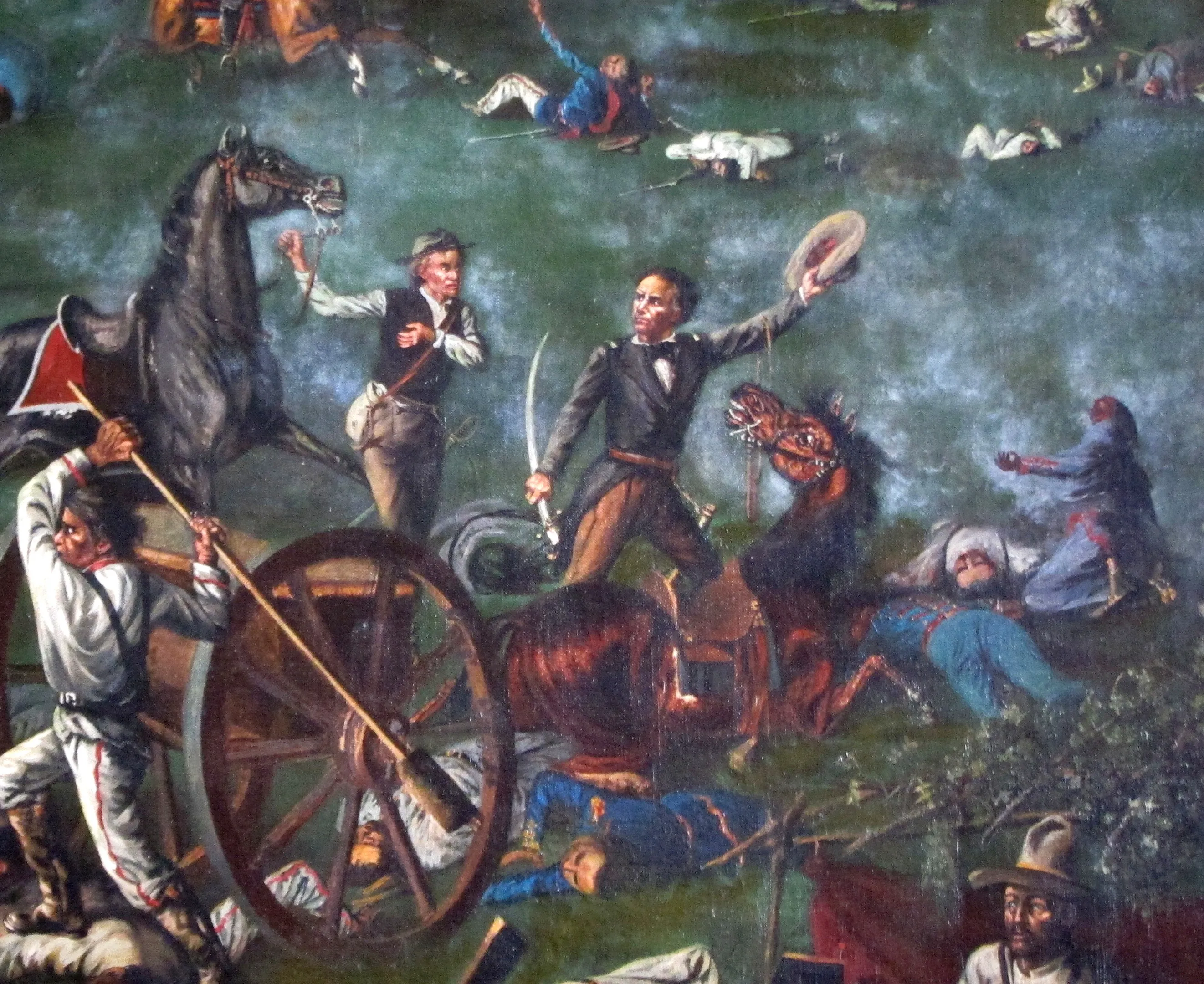
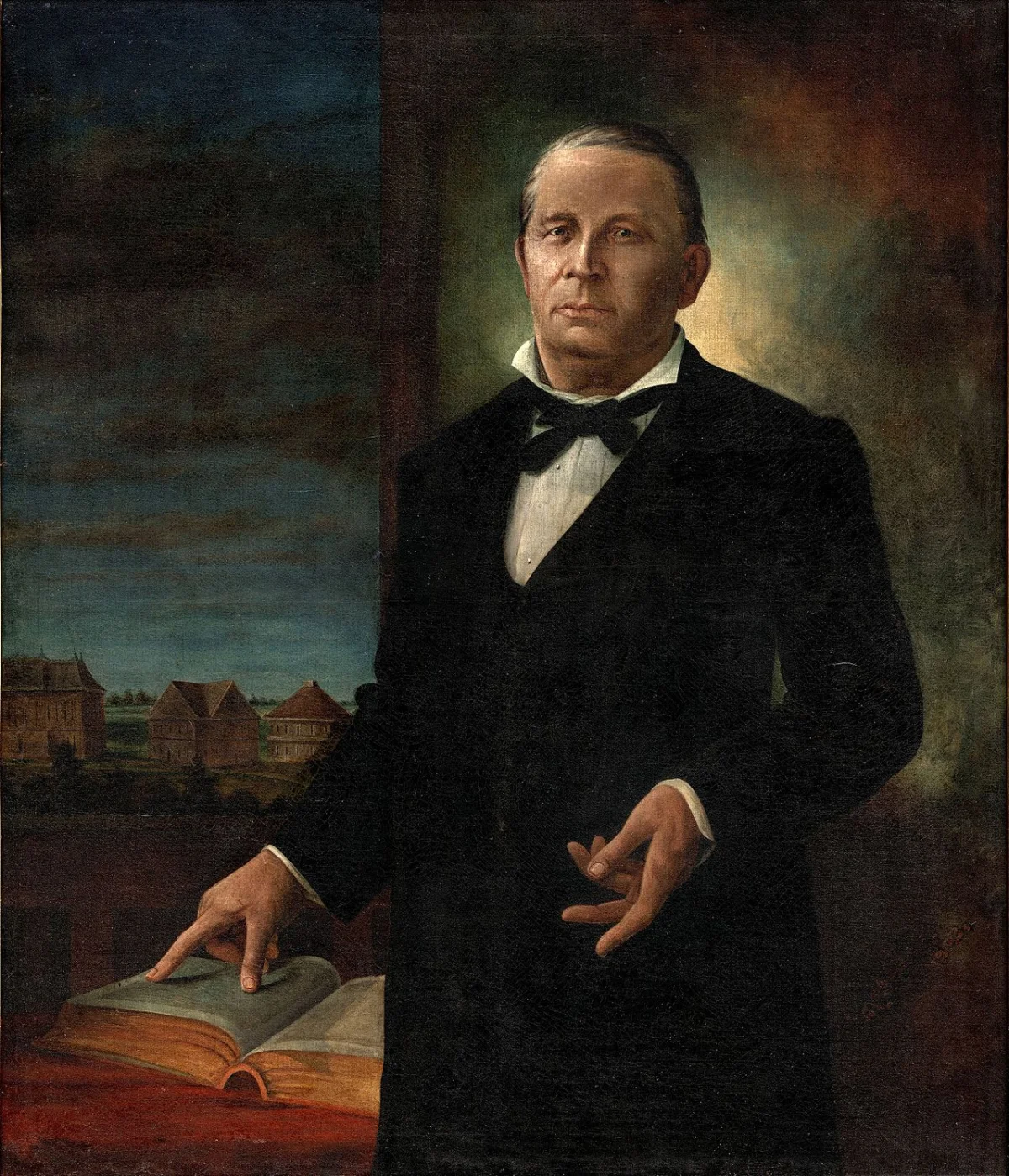
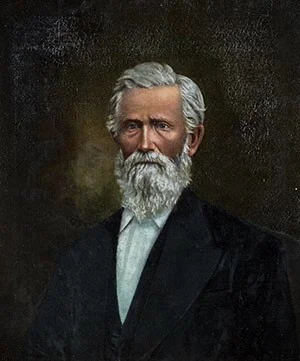
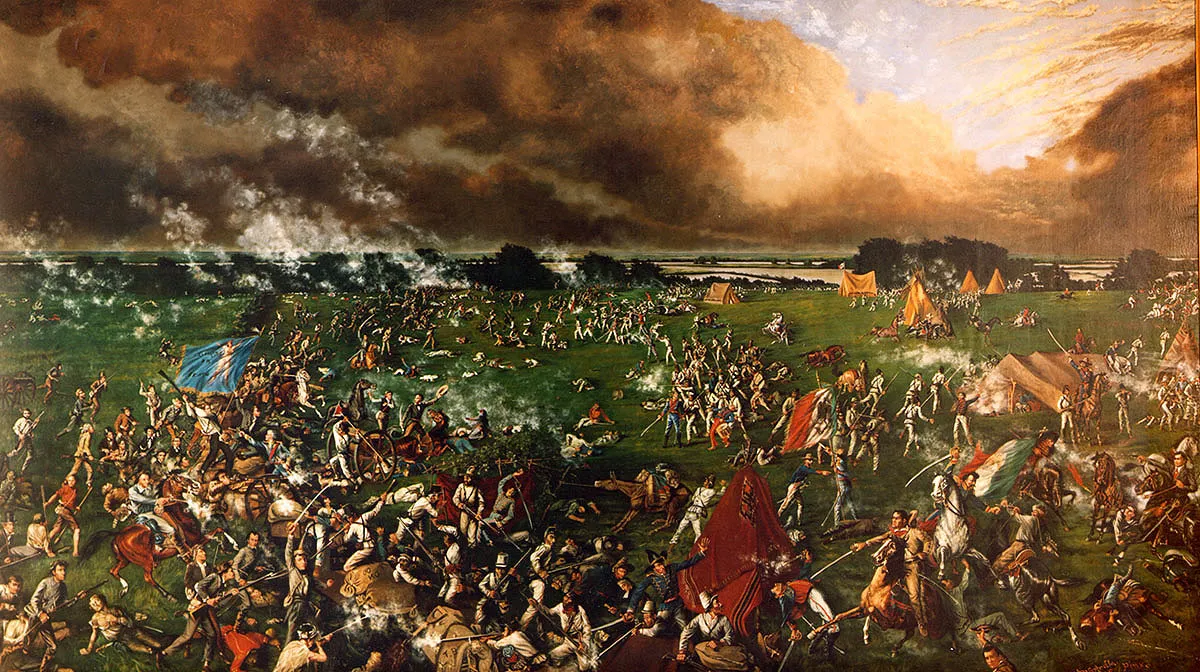
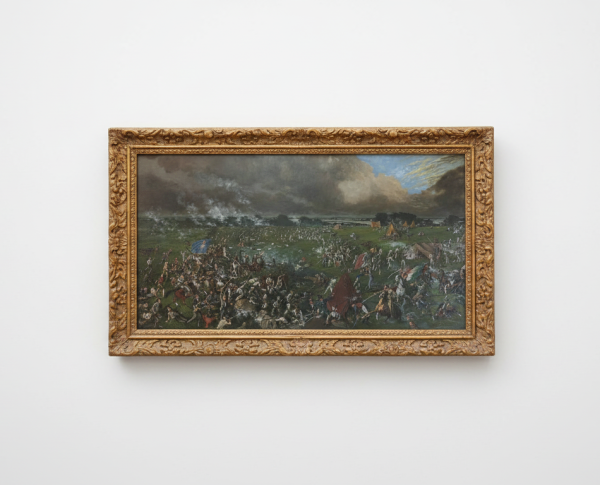
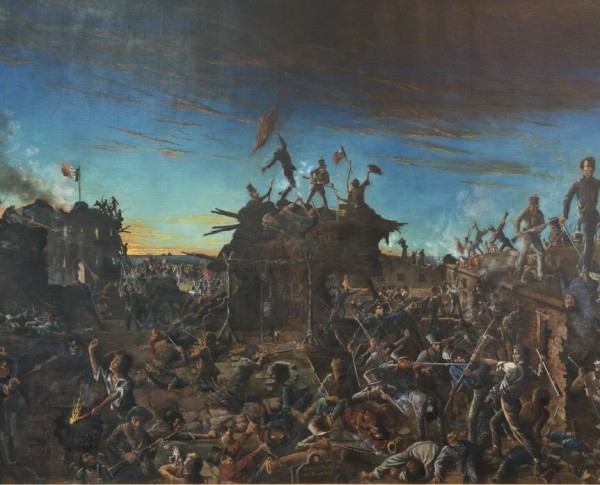
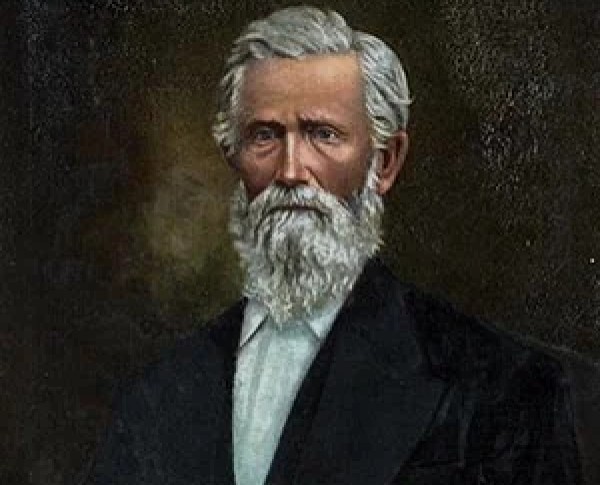
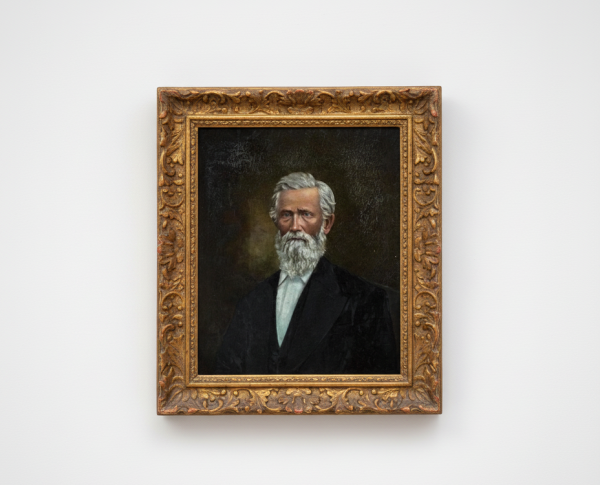
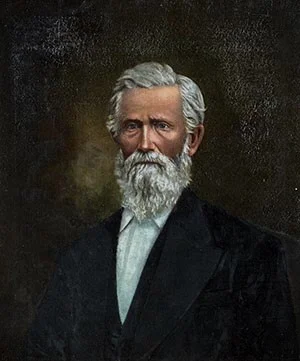
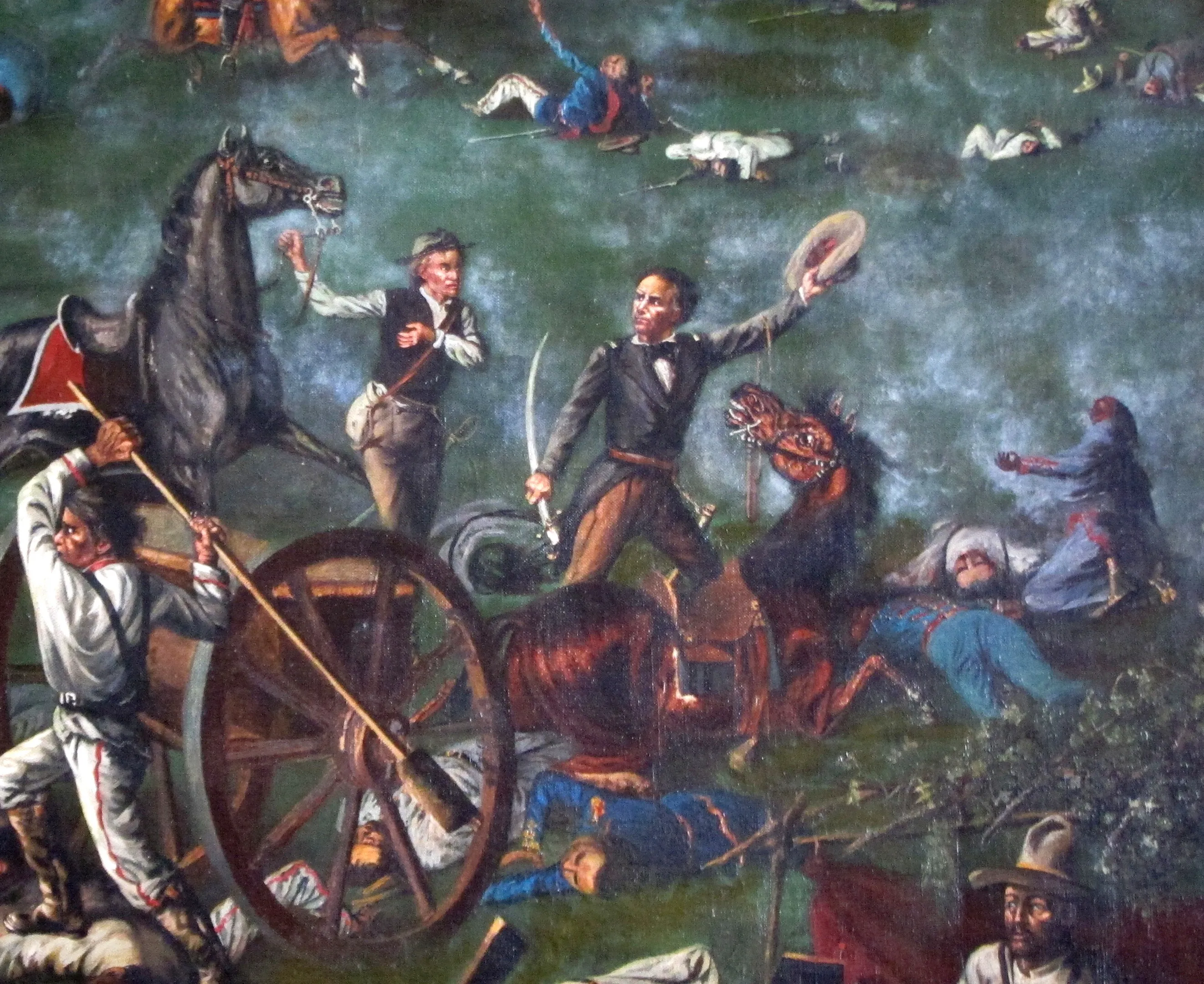
Henry Arthur McArdle’s exceptional skill is evident in every detail of this oil on canvas masterpiece. The Romanticism movement's influence can be seen in the expressive brushwork and rich textures that bring William Carey Crane’s likeness to life. Collectors and art enthusiasts searching for a fine art painting for sale will appreciate McArdle’s attention to detail, also evident in related works like "File:Painting" and "Soldiers at the Alamo," which showcase his mastery of the medium.
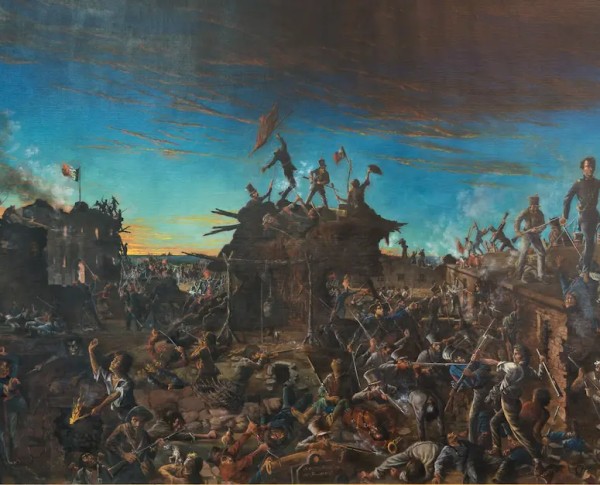
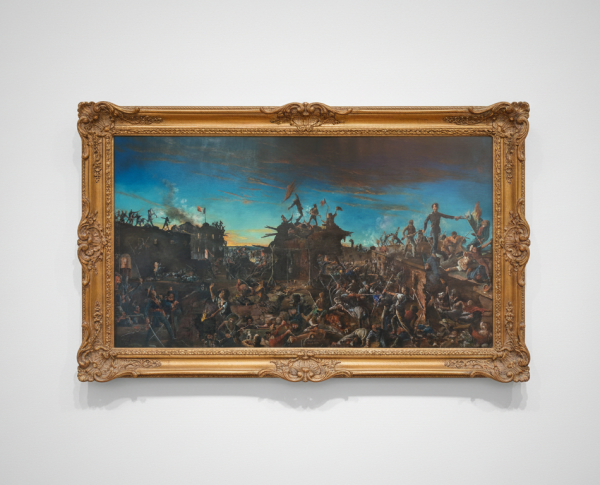
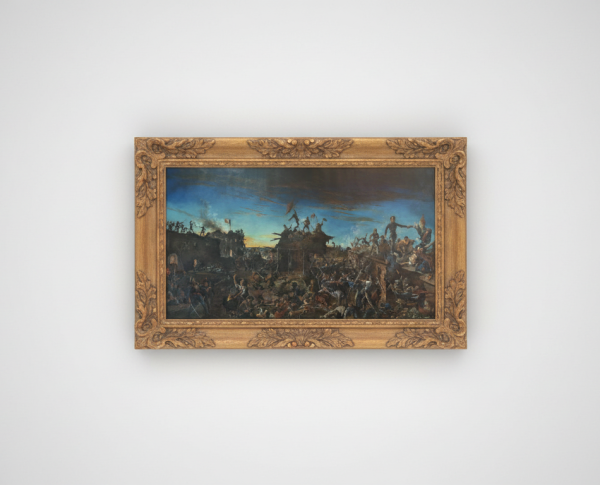
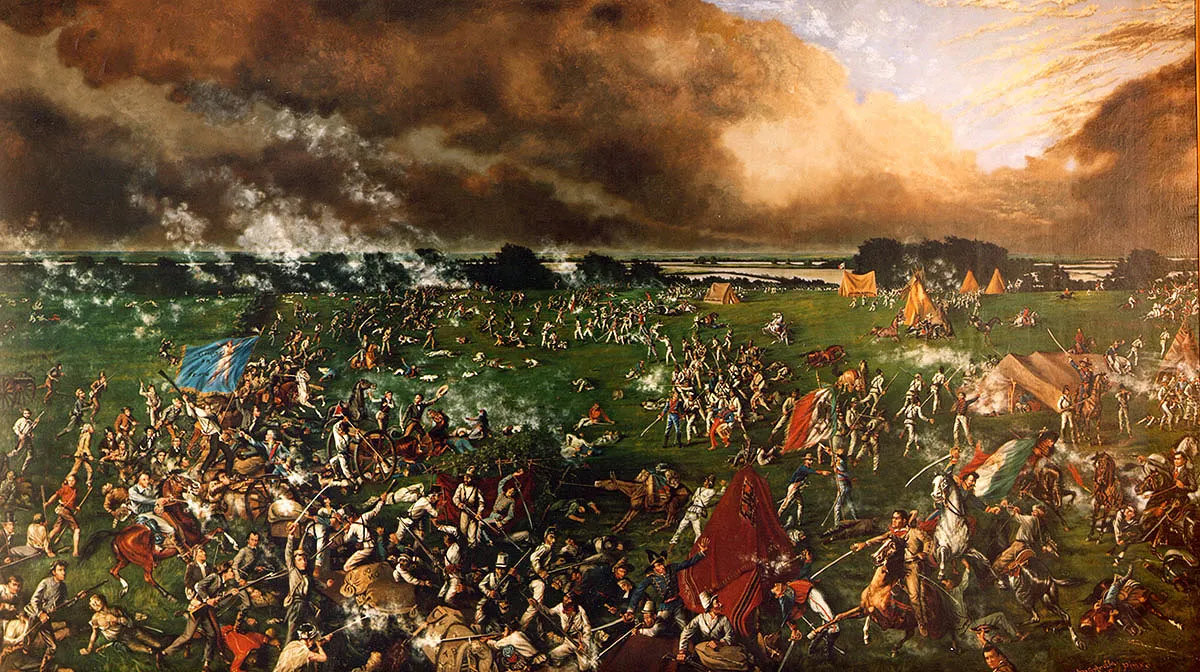
This hand-painted oil painting not only portrays William Carey Crane but also conveys the values and aspirations of Baylor University during his presidency. McArdle’s use of light and composition, characteristic of the Romanticism movement, imbues the portrait with depth and meaning. Similar themes can be found in "Dawn at the Alamo," by McArdle, hanging in the Senate Chamber of the Texas State Capitol in Austin, Texas LCCN2014632109, drawing connections between personal achievement and Texas heritage.
For those seeking a fine art painting for sale, "A Portrait of Former Baylor University President, William Carey Crane" offers a unique blend of historical significance and artistic excellence. As part of Henry Arthur McArdle’s celebrated portfolio, this oil on canvas piece complements collections featuring works like "File:George Washington Baines by" and "Soldiers at the Alamo." It is a prized addition for collectors passionate about Romanticism and Texas history.
When Art Meets History
Henry Arthur McArdle’s "A Portrait of Former Baylor University President, William Carey Crane" is a standout hand-painted oil painting from the Romanticism movement. McArdle, renowned for his attention to historical detail, immortalizes Crane with the same mastery found in related works like "Worthington Whittredge," "Marine," and "The Sea." This portrait not only captures an influential figure but also highlights a pivotal era in Baylor University’s history, blending art and historical narrative seamlessly.
Techniques That Speak
McArdle’s use of oil on canvas in this fine art painting showcases the hallmarks of Romanticism—expressive brushwork, dynamic lighting, and meticulous attention to texture. The artist’s technique is comparable to his contemporaries, as seen in pieces such as "Pietro Rossi prisonner of the Scaligeri" and "Santa Claus." Through subtle color transitions and nuanced shadowing, McArdle brings depth and realism to William Carey Crane’s visage, making the painting a testament to his technical prowess.
Emotions on Display
The emotional intensity of "A Portrait of Former Baylor University President, William Carey Crane" is a defining trait of McArdle’s approach to Romanticism. The sitter’s thoughtful gaze and dignified posture evoke a sense of wisdom and leadership, inviting viewers into his world. Like other hand-painted oil paintings of the era, this work resonates with personal and historical emotion, similar to the sentiment found in "The Sea" and "Marine," drawing collectors and art lovers alike.
Coveted by Collectors
This portrait by Henry Arthur McArdle is a fine art painting for sale that attracts collectors interested in historic and romantic works. Its connection to Baylor University and the Romanticism movement increases its desirability, just as related paintings like "Worthington Whittredge" and "Santa Claus" command attention. The work’s provenance and the artist’s reputation make it a prized possession, ensuring its place in both private collections and academic settings for years to come.
Related Romanticism Hand-Painted Oil Paintings by Other Artists
Other Famous Romanticism Artists:
Frequently Asked Questions About A Portrait of Former Baylor University President, William Carey Crane
Who is William Carey Crane and why is he significant?
William Carey Crane served as the president of Baylor University from 1897 to 1902. His leadership contributed significantly to the university's growth during a pivotal time in its history, emphasizing academic excellence and moral integrity.
What artistic style is employed in this portrait?
This portrait is executed in a realist style, capturing the likeness and personality of William Carey Crane with meticulous attention to detail and a focus on naturalism, which was prevalent during the late 19th century.
Who was the artist, Henry Arthur McArdle, and what is his significance?
Henry Arthur McArdle was an influential American painter known for his historical and portrait works. He played a crucial role in documenting significant figures and events in Texas history through his art.
What materials were used in the creation of this painting?
The painting is likely created using oil on canvas, a traditional medium favored by portrait artists for its richness in color and ability to achieve fine detail.
What historical context surrounds the creation of this portrait?
This portrait was painted during a time when American universities were expanding and evolving. It reflects the educational aspirations and values of the late 19th century, particularly in the Southern United States.
What symbols or elements are present in the portrait?
The portrait may include symbolic elements such as books or academic regalia, which represent knowledge, education, and Crane's commitment to academic excellence during his presidency.
How does the composition of the painting contribute to its impact?
The composition is thoughtfully arranged to draw attention to Crane's face and expression, emphasizing his authority and intellect. The use of light and shadow enhances the three-dimensionality and presence of the subject.
In what ways does this portrait reflect the values of Baylor University?
This portrait embodies the values of Baylor University, such as leadership, integrity, and academic rigor, which were championed by Crane during his tenure and continue to resonate within the institution today.
What is the significance of the setting or background in the portrait?
The background of the portrait is typically designed to complement the subject, often featuring neutral tones or subtle textures that enhance the focus on Crane, symbolizing the foundational support of the university's mission.
How has this portrait been received by the public and art critics?
The portrait has been well-received as a significant historical artifact, appreciated for its artistic merit and its role in commemorating an important figure in Baylor University's history, often eliciting admiration for its craftsmanship.






















_GFM_Painting_(1).webp)

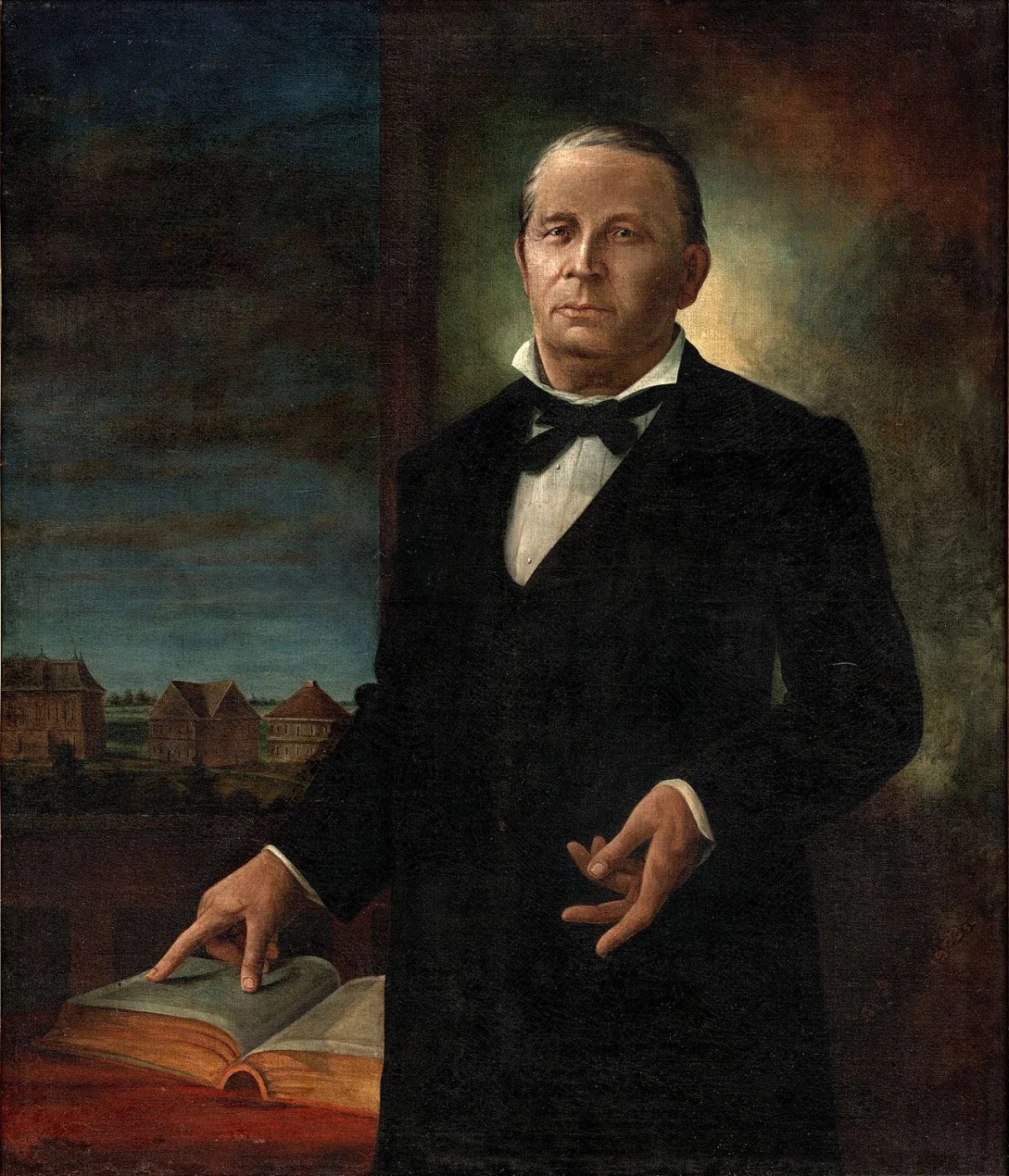

 100% Hand-Painted: Finished in 3-6 Weeks

.png)
















_(1).webp)