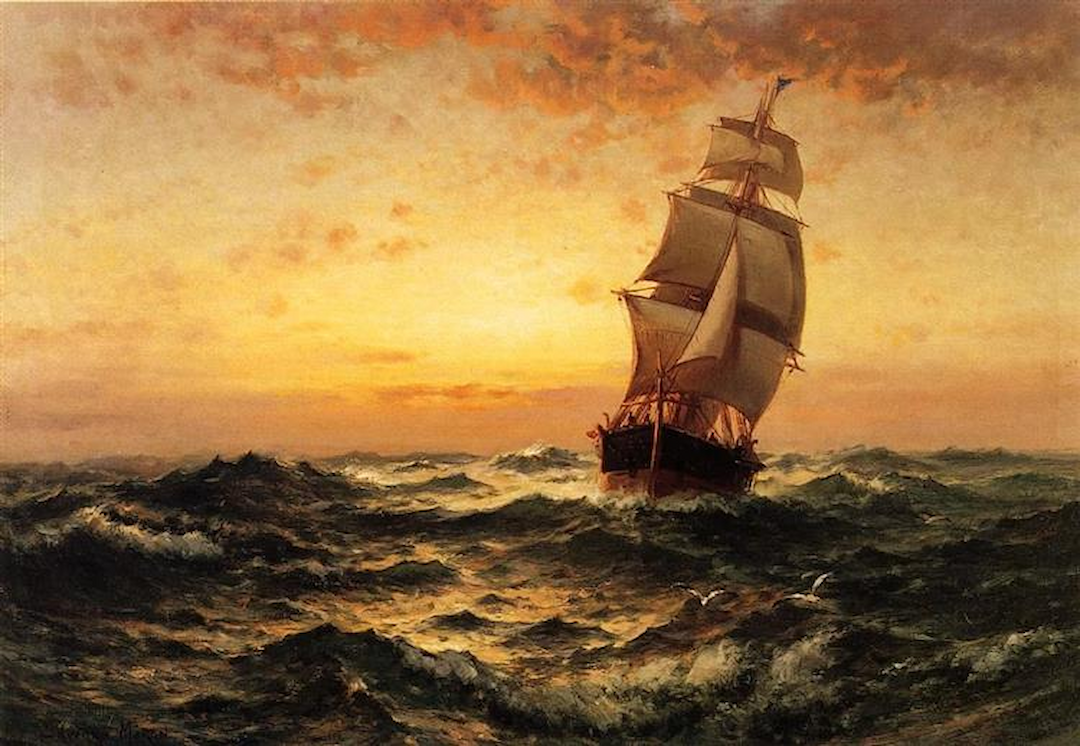
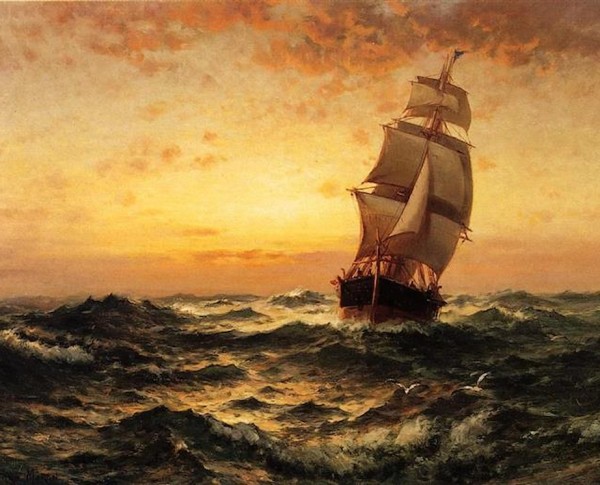
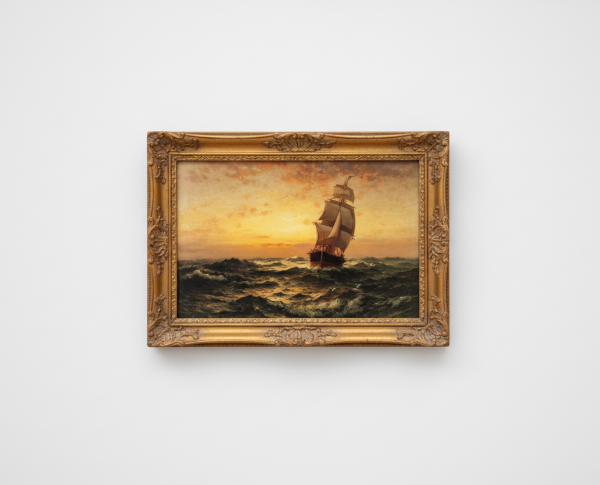
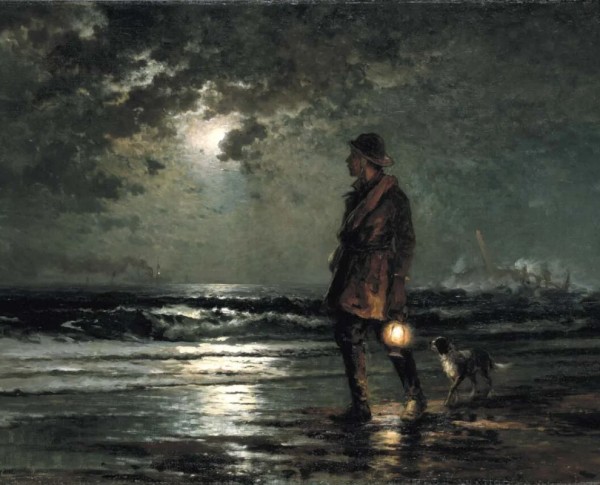
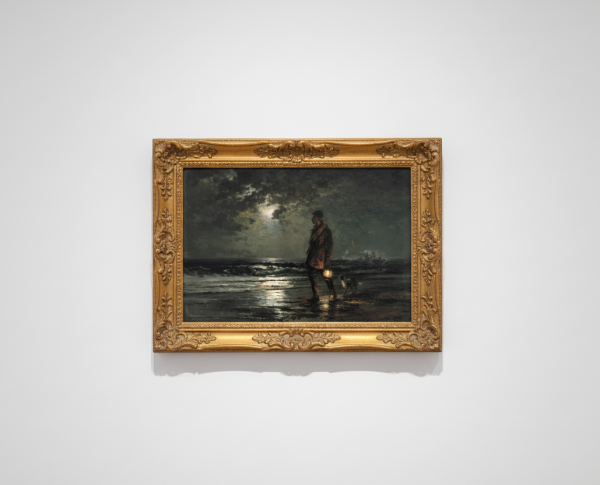
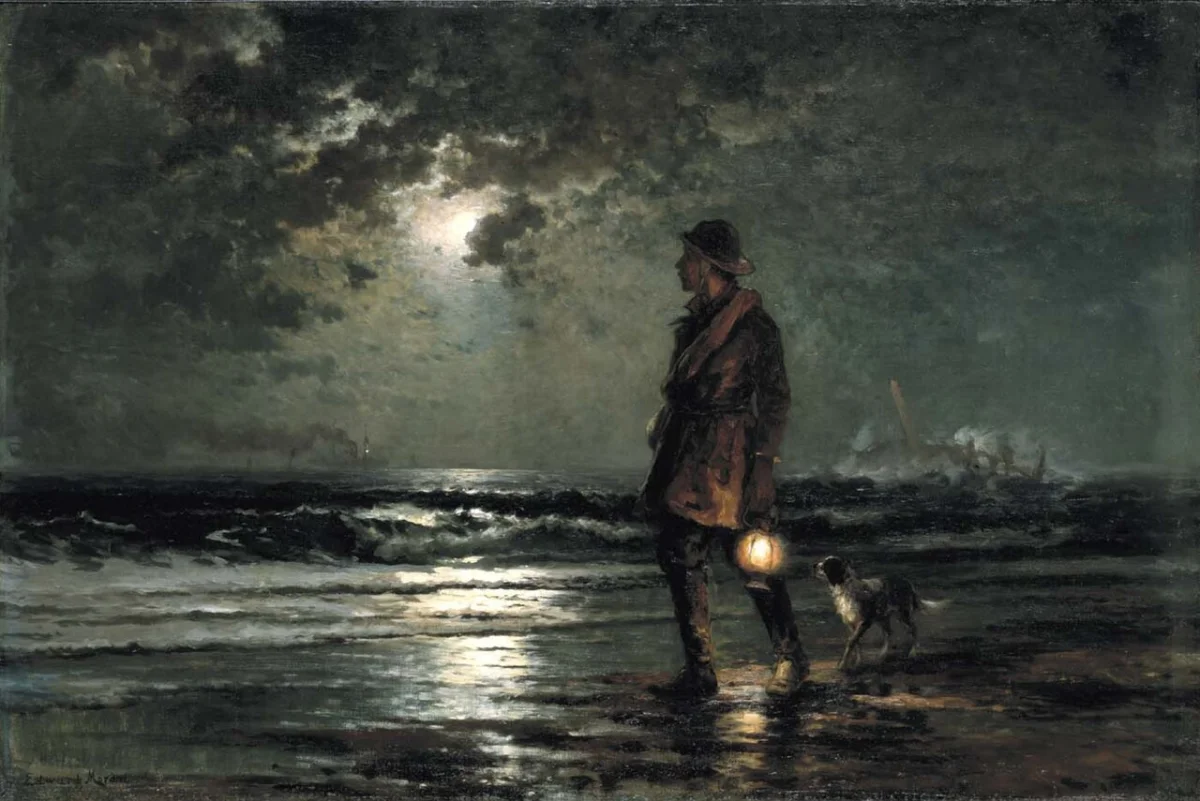
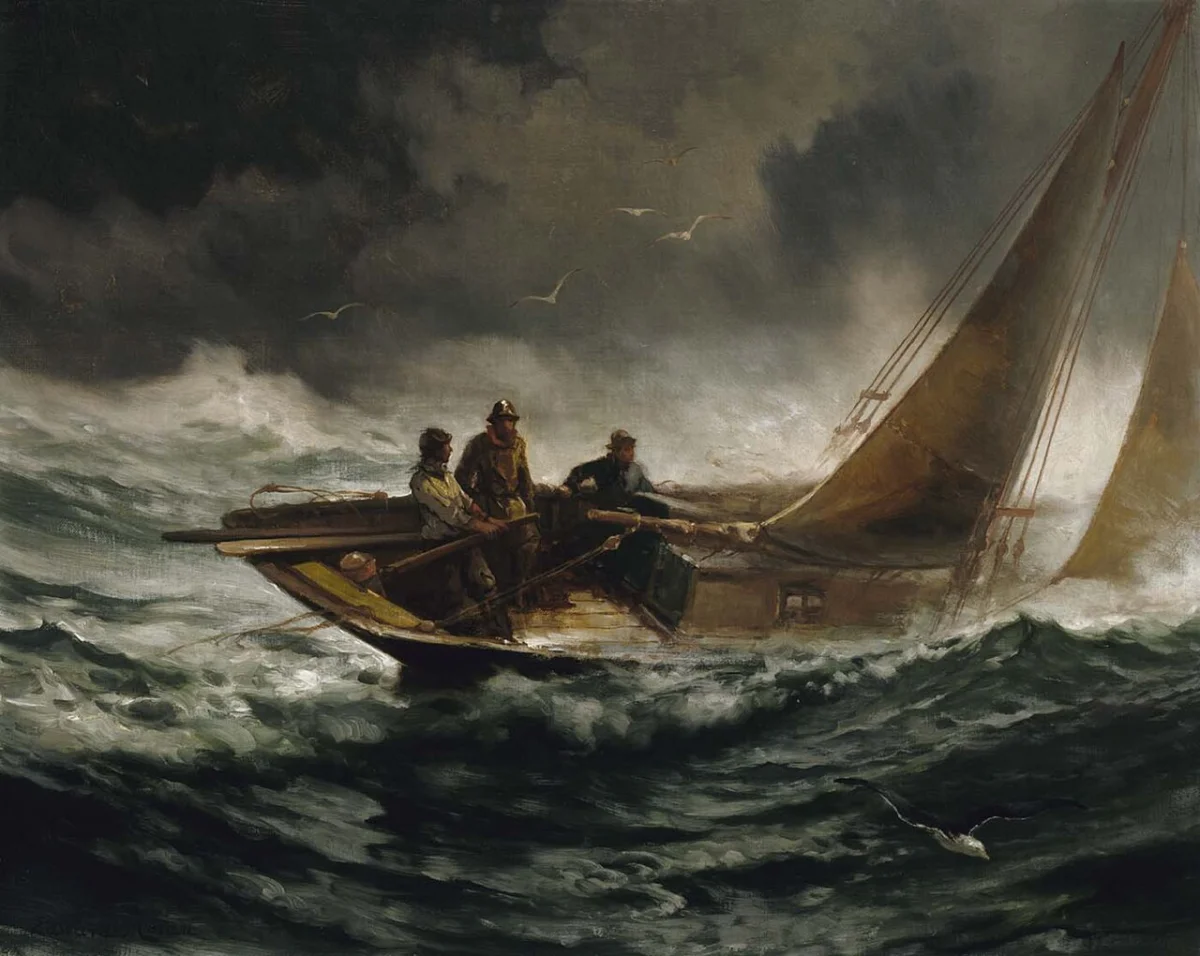
Edward Moran’s "The Sea" showcases his remarkable skill in manipulating oil on canvas to evoke emotion and movement. The Romanticism movement prized individual expression, and Moran’s brushwork brings the waves to life with vivid detail and dynamic energy. For those passionate about marine art, this piece pairs beautifully with related products like "Brig off Sandy Hook" and "Marine," all demonstrating the artist’s technical brilliance and deep connection to the sea.
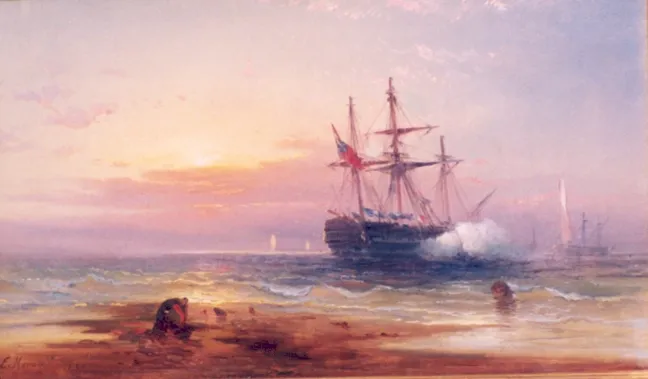
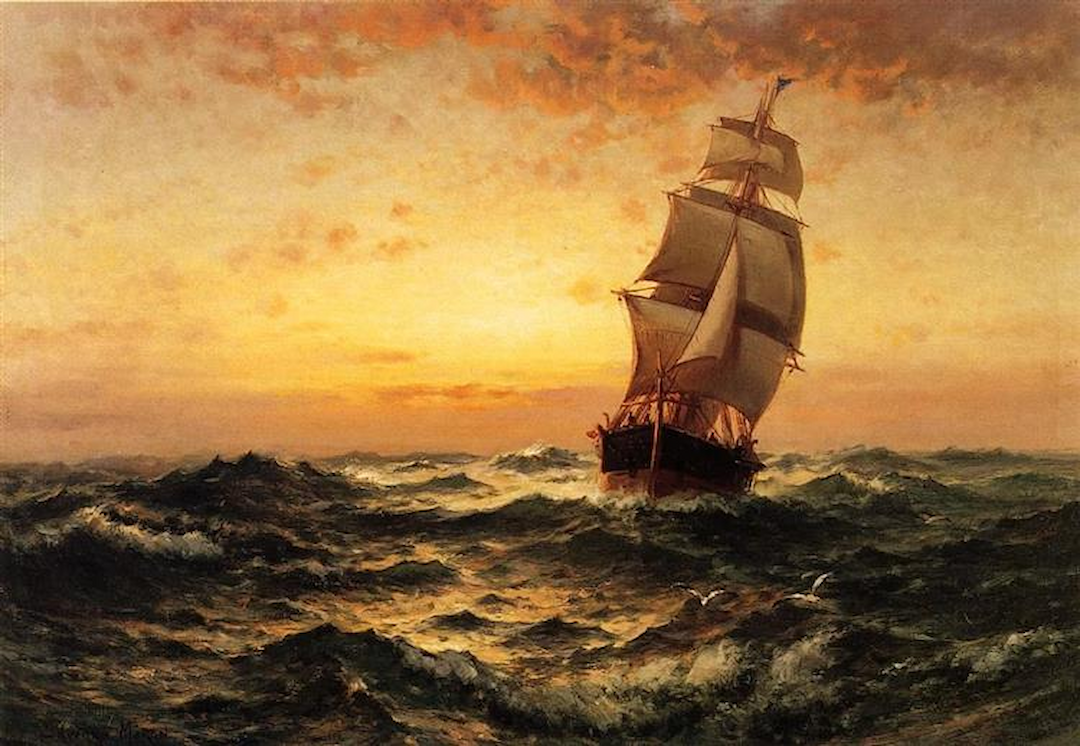
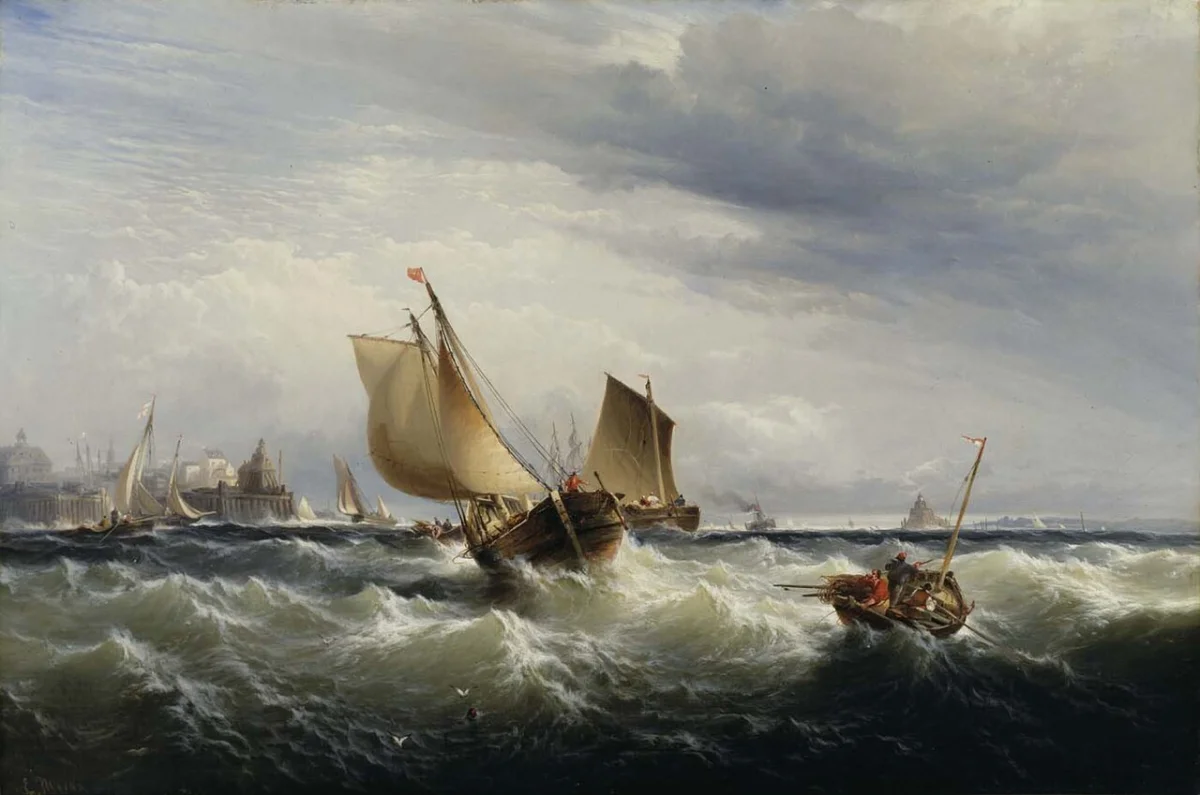
In "The Sea," Edward Moran weaves stories of adventure, resilience, and the sublime power of nature—hallmarks of the Romanticism movement. The hand-painted oil painting is rich with symbolism, from the tumultuous waters to the distant horizon, inviting viewers to reflect on humanity’s relationship with the ocean. Collectors often seek related works such as "Salute at Sunset" and "Fishermans Home" to explore the varied narratives present within Moran’s evocative maritime scenes.
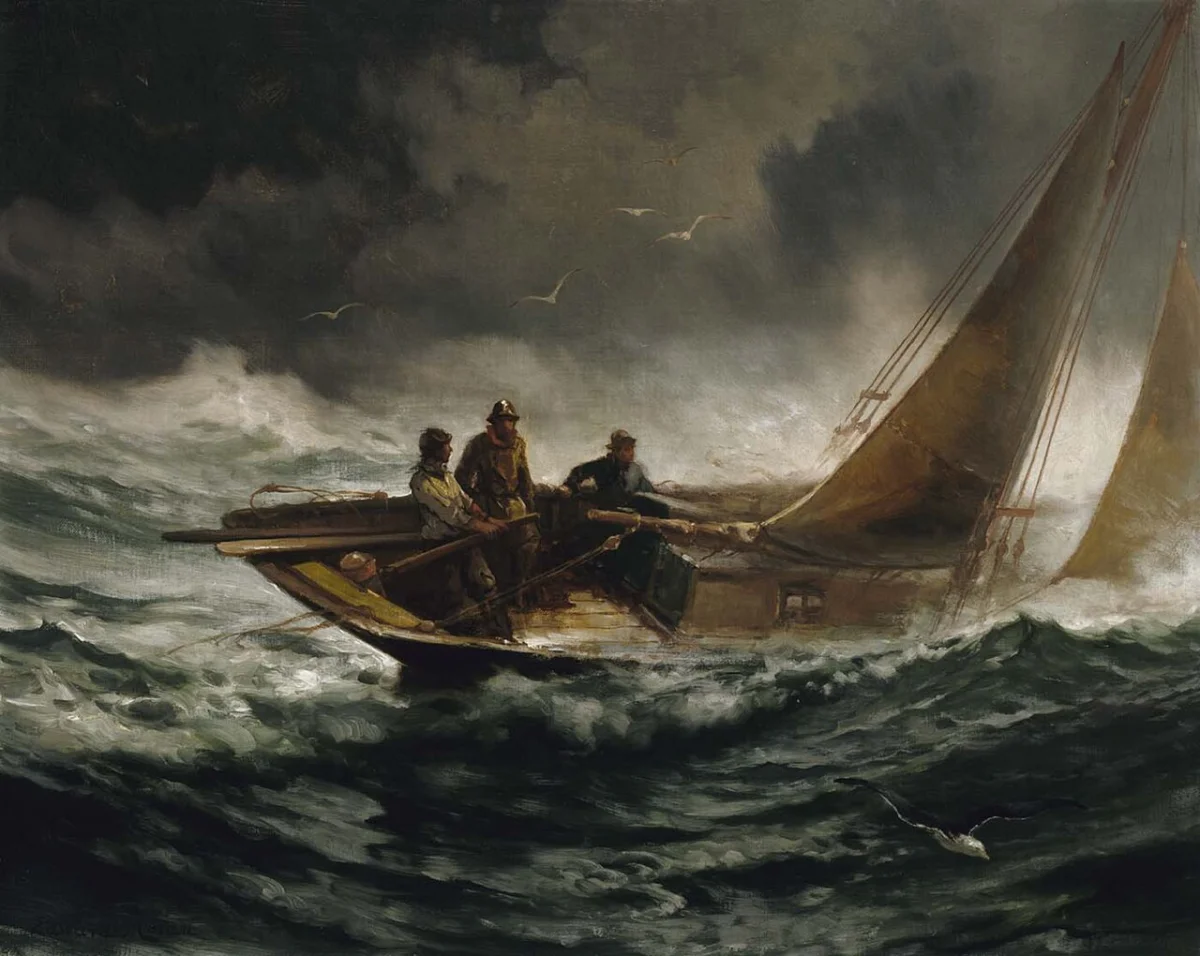
As a fine art painting for sale, "The Sea" by Edward Moran is highly prized among collectors who appreciate its historical significance and artistic mastery. This Romanticism masterpiece is often showcased alongside related products like "Life Saving Patrol" and "Marine," offering enthusiasts a comprehensive glimpse into Moran’s celebrated seascape oeuvre. Investing in such works not only enriches a collection but also preserves the enduring allure of nineteenth-century maritime artistry.
When Art Meets History
Edward Moran’s "The Sea" stands as a testament to the Romanticism movement, where artists captured the sublime power of nature. This hand-painted oil painting not only celebrates the ocean’s majesty but also reflects the era’s fascination with emotion and exploration. Similar to works like "The Fighting 'Téméraire' tugged to her last Berth to be broken up" and "Portrait of Baron Ségoing de Laborde," Moran’s masterpiece bridges the realms of art and history, inviting viewers into a timeless maritime narrative.
Techniques That Speak
Moran’s mastery over oil on canvas is evident in "The Sea," where each brushstroke conveys motion and depth. Like his contemporaries who created works such as "Scientists At Work" and "Portrait of Antoine Roy, comte Roy," Moran uses light and color to evoke the ocean’s vastness and drama. The artist’s technique heightens the painting’s emotional impact, making "The Sea" a quintessential example of the Romanticism style and a celebrated oil on canvas creation.
Emotions on Display
"The Sea" by Edward Moran immerses viewers in a world of awe and contemplation, typical of Romanticism’s finest works. The painting’s turbulent waves and shifting skies evoke feelings of wonder and vulnerability, as seen in related masterpieces. This fine art painting for sale resonates with those who appreciate the emotional depth captured in every detail, making it a coveted treasure for admirers of both Moran and the Romantic movement.
Coveted by Collectors
Edward Moran’s "The Sea" remains a highly sought-after piece among art collectors, celebrated for its evocative portrayal of nature. As a hand-painted oil painting, it shares prestige with works like "The Fighting 'Téméraire' tugged to her last Berth to be broken up" and "Portrait of Baron Ségoing de Laborde." Its presence in a collection signifies an appreciation for Romanticism and the enduring allure of maritime themes in fine art painting for sale.
Related Romanticism Hand-Painted Oil Paintings by Other Artists
Other Famous Romanticism Artists:
Frequently Asked Questions About The Sea
What is the historical context of Edward Moran's painting "The Sea"?
"The Sea" was created in the late 19th century, a period marked by the rise of maritime exploration and the romanticization of the ocean in art. Moran, influenced by the Hudson River School, sought to capture the sublime beauty and power of nature, reflecting the era's fascination with seascapes.
What artistic techniques did Edward Moran employ in "The Sea"?
Moran utilized a combination of oil painting techniques, including layering and glazing, to achieve depth and luminosity in the water. His brushwork conveys both the fluidity of the sea and the dramatic interplay of light and shadow, characteristic of Romantic art.
What themes are explored in "The Sea"?
The painting explores themes of nature's majesty and the insignificance of humanity in the face of the vast ocean. It evokes a sense of awe and reverence, inviting viewers to contemplate their relationship with the natural world.
How does "The Sea" reflect the Romantic movement in art?
"The Sea" embodies key elements of the Romantic movement, including an emphasis on emotion, the sublime, and the beauty of nature. Moran's portrayal of the ocean captures both its tranquility and its tumultuousness, reflecting the Romantic ideal of finding beauty in nature's extremes.
What symbolism can be found in "The Sea"?
The sea often symbolizes the unknown and the subconscious in art. In Moran's painting, it represents both the beauty and danger of nature, suggesting themes of exploration, adventure, and the human spirit's quest for understanding.
What influences did Edward Moran have in creating "The Sea"?
Moran was influenced by the works of his contemporaries and predecessors, including the Hudson River School artists and European Romantic painters. Their focus on landscapes and emotional responses to nature significantly shaped his artistic vision.
How does the composition of "The Sea" contribute to its impact?
The composition features a dynamic arrangement of waves and clouds, leading the viewer's eye through the painting. This sense of movement enhances the emotional intensity of the scene, making the viewer feel as though they are part of the ocean's vastness.
What is the significance of color in "The Sea"?
Moran's use of color in "The Sea" is significant in conveying mood and atmosphere. The rich blues and greens of the water contrast with the warm tones of the sky, creating a harmonious yet dramatic interplay that reflects the emotional depth of the seascape.
How has "The Sea" been received by art critics over time?
Over the years, "The Sea" has been praised for its technical skill and emotional resonance. Critics have noted Moran's ability to capture the essence of the ocean, contributing to his reputation as a master of marine painting in the 19th century.
In what ways does "The Sea" connect to contemporary environmental themes?
"The Sea" can be viewed through a contemporary lens as a reflection on humanity's relationship with the ocean and the environment. Its portrayal of the sea's beauty serves as a reminder of the importance of preserving natural landscapes amid growing environmental concerns.






















_GFM_Painting_(1).webp)



 100% Hand-Painted: Finished in 3-6 Weeks


.png)
















_(1).webp)