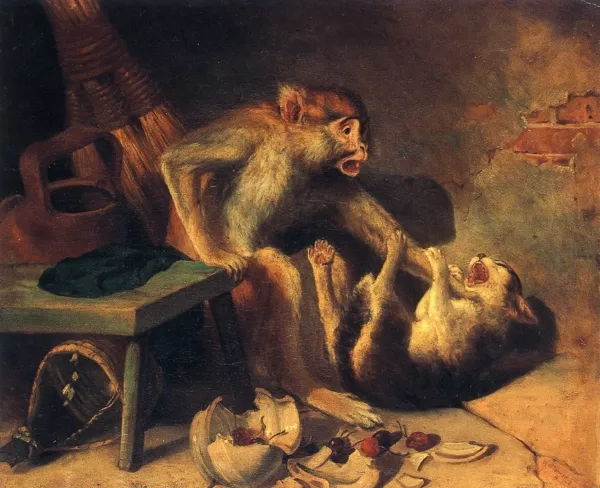
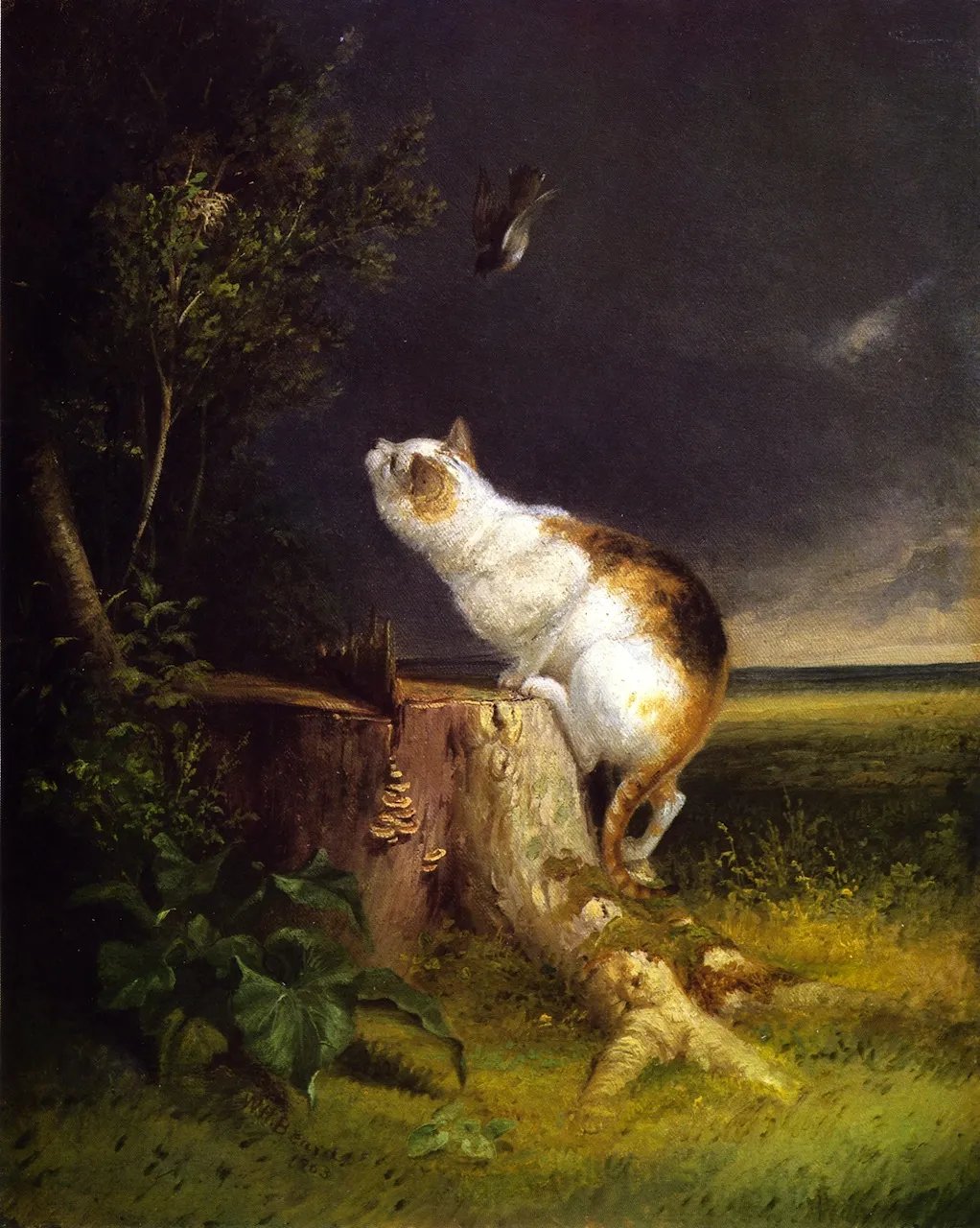
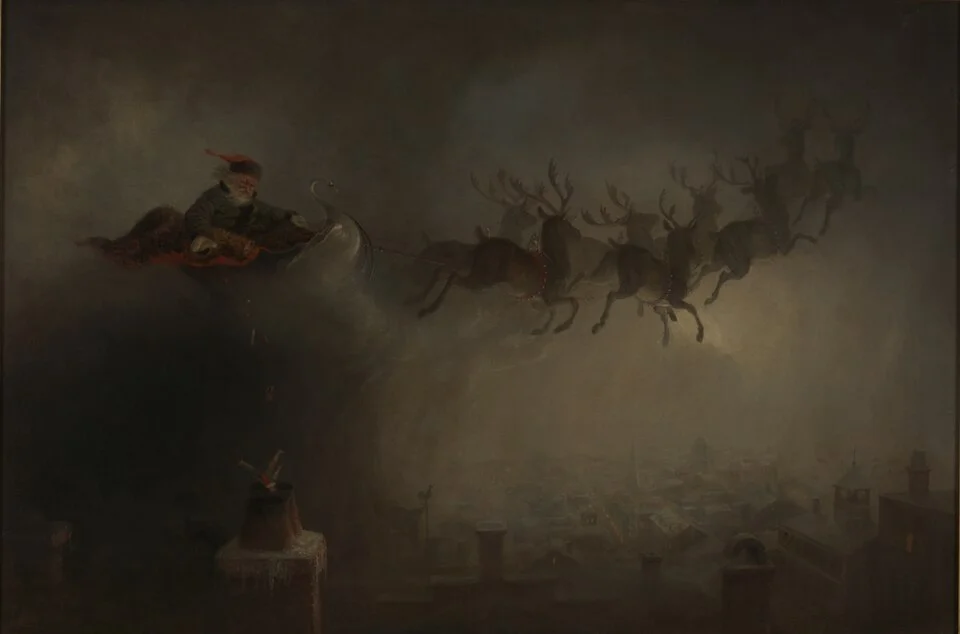
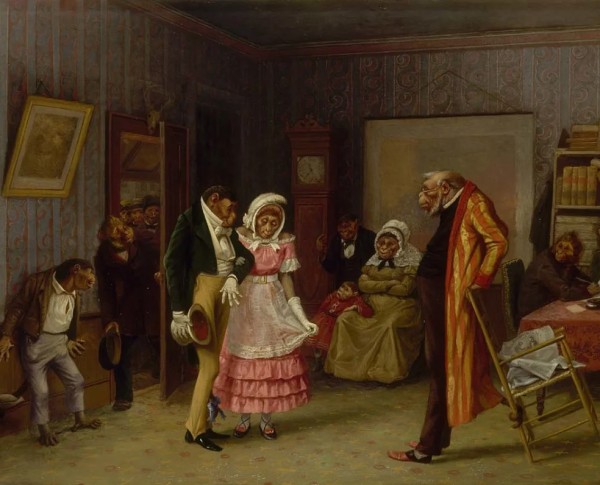
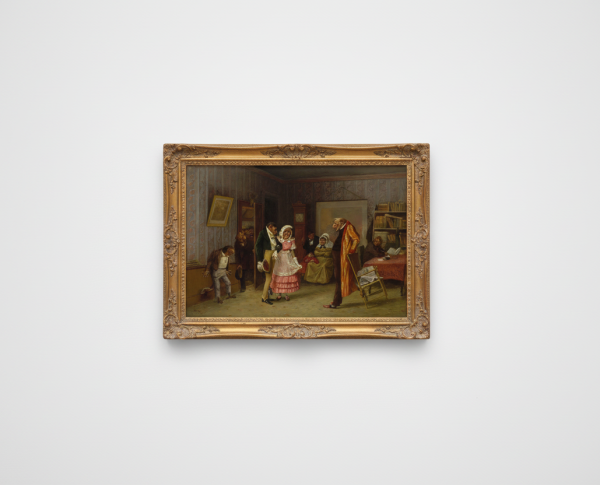
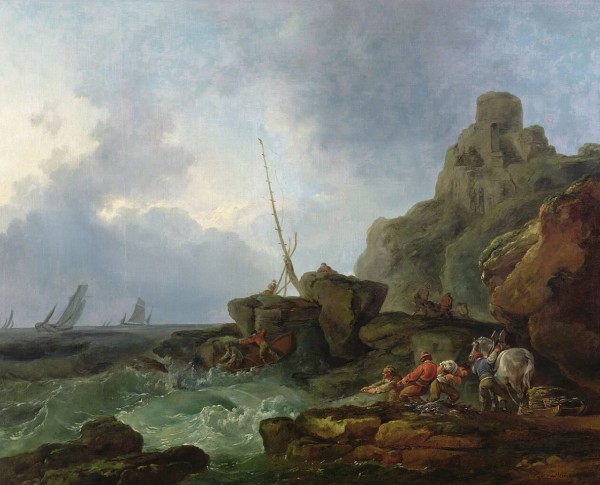
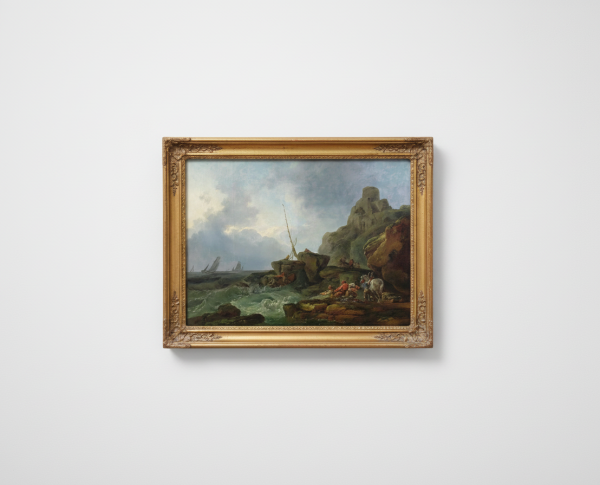
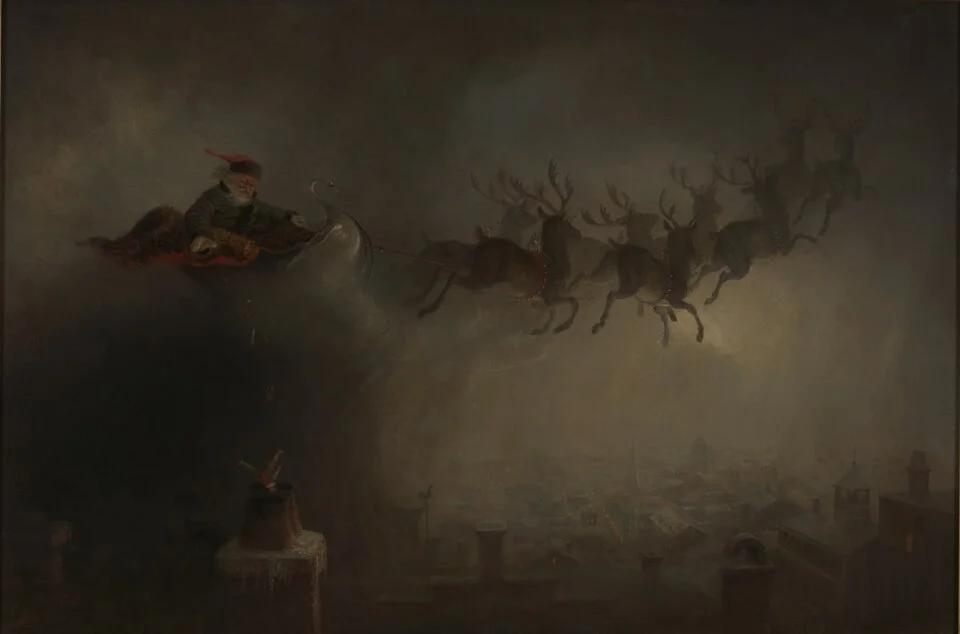
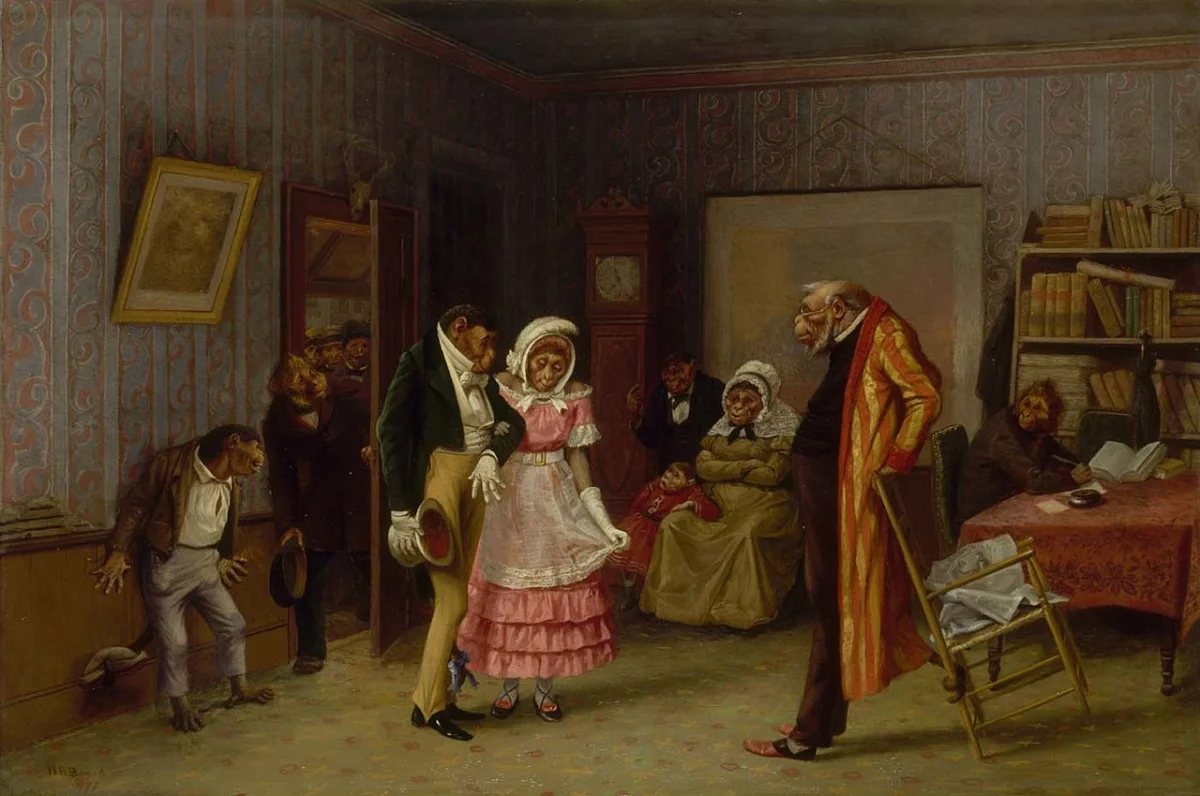
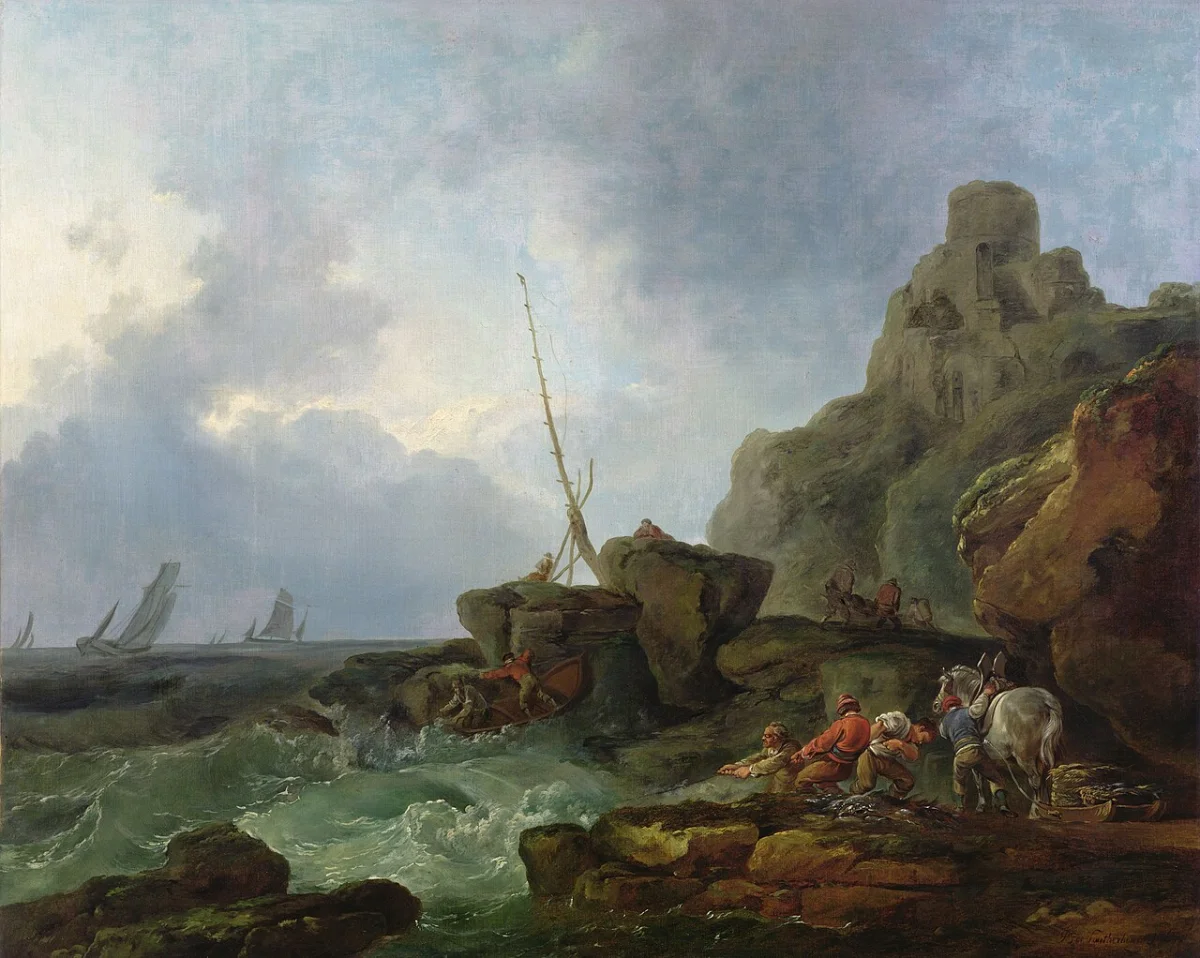
Beard’s technique in "Santa Claus" reveals his remarkable skill with oil on canvas, evident in the vibrant colors and expressive details. The artist’s brushwork brings the character of Santa to life, imbuing the scene with warmth and charm characteristic of fine art from the Romanticism movement. For those interested in more works by Beard, paintings like "The Runaway Match" and "The Wreckers" also display his mastery with oil on canvas.
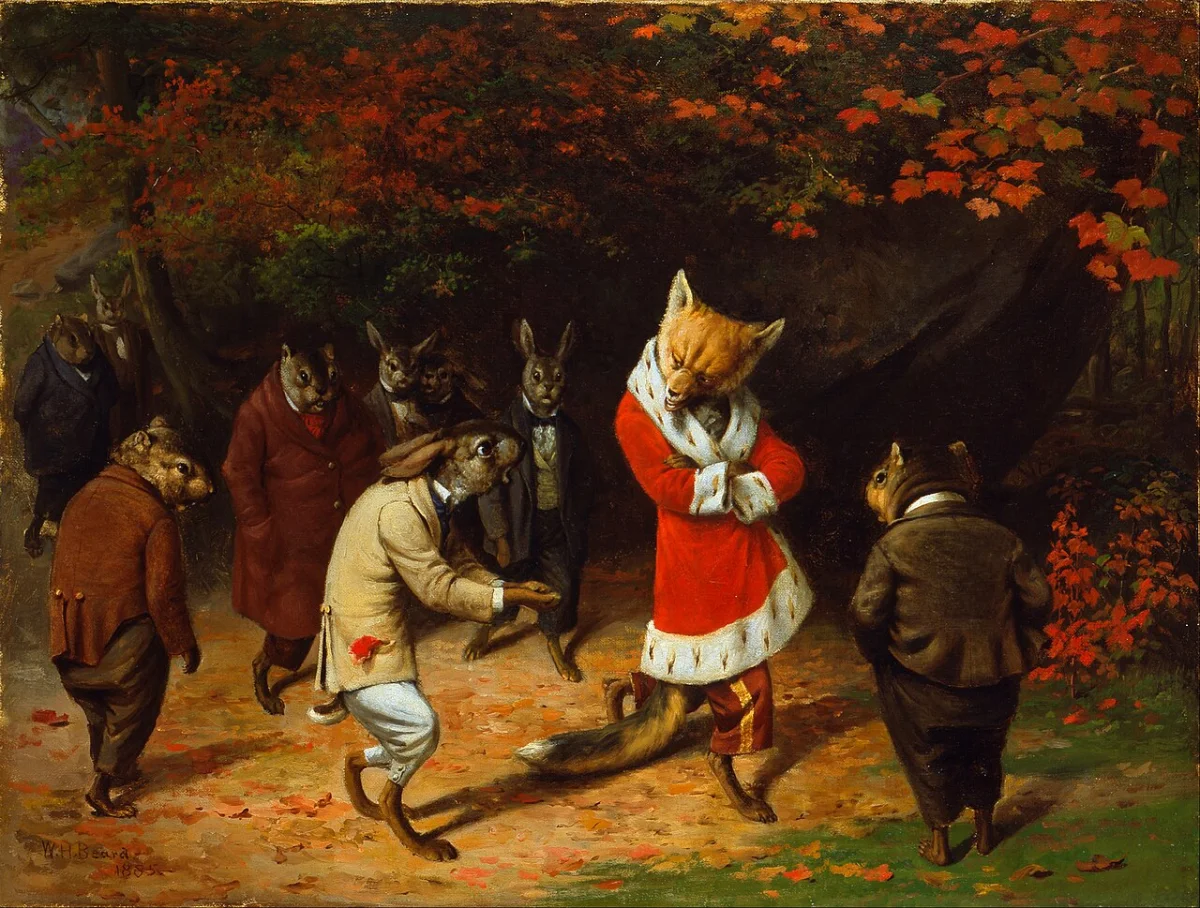
Every element in "Santa Claus" by William Holbrook Beard tells a story, inviting viewers to uncover deeper meanings within this fine art painting for sale. The Romanticism movement encouraged artists to infuse symbolism and narrative into their works, and Beard excels in this tradition. His other pieces, such as "His Majesty Receives," share similar storytelling qualities, making them ideal companions for collectors who appreciate art with rich, layered symbolism.
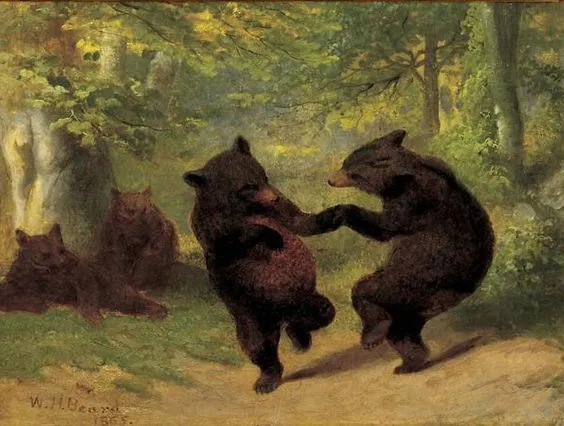
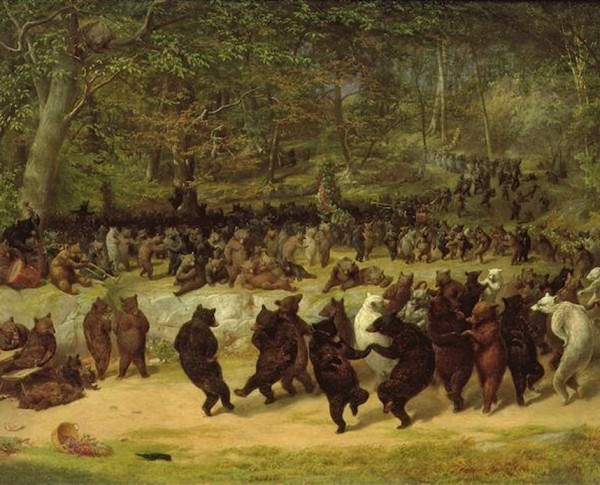
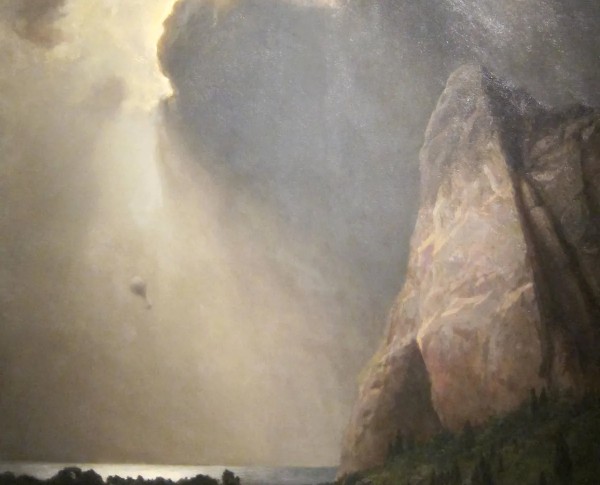
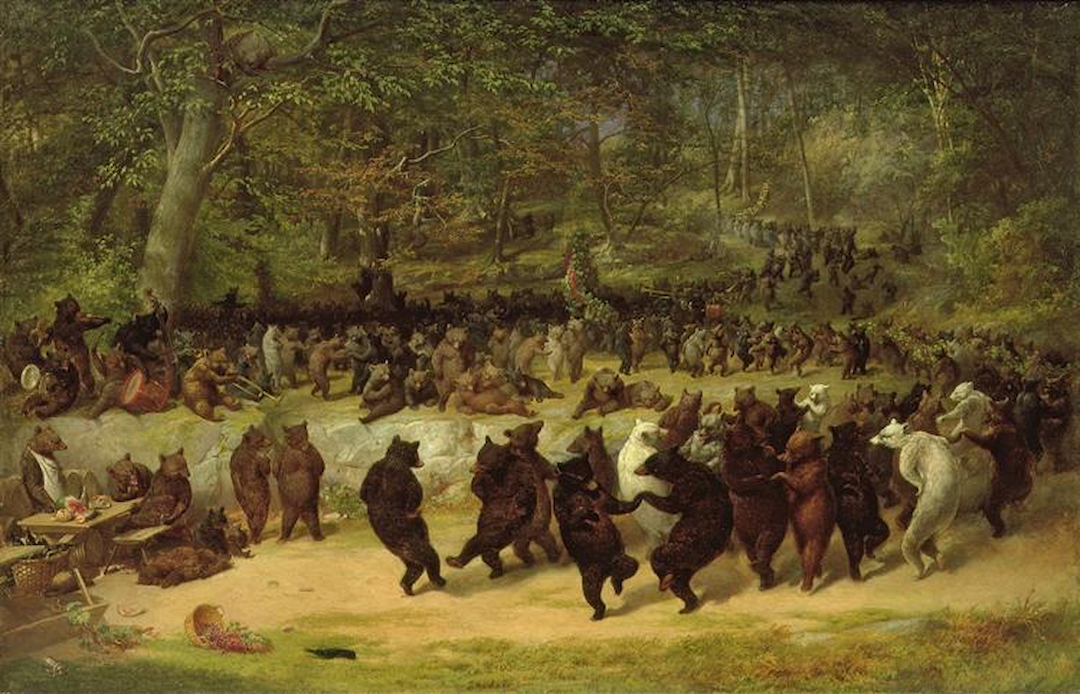
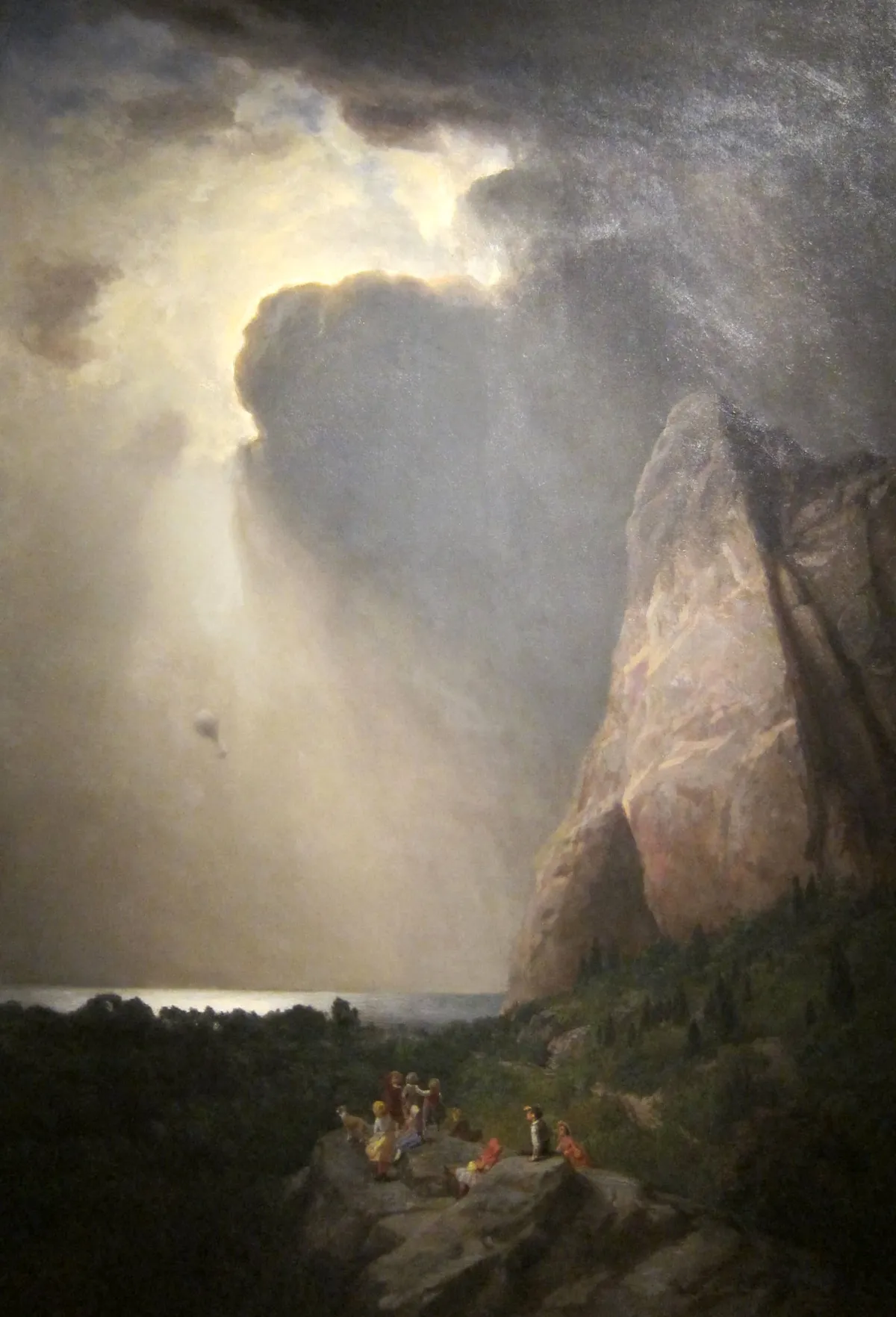
"Santa Claus" is more than just a hand-painted oil painting; it’s a collector’s treasure for anyone passionate about Romanticism and the works of William Holbrook Beard. The painting’s timeless appeal and historical significance make it a standout choice among fine art painting for sale. Collectors often seek related products like "The Bear Dance" and "The Lost Balloon" to complement their collections and celebrate Beard’s enduring legacy in art history.
When Art Meets History
William Holbrook Beard’s "Santa Claus" is a remarkable example of the Romanticism movement, capturing both the myth and magic of the era in a hand-painted oil painting. Created during a period when artists sought to evoke emotion and imagination, this artwork stands alongside related paintings such as "Life Saving Patrol" and "Washington Crossing the Delaware." Beard’s interpretation of Santa Claus brings together folklore and fine art, making it a treasured piece in the history of Romanticism.
Techniques That Speak
Beard’s mastery of oil on canvas is evident in "Santa Claus," where rich textures and vibrant colors breathe life into the subject. His brushwork, typical of Romanticism, emphasizes dramatic lighting and expressive detail. Techniques seen in related works like "Worthington Whittredge" and "The Sea" also influence Beard’s approach, blending meticulous realism with imaginative flair. The artist’s skillful handling of oil on canvas ensures each element of the painting contributes to its enchanting atmosphere.
Emotions on Display
"Santa Claus" by William Holbrook Beard radiates warmth and wonder, drawing viewers into a world of nostalgia and joy. This fine art painting for sale captures the spirit of generosity and the magical anticipation of the holiday season, much like "Light and Colour (Goethe's Theory)" and "The Morning after the Deluge." Beard’s Romanticism roots are clear in the emotional depth and storytelling found within the expressive features of Santa Claus himself.
Coveted by Collectors
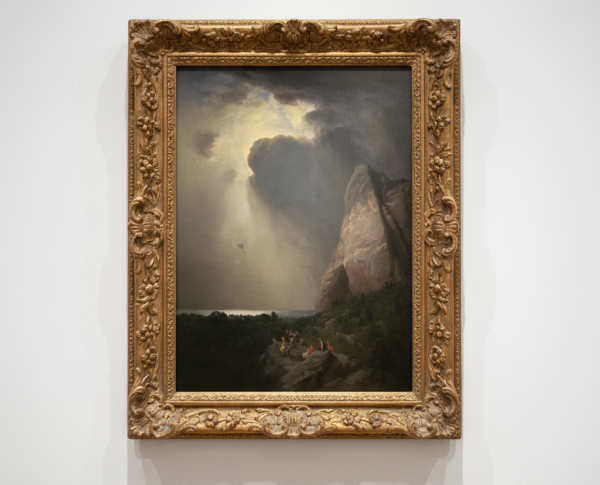
Collectors and art enthusiasts highly prize Beard’s "Santa Claus," not only for its historical significance but also for its status as an exceptional hand-painted oil painting. The work’s connection to other Romanticism masterpieces, such as "Moses Writing the Book of Genesis," enhances its appeal. As a fine art painting for sale, it exemplifies the enduring allure of William Holbrook Beard’s artistry and the timeless fascination with Santa Claus in the world of collectible art.
Related Romanticism Hand-Painted Oil Paintings by Other Artists
Other Famous Romanticism Artists:
Frequently Asked Questions About Santa Claus
What is the historical context of William Holbrook Beard's painting "Santa Claus"?
"Santa Claus" was created during the late 19th century, a time when the figure of Santa Claus was becoming increasingly popular in American culture, influenced by various literary and artistic representations.
What artistic techniques did William Holbrook Beard employ in "Santa Claus"?
Beard utilized a combination of realism and whimsy, employing detailed brushwork and vibrant colors to bring the character of Santa Claus to life, while also incorporating elements of humor and fantasy.
How does "Santa Claus" reflect the cultural attitudes of its time?
The painting reflects the growing commercialization of Christmas in the late 19th century, showcasing Santa Claus as a joyful figure who embodies the spirit of giving and celebration prevalent in American society.
What symbolism can be found in the painting "Santa Claus"?
The figure of Santa Claus symbolizes generosity, joy, and the spirit of Christmas, serving as a reminder of the importance of kindness and community during the holiday season.
In what ways did Beard's "Santa Claus" influence later depictions of Santa?
Beard's portrayal contributed to the modern image of Santa Claus as a jolly, plump figure, solidifying characteristics such as his red suit and cheerful demeanor that continue to influence depictions today.
What role did humor play in Beard's painting of "Santa Claus"?
Humor is a key element in Beard's work, as he often depicted Santa in playful scenarios, inviting viewers to engage with the lighter, more joyful aspects of the holiday season.
How does "Santa Claus" compare to other holiday-themed artworks from the same period?
Compared to other holiday-themed artworks, Beard's "Santa Claus" stands out for its blend of humor and realism, capturing the essence of Christmas in a way that resonates with both children and adults.
What materials were used in the creation of "Santa Claus"?
William Holbrook Beard typically worked with oil paints on canvas, a medium that allowed him to achieve rich colors and intricate details in his portrayal of Santa Claus.
What is the significance of the color palette in "Santa Claus"?
The vibrant color palette used in "Santa Claus" enhances the festive atmosphere of the painting, with reds and greens symbolizing the traditional colors of Christmas, evoking warmth and joy.
How has "Santa Claus" been received by art critics and historians?
Art critics and historians have praised "Santa Claus" for its whimsical charm and cultural significance, recognizing it as an important contribution to American holiday art and a reflection of societal values during its time.






















_GFM_Painting_(1).webp)


 100% Hand-Painted: Finished in 3-6 Weeks

.png)















_(1).webp)