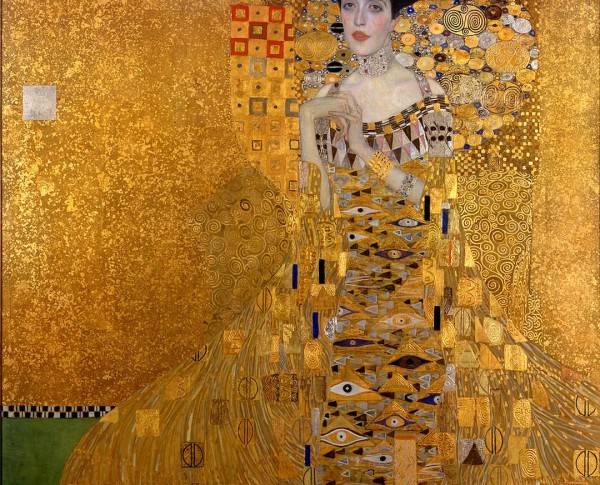
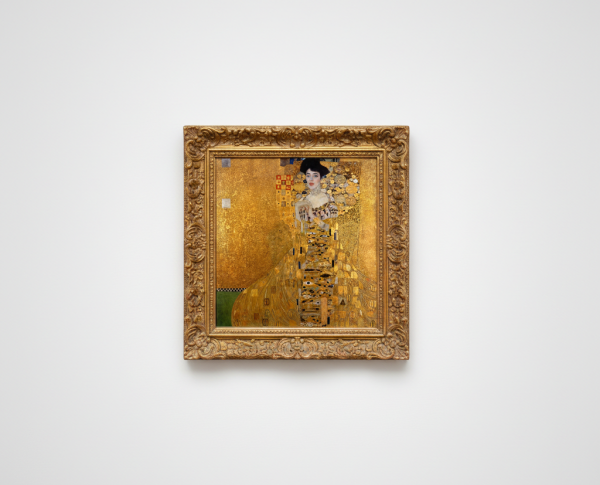
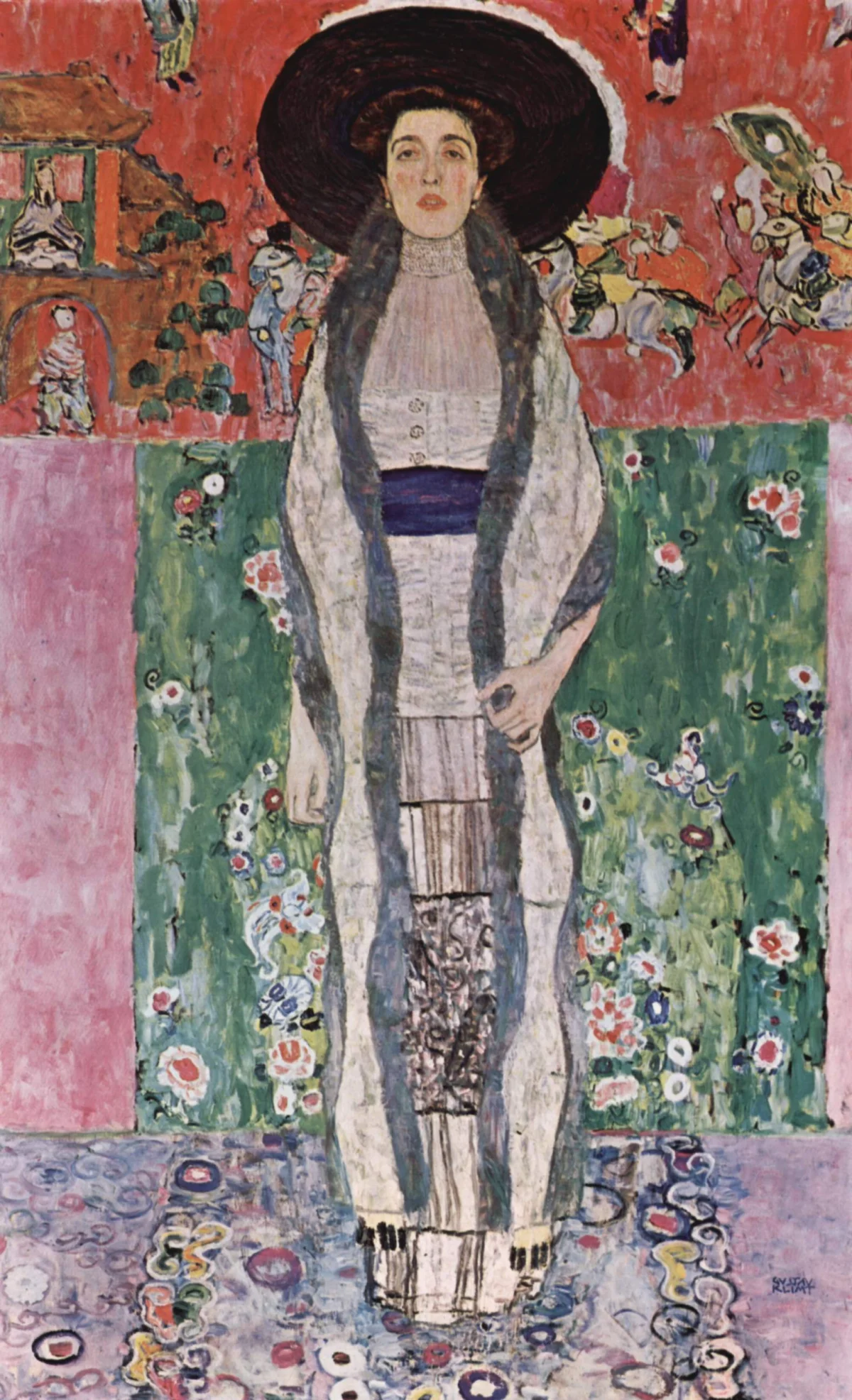
With "Adele Bloch-Bauer II," Klimt demonstrates his extraordinary command of oil on canvas, blending vibrant colors and intricate patterns typical of the Vienna Secession style. Every brushstroke reveals the artist’s dedication to detail and emotion, placing this painting among his most celebrated works. Collectors seeking a hand-painted oil painting will appreciate Klimt’s mastery, as reflected in other related pieces such as "Nuda Veritas" and "Litzlberg on the Attersee."
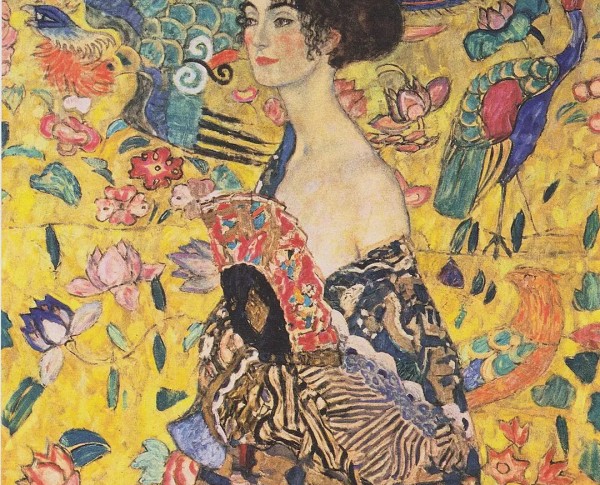
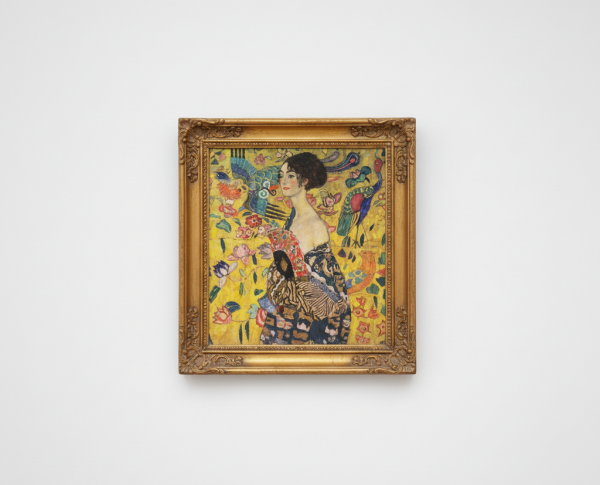
In "Adele Bloch-Bauer II," Klimt weaves symbolism and storytelling into every detail, a hallmark of the Vienna Secession movement. The patterns and colors evoke themes of beauty, identity, and society, making this oil on canvas a rich narrative piece. Klimt’s artistic language can also be seen in related paintings like "Portrait Of Adele Bloch Bauer I" and "Lady With Fan," offering art enthusiasts a deeper appreciation for his symbolic approach.
"Adele Bloch-Bauer II" is more than a portrait; it’s a fine art painting for sale that represents the pinnacle of Gustav Klimt’s career within the Vienna Secession movement. Collectors value this hand-painted oil painting not only for its beauty but also for its historical significance. For those looking to enhance their collection, related products such as "Portrait of Adele Bloch-Bauer I" and "Litzlberg on the Attersee" offer complementary glimpses into Klimt’s artistic world.
When Art Meets History
Gustav Klimt’s "Adele Bloch-Bauer II" stands as a testament to the Vienna Secession movement, capturing a unique moment in early 20th-century art. This hand-painted oil painting immortalizes Adele Bloch-Bauer, a prominent Viennese patron, blending personal history with artistic revolution. Klimt’s bold style and his connection to other masterpieces like "Adele Bloch-Bauer I" highlight his pivotal role in shaping modern art and the enduring legacy of the Vienna Secession.
Techniques That Speak
Klimt’s mastery is evident in every brushstroke of "Adele Bloch-Bauer II," an exquisite oil on canvas. The painting fuses intricate patterns, vibrant colors, and delicate textures, hallmarks of the Vienna Secession. Klimt’s technique, characterized by ornamental motifs and expressive lines, elevates the portrait beyond realism. By exploring similar methods in related paintings, Klimt demonstrates the power of oil on canvas to convey both the subject’s personality and the spirit of an artistic movement.
Emotions on Display
In "Adele Bloch-Bauer II," Gustav Klimt channels a spectrum of emotions through his innovative approach to portraiture. The subject’s enigmatic gaze and the interplay of color convey both vulnerability and strength, drawing viewers into the psychological depths of the sitter. As a fine art painting for sale, it continues to captivate collectors and admirers, standing alongside other Vienna Secession pieces as a profound exploration of human emotion and artistic expression.
Coveted by Collectors
From its creation, "Adele Bloch-Bauer II" has been highly sought after by art lovers and collectors worldwide. Gustav Klimt’s reputation and the painting’s association with the Vienna Secession movement contribute to its allure. As a hand-painted oil painting, its provenance and cultural significance have resulted in record-breaking sales, making it one of the most coveted works in the art market. Its legacy endures, inspiring admiration and desire across generations.
Frequently Asked Questions About Adele Bloch-Bauer II
What is the historical significance of Adele Bloch-Bauer II?
Adele Bloch-Bauer II, painted by Gustav Klimt in 1912, is significant as it represents the culmination of the artist's exploration of decorative patterns and the female form, reflecting the cultural milieu of early 20th-century Vienna.
Who was Adele Bloch-Bauer?
Adele Bloch-Bauer was a prominent Viennese socialite and patron of the arts, known for her relationships with influential artists, including Klimt, who portrayed her in two major works, emphasizing her status in the cultural landscape of the time.
What artistic techniques did Klimt use in Adele Bloch-Bauer II?
Klimt employed a combination of oil paint and gold leaf in Adele Bloch-Bauer II, utilizing intricate patterns and textures that create a sense of depth and richness, characteristic of his unique Symbolist style.
How does Adele Bloch-Bauer II reflect Klimt's artistic style?
The painting exemplifies Klimt's signature style, which merges symbolism with decorative elements, showcasing his fascination with the female figure and the use of ornamental motifs that evoke a sense of intimacy and sensuality.
What symbols are present in Adele Bloch-Bauer II?
The artwork features various symbols, including floral motifs and geometric patterns, which can be interpreted as representations of femininity, beauty, and the complexity of human emotions, aligning with the themes prevalent in Klimt's oeuvre.
In what context was Adele Bloch-Bauer II created?
The painting was created during a period of artistic innovation in Vienna, where Klimt was at the forefront of the Secessionist movement, which sought to break away from traditional artistic conventions and explore new forms of expression.
What is the significance of the color palette in Adele Bloch-Bauer II?
The color palette of Adele Bloch-Bauer II features rich golds, deep blues, and vibrant reds, which not only enhance the visual impact of the work but also symbolize opulence, passion, and the interplay between light and shadow in Klimt's art.
How does Adele Bloch-Bauer II compare to Klimt's other works?
Compared to Klimt's earlier works, Adele Bloch-Bauer II showcases a more mature exploration of form and pattern, indicating a shift towards a more abstract representation of the subject while retaining the emotional depth characteristic of his portraits.
What impact did Adele Bloch-Bauer II have on modern art?
The painting has had a lasting impact on modern art, influencing subsequent generations of artists with its innovative use of decorative elements and its exploration of the female identity, serving as a bridge between the traditional and the modern.
Where can I view Adele Bloch-Bauer II today?
Adele Bloch-Bauer II is part of the collection at the Neue Galerie in New York City, where it continues to attract visitors interested in Klimt's work and the broader context of early 20th-century art.
















_GFM_Painting_(1).webp)


 100% Hand-Painted: Finished in 3-6 Weeks

.png)















_(1).webp)