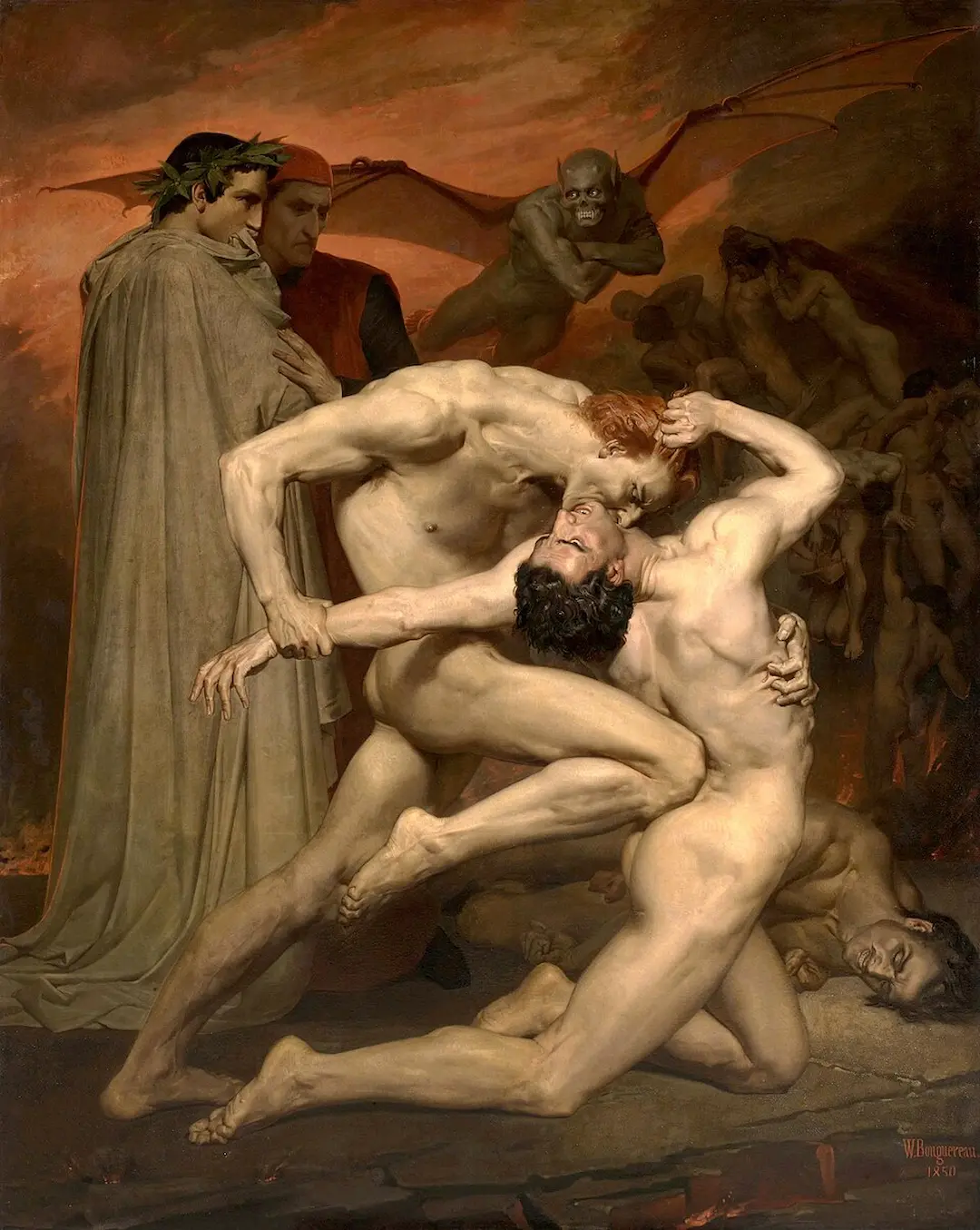
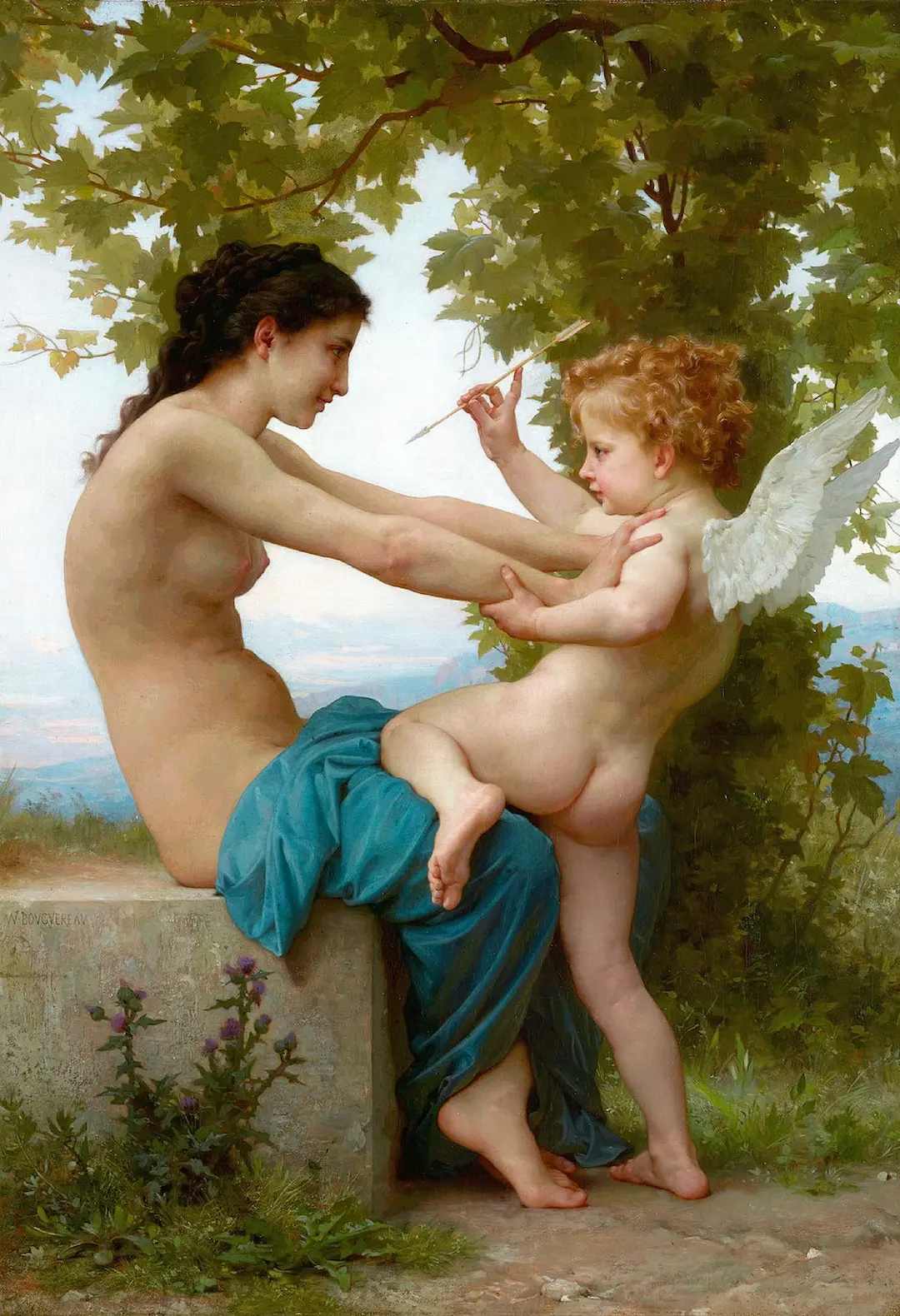
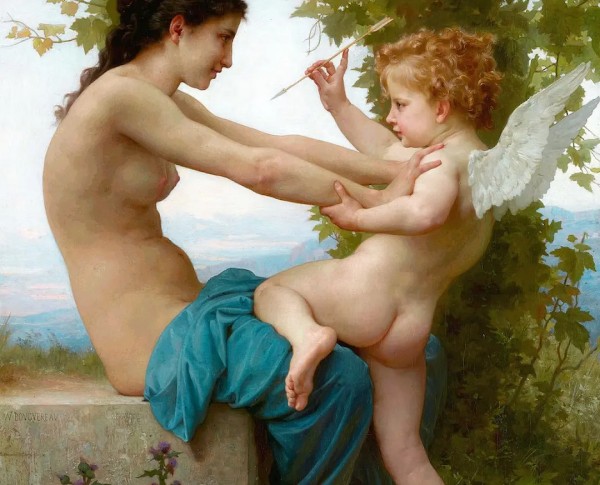
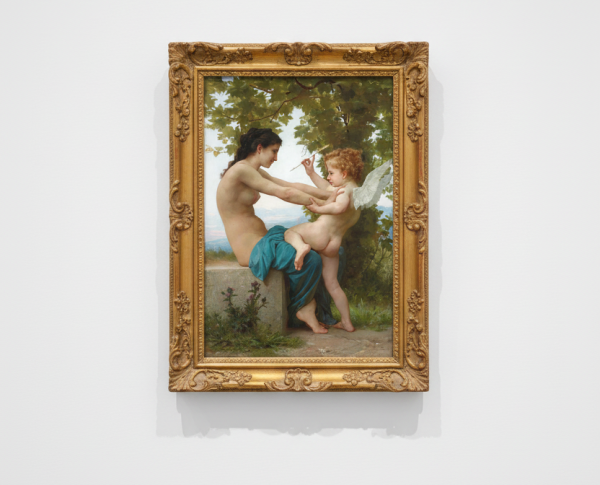
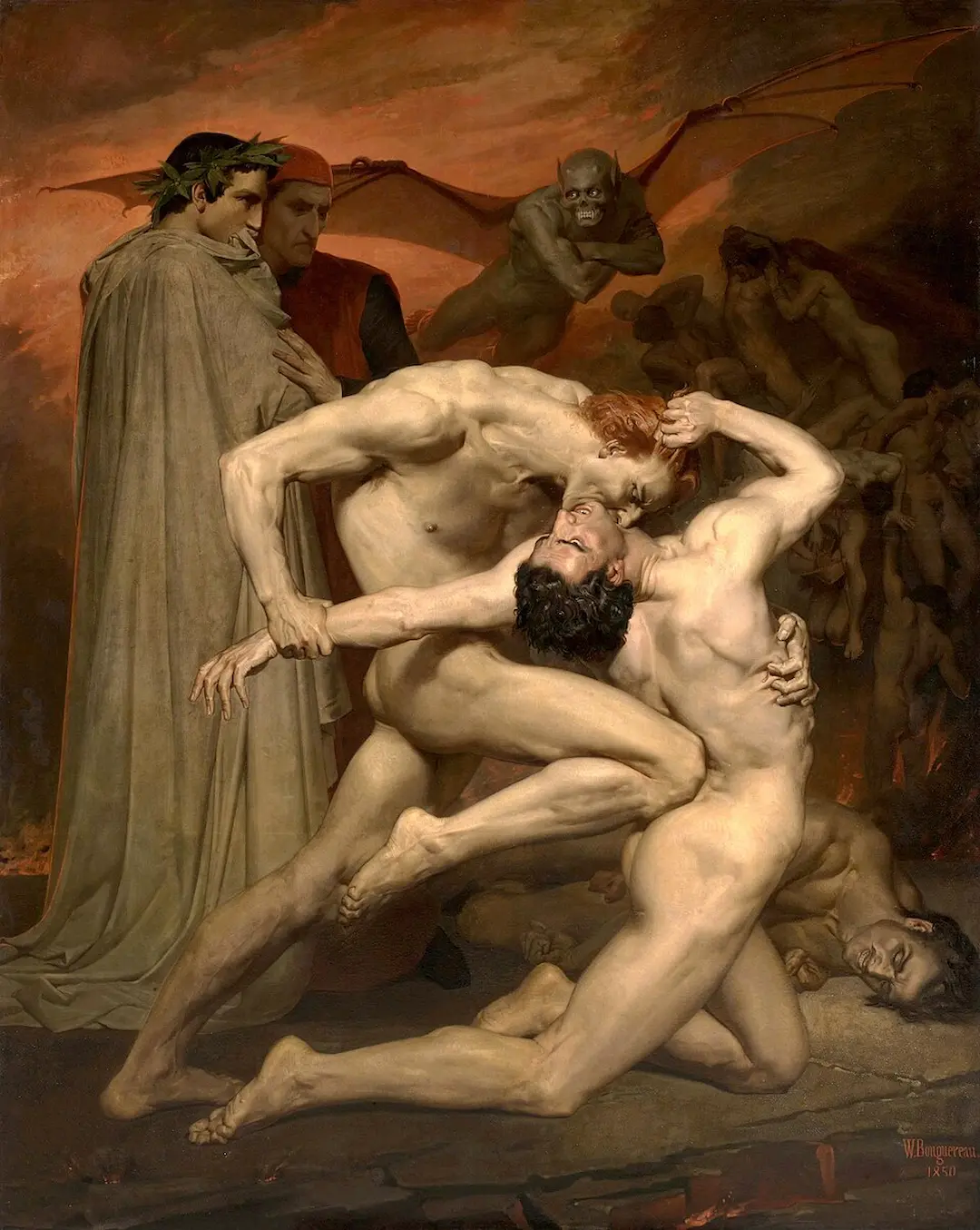
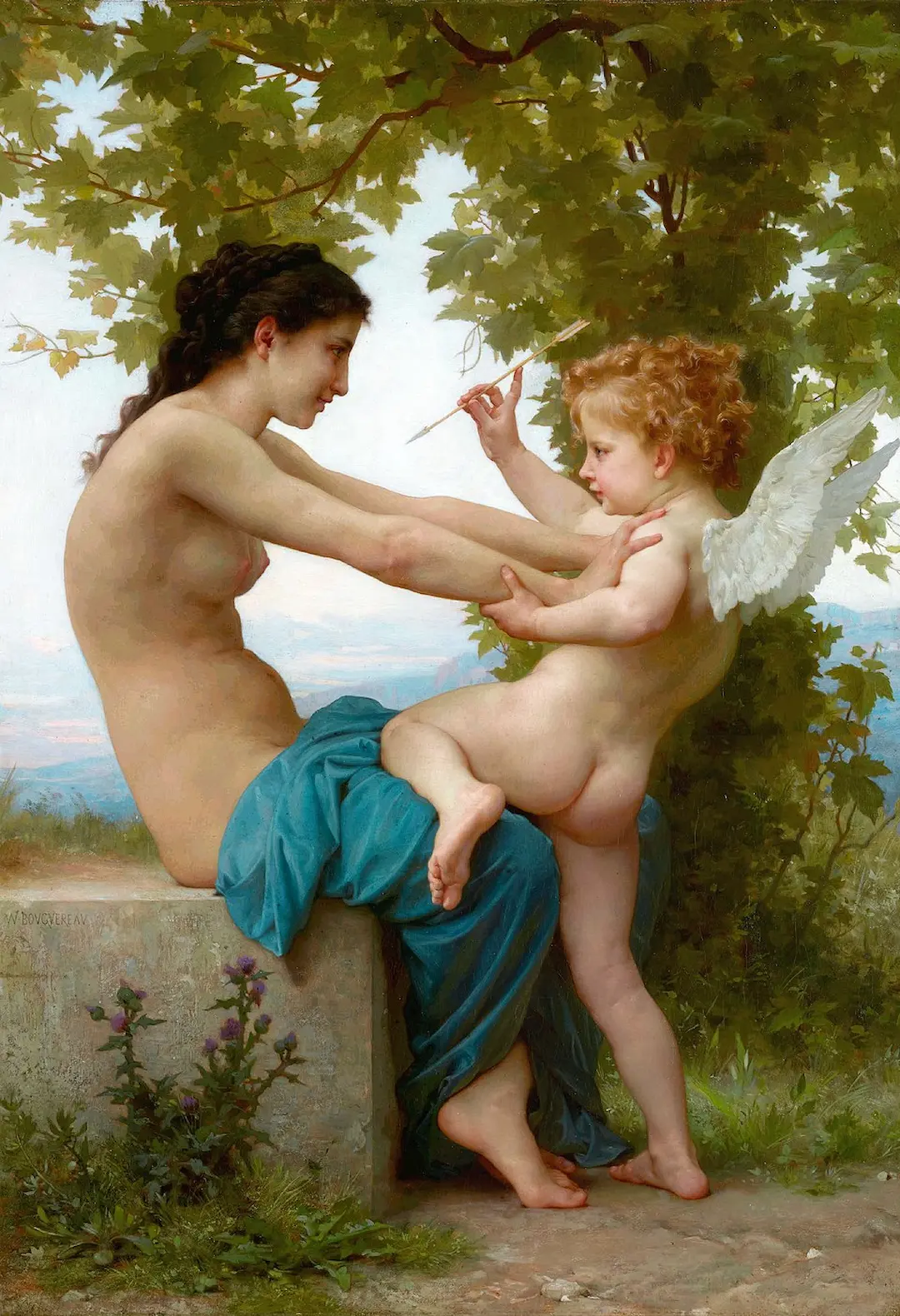
"Dante et Virgile au Enfers (Dante and Virgil in Hell)" stands as a testament to William-Adolphe Bouguereau’s mastery within the Academic Classicism movement. This hand-painted oil painting brings to life a dramatic moment from Dante’s Inferno, capturing the emotional intensity and technical excellence for which Bouguereau is celebrated. Collectors and enthusiasts of fine art will find this piece as captivating as related works like "Young Girl Defending Herself against Eros 1880" and "Nymphes et Satyre (Nymphs and Satyr)."
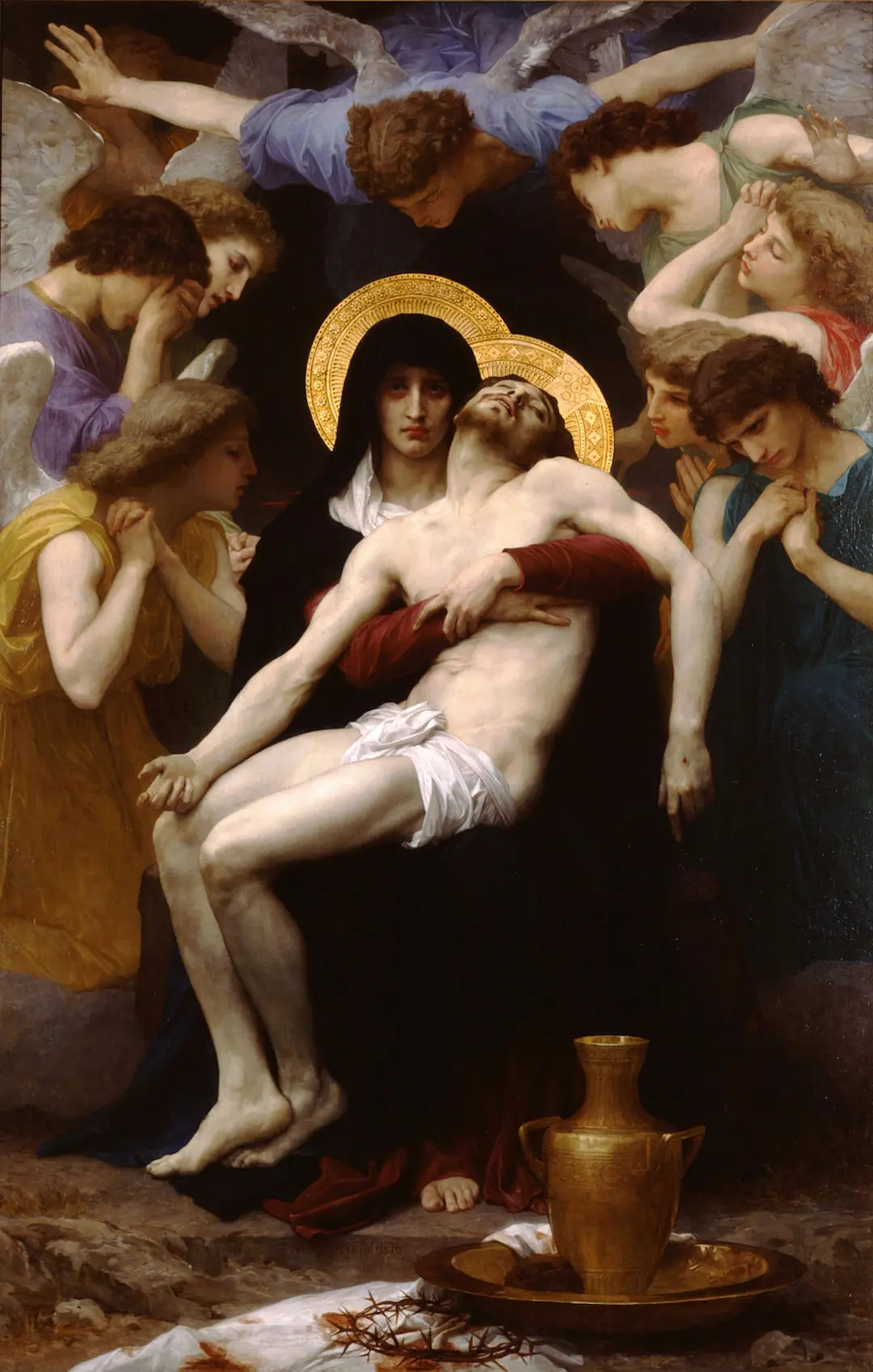
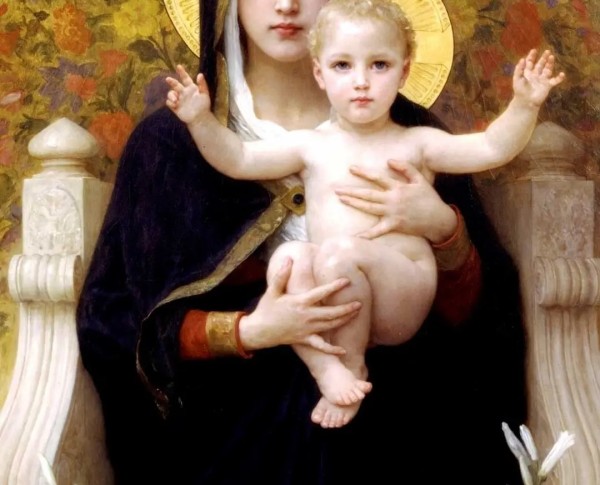
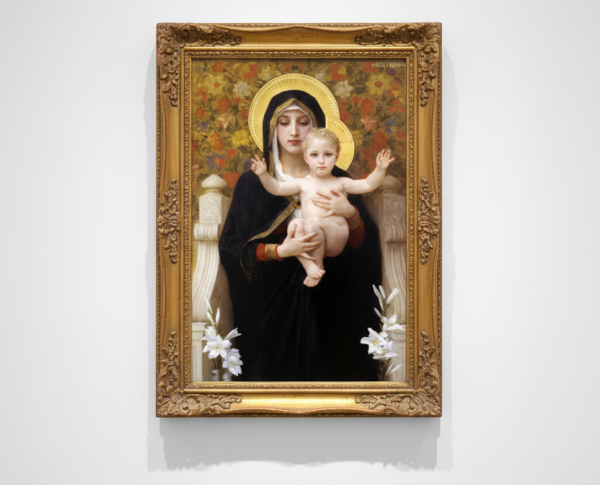
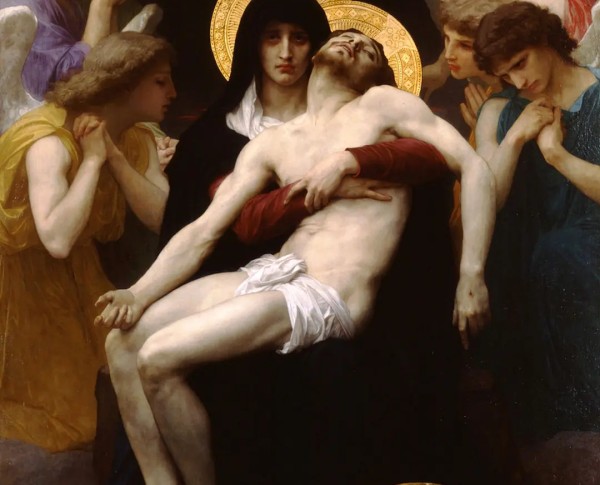
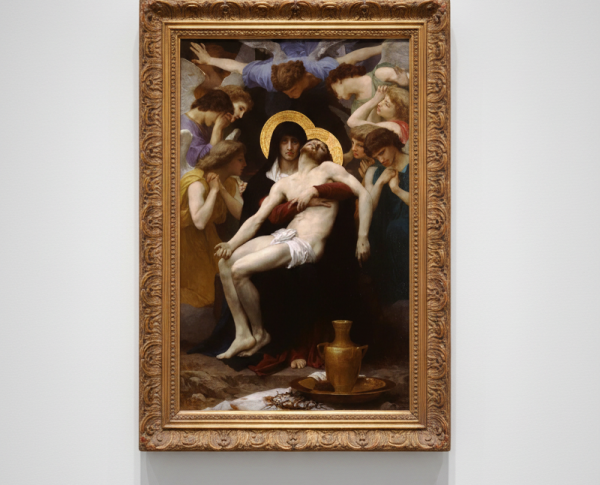
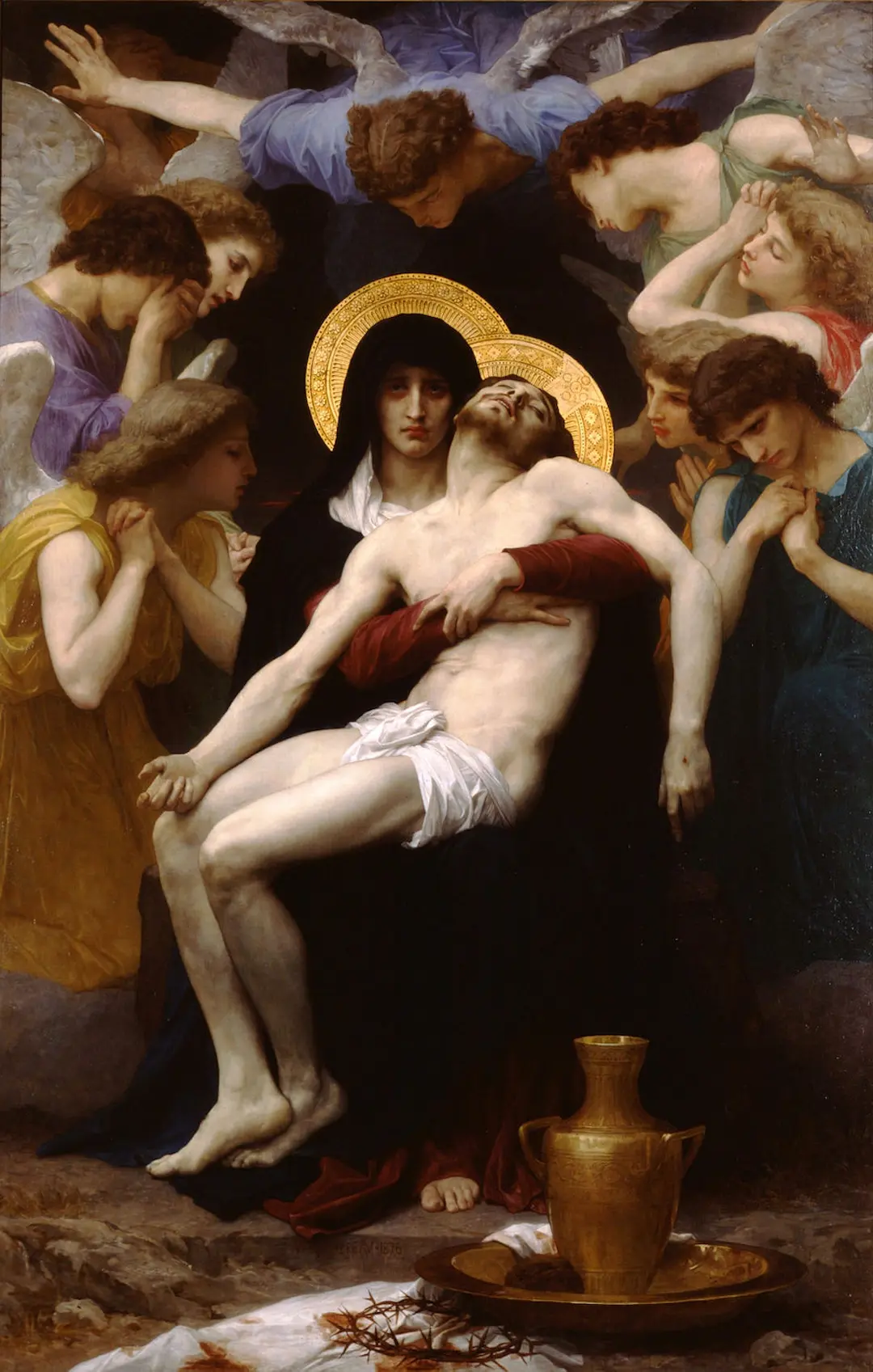
Bouguereau’s "Dante et Virgile au Enfers" showcases his remarkable skill with oil on canvas, a medium he mastered to achieve lifelike detail and dramatic lighting. The painting’s composition highlights the artist’s dedication to anatomical precision and expressive storytelling, hallmarks of the Academic Classicism movement. Art lovers seeking a fine art painting for sale will appreciate Bouguereau’s meticulous approach, also evident in masterpieces like "Pieta" and "La Vierge au Lys (The Virgin of the Lilies)."
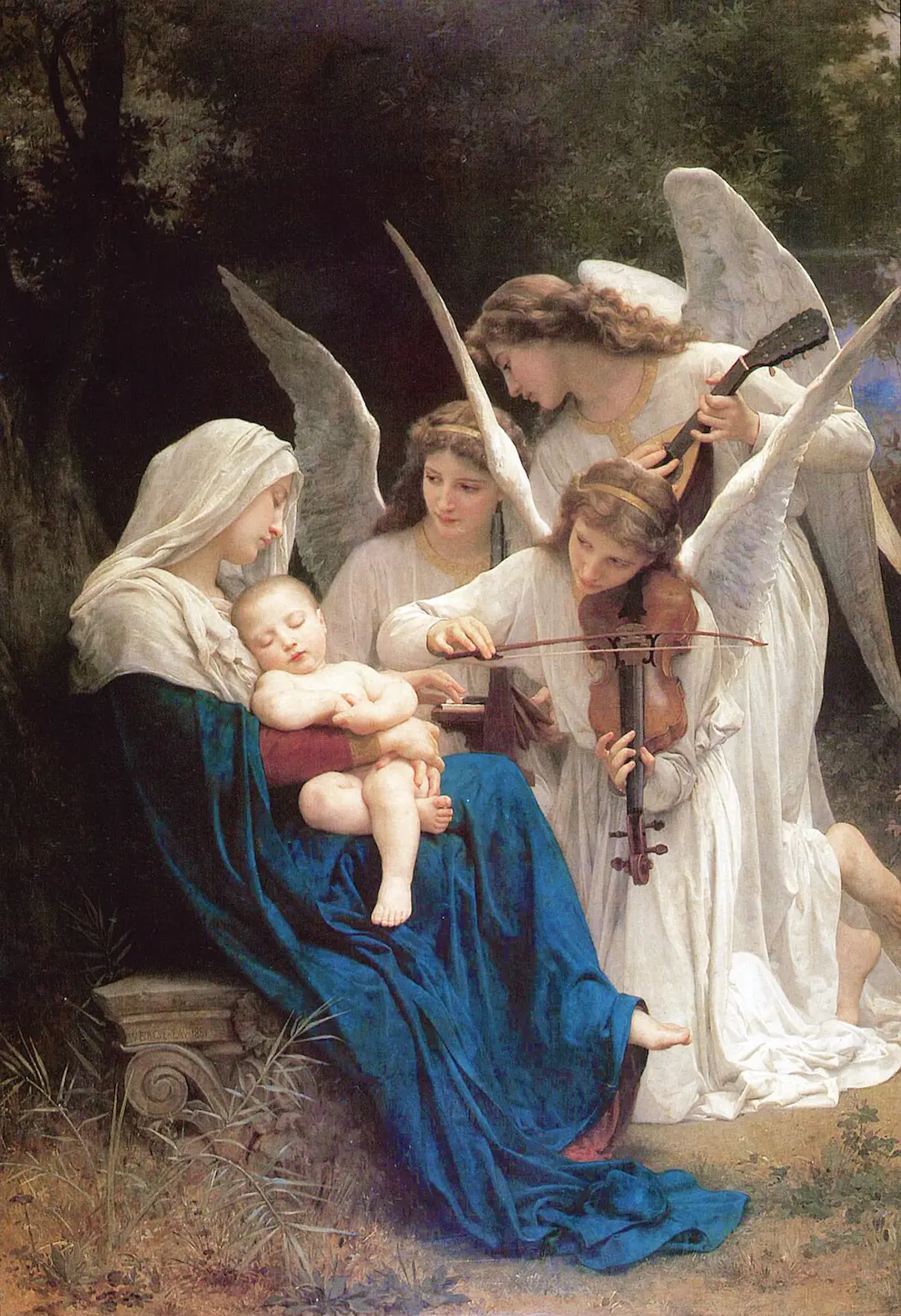
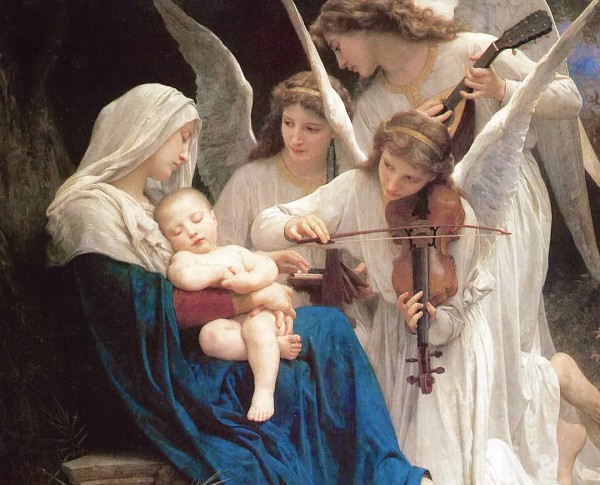
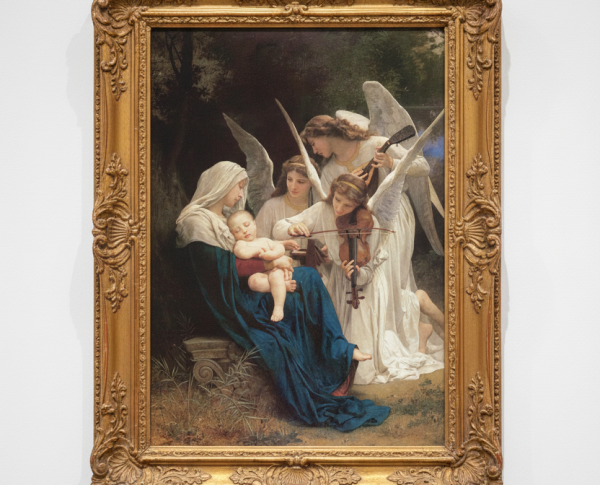
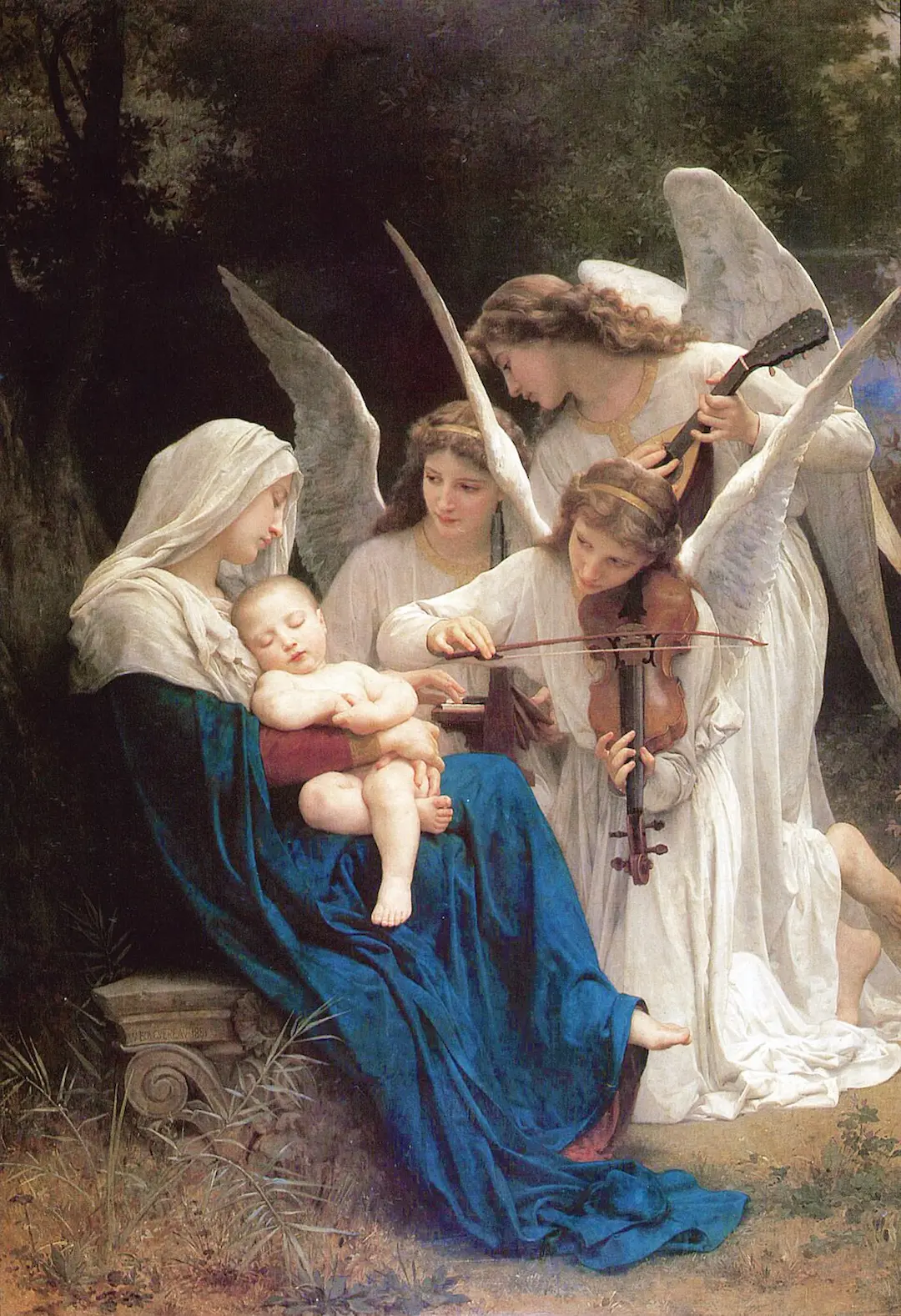
This hand-painted oil painting draws from Dante Alighieri’s Divine Comedy, portraying the poet and his guide Virgil amidst the torments of Hell. Bouguereau’s interpretation is rich with allegory and emotion, embodying the moral and philosophical questions central to Academic Classicism. Art collectors seeking a meaningful fine art painting for sale may also be interested in Bouguereau’s narrative-driven works such as "Song of the Angels" and "Le Ravissement de Psyche (The Rapture of Psyche)."
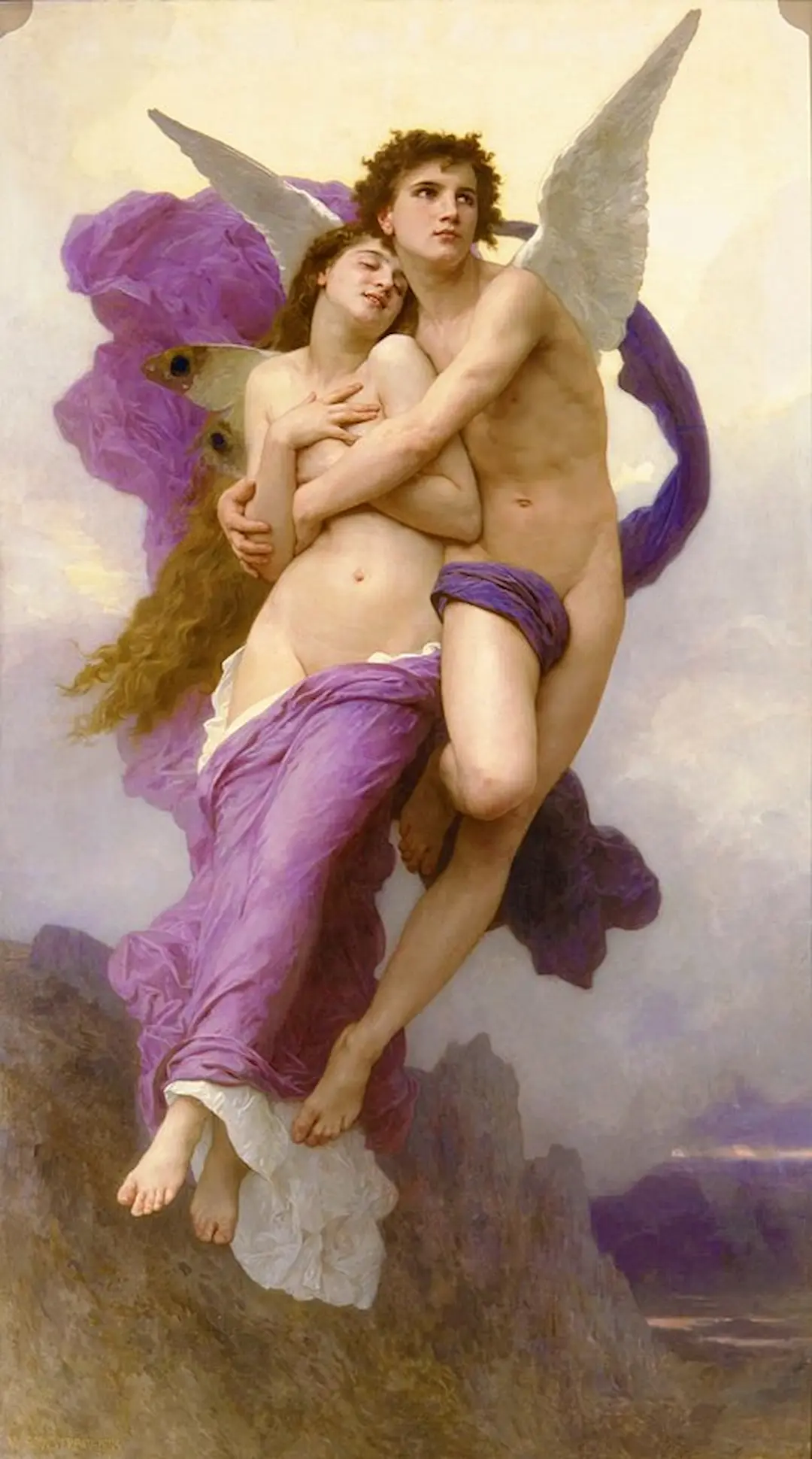
Owning "Dante et Virgile au Enfers" is a rare opportunity to possess an iconic oil on canvas from the celebrated William-Adolphe Bouguereau. This fine art painting for sale is a centerpiece for any collection, reflecting the timeless appeal of Academic Classicism. Collectors who appreciate this masterpiece may also wish to explore related products like "Young Girl Defending Herself against Eros 1880" and "Song of the Angels," each a testament to Bouguereau’s enduring legacy.
When Art Meets History
"Dante et Virgile au Enfers" by William-Adolphe Bouguereau stands as a remarkable hand-painted oil painting from the Academic Classicism movement. Created in 1850, this masterpiece draws inspiration from Dante's "Divine Comedy," bringing together literature and art. Bouguereau’s work is often compared to related paintings such as "The Storm," "Springtime," and "Venus Rising," all of which showcase his dedication to historical themes and academic technique, making each piece a timeless exploration of narrative and beauty.
Techniques That Speak
Bouguereau’s mastery of oil on canvas is evident in "Dante et Virgile au Enfers," where meticulous brushwork and careful attention to anatomical detail define the figures of Dante and Virgil. The painting's dramatic lighting and rich color palette are hallmarks of Academic Classicism, echoing the artist’s renowned technique found in works like "Flaming June." His use of glazing and layering techniques enhances the realism, demonstrating why his oil on canvas works remain highly influential in classical art circles.
Emotions on Display
This fine art painting for sale captures intense emotion as Dante and Virgil traverse the torments of Hell. Bouguereau conveys anguish, fear, and awe through expressive faces and dynamic poses, a skill that marks his approach to Academic Classicism. Similar emotional depth can be found in "Springtime" and "The Storm." Each figure in "Dante et Virgile au Enfers" is rendered with empathy, inviting viewers to connect with the narrative on a profoundly human level.
Coveted by Collectors
As a hand-painted oil painting, "Dante et Virgile au Enfers" holds a special place among collectors of Academic Classicism. Bouguereau’s works, including related paintings like "Venus Rising" and "Flaming June," are highly sought after due to their technical brilliance and historical significance. This fine art painting for sale continues to attract admiration in galleries and auctions, reflecting both its artistic value and the enduring appeal of Bouguereau’s celebrated style.
Related Academic Classicism Hand-Painted Oil Paintings by Other Artists
Other Famous Academic Classicism Artists:
Frequently Asked Questions About Dante et Virgile au Enfers (Dante and Virgil in Hell)
What is the historical context of "Dante et Virgile au Enfers"?
This painting was created in 1850 by William-Adolphe Bouguereau, during a period marked by the Romantic movement, which emphasized emotion and individualism. The work reflects the fascination with Dante Alighieri's "Divine Comedy," a seminal text in Western literature that explores themes of sin, redemption, and the afterlife.
What artistic style is represented in this painting?
Bouguereau is known for his academic realism, characterized by meticulous attention to detail, lifelike figures, and a focus on the human form. "Dante et Virgile au Enfers" exemplifies this style through its realistic portrayal of the characters and the dramatic use of light and shadow.
Who are the central figures in the painting, and what do they symbolize?
The central figures are Dante Alighieri and the Roman poet Virgil. Dante represents the human soul seeking understanding and enlightenment, while Virgil symbolizes reason and guidance. Their journey through Hell reflects the struggle between sin and redemption.
What is the significance of the setting in "Dante et Virgile au Enfers"?
The setting of Hell is depicted with dramatic landscapes and dark tones, emphasizing the torment and despair of the souls trapped within. This environment serves as a backdrop for the moral and philosophical themes explored in the painting, highlighting the consequences of human actions.
How does Bouguereau use color and light in this artwork?
Bouguereau employs a rich color palette and strategic lighting to enhance the emotional impact of the scene. The contrast between the dark background and the illuminated figures draws the viewer's attention to Dante and Virgil, emphasizing their significance in the narrative.
What role does symbolism play in "Dante et Virgile au Enfers"?
Symbolism is integral to the painting, with various elements representing broader themes. For instance, the flames and shadows symbolize the suffering of the damned, while the figures of Dante and Virgil represent the quest for knowledge and the moral journey of the soul.
How does this painting reflect the influence of the Romantic movement?
The painting embodies the Romantic movement's emphasis on emotion, individual experience, and the exploration of the human condition. Bouguereau's focus on the dramatic and emotional aspects of Dante's journey resonates with the Romantic ideal of deep personal reflection and the struggle against despair.
What techniques did Bouguereau use to create the figures in the painting?
Bouguereau utilized traditional academic techniques, including careful study of anatomy and proportion, to create realistic figures. His mastery of oil painting allowed for smooth transitions between colors and textures, enhancing the lifelike quality of the characters.
What is the significance of the composition in "Dante et Virgile au Enfers"?
The composition is carefully arranged to guide the viewer's eye toward the central figures of Dante and Virgil. The use of diagonal lines and the placement of other figures in the background create a sense of depth and movement, reinforcing the narrative of descent into Hell.
How has "Dante et Virgile au Enfers" influenced later artists?
This painting has had a lasting impact on subsequent generations of artists, inspiring them to explore themes of morality, the human condition, and the use of classical literature in visual art. Bouguereau's techniques and thematic focus continue to resonate in contemporary artistic practices.






















_GFM_Painting_(1).webp)


 100% Hand-Painted: Finished in 3-6 Weeks

.png)












.webp)
.webp)
.webp)



_(1).webp)