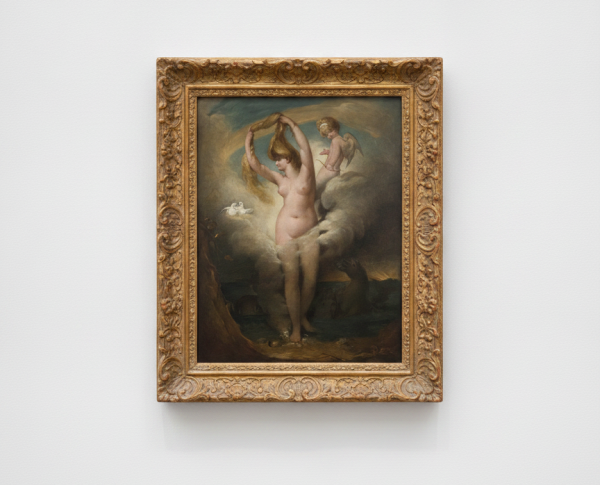
Frequently Asked Questions About Dominique Lefevre James Paine the Younger
What is the historical significance of "Dominique Lefevre James Paine the Younger"?
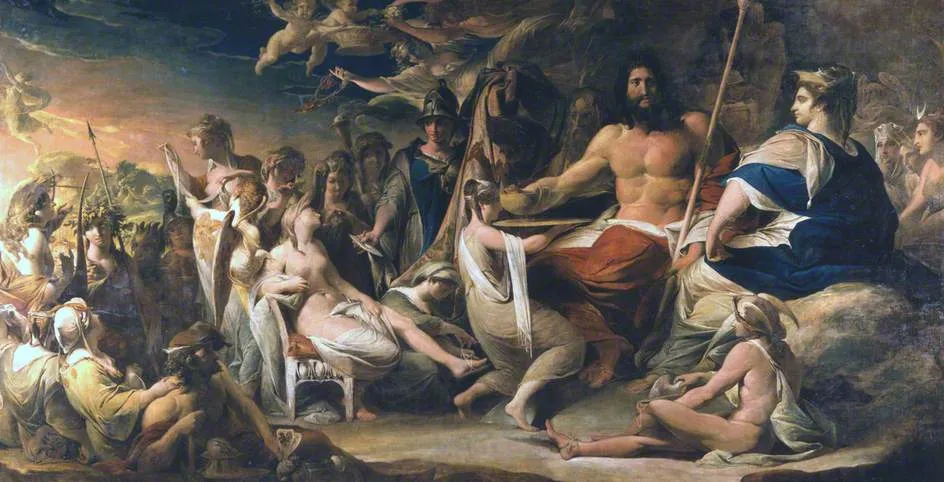
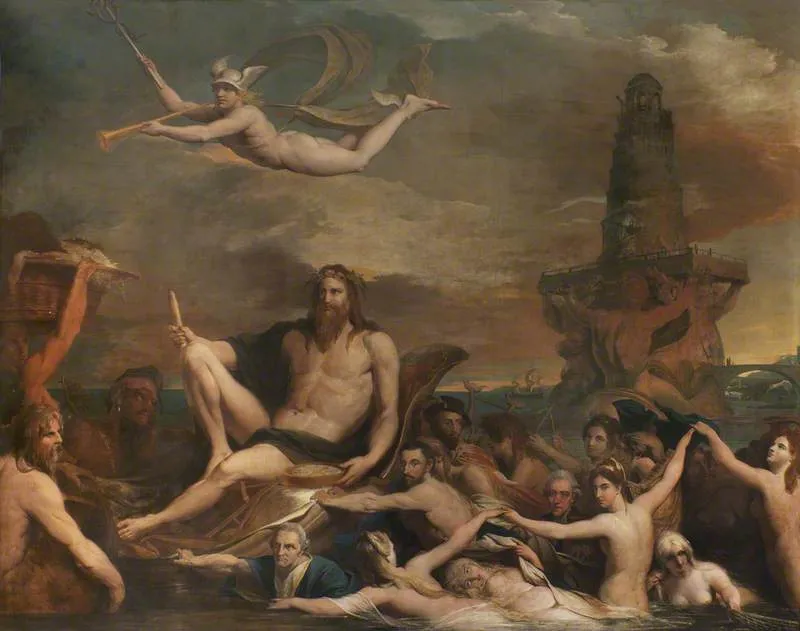
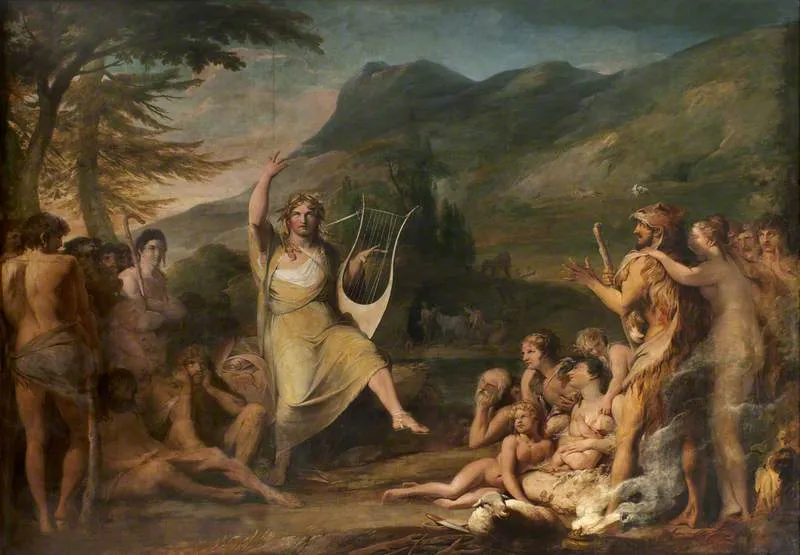
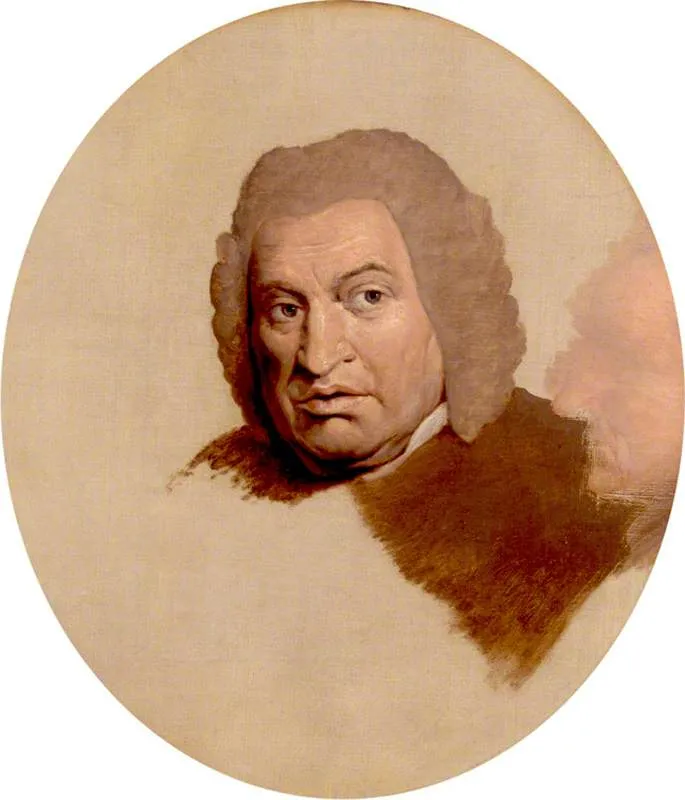
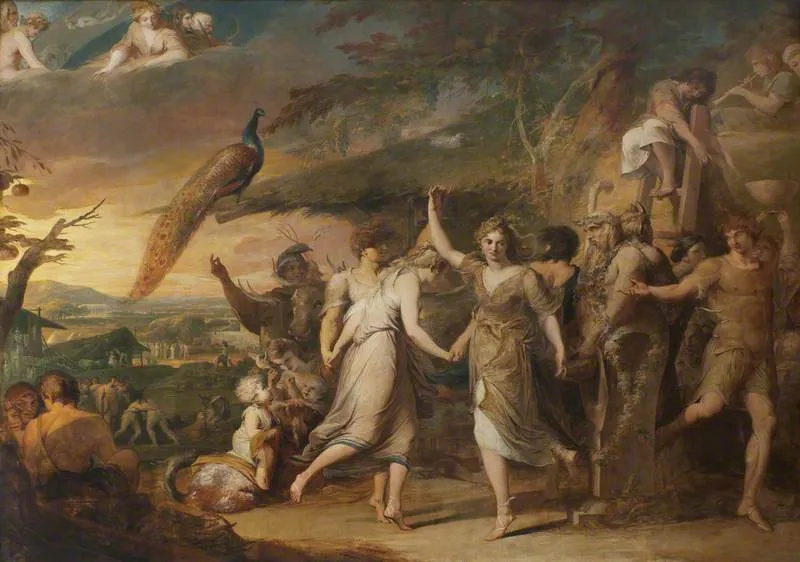
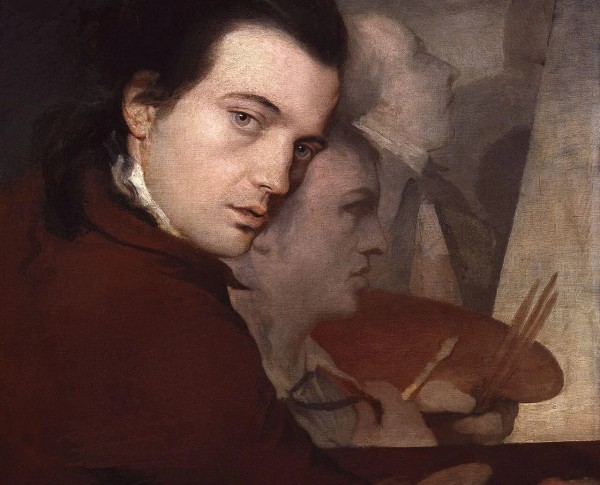
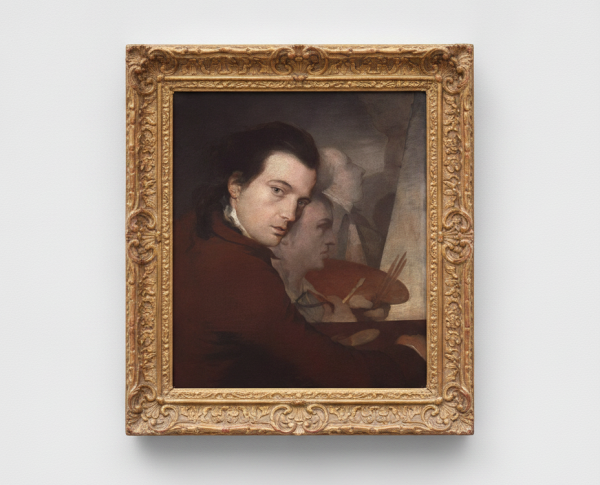
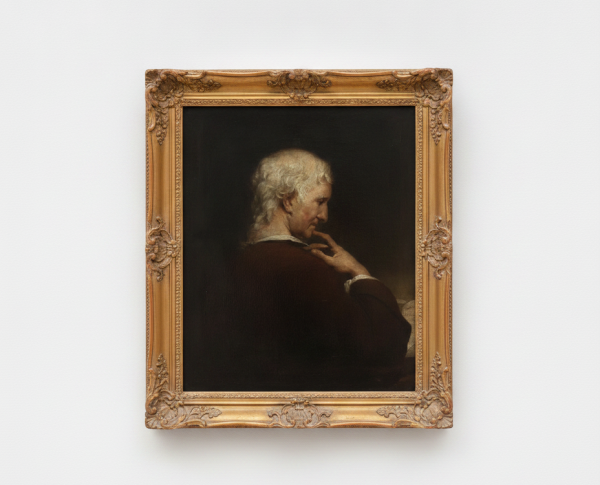
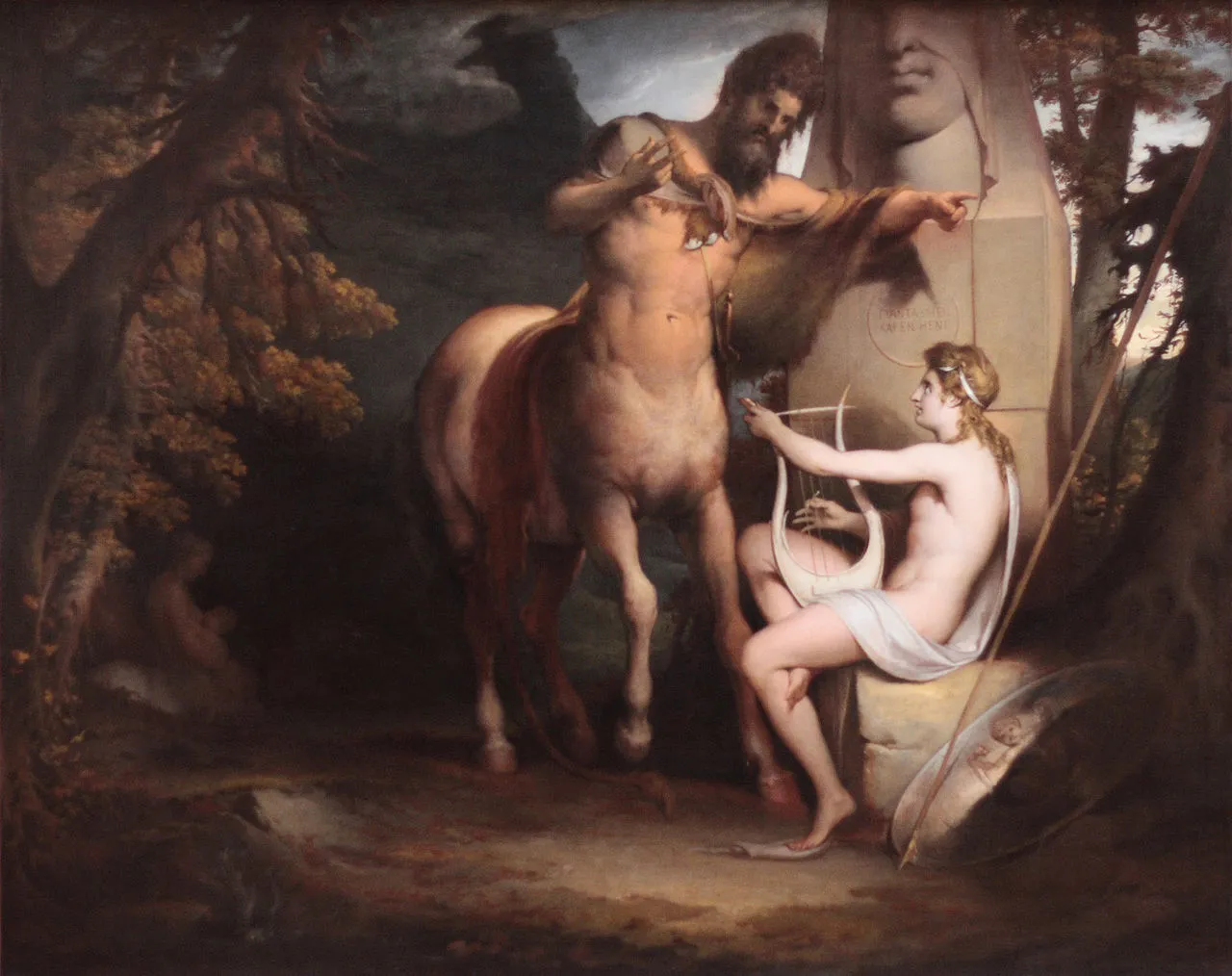
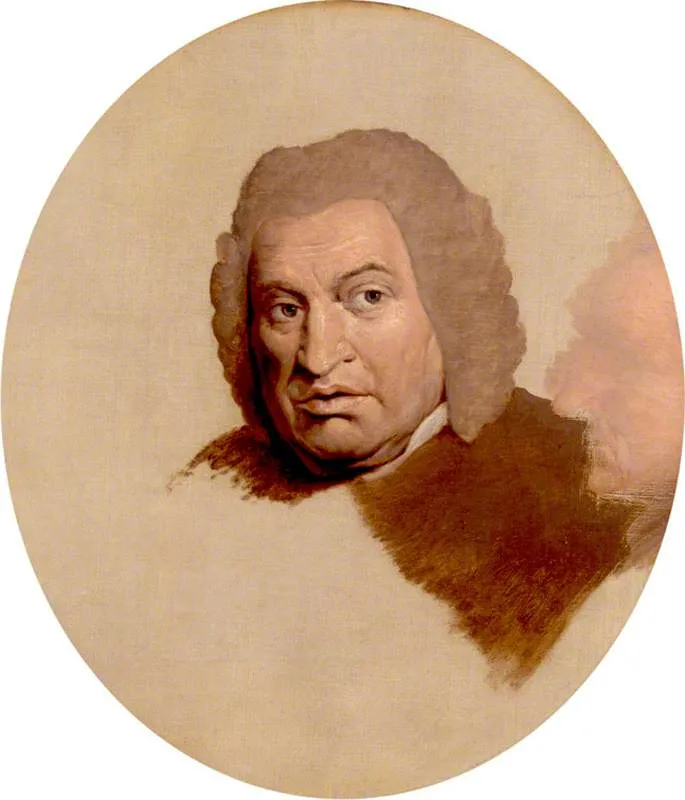
This painting captures a pivotal moment in the artistic dialogue of the 18th century, showcasing the influence of neoclassicism and the transition towards romanticism in European art.
Who was James Barry, and what is his contribution to art?
James Barry was an Irish painter known for his historical and allegorical works. His contributions include a focus on narrative and dramatic compositions that often reflect social and political themes of his time.
What artistic techniques did Barry employ in this painting?
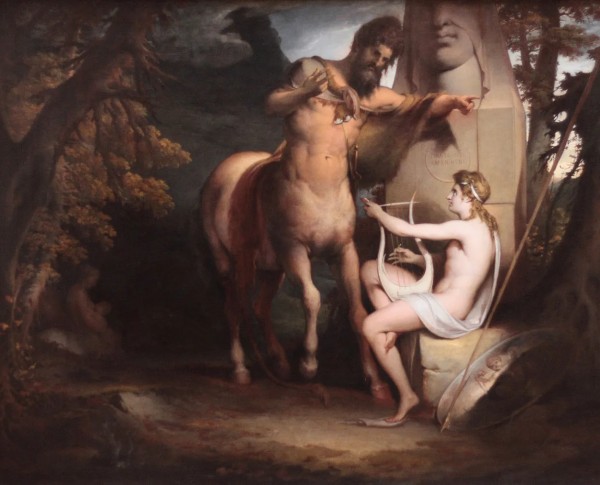
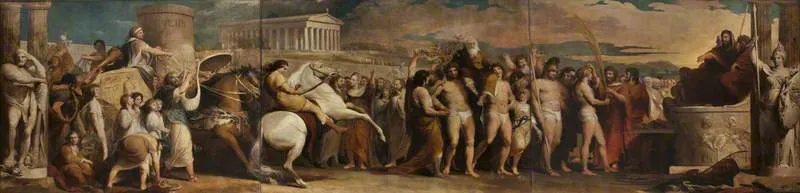
Barry utilized a combination of chiaroscuro and vibrant color palettes to create depth and emotional resonance, drawing the viewer's eye to the focal points of the composition.
What themes are explored in "Dominique Lefevre James Paine the Younger"?
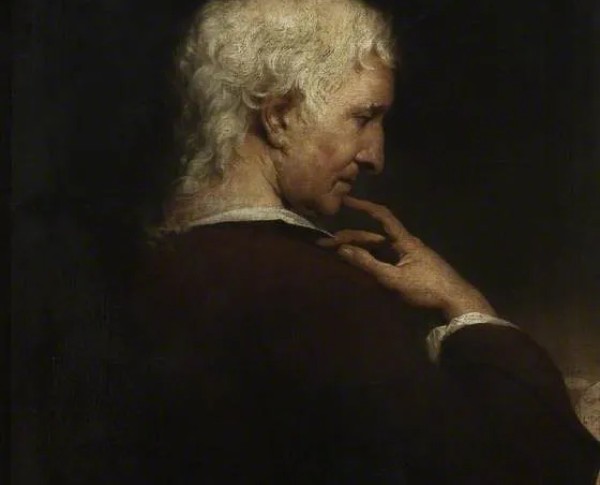
The painting explores themes of identity, legacy, and the role of the artist in society, reflecting the complexities of individual and collective memory during the Enlightenment period.
How does this painting reflect the cultural context of its time?
The artwork reflects the Enlightenment ideals of reason and individualism, as well as the growing appreciation for the arts and the role of artists as intellectuals in society.
What symbolism can be found in the painting?
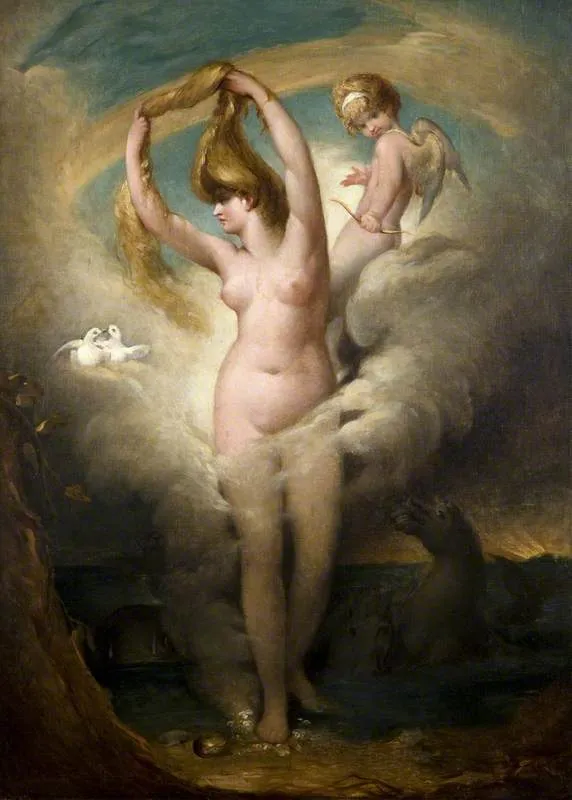
The painting is rich with symbolism, including elements that represent knowledge, creativity, and the passage of time, which are integral to understanding the artist's message.
What influences can be seen in Barry's style in this work?
Barry's style in this painting shows influences from both classical antiquity and contemporary European art movements, merging traditional techniques with innovative narrative approaches.
How does "Dominique Lefevre James Paine the Younger" compare to other works by James Barry?
This painting stands out for its intricate portrayal of character and emotion, distinguishing it from Barry's other works that often focus more on grand historical narratives.
What was the reception of this painting when it was first exhibited?
Upon its exhibition, the painting received mixed reviews, with some critics praising its emotional depth while others questioned its departure from traditional artistic conventions.
What can modern viewers learn from "Dominique Lefevre James Paine the Younger"?
Modern viewers can gain insights into the historical context of the 18th century, as well as an appreciation for the evolving role of artists and the significance of personal narrative in art.























_GFM_Painting_(1).webp)

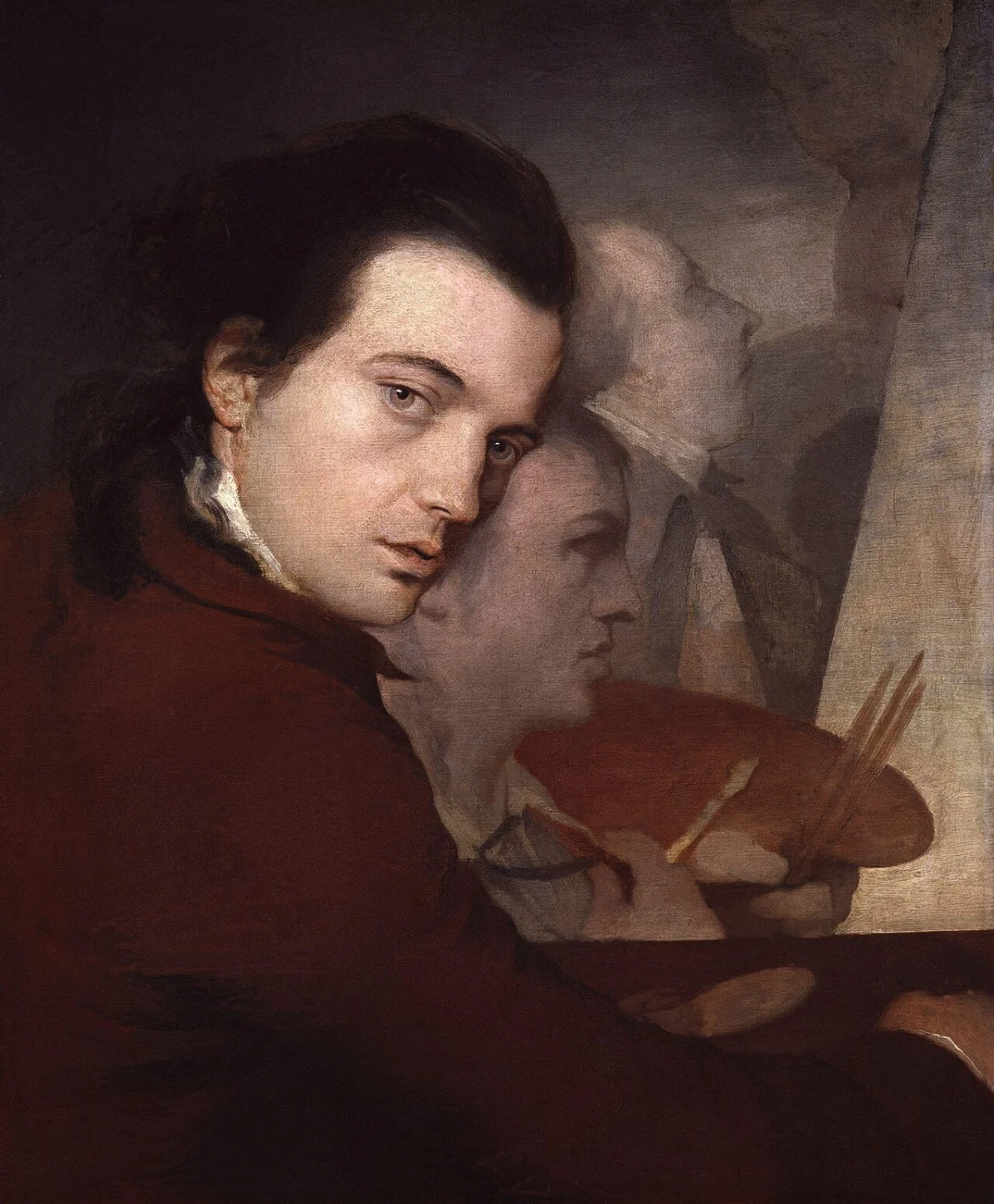

 100% Hand-Painted: Finished in 3-6 Weeks

.png)















_(1).webp)