Frequently Asked Questions About Venus Anadyomene
What is the historical context of "Venus Anadyomene"?
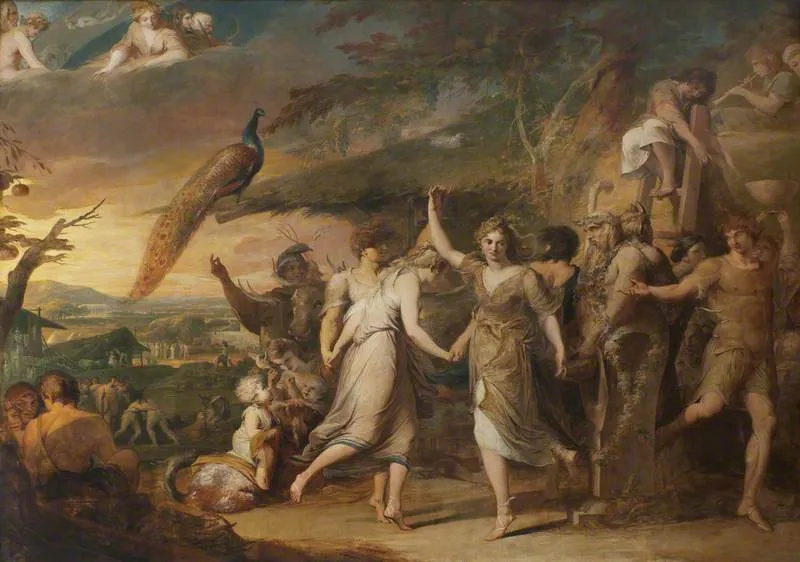
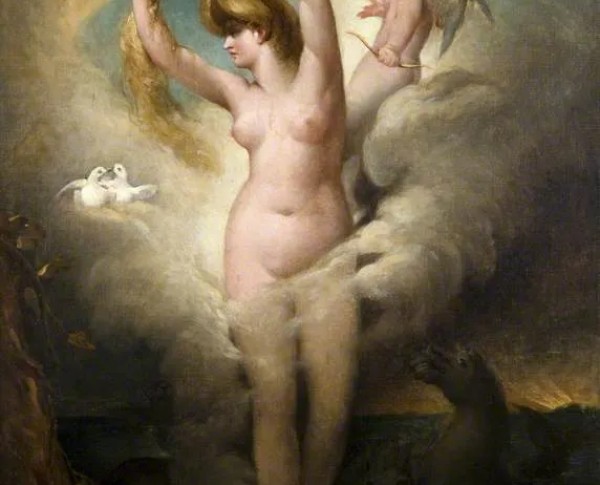
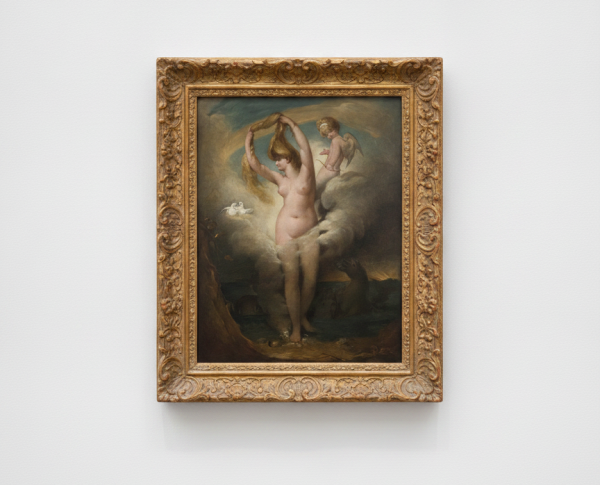
"Venus Anadyomene" was created by James Barry in the 18th century, a period characterized by a revival of classical themes and an interest in mythology. This painting reflects the neoclassical movement, which sought to emulate the art and culture of ancient Greece and Rome.
What does the title "Venus Anadyomene" signify?
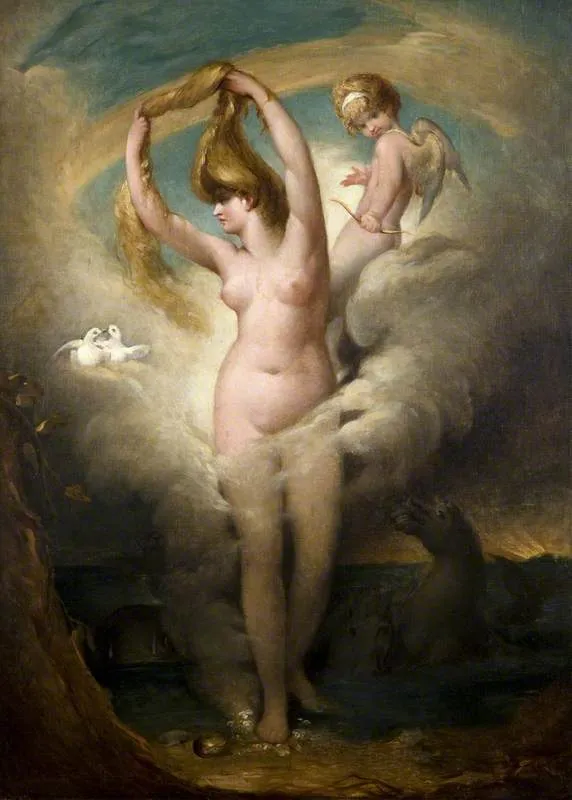
The title translates to "Venus Rising from the Sea," referencing the mythological birth of Venus, the Roman goddess of love and beauty, who is often depicted emerging from the ocean. This theme has been explored by various artists throughout history, symbolizing beauty and the power of femininity.
What artistic techniques did James Barry employ in this painting?
James Barry utilized a combination of classical composition and dramatic lighting to enhance the figure of Venus. His use of color and texture creates a sense of movement and fluidity, capturing the moment of emergence from the sea, which is central to the painting's theme.
How does "Venus Anadyomene" reflect neoclassical ideals?
The painting embodies neoclassical ideals through its emphasis on idealized beauty, harmony, and proportion. Barry's portrayal of Venus adheres to classical standards of beauty, showcasing the influence of ancient sculptures and paintings on his work.
What symbolism is present in the depiction of Venus?
Venus symbolizes love, beauty, and femininity. Her emergence from the sea can also be interpreted as a metaphor for the birth of artistic inspiration and the transformative power of love, which were significant themes in the 18th-century art discourse.
In what ways does the painting reflect the societal views of women during Barry's time?
The depiction of Venus as an idealized figure reflects the contemporary societal views of women as objects of beauty and desire. This portrayal aligns with the 18th-century fascination with femininity, yet also raises questions about the limitations placed on women's roles in society.
What influences can be seen in Barry's interpretation of Venus?
Barry's interpretation of Venus is influenced by classical art, particularly the works of Renaissance masters like Botticelli and Titian. His approach combines these influences with his own unique style, resulting in a fresh yet respectful homage to the classical tradition.
How does the composition of "Venus Anadyomene" enhance its thematic elements?
The composition is carefully structured to draw the viewer's eye towards Venus, emphasizing her form and the surrounding elements of the sea. The dynamic arrangement of figures and the use of negative space contribute to the overall sense of movement and drama, reinforcing the themes of emergence and beauty.
What is the significance of the sea in "Venus Anadyomene"?
The sea in "Venus Anadyomene" serves as a symbol of both creation and the unknown. It represents the source of Venus's beauty and allure, while also embodying the depths of emotion and the complexities of love, which are central to the painting's narrative.
How has "Venus Anadyomene" influenced subsequent artists?
The painting has inspired subsequent generations of artists to explore themes of beauty and femininity through the lens of mythology. Barry's work has contributed to the ongoing dialogue about the representation of women in art, influencing both neoclassical and romantic movements that followed.























_GFM_Painting_(1).webp)


 100% Hand-Painted: Finished in 3-6 Weeks

.png)















_(1).webp)