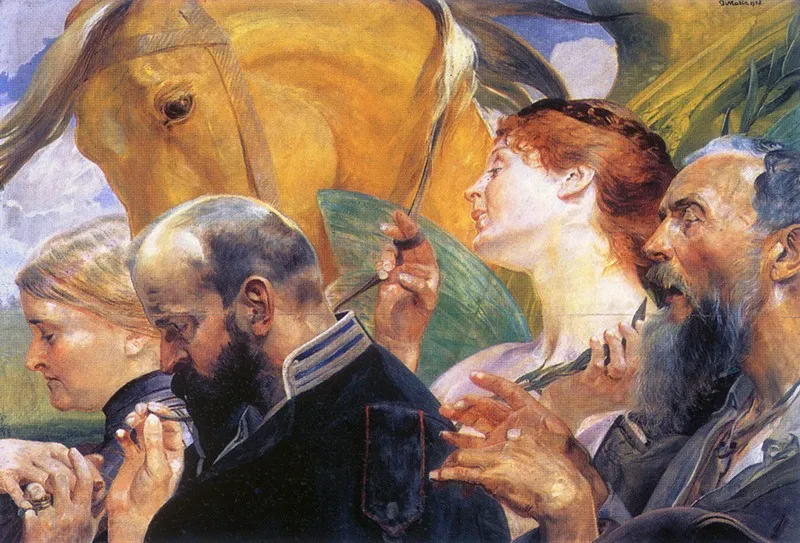
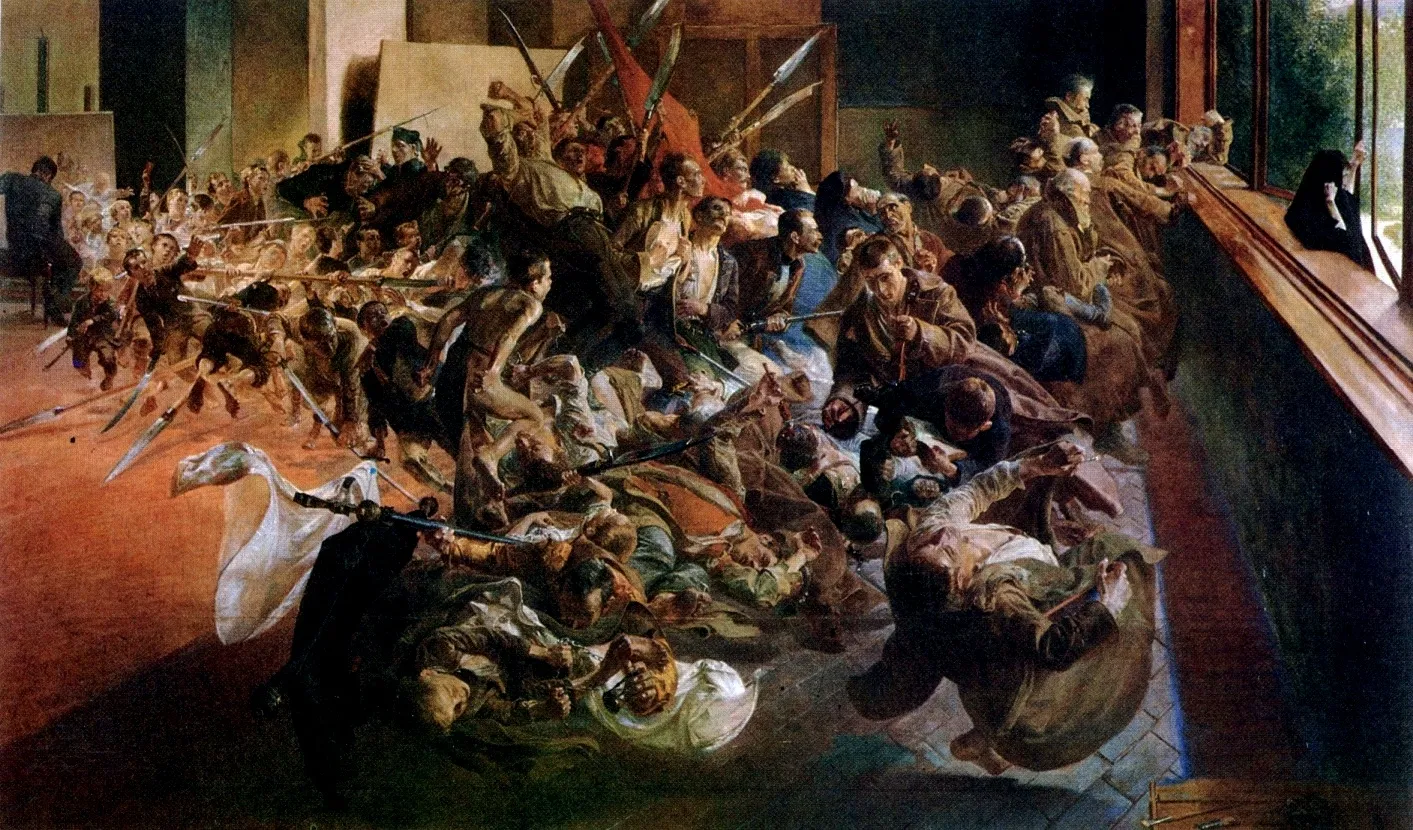
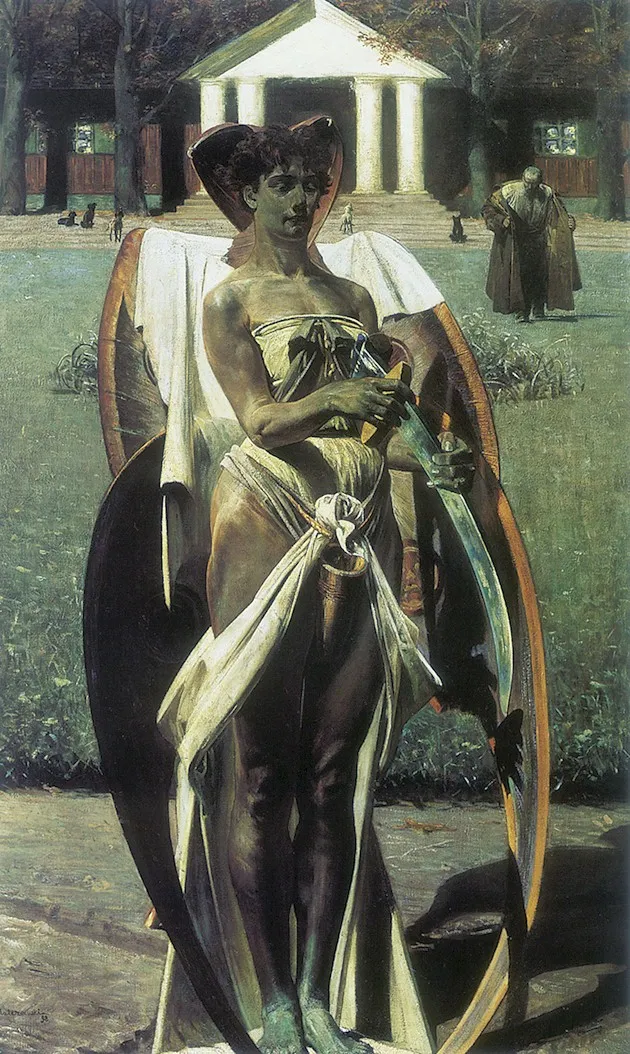
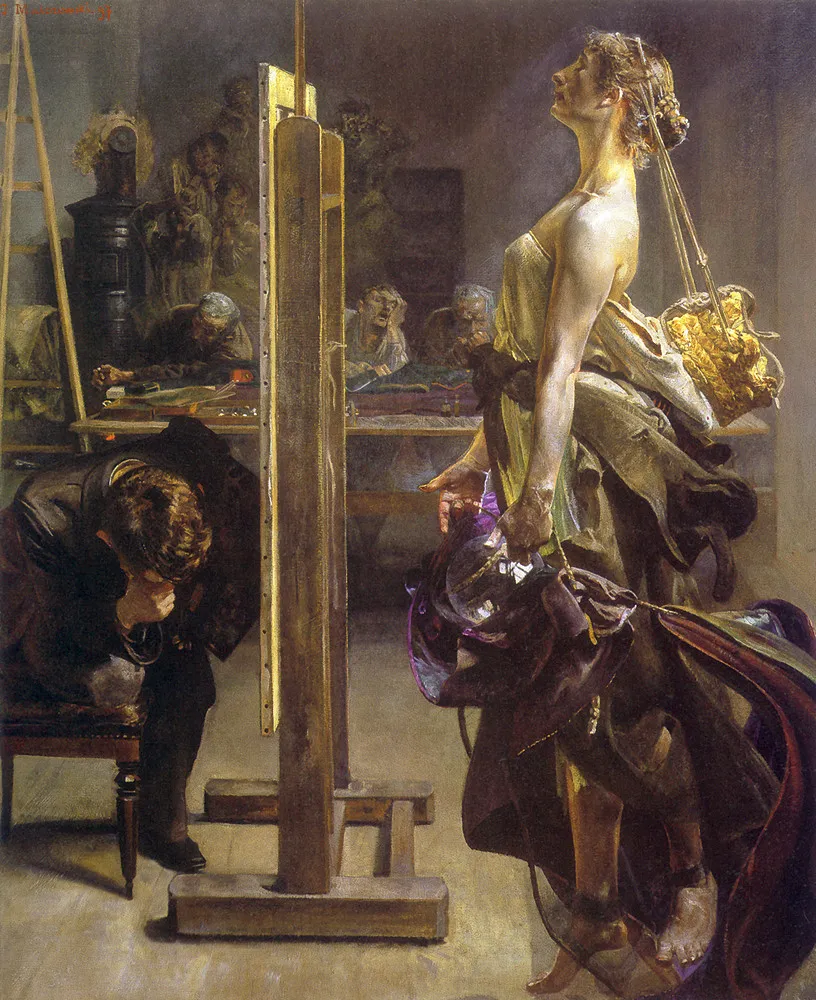
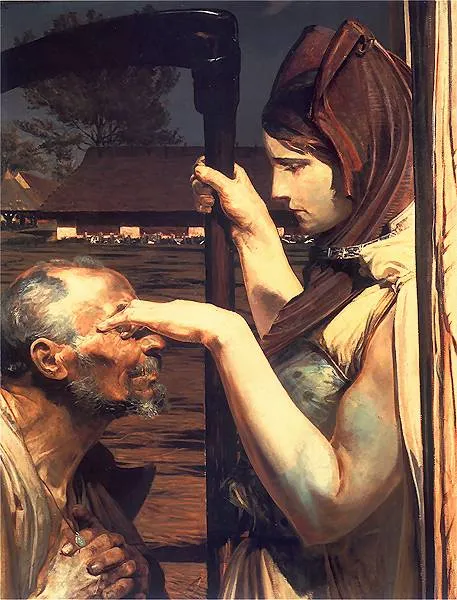
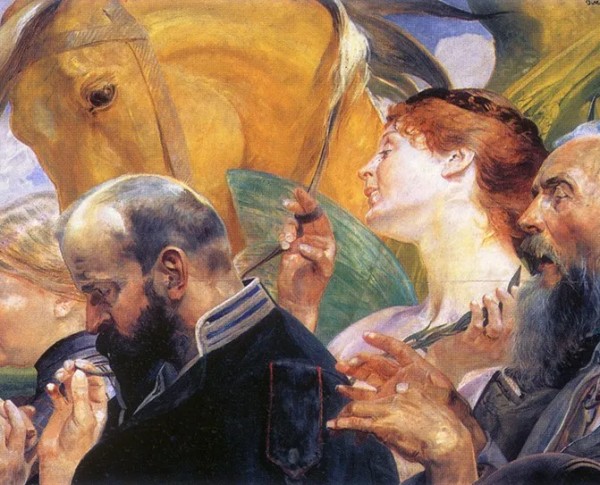
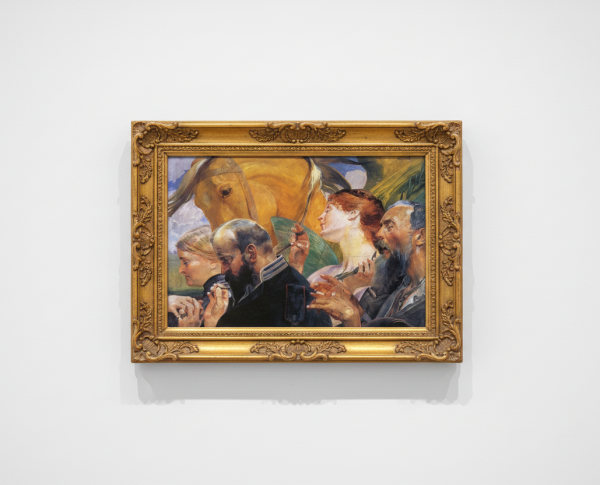
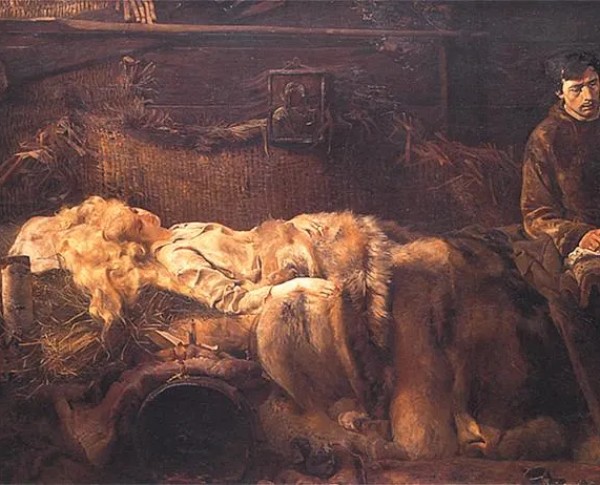
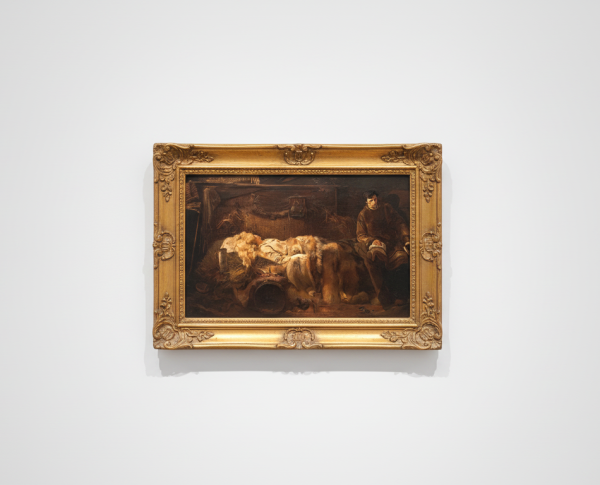
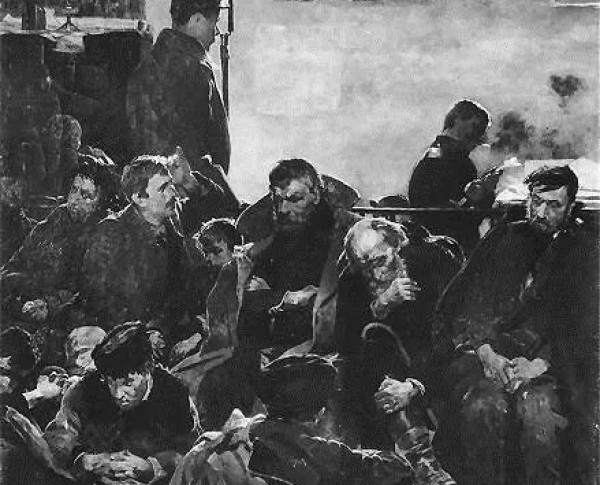
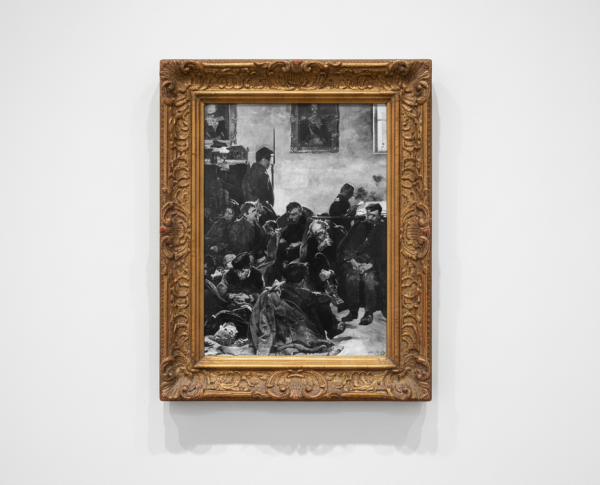
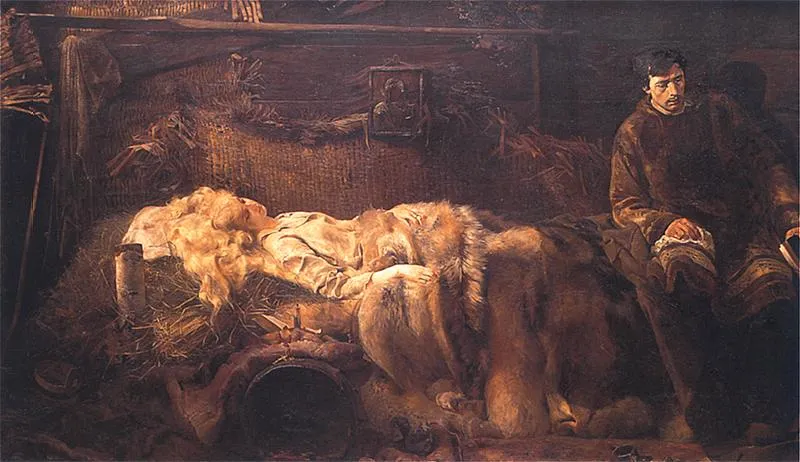
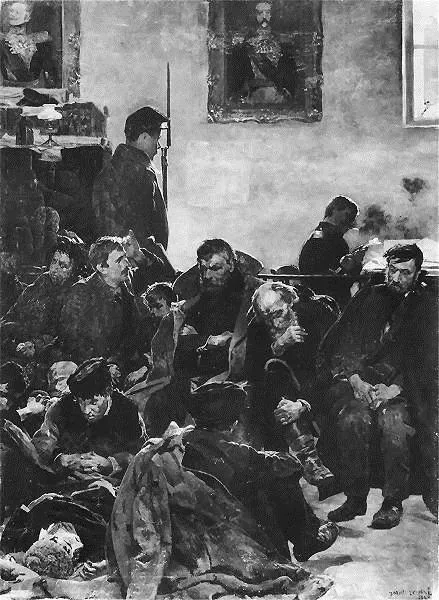
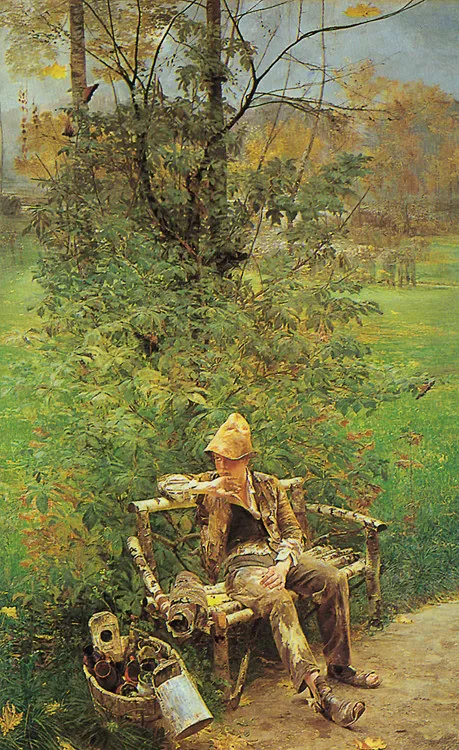
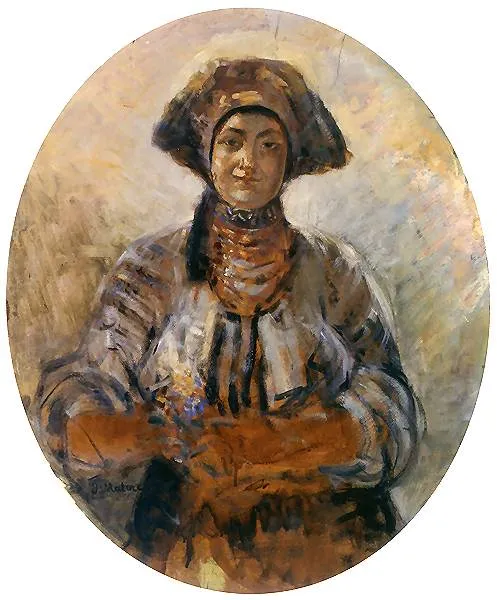
Jacek Malczewski’s "Enslavement" exemplifies the mastery of oil on canvas, characteristic of the Symbolism movement. Each brushstroke reveals the artist's meticulous attention to detail and emotional depth. The interplay of light and shadow in this fine composition draws viewers into a world of allegory and introspection. Those who appreciate oil on canvas masterpieces will find Malczewski’s technique resonates with works such as "Thanatos" and "The Painter Boy," both celebrated for their artistic brilliance.
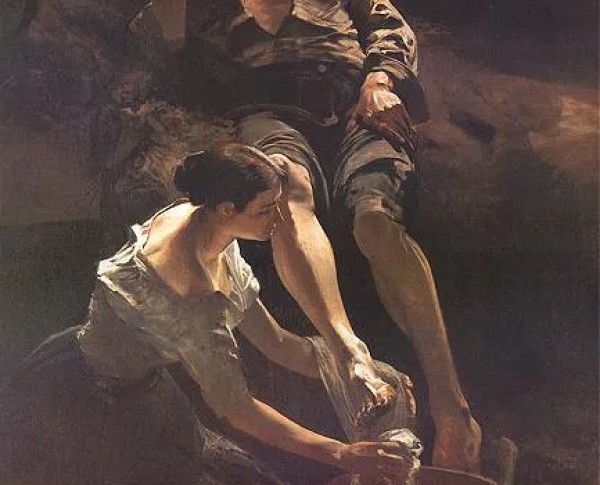
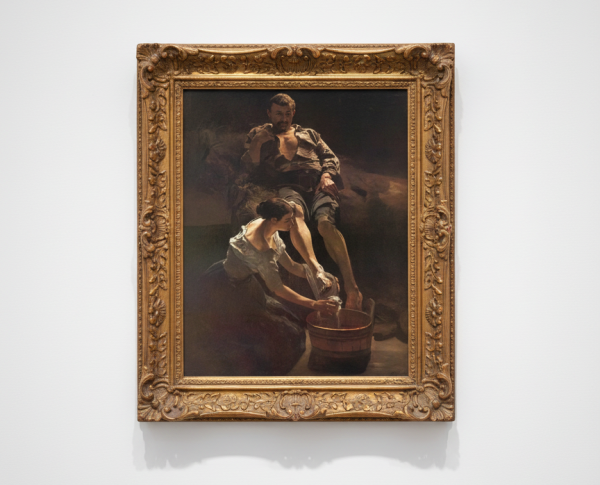
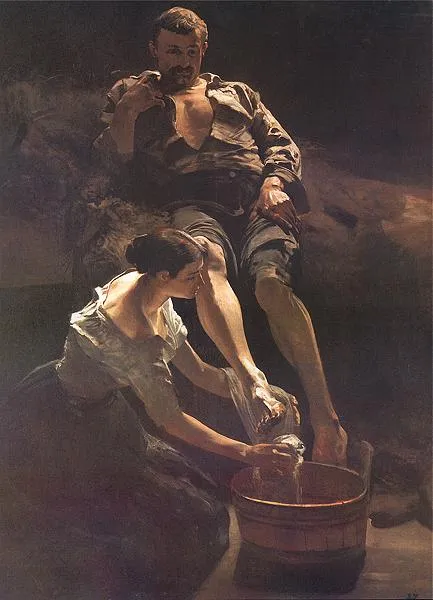
The narrative depth of "Enslavement" lies in its rich tapestry of stories and symbols, a hallmark of Symbolism and Jacek Malczewski’s artistry. Through allegorical figures and evocative scenery, the painting invites reflection on themes of freedom and captivity. This fine art painting for sale is perfect for collectors interested in works that provoke thought and emotional engagement. Explore related products like "Washing of feet" and "Death of Ellenai" to further delve into Malczewski’s symbolic universe.
For art collectors, "Enslavement" by Jacek Malczewski represents a rare opportunity to own a masterpiece from the Symbolism movement. This hand-painted oil painting stands out not only for its historical significance but also for its enduring visual impact. Displaying this piece alongside related creations such as "Angel," "Thanatos," and "The Painter Boy" enhances any collection. Discover why this fine art painting for sale is coveted by connoisseurs worldwide, and experience the allure of Symbolist art.
When Art Meets History
"Enslavement" by Jacek Malczewski stands as a powerful testament to the Symbolism movement, reflecting Poland’s turbulent past through evocative imagery. Painted during a period of national upheaval, this hand-painted oil painting channels the collective struggles of its people. Like Malczewski’s other works, such as "Tropical" and "Granada," "Enslavement" intertwines history and myth, making it a significant piece for those interested in the intersection of art and historical narrative.
Techniques That Speak
Jacek Malczewski’s mastery is evident in the meticulous oil on canvas technique displayed in "Enslavement." Rich textures, layered colors, and dynamic brushwork create depth and atmosphere, hallmarks of Symbolism. His approach is comparable to his handling in paintings like "Catalan Camacho" and "Alcalde De Cabezón." These techniques not only enhance the visual impact but also evoke the emotional gravity of the subject, making this oil on canvas a true masterpiece of its era.
Emotions on Display
"Enslavement" captures a profound sense of sorrow and resilience, emotions that resonate deeply with viewers. Malczewski skillfully uses symbolic figures and somber tones to convey the psychological weight of oppression, a recurring theme in Symbolist art. This fine art painting for sale evokes the same emotional intensity found in related works like "Lady Antony Rothschild as an Egyptian Princess" and "Woman in Blue," making it a moving representation of human endurance and hope.
Coveted by Collectors
As a pivotal work of the Symbolism movement, "Enslavement" by Jacek Malczewski is highly sought after by art collectors and museums alike. Its historical significance and exquisite craftsmanship set it apart as a prime example of hand-painted oil painting. Alongside related paintings such as "Tropical" and "Granada," this masterpiece continues to inspire admiration and demand, ensuring its status as a treasured fine art painting for sale within the global art market.
Related Symbolism Hand-Painted Oil Paintings by Other Artists
Other Famous Symbolism Artists:
Frequently Asked Questions About Enslavement
What is the historical context of Jacek Malczewski's painting "Enslavement"?
"Enslavement" was created during a time when Poland was partitioned and under foreign rule. The painting reflects the struggles and suffering of the Polish people, symbolizing their fight for freedom and identity.
What artistic techniques did Jacek Malczewski employ in "Enslavement"?
Malczewski utilized a combination of symbolism and realism, employing vibrant colors and dramatic contrasts to convey deep emotional resonance. His use of light and shadow enhances the painting's thematic depth.
What are the primary symbols present in "Enslavement"?
The painting features several symbols, including chains representing oppression, and figures that embody both suffering and resilience, illustrating the duality of despair and hope in the face of adversity.
How does "Enslavement" reflect the themes of identity and nationalism?
The artwork encapsulates the struggle for national identity, portraying the pain of loss and the yearning for freedom. It serves as a poignant reminder of the importance of cultural heritage in the face of oppression.
What influences can be seen in Malczewski's style in "Enslavement"?
Malczewski's style is influenced by Symbolism and the Polish Romantic movement. His work often combines mythological elements with contemporary social issues, creating a unique narrative that resonates with Polish history.
What emotions does "Enslavement" evoke in viewers?
The painting evokes a profound sense of sorrow and empathy, prompting viewers to reflect on the historical injustices faced by oppressed peoples. It also inspires a sense of resilience and hope for liberation.
How does "Enslavement" compare to other works by Jacek Malczewski?
What role does color play in the interpretation of "Enslavement"?
Color in "Enslavement" plays a crucial role in conveying emotion and atmosphere. The use of dark hues symbolizes despair, while brighter accents suggest the possibility of hope and renewal amidst suffering.
What is the significance of the title "Enslavement"?
The title "Enslavement" directly addresses the theme of oppression, highlighting the physical and psychological bondage experienced by individuals and nations. It serves as a powerful commentary on the human condition and the quest for freedom.
In what ways does "Enslavement" contribute to the understanding of Polish art history?
"Enslavement" is a significant work within Polish art history, as it encapsulates the national struggle and the role of art as a vehicle for social commentary. It exemplifies how artists like Malczewski used their work to reflect and influence societal issues.























_GFM_Painting_(1).webp)

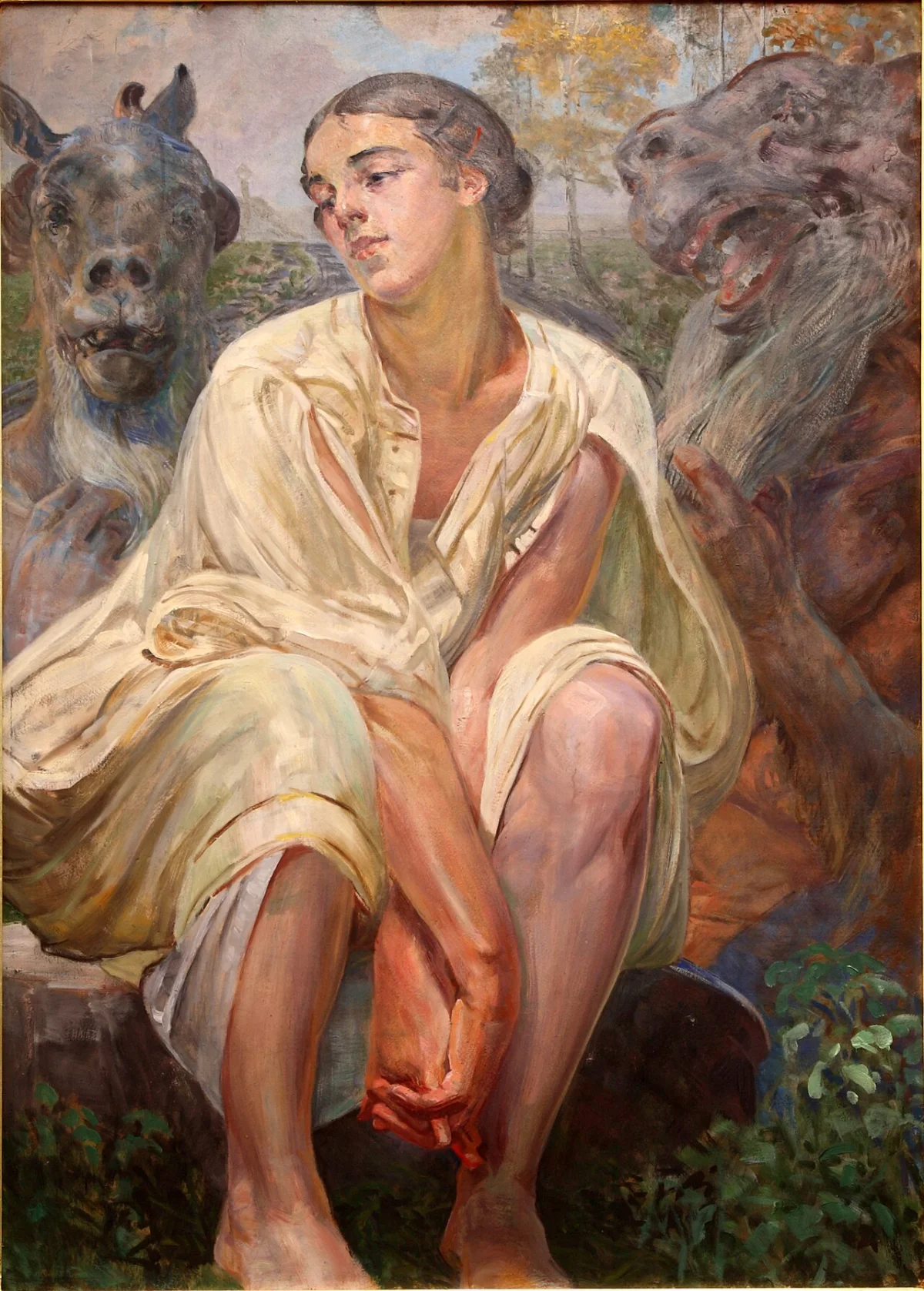

 100% Hand-Painted: Finished in 3-6 Weeks
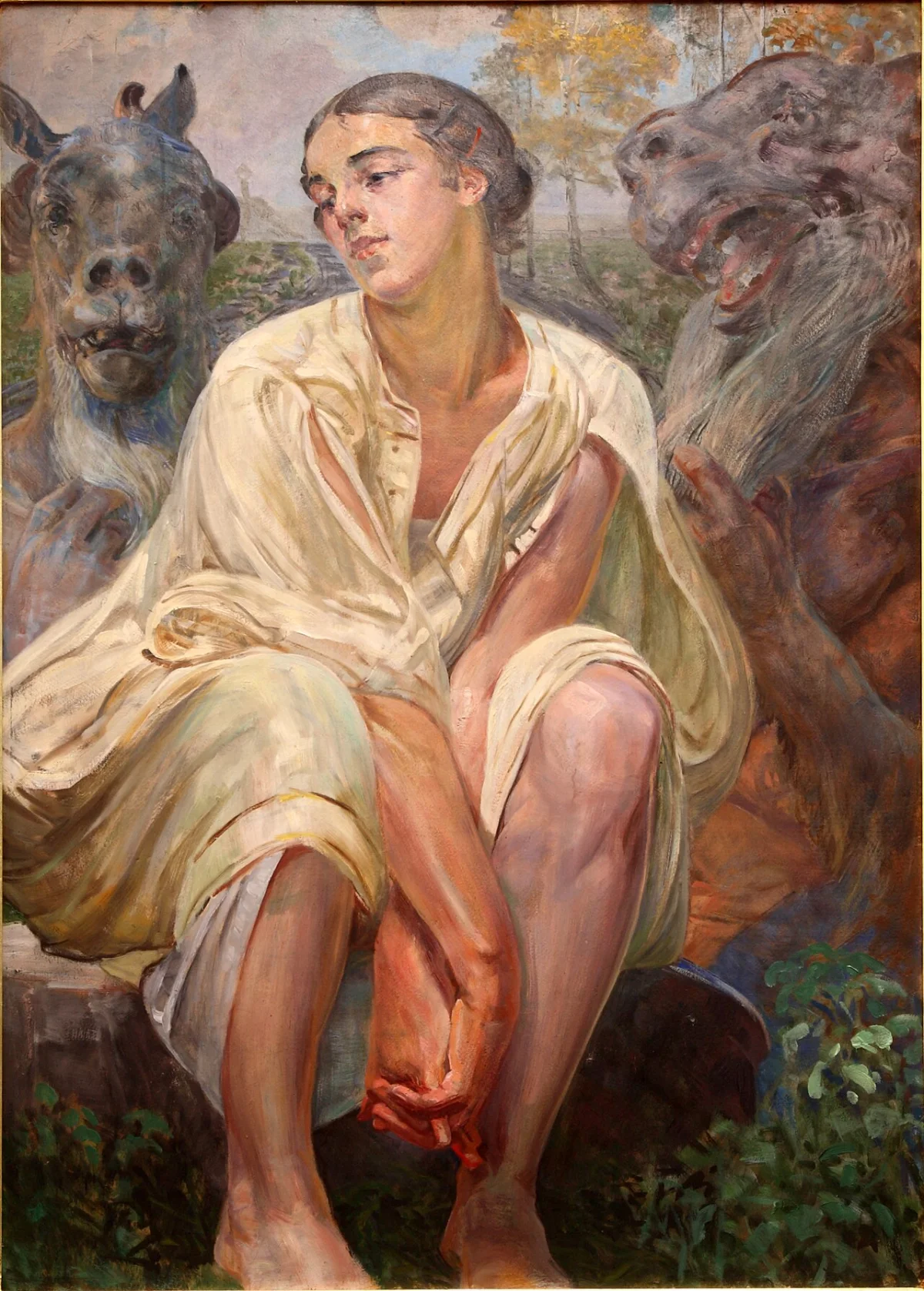

.png)












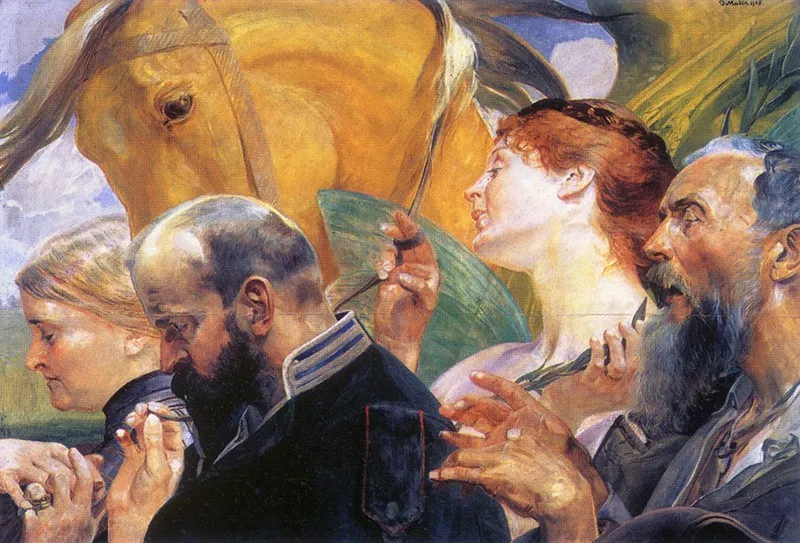



_(1).webp)