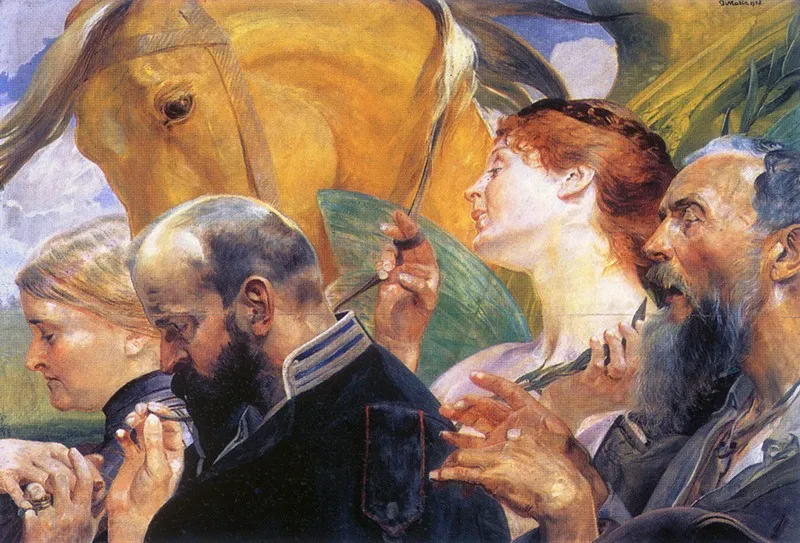
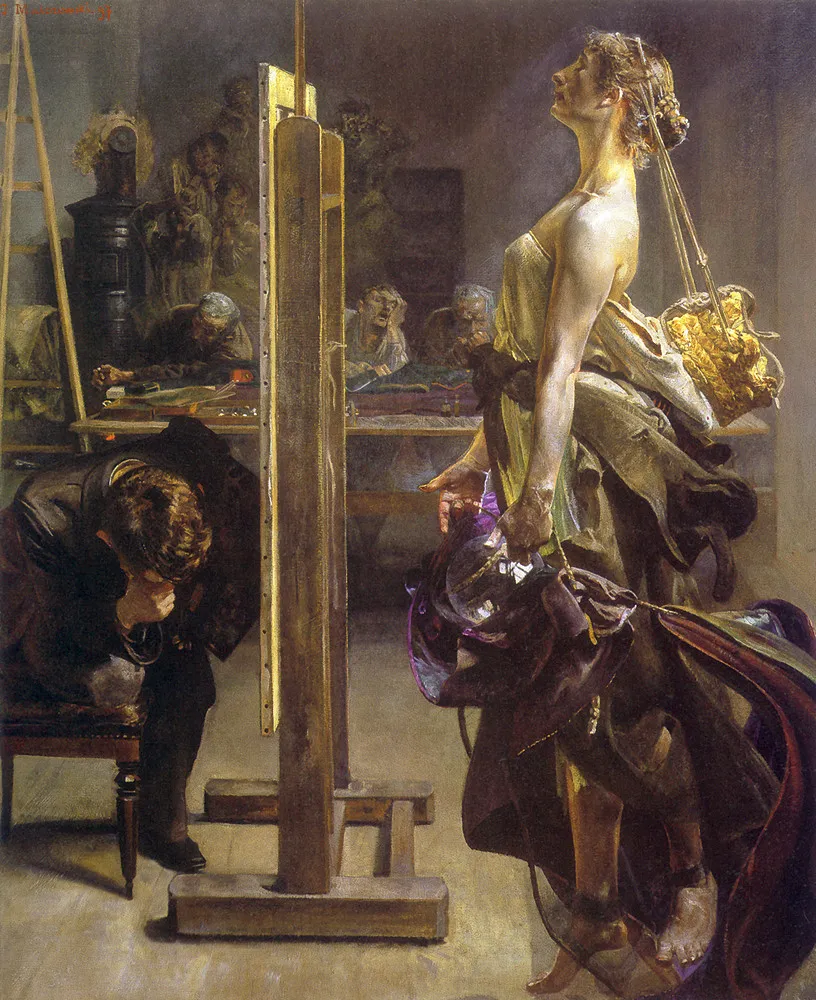
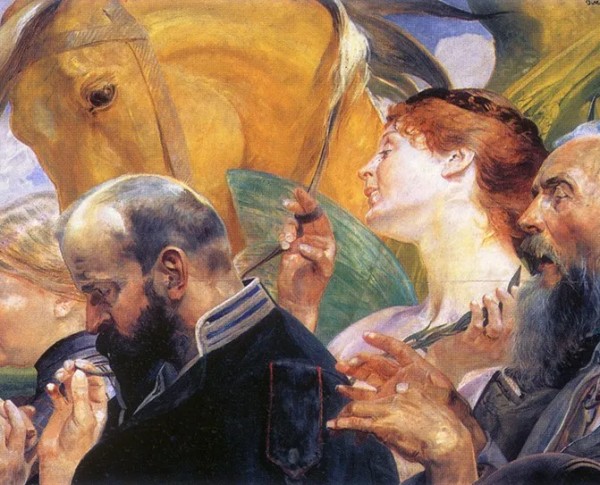
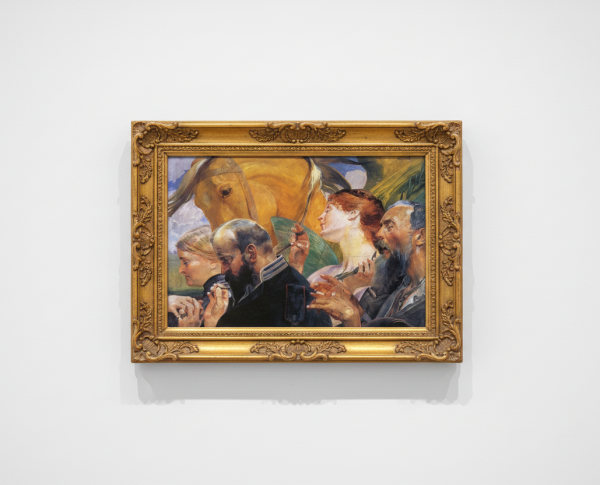
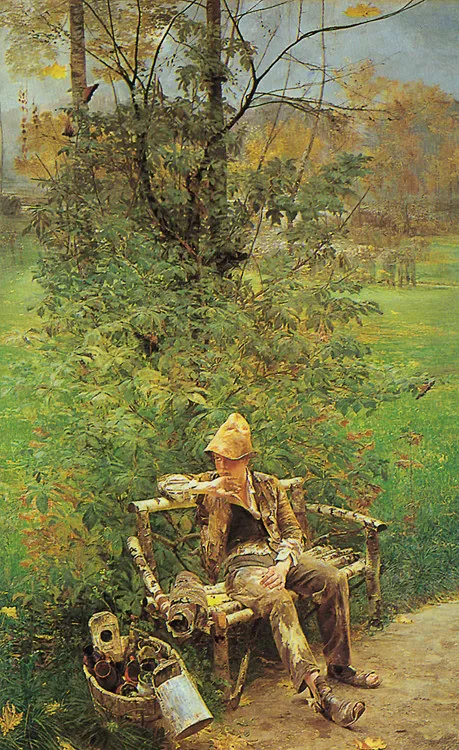
Jacek Malczewski’s expertise is evident in every detail of "The Painter Boy," an exceptional example of oil on canvas technique. The artist’s brushwork and nuanced color palette evoke emotion and depth, hallmarks of the Symbolism movement. This painting, like Malczewski’s "At the stage" and "Art," demonstrates a mastery that continues to inspire art lovers and collectors seeking authentic works crafted with skill and vision.
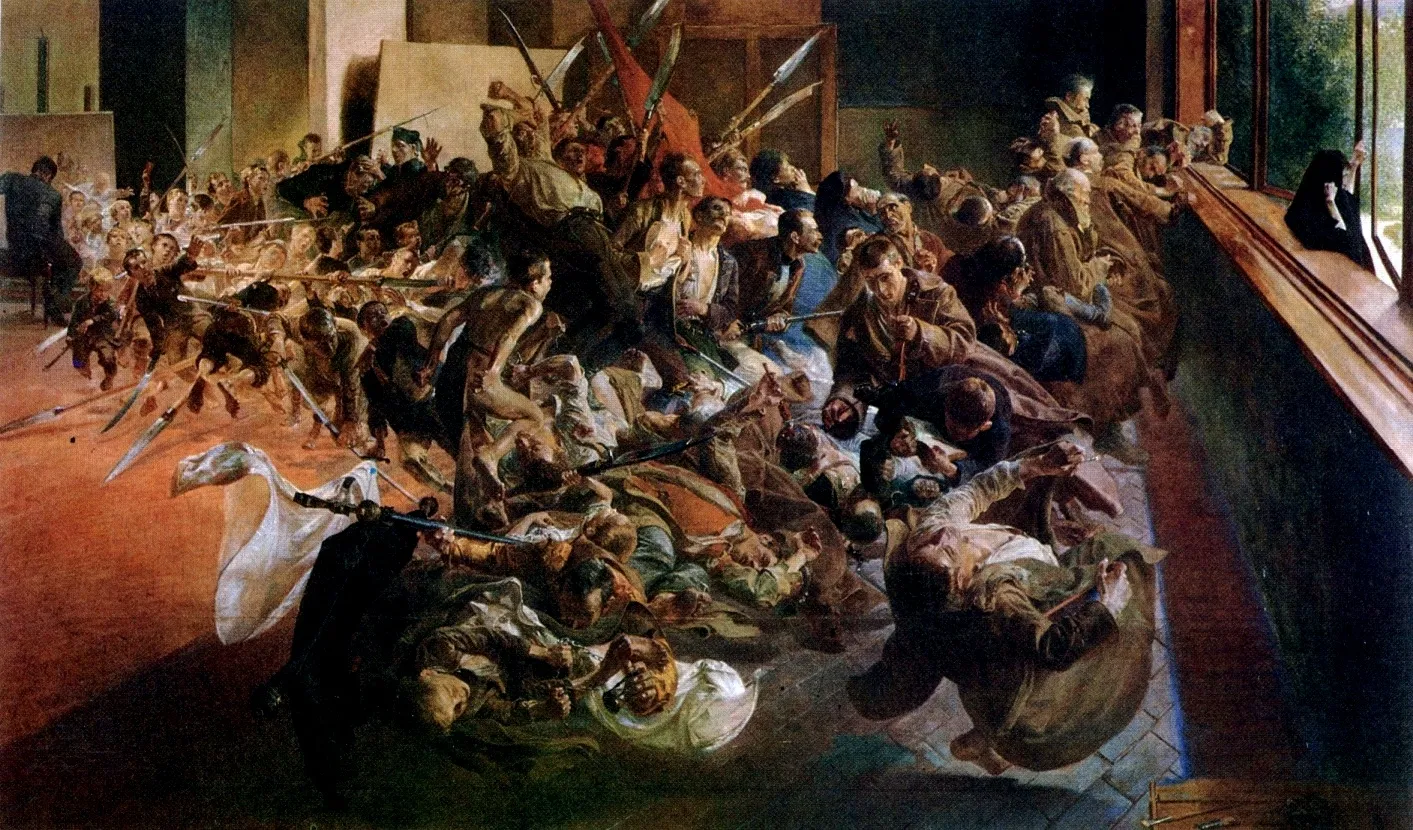
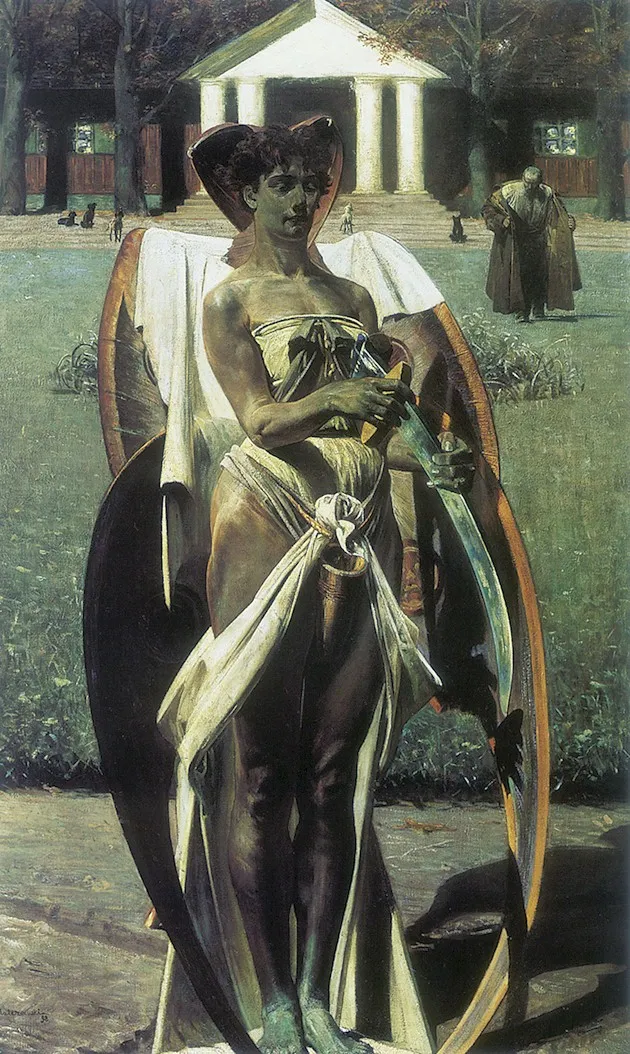
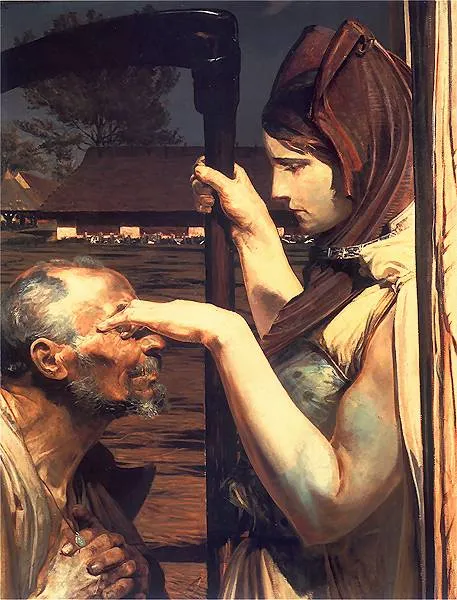
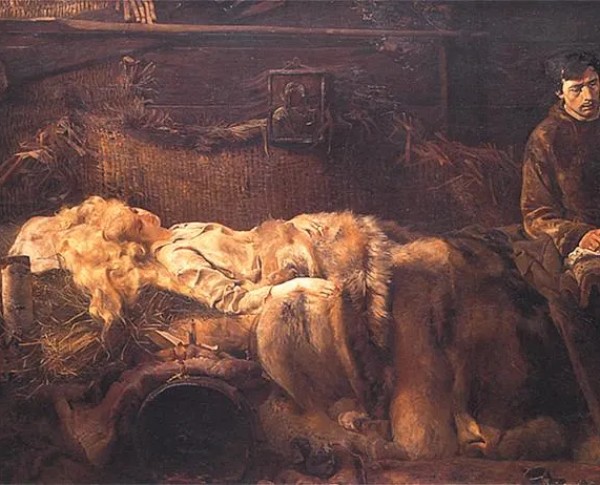
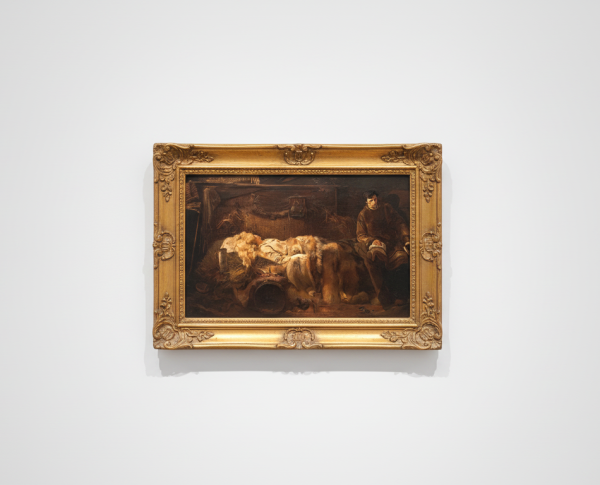
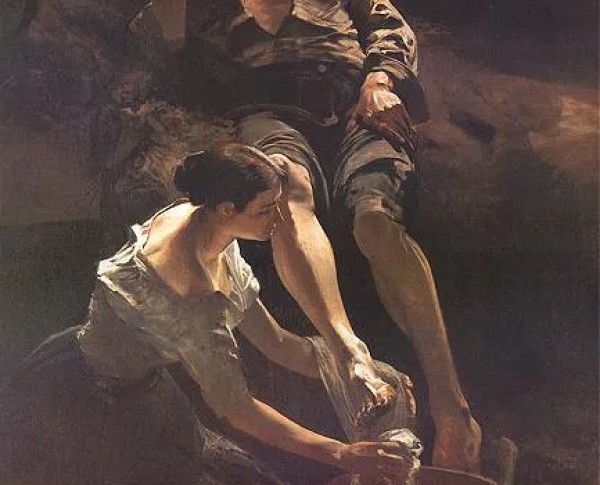
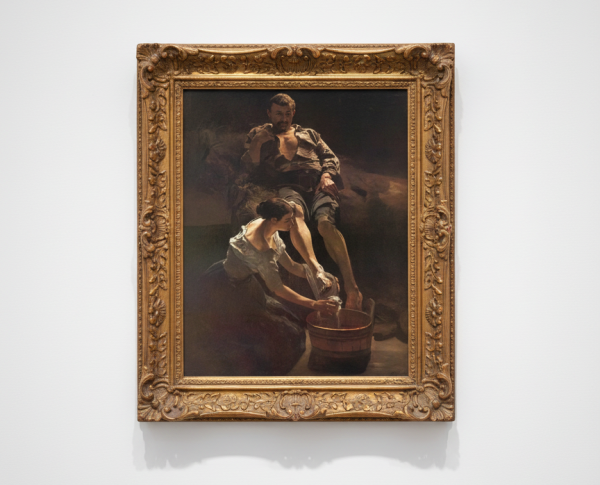
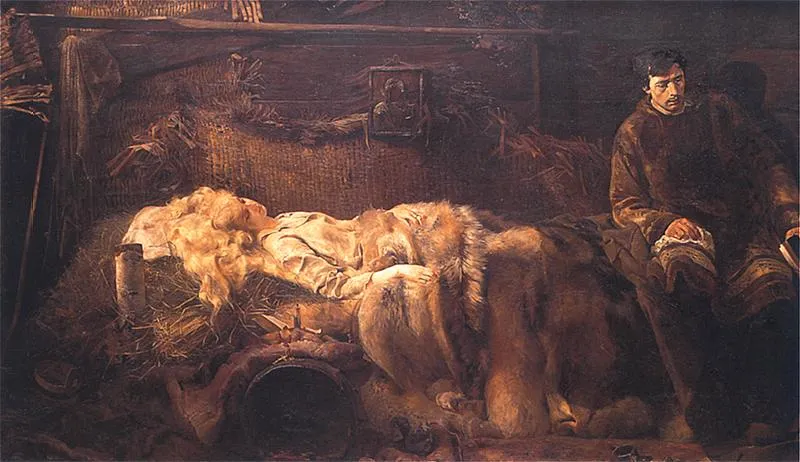
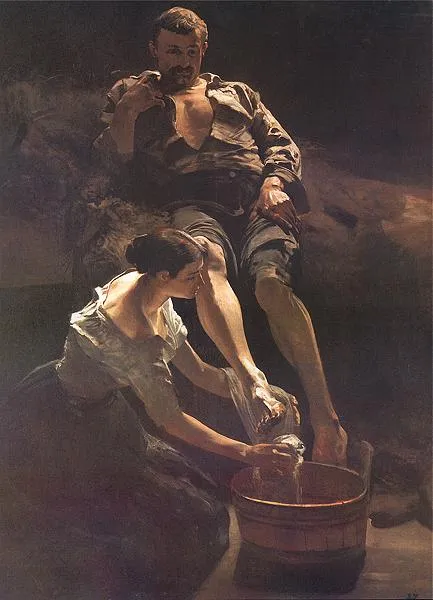
Within "The Painter Boy," Malczewski weaves a rich tapestry of meaning, using symbolic imagery to explore themes of innocence, ambition, and the artist’s journey. As a fine art painting for sale, it invites viewers to interpret its narrative, much like his other celebrated works in Symbolism. Collectors and enthusiasts often pair this masterpiece with related products, such as "Washing of feet" and "Death of Ellenai," to deepen their appreciation for Malczewski’s storytelling.
"The Painter Boy" is a rare gem for those seeking a hand-painted oil painting from the Symbolism movement. Jacek Malczewski’s legacy endures through this evocative piece, which stands proudly among related masterpieces like "At the stage" and "Art." For collectors, owning this work is more than a purchase—it’s an investment in history, emotion, and the enduring allure of fine art painting for sale by a master of his craft.
When Art Meets History
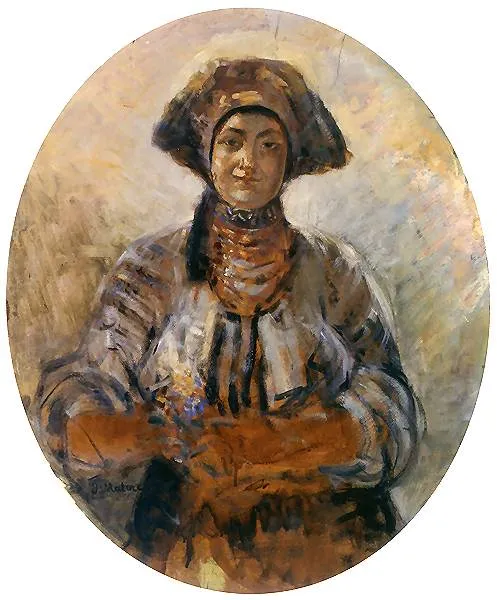
"The Painter Boy" by Jacek Malczewski stands as a testament to the Symbolism movement, capturing a pivotal era in European art. This hand-painted oil painting reflects Malczewski’s fascination with allegory and national identity, themes prevalent in his other works like "Manola With Mantilla And Fan" and "Woman in Blue." Through its historical context, "The Painter Boy" invites viewers to explore Poland’s cultural landscape during a time of significant transformation, making it a key piece in the artist’s oeuvre.
Techniques That Speak
Jacek Malczewski’s masterful use of oil on canvas in "The Painter Boy" demonstrates his exceptional skill and attention to detail. The texture and layering of paint bring life and depth to the subject, a technique also visible in his works "Susanna" and "Tropical." Malczewski’s brushwork and color palette evoke the dreamlike quality typical of Symbolism, allowing the painting to transcend mere representation and become a poetic statement in fine art.
Emotions on Display
"The Painter Boy" radiates a poignant emotional intensity, characteristic of Malczewski’s approach to Symbolist art. The contemplative expression of the subject draws viewers into a world of introspection and longing. This fine art painting for sale not only stirs the imagination but also connects emotionally with those familiar with Malczewski’s related paintings such as "Manola" with Mantilla and Fan. Each brushstroke is infused with feeling, making the canvas pulse with life and meaning.
Coveted by Collectors
Collectors of Symbolist art highly prize "The Painter Boy" for its unique place in Jacek Malczewski’s collection. As an exquisite oil on canvas, it represents both artistic mastery and historical significance. Alongside related masterpieces like "Woman in Blue" and "Susanna," this work is frequently sought after in galleries and auctions. The painting’s legacy continues to grow, making it an irresistible acquisition for anyone seeking a distinguished fine art painting for sale.
Related Symbolism Hand-Painted Oil Paintings by Other Artists
Other Famous Symbolism Artists:
Frequently Asked Questions About The Painter Boy
What is the historical context of "The Painter Boy"?
"The Painter Boy" was created by Jacek Malczewski in the late 19th century, a period marked by significant social and political changes in Poland. The painting reflects the artist's engagement with the themes of national identity and the struggles of the Polish people during a time of partition and cultural suppression.
What artistic movements influenced Jacek Malczewski's work?
Malczewski was influenced by Symbolism and the Polish Modernist movement. His works often incorporate allegorical elements and a deep emotional resonance, which are characteristic of Symbolist art, while also reflecting the broader trends of modernism in Europe during his time.
What are the main themes depicted in "The Painter Boy"?
The painting explores themes of youth, creativity, and the role of the artist in society. It symbolizes the innocence of artistic expression and the transformative power of art, as well as the challenges faced by young artists in a changing world.
How does "The Painter Boy" reflect Polish culture?
The painting embodies elements of Polish folklore and national identity, showcasing the importance of art as a means of cultural preservation. Malczewski often infused his work with references to Polish history and mythology, making it a significant cultural artifact.
What techniques did Jacek Malczewski use in this painting?
Malczewski employed a combination of oil on canvas techniques, utilizing rich colors and expressive brushwork to convey emotion. His use of light and shadow enhances the depth of the composition, drawing the viewer's attention to the central figure of the boy.
What symbolic elements can be found in "The Painter Boy"?
The boy in the painting symbolizes the potential of youth and the future of art. The tools of painting he holds represent creativity and the act of creation, while the surrounding elements may hint at the broader societal challenges faced by artists.
How does "The Painter Boy" compare to other works by Malczewski?
Compared to other works by Malczewski, "The Painter Boy" is notable for its focus on the individual artist's experience. While many of his other paintings address collective themes of Polish identity, this piece emphasizes personal creativity and the journey of the artist.
What is the significance of the boy's expression in the painting?
The boy's expression conveys a sense of wonder and introspection, reflecting the complexities of the artistic process. It invites viewers to contemplate the emotional depth and vulnerability inherent in the act of creation.
In what ways does "The Painter Boy" serve as a commentary on the role of the artist?
The painting serves as a commentary on the artist's role as both a creator and a commentator on society. Malczewski suggests that artists are not only responsible for producing beauty but also for engaging with the cultural and political issues of their time.
What impact has "The Painter Boy" had on contemporary art discussions?
"The Painter Boy" continues to influence contemporary discussions on the role of the artist in society. It raises questions about artistic responsibility and the intersection of personal expression with broader cultural narratives, making it a relevant piece in today's art discourse.






















_GFM_Painting_(1).webp)


 100% Hand-Painted: Finished in 3-6 Weeks

.png)















_(1).webp)