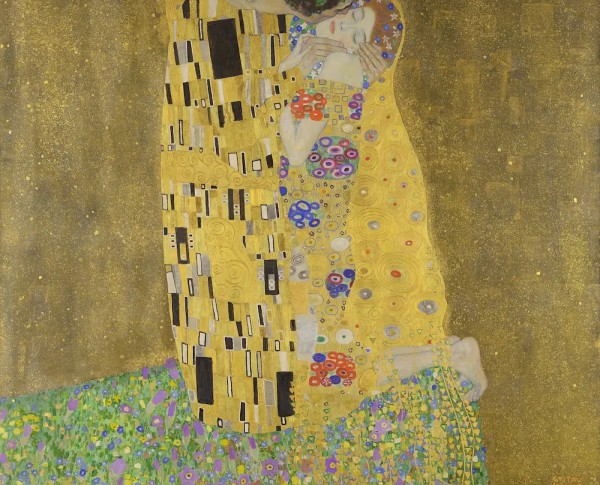
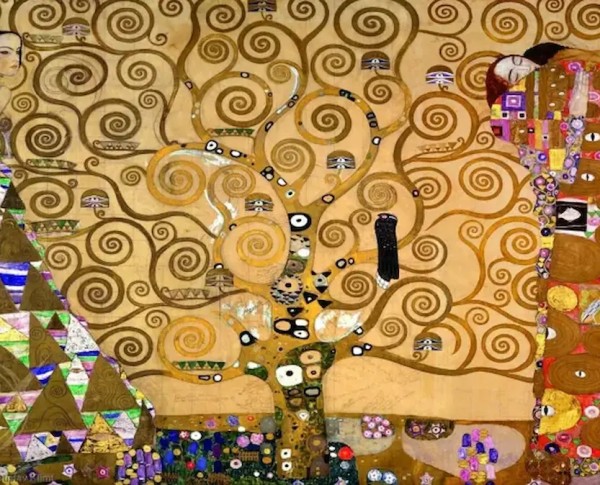
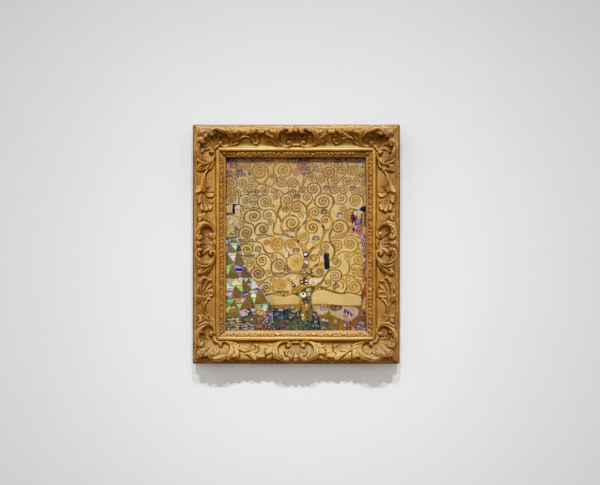
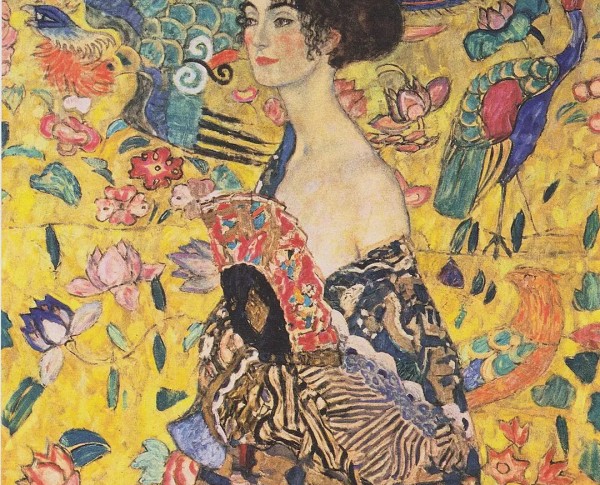
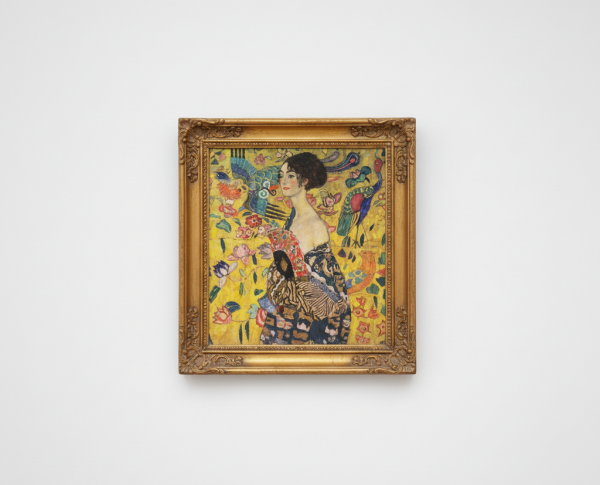
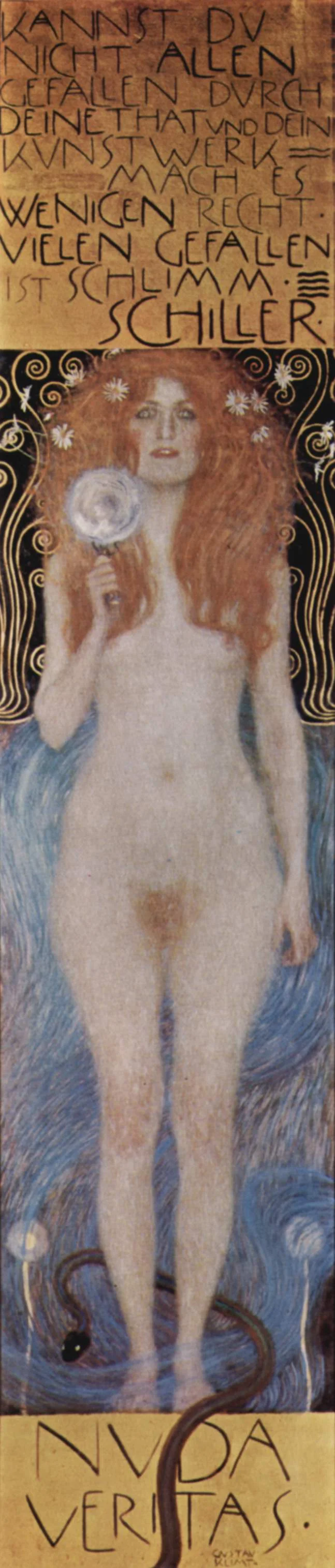
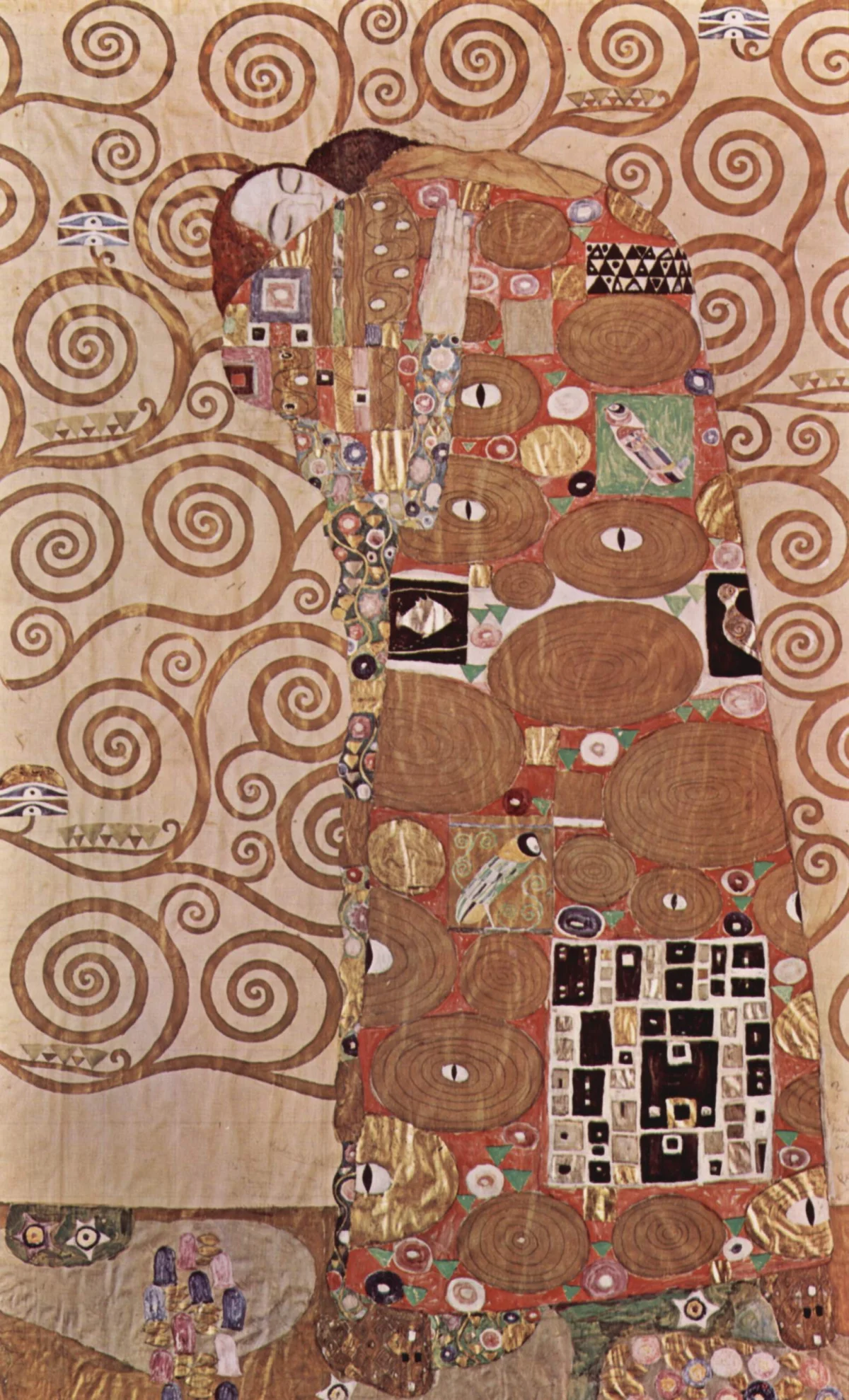
With "Fulfillment," Gustav Klimt demonstrates remarkable skill in oil on canvas, using intricate patterns and gold leaf to create a luminous effect. As a leader of the Vienna Secession, Klimt’s technique showcases both bold innovation and delicate detail. His other celebrated works, such as "Lady With Fan" and "Litzlberg on the Attersee," also exhibit this mastery. Each piece, including this oil on canvas, offers a glimpse into Klimt’s unique artistic vision and influence.
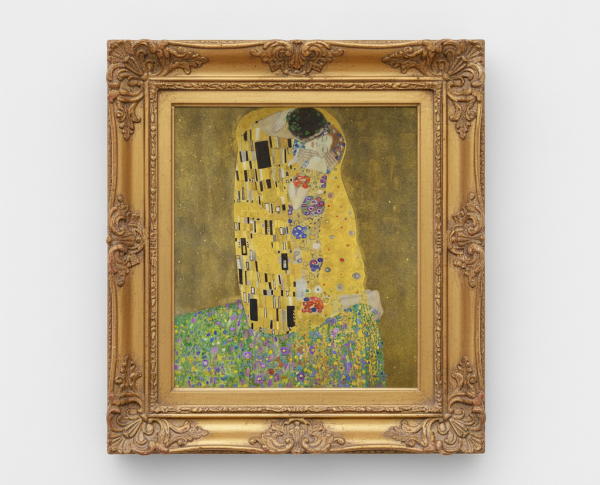
"Fulfillment" by Gustav Klimt is rich with symbolism, reflecting themes of love, unity, and human connection. The painting, a hallmark of the Vienna Secession movement, uses intertwining forms and golden hues to tell its story. Klimt’s symbolic language is echoed in related works like "Water Serpents I" and "The Kiss." For collectors seeking a hand-painted oil painting that conveys deeper meaning, "Fulfillment" remains a compelling choice among fine art painting for sale.
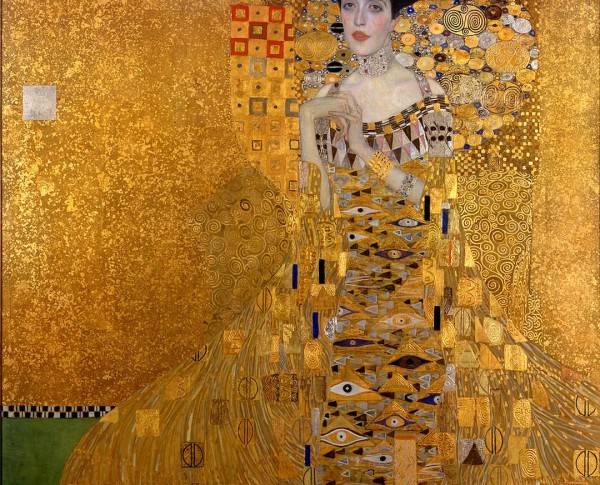
Owning "Fulfillment" by Gustav Klimt is a dream for many collectors, as it represents both the spirit of the Vienna Secession and the artist’s genius. This fine art painting for sale continues to attract those who appreciate Klimt’s distinctive style and historical significance. Collectors often seek out related masterpieces such as "Portrait Of Adele Bloch Bauer I" and "Litzlberg on the Attersee," making "Fulfillment" a prized addition to any art collection.
When Art Meets History
"Fulfillment" by Gustav Klimt stands as a masterpiece within the Vienna Secession movement, reflecting a pivotal period in European art history. Created during a time when artists sought to break away from traditional norms, this hand-painted oil painting exemplifies the movement's embrace of symbolism and decorative motifs. Klimt, renowned for his innovative approach, infused "Fulfillment" with historical depth, making it a significant work alongside his other creations such as "The Kiss" and "Expectation."
Techniques That Speak
Gustav Klimt’s "Fulfillment" showcases the artist’s mastery of oil on canvas, blending intricate gold leaf patterns with bold, swirling lines characteristic of the Vienna Secession style. The meticulous layering and delicate brushwork create a luminous surface, inviting viewers to explore the symbolic language embedded within the composition. Klimt’s unique techniques in this painting have influenced countless artists and continue to make "Fulfillment" a benchmark for innovation in oil painting.
Emotions on Display
The emotional resonance of "Fulfillment" lies in its intimate portrayal of love and unity, rendered through Klimt’s expressive use of color and form. The intertwined figures evoke a sense of longing and contentment, hallmarks of the Vienna Secession’s focus on personal experience. As a fine art painting for sale, "Fulfillment" captivates collectors and admirers alike, offering a glimpse into Klimt’s profound ability to translate human emotion onto canvas.
Coveted by Collectors
Gustav Klimt’s "Fulfillment" remains highly sought after in the art market, with its status as a hand-painted oil painting enhancing its allure. The painting’s rich history and connection to the Vienna Secession movement make it a prized addition to any collection. Alongside related paintings like "Expectation," "Fulfillment" exemplifies the enduring appeal of Klimt’s visionary work, treasured by collectors and museums around the world.
Frequently Asked Questions About Fulfillment
What is the historical context of Gustav Klimt's "Fulfillment"?
"Fulfillment" was created during the early 20th century, a period marked by significant changes in art, culture, and society. Klimt was part of the Vienna Secession movement, which sought to break away from traditional artistic conventions and embrace modernity.
What artistic techniques did Klimt employ in "Fulfillment"?
Klimt is renowned for his use of decorative patterns, gold leaf, and intricate details. In "Fulfillment," he combines these techniques with a sensual portrayal of the human form, creating a harmonious balance between abstraction and representation.
What themes are explored in "Fulfillment"?
The painting explores themes of love, desire, and the complexity of human relationships. It reflects Klimt's fascination with the interplay between eroticism and spirituality, a recurring motif in his body of work.
How does "Fulfillment" reflect Klimt's personal artistic philosophy?
Klimt believed in the importance of individual expression and the exploration of the subconscious. "Fulfillment" embodies this philosophy through its emotive imagery and the depiction of intimate moments, inviting viewers to engage with their own feelings and interpretations.
What symbolism is present in "Fulfillment"?
The painting is rich in symbolism, with elements representing fertility, love, and the cyclical nature of life. The figures in the artwork are often interpreted as embodiments of the duality of human experience, encompassing both joy and sorrow.
In what ways does "Fulfillment" connect to other works by Klimt?
How does the composition of "Fulfillment" contribute to its overall meaning?
The composition of "Fulfillment" is carefully structured to draw the viewer's eye toward the central figures, emphasizing their emotional connection. The use of flowing lines and organic shapes enhances the sense of movement and intimacy within the piece.
What role does color play in "Fulfillment"?
Color in "Fulfillment" serves to evoke emotion and enhance the narrative. Klimt's use of warm tones creates a sense of warmth and intimacy, while contrasting colors highlight the tension between the figures and their surroundings.
How is "Fulfillment" regarded in the context of Klimt's oeuvre?
<p"fulfillment" is="" considered="" one="" of="" klimt's="" significant="" works,="" encapsulating="" his="" distinctive="" style="" and="" thematic="" preoccupations.="" it="" often="" studied="" for="" its="" innovative="" approach="" to="" form="" content,="" solidifying="" reputation="" as="" a="" master="" modern="" art.


















_GFM_Painting_(1).webp)


 100% Hand-Painted: Finished in 3-6 Weeks

.png)















_(1).webp)