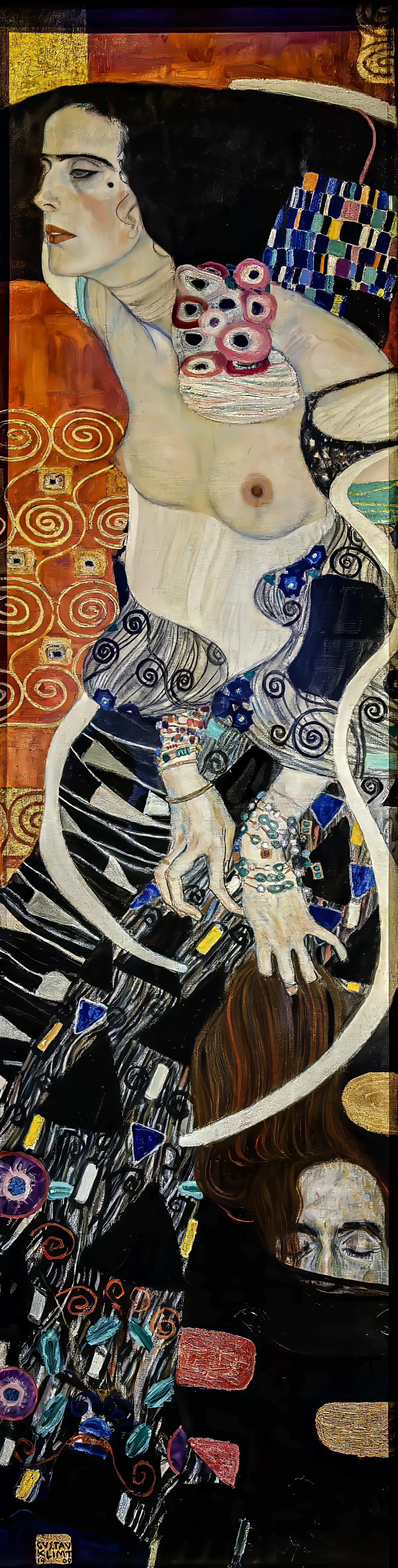
The brilliance of "Judith II" lies in Klimt’s expert use of oil on canvas, a medium that allows for rich textures and luminous color palettes. As a leading figure of the Vienna Secession, Klimt infused the painting with intricate patterns and expressive brushwork. Enthusiasts of his technique may also appreciate works like "Nuda Veritas" and "Litzlberg on the Attersee," each demonstrating the mastery and innovation that define Klimt’s celebrated oeuvre.
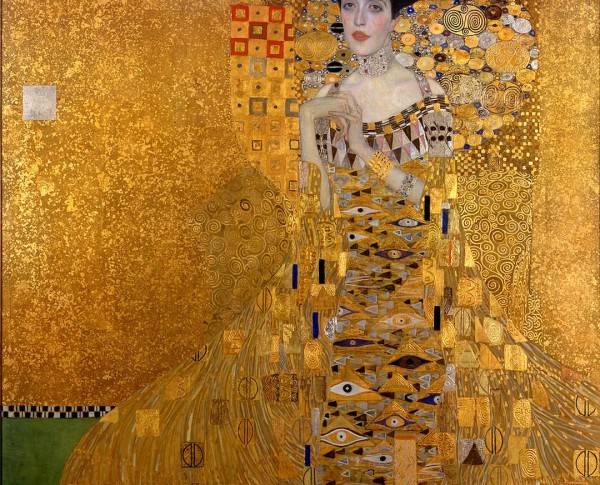
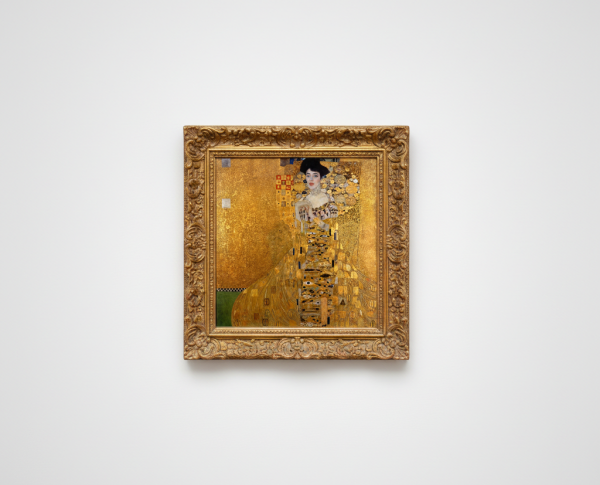
"Judith II" is more than a fine art painting for sale; it is a narrative woven with symbolism and emotion. Klimt’s depiction of Judith, a biblical heroine, reflects themes of power, seduction, and liberation, hallmarks of the Vienna Secession movement. This masterpiece resonates alongside other symbolic works such as "Portrait Of Adele Bloch Bauer I" and "Hope," each inviting viewers to explore deeper layers of meaning through Klimt’s visionary artistry.
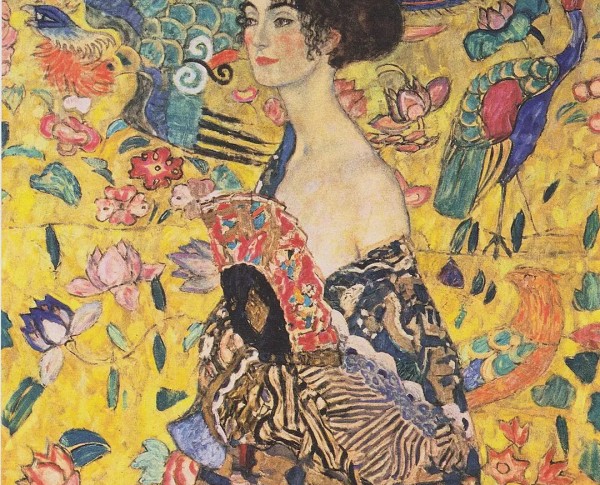
For collectors seeking a hand-painted oil painting that embodies both history and beauty, Klimt’s "Judith II" is a prized acquisition. Its place within the Vienna Secession movement and connection to related products like "Danaë" and "Lady With Fan" make it highly desirable. Owning such a piece means holding a fragment of art history, as each brushstroke reflects Klimt's genius and the enduring legacy of his unforgettable fine art paintings.
When Art Meets History
"Judith II" by Gustav Klimt stands as a testament to the Vienna Secession movement, capturing a pivotal moment where art and history intertwine. This evocative hand-painted oil painting reimagines the biblical figure of Judith, blending sensuality with strength. Klimt's innovative approach situates "Judith II" alongside other masterpieces of the era, reflecting his fascination with powerful female icons. The painting’s historical context and unique interpretation make it a celebrated highlight in fine art collections worldwide.
Techniques That Speak
Gustav Klimt’s "Judith II" showcases his extraordinary mastery of oil on canvas, a hallmark of the Vienna Secession movement. Klimt employs rich gold tones, intricate patterns, and expressive brushwork to create a mesmerizing effect. His signature use of ornamental detailing and bold contrasts distinguishes this painting from traditional portraits. The technical brilliance of "Judith II" continues to inspire artists and collectors, reinforcing its status as a quintessential example of Klimt’s innovative artistry.
Emotions on Display
"Judith II" radiates a complex interplay of emotions, from seduction to defiance, reflecting Gustav Klimt’s fascination with psychological depth. The Vienna Secession movement encouraged artists like Klimt to explore the inner lives of their subjects, and this fine art painting for sale exemplifies that ethos. Through Judith’s intense gaze and dramatic composition, Klimt invites viewers to contemplate themes of power, femininity, and vulnerability, making the artwork resonate across generations.
Coveted by Collectors
As one of Gustav Klimt’s most renowned works, "Judith II" is highly sought-after by collectors and enthusiasts of the Vienna Secession movement. The painting’s status as a prized hand-painted oil painting has ensured its place in prestigious galleries and private collections. Its enduring allure, combined with Klimt’s signature style, makes "Judith II" a fine art painting for sale that continues to captivate admirers and command attention in the art market.
Frequently Asked Questions About Judith II
What is the historical context of Gustav Klimt's "Judith II"?
"Judith II," painted in 1909, reflects the cultural and artistic movements of early 20th-century Vienna, a time marked by the rise of modernism and the exploration of themes related to sexuality, femininity, and power.
What inspired Gustav Klimt to create "Judith II"?
Klimt was inspired by the biblical story of Judith, who beheaded the Assyrian general Holofernes. This narrative symbolizes female empowerment and the subversion of male authority, themes that resonated with Klimt's exploration of femininity.
What artistic techniques are prominent in "Judith II"?
Klimt employs a distinctive use of gold leaf, intricate patterns, and decorative motifs, characteristic of his "Golden Phase." The painting's composition combines realism with ornamental abstraction, creating a striking visual impact.
How does "Judith II" reflect Klimt's style?
The painting exemplifies Klimt's Symbolist style, characterized by its sensuality, ornamental detail, and psychological depth. The bold colors and elaborate patterns enhance the emotional intensity of the subject matter.
What is the significance of the figure of Judith in the painting?
Judith represents a powerful archetype of female strength and cunning. In "Judith II," her confident pose and direct gaze challenge traditional gender roles, making her a symbol of female empowerment and autonomy.
What role does color play in "Judith II"?
Klimt's use of color in "Judith II" enhances the emotional and symbolic layers of the work. The rich golds and deep reds evoke a sense of opulence, while contrasting tones emphasize Judith's strength and allure.
How does "Judith II" compare to Klimt's other works?
What symbolism is present in "Judith II"?
The painting is rich in symbolism, with Judith's beheading of Holofernes representing the triumph of good over evil, as well as the complexities of female power and sexuality, challenging societal norms of the time.
What was the public's reaction to "Judith II" upon its release?
Upon its unveiling, "Judith II" elicited mixed reactions, with some praising its boldness and innovation, while others criticized its provocative themes. Over time, it has come to be celebrated as a landmark of modern art.
Where is "Judith II" currently housed?
"Judith II" is part of the collection at the Leopold Museum in Vienna, Austria, where it continues to be a focal point for discussions on Klimt's impact on art and the representation of women in art history.

















_GFM_Painting_(1).webp)


 100% Hand-Painted: Finished in 3-6 Weeks

.png)















_(1).webp)