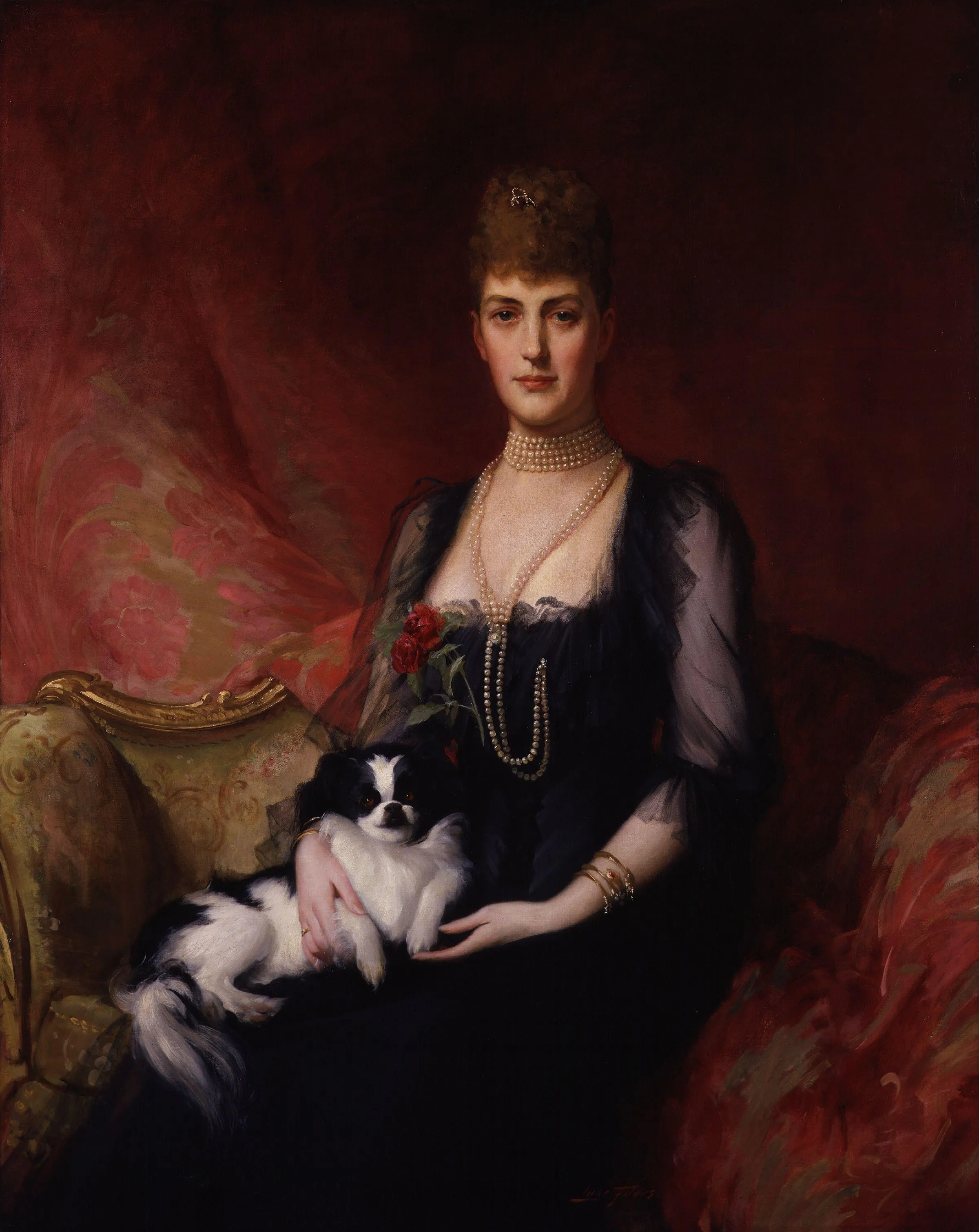
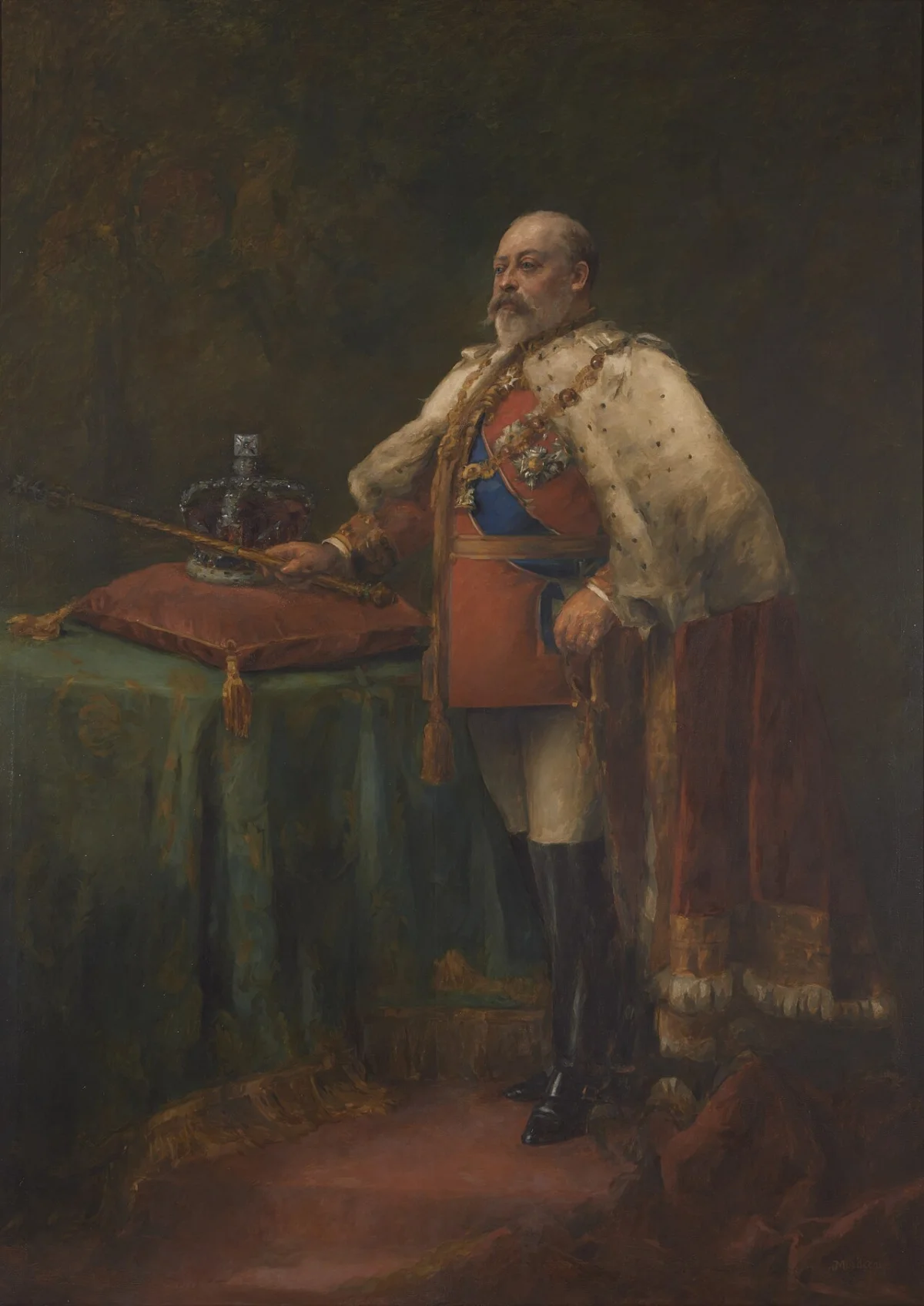
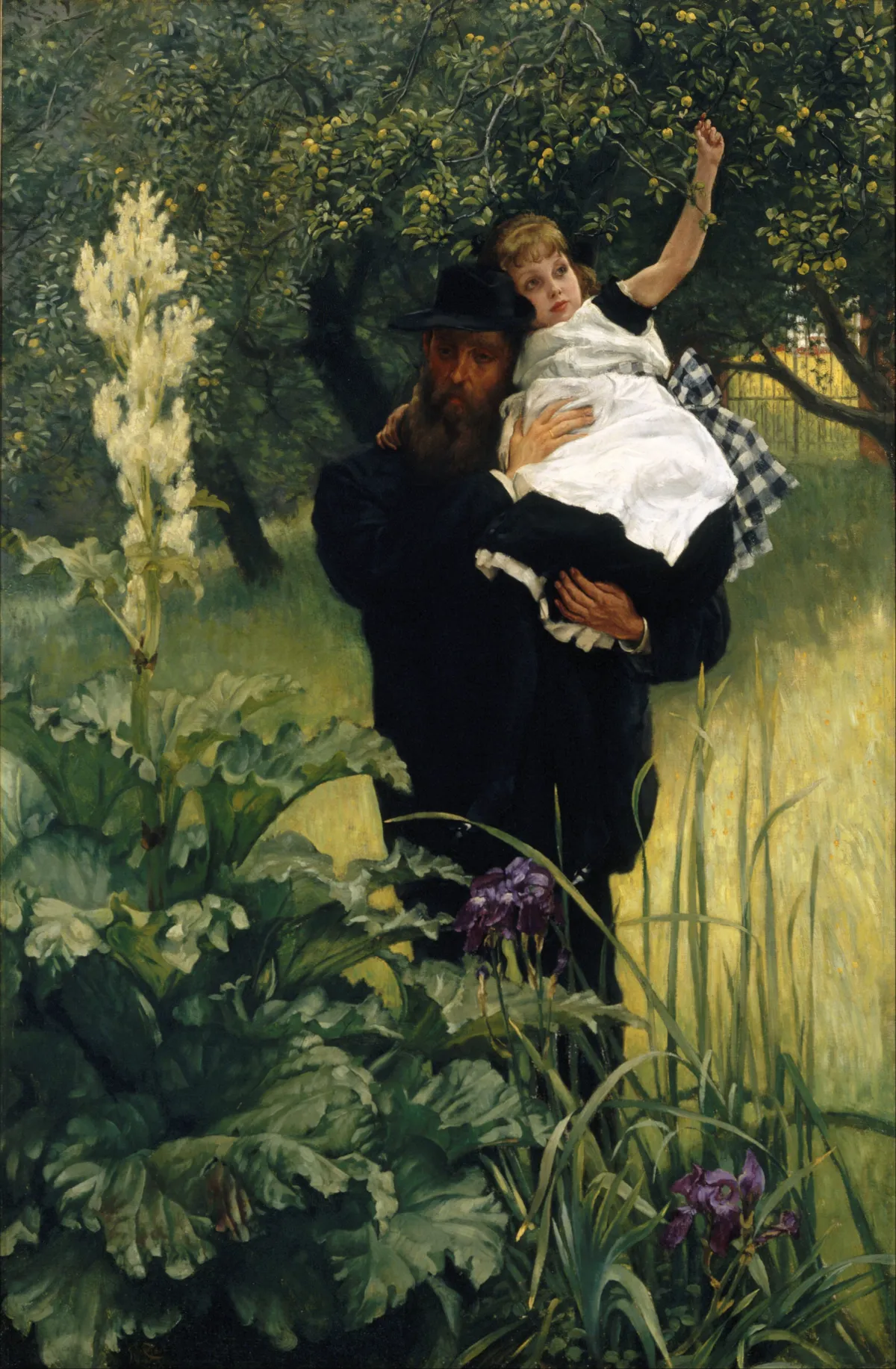
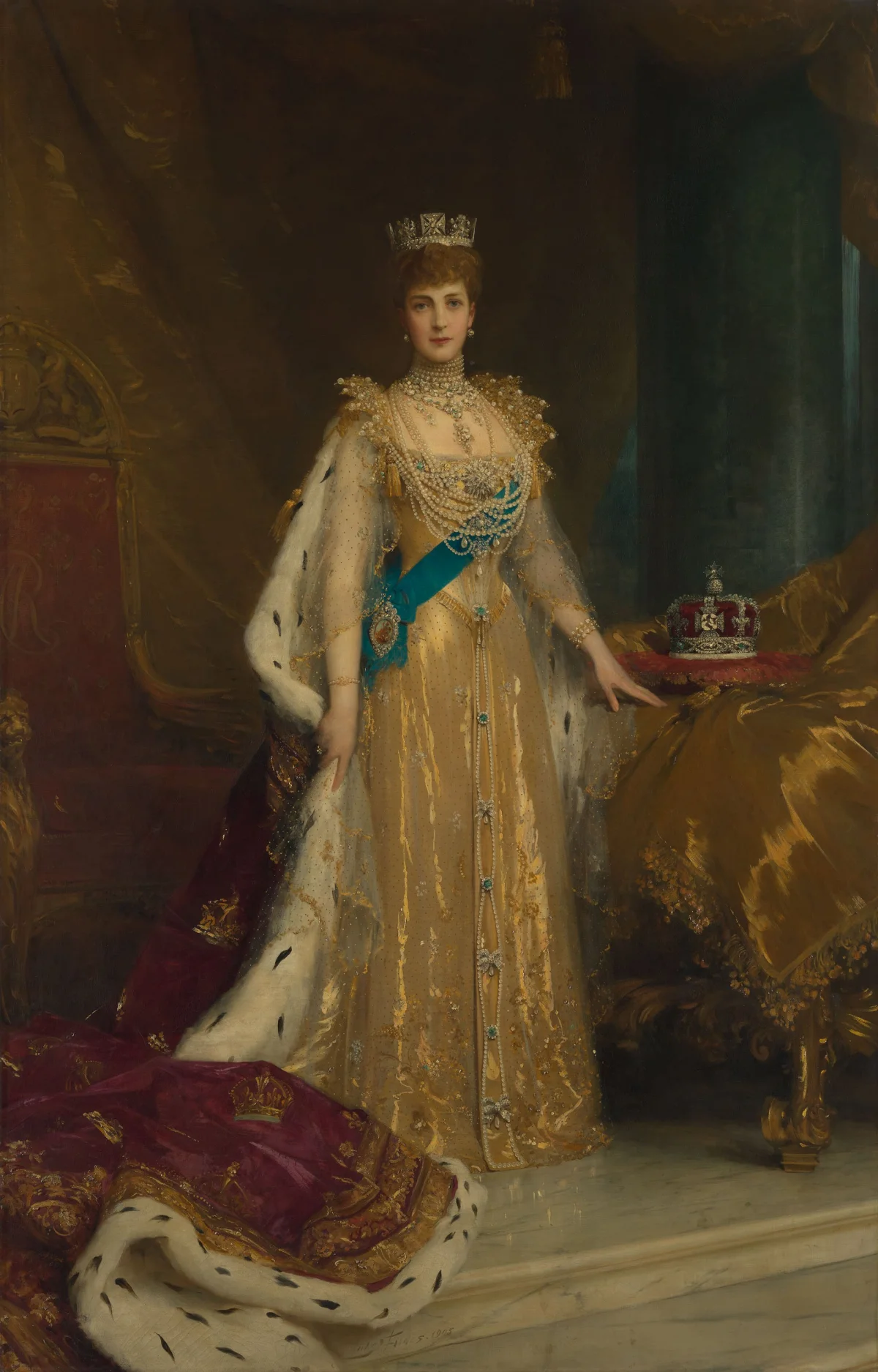
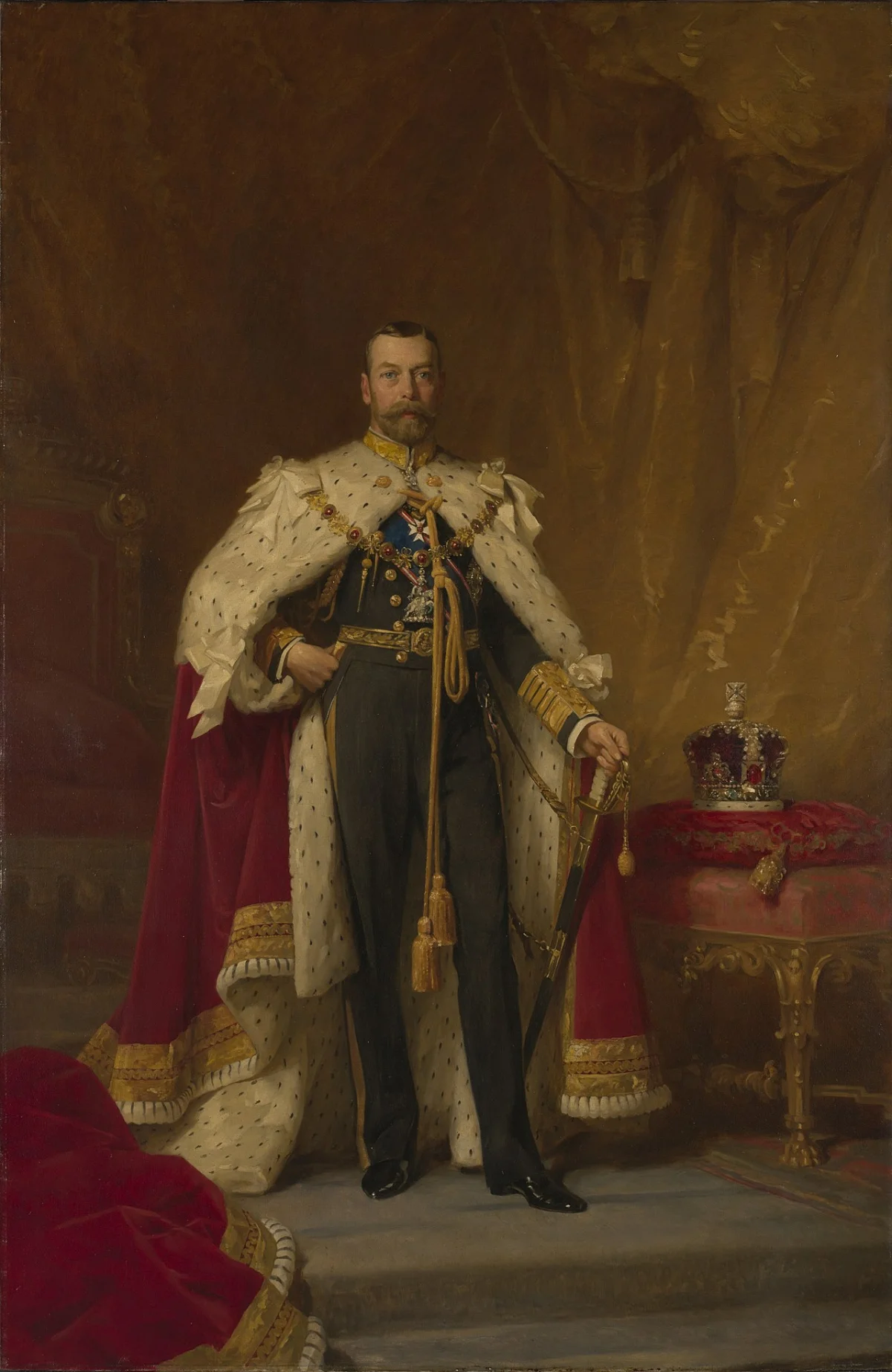
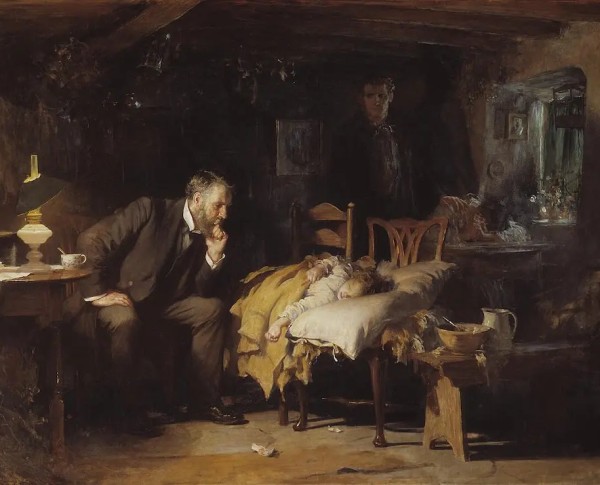
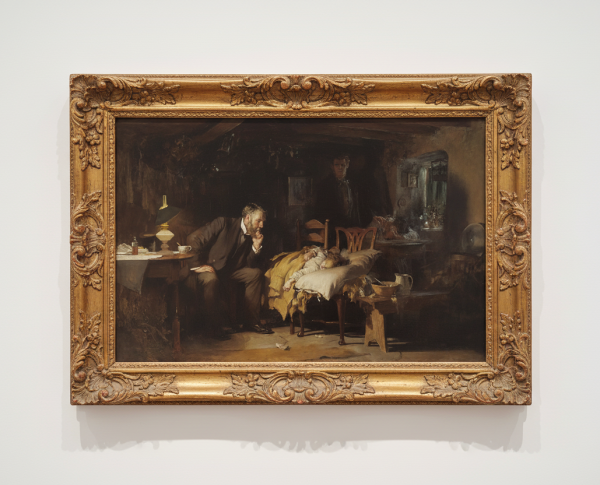
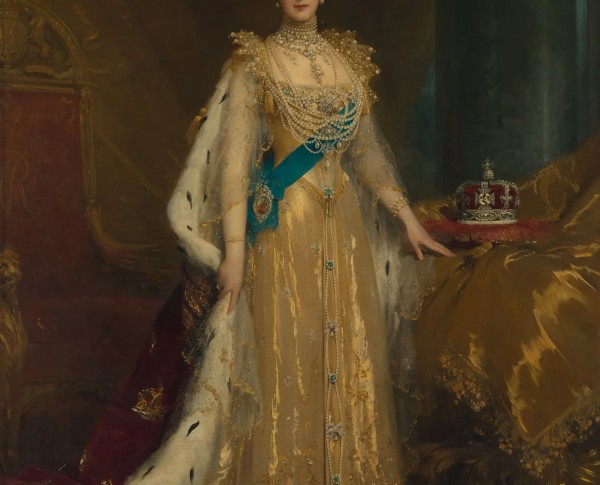
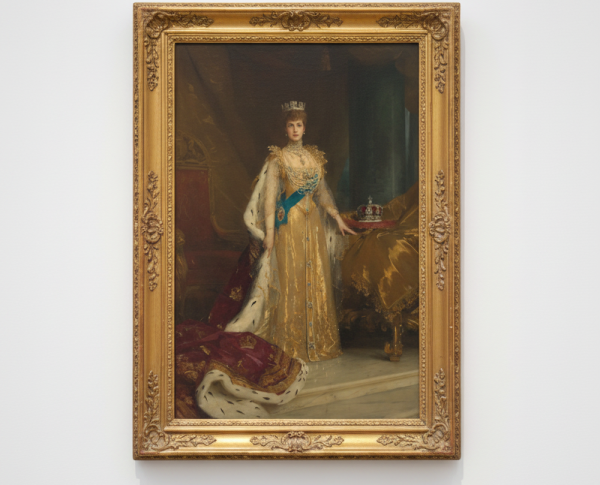
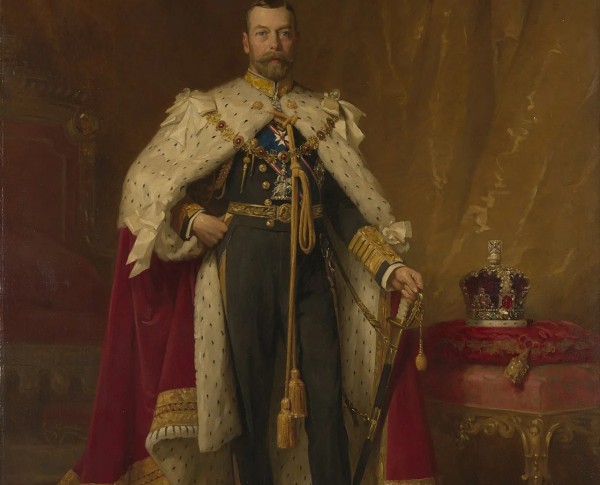
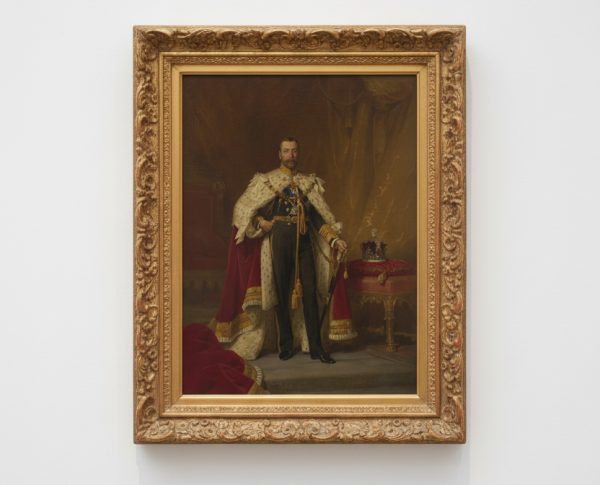
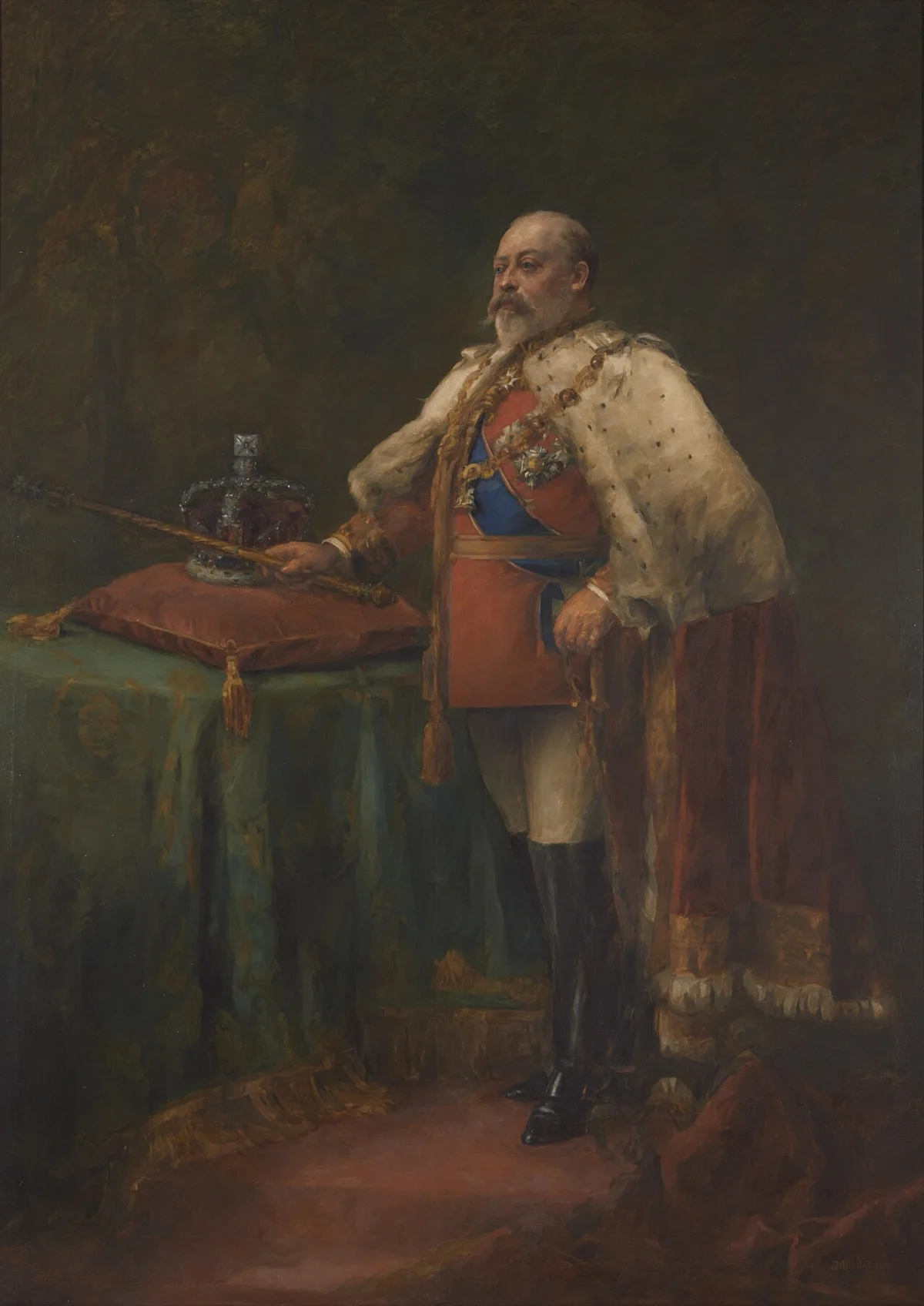
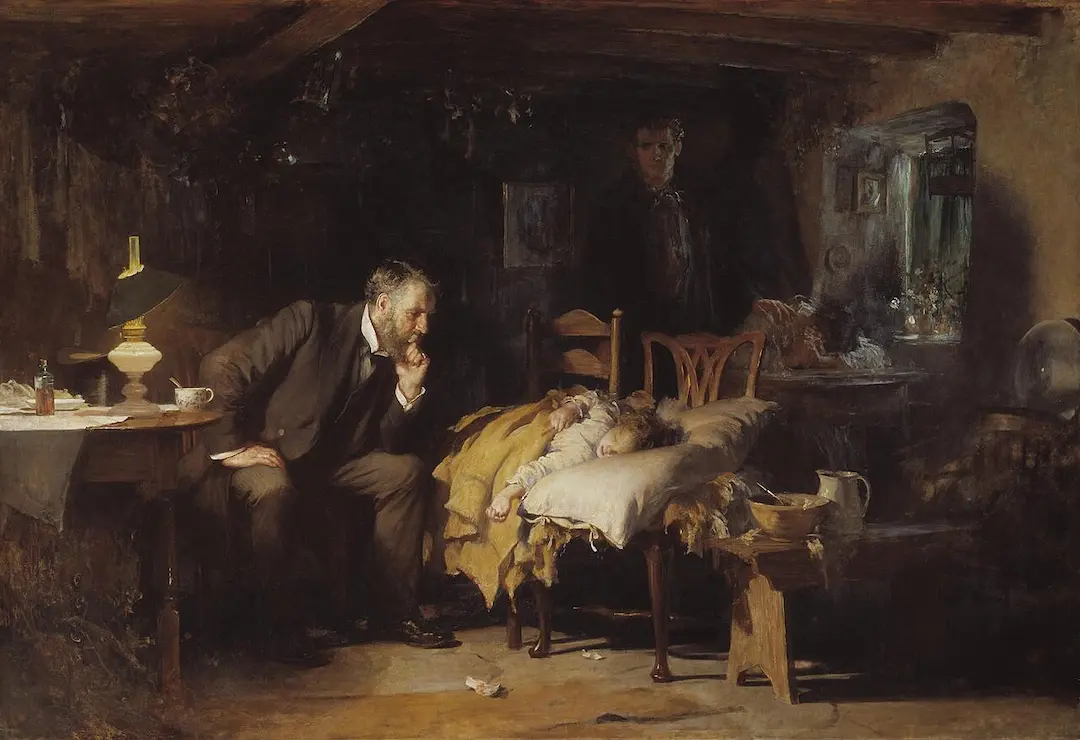
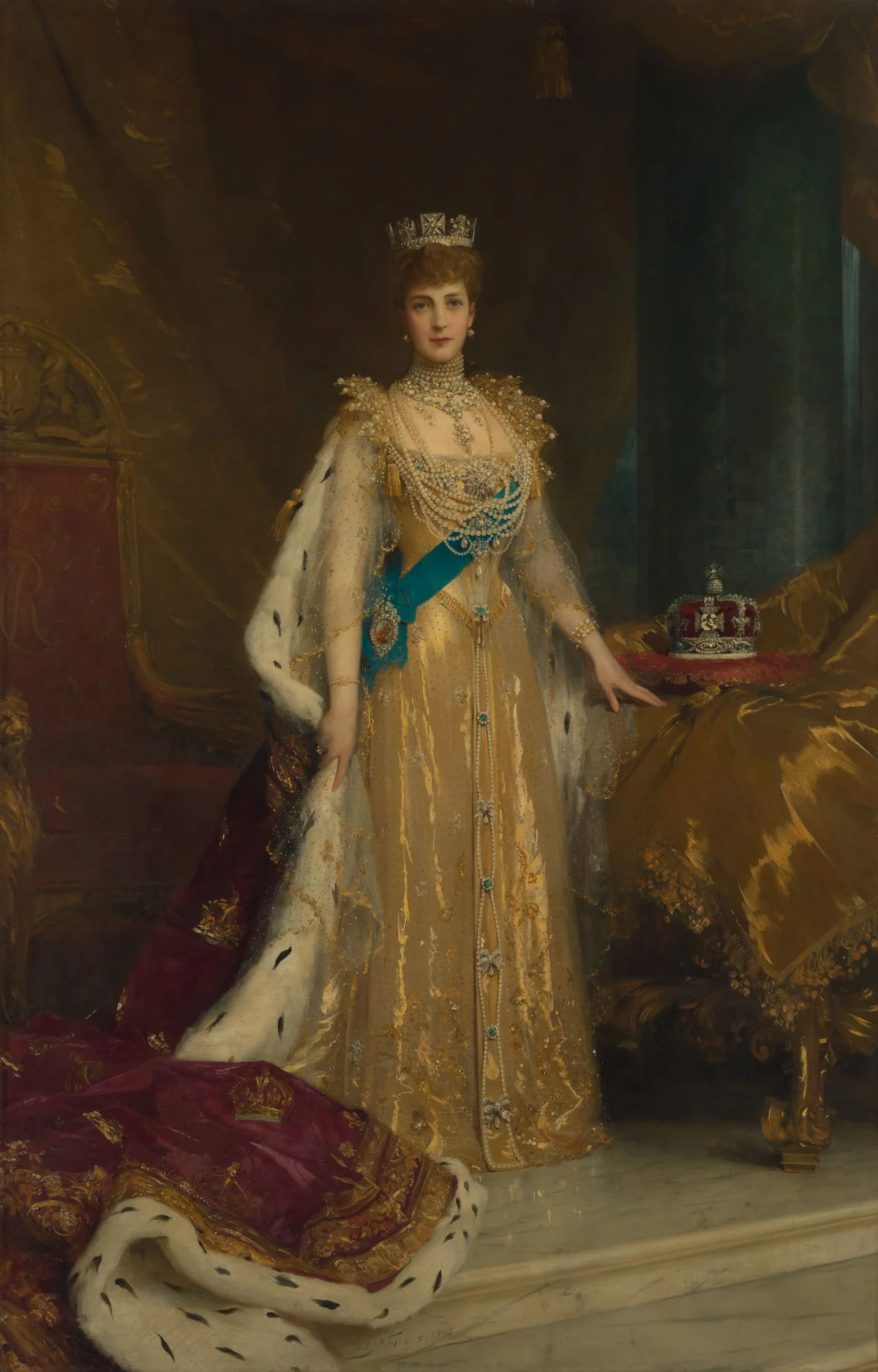
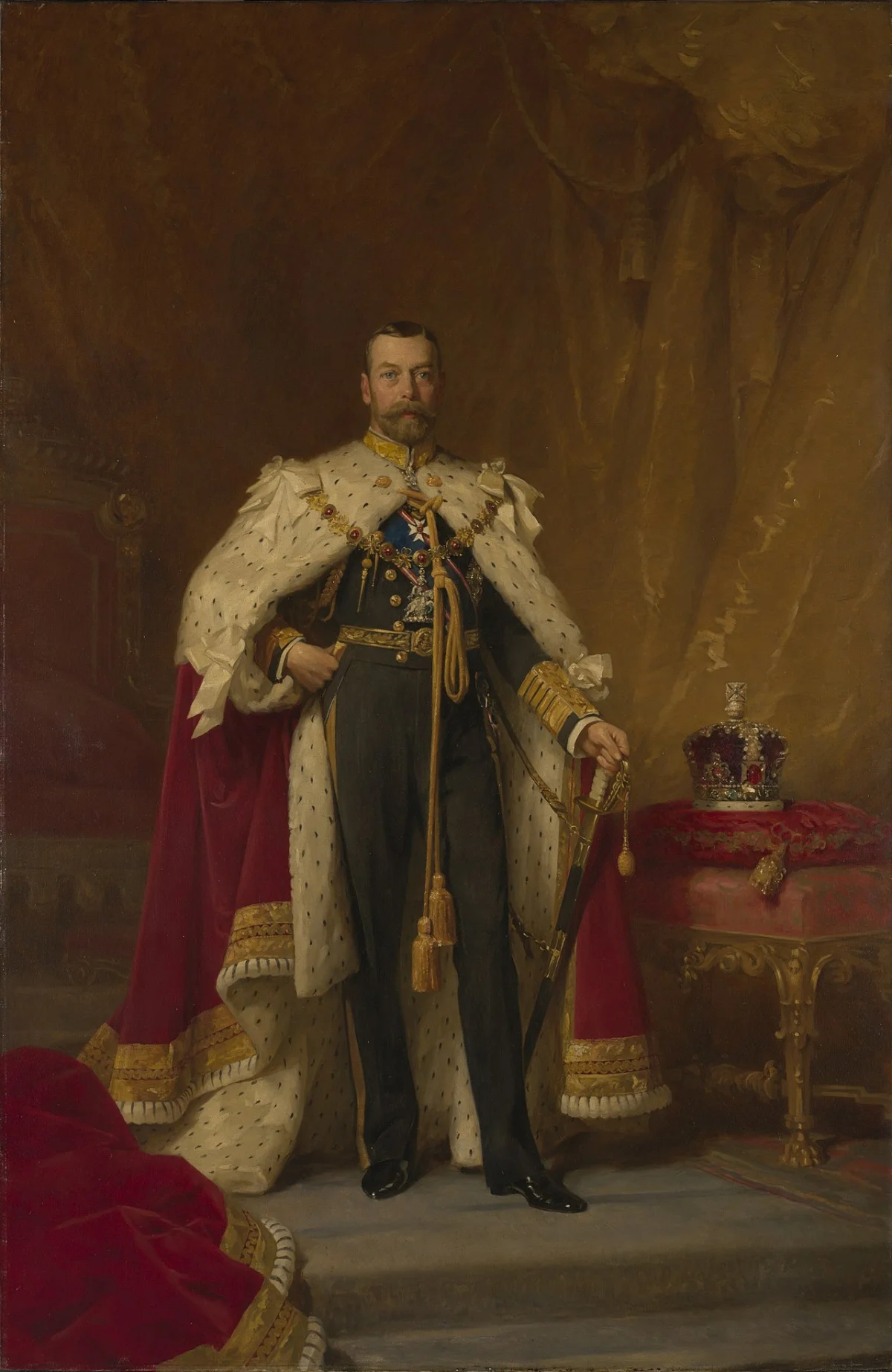
Fildes’ attention to detail and nuanced brushwork are evident in this oil on canvas, where every texture and expression is rendered with precision. The Social Realism movement’s ideals are reflected in his portrayal of King Edward VII, emphasizing both stature and humanity. Admirers of this piece often explore similar works, including "The Doctor" and portraits of Queen Alexandra and King George V, appreciating the authentic artistry that defines Fildes’ legacy.
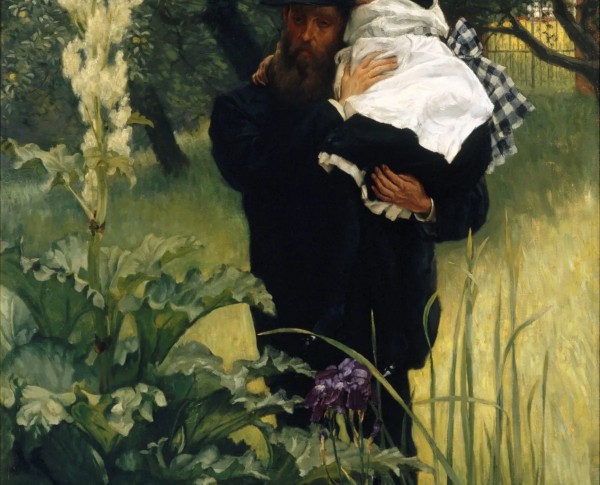
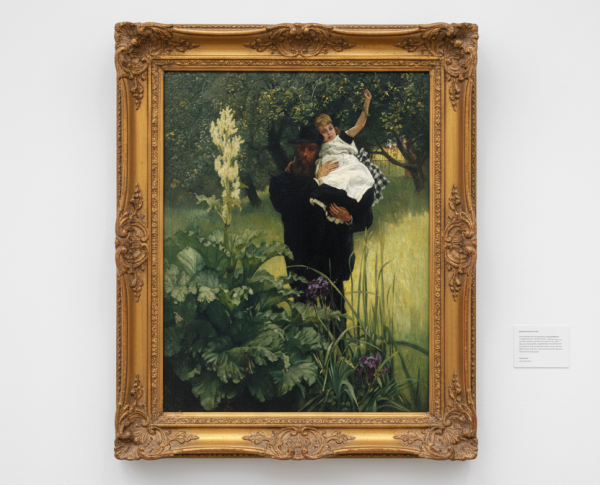
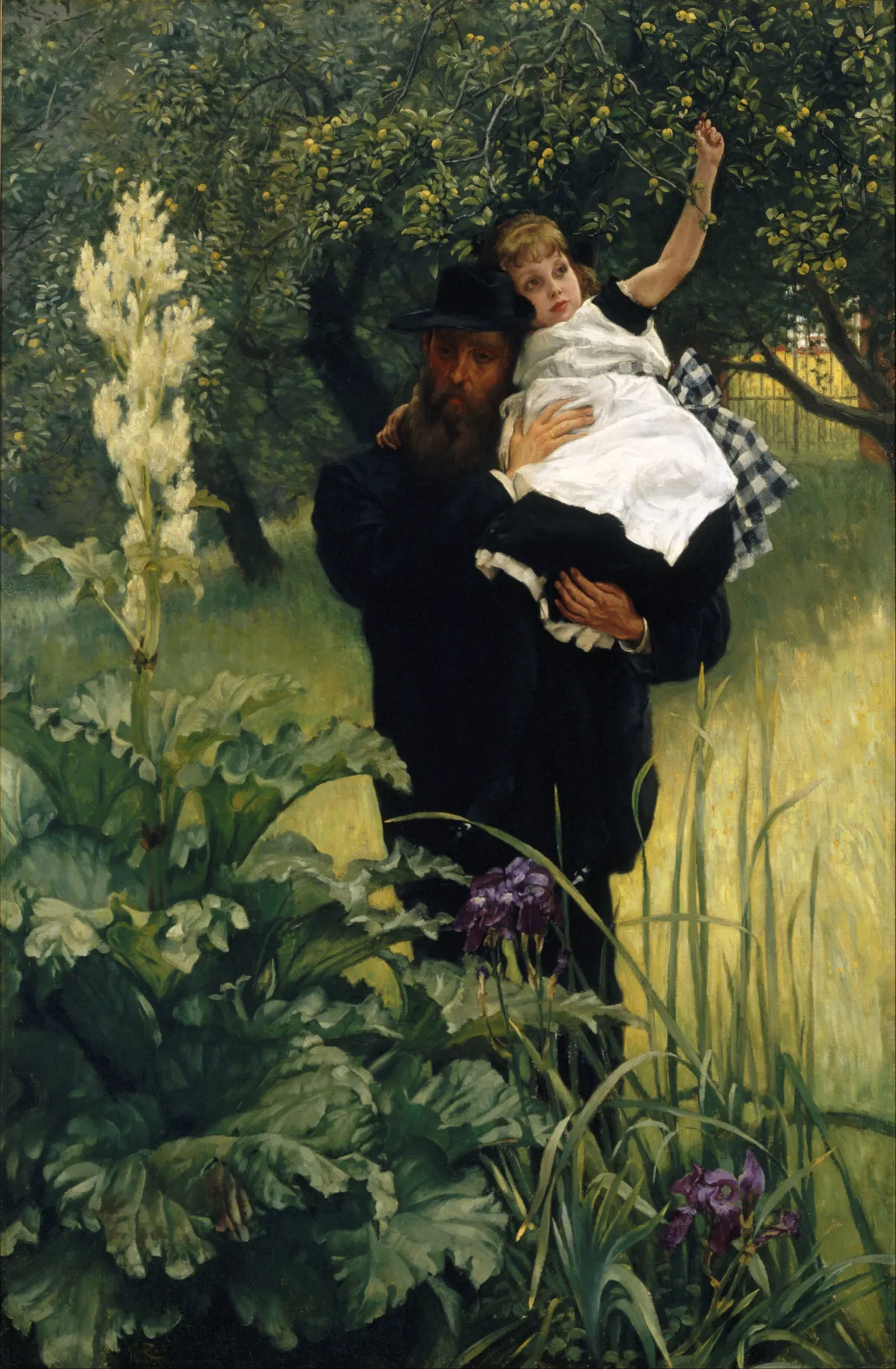
Within this fine art painting for sale, Fildes conveys not just the likeness of King Edward VII but also the social and political context of his reign. The Social Realism movement shines through in the subtle symbolism woven into the composition. Collectors are drawn to the narrative depth found in Fildes’ works, with related masterpieces like "The widower" and "Queen Alexandra (1844-1925)" further enriching their collections and appreciation of this era.
"King Edward VII (1841-1910)" by Samuel Luke Fildes remains a sought-after hand-painted oil painting among art collectors who value the Social Realism movement. This portrait, along with related products such as "The Doctor" and "King George V (1865-1936)," represents a distinguished addition to any fine art collection. Its historical significance and artistic mastery ensure that it remains a prized treasure for those passionate about royal portraiture and Fildes’ enduring influence.
When Art Meets History
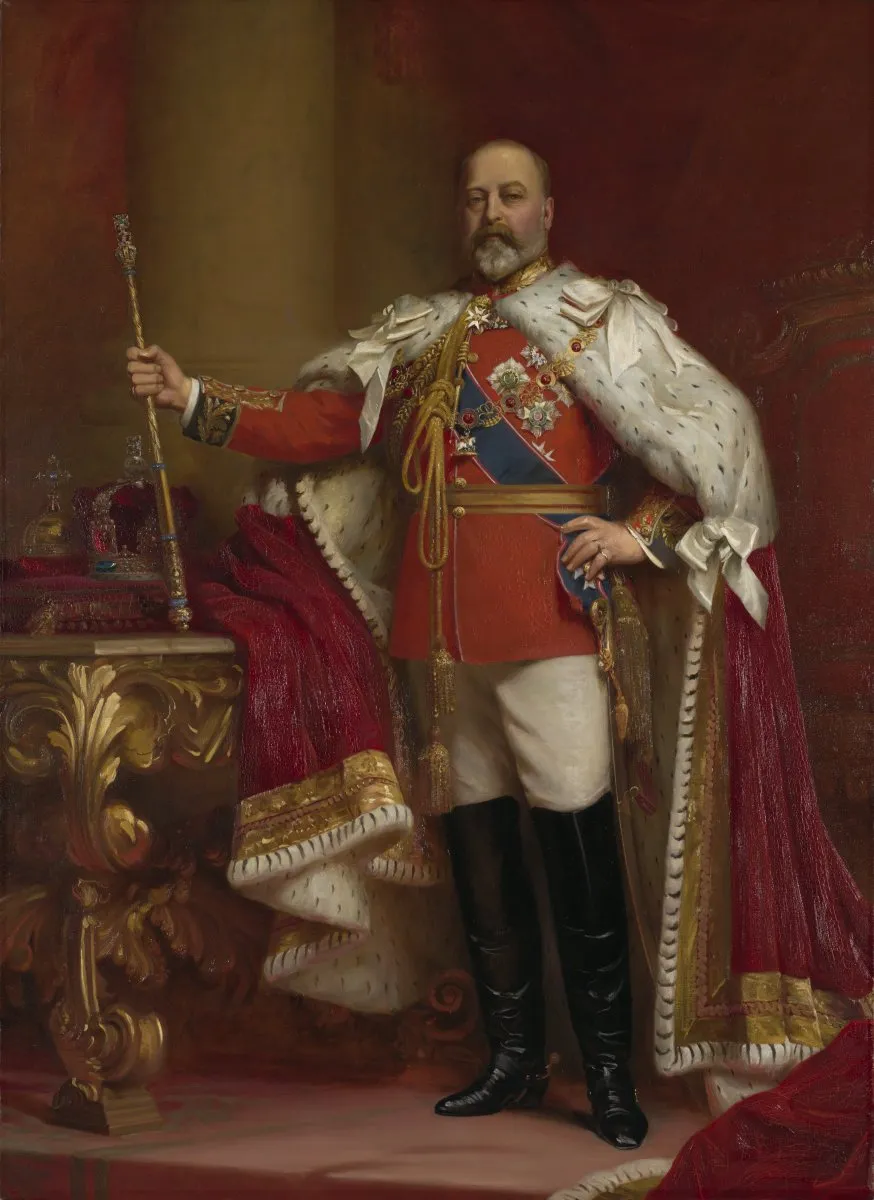
Samuel Luke Fildes' "King Edward VII (1841-1910)" captures a pivotal moment in British history through the lens of the Social Realism movement. Fildes, renowned for his hand-painted oil paintings, immortalizes the monarch with a blend of dignity and approachability. This artwork not only documents a royal figure but also reflects the era's social dynamics. Like other Social Realism masterpieces, it stands as a testament to art's power to preserve historical narratives.
Techniques That Speak
Fildes demonstrates his mastery of oil on canvas in "King Edward VII (1841-1910)", employing rich textures and subtle gradations of color to bring the subject to life. His brushwork emphasizes both the finery of royal attire and the humanity of the king. The careful play of light and shadow is reminiscent of other Social Realism works, showcasing the artist’s technical prowess. Such oil on canvas pieces remain highly regarded for their depth and realism.
Emotions on Display
In this fine art painting for sale, Samuel Luke Fildes goes beyond mere representation to evoke the inner world of King Edward VII. The monarch’s gaze and posture reveal a blend of authority and introspection, hallmarks of Fildes’ empathetic approach to portraiture. Social Realism’s influence is evident in the emotional authenticity the artist achieves, making this work resonate with viewers much like Fildes’ other celebrated paintings.
Coveted by Collectors
"King Edward VII (1841-1910)" by Samuel Luke Fildes is a sought-after hand-painted oil painting among collectors who appreciate Social Realism and royal portraiture. Fildes’ distinctive style and historical subjects ensure the lasting value of his works. This painting, alongside other masterpieces by the artist, is frequently highlighted in fine art auctions, reflecting its enduring appeal and the high demand for such significant pieces in the art market.
Frequently Asked Questions About King Edward VII (1841-1910)
What is the historical significance of the painting "King Edward VII"?
The painting captures the likeness of King Edward VII, who was the first British monarch of the House of Saxe-Coburg and Gotha. His reign marked a period of significant change in British society and the monarchy, transitioning into the modern era.
Who is the artist behind "King Edward VII"?
The painting was created by Samuel Luke Fildes, a prominent British painter known for his portraits and genre scenes, which often reflect social themes and the human condition.
What artistic techniques did Fildes use in this painting?
Fildes employed a realistic style characterized by detailed brushwork and a keen observation of light and shadow, which enhances the three-dimensionality of the king's figure and the richness of the textures in his attire.
What does the attire of King Edward VII symbolize in the painting?
The king's attire, which includes regal robes and insignia, symbolizes his royal status and authority. The opulence of his clothing reflects the wealth and power of the British monarchy during the early 20th century.
How does the composition of the painting contribute to its impact?
The composition is carefully arranged, with King Edward VII positioned centrally, drawing the viewer's focus. The use of a dark background contrasts with the lighter tones of the king's attire, emphasizing his figure and creating a sense of prominence.
What emotions does the painting evoke in viewers?
The painting evokes a sense of dignity and gravitas, reflecting the king's status as a leader. The calm expression on his face may also convey a sense of confidence and stability during a time of political change.
In what context was "King Edward VII" created?
The painting was created during a time of transition in Britain, as the country was experiencing both social reform and imperial expansion. This context adds layers of meaning to the portrayal of the king as a figure of continuity amidst change.
What influences can be seen in Fildes' style in this painting?
Fildes was influenced by the Pre-Raphaelite movement and the realism of the 19th century. His attention to detail and emotional depth in portraiture reflects these artistic movements, aiming to capture the essence of his subjects.
How does this painting compare to other royal portraits of the time?
Compared to other royal portraits, Fildes' work stands out for its psychological depth and realism. While many royal portraits of the era emphasize idealization, Fildes presents a more relatable and humanized depiction of the monarch.
What legacy did King Edward VII leave, as reflected in this painting?
King Edward VII's legacy includes the modernization of the British monarchy and his role in fostering relationships with other nations. The painting encapsulates his image as a figure who bridged the Victorian era and the modern age, influencing future generations of the royal family.






















_GFM_Painting_(1).webp)


 100% Hand-Painted: Finished in 3-6 Weeks

.png)















_(1).webp)