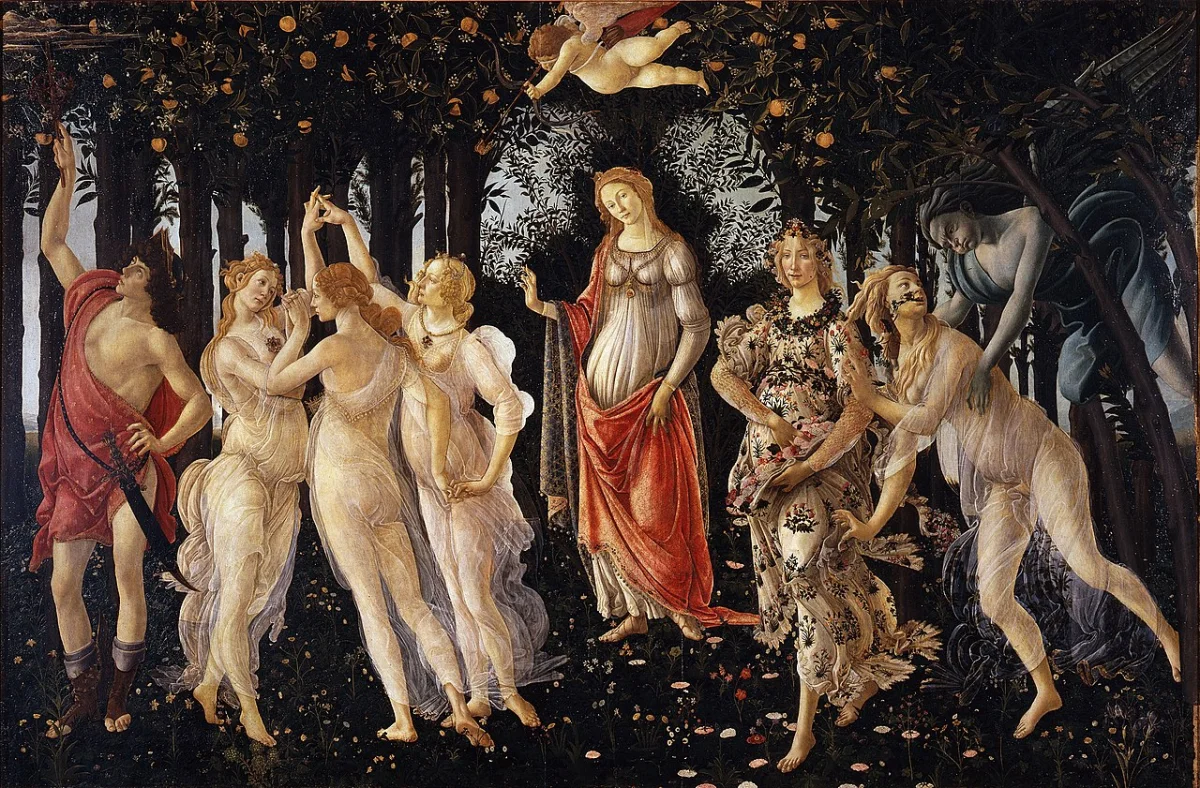
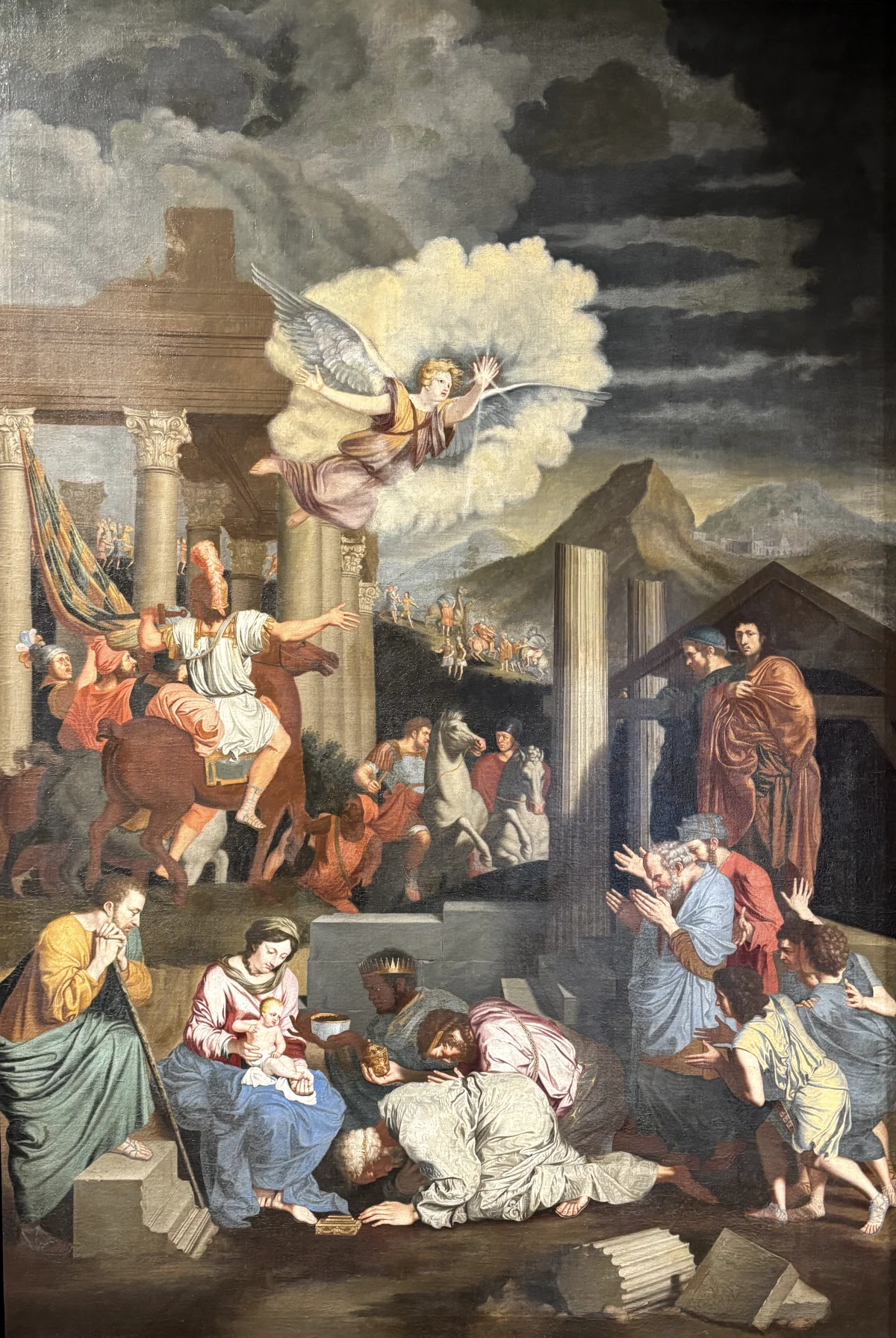
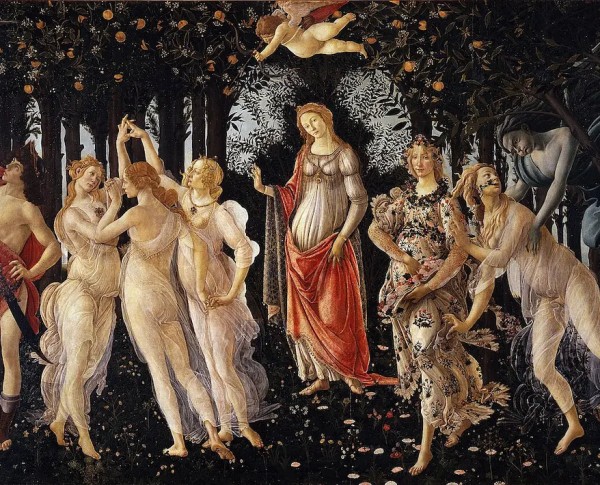
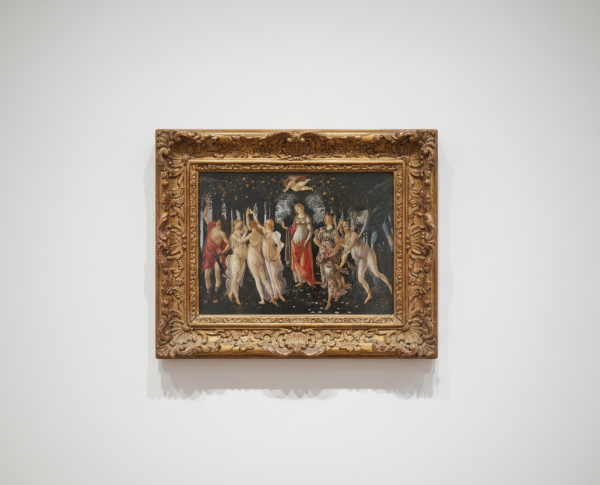
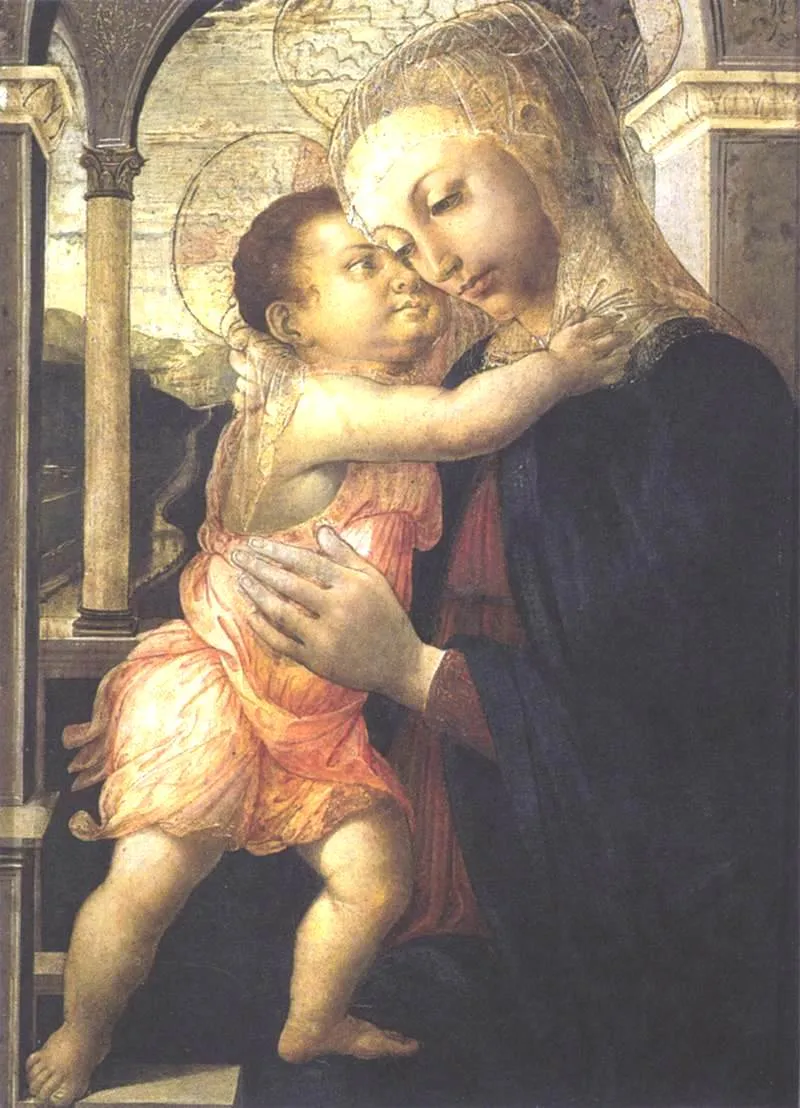
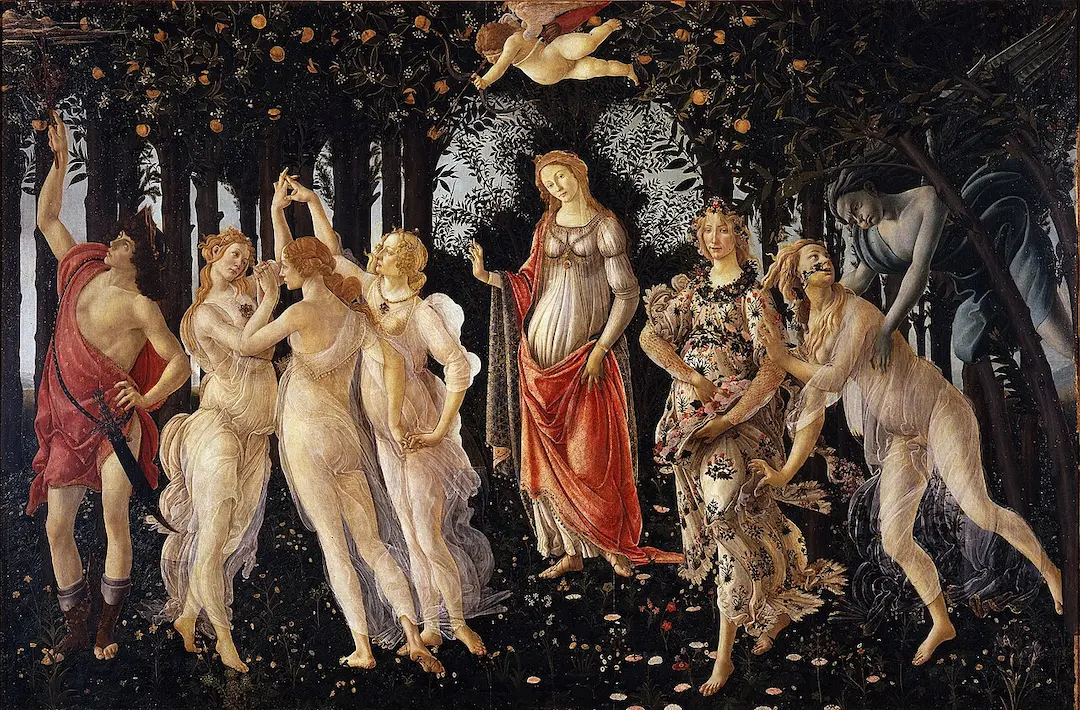
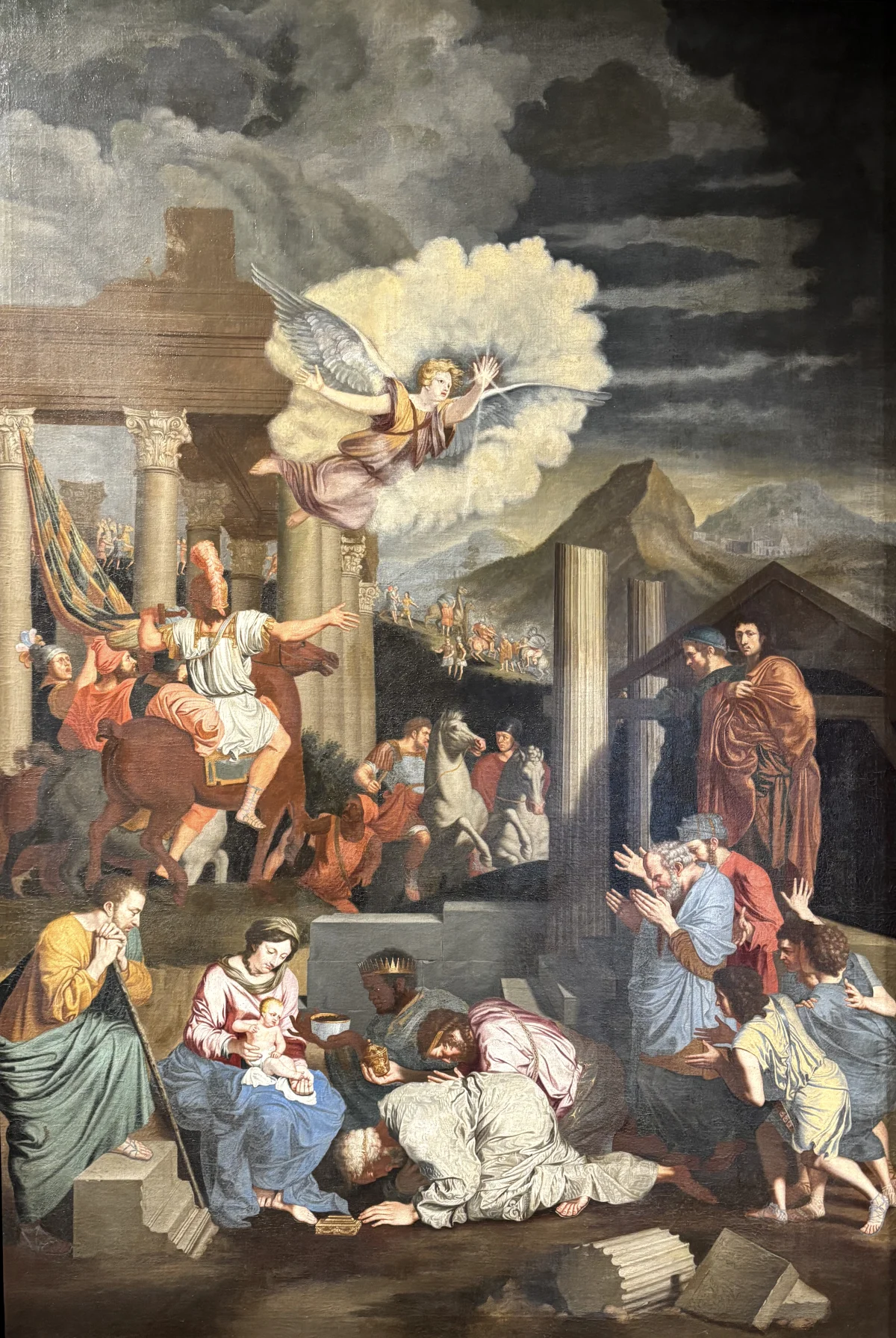
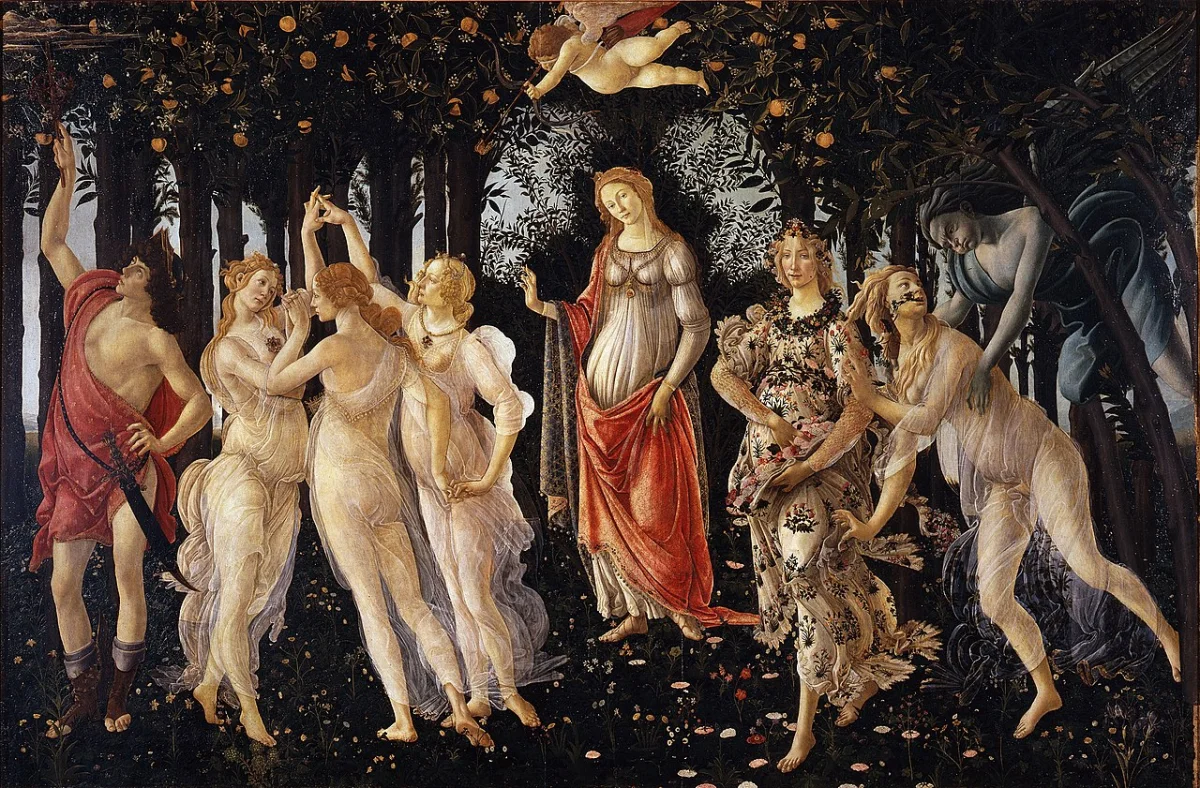
"Madonna and Child" by Alessandro Filipepi, famously known as Sandro Botticelli, is a timeless masterpiece from the Early Renaissance movement. This hand-painted oil painting exemplifies Botticelli’s devotion to religious themes and his unique artistic voice. As with other celebrated works like "Adoration of the Magi" and "Primavera," Botticelli’s "Madonna and Child" continues to inspire collectors and art lovers, ensuring its lasting legacy among the world’s most revered fine art paintings for sale.
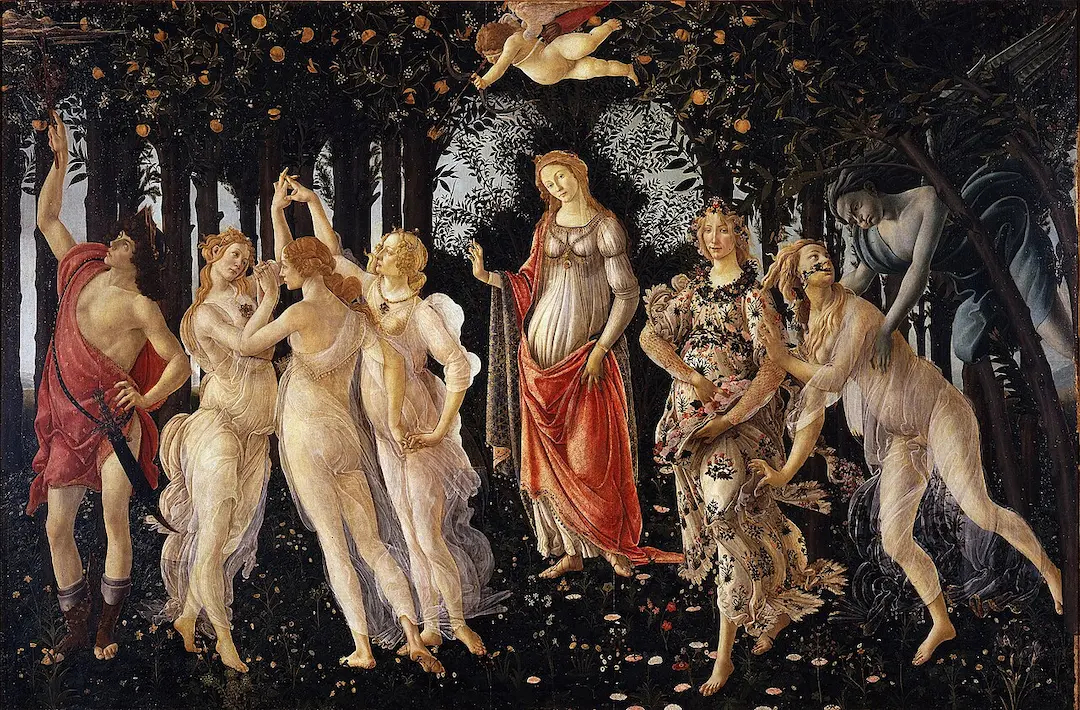
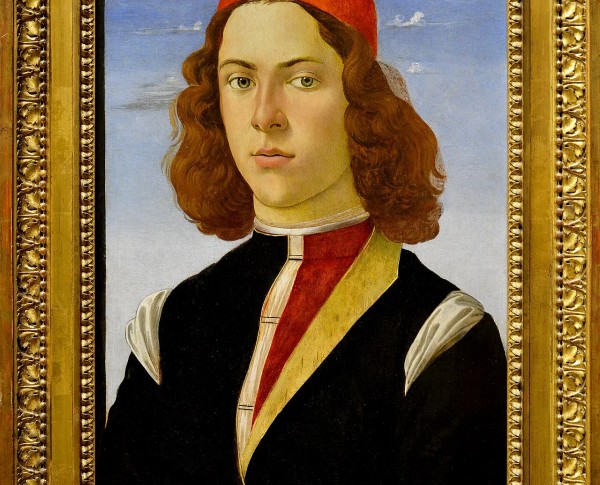
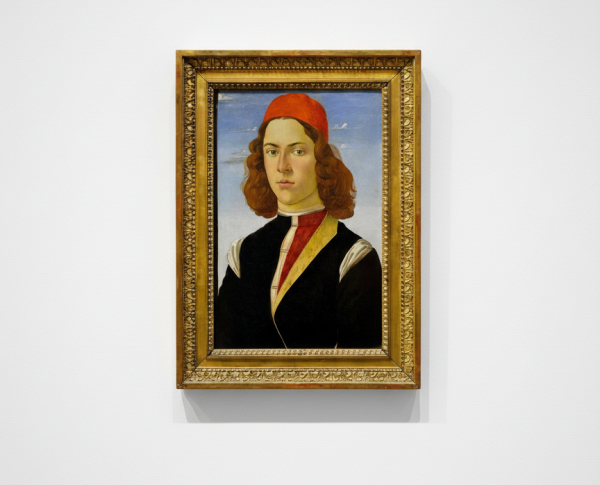
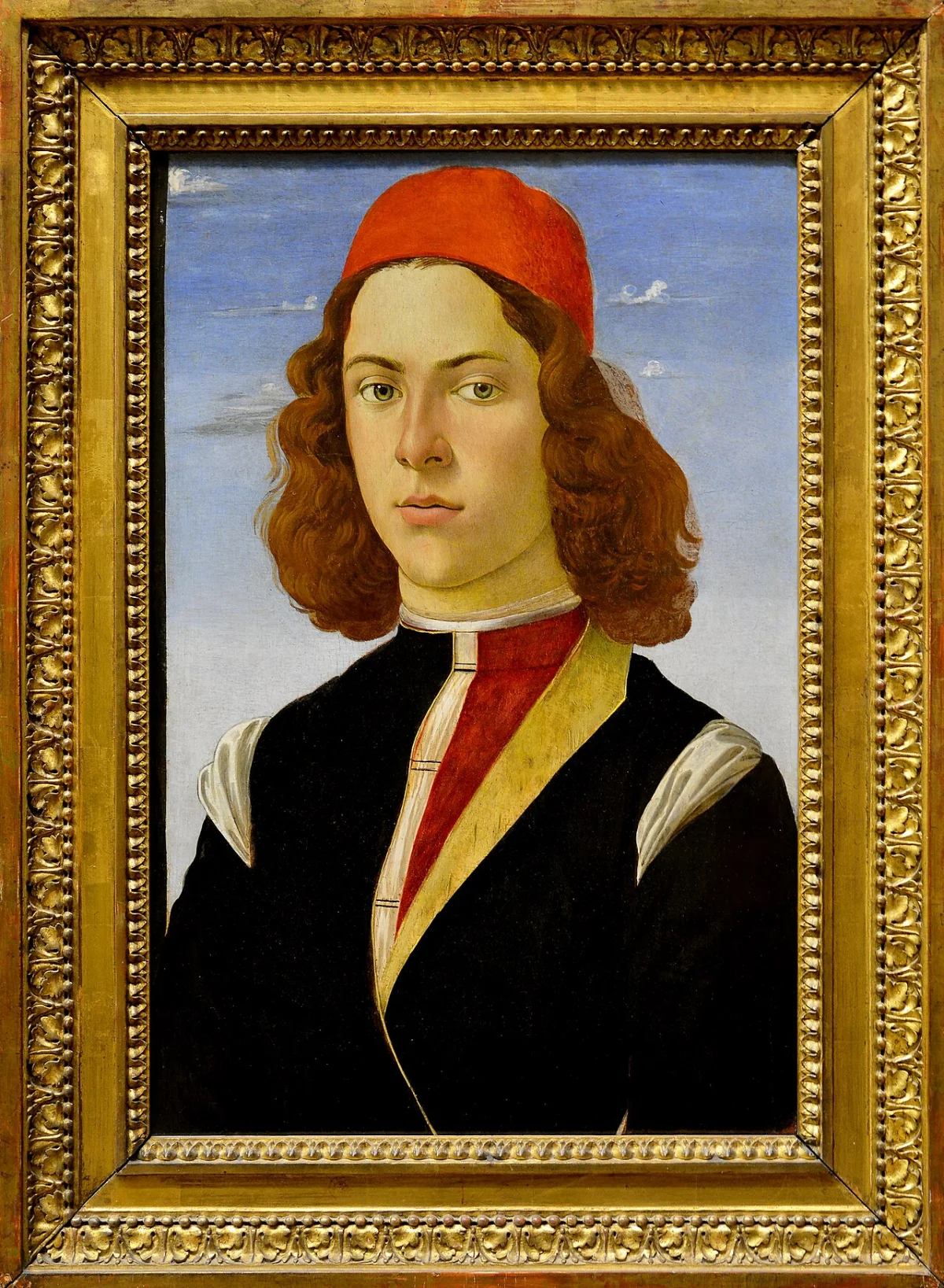
Sandro Botticelli’s "Madonna and Child" showcases remarkable technique and attention to detail, typical of Early Renaissance oil on canvas works. The artist’s delicate brushwork and use of vibrant yet harmonious colors bring depth and emotion to the sacred figures. Botticelli’s mastery is equally evident in related masterpieces such as "Birth of Venus (La Nascita di Venere)" and "Portrait of a Young Man," demonstrating his enduring influence on the world of hand-painted oil paintings.
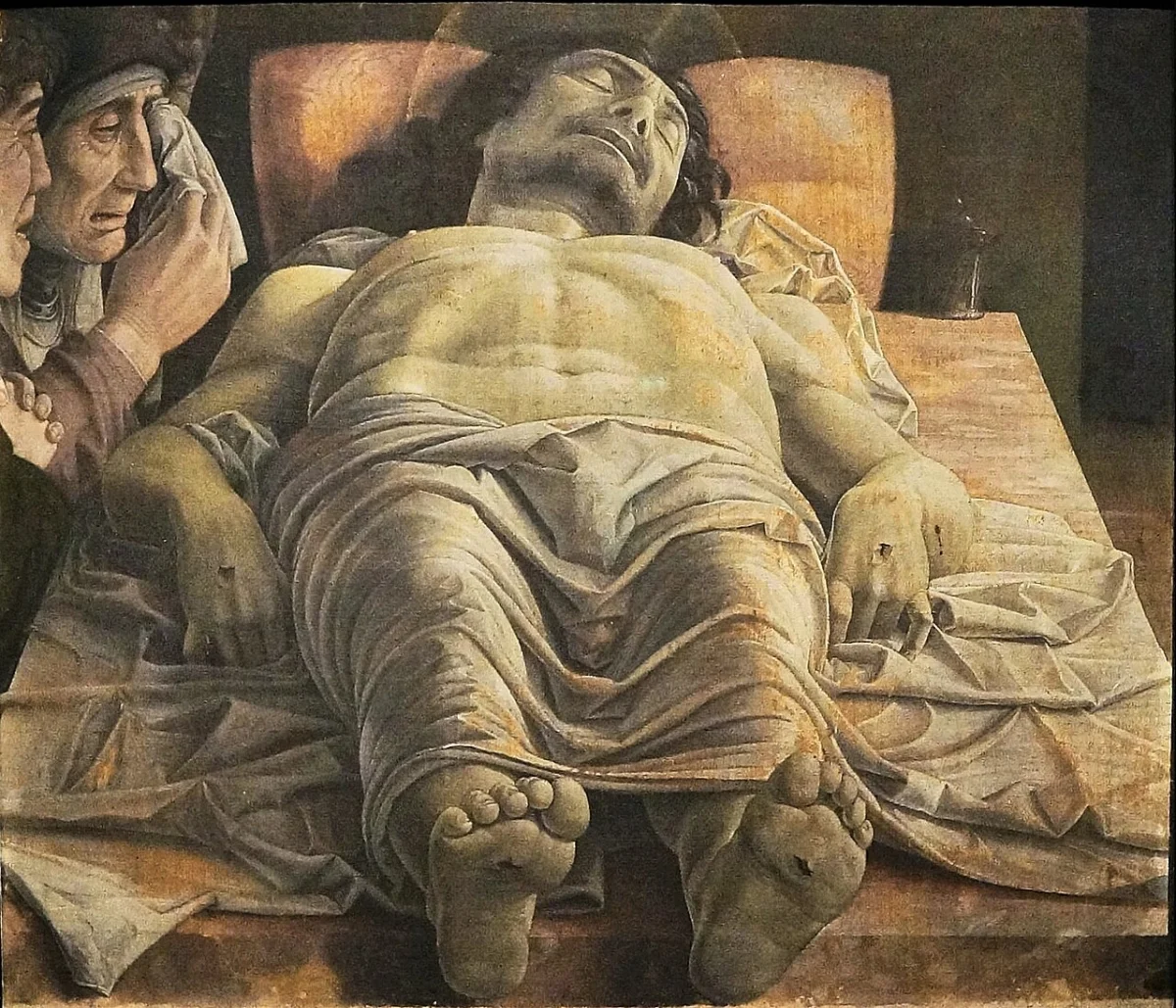
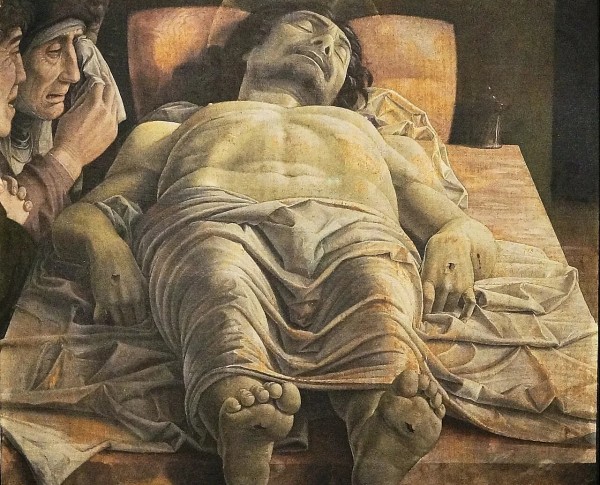
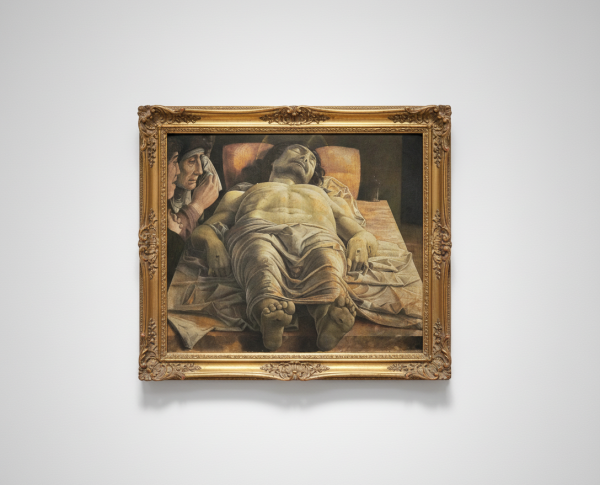
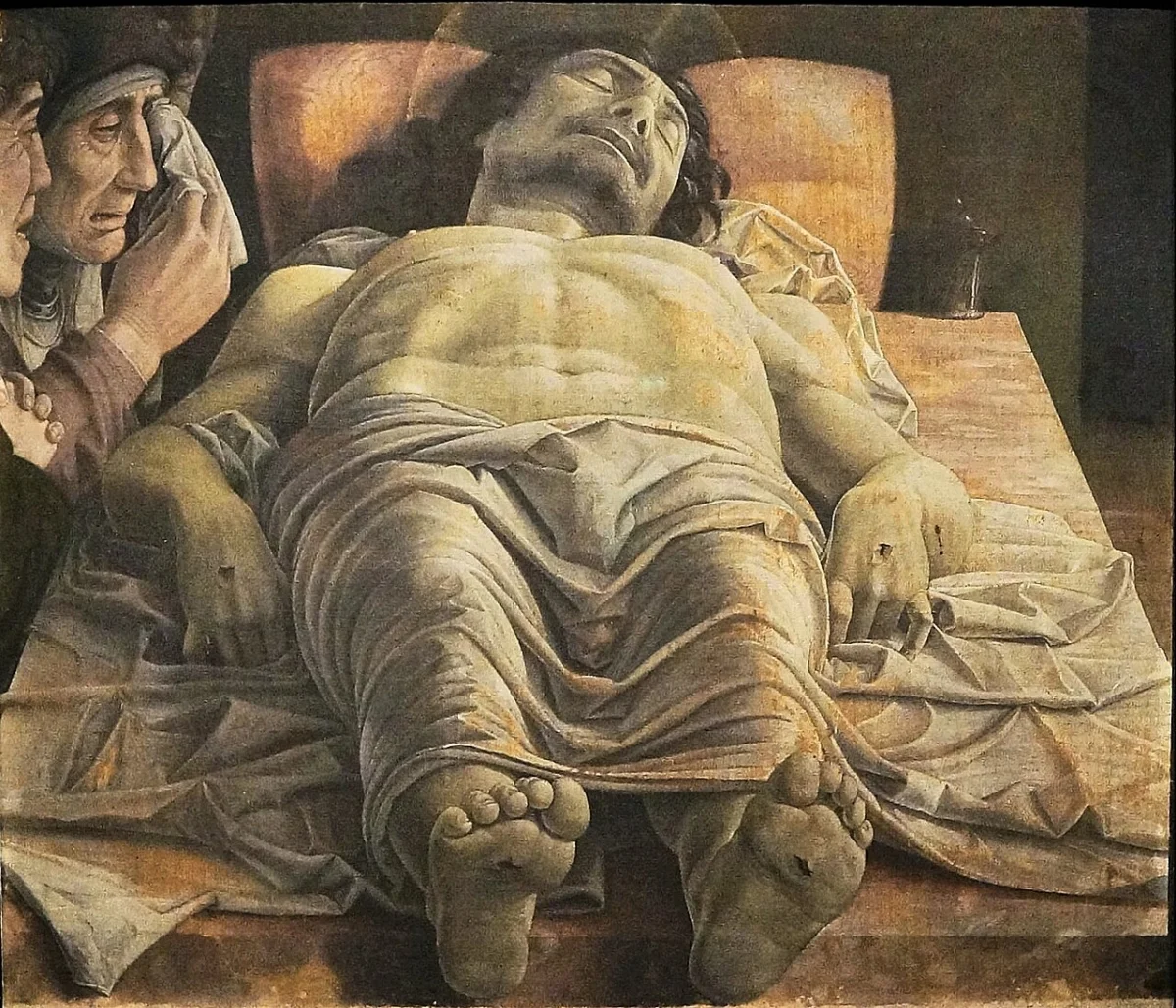
The "Madonna and Child" painting is rich in symbolic meaning, reflecting Botticelli’s deep spiritual insight and the Early Renaissance fascination with religious iconography. Every element in this fine art painting for sale, from the tender expressions to the subtle background, tells a story of divine love and maternal care. Collectors often seek related pieces like "Madonna and Child with an Angel" and "Lamentation over the Dead Christ" for their narrative depth and powerful symbolism.
Owning Botticelli’s "Madonna and Child" is a dream for many collectors of oil on canvas artworks from the Early Renaissance period. This masterpiece stands alongside iconic paintings such as "Primavera" and "Adoration of the Magi," making it a prized addition to any collection. With its refined execution and historical significance, this hand-painted oil painting is a testament to Botticelli’s genius and remains a sought-after fine art painting for sale worldwide.
When Art Meets History
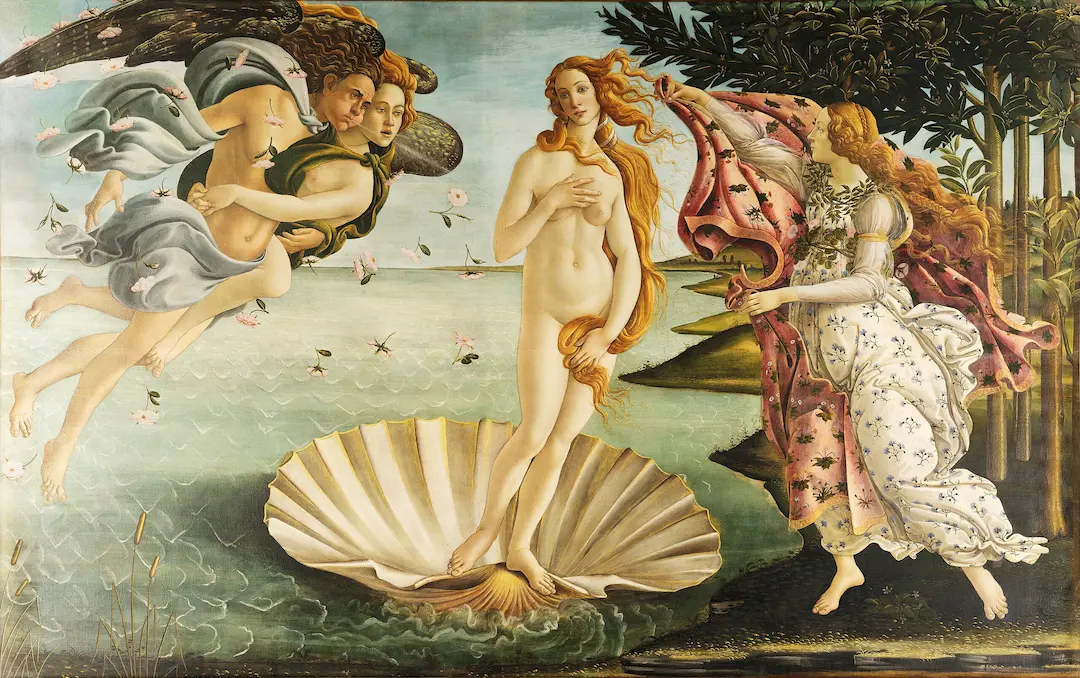
"Madonna and Child" by Alessandro Filipepi, better known as Sandro Botticelli, stands as a prime example of the Early Renaissance movement. This hand-painted oil painting embodies the era’s renewed interest in classical ideals and humanistic expression. Botticelli’s work, like his more famous "The Birth of Venus," reflects the cultural transformation of fifteenth-century Florence. The painting’s historical context enriches its significance, making it a treasured masterpiece for art lovers and collectors alike.
Techniques That Speak
Botticelli’s mastery is evident in his delicate brushwork and use of oil on canvas, which brings softness and luminosity to "Madonna and Child." The Early Renaissance style is highlighted by precise lines, graceful figures, and a balanced composition. Botticelli’s techniques set his works apart, influencing generations of artists. The harmonious colors and subtle shading in this painting reveal the artist’s skill and attention to detail, hallmarks of his celebrated approach to fine art.
Emotions on Display
"Madonna and Child" radiates tender emotion, capturing the intimate bond between mother and child. Botticelli’s sensitive portrayal creates a sense of warmth and serenity, inviting viewers to reflect on the themes of love and devotion. This fine art painting for sale appeals to collectors seeking works that evoke profound feelings. Botticelli’s ability to convey subtle emotions through expression and gesture is a testament to his genius and the spirit of the Early Renaissance.
Coveted by Collectors
As a quintessential work of the Early Renaissance, "Madonna and Child" by Botticelli is highly sought after by collectors worldwide. Its combination of historical significance, masterful technique, and emotional depth makes it an exceptional hand-painted oil painting. Collectors value Botticelli’s pieces for their enduring beauty and cultural importance. Investing in this artwork is not just acquiring an oil on canvas, but also a piece of art history that continues to inspire admiration.
Frequently Asked Questions About Madonna and Child
What is the historical context of "Madonna and Child" by Sandro Botticelli?
"Madonna and Child" was created during the early Renaissance period, a time marked by a renewed interest in classical antiquity and humanism. Botticelli, active in Florence, was influenced by the Medici family's patronage and the cultural developments of the era.
What are the main themes depicted in "Madonna and Child"?
The painting primarily explores themes of motherhood, divinity, and the bond between the Virgin Mary and the Christ Child. It reflects the Renaissance's focus on human emotion and the sacredness of familial relationships.
How does Botticelli's style contribute to the interpretation of "Madonna and Child"?
Botticelli's use of flowing lines, soft colors, and delicate features creates an ethereal quality that enhances the spiritual and tender nature of the subject. His unique approach to composition and perspective invites viewers to engage with the emotional depth of the scene.
What artistic techniques did Botticelli employ in "Madonna and Child"?
Botticelli utilized tempera on wood, a technique that allows for fine detail and vibrant colors. His mastery of chiaroscuro, the contrast between light and shadow, adds dimensionality to the figures and emphasizes their expressions.
What symbolism is present in "Madonna and Child"?
The painting is rich in symbolism; the Virgin Mary often represents purity and maternal love, while the Christ Child symbolizes salvation and divine grace. Additional elements, such as the use of flowers or halos, may also carry deeper meanings related to innocence and holiness.
In what ways does "Madonna and Child" reflect Renaissance ideals?
The painting embodies Renaissance ideals through its emphasis on naturalism, emotional expression, and the celebration of human beauty. Botticelli's portrayal of the Virgin Mary as an idealized yet relatable figure reflects the period's shift towards human-centered art.
How did Botticelli's personal beliefs influence "Madonna and Child"?
Botticelli's personal beliefs, particularly his interest in Neoplatonism, influenced his portrayal of sacred subjects. He sought to convey a deeper spiritual truth through beauty, suggesting that the divine can be experienced through the appreciation of art and nature.
What is the significance of the composition in "Madonna and Child"?
The composition of "Madonna and Child" is carefully arranged to draw the viewer's eye towards the central figures. The intimate positioning and gentle gestures create a sense of connection, inviting contemplation of the sacred relationship between mother and child.
How has "Madonna and Child" influenced later artists?
The painting has had a lasting impact on subsequent generations of artists, inspiring them to explore themes of motherhood and divinity. Botticelli's innovative techniques and emotive expressions have been emulated and referenced in various artistic movements throughout history.
What role did patronage play in the creation of "Madonna and Child"?
Patronage was crucial in the creation of "Madonna and Child," as Botticelli was supported by influential families such as the Medici. This financial backing allowed him to focus on his artistic endeavors and produce works that reflected the values and beliefs of his patrons.






















_GFM_Painting_(1).webp)


 100% Hand-Painted: Finished in 3-6 Weeks

.png)












.webp)



_(1).webp)