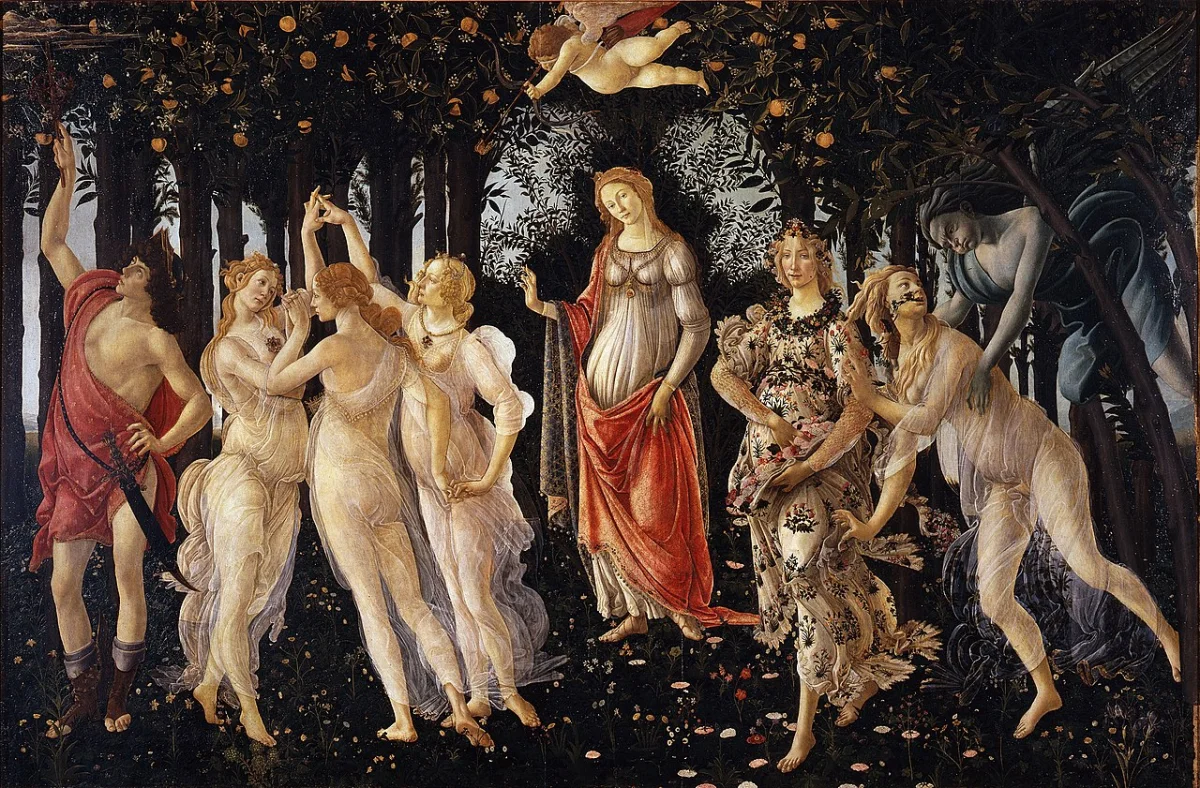
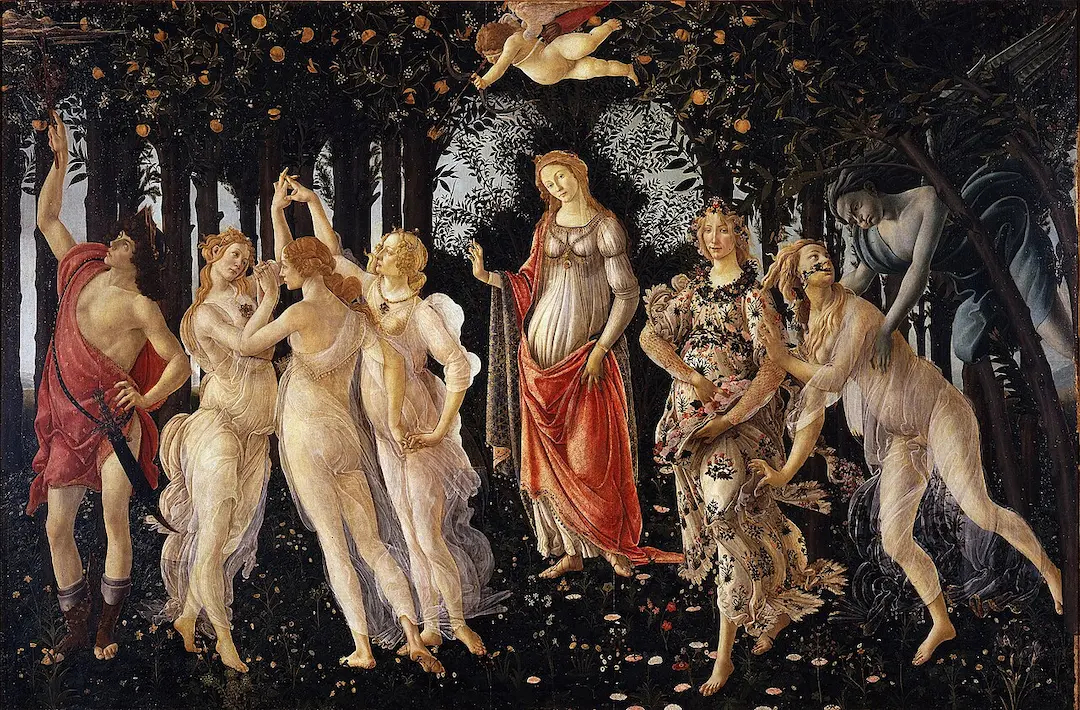
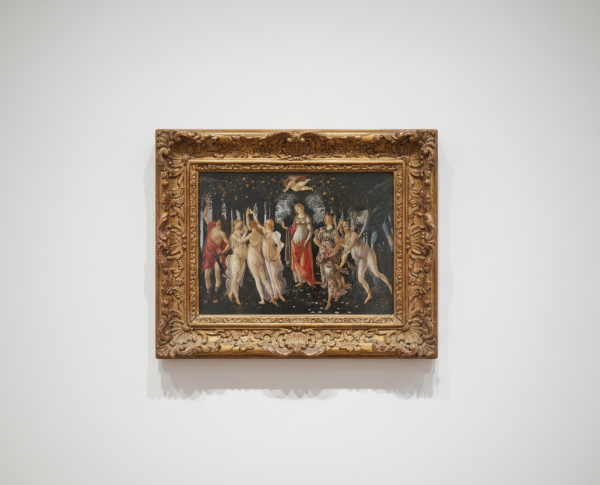
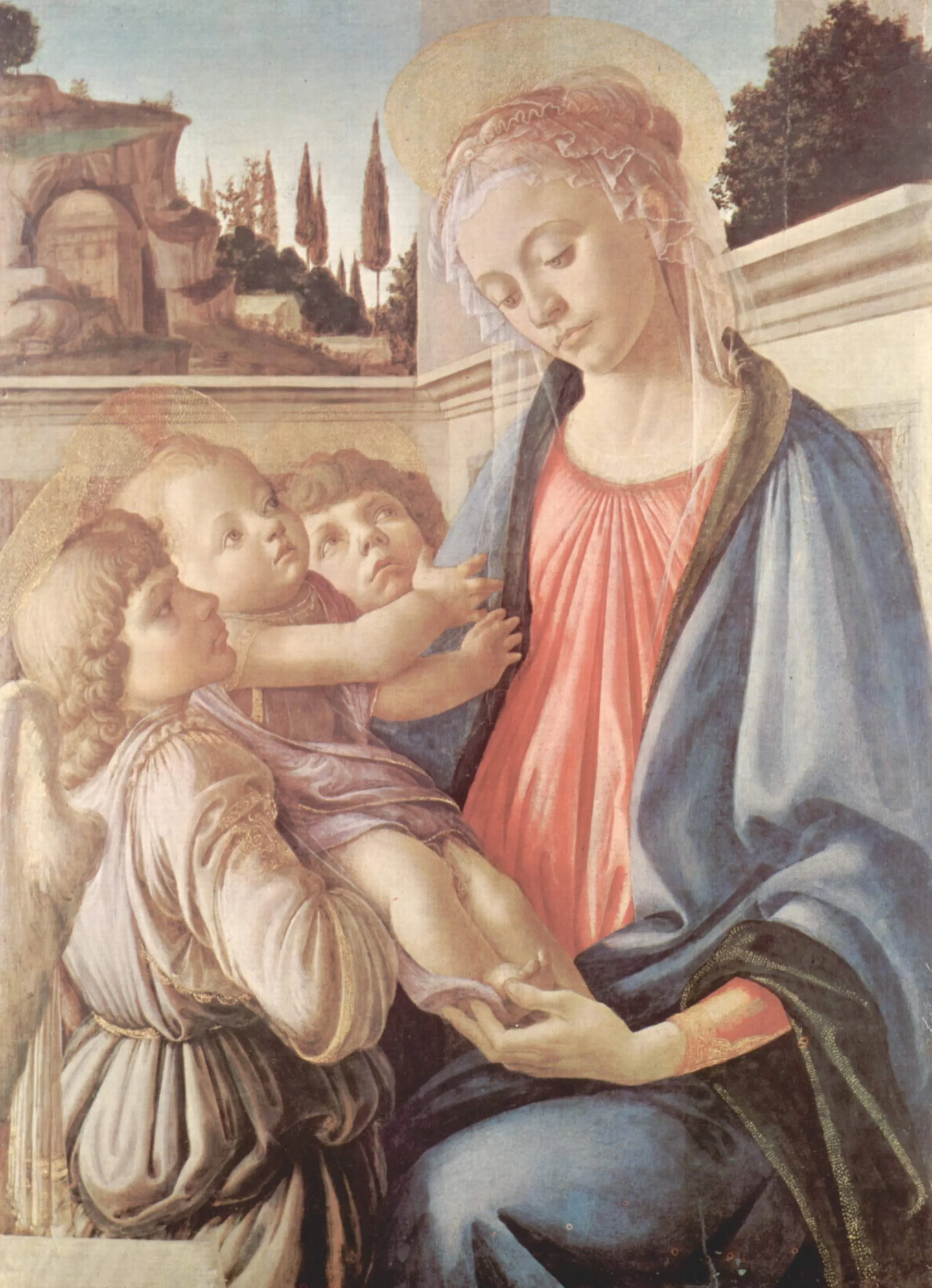
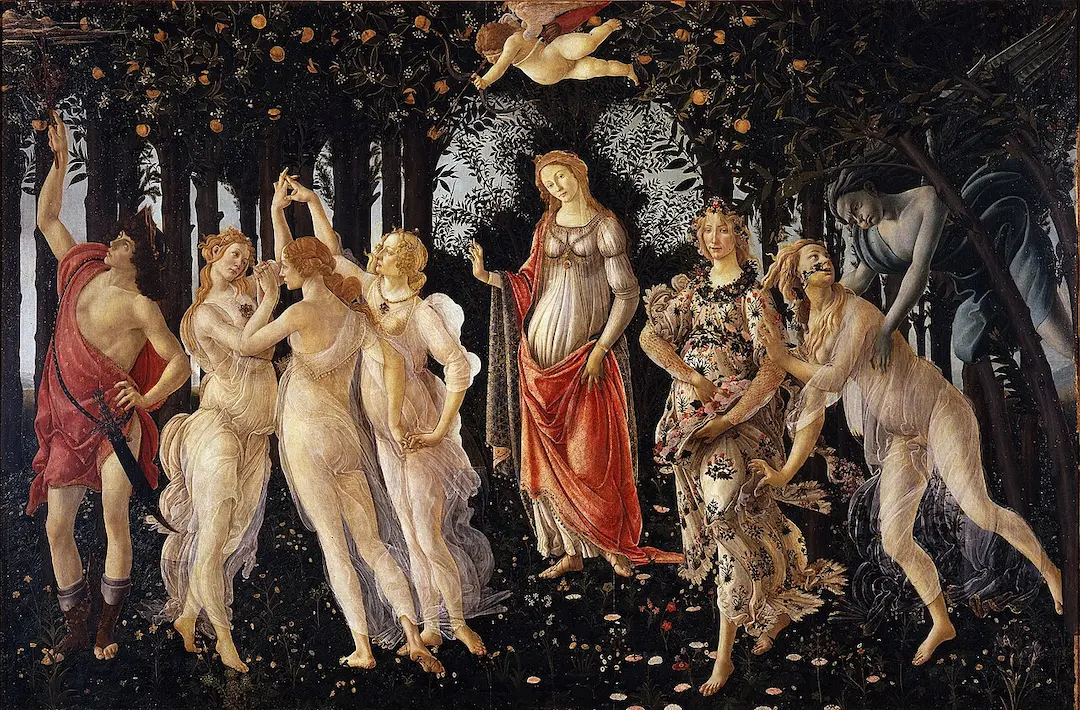
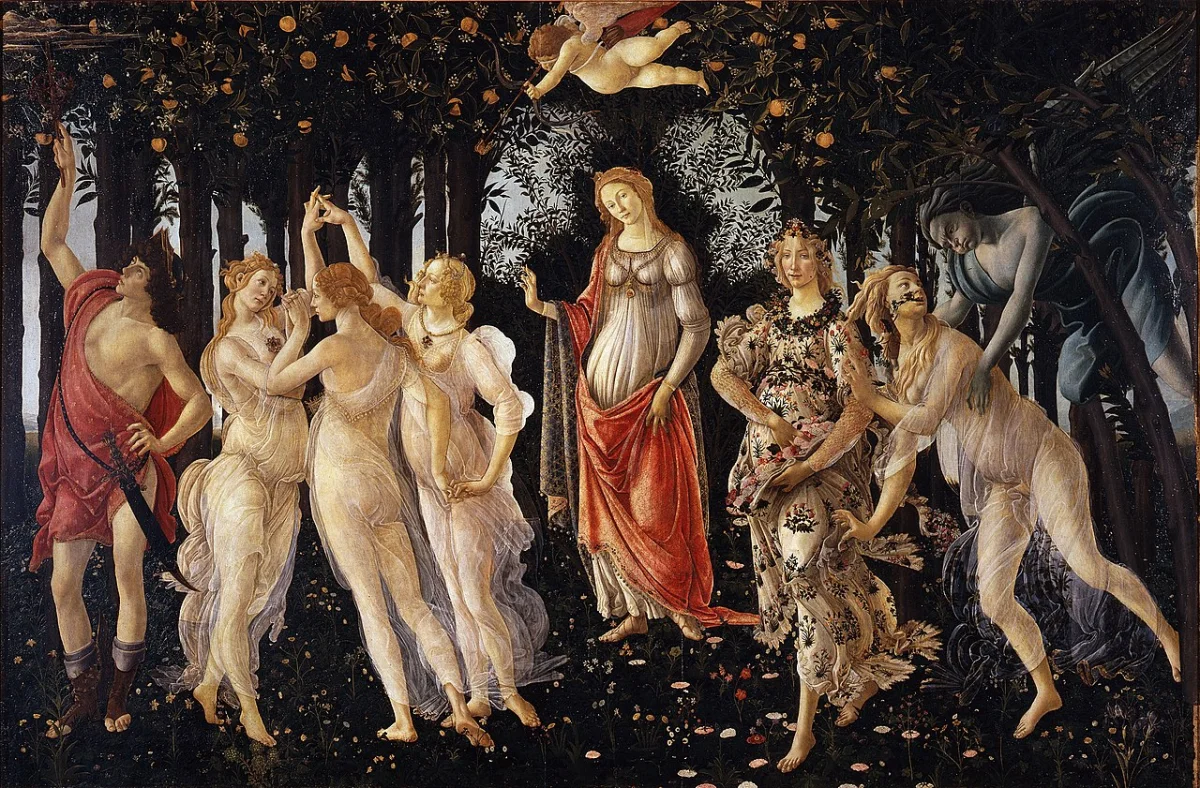
"Madonna with two angels" by Alessandro Filipepi, better known as Sandro Botticelli, stands as a testament to the Early Renaissance movement. This hand-painted oil painting captures the delicate beauty and spiritual depth that Botticelli infused into his works. Revered alongside masterpieces like "Birth of Venus (La Nascita di Venere)" and "Primavera," this painting continues to inspire collectors and enthusiasts seeking timeless elegance in their fine art painting for sale selections.
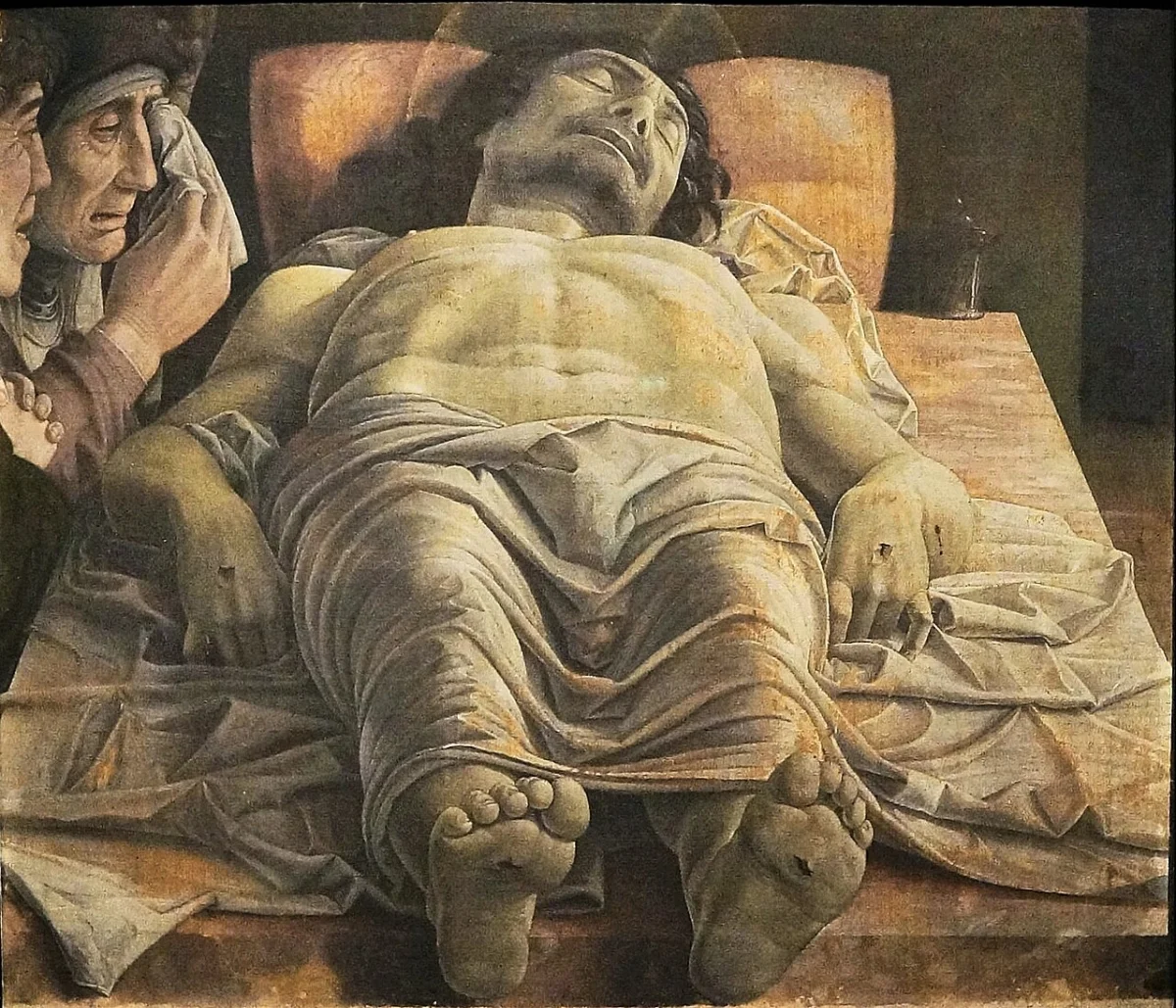
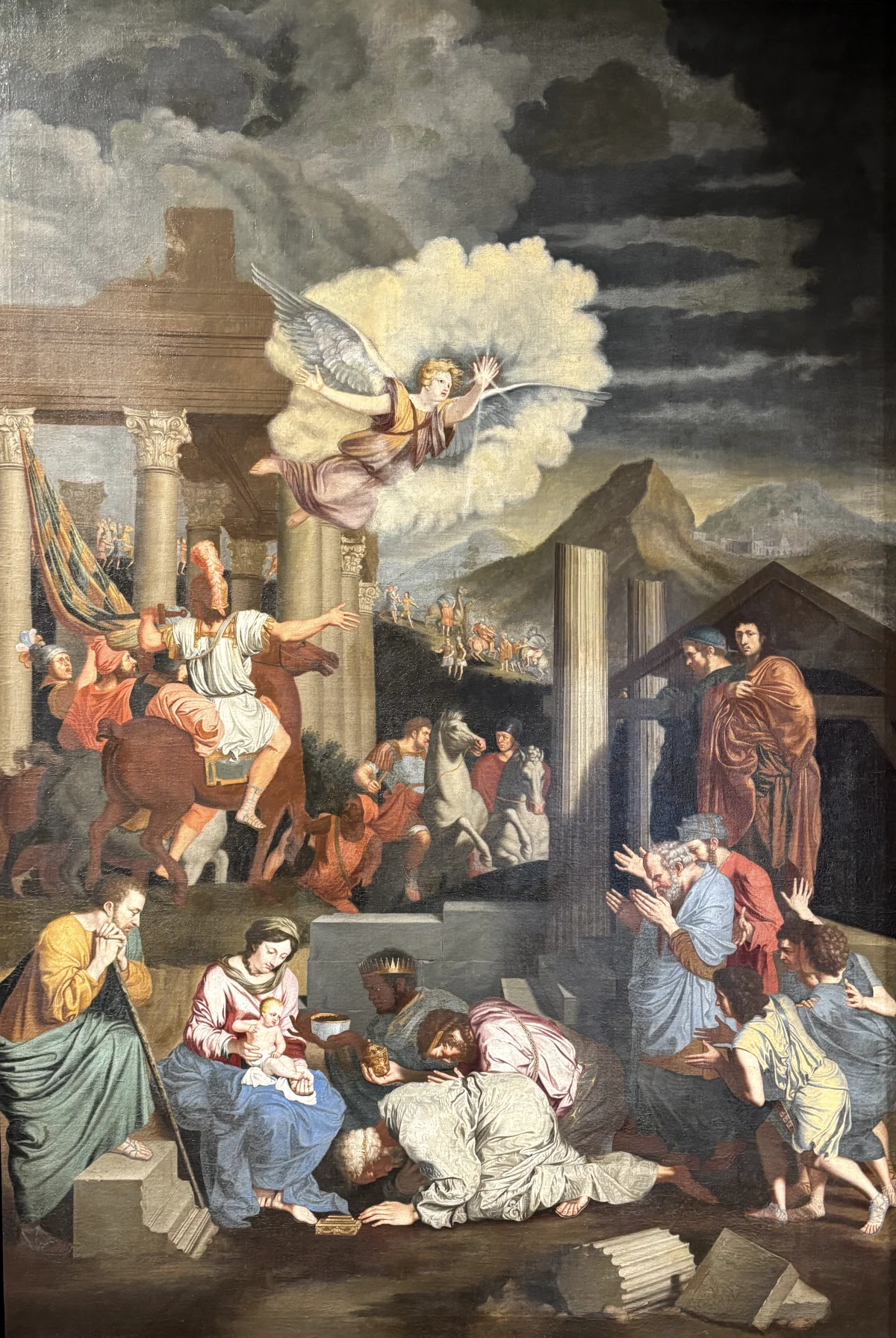
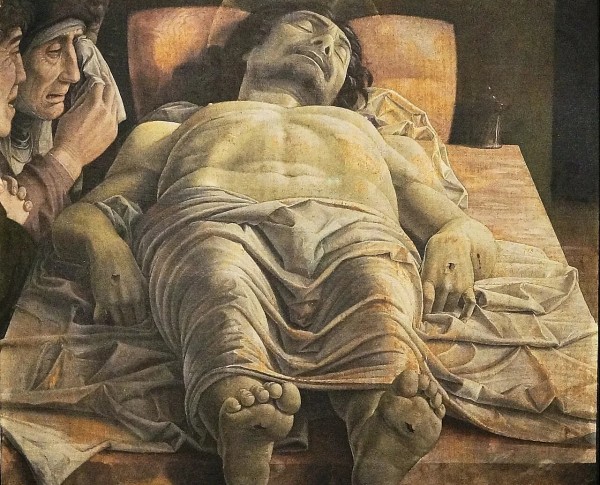
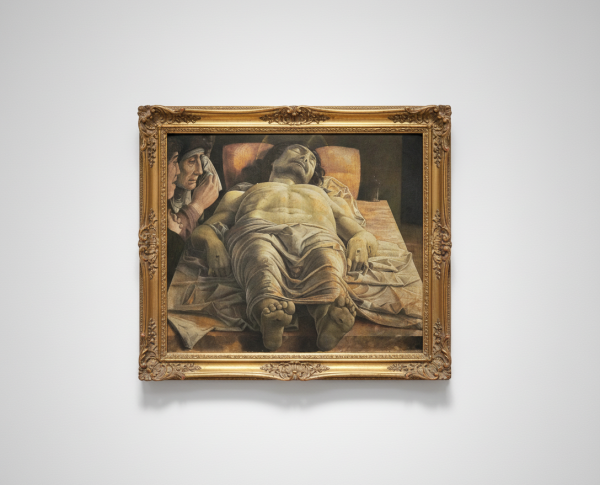
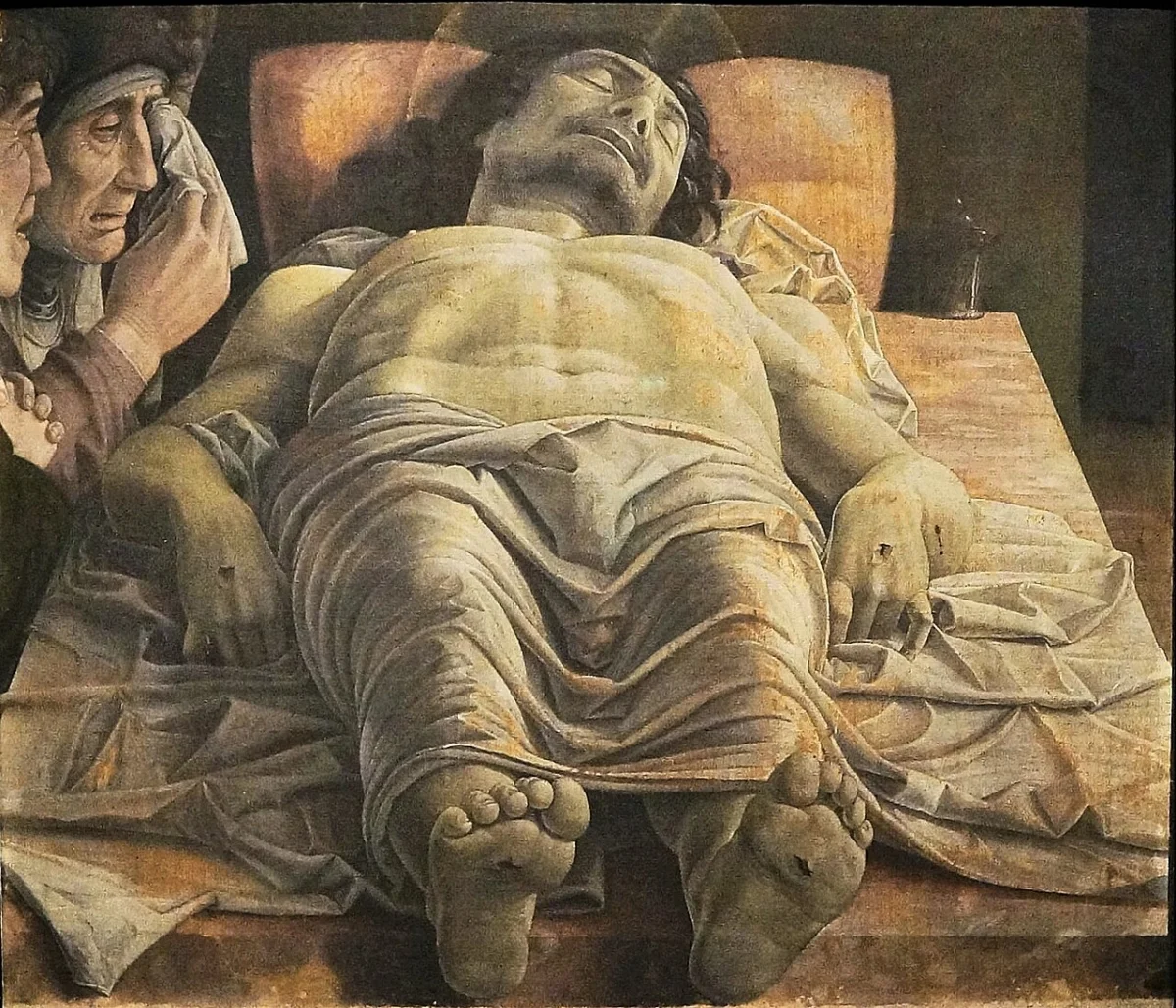
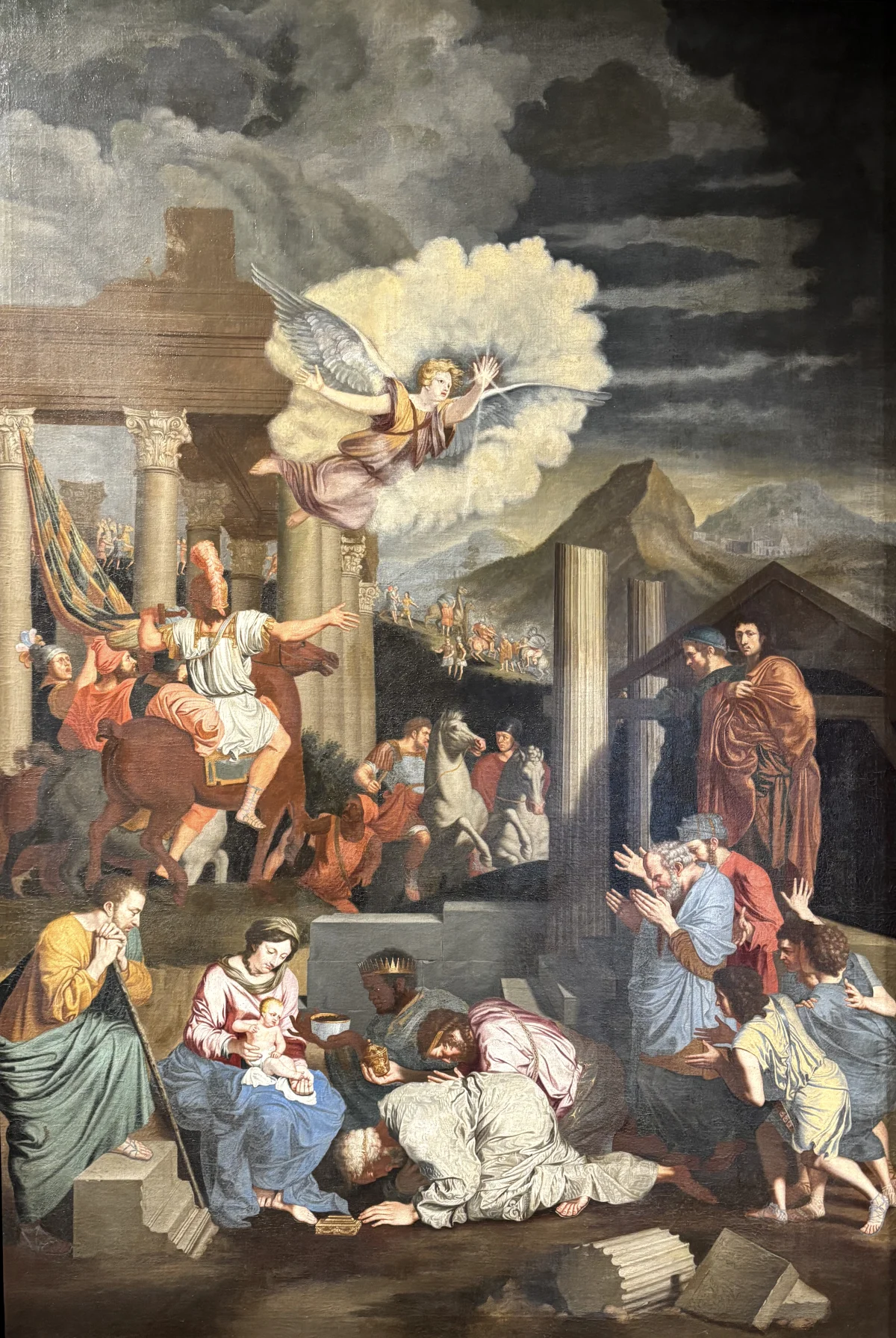
Botticelli’s unmatched skill is evident in every detail of "Madonna with two angels," where his use of oil on canvas creates luminous textures and subtle gradations. The Early Renaissance master’s technique elevates the figures, giving them a lifelike presence. Collectors often pair this masterpiece with other celebrated works such as "Adoration of the Magi" and "Lamentation over the Dead Christ," appreciating the harmonious blend of spirituality and artistry in each oil on canvas composition.
In "Madonna with two angels," Botticelli weaves rich symbolism into the serene expressions and gentle gestures of his subjects, hallmarks of Early Renaissance storytelling. This fine art painting for sale invites viewers to explore themes of divine love and maternal grace, much like his "Madonna and Child with an Angel." Botticelli’s narrative approach transforms each hand-painted oil painting into a visual tale that resonates across generations and art collections.
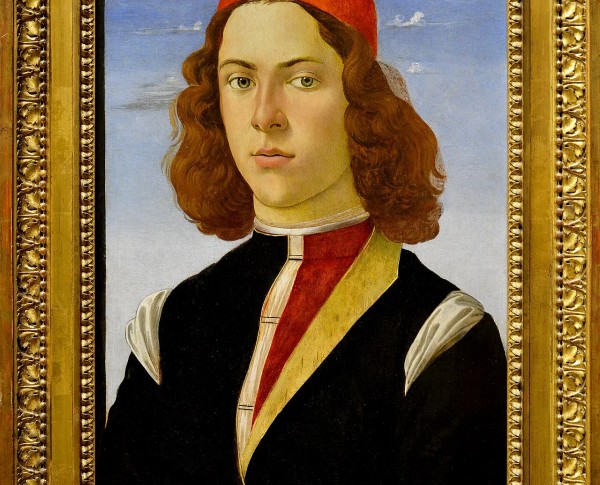
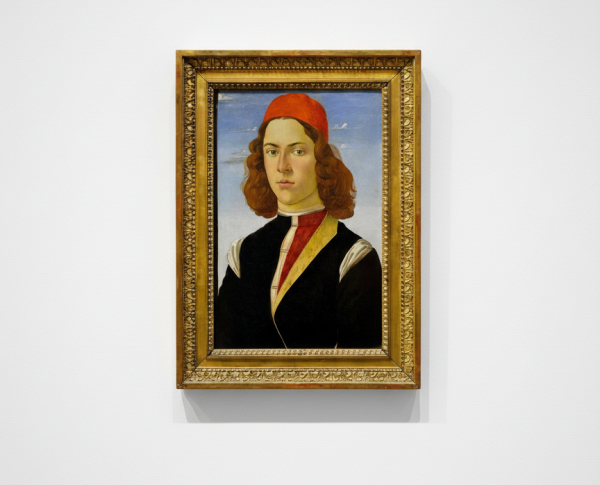
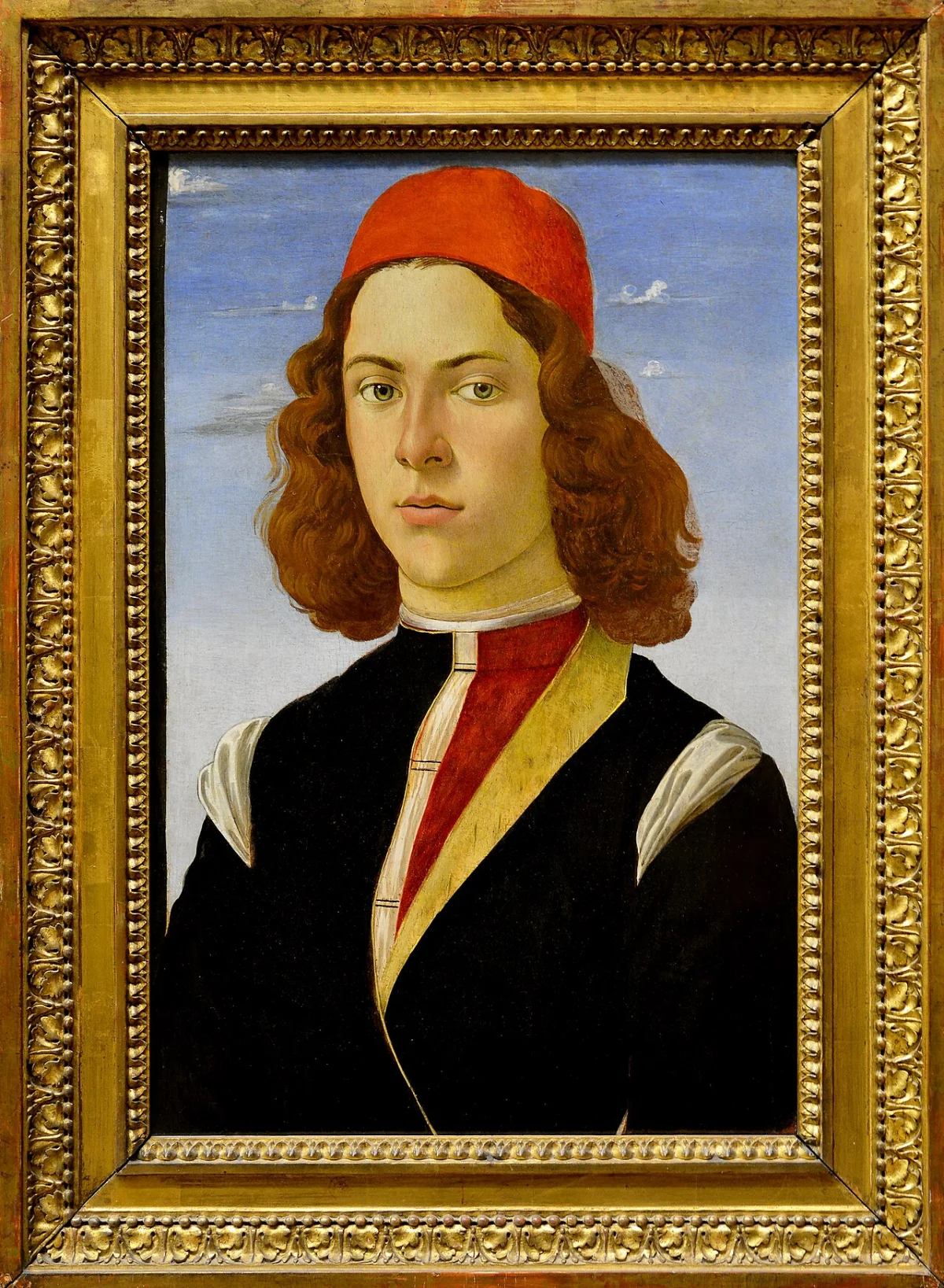
Owning "Madonna with two angels" by Sandro Botticelli is a rare opportunity for collectors who appreciate Early Renaissance masterpieces. This hand-painted oil painting brings unrivaled sophistication to any collection, standing proudly beside works like "Portrait of a Young Man" and "Primavera." Its historical significance and exquisite artistry make it a highly sought-after fine art painting for sale, cherished by those who value the enduring legacy of Botticelli’s genius.
When Art Meets History
"Madonna with two angels" by Alessandro Filipepi, better known as Sandro Botticelli, is a hand-painted oil painting that beautifully represents the Early Renaissance movement. Botticelli’s masterwork, created during a time of artistic rebirth, highlights the spiritual and cultural transformation of fifteenth-century Italy. This painting, like many of Botticelli’s other revered pieces, reflects the era’s fascination with religious subjects and human emotion, making it a significant milestone in the history of art.
Techniques That Speak
Botticelli’s mastery of oil on canvas is evident in every detail of "Madonna with two angels." The artist’s delicate brushwork and subtle use of color create a luminous atmosphere that draws viewers into the sacred scene. His Early Renaissance technique features soft contours and harmonious compositions, setting his work apart from contemporaries. Botticelli’s attention to texture and light in this painting exemplifies why oil on canvas became the preferred medium for many Renaissance masters.
Emotions on Display
"Madonna with two angels" powerfully conveys deep emotion through the gentle interactions between the Madonna and the angels. Botticelli’s skillful portrayal of facial expressions and gestures breathes life into the figures, inviting viewers to experience the tenderness and reverence of the scene. This fine art painting for sale continues to inspire admiration, as it captures the intimate bond between mother and child—a recurring theme in Botticelli’s Early Renaissance masterpieces.
Coveted by Collectors
As a celebrated hand-painted oil painting from the Early Renaissance, "Madonna with two angels" remains highly sought after by collectors and art enthusiasts worldwide. Botticelli’s works, including this exquisite piece, are prized for their historical significance and artistic beauty. The painting’s enduring appeal makes it a fine art painting for sale that commands attention in any collection, reflecting the timeless legacy of Botticelli and the transformative power of Renaissance art.
Frequently Asked Questions About Madonna with two angels
What is the historical context of "Madonna with two angels"?
"Madonna with two angels" was painted by Sandro Botticelli during the early Renaissance period, a time characterized by a renewed interest in classical antiquity and humanism. This artwork reflects the cultural and religious values of 15th-century Florence.
What are the main themes depicted in the painting?
The painting primarily explores themes of divine motherhood and the innocence of childhood. The presence of the angels emphasizes the celestial nature of the Virgin Mary and her role as the Mother of God.
What artistic techniques did Botticelli employ in this work?
Botticelli utilized tempera on wood, a technique that allows for vibrant colors and fine details. His use of linear perspective and soft, flowing lines contributes to the ethereal quality of the figures.
How does Botticelli's style influence the portrayal of the figures?
Botticelli's signature style is evident in the elongated forms and graceful postures of the figures. The delicate features and flowing drapery create a sense of elegance and serenity, characteristic of his work.
What is the significance of the angels in the painting?
The two angels serve as both companions and protectors to the Virgin Mary and the Christ Child. Their presence symbolizes the divine support and the heavenly realm, reinforcing the sacredness of the scene.
What symbolism can be found in the colors used in the painting?
Botticelli's use of color is rich with symbolism; for instance, blue often represents purity and divinity, while the soft pastels evoke a sense of peace and tranquility. The color palette enhances the spiritual atmosphere of the artwork.
How does "Madonna with two angels" compare to other works by Botticelli?
This painting is notable for its intimate portrayal of the Virgin Mary, contrasting with Botticelli's more narrative-driven works like "The Birth of Venus." It reflects a more personal and contemplative approach to religious themes.
What influence did Botticelli have on later artists?
Botticelli's innovative use of composition, color, and emotional expression had a profound impact on subsequent generations of artists. His work inspired the Mannerist movement and continues to influence modern interpretations of religious art.
Where is "Madonna with two angels" currently housed?
The painting is part of the collection at the National Gallery in London, where it is preserved and displayed for public viewing, allowing audiences to appreciate Botticelli's artistry and historical significance.
What is the overall impact of "Madonna with two angels" in art history?
"Madonna with two angels" is regarded as a quintessential example of Renaissance art, showcasing Botticelli's mastery of form and emotion. Its enduring popularity highlights the continued relevance of themes of faith and motherhood in art history.






















_GFM_Painting_(1).webp)


 100% Hand-Painted: Finished in 3-6 Weeks

.png)












.webp)



_(1).webp)