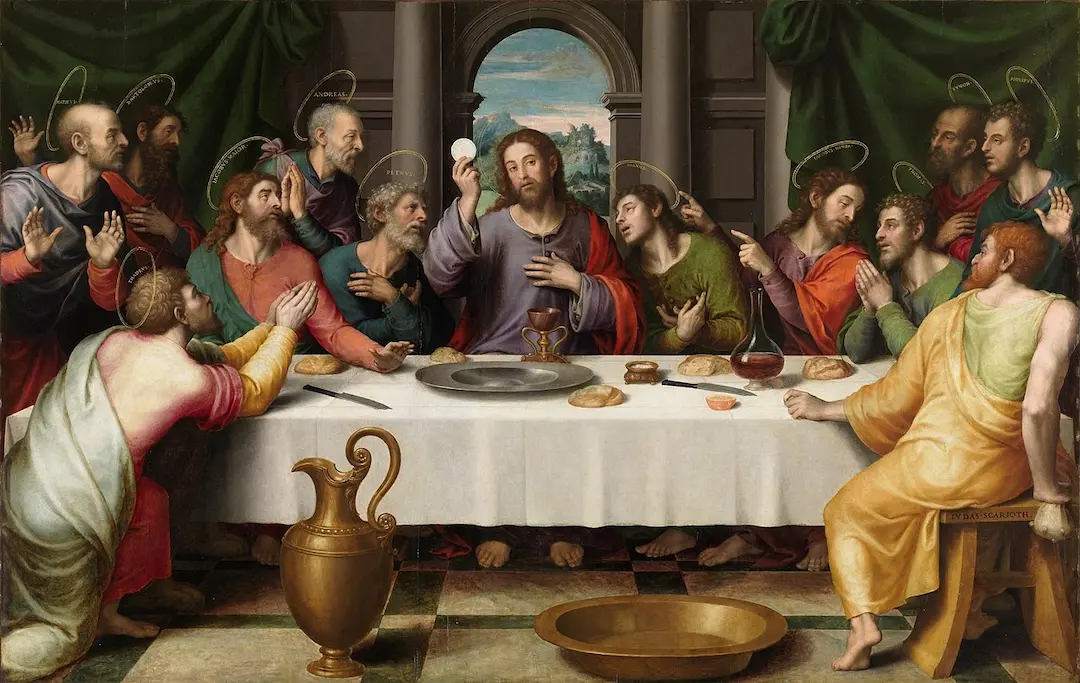
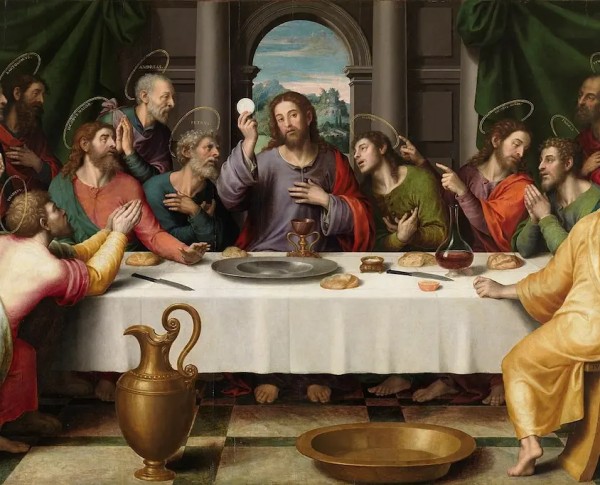
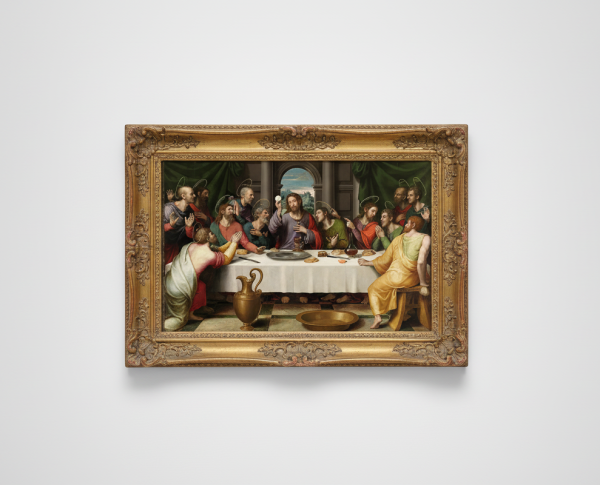
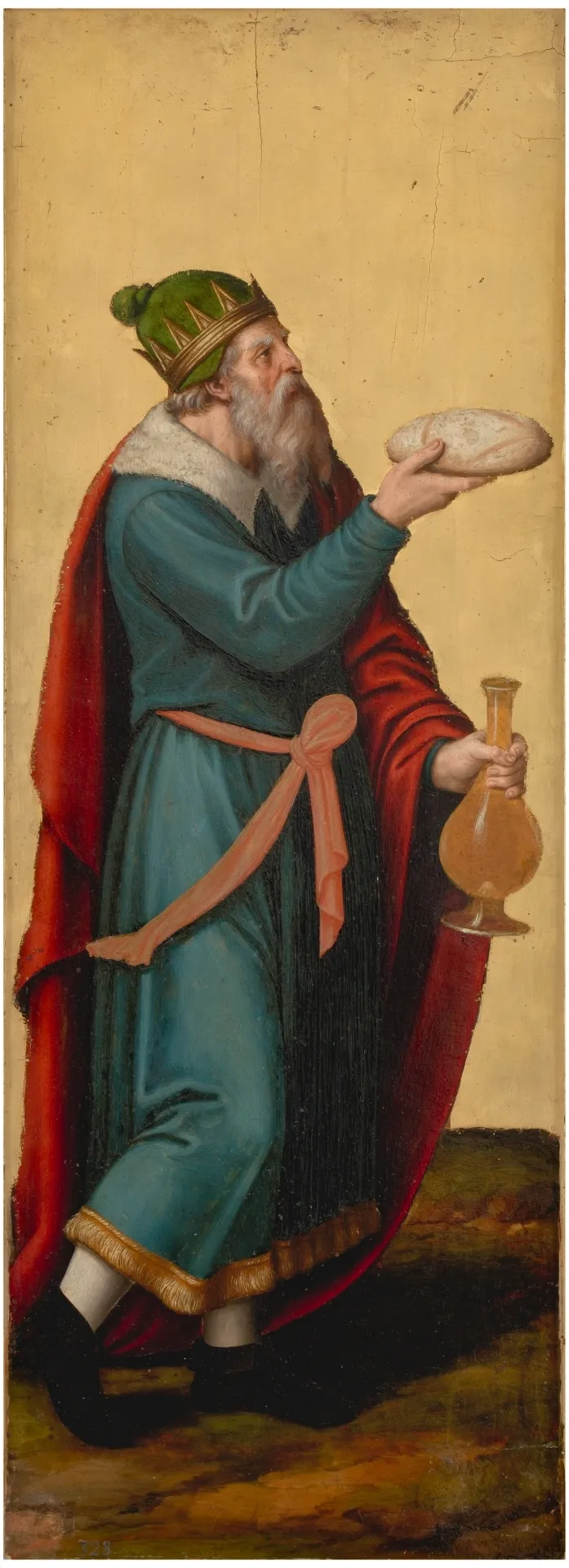
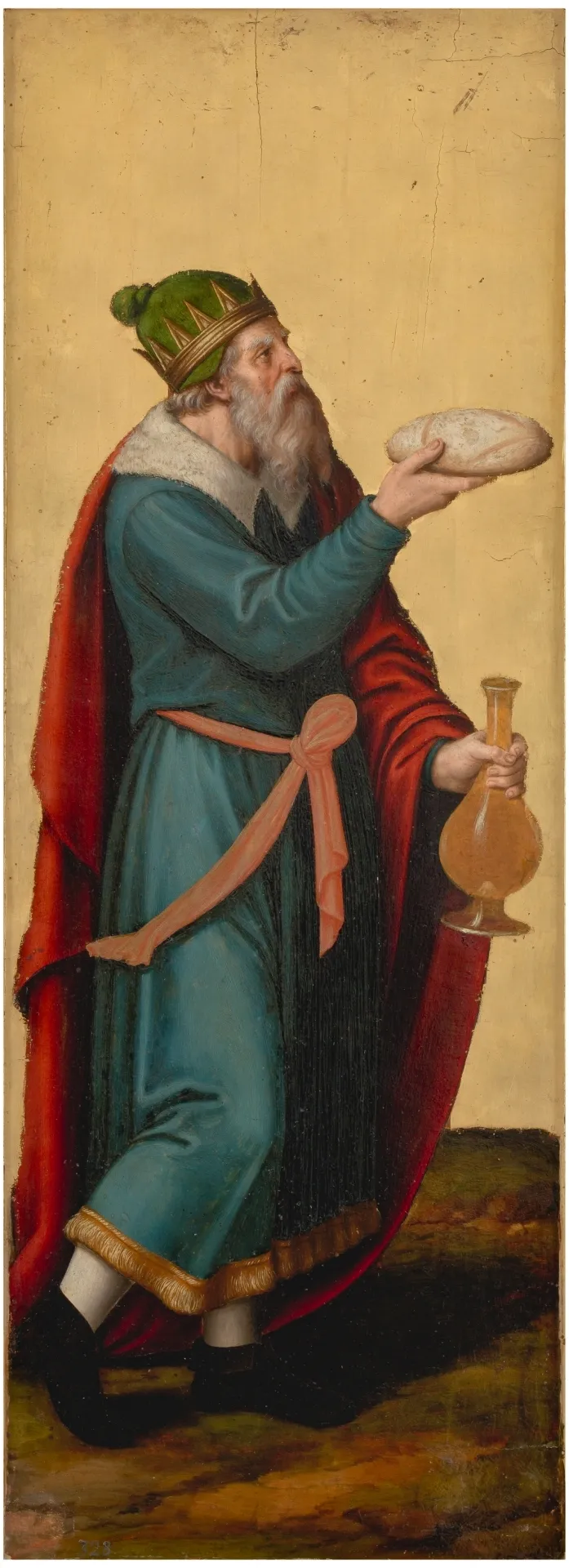
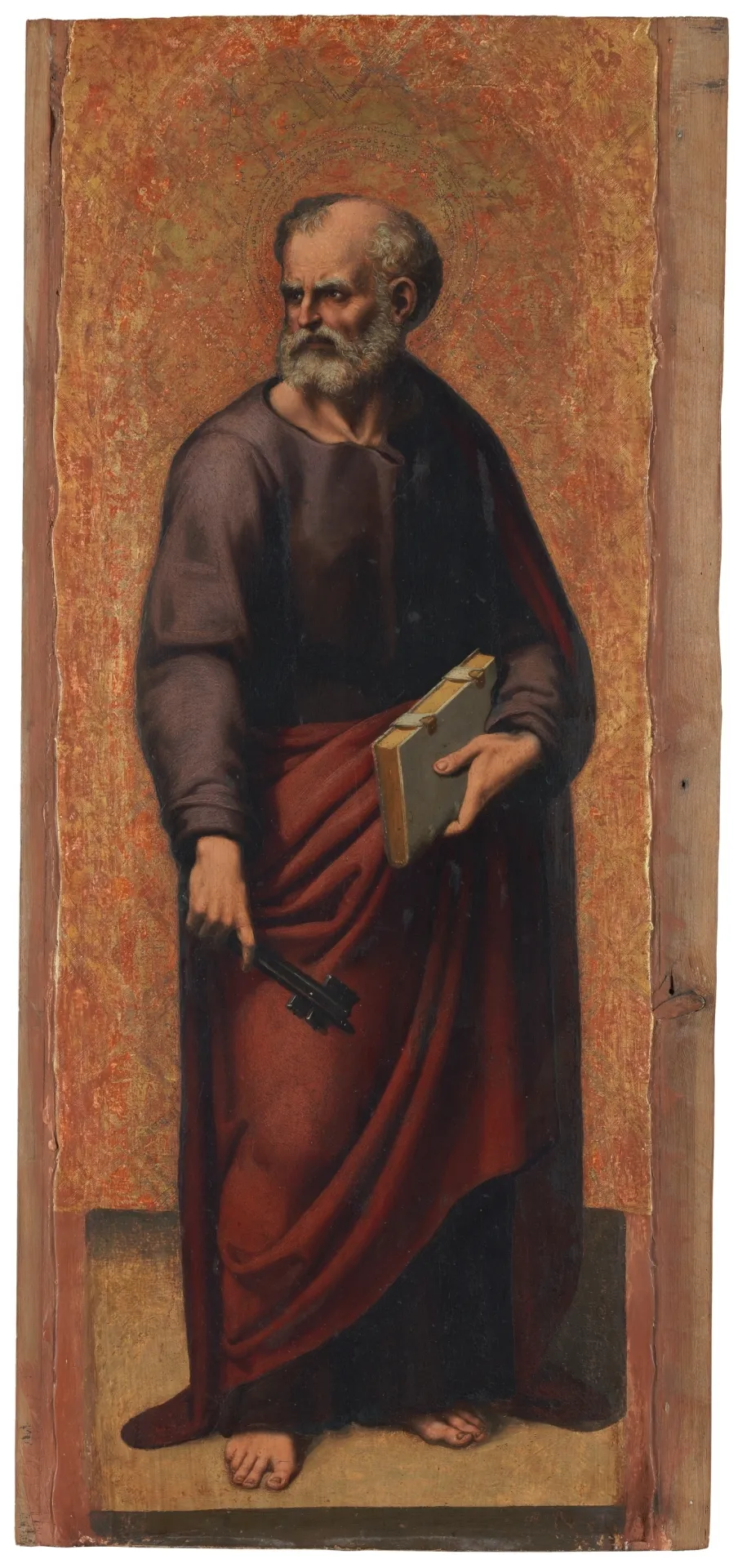
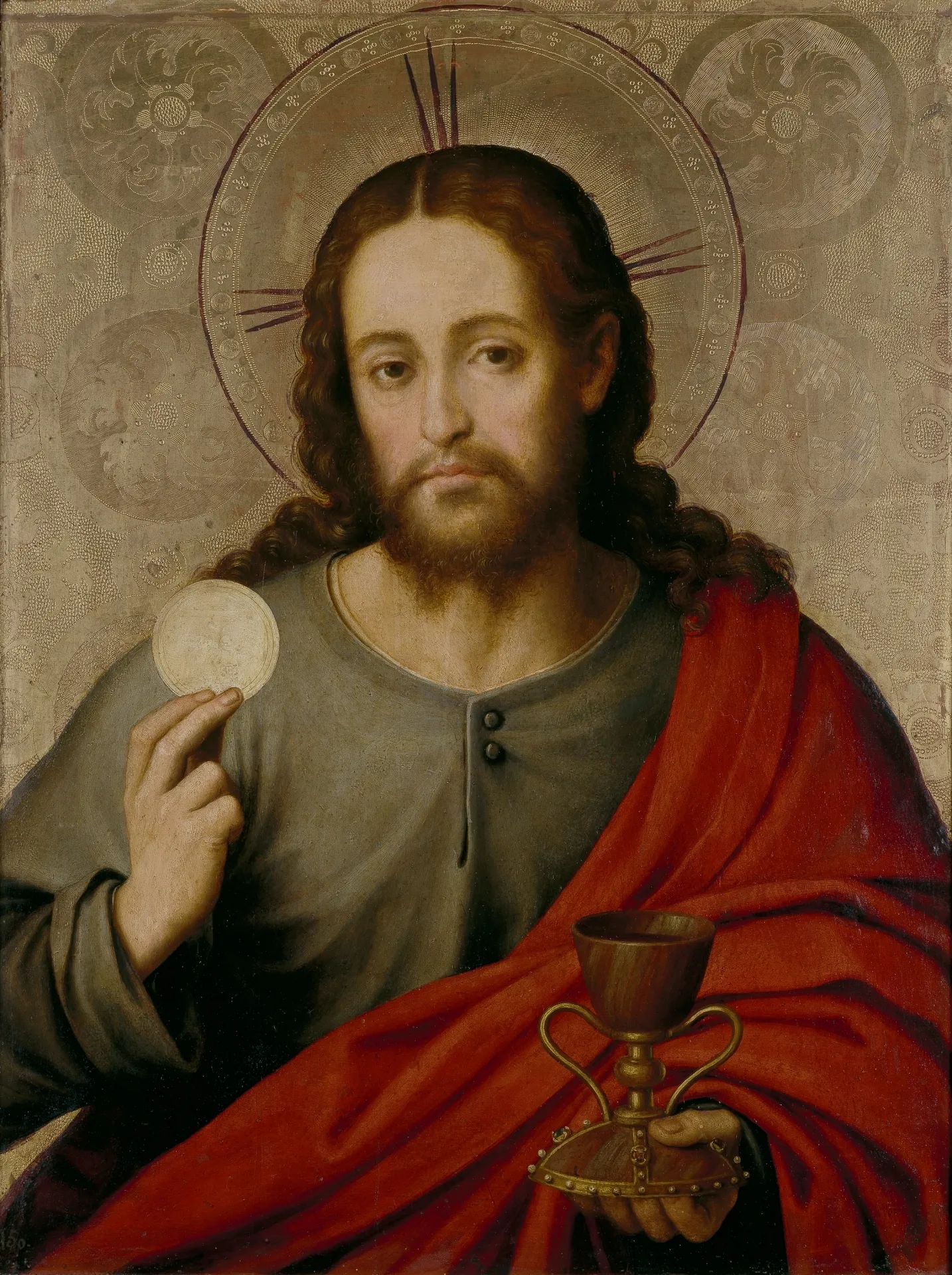
"Melquisedec, Rey De Salem" by Vicente Juan Juan de Juanes, also known as Masip (Macip), is a remarkable hand-painted oil painting that captures the essence of the Spanish Renaissance. This era was known for its devotion to religious themes and technical mastery, which Juanes exemplified. The painting stands as a testament to the artist’s influential legacy, and collectors often seek related products such as "San Pedro, The Last Supper (2) 1560s" to complement their fine art collections.
Vicente Juan Juan de Juanes demonstrates exceptional skill in "Melquisedec, Rey De Salem" through his use of oil on canvas. The artist’s attention to detail and vibrant color palette highlight the sophistication of the Spanish Renaissance movement. Each brushstroke reveals Juanes’ deep understanding of religious iconography and classical techniques, making this painting a standout piece. Art lovers searching for similar works may also be interested in "San Pedro, The Last Supper (2) 1560s" from the same period.
"Melquisedec, Rey De Salem" is more than just a fine art painting for sale; it is a narrative woven with symbolism and spiritual meaning. Juan de Juanes, a master of the Spanish Renaissance, infused this piece with references to biblical stories and the significance of Melchizedek. Collectors and historians alike appreciate the depth found in this painting, and often explore related works such as "San Pedro, The Last Supper (2) 1560s" to further enrich their understanding of the era.
For those seeking a unique hand-painted oil painting from the Spanish Renaissance, "Melquisedec, Rey De Salem" by Vicente Juan Juan de Juanes is a prized acquisition. Its historical significance and artistic merit make it a standout piece in any collection. Complementing this masterpiece with related products like "San Pedro, The Last Supper (2) 1560s" allows collectors to own a piece of history and deepen their appreciation for fine art from this influential period.
When Art Meets History
"Melquisedec, Rey De Salem" by Vicente Juan Juan de Juanes, also known as Vicente Juan Masip, stands as a testament to the Spanish Renaissance movement. This hand-painted oil painting masterfully brings to life the biblical figure of Melchizedek, capturing the intersection of sacred history and artistic innovation. The artist, renowned for his religious works, draws inspiration from the spiritual fervor of the era, similar to his other masterpieces within the Spanish Renaissance tradition.
Techniques That Speak
Vicente Juan Juan de Juanes showcases his technical prowess in "Melquisedec, Rey De Salem" through his expert use of oil on canvas. His delicate brushwork and vibrant color palette are hallmarks of the Spanish Renaissance, emphasizing realism and depth. This piece, much like his other religious paintings, demonstrates the artist's ability to blend meticulous detail with emotion, making it a prime example of oil on canvas mastery from this influential period.
Emotions on Display
The solemn dignity and spiritual gravitas in "Melquisedec, Rey De Salem" evoke deep contemplation. Vicente Juan Juan de Juanes crafts expressions and gestures that convey reverence and authority, hallmarks of the Spanish Renaissance’s emotive style. This fine art painting for sale allows viewers to connect with the historical and spiritual narrative, much like the artist’s other revered works that explore the depths of human faith and devotion.
Coveted by Collectors
"Melquisedec, Rey De Salem" is highly sought after among art enthusiasts, especially those who appreciate Spanish Renaissance masterpieces. Collectors value Vicente Juan Juan de Juanes' hand-painted oil painting for its historical significance and technical excellence. As with his other celebrated works, this piece’s provenance and artistry make it a prized fine art painting for sale, appealing to museums and private collections eager to own a part of art history.
Frequently Asked Questions About Melquisedec, Rey De Salem
What is the historical significance of Melquisedec in religious texts?
Melquisedec is a biblical figure mentioned in the Book of Genesis, known as the King of Salem and a priest of the Most High God. His significance lies in his role as a precursor to the priesthood of Jesus Christ, symbolizing the eternal priesthood and the connection between the divine and humanity.
Who was Vicente Juan Juan de Juanes, and what is his artistic style?
Vicente Juan Juan de Juanes, also known as Masip or Macip, was a prominent Spanish painter of the Renaissance period. His style is characterized by meticulous detail, vibrant colors, and a strong emphasis on religious themes, often blending naturalism with spiritual symbolism.
What artistic techniques did Juanes employ in "Melquisedec, Rey De Salem"?
In "Melquisedec, Rey De Salem," Juanes utilized techniques such as chiaroscuro to create depth and dimension, alongside a careful composition that draws the viewer's eye towards the central figure of Melquisedec, enhancing the painting's narrative and emotional impact.
What symbolism is present in the painting?
The painting is rich in symbolism, with Melquisedec often depicted holding bread and wine, representing the Eucharist and the idea of divine sacrifice. The presence of these elements underscores the themes of communion and the foreshadowing of Christ's sacrifice in Christian theology.
How does "Melquisedec, Rey De Salem" reflect the cultural context of its time?
The painting reflects the Counter-Reformation's emphasis on clarity and emotional engagement in religious art. It was created during a period when the Catholic Church sought to inspire faith through visual storytelling, making complex theological concepts accessible to the laity.
What influences can be seen in Juanes' work?
Juanes' work shows influences from Italian Renaissance artists, particularly in his use of color and composition. His exposure to the works of Raphael and Titian can be seen in the graceful figures and the harmonious arrangement of elements within the painting.
What role does light play in "Melquisedec, Rey De Salem"?
Light plays a crucial role in the painting, highlighting Melquisedec's figure and creating a divine aura around him. This use of light not only emphasizes the central character but also symbolizes the presence of God and the enlightenment that faith brings to believers.
What is the significance of the setting in the painting?
The setting of "Melquisedec, Rey De Salem" is often depicted with elements that suggest a heavenly or sacred space, reinforcing Melquisedec's dual role as both king and priest. This setting serves to elevate the narrative, placing it within a divine context that enhances its spiritual message.
How does this painting compare to other works by Juanes?
Compared to other works by Juanes, "Melquisedec, Rey De Salem" showcases his mastery of religious themes and his ability to convey complex theological ideas through visual art. While many of his paintings focus on the life of Christ, this work uniquely highlights the significance of Melquisedec as a bridge between the Old and New Testaments.
What impact did "Melquisedec, Rey De Salem" have on later artists?
The painting has influenced later artists by exemplifying how to integrate religious symbolism with narrative clarity. Its composition and thematic depth have inspired subsequent generations to explore similar motifs, particularly in the context of Christian art, reinforcing the enduring legacy of Juanes' work.























_GFM_Painting_(1).webp)


 100% Hand-Painted: Finished in 3-6 Weeks

.png)












_1560s.webp)



_(1).webp)