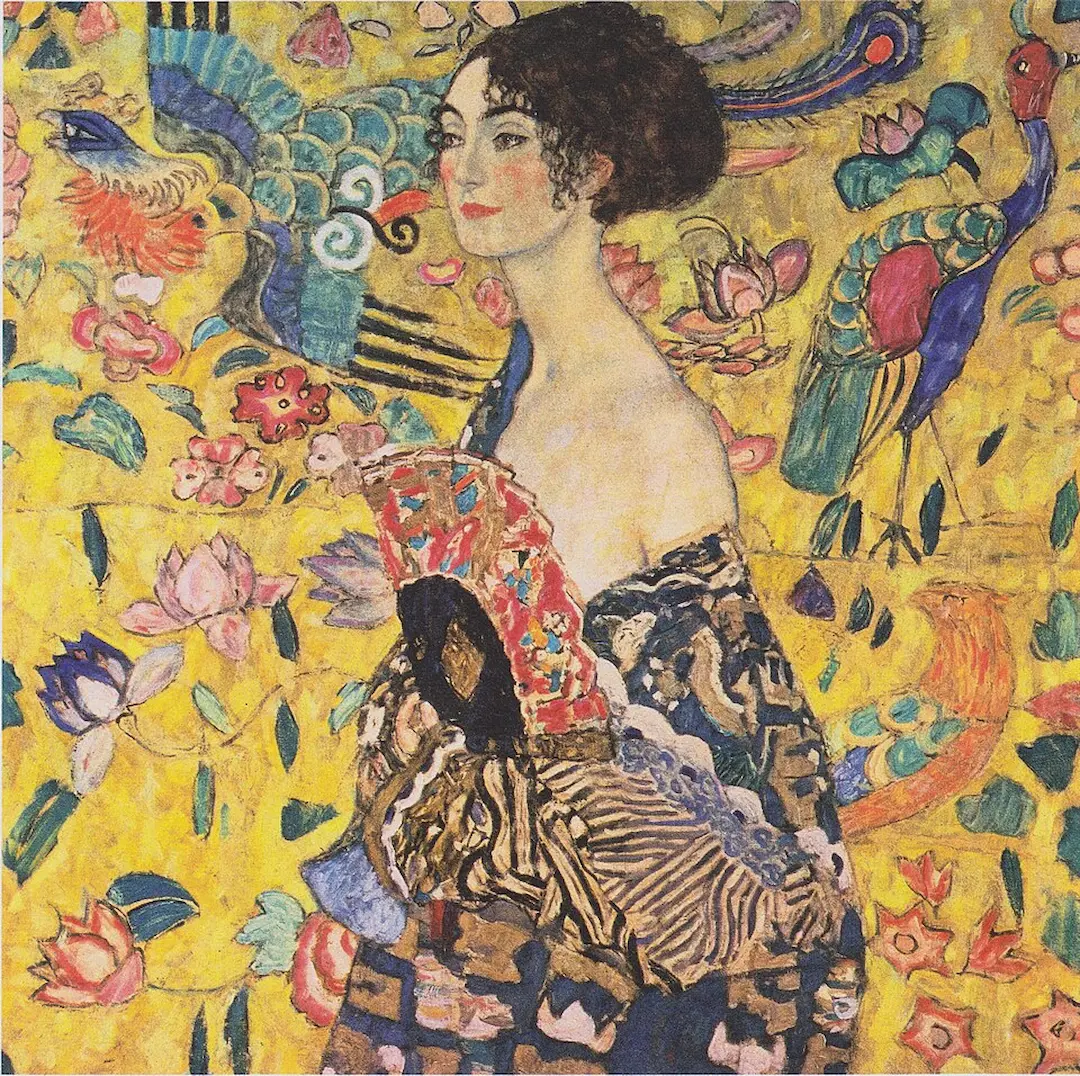
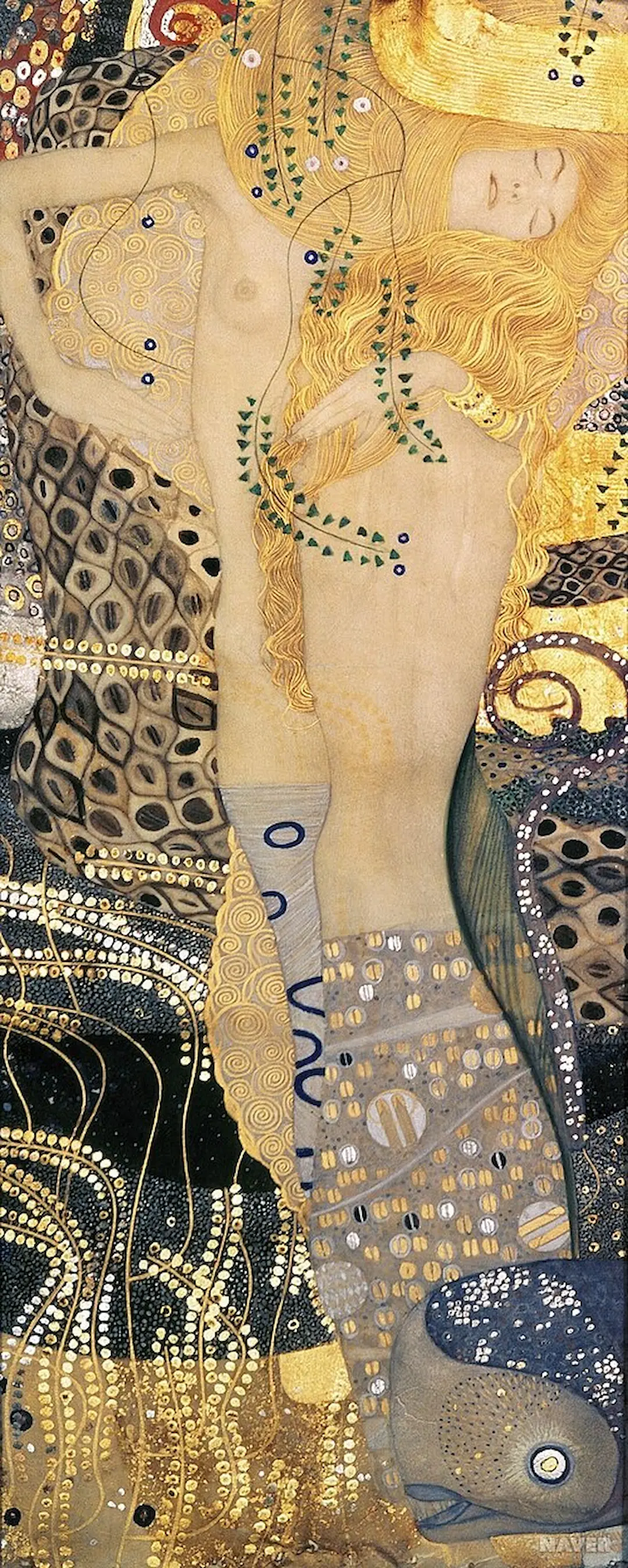
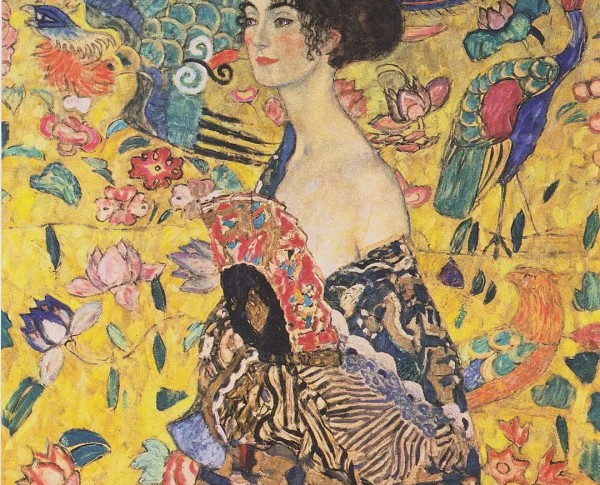
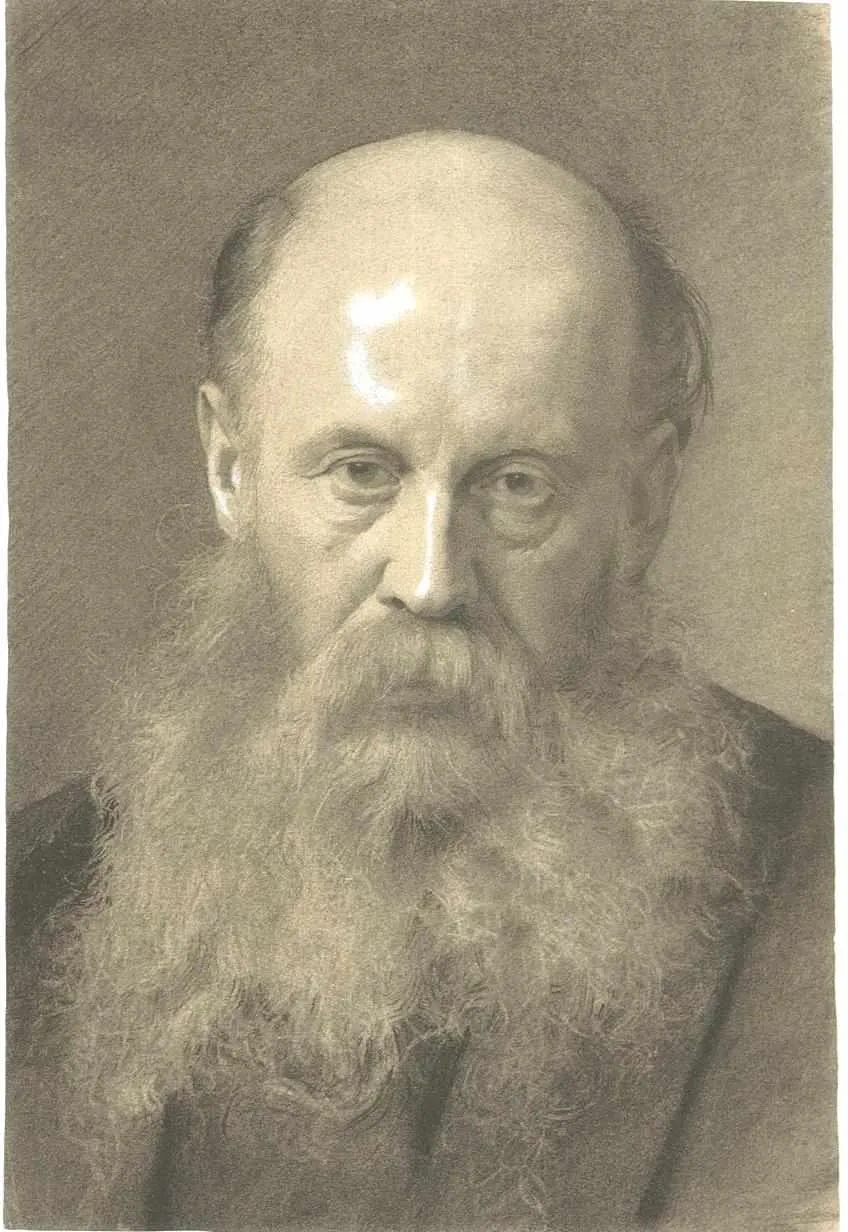
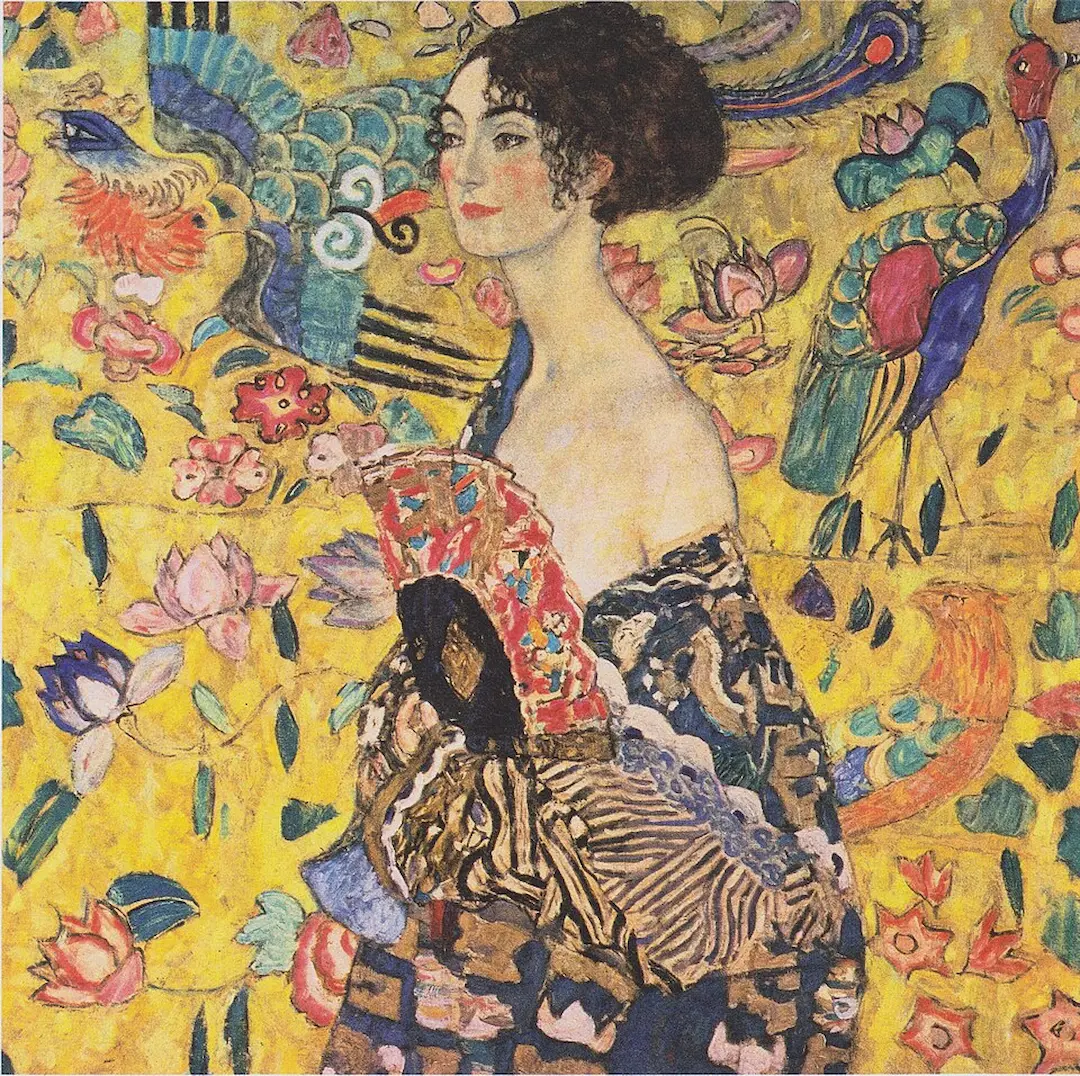
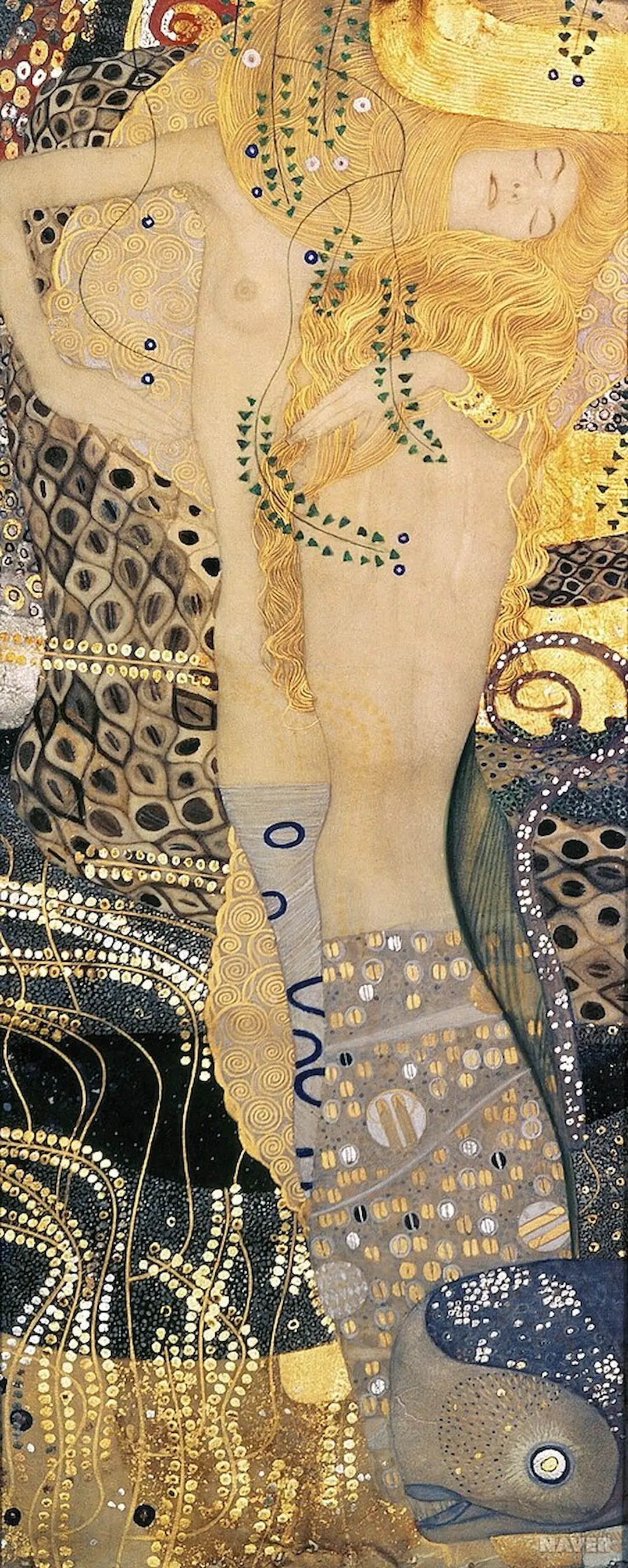
Klimt’s "Portrait of a Man with Beard" exemplifies his exceptional technique in oil on canvas, blending intricate detail with expressive brushwork. The Vienna Secession artist’s mastery is evident in the lifelike representation and subtle textures that bring the subject to life. This painting, like "Water Serpents I" and "Lady With Fan," demonstrates Klimt’s commitment to elevating portraiture within the fine art world, making each oil on canvas piece an enduring masterpiece.
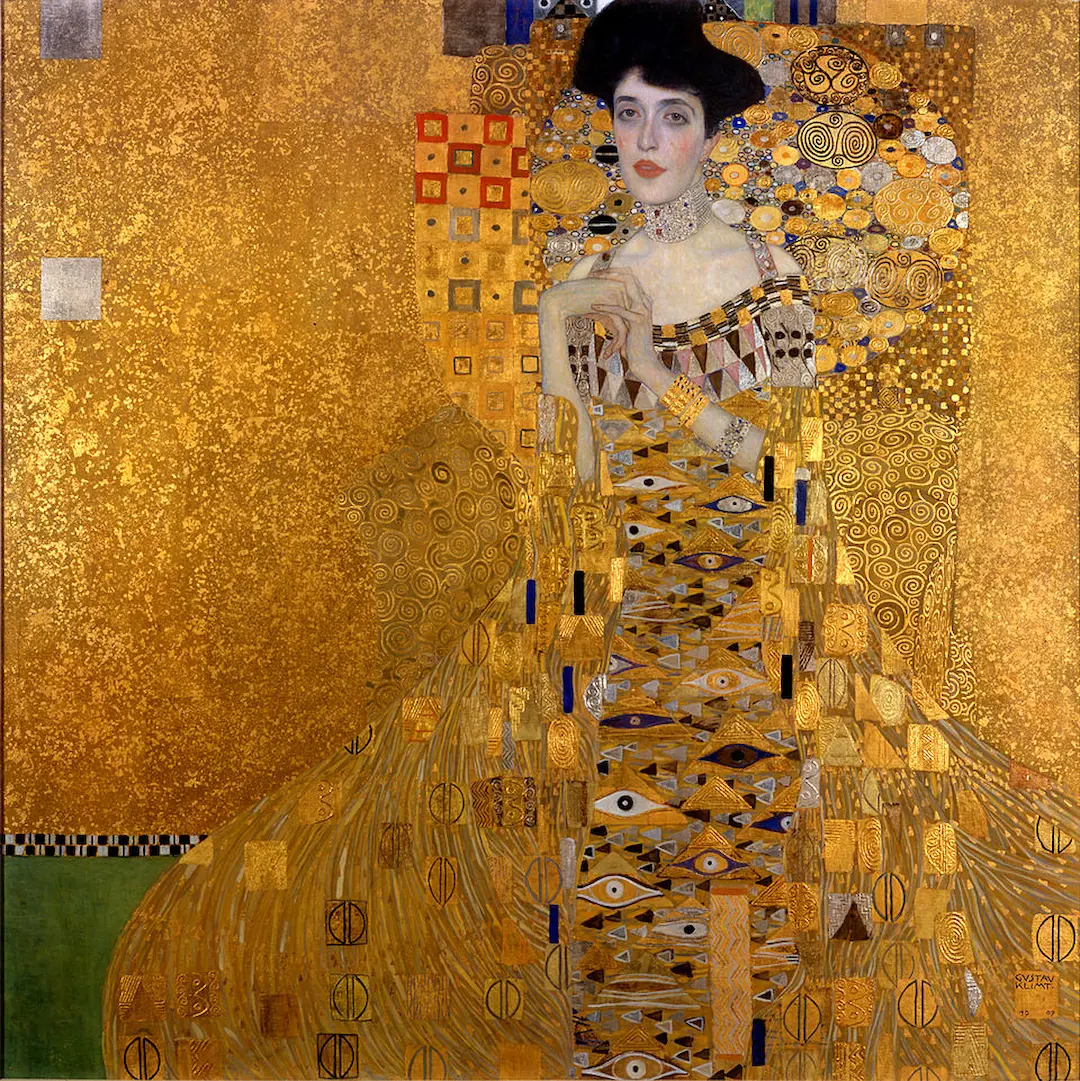
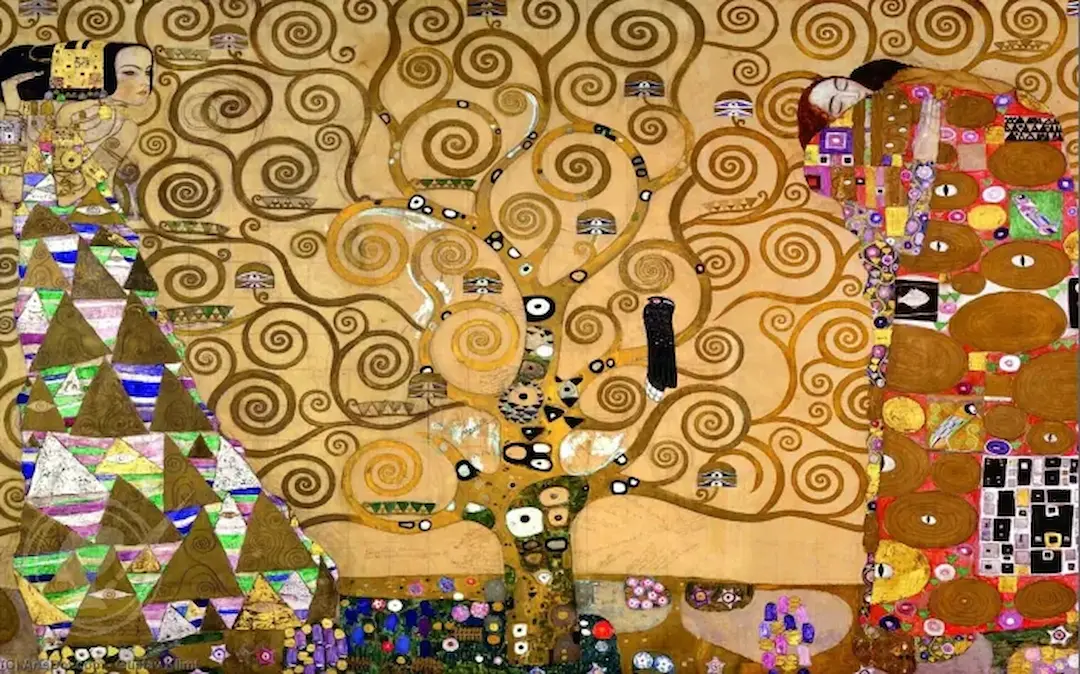
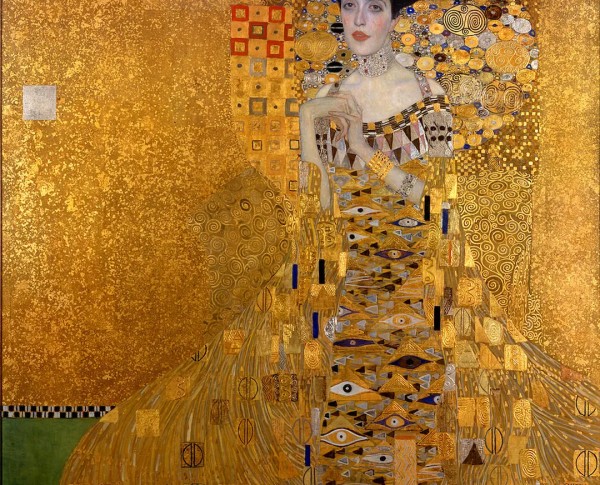
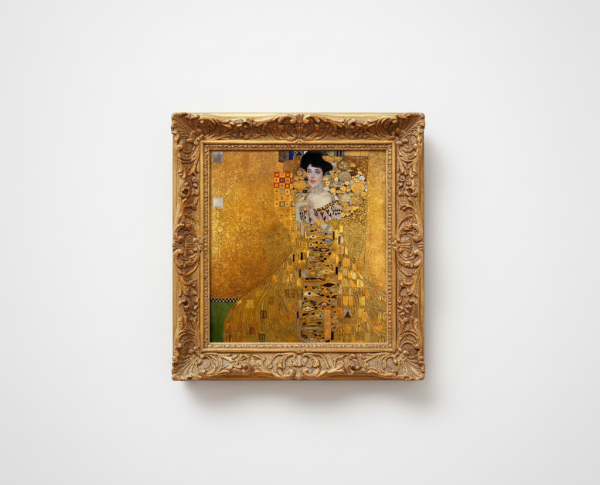
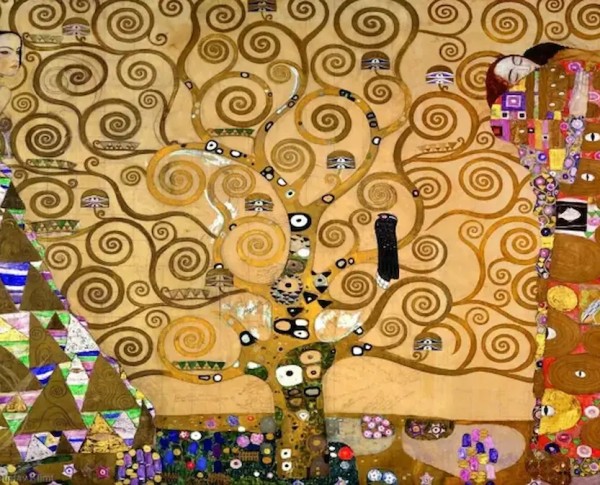
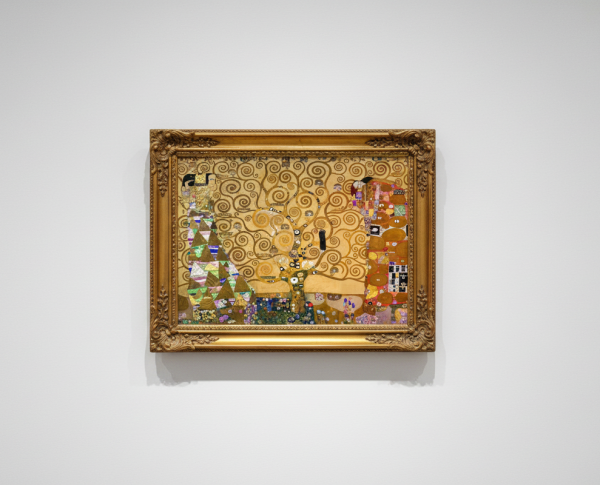
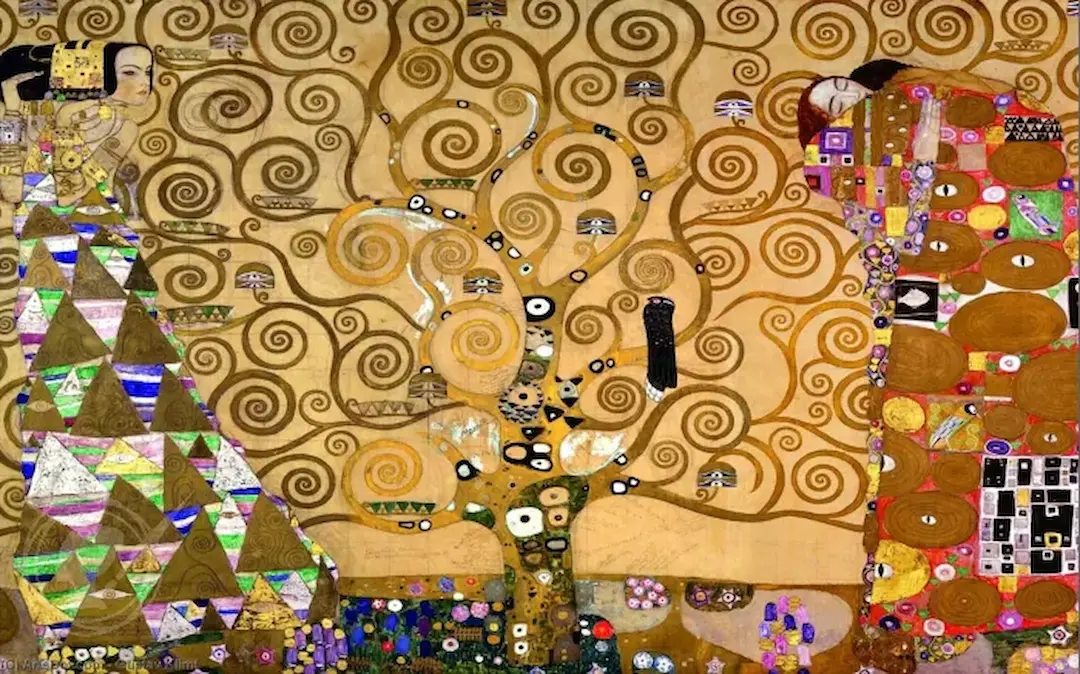
In "Portrait of a Man with Beard," Gustav Klimt infuses the canvas with nuanced symbolism and storytelling, hallmarks of the Vienna Secession movement. The thoughtful gaze and detailed background suggest layers of meaning, inviting viewers to interpret the subject’s inner world. As with "The Tree of Life" and "Portrait Of Adele Bloch Bauer I," this fine art painting for sale offers an opportunity to own a work where every element is rich with narrative and artistic intent.
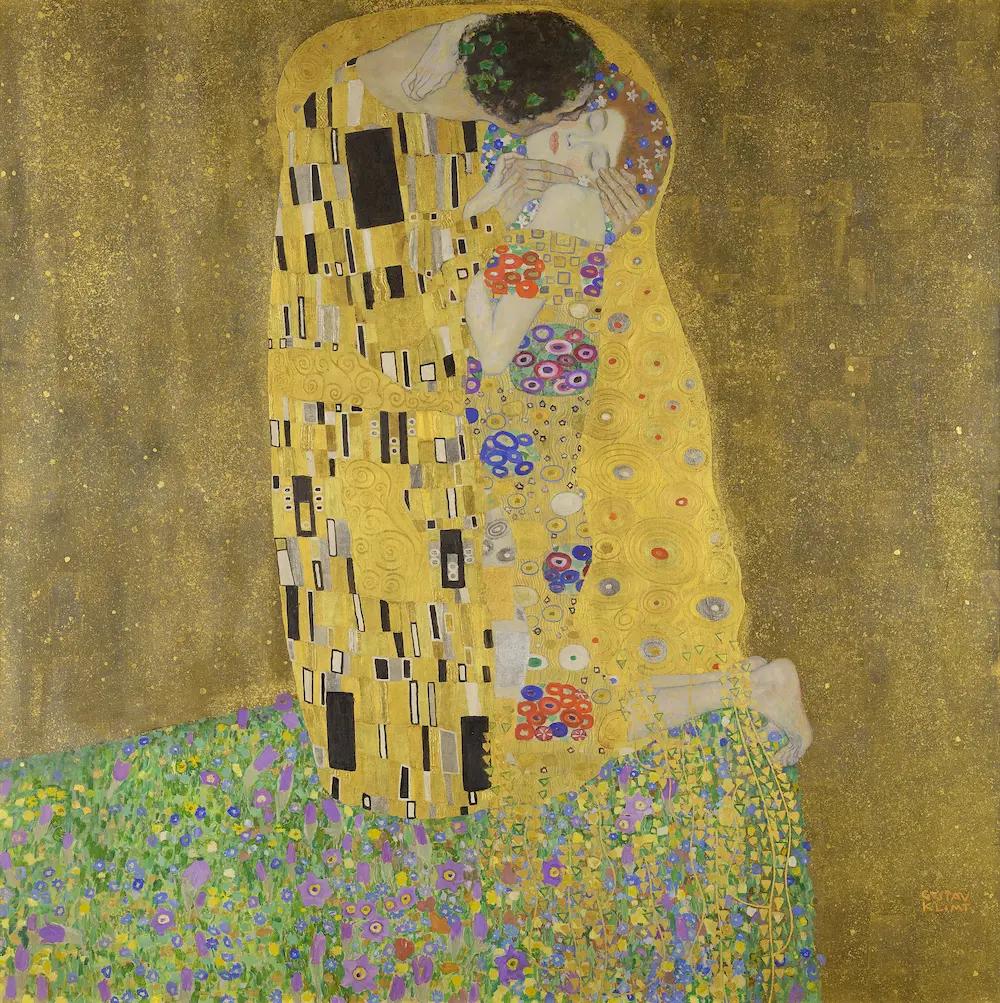
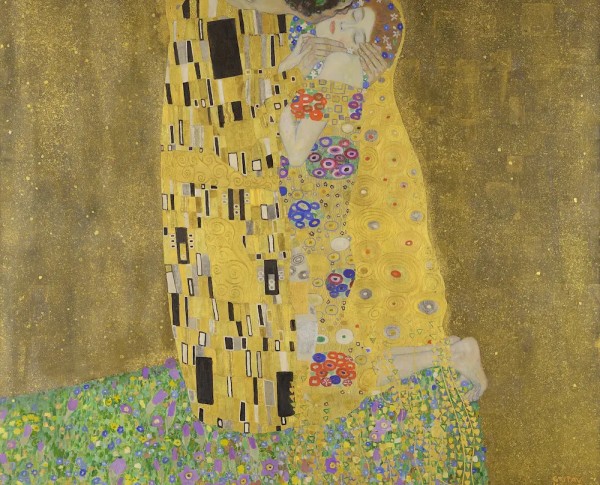
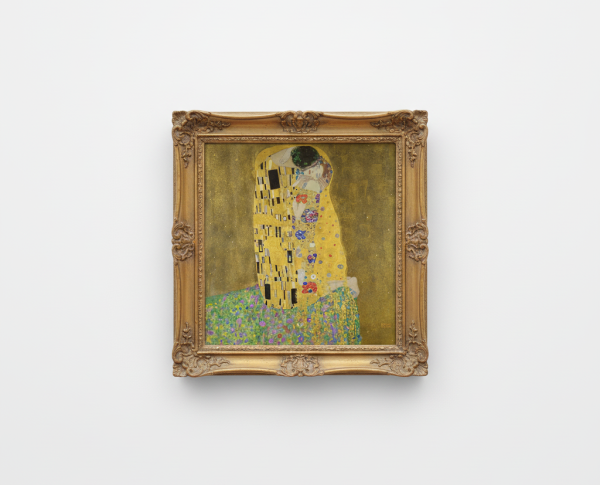
For collectors, "Portrait of a Man with Beard" by Gustav Klimt is a coveted fine art painting for sale, embodying the spirit of the Vienna Secession. Its provenance and artistry make it a standout piece alongside other Klimt classics such as "The Kiss" and "Lady With Fan." Owning this hand-painted oil painting not only enhances any collection but also connects you to the legacy of one of history’s most influential artists.
When Art Meets History
Gustav Klimt’s "Portrait of a man with beard" stands as a testament to the Vienna Secession movement, capturing a pivotal moment in art history. This hand-painted oil painting not only reflects the innovative spirit of its era but also echoes Klimt’s distinctive approach to portraiture. Like his other renowned works, this piece intertwines personal narrative with broader cultural shifts, making it a significant example of early 20th-century artistry and a remarkable addition to any fine art painting for sale.
Techniques That Speak
Executed in oil on canvas, "Portrait of a man with beard" showcases Gustav Klimt’s masterful technique, characteristic of the Vienna Secession movement. Klimt’s brushwork and use of color infuse the subject with life and depth, while his attention to detail highlights the sitter’s individuality. The painting’s layered textures and subtle luminosity set it apart from other works, revealing Klimt’s skill in transforming traditional portraiture into something truly modern and evocative.
Emotions on Display
In "Portrait of a man with beard," Gustav Klimt masterfully conveys the subject’s inner world, a hallmark of Vienna Secession art. The nuanced expression and thoughtful gaze invite viewers to contemplate the sitter’s character and story. This hand-painted oil painting resonates emotionally, much like Klimt’s other portraits, drawing attention to the psychological depth beneath the surface. The result is an evocative work that continues to captivate and intrigue art lovers across generations.
Coveted by Collectors
Gustav Klimt’s "Portrait of a man with beard" is a highly sought-after fine art painting for sale, admired by collectors worldwide. Its unique blend of Vienna Secession aesthetics and innovative technique make it a valuable addition to any collection. The painting’s rarity and historical significance, combined with Klimt’s enduring legacy, ensure its place among the most desirable works in the art market, alongside other masterpieces by the celebrated Austrian artist.
Frequently Asked Questions About Portrait of a man with beard
Who is the artist of "Portrait of a man with beard"?
The artist of "Portrait of a man with beard" is Gustav Klimt, an Austrian symbolist painter known for his distinctive style and use of decorative elements.
What year was "Portrait of a man with beard" created?
This painting was created in 1898, during a period when Klimt was exploring portraiture and the human form with a unique approach.
What artistic techniques did Klimt employ in this painting?
Klimt utilized oil on canvas, employing intricate patterns and textures, characteristic of his style, which blends realism with decorative symbolism.
What is the significance of the beard in the portrait?
The beard in the portrait may symbolize wisdom and maturity, reflecting the subject's character and enhancing the overall gravitas of the composition.
How does "Portrait of a man with beard" reflect Klimt's artistic style?
This work exemplifies Klimt's signature style, combining realism with ornamental elements, and showcasing his fascination with the interplay of patterns and human emotion.
What themes are explored in "Portrait of a man with beard"?
The painting explores themes of identity, masculinity, and the complexity of human expression, inviting viewers to contemplate the subject's inner life.
Is there any symbolism associated with the colors used in the painting?
Yes, Klimt often used color symbolically; the warm tones in this portrait may evoke feelings of warmth and intimacy, while the darker hues suggest depth and seriousness.
How does this portrait compare to Klimt's other works?
While Klimt is renowned for his decorative female figures, "Portrait of a man with beard" stands out as a significant exploration of male identity within his broader oeuvre.
What influence did "Portrait of a man with beard" have on later artists?
This painting influenced later artists by showcasing the integration of decorative elements with portraiture, paving the way for modern interpretations of identity in art.
Where can I view "Portrait of a man with beard" today?























_GFM_Painting_(1).webp)


 100% Hand-Painted: Finished in 3-6 Weeks

.png)















_(1).webp)