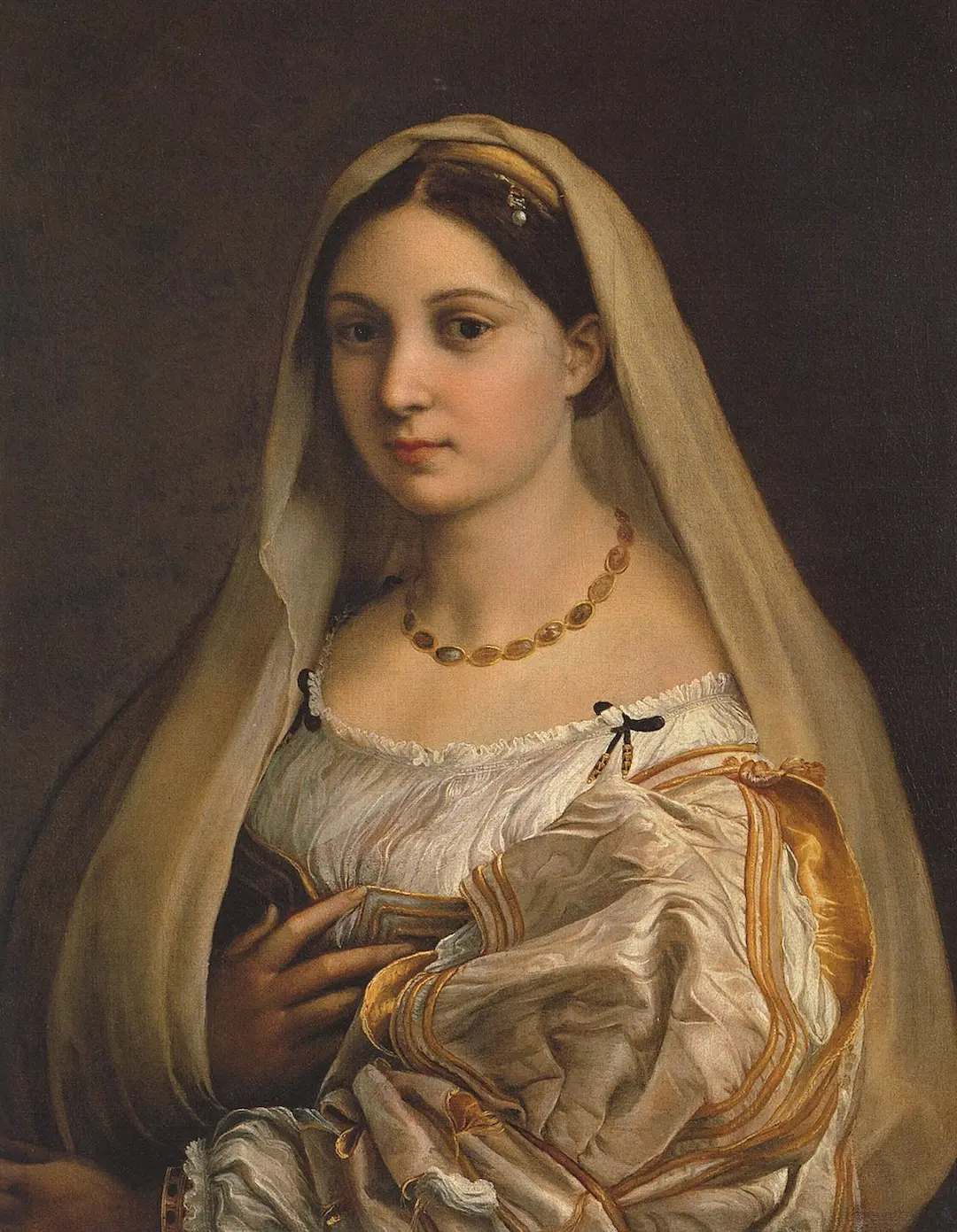
Raffaello Sanzio’s technique in "La Donna Velata" exemplifies the mastery found in the High Renaissance, where each brushstroke brings the subject to life. The oil on canvas medium allows for subtle gradations of light and shadow, enhancing the sitter’s delicate features. Admirers of fine art often appreciate similar works by Raffaello, such as "St George and the Dragon" and "The Woman with the Unicorn," which showcase his exceptional skill and mastery of form.
"La Donna Velata" is more than just a portrait; it is a fine art painting for sale that brims with hidden stories and symbolism. Raffaello Sanzio’s enigmatic subject, draped in a translucent veil, has inspired centuries of speculation about her identity and meaning. Collectors frequently explore related works like "Cherubini" and "The Vision of Ezekiel" to delve deeper into the symbolic language and storytelling that define the High Renaissance movement.
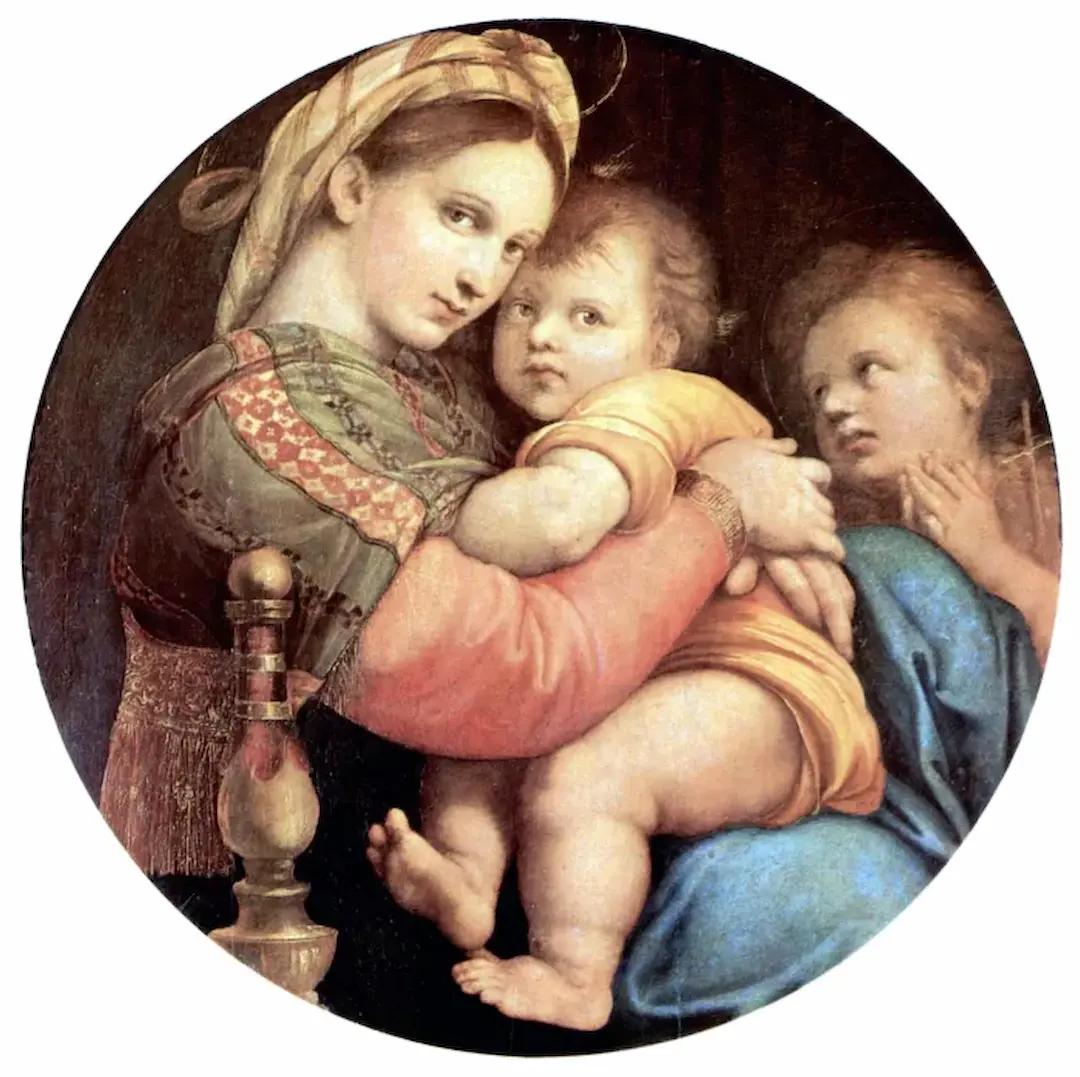
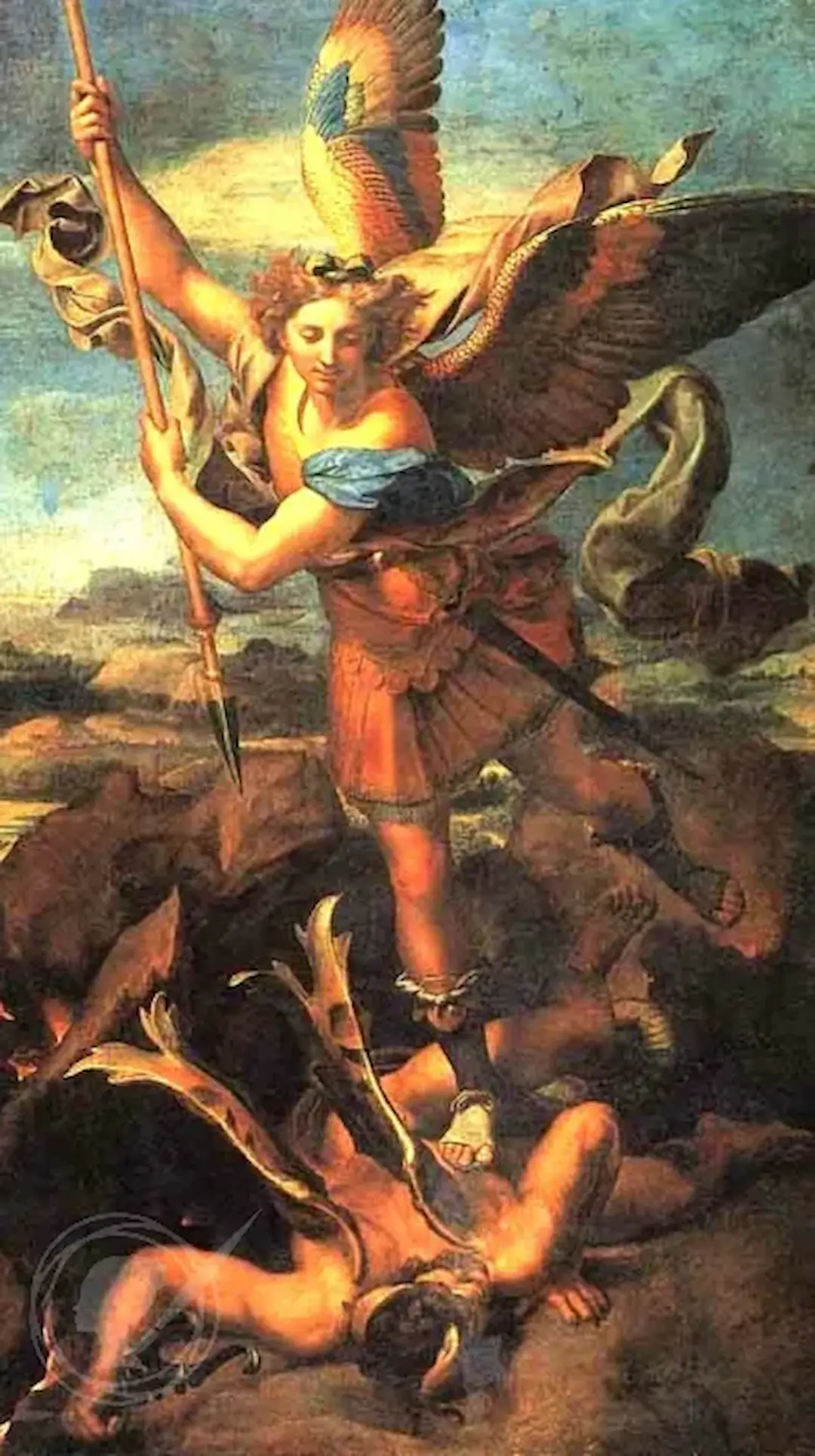
Acquiring "La Donna Velata" by Raffaello Sanzio is a dream for many collectors seeking a signature oil on canvas from the High Renaissance. This masterpiece, alongside related products such as "Madonna & Child (Madonna del Granduca) 1505" and "Saint Michael Trampling the Dragon," represents the pinnacle of artistic achievement. Owning such a piece not only brings historical significance but also the timeless beauty synonymous with Raffaello’s celebrated body of work.
When Art Meets History
"La Donna Velata" by Raffaello Sanzio is a remarkable hand-painted oil painting from the High Renaissance era. Created around 1516, it reflects the period’s fascination with beauty, grace, and human emotion. Raffaello, also known as Raphael, masterfully conveys the elegance of his subject, echoing the sophistication seen in Leonardo da Vinci's "Mona Lisa" and "Portrait of Cecilia Gallerani." This exquisite work stands alongside "The Last Supper" and "Creation of Adam" in art historical significance.
Techniques That Speak
Raphael’s "La Donna Velata" showcases his expertise with oil on canvas, a technique that defines many masterpieces of the High Renaissance. The delicate rendering of fabrics and the soft blending of tones reveal his exceptional skill, similar to the techniques seen in "Female head (The Lady of the Dishevelled Hair)." The artist’s ability to create lifelike textures and subtle transitions highlights why oil on canvas became the preferred medium for so many Renaissance painters.
Emotions on Display
The subject of "La Donna Velata" exudes a serene yet mysterious presence, making this fine art painting for sale a captivating study in human emotion. Raffaello Sanzio’s attention to the sitter’s gentle expression and the luminous quality of her skin evoke the same emotional depth found in "Mona Lisa" and "Creation of Adam." The painting’s intimate aura draws viewers in, inviting contemplation of the sitter's thoughts and the artist’s intentions.
Coveted by Collectors
"La Donna Velata" remains highly sought after by collectors and connoisseurs of the High Renaissance, much like "The Last Supper" and "Portrait of Cecilia Gallerani." This hand-painted oil painting is admired for its technical brilliance and historical importance. As a testament to Raffaello Sanzio’s enduring legacy, the painting continues to inspire interest in fine art painting for sale, offering a timeless glimpse into the elegance and artistry of the Renaissance period.
Related High Renaissance Hand-Painted Oil Paintings by Other Artists
Other Famous High Renaissance Artists:
Frequently Asked Questions About La Donna Velata
What is the historical context of La Donna Velata?
La Donna Velata was painted by Raffaello Sanzio, also known as Raphael, during the High Renaissance, around 1516-1518. This period was characterized by a renewed interest in classical antiquity and a focus on humanism, which is reflected in the painting's composition and subject matter.
Who is the subject of La Donna Velata?
The subject of La Donna Velata is widely believed to be a woman named Margherita Luti, who was Raphael's muse and lover. She is depicted with a serene expression, symbolizing both beauty and grace.
What artistic techniques did Raphael use in La Donna Velata?
Raphael employed techniques such as chiaroscuro, which creates a sense of depth through light and shadow, and sfumato, which softens the edges of forms for a more naturalistic appearance. These techniques contribute to the painting's lifelike quality.
What is the significance of the veil in La Donna Velata?
The veil worn by the woman in La Donna Velata serves multiple symbolic purposes. It represents modesty and virtue, while also adding an element of mystery to her character. The veil can be interpreted as a metaphor for the complexities of femininity.
How does La Donna Velata reflect Renaissance ideals?
La Donna Velata embodies Renaissance ideals through its emphasis on beauty, proportion, and the human form. The painting showcases Raphael's mastery of composition and his ability to convey emotion, aligning with the period's celebration of humanism and individual expression.
What role does color play in La Donna Velata?
Color in La Donna Velata is used to enhance the emotional impact of the painting. The warm tones of the woman's skin contrast with the cooler hues of her clothing and background, creating a harmonious balance that draws the viewer's attention to her face.
What influence did La Donna Velata have on later artists?
La Donna Velata has had a significant influence on subsequent artists, particularly in the portrayal of female subjects. Its combination of beauty, grace, and emotional depth has inspired countless works throughout the history of art, establishing a standard for portraiture.
Where is La Donna Velata currently located?
La Donna Velata is housed in the Palatine Gallery of the Pitti Palace in Florence, Italy. The painting is part of a collection that showcases the rich artistic heritage of the Renaissance period.
What are the dimensions of La Donna Velata?
La Donna Velata measures approximately 100 cm × 77 cm (39.4 in × 30.3 in). Its relatively modest size allows for an intimate viewing experience, drawing viewers closer to the subject's engaging expression.
What is the legacy of La Donna Velata in art history?
La Donna Velata is regarded as one of Raphael's masterpieces and a quintessential example of High Renaissance portraiture. Its enduring appeal and technical excellence have solidified its place in art history, influencing both contemporary and future generations of artists.






















_GFM_Painting_(1).webp)


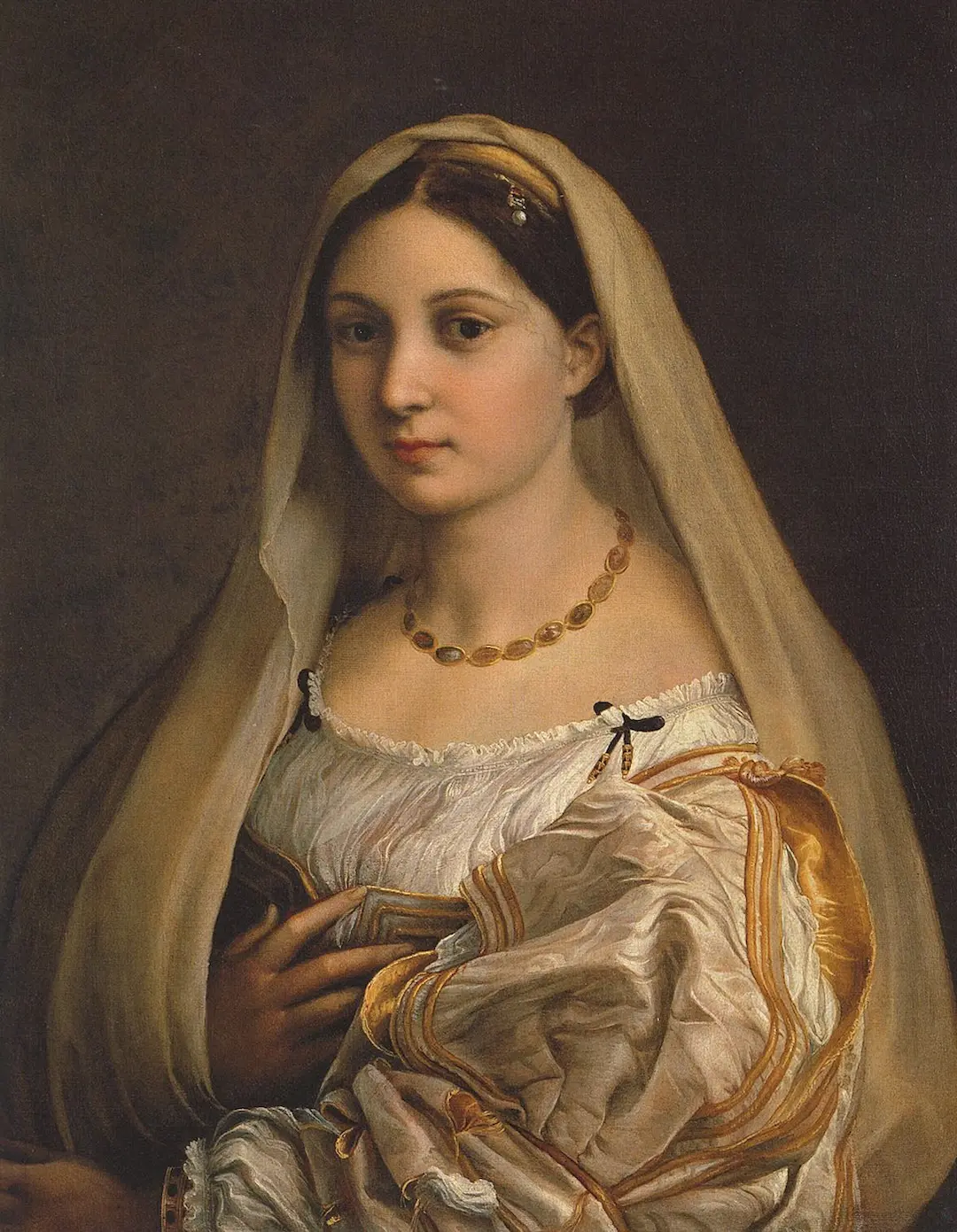
 100% Hand-Painted: Finished in 3-6 Weeks

.png)
















_(1).webp)