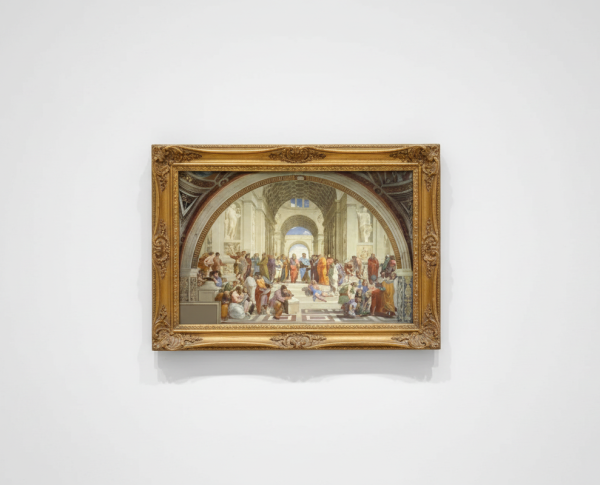
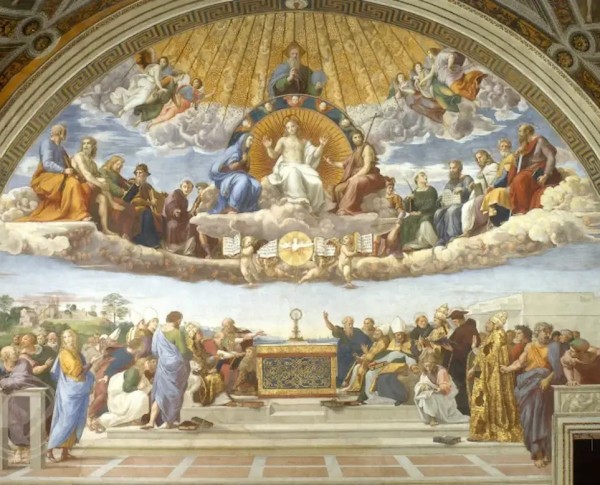
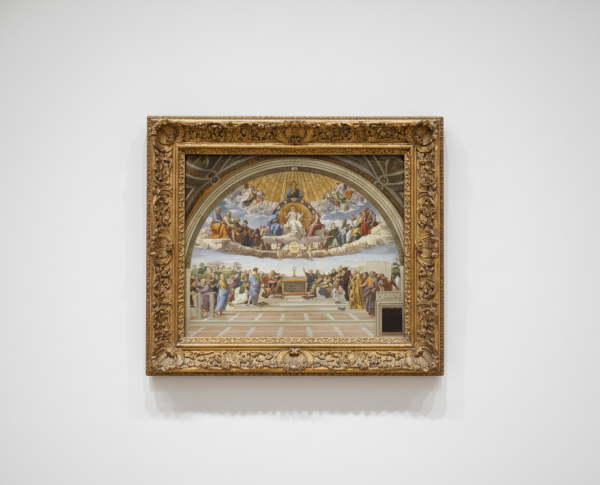
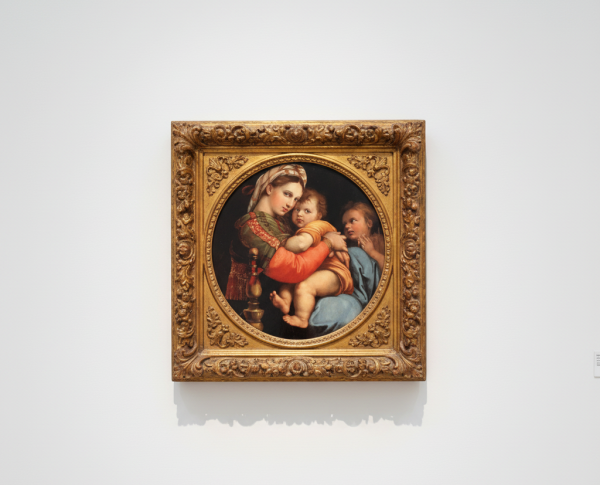
Raffaello Sanzio’s expert use of oil on canvas in "The Stanza Della Segnatura Ceiling Justice" highlights the extraordinary technical skill characteristic of the High Renaissance. Every brushstroke reveals meticulous attention to detail, balance, and harmony, making it a prized example of fine art. For enthusiasts seeking similar works, consider "Cherubini," "The Madonna Of The Chair," or "The Vision of Ezekiel" as complementary pieces to enrich your space.
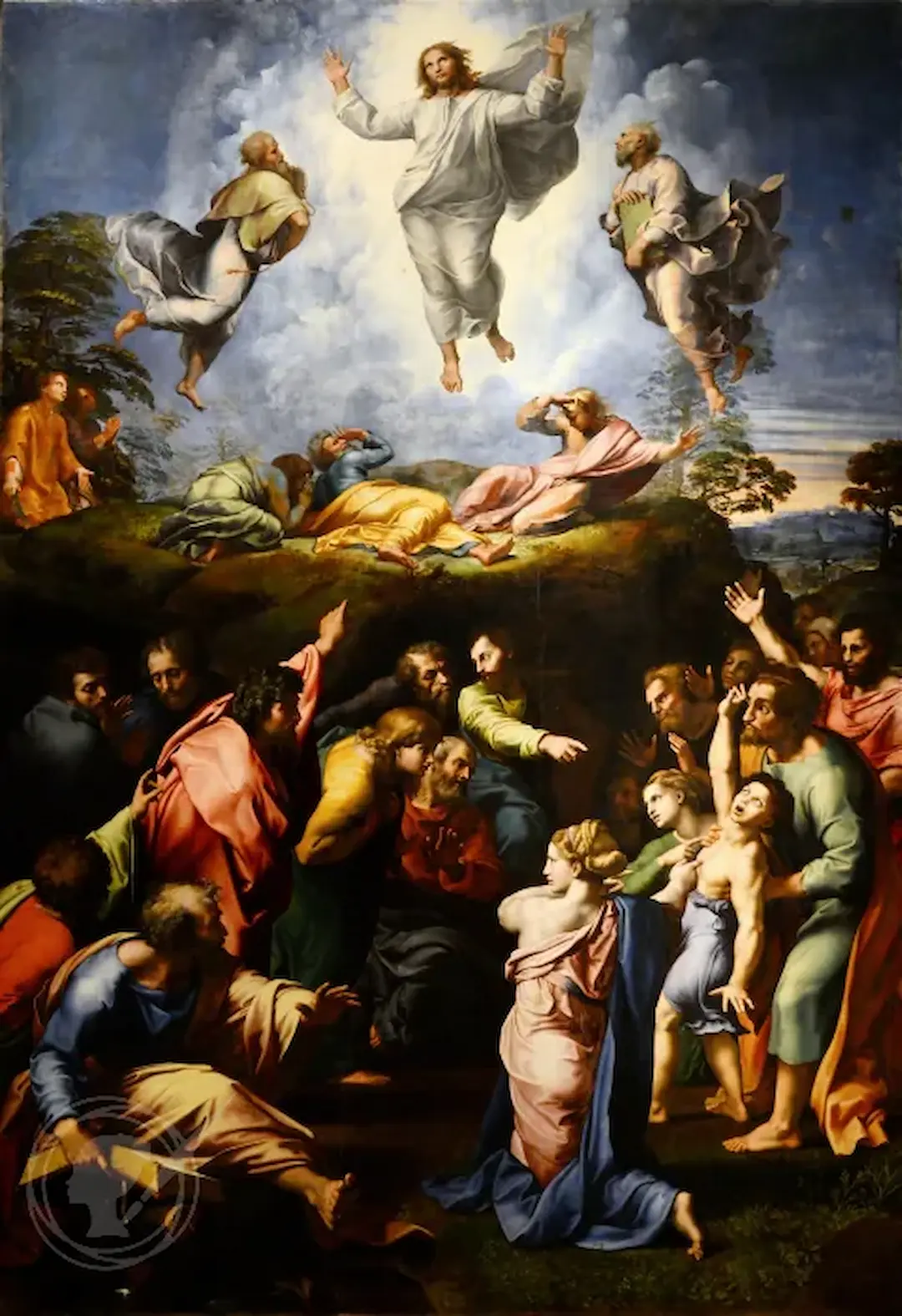
Infused with allegorical meaning, "The Stanza Della Segnatura Ceiling Justice" by Raffaello Sanzio is more than a fine art painting for sale—it’s a narrative on virtue and law. The High Renaissance movement’s dedication to intellectual depth is evident in the complex figures and symbolic elements depicted. Complement your appreciation with related masterpieces like "The Transfiguration" and "The Triumph Of Galatea," each telling its own story through timeless artistry.
Owning a hand-painted oil painting such as "The Stanza Della Segnatura Ceiling Justice" by Raffaello Sanzio is a unique opportunity for collectors of High Renaissance art. This masterpiece, along with related products like "The Madonna Of The Chair" and "The Vision of Ezekiel," offers a window into the golden age of artistic achievement. Elevate your collection with a work that embodies both historical significance and enduring beauty.
When Art Meets History
"The Stanza Della Segnatura Ceiling Justice" by Raffaello Sanzio stands as a masterwork of the High Renaissance, blending classical ideals with humanist philosophy. Painted alongside other iconic works like "The Last Supper 1498" and "Creation of Adam 1510," this hand-painted oil painting showcases the era’s pursuit of knowledge and justice. Raphael’s vision transformed the Vatican’s library into a sanctuary of wisdom, mirroring the intellectual fervor found in "Mona Lisa (La Gioconda) c. 1503-05."
Techniques That Speak
Raffaello Sanzio employed remarkable mastery in "The Stanza Della Segnatura Ceiling Justice," utilizing oil on canvas techniques that defined the High Renaissance movement. His delicate handling of light and shadow, reminiscent of "Portrait of Cecilia Gallerani (Lady with an Ermine) 1483-90," brings depth and harmony to the composition. The subtle gradations and balanced forms reflect Raphael’s commitment to classical ideals, making this painting a pivotal example for collectors seeking timeless beauty.
Emotions on Display
This fine art painting for sale captures the solemn dignity of Justice, a virtue revered during the High Renaissance. Raffaello Sanzio’s expressive figures evoke contemplation and awe, similar to the emotive power found in "Female head (The Lady of the Dishevelled Hair) (or La Scapigliata)." The interplay of gesture and gaze draws viewers into a narrative of fairness and wisdom, embodying the era’s belief in the harmony between reason and emotion.
Coveted by Collectors
"The Stanza Della Segnatura Ceiling Justice" remains highly sought after by art enthusiasts and collectors worldwide. As with masterpieces like "Mona Lisa (La Gioconda) c. 1503-05," owning a hand-painted oil painting from the High Renaissance era is a mark of distinction. Raffaello Sanzio’s legacy endures, with each brushstroke reflecting a fusion of artistic genius and historical significance, making this work a prized addition to any fine art collection.
Related High Renaissance Hand-Painted Oil Paintings by Other Artists
Other Famous High Renaissance Artists:
Frequently Asked Questions About The Stanza Della Segnatura Ceiling Justice
What is the historical significance of The Stanza Della Segnatura?
The Stanza Della Segnatura, located in the Vatican, was commissioned by Pope Julius II and serves as a testament to the Renaissance's intellectual revival, showcasing the convergence of art, philosophy, and theology.
Who was Raffaello Sanzio and what was his role in the Renaissance?
Raffaello Sanzio, commonly known as Raphael, was an Italian painter and architect of the High Renaissance, celebrated for his harmonious compositions and mastery of perspective, which greatly influenced Western art.
What themes are depicted in the ceiling of The Stanza Della Segnatura?
The ceiling features themes of justice, philosophy, and the pursuit of knowledge, symbolizing the ideal of a balanced and enlightened society through the representation of various allegorical figures.
What artistic techniques did Raphael employ in this painting?
Raphael utilized techniques such as chiaroscuro to create depth, foreshortening to enhance perspective, and a vibrant color palette to convey emotion and dynamism within the composition.
What does the figure of Justice symbolize in the painting?
The figure of Justice is depicted as a central allegorical figure, symbolizing the moral and ethical principles that govern human conduct, reflecting the Renaissance belief in the importance of justice in society.
How does The Stanza Della Segnatura reflect the ideals of the Renaissance?
The painting embodies Renaissance ideals by merging classical philosophy with Christian theology, emphasizing humanism, the importance of reason, and the pursuit of knowledge as pathways to enlightenment.
What role did the patronage of Pope Julius II play in the creation of this artwork?
Pope Julius II's patronage was crucial, as it provided the financial and political support necessary for Raphael to execute this monumental work, which aimed to enhance the cultural prestige of the papacy.
How has The Stanza Della Segnatura influenced later art movements?
The Stanza Della Segnatura has significantly influenced later art movements by establishing a standard for narrative complexity and compositional balance, inspiring artists during the Baroque and Neoclassical periods.
What other figures are included in the ceiling, and what do they represent?
Other figures include Philosophy, Poetry, and Theology, each representing different branches of knowledge and the pursuit of truth, emphasizing the interconnectedness of various disciplines in the quest for understanding.
What is the significance of the architectural elements in the painting?
The architectural elements in the painting serve to frame the central figures, creating a sense of grandeur and depth, while also reflecting the Renaissance's fascination with classical architecture and its harmony with human experience.






















_GFM_Painting_(1).webp)



 100% Hand-Painted: Finished in 3-6 Weeks


.png)


















_(1).webp)