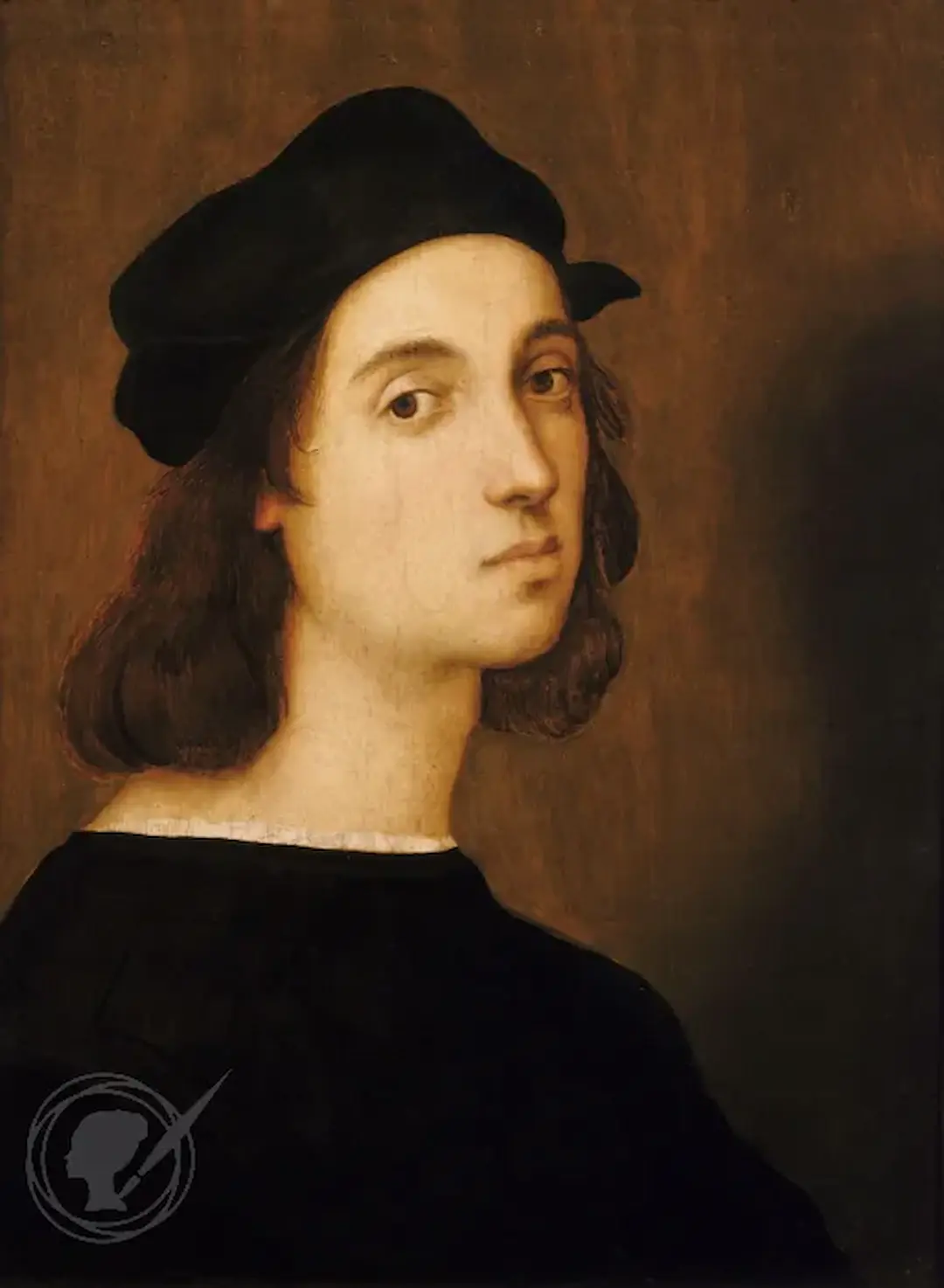
The "Self Portrait" by Raffaello Sanzio exemplifies the unmatched technique found in oil on canvas works of the High Renaissance. Raphael’s delicate brushwork and subtle play of light highlight his mastery, drawing viewers into the expressive realism of his gaze. For those seeking a fine art painting for sale, this piece stands as a testament to the technical prowess and deep emotion that define Raphael’s celebrated body of work.
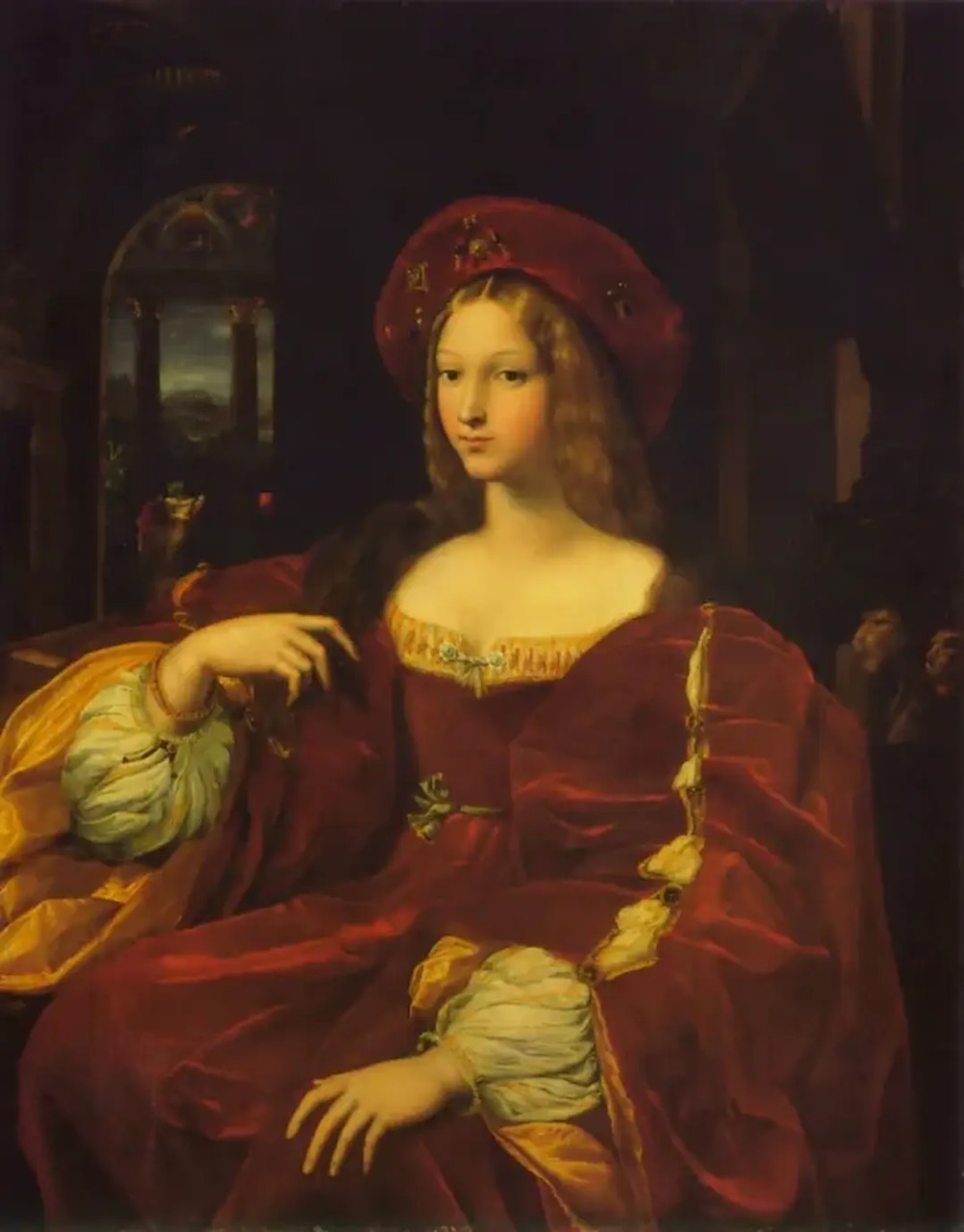
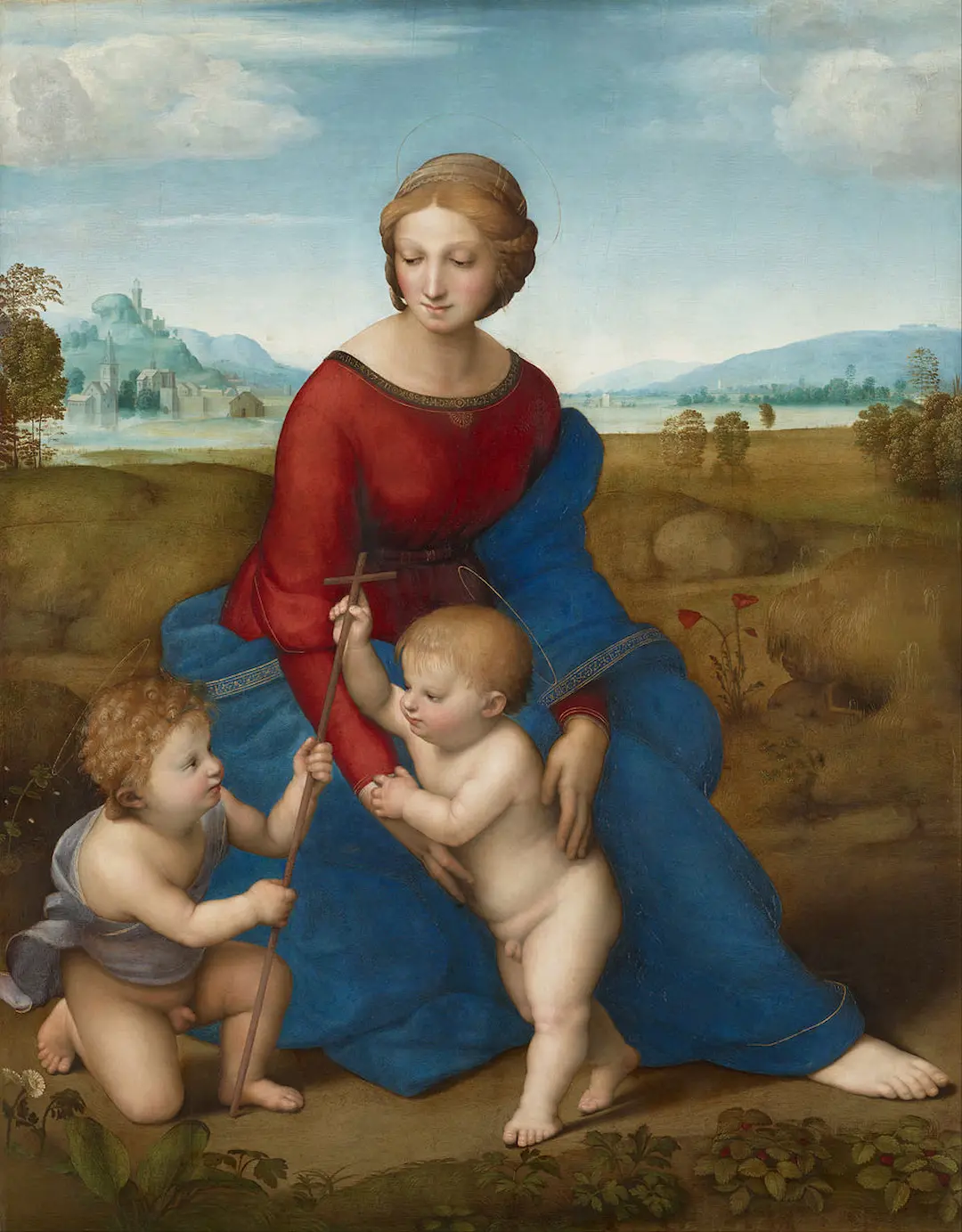
Within the "Self Portrait," Raffaello Sanzio weaves subtle stories and symbols that speak to his personal journey and the broader themes of the High Renaissance. This hand-painted oil painting echoes motifs seen in related works like "Madonna of Belvedere (or Madonna del Prato)" and "Joanna Of Aragon." Each element in the composition invites viewers to delve deeper, making it an essential study for those passionate about symbolic expression in classical portraiture.
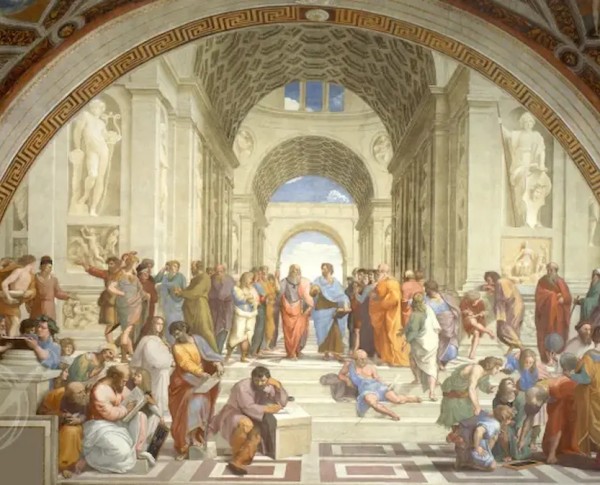
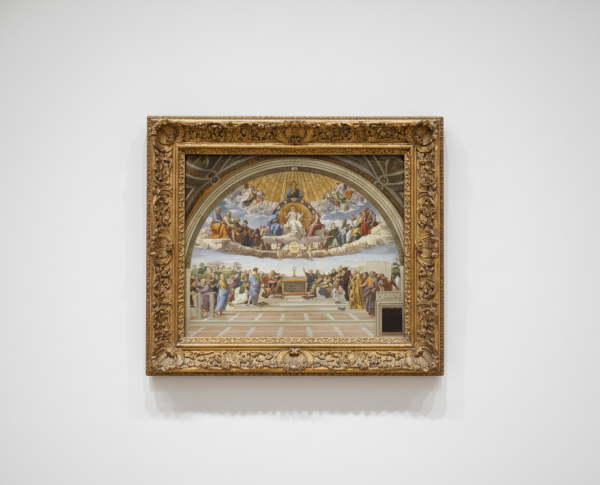
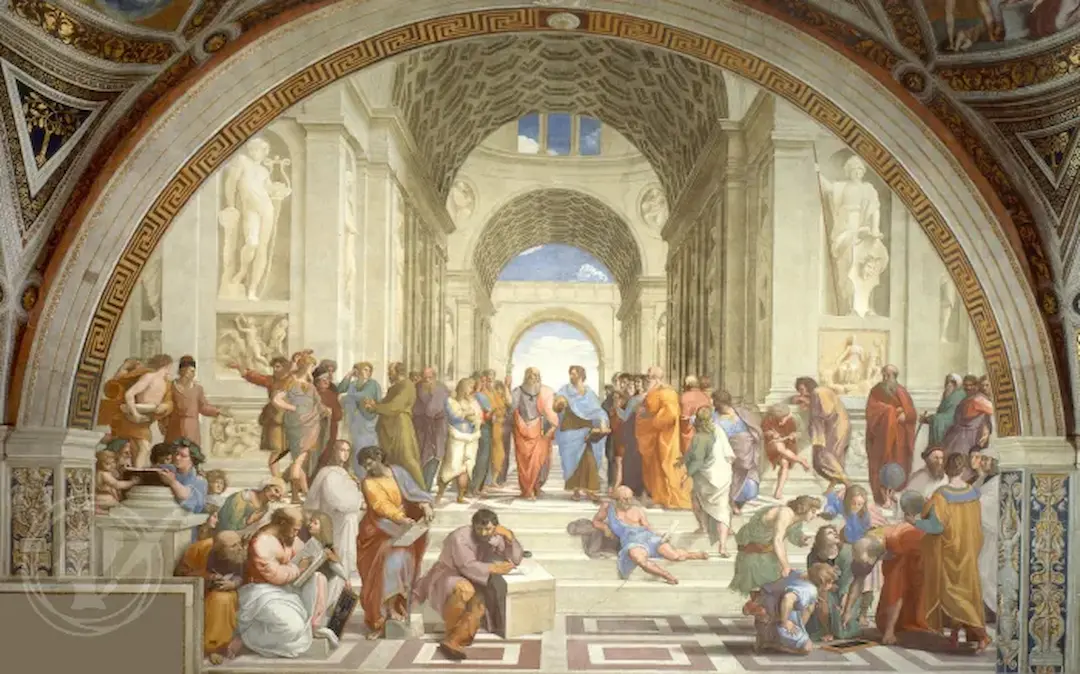
Owning a "Self Portrait" by Raffaello Sanzio is a dream for any art enthusiast, especially those who value the High Renaissance movement. This oil on canvas masterpiece, along with related fine art painting for sale options such as "The School of Athens" or "Madonna & Child (Madonna del Granduca) 1505," offers a chance to possess a piece of history. Raphael’s works remain sought-after treasures, admired for their timeless beauty and cultural significance.
When Art Meets History
Raffaello Sanzio’s "Self Portrait" is a remarkable example of the High Renaissance movement, capturing both the spirit of its era and the artist’s own legacy. Created during a period of artistic innovation, this hand-painted oil painting stands alongside masterpieces like "Mona Lisa" and "The Last Supper." Through his self-representation, Raphael invites viewers to witness a pivotal moment in art history, where technique and emotion intersected to define a golden age of creativity.
Techniques That Speak
In "Self Portrait," Raffaello Sanzio employs exquisite oil on canvas techniques that exemplify the High Renaissance’s mastery of realism and subtlety. The delicate blending of tones and the precise rendering of features reveal the artist’s skill, similar to works like "Creation of Adam" and "La Scapigliata." Each brushstroke contributes to a lifelike presence, making this oil on canvas a testament to Raphael’s enduring influence on portraiture and Renaissance artistry.
Emotions on Display
The expressive gaze in Raphael’s "Self Portrait" reflects a profound introspection, inviting viewers to connect with the artist’s inner world. This fine art painting for sale stands out not only for its technical prowess but also for its emotional resonance, much like Leonardo’s "Lady with an Ermine." Through subtle facial expressions and gentle modeling, Raphael conveys a sense of vulnerability and confidence, hallmark traits of the High Renaissance’s approach to capturing the human soul.
Coveted by Collectors
As a celebrated masterpiece, Raffaello Sanzio’s "Self Portrait" is highly sought after by art collectors and enthusiasts. The painting’s association with the High Renaissance, alongside related works such as "Mona Lisa" and "The Last Supper," enhances its allure in the art market. Owning a hand-painted oil painting of this caliber is a prized opportunity, as it embodies the elegance and historical significance that define the era’s most treasured creations.
Related High Renaissance Hand-Painted Oil Paintings by Other Artists
Other Famous High Renaissance Artists:
Frequently Asked Questions About Self Portrait
Who is the artist of "Self Portrait"?
The artist of "Self Portrait" is Raffaello Sanzio, commonly known as Raphael, an Italian painter and architect of the High Renaissance.
What is the significance of Raphael's self-portraits in art history?
Raphael's self-portraits are significant as they reflect the artist's mastery of composition and his understanding of human emotion, serving as a testament to his artistic identity during the Renaissance.
What artistic techniques did Raphael employ in "Self Portrait"?
In "Self Portrait," Raphael utilized techniques such as chiaroscuro to create depth, along with precise anatomical proportions and a balanced composition that highlights his skill in portraiture.
How does "Self Portrait" reflect the characteristics of the High Renaissance?
"Self Portrait" embodies the characteristics of the High Renaissance through its emphasis on realism, harmonious proportions, and the portrayal of the artist's intellectual and emotional depth.
What symbols are present in "Self Portrait" and what do they represent?
In "Self Portrait," the artist's gaze and expression symbolize introspection and confidence, reflecting the Renaissance ideal of the artist as a learned individual and a thinker.
What was the cultural context during the time Raphael created "Self Portrait"?
During the time Raphael created "Self Portrait," the cultural context was marked by a flourishing of the arts in Italy, with a focus on humanism, classical antiquity, and the patronage of the Medici and other influential families.
How does Raphael's self-portrait compare to those of his contemporaries?
Raphael's self-portrait is often regarded as more introspective and serene compared to those of contemporaries like Michelangelo, who portrayed themselves with a more dramatic and intense expression.
What influence did "Self Portrait" have on later artists?
"Self Portrait" influenced later artists by establishing the self-portrait as a significant genre in art, encouraging subsequent generations to explore their identities and personal expressions through this medium.
What materials were used in the creation of "Self Portrait"?
Raphael typically used oil on canvas for his portraits, allowing for rich color and detail, although the specific materials for "Self Portrait" may vary based on its preservation and restoration history.
What is the legacy of Raphael's "Self Portrait" in today's art world?
The legacy of Raphael's "Self Portrait" continues to resonate in today's art world, as it serves as a benchmark for artistic excellence and the exploration of personal identity within the broader context of art history.






















_GFM_Painting_(1).webp)


 100% Hand-Painted: Finished in 3-6 Weeks

.png)
















_(1).webp)