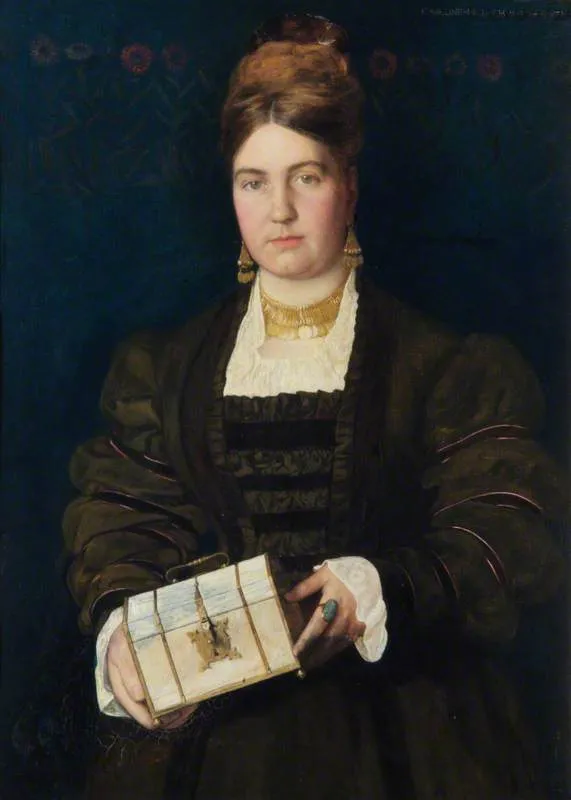
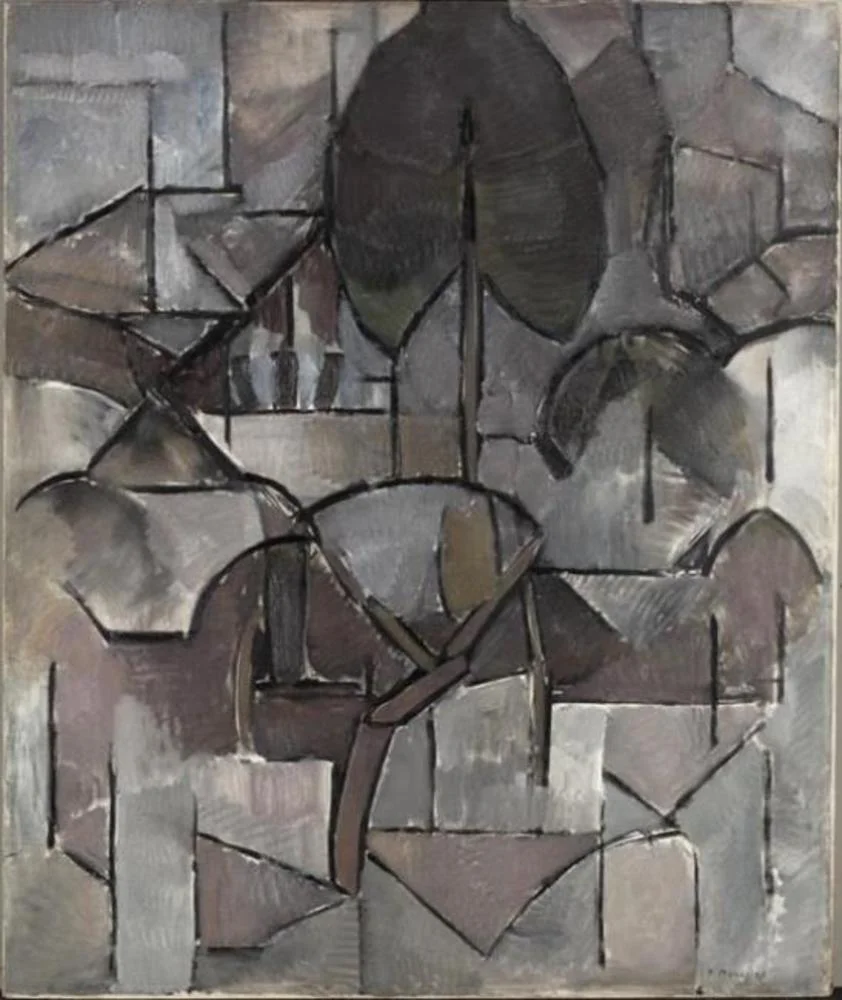
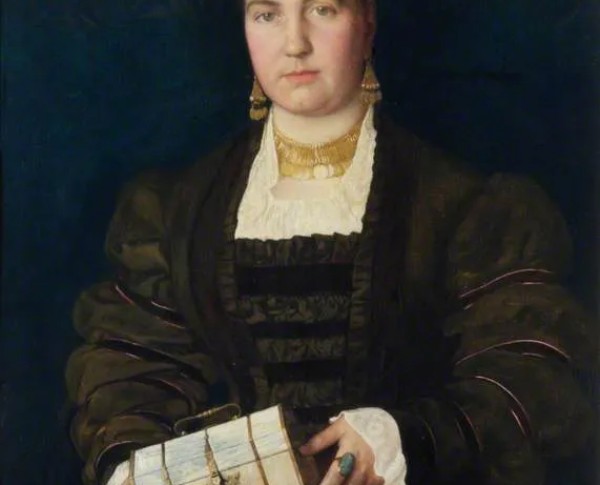
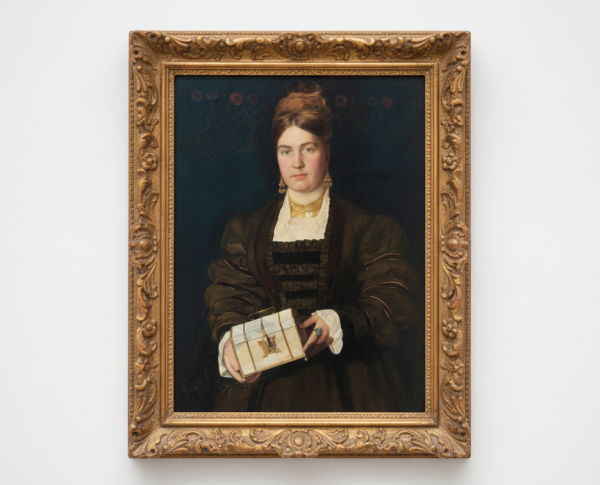
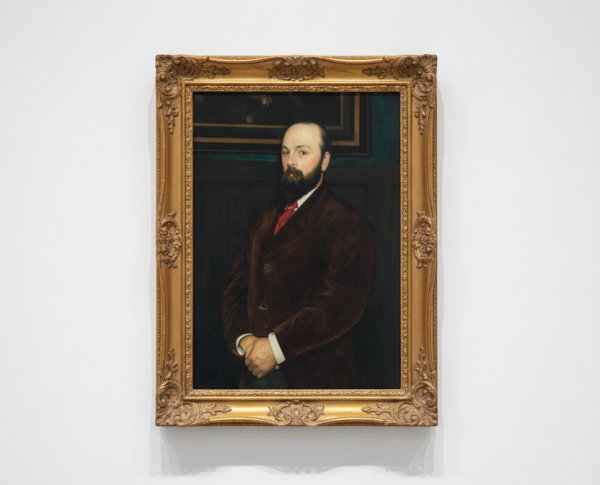
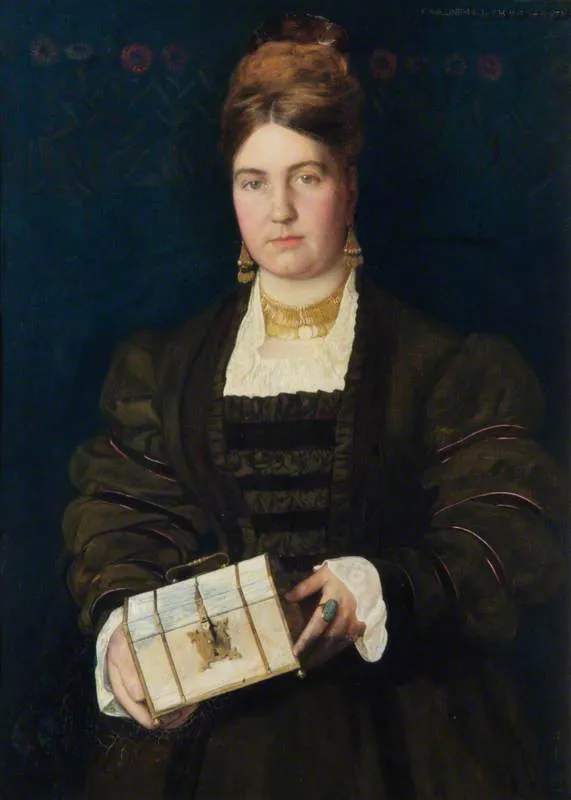
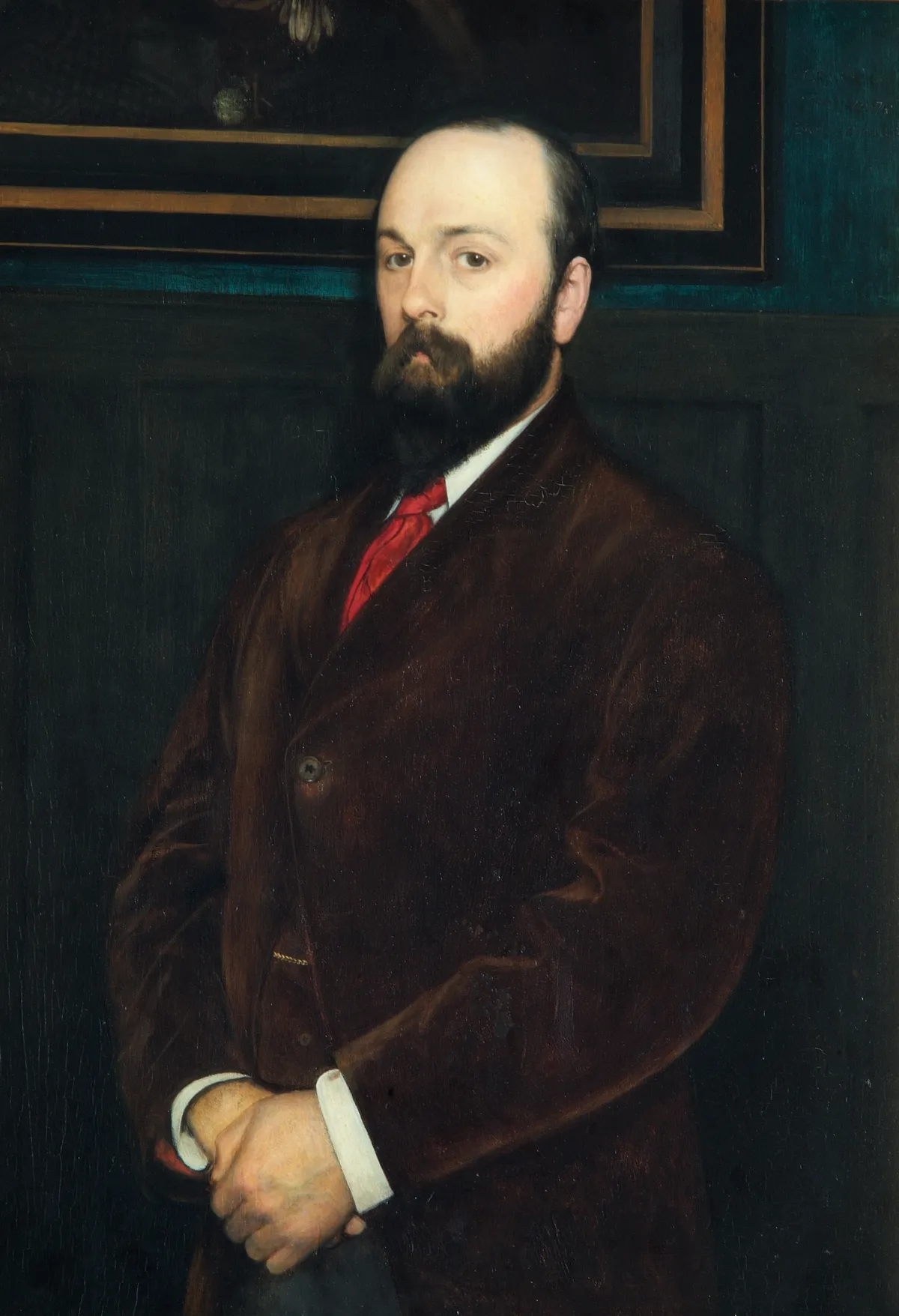
Edward Robert Hughes R.W.S. demonstrates exceptional skill in "Portrait of Caroline Hill," employing oil on canvas to achieve luminous textures and lifelike detail. As a prominent figure in the Pre-Raphaelites movement, Hughes’s technique stands out for its vibrant color palette and expressive brushwork. Art lovers are drawn to his other masterpieces, including "Fisher Lane by Great Bridge" and "Cambridge, Landscape with Trees," which showcase his ability to infuse scenes with striking realism.
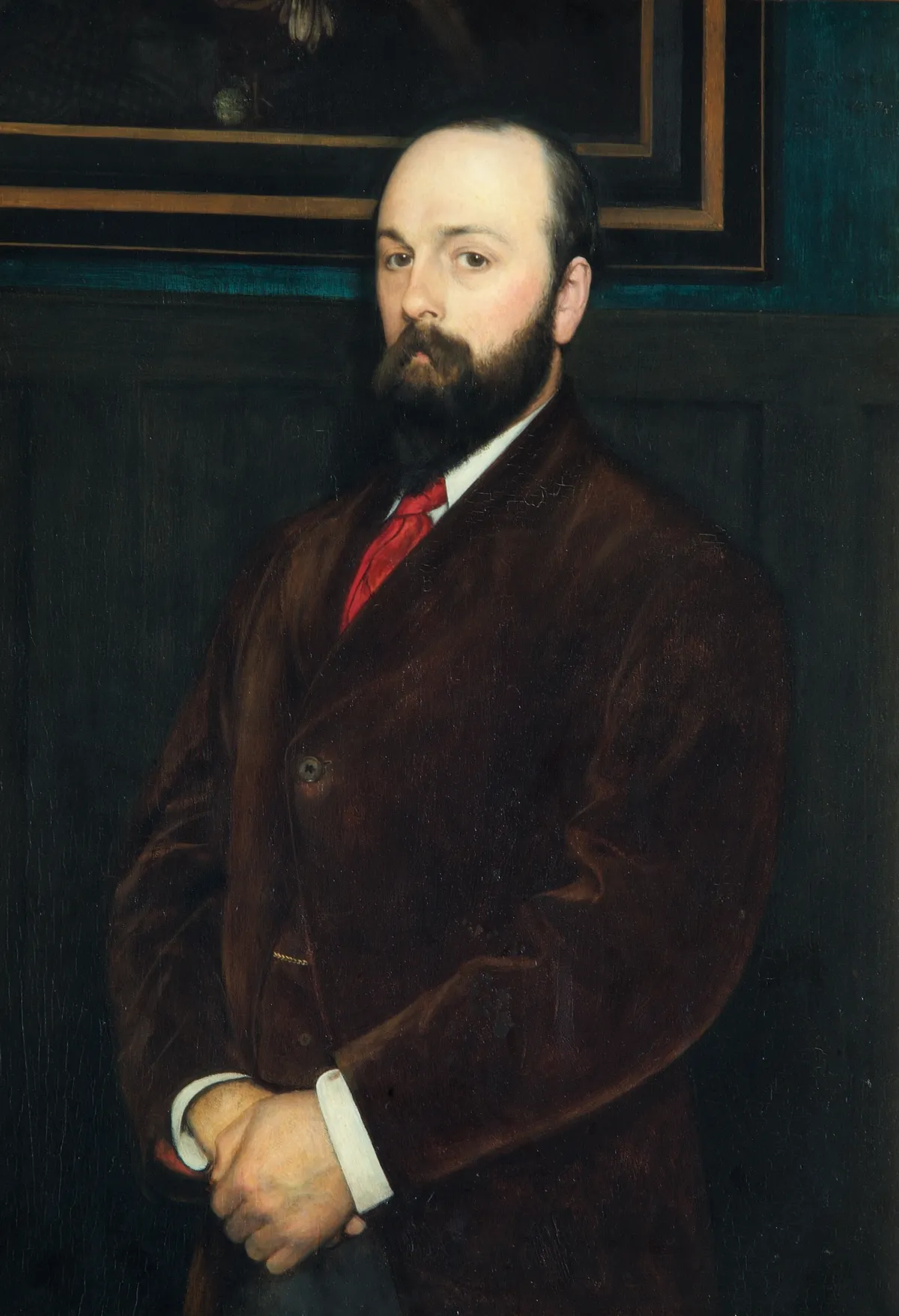
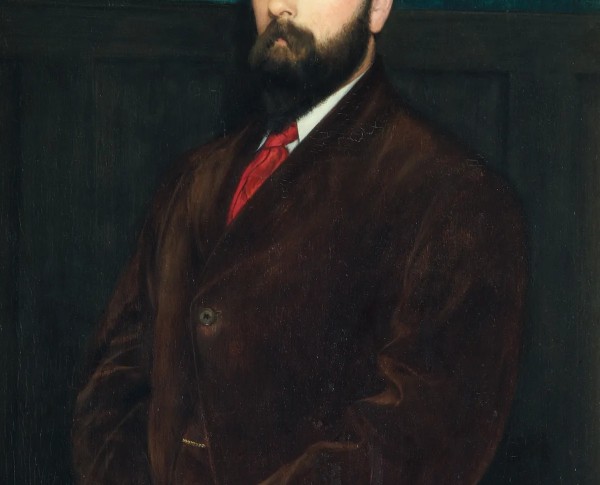
The "Portrait of Caroline Hill" is not just a depiction but a narrative interwoven with subtle symbolism, characteristic of the Pre-Raphaelites. Through this fine art painting for sale, Hughes invites viewers to explore themes of innocence and introspection. The artist’s attention to detail, evident in works like "Portrait of Gray Hill," encourages a deeper appreciation for the stories behind each sitter. Collectors value these layers of meaning, making Hughes’s paintings highly sought after.
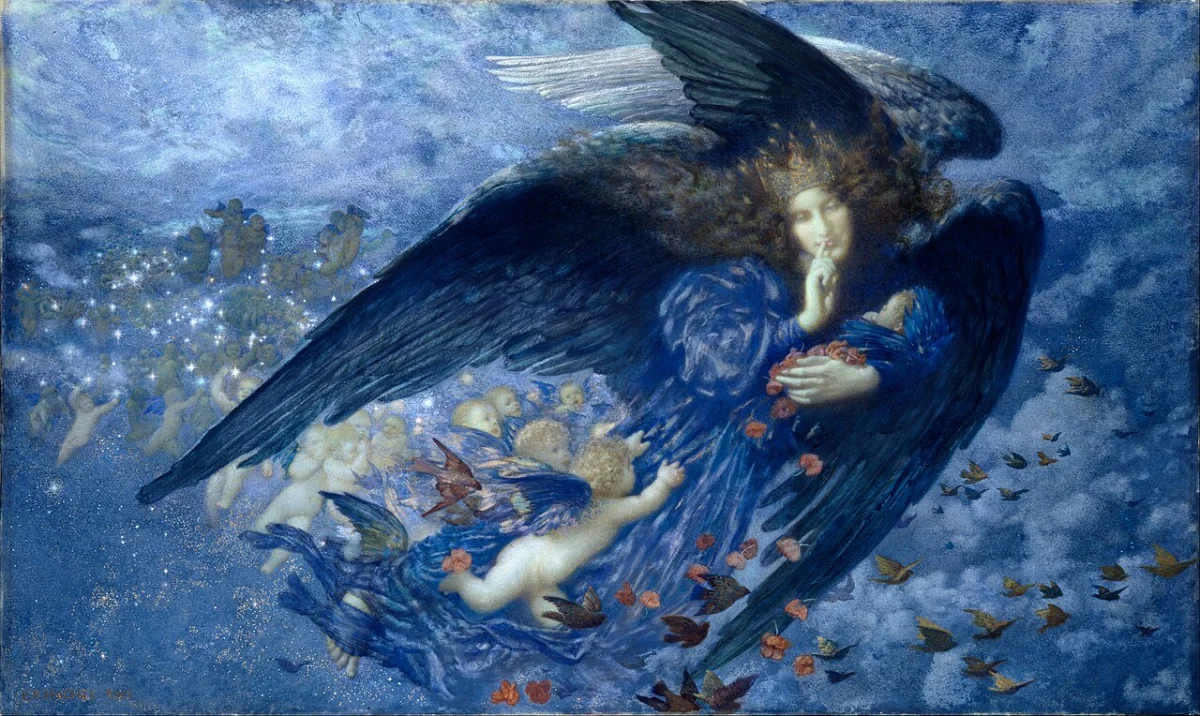
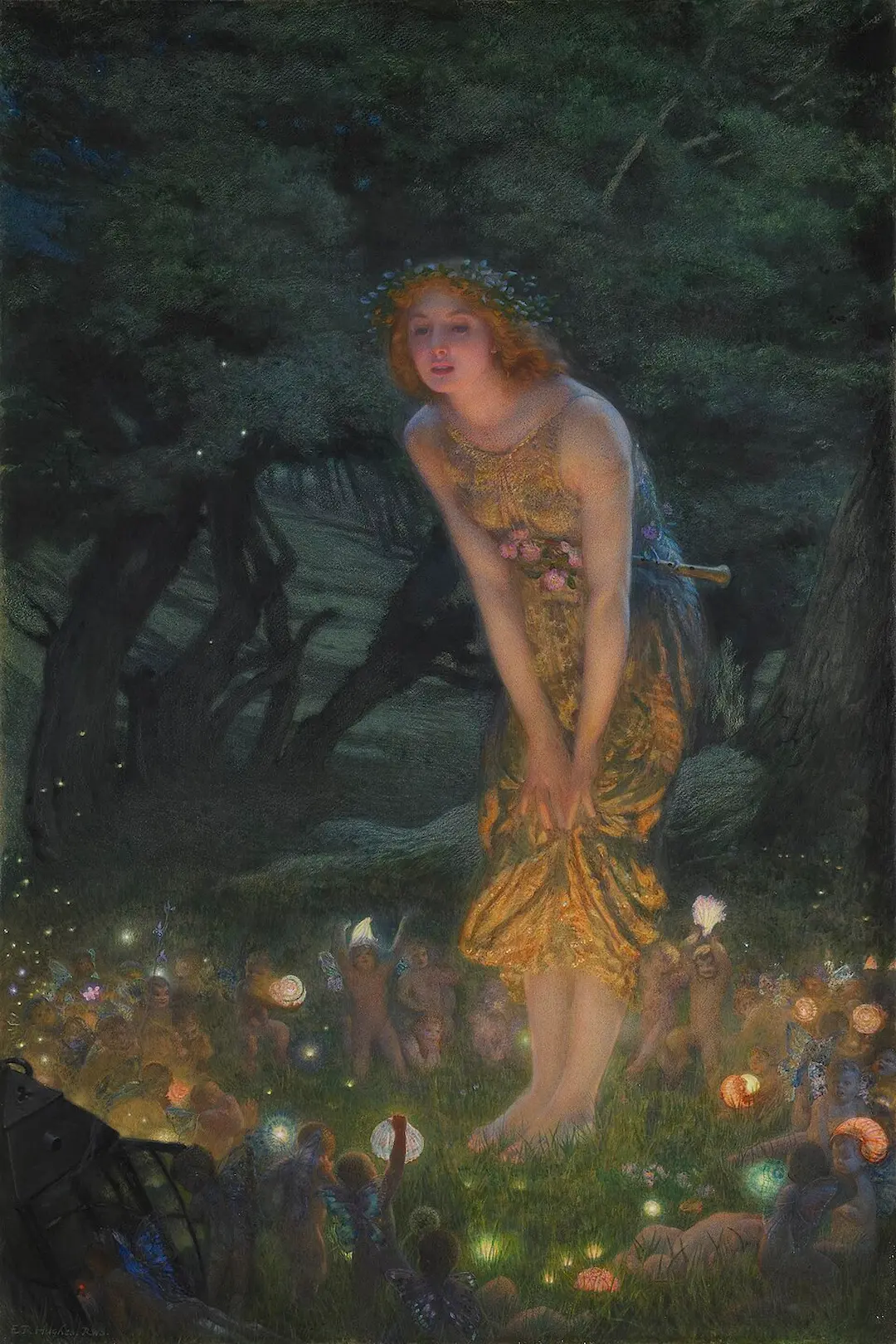
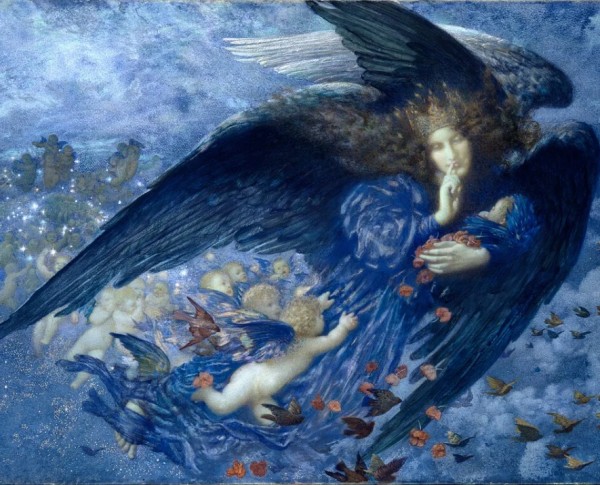
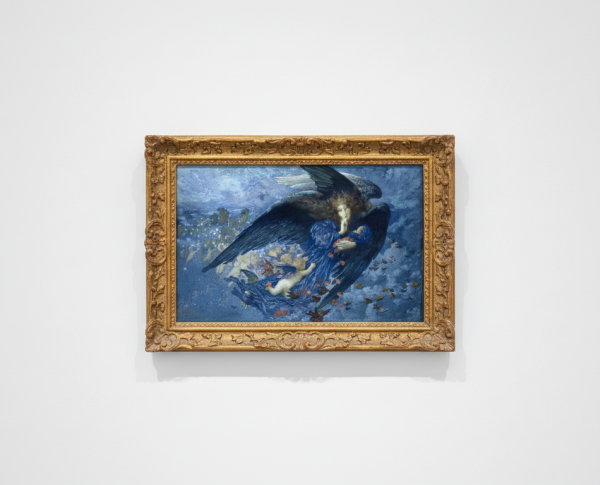
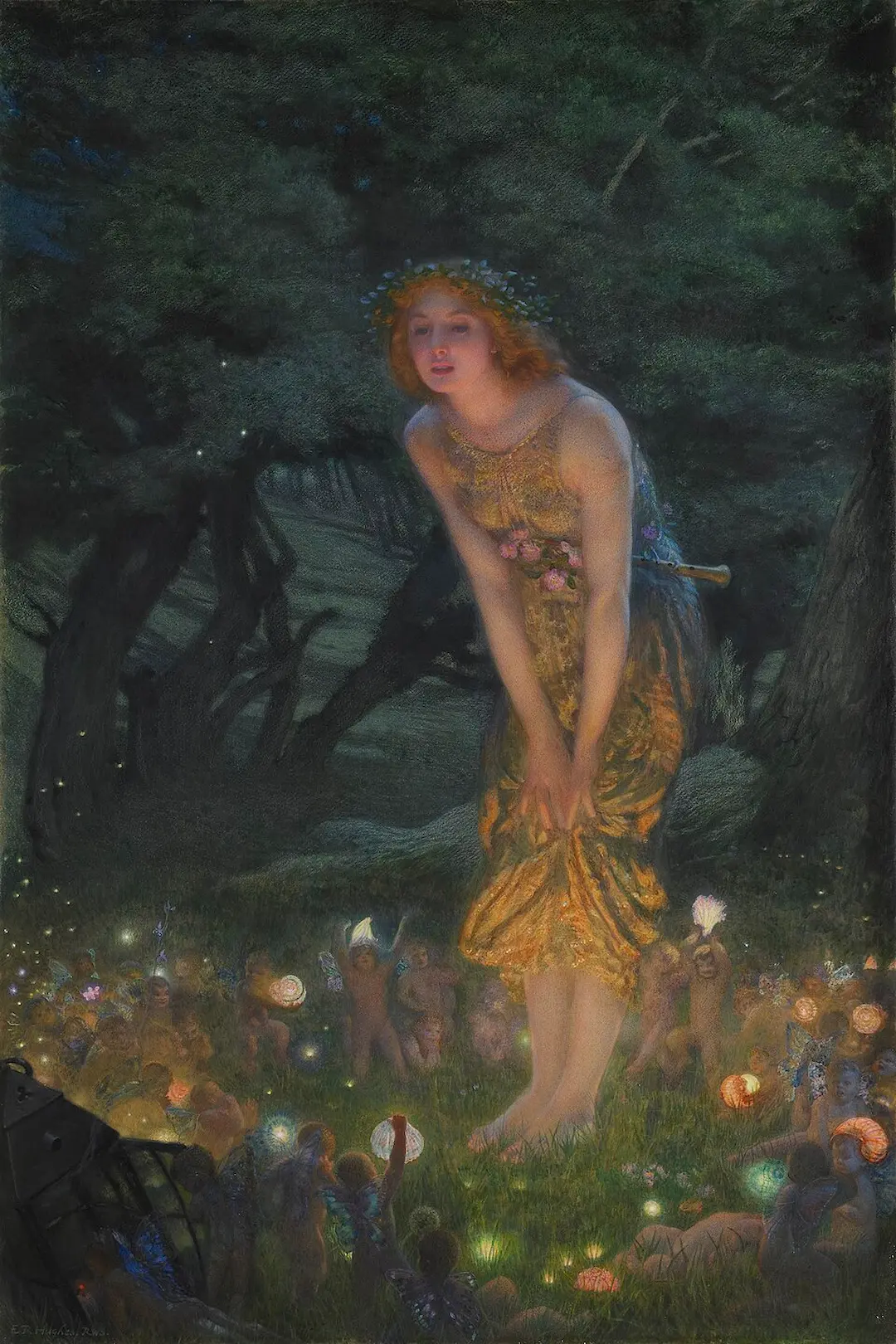
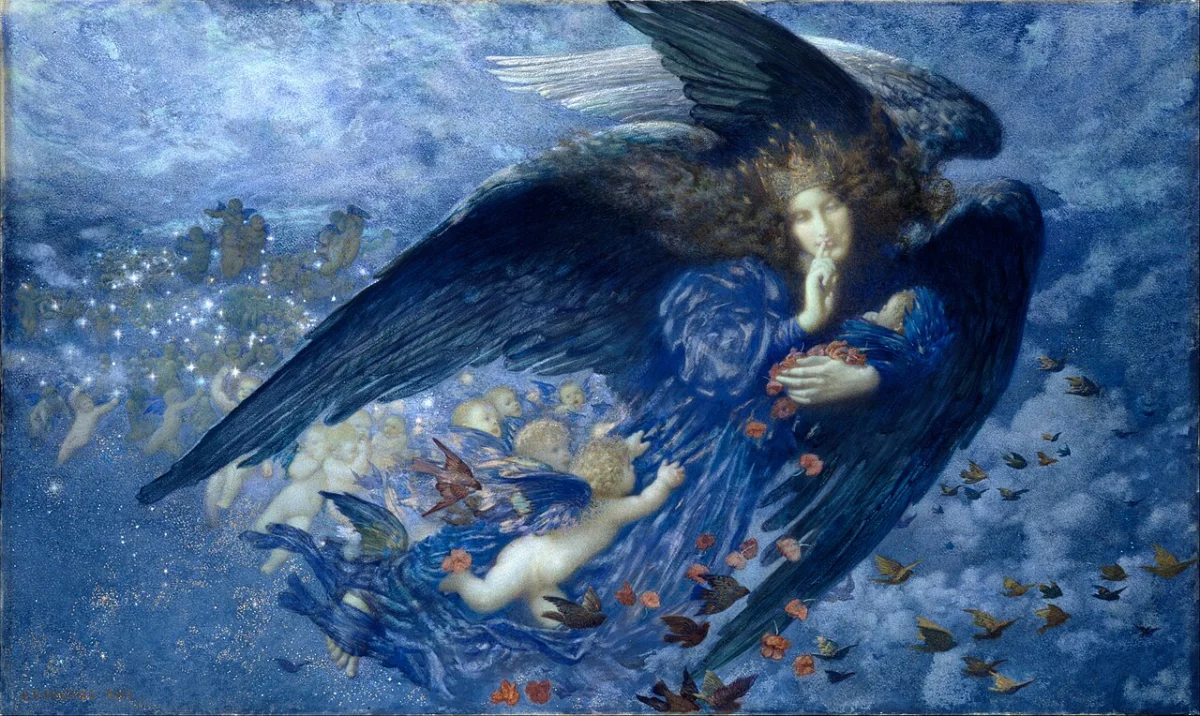
Owning "Portrait of Caroline Hill" by Edward Robert Hughes R.W.S. is an opportunity to possess a piece of Pre-Raphaelite legacy. This hand-painted oil painting stands alongside celebrated works such as "Midsummer Eve" and "Night with her Train of Stars" as a prized addition to any collection. Its timeless elegance and masterful execution make it a coveted artwork for connoisseurs seeking distinctive fine art painting for sale from this influential movement.
When Art Meets History
"Portrait of Caroline Hill" by Edward Robert Hughes R.W.S. stands as a testament to the Pre-Raphaelites movement, capturing a unique moment in art history. Painted in the late 19th century, this hand-painted oil painting reflects the era’s fascination with realism and intricate detail. Hughes, known for works like "Mrs Stirling as the Nurse" and "Mrs Arnold Toynbee," infuses his portraits with a sense of timelessness, making them cherished pieces in the world of fine art.
Techniques That Speak
Edward Robert Hughes R.W.S. employed masterful techniques in "Portrait of Caroline Hill," utilizing oil on canvas to achieve luminous skin tones and delicate textures. The Pre-Raphaelites movement emphasized naturalistic detail and vibrant colors, visible here through Hughes’s careful brushwork. Similar technical prowess can be observed in his related paintings, such as "James Russell Lowell" and "John Owen, Fellow, Secretary, British and Foreign Bible Society," each demonstrating the artist’s remarkable command of the medium.
Emotions on Display
In "Portrait of Caroline Hill," Hughes captures a profound sense of introspection and grace, hallmarks of the Pre-Raphaelites movement. The sitter’s gentle expression and thoughtful gaze evoke deep emotion, inviting viewers to connect with her inner world. This fine art painting for sale resonates with the same emotional depth found in Hughes’s other works, including "Mrs Stirling as the Nurse" and "Mrs Arnold Toynbee," each portrait brimming with subtle narrative and personality.
Coveted by Collectors
Collectors prize "Portrait of Caroline Hill" for its exquisite craftsmanship and historical significance within the Pre-Raphaelites movement. Edward Robert Hughes R.W.S. has become a sought-after name, with his hand-painted oil painting masterpieces like "John Owen, Fellow, Secretary, British and Foreign Bible Society" and "Mrs Stirling as the Nurse" frequently highlighted in prestigious collections. The timeless beauty and meticulous detail of these works ensure their continued desirability in the world of fine art.
Related Pre-Raphaelites Hand-Painted Oil Paintings by Other Artists
Other Famous Pre-Raphaelites Artists:
Frequently Asked Questions About Portrait of Caroline Hill
Who is the subject of "Portrait of Caroline Hill"?
The subject of the painting is Caroline Hill, who was a prominent figure in Edward Robert Hughes' social circle, known for her grace and poise.
What artistic style is evident in "Portrait of Caroline Hill"?
The painting exemplifies the Pre-Raphaelite style, characterized by its vivid colors, intricate detail, and a focus on realism combined with romanticism.
What is the significance of the colors used in the painting?
The rich and vibrant colors in the portrait symbolize vitality and emotional depth, reflecting Hughes' mastery of color theory and his intention to convey the subject's inner beauty.
How does the composition of the painting contribute to its overall impact?
The composition is carefully arranged to draw the viewer's eye towards Caroline's face, creating an intimate connection and emphasizing her expression and character.
What techniques did Edward Robert Hughes employ in this portrait?
Hughes utilized techniques such as glazing and layering to achieve a luminous quality in the skin tones and fabrics, enhancing the three-dimensionality of the subject.
What historical context surrounds the creation of "Portrait of Caroline Hill"?
This painting was created during the late 19th century, a time when portraiture was evolving to include more personal and psychological elements, reflecting the changing societal values of the era.
What symbolic elements can be found in the painting?
The inclusion of specific objects or motifs in the background may symbolize Caroline's personality or social status, adding layers of meaning to the portrait.
How does "Portrait of Caroline Hill" compare to other works by Edward Robert Hughes?
This portrait stands out for its emotional depth and technical finesse, showcasing Hughes' ability to capture the essence of his subjects, which is a hallmark of his broader body of work.
What influence did "Portrait of Caroline Hill" have on later artists?
The painting influenced subsequent generations of artists by demonstrating the power of emotional expression in portraiture, encouraging a more personal approach to the genre.
Is there any notable exhibition history for "Portrait of Caroline Hill"?
The painting has been featured in several prestigious exhibitions, highlighting its significance in the study of late Victorian portraiture and its enduring appeal in art history.






















_GFM_Painting_(1).webp)


 100% Hand-Painted: Finished in 3-6 Weeks

.png)















_(1).webp)