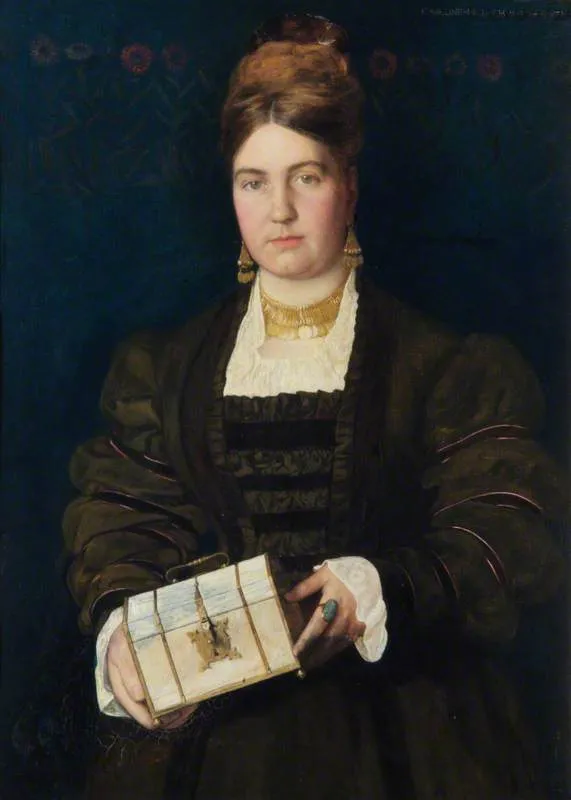
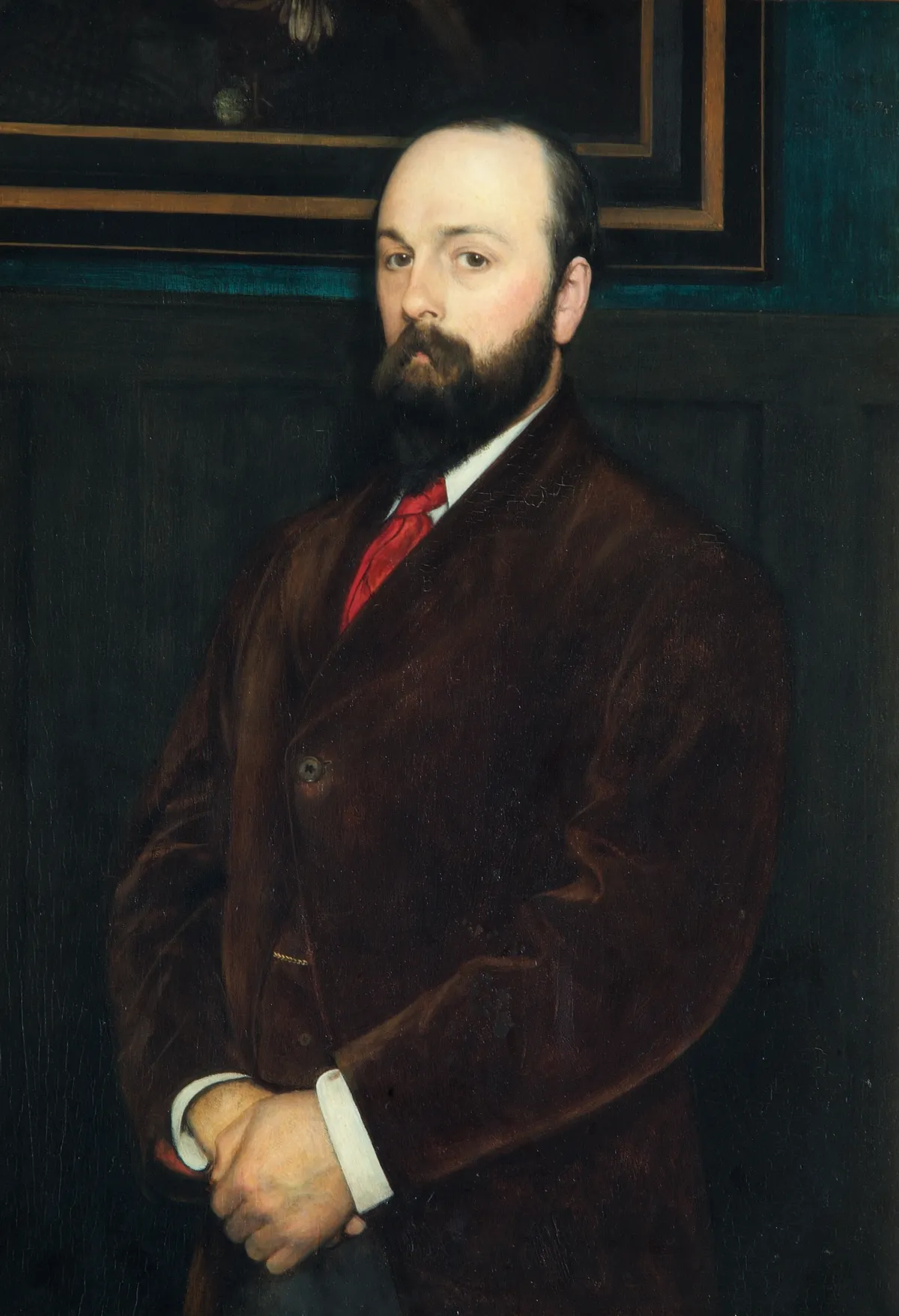
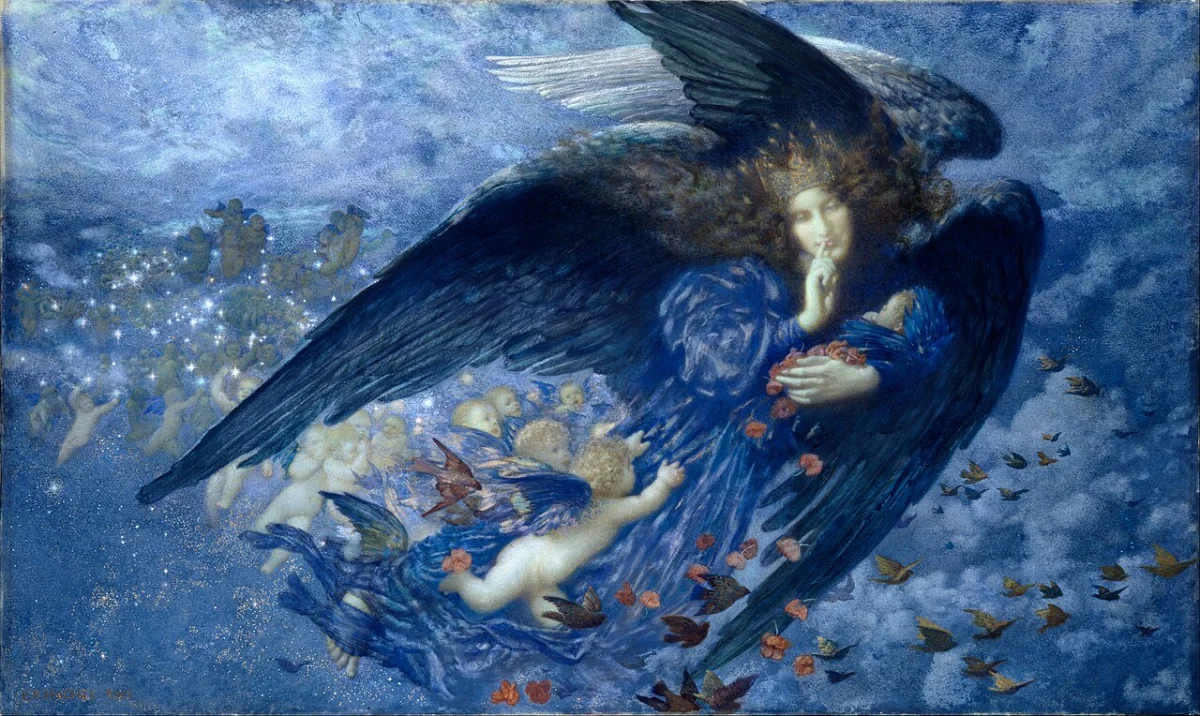
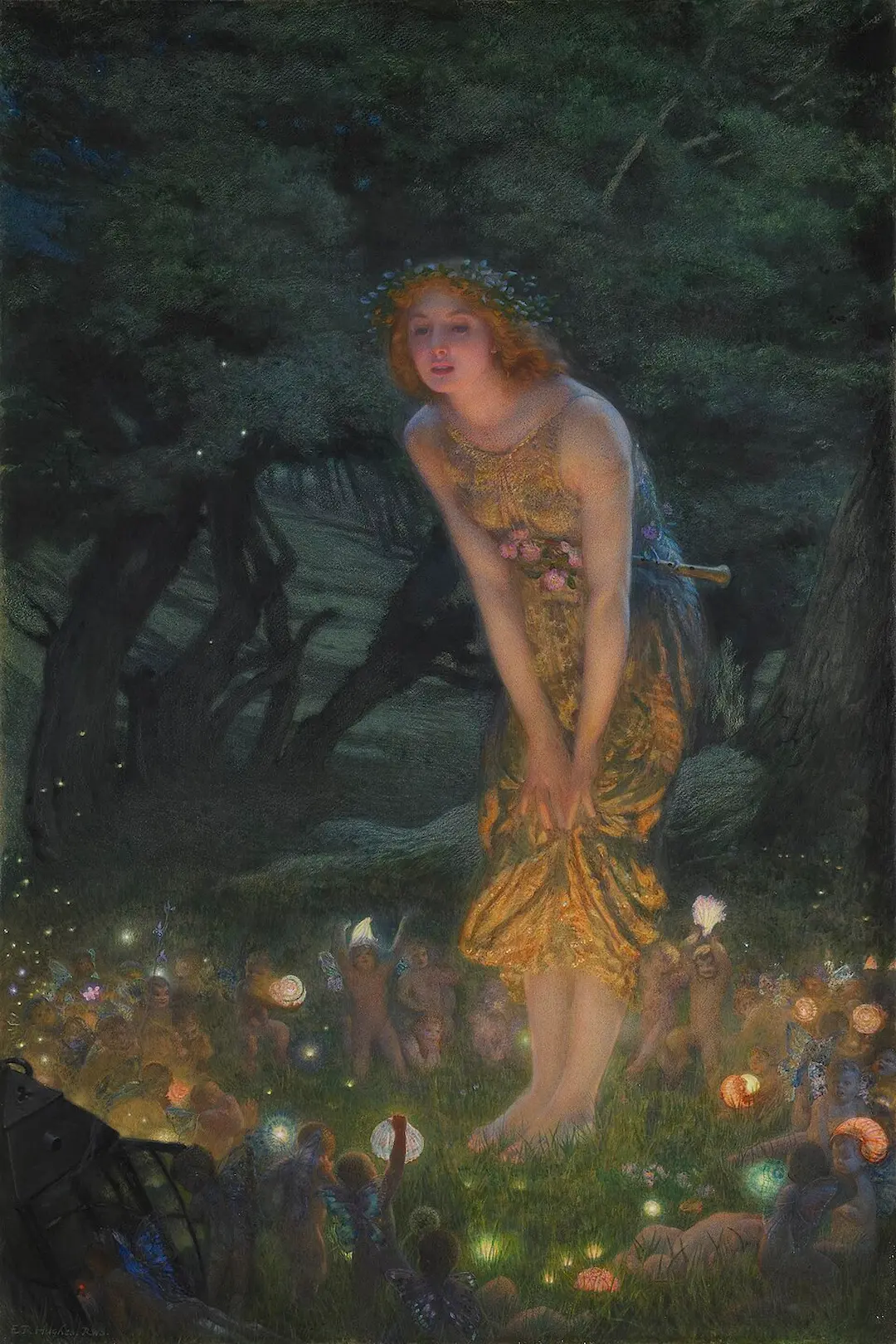
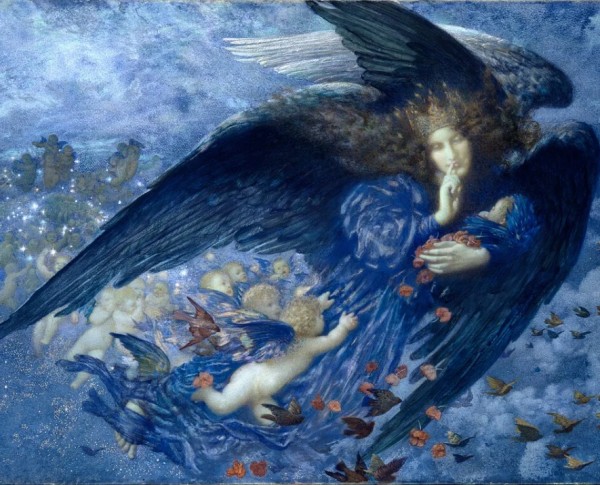
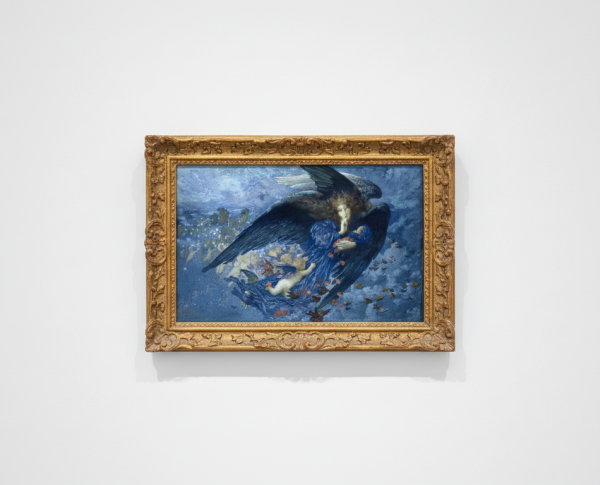
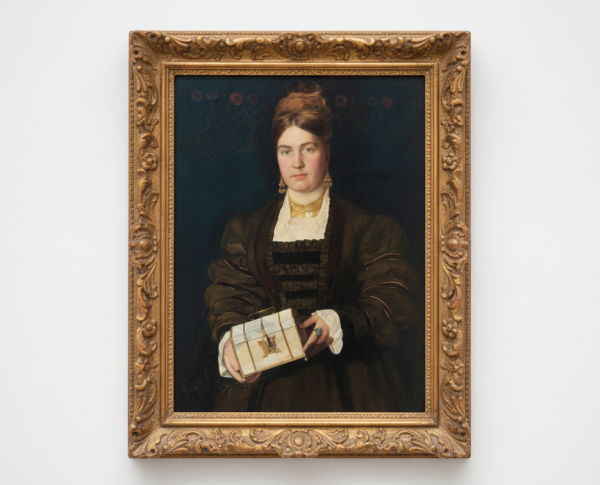
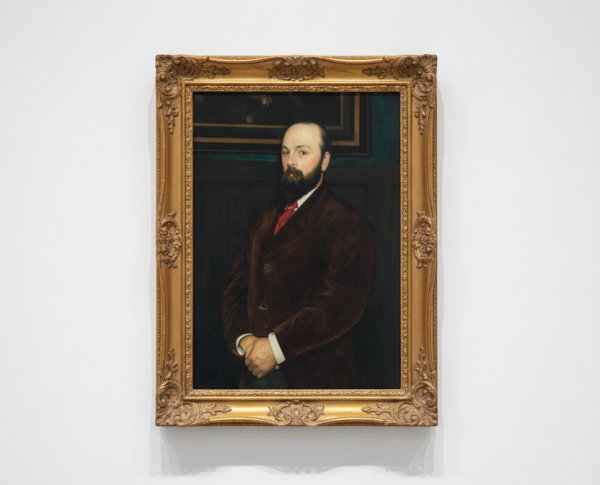
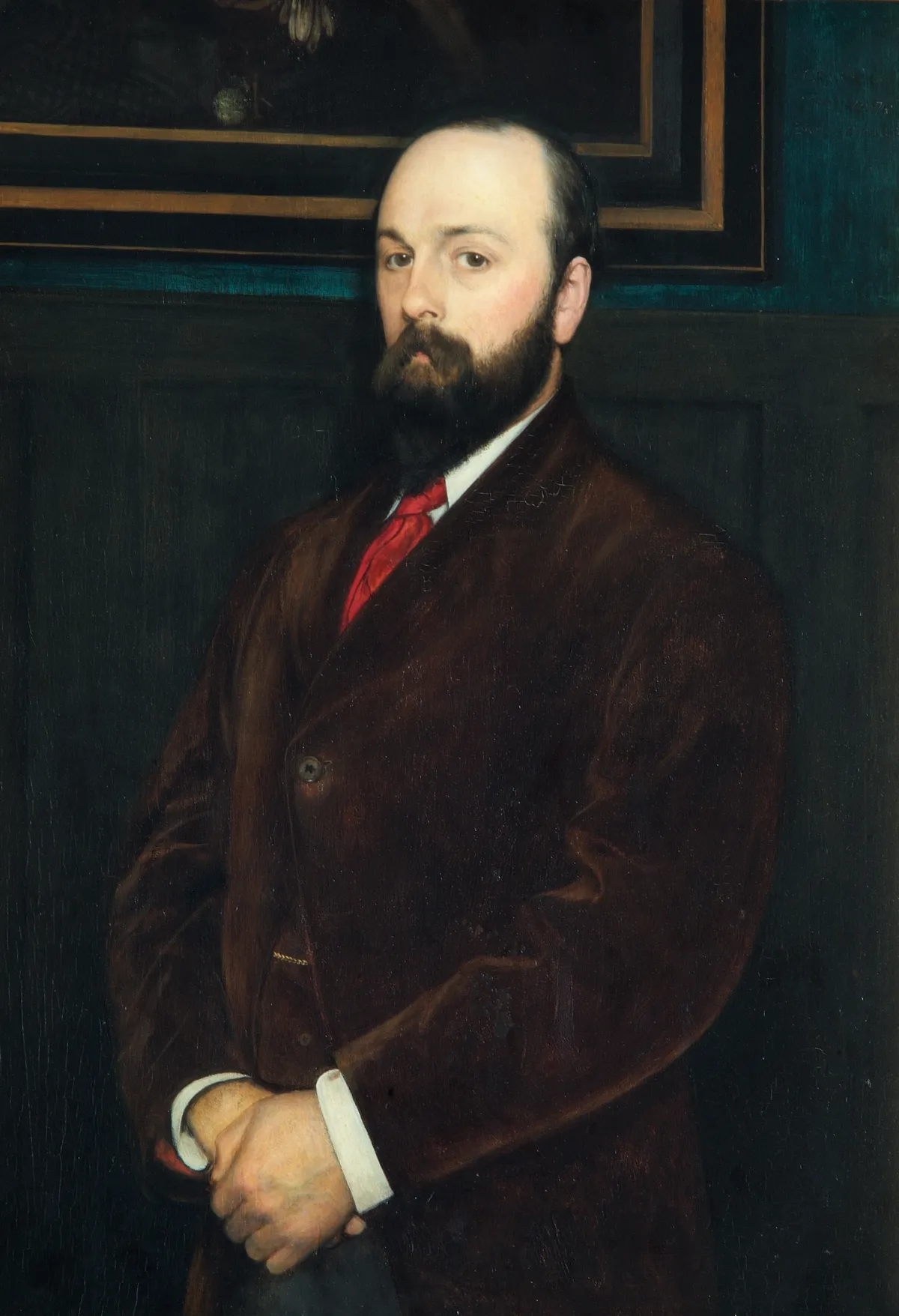
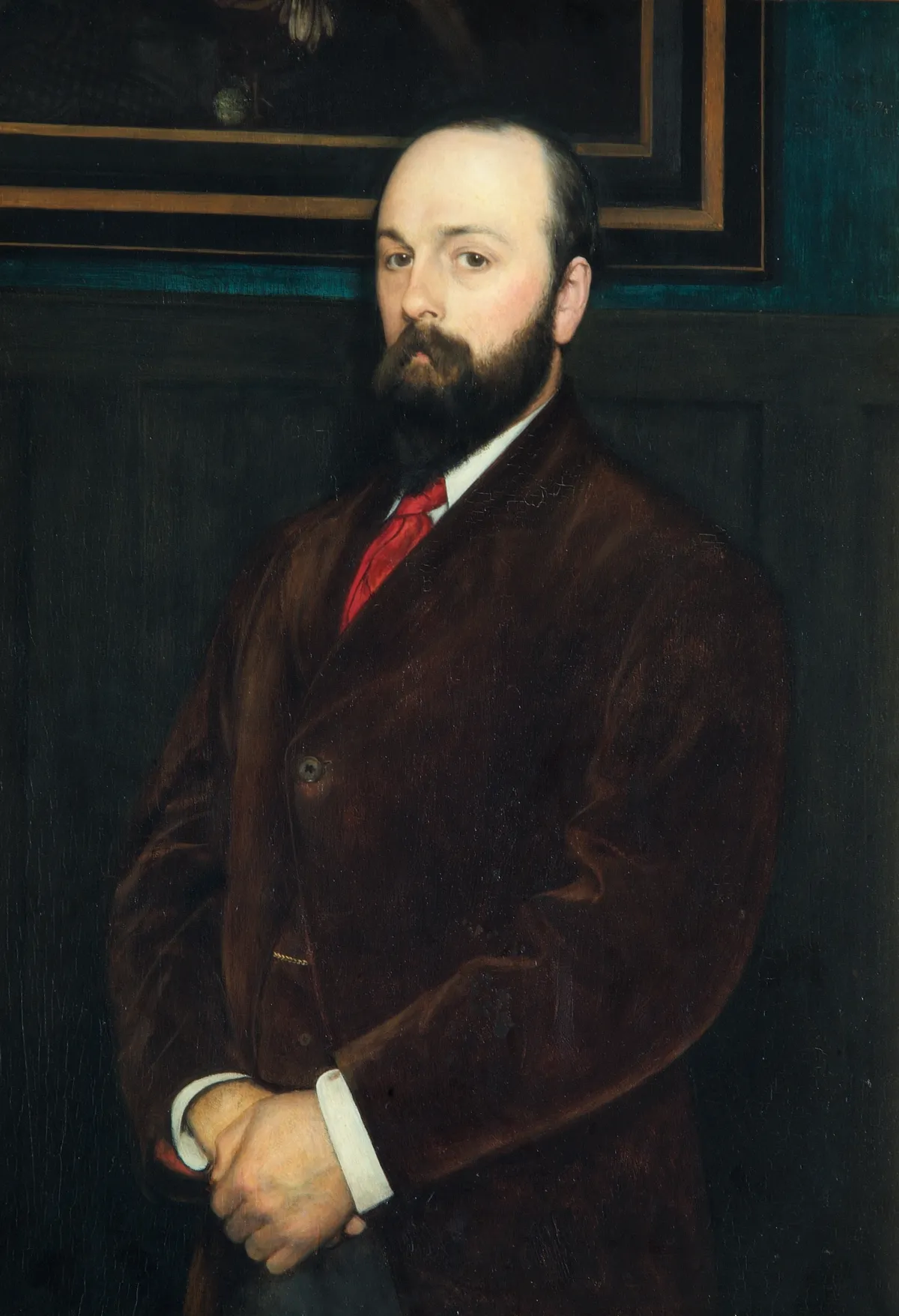
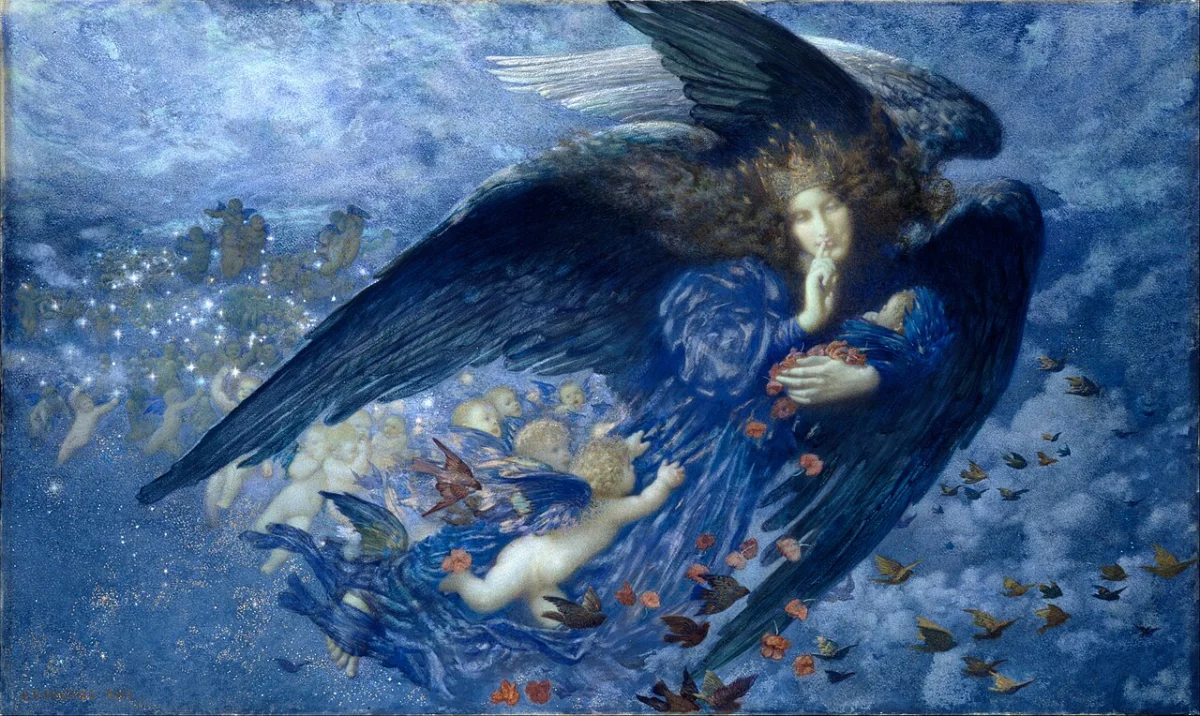
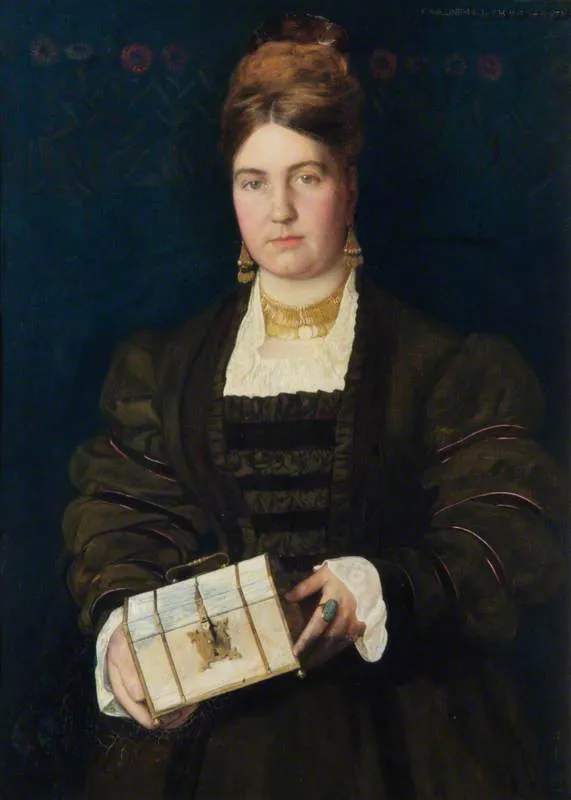
Edward Robert Hughes R.W.S. demonstrated unparalleled skill in "Portrait of Gray Hill," utilizing oil on canvas to achieve remarkable detail and vibrancy. The techniques he employed are hallmarks of the Pre-Raphaelites, evident in every brushstroke. This masterpiece, alongside related pieces such as "Night with her Train of Stars," showcases the artist’s devotion to realism and beauty. Owning such a painting allows art lovers to appreciate the craftsmanship of oil on canvas daily.
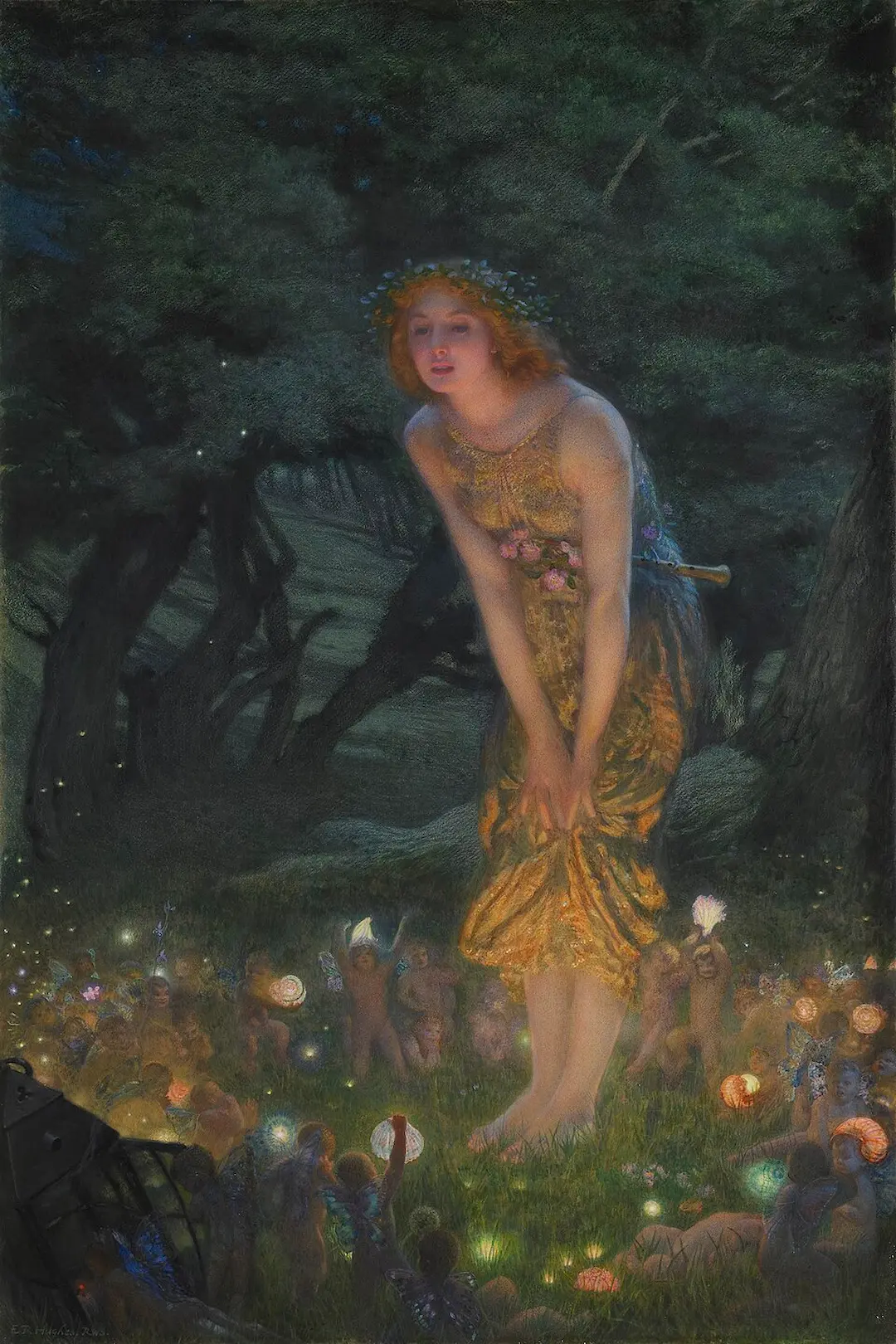
"Portrait of Gray Hill" is more than just a visual delight; it is a narrative woven with symbolism, a trait cherished by the Pre-Raphaelites. Edward Robert Hughes R.W.S. masterfully integrates subtle stories within his hand-painted oil painting, inviting viewers to interpret the subject’s inner world. Collectors and enthusiasts of the movement often explore related works like "Midsummer Eve" and "Portrait of Caroline Hill" to further experience this symbolic storytelling tradition.
For collectors, "Portrait of Gray Hill" by Edward Robert Hughes R.W.S. is a prized fine art painting for sale, representing the elegance of the Pre-Raphaelites. Its historical significance and connection to other masterpieces such as "Night with her Train of Stars" and "Midsummer Eve" make it a sought-after addition to any collection. The painting’s enduring allure continues to inspire admiration among art enthusiasts and connoisseurs alike, ensuring its place as a collector’s treasure.
When Art Meets History
"Portrait of Gray Hill" by Edward Robert Hughes R.W.S. is a remarkable example of the Pre-Raphaelites movement, capturing the era’s fascination with detail and realism. This hand-painted oil painting reflects Hughes’s dedication to reviving the vivid storytelling and intricate brushwork characteristic of the period. Alongside works like "A Mermaid 1900" and "Hylas and the Nymphs 1896," this portrait stands as a testament to the historical significance and enduring legacy of Pre-Raphaelite artistry.
Techniques That Speak
Edward Robert Hughes’s mastery of oil on canvas is evident in "Portrait of Gray Hill," where every brushstroke reveals his technical brilliance. Influenced by fellow Pre-Raphaelites, Hughes employed luminous layers and delicate glazes to achieve a lifelike effect. Similar to his peers’ works, such as "The Soul of the Rose 1908" and "The Lady of Shalott 1888," this portrait demonstrates a meticulous approach, making it a true representation of the movement’s dedication to technique and beauty.
Emotions on Display
In "Portrait of Gray Hill," the artist channels deep emotion through subtle expressions and an evocative atmosphere, hallmark traits of a fine art painting for sale from the Pre-Raphaelites. Hughes’s sensitive portrayal invites viewers to connect with the subject on a personal level, much like in "Boreas 1903." The emotional resonance of this painting continues to captivate art lovers, making it a standout work among Hughes’s celebrated oeuvre and the broader movement.
Coveted by Collectors
This striking portrait by Edward Robert Hughes is highly sought after by collectors who appreciate authentic Pre-Raphaelite masterpieces. Its status as a hand-painted oil painting and its connection to related works such as "A Mermaid 1900" and "The Soul of the Rose 1908" elevate its desirability. "Portrait of Gray Hill" embodies the timeless appeal of the Pre-Raphaelites, making it a prized addition for anyone seeking a significant fine art painting for sale.
Related Pre-Raphaelites Hand-Painted Oil Paintings by Other Artists
Other Famous Pre-Raphaelites Artists:
Frequently Asked Questions About Portrait of Gray Hill
What is the historical context of "Portrait of Gray Hill"?
"Portrait of Gray Hill" was created during the late 19th century, a period characterized by a transition in artistic styles and the rise of the Pre-Raphaelite Brotherhood, which influenced Edward Robert Hughes. This era saw a growing interest in nature and realism, reflected in Hughes' work.
What artistic techniques did Edward Robert Hughes employ in this painting?
Hughes utilized a combination of oil painting techniques and meticulous attention to detail, often layering colors to achieve depth and luminosity. His use of light and shadow enhances the three-dimensionality of the subject, a hallmark of his style.
What is the significance of the title "Portrait of Gray Hill"?
The title suggests a connection to the natural landscape, possibly referencing a specific location or the emotional tone of the painting. The word "Gray" may also symbolize a sense of melancholy or introspection, inviting viewers to explore deeper themes.
Who is the subject of "Portrait of Gray Hill"?
The subject of the painting is not definitively identified, which adds an element of mystery. This ambiguity allows viewers to project their interpretations onto the figure, making the artwork more personal and engaging.
How does "Portrait of Gray Hill" reflect the Pre-Raphaelite influence?
The painting embodies the Pre-Raphaelite commitment to detail and vibrant color, as well as a focus on naturalistic representation. Hughes' work often reflects a narrative quality, reminiscent of the storytelling approach favored by the Pre-Raphaelites.
What themes are explored in "Portrait of Gray Hill"?
The painting explores themes of solitude, reflection, and the relationship between humanity and nature. The serene landscape serves as a backdrop for introspection, inviting viewers to contemplate their own experiences.
What materials were used in the creation of "Portrait of Gray Hill"?
Edward Robert Hughes primarily used oil paints on canvas for this artwork, a common medium during the period that allows for rich color and texture. The choice of materials contributes to the painting's overall aesthetic and durability.
How has "Portrait of Gray Hill" been received by critics and art historians?
The painting has been praised for its technical skill and emotional depth. Art historians often highlight Hughes' ability to blend realism with romanticism, making it a significant piece in the study of late 19th-century British art.
What is the symbolism behind the landscape in "Portrait of Gray Hill"?
The landscape serves as a metaphor for the inner state of the subject, reflecting themes of tranquility and contemplation. The natural elements may symbolize the passage of time and the cyclical nature of life, enhancing the painting's emotional resonance.
In what ways does "Portrait of Gray Hill" connect with contemporary audiences?
Contemporary audiences can connect with "Portrait of Gray Hill" through its exploration of universal themes such as solitude and self-reflection. The painting's timeless quality and emotional depth continue to resonate, inviting viewers to engage with their own narratives.






















_GFM_Painting_(1).webp)


 100% Hand-Painted: Finished in 3-6 Weeks

.png)















_(1).webp)